They Cut Off Their Addicted Son—He Got Sober, Then Cut Them Off Forever
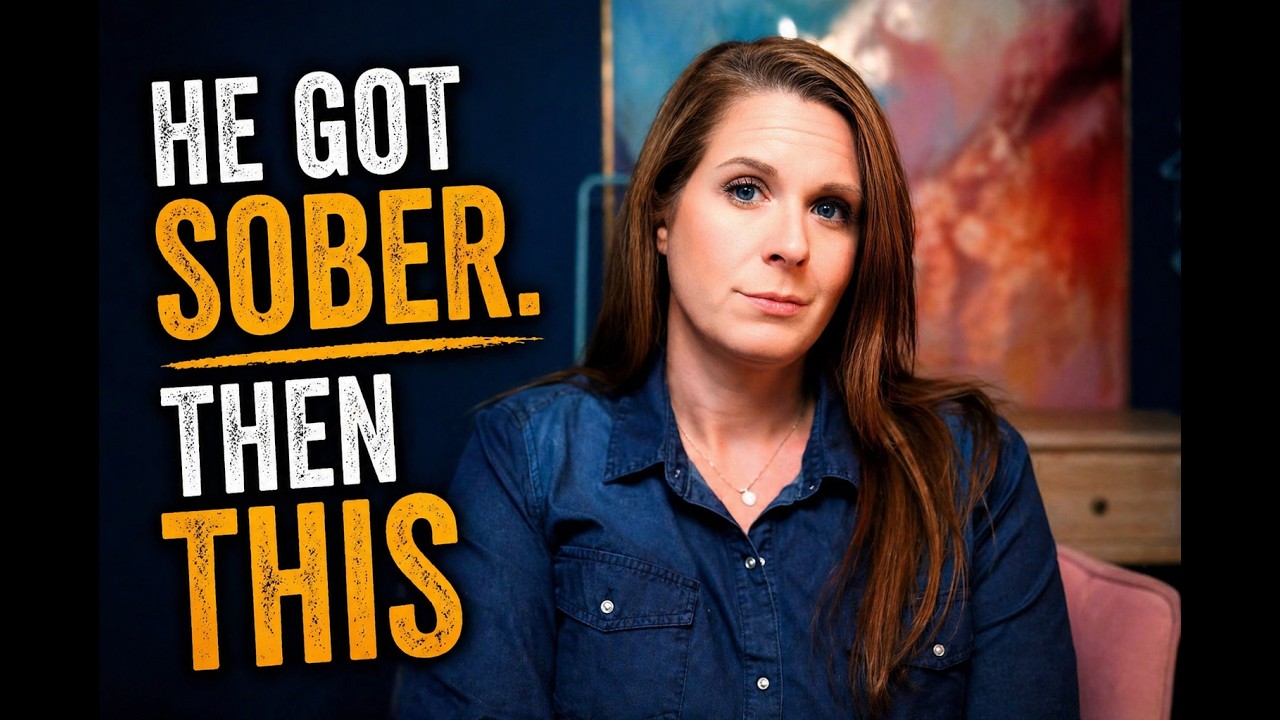
In this solo YouTube video, Amber Hollingsworth examines the complex issue of cutting off an addicted family member. She presents two anonymized, real-life Reddit stories—Marcus, a man who stole from his family to fund heroin use, was disowned, achieved sobriety, rebuilt his life, and later faced his family’s attempts to reconnect; and Sarah, a 25‑year‑old who supported her drug‑addicted father financially and emotionally, eventually went no‑contact to protect herself. Through these narratives, Amber challenges the common belief that cutting someone off forces sobriety, arguing that such actions are often driven by the family’s need for safety rather than a recovery strategy. She distinguishes between "survival" (cutting off for self‑preservation) and "recovery" (cutting off to engineer sobriety), emphasizing that the former is legitimate while the latter places an impossible burden on the family. Amber also reframes the relationship between forgiveness and access, stating that forgiveness does not obligate families to reopen doors, and that families have the right to protect the stable lives they have built. She concludes with a call to seek professional help for setting boundaries and supporting loved ones, and encourages viewers to share the message.
Chapters
I'm going to tell you a story about a man who stole from his family to fund his heroin addiction. His family cut him off completely. He got sober. He rebuilt his life from scratch, got married, had a baby, and then his family came calling, and that's when the situation got really complicated. Today, I'm going to give you the most honest answer you're going to find anywhere about cutting off an addicted loved one, and it might surprise you because the real question isn't whether cutting them off works. The real question is why you're doing it and who it's actually for. Today I'm actually going to be talking to you about 2 real stories, real people, no names, no identifying details, just the raw truth of what happened and what we can learn from it. And at the very end, I'm going to say something that no one in the recovery space wants to say, but it really needs to be said. So stay with me. Let's start with a man. I'll call him Marcus. Of course, that's not his real name, who posted his story online. Over 3,000 people upvoted this story on Reddit. 643 people commented on it, and the comment section was completely divided. Here's what happened. Back in 2020, Marcus was deep in heroin addiction, and he did something that addicted people sometimes do when addiction is running the show. He stole from his family electronics, an old cell phone, a game console, a Blu-ray player, and he sold them to buy heroin. His family found out, and to their credit, they got him into a 90-day residential program right away. But while he was in there while he was doing the hardest work of his life, not a single phone call came. No visits. He tried calling them to let them know how he was doing. No one answered. The day he got out of rehab, his family sat him down and they told him that he was no longer considered a member of their family and he needed to leave the home immediately. And he was to have no contact with any of them for any reason. And they really meant it. At some points, Marcus tried to reach out to other family members like grandparents, aunts, uncles, cousins, but his parents had already gotten there first. They called every single person in the extended family and gave them an ultimatum. If you maintain any contact with Marcus whatsoever, they would get cut off too. He was left on the street. No family, no support system, nowhere to go. He ended up in a homeless shelter. From a homeless shelter, Marcus got a job, then an apartment. He went back to school online, and he finished the degree he dropped out of years earlier. He got a great job offer in another state, and he took it. He moved. He met an incredible woman. Her own father had been through an addiction journey, so her family They understood Marcus's story, and they welcomed him completely. He got married, and 3 months before he posted this story, he became a father to a baby boy. He did what every proud new dad does. He posted his son all over social media, and that's when the biological family resurfaced. Messages started flooding in. His parents wanted to meet their grandson. Extended family who hadn't spoken to him in 5 years were suddenly reaching out. Everyone wanted back in, but Marcus really wasn't interested. He just said no. This This is what Marcus wrote, and I really want you to hear his words here. My family abandoned me at my lowest and actively worked to cut me off from any family support I could have had. Now, I know that I'm not owed forgiveness for my actions, but I can't pretend that what they did was anything less than complete disownment of me at my most vulnerable. And the messages from his family, they just kept pouring in. They said things like, well, it's your fault. You never tried to earn our love back. You're cheating us out of a relationship with our grandson. You owe us this. But in all the messages, there wasn't one single apology. In fact, someone in the comments asked Marcus directly, have your parents or any other family members apologized for completely shunning you? Marcus answered, no, no, I haven't heard from my relatives in 5 years since it all happened. Now my mother allows me to view her social media posts so I can see how my sister's doing, but that's all. She doesn't have conversation with me. I can't comment on them. I can just see them. Now here's the top comment on Marcus's story, and it has over 2,300 upvotes. It said this: How are you supposed to earn their love back when they made every possible effort to shut you out? Someone replied, everyone understands that Marcus needed to earn their trust back, but their love for him should have been unconditional all the time. Another person put it even more bluntly: They don't get to exile you Blacklist you from the entire family, let you be homeless, and then claim grandparents' rights because your life turned out better. You're being fair, not one-sided. I want to be balanced here because another commenter made a point that also deserves to be heard. They said the family cutting him off was, in their view, actually an act of love. Refusing to enable, refusing to soften the consequence, letting him hit the bottom he needed. And honestly, I think a lot of people would agree with them. Here's the thing. In their point of view, the cutoff worked because Marcus got sober. He turned his entire life around, but something else happened in the process. With no path back, no communication, no acknowledgement from his family that they had played a role in how all this unfolded, it ended permanently. And now they're shocked. They thought they were protecting themselves and they were. They also thought they were doing the right thing for Marcus, but there's a crucial difference between protecting yourself from an active addiction and I am permanently slamming the door on another human being who's trying to get well. Here's what I think was missing: a plan for what came after. There was no door left cracked, no here's what we need to see, no pathway back. Just, you're gone. Now, I will also mention there was an edit that Marcus added to the original post. Eventually, he said that he and his wife would get on a video call with the parents, not to reconcile necessarily, But to sit down, talk through the last 5 years, and gauge where everyone stands before making a final decision. Which tells me something. Even Marcus, who had every reason to close the door forever, left it open a crack. And I think that matters. Okay, before I tell you the second story, I need to say something that I know is going to push back against what a lot of people in this space teach. There's this widespread belief, and I understand where it comes from, that if you cut off your addicted loved one, It will make them change. That if you remove yourself from the equation, they'll hit their rock bottom and finally get sober. And I want to be really careful here because there is a kernel of truth in it. People do have to get uncomfortable in order to change. Discomfort is part of the process, but cutting someone off is not what makes them change. In fact, and this is what I see over and over again, cutting someone off often escalates the situation significantly because now they've lost their primary attachment relationships. Now the shame is louder. Now the isolation is deeper. And the thing that numbs all that, it's right there waiting for them. So I'm not telling you to never cut someone off. I'm telling you this, do not cut off your addicted loved one because you think that's what they need. That's the wrong reason. And it puts you in an impossible position because now you're responsible for their recovery and you're not. You can't be. The only good reason to cut off an addicted family member Or go no contact is because of what you need. Your safety, your sanity, your own life. Not because you're trying to engineer their sobriety, but because you cannot continue at the cost of yourself. That distinction matters more than anything else I'm going to say today. And that's exactly what makes this second story so different from the first. Sarah's story is sadder, not more dramatic. It's more grief than conflict. A 25-year-old woman, we'll call her Sarah, posted in an online support community asking one question. How do I get over the guilt of not responding? Her father is 55 years old. He's been in and out of homelessness for over 5 years. He's addicted to drugs. He lives with a girlfriend who's also an addict, and they have 2 teenagers in the home. Sarah, Sarah had tried to help. She gave her father money, which went toward drugs. She found him resources. She even paid for a storage unit so he would have somewhere to sleep. Every time she gave him something, every time she reached out, She was met with emotional attacks and guilt trips. So she eventually moved to another state to create some peace in her life. And then she went no contact. And then the texts started coming in. Miss my daughter. Bye. So I'm all on my own now, huh? Okay, got it. And there's Sarah sitting there, guilt eating her alive, a phone in her hand, wondering if she's making a terrible mistake. Now the most upvoted response she got said this. He's trying to take you hostage. Don't enable him. These texts are full of emotional manipulation. and extortion. We need to let people hit rock bottom on their own or they'll never learn. Another person wrote something I really want you to sit with. What I'm noticing is how much he wants you to parent him. You're 25 years old. This is a wildly inappropriate burden to place on you. None of this is about connecting with you or your well-being. It's entirely about his needs and getting you to meet them. Pity him, wish him well, but he's not your child. You did not create this. Now, here's what I want you to take from both of these stories. Cutting someone off is not a recovery strategy. It's a survival strategy. And those two are very different things. If you're cutting someone off because you genuinely cannot continue because of your health, your safety, your life depends on creating distance, that's a legitimate, valid choice. And you don't owe anyone an explanation for it. But if you're cutting someone off, hoping it will be the thing that finally wakes them up, I need you to hear me. That part is not your job, and the weight of that responsibility will crush you. You cannot engineer someone's rock bottom. You can only decide what you are and are not willing to live with. If you're in a situation like Sarah's or Marcus's family, and you're trying to figure out what to do next, that's exactly what we do. We work with families navigating these kinds of situations Every single day. Okay, this last part is for a specific group of people, and it might be uncomfortable to hear, especially if you're someone who's in recovery yourself. I see this come up quite a bit in my comments, in our support groups, everywhere, and it goes something like this. I've been sober for 5 years. I've done the work. I've made my amends. Or sometimes it's someone who's reached out to their siblings who want to have nothing to do with them, and they just don't understand. They usually say something like, I've forgiven myself. Why can't they forgive me? I'm sober. I'm on the right track now. If you're relating to that situation from either perspective, I want to offer you a reframe because I think the forgiveness question might be the wrong question entirely. Here's the thing that nobody wants to say out loud. Sometimes it's not about forgiveness. Sometimes a family member who's not letting you back in isn't angry. They're not bitter. They haven't been sitting around nursing some kind of grudge for years. They've just built a life. Think about it from their perspective. An adult child who grew up with an addicted parent, they spent the last decade figuring out who they are without that kind of chaos. They've built a career, a relationship, a home, a routine. They've done the therapy. They've processed the grief. They created stability, maybe for the first time ever. And now that you're sober and you want a relationship, they're sitting there asking themselves a very honest question. What does this actually bring to my life? Is that cold? Maybe, but it's real. Because here's what I've noticed. When we talk about reconciliation after addiction, we almost always center the conversation on the person in recovery, their healing, their amends, their desire to reconnect, their joy at the possibility of getting their family back. But what about the family member? What do they get out of reopening the relationship? What does it cost them? What does it require of them emotionally? What kind of disruption does it bring into a life that they've carefully and painstakingly built? And sometimes As harsh as it sounds, the honest answer is they don't have a real reason to bring this person back into their life. Not because they haven't forgiven them, but because they've built something good and they don't know what adding this relationship back is going to look like. And to be painfully honest, they don't owe anyone access back into their life simply because they've gotten healthy. Now, that's not a moral failure. That's a human being protecting themselves and a life they've worked really hard to build. So if you're in recovery and you're struggling with this, I see you and I know how painful this is to do the hardest thing you've ever done in your life and to feel like the people you most want to share it with just aren't there anymore. But I want to offer you this: sobriety is your victory, your healing, your gift to yourself, and it cannot be contingent on whether your family opens the door back up. And demanding access to someone's life, even with the best of intentions, even with years of sobriety behind you, is still a demand. The family member gets to decide what they're willing to take on. That's their right. Forgiveness does not equal access. They're 2 completely different things. You can forgive someone completely, wish them nothing but health and peace, and still choose not to have them in your daily life. Both things are true at the same time, and both deserve to be respected. The link to work with us is in the description below. We can help you figure out how to set boundaries to protect yourself while being supportive and encouraging someone to move toward recovery. And if this video helped you or it made you think about something a little differently, share it with someone who needs it, because I promise you they're out there and they need to hear this too. And I'll see you in the next one.
More from Amber








Addiction Turns “Me vs. Drinking” Into “Me vs. You” #addictionrecovery #addictionawareness

They Admit Everything Except the Addiction #addictionrecovery #addictionawareness

Stop Trying to Make Them Admit the Truth #addictionrecovery #addictionawareness