Unmasking the Unspeakable: Chad Doerman's Unthinkable Crime
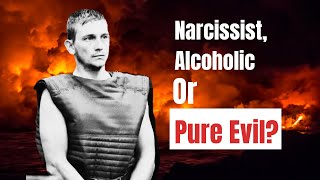
Amber Hollingsworth (master addiction counselor and licensed mental health counselor) analyzes the alleged 2023 Ohio killing of three young boys by their father, Chad (Duerman/Doerman). She summarizes the alleged events, neighbor and arrest footage reports, and argues that while alcoholism likely did not cause the murders, chronic alcohol use and addiction can intensify resentment, distorted thinking, and risky behavior that may contribute to such tragedies. The video also briefly addresses detox and recovery as partial steps toward preventing escalation.
Chapters
The intersection between mental health, addiction, and madness, or even pure evil. It's a really thin line, and sometimes it's hard to pull apart the pieces of what is. What we've seen this time and time again in really recent cases like Lori Valo, Daybell, all these cases, Letitia Staunch, staunch Letitia Stout. These situations where you see people that have so much, we don't know what evil inside that they make these choices to actually not just murder, but murder children. And for most of us, it's really hard to imagine how you could get to that point in your thinking. That's a little bit what I want to delve into this case today about Chad Dorman, who is an Ohio guy accused. I think he's like, 32 years old. He's accused of shooting his three sons. And these were little boys. They're like seven, four, and three. I mean, young, young children. And he did this purposefully in front of their mother so that she had to watch. And so it seems that what it looks like is he did that for the purposes of revenge. Now, what's really interesting, I think, is when you. When you delve into this case, there are some of the neighbors that have done some, like, interviews about what they've seen. Not just. I mean, there are some interviews of neighbors about what happened the day of the crime, but there are also some interviews of neighbors where they talk about, you know, like, what does this guy like? Like, have you had an interaction with your neighbors, that kind of thing? And. And all the neighbors that you hear talk. They talk about that this guy was angry, that he was a ticking time bomb, that he was always drinking, yelling at the kids, yelling at the wife. I mean, it's not like some of those stories you hear where it's like, oh, my gosh, he was the best neighbor. He was just so quiet. He was such a good guy. I mean, this guy was very, very obvious to look at and look at the situation and say, this is a bad situation that is going to blow up. So how does that keep happening? And what role does the alcohol play in the entire sort of in the whole story when you put all the pieces together? For those of you who don't know me, I'm Amber Hollingsworth, and you're watching the channel Put the shovel down. This YouTube channel is actually about the science and psychology of addiction. I'm a master addiction counselor, but I'm also a licensed mental health counselor. And so we're going to talk about how those things intersect in this case with Chad. I mean with Mr. Dorman, it's spelled Duerman. It's like D O E R M A N. So it's hard for me to say it right. So I definitely don't think that alcoholism caused this situation. But I do think that alcoholism, gasoline or alcohol, gasoline the situation. And keep watching because I'm going to tell you how I think it mixes into the story here. There's a lot of evidence so far that shows that this was premeditated. It wasn't some kind of angry, rageful, alcoholic fueled outburst from what we know so far. And like I said, all I have is what you guys have, which is sort of what's in the news or the reports and maybe other, I'm sure other things will come out later when the trial comes, but is that he comes home from work, there's some reports that said he hadn't been sleeping in like three days. And he says to the, to the kids in the house there, and for those of you who don't know this case, there, there's the wife, there's him, and there's a 12 year old stepdaughter and then the three little boys, seven, four and three. And he says, you know, why don't y' all come in here and take a nap with me. And that's when all this horrifying stuff started to happen. And so he starts going crazy. I think he shoots one of the little boys. The little, one of the boys takes off running and the stepdaughter takes off running after like right after him. He catches up to the little boy, shoots the boy while he's running, goes up again, shoots him again. I know these are horrible details and I'm not going to get too much into the story because there are many, many, many good true crime YouTubers that tell the story better than me. In fact, I really like Annie Elise. I don't know if you guys follow her or not, but if you haven't heard this whole story, you may want to take a look at her video. I will link it in the description for you so you can follow up on it. And he kills that little boy, goes back, I think the mom is holding like the three year old. He tries to shoot the three year old but then the gun doesn't work. She grabs him, just trying to wrestle the gun and another gun, bullets, whatever, but he shot her in the hand. Trying to shoot the little boy ultimately killed him. So left the mother alive, obviously purposefully, and then didn't kill the 12 year old stepdaughter. So for me, that says a whole lot about the situation. It says a whole lot about the thinking. The thinking is my mind, revenge, right? It's I'm trying to hurt you. And there's a little. And there's another little element in here, too, because it were just revenge. You know, we. Maybe it was like the stepdaughter situation, and he could have killed that stepdaughter, but he didn't. So in my mind, it's like, these boys belong to me, and I'm going to take them out. So there was this sort of level of narcissism, this level of obsession mixed with the not sleeping. And then we throw alcohol in on top of that whole mix. So let's talk about how alcohol plays into that situation. So many crimes have to do with addiction, like, way more than you could possibly imagine. And we don't do enough analysis about where the subject substances come into play. I mean, there are some crimes where it's like somebody gets really high or messed up and they do something crazy and whatever, and that's pretty clear. But there's a whole lot more to it. Like, in this situation, I don't think that it was alcohol that caused this, but I do think that alcoholism played a major role in it. And I think that because there are a lot of reports about the drinking when you look at the footage of when he's arrested. So, like, the does these terrible things. He kills these kids, and then he's sitting out on the lawn, like, the lawn, waiting for the police to show up with, like, the bodies there. And he looks, like, totally calm. He doesn't really resist arrest, but he doesn't really comply either. It's just really bizarre to watch. And you can see that footage in Annie Elise's video. But he's. One of the first things he says is, I'm not on any substances. I'm sober. I'm not going to hurt you. And I think that's interesting that one of the first things he said was, I'm sober. To me, it says there's a lot of thinking. Like, he's thinking about that fact, which wouldn't necessarily be the first line of thought when substances don't play into the mix. One of the things he says to the cops is, I don't use drugs, except for, like, once when I was a kid or something like that. He alludes to the fact that maybe he had in the past, but a long time ago. He's not a drug user. But so to me, when I hear that, as an addiction Counselor, first thing I hear is, well, alcohol is a drug. It's like one of the most addictive, dangerous drugs that there is. But that's just a whole other side tirade. So alcohol is a drug, Mr. Dorman. Anyways, we'll leave that for another day. I have other videos about that. But even if he's not intoxicated at the time, what you don't understand is that addiction doesn't just mess up someone's thinking when they're intoxicated. Addiction messes up someone's thinking all the time. And if you've ever had an addiction or you've known a loved one that has an addiction, then, you know, sometimes the most volatile time is if you have someone who's addicted and who is not on that substance at the time. Because usually that means they're either like in withdrawal, they can't get ahold of the substance. They. Their irritability is through the roof. And then you have a very dangerous situation. So it's like whether they're intoxicated, that can cause a dangerous, high risk situation to explode, but also when they're not intoxicated because they're addicted, they're in withdrawal. Now, I want to focus in not just on addiction, but on alcohol specifically in this story, because one of the things that alcohol does to people, and I see this every single day when I'm working with clients, those of you don't know me. I've been doing this like 20 years. I've been working with people with addiction. So I've seen a good amount of it. And addiction is the same in a lot of ways, but it's different in some ways based on the substance. One of the things particular about alcoholism is that when you drink a lot of times, you tend to replay old memories and bad memories, resentments. And so one of the ways that I can almost measure addiction is how much resentment and self pity someone has. And you gotta think in order for this man to get to this state to do what he did purposefully, apparently in his sober mind, there was a lot of obsessive dwelling on resentment and self pity. And that is very much a symptom of addiction and alcohol specifically. I don't know anything about his childhood or his past or even his relationship with the wife other than it was very, very abusive and he was a very scary dude the whole time. But it causes you to relive it over and over and over. And then the backlash from the alcohol is to sort of jack your anxiety up really crazy. So when you're dealing with somebody who has an alcohol problem, their perception of the reality around them is very, very off. And I don't mean to the level of like full out psychosis, like, which can happen, but that usually happens in drama. That's not what I'm talking about. I'm talking about like their filter is off because they're irritable, because they're angry, because their anxiety is up all the time. So even when they're not sober, information isn't flowing incorrectly. It's coming in through a lens or a filter of agitation usually and impatience and anger and hostility in some cases. And then if you have someone who's stewing on these thoughts, stewing on these thoughts even when they're not drinking. And then you put the alcohol on the top of it, the alcohol, what that does is it takes the filter off. So you've got someone who's stewing on resentments, who's building it up, building it up, building it up, whatever these things are, these perceived injustices and wrongs. And then you take the filter off of it and you have a very, very dangerous situation. Now I have no idea if part of this situation, as far as like why his wife stayed or even I know he has some other family members like his father's interviewed, I think you can see those interviews. But a lot of times when you're in a situation like this and you're married to the person, or even if like this is your child who's addicted to something and can be abusive, you tell yourself they didn't really mean that, it's just because he was drunk. And there may be a little truth in that, but that is not ever a reason to continue to stay in a situation like this. Because in my experience, whatever someone's pattern is, when they get drunk, it's almost like you can count on it. You can know exactly what they're going to say, what they're going to fixate on. And if, if you're dealing with someone who gets angry when they're drunk, they're going to get angry. They may have a few moments, a little window of an hour or so in there where they're sort of happy and wonderful and go lucky and. And then after that the anger comes. And that's because of the way the brain reacts to the alcohol. The brain is actually trying to stabilize the alcohol because the alcohol is a depressant. The brain comes in and tries to sort of balance it out with all this like excitatory chemical. And that's where you have this anger come from. And if what the person is thinking about is they're upset about something for whatever reason, you take the filter off of it and you have a very, very dangerous situation. And so one of the reasons why I wanted to do this video is because I want anyone out there who's watching it who thinks, well, you know, this guy, this woman, this whoever, you know, they're so wonderful, they're so great. It's really just the alcohol, it's really just the drugs. They don't really mean it. That, that may all be true, that maybe they don't mean it, but if they're going to continue to drink, you can guarantee it is going to continue to happen. Being someone who's in a position to listen to some people every day who have drug and alcohol problems, oftentimes after the fact, they do regret it, they feel terrible about it, they wish they hadn't done it, and they will promise themselves that it won't happen again. But you got to understand the nature of addiction because what happens is they tell themselves for a few days something bad happens and they're like, oh my gosh, it was terrible. I'm never going to do it again. So they stop whatever the addiction is, but then they get several days into it or month or year or whatever, and they say, well, it's not going to hurt if I just have a little bit, right? You know, I've worked hard all day, I deserve it. They have some sort of rationalization and they put the alcohol or whatever the substance is in their body and they tell themselves they're not going to overdo it, they're not going to over drink, overuse or whatever. And they also tell themselves that they're not going to let that happen again. But once you put it in, especially if the addiction is alcohol, alcohol literally turns your off button off the part of your brain that would allow you to stop drinking, it deactivates. So it's a recipe for disaster. So it's really not as simple as someone being intoxicated causing them to be the way they are most of the time. When I talk to the clients, they're sober for the most part. When they're in my office all the time, most of the time. And their thinking is very, very skewed. I, I don't think I've ever dealt with someone who was alcoholic, who did not tell me their spouse was evil, controlling, terrible person. Unless their spouse has been like working on an invisible intervention program or one of those programs. They usually come in and tell me all that kind of situation. And they believe it wholeheartedly. And there's a little truth in that, because sometimes when your spouse becomes alcoholic, you do become kind of controlling and crazy. But there's just no level of insight into how their behavior is contributing to the behavior of the other members of their family, Their boss or whoever like that. So they get into this place of anger, resentment, self pity. The alcohol turns up the flame on it. Like, if you think about it like it was a gas grill, it's like taking that knob that's on top of that big propane tank and just cranking it up full blast. Even when they're not drinking. Especially when they're not drinking, the alcohol just puts the match on the gas that's already there. And that's why it is such a dangerous situation. Now, this guy Dorman, I always want to say it wrong. Dorman, he. It's more. It's more than just the alcohol. But I do think the alcohol, like I said, plays this part in it where he's irrational and obsessive. But you throw on top of that some sort of almost like narcissistic traits. Definitely an abuser. I don't know if this would have happened or would not have happened with or without alcohol involved or other substances. He says there's no other substances. That's probably true. I find that addicts and alcoholics will lie to you for sure, but they usually lie to you by omission more often than they lie to you by telling you something that's not true Unless you've got them cornered. So he voluntarily, you know, says that first thing. So I do think that there's probably some truth in that fact, but there's. There's a complete lack of insight. And also, if you go online and you look at, like, these pictures where they've got him in that green vest, and he goes to those preliminary court hearings, I mean, he looks completely distressed. I mean, he looks a mess. Like, you can see the emotion all over him. But in the video where he gets arrested, he just looks like he's just chilling. He just wants a cigarette or whatever. And he's just like, whatever. I'm just waiting for y' all to come get me. Do what you gotta do. He confesses to it. So I know that in the true crime world, you have to say allegedly, but come on, dude. There's eyewitnesses. This guy told the police he did it. He sat in the yard with the bodies laid out there. So there's no, like, Presumption of innocence here. There's allegedly. And probably the only defense that he could have was, is some kind of criminal insanity. But I feel like it's a hard stretch because you don't hear any other kind of deep level psychosis or anything else there that would make you think like he was literally so far out of his mind, didn't know right and wrong because he literally like was in his mind enough to tell the police officers that he was sober and that he wasn't harmed and to watch out for the dog that was barking. So it's going to be a real stretch to claim some kind of insanity. We've seen it in the Letitia Stout case. I don't know why Lori Valo Davell didn't claim insanity because if there's one case I saw that probably could have gotten it, it would have been her. Seen a lot of other people claim it lately and it's like, no, that's ridiculous. And they pretty much always get convicted anyway. So tell me what you think. Tell me what you think about how mental health, addiction, alcohol, all of those things come together, not just in this case, but in general. And if you are watching this video and you are in recovery, I would especially love to hear from you about how your thinking gets twisted. Now, normally not to the level that you do what he did, but you can see it, glimmers of it. You can see how someone can get so twisted up, so desperate, so obsessive that they. They just lose it. Like they have no perception of reality. Not in a psychosis kind of way, but in a. I've obsessed myself into a point. I've got so many defense mechanisms built up, I've convinced myself of my own righteousness in a situation. That kind of thing I see every single day, day in and day out in my office for the last 20 years. And it's not until you can get someone sober long enough that they can look back on it and they're like, oh my gosh, like, what was I thinking? And so if you are one of those people, I would love to hear about that. Because not only are you, not only do I want to hear about it, but mostly I want other people to understand that. And I think there's no one better to explain it than someone who's been there themselves. We have a question here. Hello to my people who are joining live. This is a totally impromptu live video. So thank you for showing up, those of you who are here, and thank you for those of you watching the replay could detox prevent someone from getting to the point of Chad well, detox can certainly help you. It's a first step, oftentimes in beating an addiction or alcoholism. But detox in and of itself is rarely effective in my experience. So it's just sort of like step one in the process. But if you don't follow up with other things, it's not very effective because detox literally only helps you with the physical dependency part, basically gets you well enough that you're not going to die, but doesn't really deal with the psychological impact and all of this stuff. That's really the hard part to break. And I say this coming from someone who worked in a detox facility for lots of years. So I know what I say when I say that people come in and out, in and out, people that go to detox and then have a good plan after the fact, that can be extremely helpful. But just going to detox by itself is rarely enough. Thank you. What a great question. I'm glad you asked it. If you would like to learn more about mental health and true crime, I do have a playlist on my channel that is dedicated to that. We have videos about Chris Watts and a lot of those really famous cases. And for those of you who watch consistently because you're trying to learn how to beat an addiction for yourself or for a loved one, I will see you next Thursday at 1 when we do our regular lives. If you're not subscribed, go ahead and subscribe to the channel and hit the bell so you will get an alarm when we do these impromptu live videos. See you next time. Bye, everybody.
More from Amber








Addiction Turns “Me vs. Drinking” Into “Me vs. You” #addictionrecovery #addictionawareness

They Admit Everything Except the Addiction #addictionrecovery #addictionawareness

Stop Trying to Make Them Admit the Truth #addictionrecovery #addictionawareness