What Really Goes On Inside the MIND OF AN ADDICT?
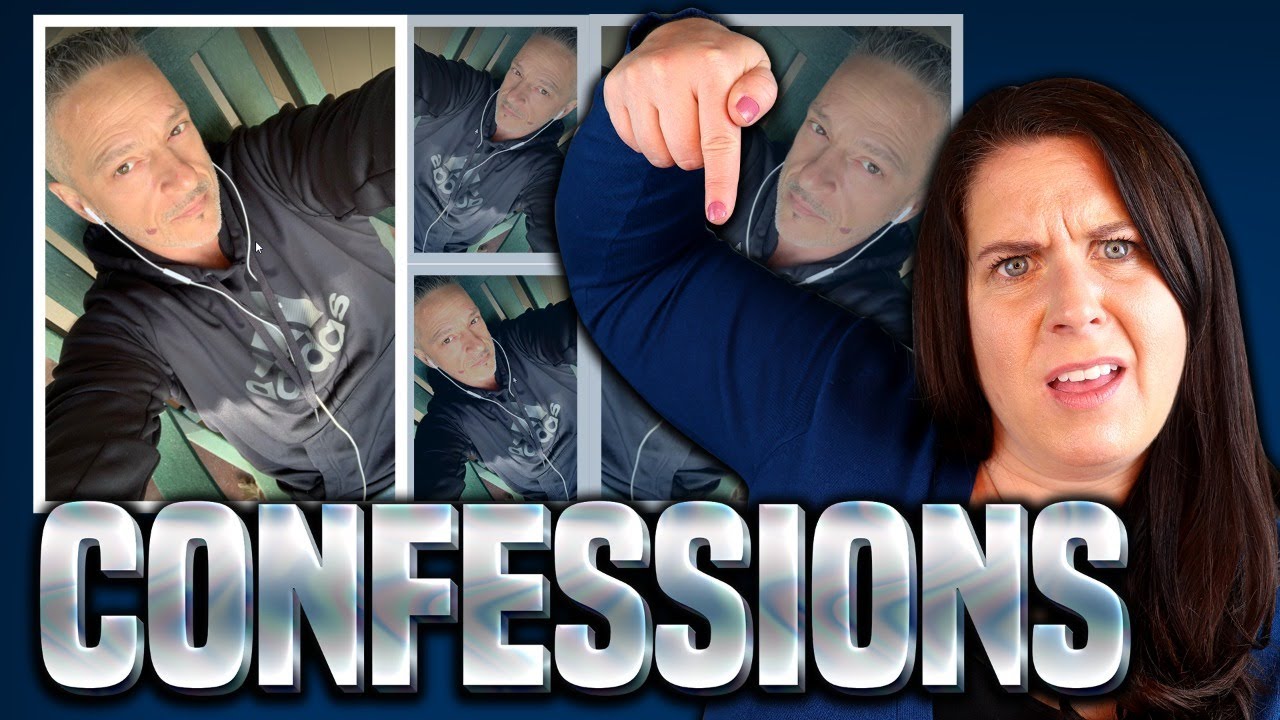
Chris Thomas, 49, started drinking at 12 in a family of alcoholics and progressed to cocaine and other drugs. He describes four levels of denial, a Friday payday trigger that caused weekly binges, and how his son's distance finally pushed him toward rehab. A supportive program teaching him that cravings last 2-3 minutes and rebuilding habits like drumming helped him stay sober.
Chapters
We have a special treat for you here today. We have got expert witness Chris Thomas, and he is going to talk to us about those insider secret thoughts that you have when you're in active addiction. And if you're joining us live, we want to say hello to everyone. Thank you for joining us. We will take questions, so if you want questions, comments, go ahead and put them up there. If you're joining us on the replay, you can leave questions of comments in the comment section, and we will come back to them and try to answer any questions that you have. Now, the focus of today's conversation is going to be about denial and rationalizations and how the thinking sort of keeps people stuck when they're just going in these cycles and it's so hard to break. And Christopher's really going to Turn and shed some light on that for us. So tell us a little bit about yourself, Chris, and when the problem started, what the problem was. Just give us the— set the stage for us.
Sure. Chris Thomas. I am born in Canton, Ohio, raised here. I'm 49 years old. I was raised in a family of alcoholics all the way down the line from my grandparents down to me. I started drinking right around the age of 12 years old, sneaking into my grandmother's liquor cabinet when she would go to bed. And from there, it just kind of took off. It was back in my day when I was growing up and we were, you know, in our early teens and mid-teens, it was kind of a cool thing to do. High school, after— I played sports. So after games and stuff, there'd always be a party that we'd congregate to or somewhere like maybe a parking lot at midnight and everybody would bring beer. So we all thought it was kind of a cool thing to do. Thing. But as I got older, um, into my drinking age, legal age, I know, 21, um, you know, I found myself, you know, gone to bars and all this because, you know, when I was growing up, uh, being around on Christmases, Thanksgivings, Easters, whatever family get-togethers, everybody's drinking, you know, and everybody's laughing and having a good time. And I'm, I'm, I was used to, I used to say all the time, I can't wait. I used to think, oh, I can't wait for Christmas Everybody comes, you know, everybody starts drinking, everybody's having a good time because they all paid attention to me. I'm a little guy, you know, and they all want to pay attention to me. And that's probably the most attention I got. So I always thought that drinking and stuff was— it was fun.
So it's the culture you grew up in, right? It was just the normal. That's just what people did. So you really didn't think that much about it. And then on top of that, it sounds like that behavior was validated. So it's kind of like rewarded, not rewarded like they gave you stuff, but But people paid attention to it, is what you're saying?
Yeah, sure. I mean, even like, even like when I was like, as far back as I can remember, I can remember like, uh, my mom and dad on the weekends, you know, going to the bar and taking me with them. And I thought it was cool. I was in a bar with everybody throwing me quarters to play video games. Everybody knew who I was. I felt like I was like, like I was a movie star going into, into the local bar and everybody, you know. So I'm thinking, this is what it's— this is going to be great when I get old enough to drink. I'm gonna be just like this, you know.
You know what's interesting when you say that, I'm really relating to what you're saying because I grew up in a family just like that. I grew up, I say all the time, I grew up in a bar, right?
Right.
12 years old, shooting pool at the bar, whatever. Think you're super cool, right? You know, like, like you're running with the big, with the big guys or whatever, right?
Yeah. And then, you know, somebody give me a sip of beer in the bar, I think I'm a big shot, you know.
Oh, look at Chris, he's having a good day, you know.
Yeah, it was fun.
And so it's fun. It's very much, you know, like we, you know, you grow up, your family, your family, your friends, those role models around you, you're just doing what everyone else is doing.
Right.
Pretty much.
Yeah. Yes. I could agree with that.
Do you ever remember in those early days having any kind of thought about like the word alcoholism, the word addiction? Like, was that even a thing that was ever even talked about in your culture? Like, did you ever know anyone that had a problem or was that Not even really like a concept that was really talked about.
Well, yeah, um, my grandfather was an alcoholic, and I, I, growing up, I never seen him drink. My grandfather.
Okay.
I never seen him drink, maybe once. But in the, in the '50s and in the '60s, I guess he was pretty bad.
Okay.
Before I was born, uh, he got help and, and, you know, he stopped. But my father, my mother, my dad's brother, my uncle, His girlfriends, um, you know, my grandmother, they all drank. They all drank. Some of them were alcoholics, some of them can control it. My father and my grandmother, the alcoholism never grabbed them, but my, my uncle and my mother were pretty bad.
Okay. And so was the fact that your grandfather didn't drink, did you know that's why he didn't drink, or you just knew he just didn't drink? Like, did you know that he was in recovery or why he didn't drink, anything like that?
At first, no, I didn't. I didn't at first. But, um, I'd probably say when I was about 9 or 10 years old, right in that area, my uncle, uh, decided to stop and he needed help. And so back in them days, there were rehabs, but not that you would go like to the local hospital and check yourself in on like the 6th floor.
Right.
And, and he did that and then started going to AA, so he kind of beat it. But when that happened, then that's when word came out. about my grandfather, his dad, and they're saying that, you know, the gene went from him to my uncle. So they have the gene and that's how it ended up coming out. That's how I just— I never knew that my grandfather was in recovery at all until that happened. So I would have been probably 9 or 10, 8, 9, or 10 years old when I found that out.
Okay, so that part of it wasn't really talked about. It was there, but not really openly there. Okay. Or discussed or anything.
Yeah, because I feel that my family probably swept it under the rug because it was a shame for Mm-hmm.
People didn't talk about it. Okay. All right. And so just this past week, I did this workshop, I guess, for other medical professionals, and the whole thing was about breaking through someone's denial. I talked about these 4 levels of denial in there, and mostly I just made up these levels. You won't find them in a textbook, but these are just in my experience. People think denial means That someone thinks they don't have a problem, right? That's one of the levels, right? But it comes in a lot of different forms. So I call level 1— this is what I call it— I don't have a problem. I don't know what you're talking about. Like, you're crazy. What's your deal? You're just too uptight, right?
Yes.
Do you ever remember having that one?
Absolutely.
Okay.
There was a few times Because like I, I, like I've mentioned before, um, through my addiction from, I'd say from the time I was 25 till I was 45, I probably— Amber, I'm not kidding you— went through 25, 30 jobs. But I was, you know, I would get a job and I would lose a job, or I would get a job and I would lose a job, or I would get paid and then I would blow it all at the bar or whatever.
Mm-hmm.
And people are saying, hey, you know what, you might have a problem.
Problem?
I don't have a problem. What are you talking about? So I guess that's the first level of denial right there. Like, I don't have a problem. What do you mean I have a problem? I'm still going to work. I'm still doing my job. I'm still getting paid. My bills are paid. What do you mean I have a problem? I don't have a problem.
Okay, so that was my next question. You actually answered it for me first. I was going to say, how did you justify it? And you, you just said, I had a job, I pay my bills, right? What are you talking about? I take care of my business. I'm a grown man.
Okay, I'm like, hey, you know, I'm proud of myself, right? I'm saying, hey, even though I have a hangover and I could hardly get out of bed, I still made it to work today. So what do you mean I have a problem?
It was even more like macho, right? It's like, I can handle my stuff. Okay, I got you.
That's in the belt right there.
All right. So this other next phase of denial is a phase I call it, okay, I got a problem, but it ain't that bad. Like, it ain't like I'm not like an alcoholic. I'm not like an addict. I'm not like you guys.
Right.
Did you ever have that one?
Yes, absolutely. That would have been like, you know, like, say I just lost a job and I'm talking to somebody, you know, Chris, you know, if you wouldn't have been out drinking, you may have made it to work. Or if you weren't out drinking, You didn't come in drunk, you know, you probably still have a job. But you know what? Yeah, you may be right, but I can always get another job. But at least, you know, at least I'm not using cocaine like the next guy over here is. Look at him. You know, I'm not as bad as him, right? Oh yeah, definitely. And I do have— I did have them conversations. As a matter of fact, when I was in the middle of my drug addiction, I thought I was better than people that use heroin because I never really did. I used cocaine. So hey, at least I'm not as bad as those guys over there. Look at them, they're shooting up heroin All I do is cocaine.
Right. It's this, it's always, it's like, it's, you're always looking for a way to exclude yourself, right? Why you don't belong to that group. So I've heard it all, right? Like, I don't, I don't drink in the mornings, or I never pawned anything, or I didn't hit my wife. You know, it's like, I didn't do this, so I don't have a problem.
There's always a way for that addiction to justify keep using. There's always a way, you know, even if you're in rock bottom, you say, well, hey, at least I still have a shoe. I still have a shirt on my back, but that's bound to go too soon, you know.
Right. So then the next level of denial that I talked about in that particular workshop was, it's a whole different thing. It's not what people would traditionally call denial, but it's a different kind of denial. It's, I have a problem, but my problem is so bad, I'm completely hopeless, and I'm way worse than everyone else, and nothing can be done. Did you ever have that?
I, I could say that I did have that, um, but I— maybe the scenario is a little different. Um, okay, it was, it was a just— it was a, it was a reason that I used to justify using again because now I'm so bad. And it's when people would look at me and shake their head or just basically give up and say, hey, what do you want from me? I'm so bad now, I can't stop.
Yeah, that's it. That's it. Exactly right. That's exactly perfect. Because that's why I put it as a level of denial. People don't think it is because they think, well, the person knows they have a problem. They're admitting how bad it is. But it's a denial of, I need to take responsibility of it, right?
Yes. I guess it'd be like, you know, now that, you know, you're hiding your abuse. So now you come to terms with saying, hey, you know, since it's so bad that I can just use wherever I'm at, go out to the mall shopping, drunk or high, drive around. But hey, I'm so bad, you know, you got to accept me. I'm so bad, you know, this is a disease. And that would just give me more justification to use more and more.
It just makes it easier, right? It's just, you don't even have to hide it. It's all out.
Nope.
Okay.
And you get pity. You want pity from the other people, I suppose.
Right. It's like, oh, he can't help it.
Right.
Yeah. Now, this other 4th level of denial is, it's a level that to me comes Somewhere either right before or right after that, but it's, it's like a, um, I don't care. I call it, I don't care. That's just who I am, or who gives a crap, or that's just me, like it or not kind of thinking. Did you ever have that?
Absolutely. That, that's that level 4 stage happened right before I went into, well, not right before rehab, but I'd probably say within about 6 months to a year before I went into rehab because when my son started to distance himself from me, And I knew that I had a problem, uh, and I couldn't stop. I was at the point where I was like, well, I can't stop, so I might as well just accept that this is my life and this is what it's going to be for the rest of my life. So who cares? Let me go get another beer. Let me go get high again just to numb the pain of everybody leaving me and abandoning me. But I don't care because guess what?
What?
I can't stop. And this is what my life is supposed to be.
So you just reside yourself to it. You accept it.
Yeah, basically. Yeah. You succumb to the addiction and accept it and go with it.
That's where I was at.
Yeah.
I feel like, I know, especially as a clinician, for me, that level 3 and level 4 is a lot harder to treat. People think it's harder to treat someone that doesn't think they have a problem. That can be figured out, but when you're dealing with someone who's just accepted it, they're almost like passively suicidal, I call it, right?
Right.
Sometimes they're actively suicidal, but other times they're just like, I don't really care if I live or die, or whatever happens happens. I don't care if I don't wake up. And that's really hard to get through. So what— tell us, Chris, what was it? You talked about your son backing up. What was it about that that finally just changed something for you?
Well, you know, like my family, like I was saying before, my family, they have all passed away. Everyone in my family except for my father and my son. And, uh, you know, with my dad, I should have seen him distancing himself from me. But, you know, I was like, hey man, you know, he's my dad. He's not going to go nowhere. He's always going to be here for me.
Mm-hmm.
I was wrong, you know. But when my son— because that's my son, I don't know, maybe it's just a level of love you have for your children.
Sure.
You know, or, you know, more than, more than you would your own parents or your friends. You know, you can, you can take your friends, you know, tell them goodbye.
Oh, yeah, right.
And, you know, your parents, because, you know, your parents will always be there. But when your own son or your own kids look at you and say, hey, I had it, that kind of was like a smack in the head to me. That kind of— that was the wake-up call right there. And, um, that's when I knew that, you know, I can't accept this anymore. I cannot accept that this is my life because it's not. God never intended us for it to be this way. You know what I mean? No, I mean, this isn't who I'm supposed to be. No, I mean—
Right.
What kind of life is that? You know, what purpose am I serving? The only purpose that I would be serving would be for me to be laying on the side of the road and family and the car drives by me and the parents say, look kids, you don't want to be like that. That's not kind of a purpose that I'm here for. So I knew my son needed me. I looked up to my dad, he looks up to me, and I could not be this waste anymore. I couldn't do it. So I had to figure out a way, and that was a long, hard road of figuring out. A lot of relapses, a lot of stumbling, a lot of crying, a lot of arguments. But that's— yeah.
That was the beginning of the end.
That was the beginning of the end, correct.
Okay, so that's interesting. I really like that you said that because it's like even after So you went through all that levels of denial and then you decided, okay, like I'm going to do something, but it still wasn't over, right? Is what you're saying. Okay. How long between when you maybe first started having that thought about like, you know, I got more in me than this. This isn't my life. Like I got to get my act together. How long between when you started realizing that to when you actually got sober for real?
I'm gonna say probably about a year and a half. So, so the last, uh, I went into rehab this last time in November of 2019. It was last year. For a year and a half before that, I would probably say mid-'17 to the end of 2017, up until then. No, mid-2018 until then is when I, um, was— when it was the, the, it was was the really tough struggle. It was, it was where I couldn't figure out, like I'm saying, I want to— I don't want to do this anymore, but I couldn't figure out why I kept doing it.
Mm-hmm.
I couldn't figure it out. And that was the hard— that was a long, hard road. And fortunately for me, I don't know if it was— if I got— just got lucky because I was on probation.
Mm-hmm.
And I went to my probation officer and I told him, I said, hey, listen, I have this problem. I can't stop. Because, you know, terms on probation, you're— that's a probation violation if you were to drink or use. And I was continuously failing drug tests, continuously, continuously. And I was being threatened with being thrown back in prison. So I finally said enough's enough one day, and I went to my probation officer and asked him for help and told him to put me in rehab. And that's why— that's what happened.
Okay, so when you were trying to stop before you went to rehab, you were trying it on your own? You were Okay, just trying to figure it out, trying to navigate it yourself.
Yeah, like, you know what I would do is like I would get paid and I would give my dad my paycheck. Hey, hold this for me.
Right.
Wouldn't spend the money.
But that shows you really meant it, right? Like you're literally giving your money over. So to me that says like you meant it.
Yes, I meant it. I really wanted to stop. But then but then what I would end up doing is is that I he he take my paycheck and he always he's been dating the same lady for. for the last 35 years. Fridays and Saturdays he goes to her house, so I have the weekends to the house by myself. So he takes my paycheck with him, and I want to get drunk. So now I'm, now I'm out there going to Walmart stealing, stealing TVs. I'm stealing, uh, whatever it is I have to. I would go, I would go to, I would go to, you know, your local convenience store and steal 2 cases of beer right out the door, run to the car. I've been caught so many times, violated. I'm so sorry. I am so surprised I'm not in prison. I'm so surprised that I actually I was so sick. I was so— it was so bad that it wasn't even use even giving my dad a paycheck because I was just going to end up doing it anyways. So that didn't work. That was one thing I did that I tried that didn't work. There are many.
Tell us a little about that. Okay, so you've given your dad your paycheck, you're seriously trying, but then he leaves. Would it have been like premeditated, like on Wednesday, you know, dad's gonna leave on Friday, you know, it's gonna go down. Or is it more like he's gone, you have the thought? Like, tell us just about the inside thought process of that.
Uh, the nev— never really thought it wasn't until Fridays. I was at the point there towards the end, like, I'm, I'm now I'm thinking that I'm, I'm getting a hold on addiction because Sunday through Thursday I would never use as long as I was home with him. But as soon as he would leave, On that Friday, I would get off work at say 3 or 4 in the afternoon. There was something clicked and I ended there. I went nuts. I went crazy. I went crazy. And now that he has my money, how am I going to—
You have to get around it.
Yeah, I would ask guys at work before I got off, hey, can I borrow $5? Hey, I try to get $20, $30 from people at work from here to here and pay them back on payday. And if I couldn't do that or if I didn't have enough to Enough money to get as much alcohol or drugs that I needed. Oh, I would have a couple beers at home and get that buzz on, and I'd become Superman. I'd go right— because I live right behind a Walmart— I'd walk right over there and try to steal a TV. I've been caught so many times, Amber. I'm not kidding you. It's been— it's horrible. But I would steal TVs. I would steal clothes. I would steal food. I mean, whatever it would take to go and take to the dope guy's house to buy, to get dope. Or to trade or to pawn for money to get money to drink. Or if I couldn't even do that, then last resort, I'd just go into the back door of a convenience store and try to steal a couple cases of beer. That's how bad my addiction was. But then come Sunday, all the way through Thursday, I never even thought about it. So my trigger was Friday. Friday, Friday was my trigger. So as soon as Friday hit, I'm off and running Friday and Saturday. And then Sunday, if I'm not in jail, I'd start all over again.
Was Friday historically your payday? Like before even this? Like what is—
Yes. Yeah, normally Fridays was my payday, but now you know how you get paid on, um, you know, like direct deposits or so on and so forth. Like I would give my dad my debit card if I got paid on a Wednesday. There were a couple jobs that I got paid on Wednesday. I give my dad the, you know, my debit card. I would give him the money that he— for rent, and I'd pay whatever bills, and then whatever's left over I'd give him my debit card even if it's on a Wednesday. And then he would leave with it on Friday. I never asked for it back, knowing that I'm just going to end up going out stealing. So I mean, what's the use of me even giving it to you? You know, I didn't have money anyways. So yeah.
And then would you, when Monday or Sunday, Sunday or Monday rolled around, is it like, I got to stop doing this? Yep.
And I'm beating myself up all week long.
Okay. So you're on the good behavior cycle, right? It's like, I got to get it together. I'm on good behavior.
Yeah.
But then off to the races on Friday.
Off to the races on Friday. That's great.
Yeah.
Because like, and in my sick mind, I'm thinking, hey, I'm beating this because I'm not, I'm not using Sunday through Thursday.
Okay.
Come the weekend, it was— I've used more on the weekend to make up for them 5 days I didn't use.
Right.
It was. Yeah, it was crazy.
Right. That was my next question is a lot of times you get those sober, that little sober time between, you know, Monday and Thursday or whatever. And that's tricky because then you think, oh, I got this, right? I can't be an addict or an alcoholic because I don't even use during the week, right?
Right.
So even getting that sober time can be somewhat problematic because it's trick— it tricks you, you know?
Yeah, it does, definitely. Yeah, it definitely, it definitely tricked me because, uh, like I said, I thought I was beating it, but I wasn't beating it. Um, your addiction knows. Your addiction knows. It knows when you can and when you can't. It knows that, hey, you know, there's no way Sunday through Thursday where, you know, you're going to be able to do this. But it knows the exact time and the exact day. And when that day and time comes, it comes and it hits you, man. It hits you so hard. It hits you so hard. It doesn't matter how your mind is like, I'm not doing it, I'm not doing it, I'm not doing it. You could say that for 2, 3 hours, but eventually I went there and got it.
Right.
Eventually I did.
And part of it, it's interesting you say that because You know, from like a clinical perspective, when I hear you say that, I'm just like, oh, like that's the worst thing you do is tell yourself, don't do it, don't do it. I'm not going to do it. Like literally it makes it worse.
It does.
Right. Yeah, it does.
Because, you know, you know, I would wake up, I would get off. I'd be at work on Friday saying, I'm not using. Guys, hey, Chris, want to come to the bar tonight? No, man, I'm going home. I'm not using. I'm not doing anything. And instead of going to the bar with them on the way home, I'm going to the drugs or I'm going to the convenience store. And 9 times out of 10, I'm parking in the back going in and stealing because I don't have any money.
Did your dad ever catch on to that?
Yeah, when he had to come get me out of jail on Sunday when he came home.
Kind of gives you away.
Okay. Kind of gave me away, you know. Or here's another one that I would do, like, you know, I would like— I would Say a couple weeks would go by that I wouldn't use, and I would have a couple bucks, and I would go buy some clothes.
Mm-hmm.
And then come Monday morning, where's them new clothes you just bought? Man, I gave them away for drugs over the weekend because that's all I had. I never have anything. I was— I had ratty clothes. I had shoes with holes in them, you know, no respect from people. I would go to the store and wait in line. to pay for something, and people, I would see them kind of back up because I stunk like alcohol.
Mm-hmm.
You know, it was— there was no self-respect. There was no self-esteem. You know, I was— I could never look people in the eye. I was always looking to the floor. People would talk to me and I would— now it's totally different. It's totally different.
Mm-hmm.
Maybe I got lucky. I don't know. Maybe, I think, you know, maybe, you know, God put me on probation and I had a PO who was was caring and they just stick me in prison for the help because he needed— knew I needed the help. I was— I prayed and prayed and screamed and cried and yelled, and I did everything I could because I just couldn't figure out that addiction and everything. Looking back now, I could just see how every piece fell in place to where I was supposed to be, right where God wanted me to be for this to happen and for that to happen and for this to happen. So, and, you know, and they say in AA, if you know, advocates for AA, To give yourself, to give yourself over to a higher power. That is, that couldn't be more true. That is, yeah, that's definitely, that's why it's part of one of the steps.
And for me, that, that handing it over part is, it's all about deciding that you're not going to try to drive the boat anymore, that you're not going to try to control it, right? That's right.
Yeah, yeah, you can't. Yeah, because the whole time that I'm trying to control it, I just fell on my face every Every time. Every time. Every time.
Yeah. One of the things I really want, I hope that families get out of this is because, you know, they're struggling along with their loved one. Their loved one says, I'm done with this. They make the promises, right? They hand over their paychecks or they do whatever. And then the person goes back out and using. I know it feels like they don't care, they're not trying, but it really is a lot of trial and error that goes into the whole Recovery thing. Like, no one gets it on the first try, right?
That's right.
And so even if someone's messing up, it doesn't necessarily mean that they don't mean it, other than they're not trying.
Yes. Um, how you know is when a person consistently— like, like me, I would say to my dad or my son, I don't want to do this anymore. Or they're trying. Or when they, when they wake up the next morning after having a relapse, if they're beating themselves up and they're really emotional and they're looking down and they're just feeling like crap, you know that they're trying. You know they want to change. You just have to find the right— you just have to find the right, I guess, the right thing to do. I mean, there's— I have stumbled and stumbled more times and beat myself up more times over that year and a half that I wanted to stop and couldn't before I did.
Mm-hmm.
But you can't stop. Once you give up, it's over. You just can't give up. And people and like families, I mean, you know, if they have a loved one, a son or a husband or a wife, and they're dealing with that and they see the—
they—
if they see that their loved one don't care, well, obviously they know they're not, they don't. But if they see that their loved one is beating themselves up every day after using, or if they would go 3, 4 days not using and they're in a great mood, hey, you know, man, I'm not using, I feel good.
Yeah.
They're happy about it. When they slip up and they relapse, they're trying. It's when they stop trying and give up, that's when there's concern. Or if they don't care, that's when there's concern.
I really like that you said that because that's one of the things I was thinking as you were talking was like, do they get any days at all, right? If they get a few days in a row and then they fall, they're doing something right. Because you didn't get 3 or 4 days without putting some trying. That's right.
Because like, you know, like, like a Sunday through Thursday when I wasn't using, come Tuesday, Wednesday, and I'm like 3, 4 days clean and it's coming up. I feel so good about myself. Like, you know, I think I do have this beat. I didn't have anything beat. I didn't have anything beat. I was being— I was lying to myself, you know?
Right. Now, you said, you know, in some ways you consider yourself lucky because things came together. And some of it may be luck, but I kind of have a saying, it's like people that work hard have better luck. Right. So, so in some ways you did some things to make some luck, right? You can't control everything, but you did do some things. One of the things you did was you, you had the courage to say to your probation officer, send me to rehab.
Yeah. Yeah. That's one thing.
And that takes a lot of courage because let me tell you what, nobody wants to go to rehab. Okay. No. If you're watching this and you wonder why your loved one doesn't want to go to rehab, like you wouldn't want to go to rehab either.
Okay.
No one wants to do that.
And especially because at the time when I went, I had a good— I had a pretty good job that I had to quit because it— because as they always told you in rehab, your sobriety comes before everything. They said it comes before your job, your family, your kids, everything. But, and then I'm thinking, you know, how could it come before your kids? How can you put that? But it's true. I mean, how are you going to be an effective parent? How are you going to be an effective employee, friend? How are you going to be effective when you're messed up, you can't, you can't, you know what I mean? You just can't. So it does. I mean, you got the sobriety does come before number one. They say God first, sobriety second, and everything else comes after.
Right. So, so some of what you're calling luck, part of that was, I would call it willingness, right? Willingness to say that to my probation officer. 'Cause you don't know, you don't know what he's going to do with that, right? He might just send you back to prison. You know, willingness to give up a really good job, which I'm sure was not easy.
I mean, no, no, no. But of course then I would have got fired anyway because I was, I was so bad that, you know, I was starting to call off. And, and when I was there, I was falling asleep, you know. So it was a matter of time, you know. But I was also at the point, like, like you brought up, you're saying, you know, it's hard to go to my probation officer because I didn't know what he was going to do. But I was so fed up, Amber. I was so fed up. I didn't care if I went to The way I looked at it is, hey man, if I do 2 or 3 years in prison, at least I'm off the streets and I can't get it. You know, that's how bad it was. I was so bad I didn't care because I was— because just like I was going back to what kind of life was I living, you know, I mean, going to prison was a hell of a lot better than what I was doing.
Right. It was desperation. Right. Desperation.
Yeah, you could say it was desperation.
Okay. Now, when we were talking a little bit earlier, so you had all of those factors. That's what led up to your willingness, right? But even when you get completely willing, that's still not enough, right? Then there's the rest of the journey. So tell us about those other factors that came into place, because you're right, it's a lot of things that have to come into place. And if people can realize what that is, then they can strategically put those things in place and have a lot more success, because there is a formula. So So you tell the probation officer and then what?
Well, um, I told— yeah, I told the probation officer. Uh, some other things that, you know, that I did was like, like I said, you know, giving my dad my money. Um, real— I, you know, really, like, I tried and failed over that year that I was so fed up I was almost done trying. I think Going to my probation officer and just letting the cat out of the bag and not hiding it anymore was my last resort, right? You know, I don't know what I would have done if that would have failed.
It's called like a handing it over. It's almost like a third step, like, I, I give up, here it is, right?
Yeah, I mean, they say to surrender. They say, you know, you can't— you know, when you hit rock bottom is when you— some people need to hit rock bottom before they really learn and realize and start climbing out of that I was at my rock bottom. I, you know, like, I figured— I thought, like, I think I would— a year and a half or so that I was trying, I would try this and fail, I'd try that and I'd fail, I'd try this— I tried everything and failed, failed, failed, failed. So I was like, hey, you know what, if he puts me in prison or if he gets me help, I don't care no more. I don't want to live this way anymore. So that's the route that I went. And, you know, and thank God I had an actual caring probation officer. And he put me in a rehab.
Okay. Tell us a little bit about the rehab. Oh, sorry about that.
No, you go ahead.
I was going to say, tell us about the rehab because you were saying some things earlier that made me think that you feel like it's not— it has to be that rehab, but there were some factors about that rehab that made it work for you.
Yeah, they— I was in rehabs before, but not like this one. The rehabs I was in before, Because I was put in there because I was in trouble. I was put in there because of a court sentence or court order in there. And they were alternatives to going to prison or going to jails. They were more of just like a lockdown facility. And they really didn't care about— I'm not going to say they didn't care about helping people, but it wasn't on their top priority list. It was more correction than it was helping people. That I went to, um, it had structure. It had structure like, you know, you're up every morning at a certain time, you eat breakfast, lunch, and dinner at a certain time, classes at a certain time. And the classes that I went through, the, um, the, um, uh, the counselors, they, they did more than just write on a chalkboard, give you a test, and pass you. They actually sat down with you one-on-one. And, and I had, I had a counselor who I'd meet with, my main counselor. I'd meet with him once a week and we would sit for a couple hours and talk and talk about this. And then they would dig deep more than just your— they would, they would listen to you and they would dig deep more than just the addiction. They would— I'd talk about my childhood, about growing up around alcoholics, and they would go, Well, theirs could be a reason. Here could be— try this, try that. And they were actually— they would actually just lend a hand to you.
Mm-hmm.
They actually cared. And then plus being in there this time that I was so fed up of, of, of living life that way and I wanted to stop. This time being there, not only did I take it seriously and learn everything I could, not only did I have counselors that gave me the education and cared about my well-being, but it also this time being that I didn't want to do this anymore, it took me off the streets long enough to curb the cravings. Keep me away from it. I was clean for like over 100 days, and when I got out, I'm not going to say the cravings weren't there, but I had the education and I had, and I had the, I'd say, the stronger willpower to push them cravings away. And the longer that I did it, the, the better I got at it, and the longer the cravings were farther apart.
Right.
Because, you know, one thing they, like I was telling you earlier, the one thing that they did tell me was a craving lasts anywhere from 2 2 to 3 minutes. And if you can make it through that, you should be okay. And then the next one will come in if you can just do that 2 to 3 minutes. And I never knew that. So, and it's, for me, it was true.
It is true. I talk to clients about that a lot. I say, you know, cravings only last a few minutes as long as you don't fuel them, right? Fuel them means scheme, plan, fantasize, remember when, search the house. If you don't throw any gasoline on it, it'll go away, right? And it makes it feel a lot more manageable to know, like, I just got to get through 5 minutes. I got to distract myself for 5 minutes, right?
And you know, something else, like you're saying, what else did, what else did I do to, you know, to try to stop is like, you know, I would start going different ways on the way home. I would eliminate people in my life that I know were users or that would influence me. You know, I would start picking up routines. Like, they're like, there's a lot of things I like to touch on. There's a lot of things that I used to love to do before I was in my addiction that when I, when I, when I was in full-blown addiction, I gave up. I'm a drummer. I used to, I was playing in bands. I played in bands when I was younger. I never did that. You know, I like to work out and stuff and I do it and I never did that. So now as I'm becoming sober, I'm starting to pick up the old habits that I like to do and I have a better appreciation for it than I did then, you know.
You know what I hear when you, when you're saying that? What I hear you saying is I listened to what they told me to do and I did it because I know that those are the things that you get told, right? People talk about rehab and they say rehab doesn't work. And I'm like, it actually, it's pretty easy to know what makes it better. It's just, will people do it? And that's what I hear you saying is I did what they told me would work.
This time because I wanted it. Them other times I didn't care because I think I was telling you, excuse me, the other times I was in rehab, I knew that I didn't want to do that. I didn't care. And I knew as soon as I hit the rehab door, as soon as I was leaving, I was going to use.
Right.
This time, this time going in with the mindset of this is enough is enough, and I'm, and I'm fed up, I listened and I, and I gained as much knowledge as I could. And what they say to do, it's easy. I mean, it's not easy. I'm not going to say this is easy because it's not.
It's simple, not easy. Right.
But when, when they, when they laid out the roadmap for me to take To get to the destination I wanted to be in, it was a lot more simpler than just trying to do this cold turkey. You know what I mean? Because you don't know where to go when you try to do this on yourself. You don't know what to do. You're so lost, you don't know what to do. And then it's going to end up frustrating you and you're just going to say screw it and use.
Yeah, that's the willpower way, right? Eventually you run out. The tank runs out of willpower, right?
Runs out of gas, right? But now this way, when they gave me that, they gave me that map of what to do when a craving hit. What to do to avoid this and to do that. And then you start using it and you do it, and it— I'm not going to say it works 100%. For me it did, but it makes the cravings and it makes, it makes recovery simpler than if you didn't have any help.
Right, right, right. Well, I'm gonna look through, and we've got some questions and some comments up here, and so let's see what some people have to say. People might have some questions for you.
Yeah, go ahead.
I see a couple of good ones here. Just takes me a second to look through. Vicki says, I've realized over the years of being clean, it's a choice to use or not to use. What do you think about that? Tell us your thoughts, Chris.
You know what, I I'm not gonna say I have a problem with that, and I— and, and because I really don't have a problem with that. But there, there are people, they say that addiction is a disease, and then some say that addiction is a choice. When you're in full-blown addiction like I was, I could see where it'd be a disease, and it definitely is. Because I think I touched on earlier, when I was in rehab, they, they were saying that in my case, uh, I have what they call an allergy. And once I use, like, once I drink or use, and it sets off a phenomenon of craving, which could be— that could be the disease. Okay. But you know, when you first start out, before you are an addict, it was your choice to drink. It was your choice to use. So as Vicki was saying, after you've been clean for so long, yes, if you use again, that is a choice. That would be a choice. So there is no disease. Uh, there is no— I'm not gonna— because they, they always say you're You're once an addict, always an addict. That, that, that— well, that could be. But, but like, but like Vicki was saying, I mean, if you have a year, 2, 3 years clean and sober and then you pick up and use again, yeah, that's a choice. You want to do it, right? I would personally say, right?
So I think, I think what you're saying is, is interesting. It's like a choice, then it's a disease, then if you get sober, then it's a choice again. This is kind of what I hear you saying. It's almost like This, then this, then this. Is that— am I hearing you right? Okay.
Yeah, because I mean, like, there's a guy that's in— that's in one of my— that's in my sobriety group. He's down in Texas. Um, he has been sober since, I believe it's September of 2011. Back in 2018, this gentleman lost 2 kids 2 days apart. 2 kids. He lost 2 kids and he still stayed sober. Now tell me that's not a choice.
Wow, that's amazing.
Yeah, he can. He was— he told me he, back in the early 2000s and the '90s— he's older than I am— he said he was, he was a full-blown addict for years. When he becomes sober, he was what, 7 years clean at the time when he lost his 2 kids, and he still didn't use.
That's amazing.
So Vicki has a legitimate point there. I believe that, um, yeah, I think that once you become And you have a certain amount of clean time and you use again, I would say that that was best a choice. I could agree with her.
Nikki says, this sounds just like my loved one. It's so heartbreaking to watch. You know what, Nikki, I hope that you get some hope out of this conversation. I hope, you know, when you listen to Chris talk, it can get so bad you think it's not coming back, but I see people come back from this thing all the time. People talk, you know, they say, you know, 10% of addicts get better. You know, they talk about treatment rates and recovery rates, but I'm telling you, I watch people get better every single day. And I hope when you hear Chris talk, you can hear that, what he's been through and how he came back. People come back from this thing.
When I went to those first couple rehabs, the first thing that they said to me is only 2%, 2 or 3% 2% are going to make it. Now they discourage you right off the bat. You know, you don't want to hear that. I don't want to hear I'm going to be, you know, I only have a 2% chance. I mean, what if you were told that you have a certain type of cancer, you got a 2% chance to live?
Right, you might not even take the treatment. You might not even take the treatment, right?
Screw it, I'm going to go out and live my life up until I die, right?
The reason I think that they say those kind of things is because they think if you understand that, you're going to work harder for The harder you work, the more likely you are to get it. But sometimes it can do the opposite effect, right? Sometimes it can just make you feel like give up or whatever.
Yeah. And with an addict, the way, you know, me being an ex— I'm not going to say an ex-addict, me being an addict, okay? I know how us addicts think. And I know when I heard that, how I felt about it. So I'm thinking, hey, if I'm not going to make it anyways, I might as well just live it up.
Right. I call that the eff-its. That's a bad place to be.
That is. And like, you know, my dad used to say, tell me all the time, a person's not going to stop unless they want to. You can put them in rehabs, you can put them in prisons, you can put them in jail, whatever, but they're not going to stop unless they want to. So I guess it took me to hit rock bottom to want to finally want this. And unfortunately, it's going to take that with a lot of other people, and some of these people aren't going to make it.
Mm-hmm. Now, I say a lot on, on this YouTube channel as I talk about someone does have to want it, that, that's right. But there are, there are things that you can do to help people want it, and there are things you can do to help make sure that they don't want it. So you can have some influence, right? You can, you can help with that.
Yeah.
See, Terry says, my son just got upset with me for not putting more money on his jail account. I've given him Over $250 in the last month. He's waiting for a bed at court-ordered rehab. He'll be 40 in February. Wow. Tell us your thoughts on that. First of all, how much is $250 in jail? Like, I don't, I don't know how far that gets you. Like—
$250 in jail. See, what it sounds to me like is, uh, it's his commissary account because when you're in jail, they'll feed you 3 meals a day, breakfast, lunch, and dinner. But you know, dinner's at like 4 o'clock. And so if you don't have any thing to eat. After that, you're not gonna eat till breakfast. You can go to commissary once a week depending on what jail you're in, and you can buy stuff like ramen noodles, candy, candy bars, and they even— you can even buy clothes and stuff like that. But $250? Let's just put it this way, the last time I think I was in jail, I did 60 days, and my dad gave me $50, and I made that last all 60 days. So there's something going on in there.
Okay.
I personally think— I mean, If he's gone through $250, either somebody is— I don't want to say extorting him or making him pay or whatever, to whatever— or there's drugs in there. And that's, you know, because that's a lot of money in jail. I mean, you're talking, uh, candy bars maybe, you know, 80 cents, uh, ramen noodles are a quarter.
So it's pretty similar to what it would be out of jail, like the cost?
Cheaper.
Cheaper. Okay, because I thought it would be more. Okay.
I mean, yeah, you know what, now that I think back, when you think about it, it could be a little bit— it could be same, but sometimes it's cheaper.
Okay.
You know, yeah, yeah, yeah.
Okay, so that's $250 of extra spending money and it's going somewhere. That's a lot.
Something's going on. What do you think?
What do you think Terry should do?
That's a tough question there, Amber. I, you know, I, I don't know. I mean, I know if it was me, I'd, I'd have to cut him off, you know. I mean, it all depends on like how long is this guy going to be in jail? How long? I mean, is he waiting on a court case? Is, is this— is, you know, is, is he sentenced? Is he sitting there waiting to be sentenced?
Mm-hmm.
But $250 is a lot of money in jail.
Yeah. And Terry, she said this in the next one. She said no appreciation. That's one thing is what's the person's attitude towards you like, right? Right. If they're coming at you entitled.
I mean, I mean, I mean, when you think about it, I mean, when you think about it, Terry, like if, if he's getting mad that you gave him $250 and you won't put any more money on there, there's something going on in there. Which probably because my time, I mean, I've been to prison 3 times and I've been in jails, in and out of jail. I probably in and out of jail over the last 10 years. I could probably say I did 5 years just in county jail, in and out.
Mm-hmm.
Um, the only, the only time people spend money like that is because they're buying drugs. And then you don't— they don't give you cash. What they do inside jails is the drug dealer might say, okay, if you want this, it's gonna cost you $100. So you buy 'em $100 worth of commissary, whether it be 50 ramen noodles, 90 candy bars, and some cakes and whatever it is. That's how they use currency in jail. So, you know, he's— he could be going through that just to buy— I mean, it is what it is, you know. If it walks like a duck and quacks like a duck, it must be a duck, right?
Something's not right. Something's not right.
No.
Yeah, yeah, yeah.
Because, you know, you don't spend $250 in jail in a week or a month.
Terry says that he, he tells her he's hungry.
Well, yeah, of course he's going to tell he's hungry. Why only when you need the money?
Because he knows that's what works, right?
Right, that's exactly right. Exactly right. Yeah.
Hey, hello.
They feed them 3 days a week or 3 times a day in there. So, yeah.
Right. Hey, hiya. Thanks for watching and congratulations on being in early recovery. The fact that you're watching this tells me that you're willing to do what it's going to take and you're educating yourself. So congrats.
Absolutely.
Tim says you have to want to get clean. It's in your mindset, but you do need to get help. That's right, Tammy, because there's— you have to want to, you have to— person has to have the willingness, and then you also have to have whatever it is you need, the support, the education, rehab if you need rehab. But you— all those factors have to come into play. So you're so right.
Like she said, and you know, that even goes back to what I said, like my dad, You can put a person in jail, rehab, or anywhere. If they don't want to quit, they're not going to quit. I dated a girl, just real quick. I dated a girl some years back. Her and I went to prison together. She was in for 2 years. She was a heroin addict. Didn't use for 2 years, wasn't even out 2 days and got high.
Wow.
She didn't want to quit. She was away from it for 2 years. She didn't want it.
Right.
She probably knew in her mind the day that she comes home, she's going to use.
Right. So how do you get someone to want it?
They got to hit rock bottom. I mean, you know, there's there's got to be a trigger. Like I said, my trigger for me was my son distancing himself from me. That was my trigger. It didn't matter if I lost friends, jobs, family. I didn't care. But when my son was and wasn't answering his phone or answering his text, and then he finally says, "You know, I don't want to be around you," that was my trigger. For for some people, it could be a marriage.
For some people, they could just say, "Hey, I'm kicking." I'm a little, I'm a little different on the whole rock bottom philosophy. I might say it's something— let me know what you think about this, Chris. I always say I don't really think people have to hit rock bottom because I think that's death, right? A bunch of bad things happen to you and you still kept using. So what I say is people have to, people have to have it in their head that life could be better without it.
Yeah, I say when I mentioned rock bottom, I could say, let's just say that they have to hit the part where they've had enough. And I guess that, that'd be my rock bottom, is like when I rock bottom, is I had enough, right? I had enough. And it's not fun anymore. I'm sick all the time. Here, let's put it this way. I was so bad that I'm— I drank myself diabetic. My pancreas is dead, and that still didn't stop me from reusing.
Mm-hmm.
And I take a shot every— I take 2 shots a day, every day. For diabetes. I'm on insulin. And I was doing that and drinking and using, still, that still wasn't enough.
Right.
You would think for some people that would be enough for them, but it wasn't for me.
Right. You just, you have to get to that point where you want something different. And you have to believe that it can be different.
That's right. That is right.
All right. William says, take the profit out of the drug industry. Increasing punishment feeds the black market economy. How many gang wars do do you see over alcohol now?
That's right, none. That's right.
William's talking about like they, uh, they decriminalized hard drugs in Oregon. That's the kind of thing William's talking about.
Well, you know, like, like, uh, you know, he was saying like during Prohibition back in the '30s and stuff, there was gang wars in Chicago and all that, you know. And then once they brought— they took Prohibition away, that wasn't— that didn't happen anymore. Um, Amsterdam, I think everything's legal over there in Amsterdam. You can go buy clean syringes in the park and all that kind of stuff, you know. And I don't think I— you know what, I really can't speak on that because I don't really have the education on it. But you really don't hear anything about Amsterdam, about, you know, gangs and drugs and shootings. I may be wrong, I don't know.
Mm-hmm.
But, you know, and they— and overdoses and stuff like that could be minimal. I mean, you know, in this country it's all about the money. It's all about that. I mean, that's why they just now legalized marijuana in a lot of these states, because, because the government, I think Knows how to tax it, and now they're making the money off of it.
It's about the money. Yeah, yeah, that's what William is saying.
Yeah, um, I agree with it.
Did you feel depressed when you stopped using? We have a— that's a question for you.
Oh God, yes. Oh yeah, it was, it was really bad, um, there for a while because I was so used to numbing out. I was so used to numbing out and not feeling anything because I didn't— I don't want to say I didn't care. I cared so much And I couldn't stop. I cared so much that I just kept numbing out so I didn't have to deal with my emotions. But once I, once I become sober, the depression was so bad with me that I wanted to use, but I didn't. And I didn't. And I fought it and I fought it and I fought it. Um, and a lot of it had to do with— it could be it's a lot of it has to do with chemical because like, you know, when you use like cocaine, cocaine releases a endorphins, an overload of endorphins from your brain into your body. And that's— and the overload of the endorphins, that's why when you're coming off of a cocaine high, you have that real bad depression and comedown off of cocaine. It's bad because your brain has to reproduce endorphins.
Mm-hmm.
Um, but like, you know, alcohol, and when you become clean and you start to feel again, and you start to feel, hey, this person, or I hurt that person, or, you know, my son just told me to fuck off because he's so pissed off at me for what I used to do to him, and it hurts. And so now you care because you're not numbing out. And it is— you got to learn, you got to retrain yourself and learn all over again how to deal with this stuff. And it can— that depression is— I was really bad. It took me a good 3, 4 months to even start to come out of it. Start to come out of it.
Right. I sometimes say, you know, coping skills are like muscles. Like Like all your other muscles. And if, if you don't use them for a long time, they atrophy, right? So it's like now all of a sudden your brain chemistry is off because you're, you know, you're in withdrawal or post-acute withdrawal, and you have to deal with all this mess in your life. Yeah, yeah, it's tough.
Yeah, because, you know, they say when you become sober, life don't get easier. You just got to learn how to deal with it just because you're sober. But to be able to deal with it with a clear head and a clear mind, you can make more rational decisions. Because when you're just numbing out and drinking, like, something happens, you know, and you don't deal with the problem. How many times have I had bill collectors, man, that I know they're not going anywhere no matter if I numb or not? The next day I'm still getting the phone calls, you know. So problems aren't going to go away, but you could probably— you could just deal with them more rationally. You have a better frame of mind, right? You're clear.
Lisa wants to know, is there anything someone could have said or done when you were 16 or 17 that would have changed your course?
No, they tried. No, I mean, really, um, I, you know, I don't think so. Well, I think probably the only thing that maybe would have changed my course is if I got a different group of friends. But back when, you know, you're that age, you want to be in that clique, you want to be with the cool people. You know, I played football, and all of us guys that played football, man, you know, they're always in parties, wanted girlfriends, we thought we were cool. And so that's what we did. Now, you know, some people, like I say, I'm one of the ones that have that, that, that, um, allergy to, to, to, you know, substance. Some people didn't. There, I mean, there's a lot of people that I hung out with when I was younger that I don't speak to anymore, but I know, you know, they went on to be successful families, careers, and so on and so forth. I went the other way. So I think maybe the only thing that would— that could have deterred me when I was that age is a different group of people. But even like the girls in school, stuff that I dated now, when I was back in them days in school and whatnot, they drank. Everybody did. Everybody.
That's what you needed to do to fit in and get validation.
Yeah, peer pressure, man. You know, it's, it's when you really think about it, even me doing this interview with you right now, the more I talk about things, the more I'm even realizing how deep it goes. I mean, it goes— I mean, it started when I was, you know, from seeing my family when I was younger and having a good time to growing up. Now I'm a teenager and the peer pressure and being— want to be cool and want to be, you know, nobody wants to be an outcast, you know. So, hey man, I want to be not having friends. And then that led into my 20s. So now I'm old enough to drink. By that time I already have a taste for it. Now I'm 21, I can go to bars and it just kept getting worse and worse and worse and worse. It goes deep.
I think that you're making a really good point about the peer pressure and why you did what you did. Because you know what, when teenagers are doing that at first, it's not about the substance. It's not about being high. It's about getting approval. And fitting in socially. That's what they're chasing. Now eventually they do that substance trying to get approval long enough that then they need that substance, but that's not why they're doing it in the beginning. And if you've got a child doing that and they're trying to get approval, it's a real tricky, complicated situation because the first thing a parent wants to do is start yelling, screaming, being mad, grounding, and that is only going to drive their need for that approval.
Right.
So it's complicated. It's a tough situation being a parent.
Yeah, it's just like the girl who wants that boyfriend and the parents don't approve of him. They're going to push him away and she's going to want him more. That's the same when it comes to, you know, drugs and alcohol, especially like, you know, there's, you know, plenty of parties I've been to, like, you know, if somebody don't drink and they're all, this guy's lame, or she's lame, you know, let's get him out of here. Nobody wants that when you're a kid, you know, and especially in high school. That's one of the most, you know, turmoil times in your life, you know. You know, if you're an outcast, you could grow up being whatever. And then, you know, but if you want to be the cool guy, you want to be accepted, you, you know, you want that. Or the cool girl, the cheerleader or whatever, you know. Everybody wants that.
Mm-hmm.
So, you know, when, you know, you go to parties, just to get invited to a party is an achievement in high school. And then when you go there and there's a keg of beer with ice in a bathtub— that's how we used to do it back in the day, you know— and everybody's in there drinking and smoking weed, yeah, you know, I mean, you want to be part of it.
Right. It's social learning. And there's actually some research that shows what's interesting is that when people get intoxicated, whatever the drug is, what they feel is directly related to whatever they've told or they think that they're going to feel much more than the actual drug itself. So it's like you're told this is going to be so awesome, it's going to be this way. And it's the placebo effect partly, right? It's like the social learning, the validation, plus you're told—
That's right.
It's gonna be so great.
Yeah. That's right. That's funny you would say that because I can remember, like, I think I might have been in like 6th or 7th grade and they had some doctor come in and they did a thing on the effects of drugs and they had the chart up with the marijuana cigarette and the cocaine and everything. And they were like, and this is LSD and this is the effects of it. And I remember like those kids were like, whoa, man, that's gotta be cool.
I gotta try that. Yeah.
It had the total opposite effect of what they were trying to do.
Oh yeah. Just Say No. I'm not a fan of the Just Say No programs.
Yeah, right. No. No, that's fine.
All right. Sandra says, with my boyfriend in recovery, I get frustrated. Taking the medicine is the choice. I get mad. I do my homework and stay clean. He doesn't. I get mad. I was a junior high school teacher. Here in Mexico, so many religious-based recovery programs with 12 steps. Money is such a big thing. Made me grateful for rehabs available in the US. United States. And then there's one more piece to this. Let's see. Can you give a suggestion on how to stay in someone's life but keep one's stuff and self safe, or is it just a fallacy? So basically Sandra's saying is, can you— can she survive this relationship and maintain herself if there's still So what she's saying, she's in a—
she's in an unhealthy relationship. She's clean, but her partner is—
That's what I— that's what I'm gathering. That's what I think Sandra's saying.
And can you get— can you get through it? Boy, that is— that's a good question. Um, wow. I, uh, okay, I'm just going to go back to what I learned in rehab because I'll tell you, if I've told you personal, you're not going to like the answer because I'm going to say it's no. Um, And even in rehab, what they tell you is, um, that kind of a relationship never worked. Never worked. Because you know why? You're clean, your partner's not. So your partner, when, you know, they get off work, you know, they get off at 5, they should be home at 5:30. It's 7 o'clock, they're not home. What's going on? What does that do? That you're starting to— you're now, you don't trust them.
Mm-hmm.
But it's a relationship's all about trust, right? And love, right? Or, you know, uh, or if they cheat, you're never gonna forgive that. I mean, that, that ruins it, you know what I mean? Or, uh, you know, it, you know, it's stuff like, it's stuff like that, you know? I mean, they could be abusive, you know? So it's either you have to, number one, I guess, be strong enough to put up with it until they become Or whatever else happens. Or it's, you know, that's the best I could say. I mean, you know, I, I'd say the answer is I don't, I don't, I don't think so.
It's hard. It's hard to answer.
Yeah, I know. I've been there. Um, I was using and she wasn't. And, uh, as a matter of fact, when we heard— we were together for 6 years when I first met. When we first met, we both drank, but I got so bad I started I started getting DUIs and I started doing that and losing jobs and stuff. And she kept me around, but she stopped drinking and I kept going and going and I got booted out. So yeah, you know what I mean?
So yeah. I don't, I don't think I would suggest just staying and accepting the fact that they're going to use and you're not. If you're staying with someone and you're, and you think they're going to get sober, you're trying to help them. That's another thing. And I think it also depends on what the behaviors are like, you know. Are they abusive to you? Are they mean? Is it— there's so many factors that go into that, it's just hard to answer.
Well, plus on top of that, I mean, you know, if, if, if she is, or if that other, say, the sober person in that relationship is starting to harp on, hey, you got to do something, you got to do this, you got to go to rehab. Hey, listen, if you keep this up, that other person is going to build resentments. It's just going to be— and it's just going to get worse, and they're just going to start fighting, and it's not— and it's just going to get worse and worse. I mean, there, it's It's a vicious, vicious cycle. So either they want to stop and they go to rehab and you support them in rehab, or they're not going to stop and you're just going to have to make a decision. So I guess it all depends on you.
Because it makes you— it makes like what Sandra was saying there, it makes her mad. It turns you into a crazy person, right? And then you become a person you don't like and you don't want to be, right?
Yeah. You know, I mean, you know, you know, say the guy's working afternoon He gets off at 11 o'clock at night and, you know, you know, he's home by midnight and you're up and you're waiting for him. And now it's 2, 3 o'clock in the morning, he's still not home. Do you want to be in a relationship like that?
Right, because then you're gonna lose it. You're gonna turn into like a maniac and you don't— and you don't want to be like that, right?
And then like there's gonna be a lot of resentments built between both parties and it's just not gonna work.
Okay, Paige says the physical part of getting sober is hard. But it's the easiest part of recovery. What do you think is the hardest part of recovery, Chris, for you?
She's right. I'd say the mental part of it because now my girl, I think I mentioned that she, you know, she, she has a bachelor's degree in psychology and, and she's a health and wellness coach and she also helps people in sobriety. Okay. So she can tell, she explains it to me all the time. The physical part would be the withdrawals. Withdrawals only last so long, you know. I think a heroin withdrawal, I think it's like 13 days physically, and then you got the emotional— I think it's like a 28-day process.
Mm-hmm.
Alcohol withdrawals are the same. Now you got to be careful because alcohol and obviously heroin, I think I'm done with the only 2 withdrawals that can kill you. But, um, mentally could go on forever, you know. They say this is a progressive disease. Um, I've heard stories, you know, they like counselors have told me you could stop it. You could be a full-blown alcoholic at 30 years old, stop until you're 50, you take that first— that next drink at 50 years old, and that disease picks up right where it left off 20 years before. It's a mental thing for sure. Just like I was— we were talking before the show, I, uh, you know, I would wake up in the morning and I would say, I'm not going to use, I'm not going to use. But like an hour later, I'm driving to the dope guy's house, right?
Mhm.
It's because it's, it's a subconscious thing. And like my girl will tell you, um, you have to retrain your subconscious mind. Your subconscious mind wants to change. It says, hey, I want to change. I don't want this anymore. So that's what you're— that's what's telling you I'm not going to use today. But the reason why you're going to that dope dealer's house an hour later is because your subconscious mind don't want that change. Your subconscious mind is used to what you put it through over the last 25 years of using. So you have to change that subconscious mind, and it doesn't take overnight. It takes for a long— it takes a long time to do that.
Mm-hmm.
So yeah, I agree with her. On that. The physical part of withdrawals and stuff are easy because within a month, if you can get through it, it gets better and it goes away because your body heals. But mentally, it could take years. It could take years.
Right. People talk about the dependency, and I always say that being physically dependent on something is not addiction. That's just dependency. Addiction is the It's the thought, it's the obsession, it's the— all that other stuff, right?
They say relapse isn't the act of taking the drink or the drug. Relapse starts as soon as you make the decision to do it, right?
That's right.
Because from the time you make a decision until you actually take that drink or use that substance, there's a span of time in there that you can say, hey, I'm not doing this. But if you keep the— yeah, so the relapse starts in the mind.
That's right. All right, Michelle says, my 27-year-old son My son is a heroin addict. He's overdosed twice in the last 3 months. I've suggested rehab, but he feels he doesn't need it. I'm so scared he will kill himself. What are my options? Well, they're asking you the hard ones today. What— I'm sure you got the answer to that, Chris. What you got?
Jeez, how old is he again?
27.
27. So you can't, you can't force him to go to a detox or anything? Anything like that. You know, damn. Um, I guess, I mean, you know, I guess if putting myself in that situation, if it was me, I think that what I would do is I would try to educate him as much as possible, and I would give him much support and love, because you're not going to be able to make him do what he wants. At 27 years old, he's a grown man. He's going to do what he wants to do. And if he's overdosed twice and he still hasn't stopped, so obviously the fear of dying Isn't going to make him stop either. So you're just going to have to maybe cut him off. Hey, as long as you're using, don't come around.
I think that's the best thing I can do. Do you have something to leverage, Michelle? Is it like, if you, you know what Chris is saying, you could sort of say, if you don't, I'm going to cut you off. That's a leverage. But if there's also something that he does want, is there something you can leverage? I'm not above it. I'm not against it. And then the other thing I would say, so we were talking about this in our office this past week about overdoses. And honestly, of the consequences that happen to people, I know this is going to sound crazy, but overdose is probably the consequence least likely to make someone stop. The reason is, is because they don't remember that, right?
No.
They don't remember. It wasn't a terrible traumatic experience for them. It was a terrible traumatic experience for you or for anyone else that was there. And so it's always shocking that Someone goes out and uses after an overdose, but they don't remember it that way. And if it was heroin, then likely they gave him Narcan and he woke up in full withdrawal. So to me, as horrible as it is, it's not surprising. I think if they Narcan someone, that ought to be immediate treatment, but that's just me.
Right. Well, yeah. Okay. You know, I was going to— something I was going to tell you, I overdosed, um, but it wasn't on heroin. It wasn't on opiates. It was on on crack, and I don't even know. So I was in that— when they, they took 2 shots of Narcan to wake me up. When I was in the hospital, I asked them, I want a test, I want to know what's in my system. And they were— because I think it is opiates, because I don't do opiates. I never liked them. I've done heroin and it never grabbed me, thank God. They did, they did a drug test on me and there was no opiates in my system. So what was it that, that made me? I don't know to this day. And that should be scary enough, but it still didn't stop me. It still didn't stop me. Crazy enough, it could be the smallest thing that, that makes a person not, you know, my son saying I had— that's it. That's what it was for me. It could be somebody else, man. You know, they could, I don't, you know, I don't know. It could be anything for any— everybody's different. So is it the smallest thing?
It take— it's going to take something that they do care about. For you, it was your son. Is there, is there something that your son does care about? Is there? It's kind of crazy, but it's like sometimes The best way to describe it is like a person is possessed, like on the old Exorcist movies, right? And they can spit, spew at you, and they say whatever. But it's just like, you got to imagine your kid is in there, right? And what's it going to take to speak to the heart of your kid? Is there anything you can say like, don't listen to the illness, don't listen to the big talk, whatever it can say? But like, you got to speak to the heart of the person. Whatever happened with your son is what got in there.
Yeah. You know, well, like, It just— I think it all goes back to what we said before. If a person don't want it, they're not going to do it, you know. And a lot of times, Leo, I've had people, they have talked to me and talked to me and talked to me, and I just sit there and I agree. Yeah, you're right. Hey, I'll try this, I'll try that. No one— I don't want it. I'm going to use again. So, you know, you're— there's— I don't really think that there's anything that you can do with an addict short of locking them in the basement, you know. I mean, there's nothing. I didn't— if they have the freedom to go and get it, They're going to do it until they want to stop. And there's nothing that you can do about it. I mean, I'm sorry. I mean, her with her 27-year-old son, 2 overdoses and he still hasn't stopped. What's it going to take?
Obviously, you know, I don't— Most of the time I think, Michelle, when you talk to people that are in active addiction and you're talking about do they want it, do they want sobriety, no one wants sobriety. Let me just tell you that right now. Even Chris, he did not want sobriety. I promise you, no one wants it, okay? He wanted something though, right? He wanted a relationship with his kid. He wanted to not hate himself. He wanted to not feel sick and miserable. So you've got to find what it is that they do want, and it's something that's in there. Now, the more better relationship you have with someone, the more likely it is that you can find what that is, or that they'll tell you what that is.
Yeah, I wanted life. I mean, you know, like the things now that I'm sober that I appreciate, like, you know, I'm just telling like, um, a couple videos, a couple interviews I've done before, you know, I've said, uh, getting up in the morning before I go to work now and going outside and smelling that morning air is heaven to me. That stuff, that stuff I took advantage of when I was, you know, when I was in, in youth, you know, not waking up with a hangover, peace of mind.
Mm-hmm.
And most of all, I didn't like the fact I was living in a prison cell inside of my mind. You know, there was something controlling me that wasn't physical. It's, you know, if you're in a controlling relationship, you can leave. If you're in a job that your boss is a, you know, a goofball, you can leave. But when you're, when you're, when you have something in that that's controlling you from your mind that you don't want to do anymore, and all you are is in this car on this crazy ride and you don't know where it's going, right?
You know, You—
that I didn't like. That's what I didn't like. I did not like being in control of me, you know. Even if I don't have anything, if I'm poor and, and I don't have anything, at least I have peace of mind, right? That was enough for me. And I have my sons, and I have my son's respect, you know.
It's freedom, right?
Yeah, it's freedom.
It's freedom, right? Sure is.
Yeah.
So Michelle, I think it's all about, you know, can you find— is there something that your son Or is there something that your son doesn't want anymore? Maybe it's not like he wants to be sober, but maybe there's an aspect of what's going on with him that he doesn't like. I guarantee you there's an aspect of what's going on that there's something in there that he doesn't like. Sure.
But he's also young though. You know, when I was 27 years old, you know, I didn't care about nothing. But you know what I mean? I've met a lot of people, a lot of guys that's in recovery, you know, like, You know, I'm not much of an AA guy, but I do like to hear leads. And when I do, like, I'm giving them my first leads coming up on the 12th of December. And there's a lot of guys that's in AA that are really, truly— they don't go there because they're court-ordered, and they don't go there because they think that's what their girlfriend wants them to do. They're actually in recovery, and they got it young, and they smartened up when they were young.
Mm-hmm.
So there's always hope, but it's just that that guy's gotta find It's rock bottom.
You gotta find a reason to be better, right?
You gotta find that reason. That's right.
Right. Well, thank you everyone who hung out with us today. I feel like we've had some super interesting conversations. You guys be sure and let Chris know how much you appreciate his openness and willingness to share his story with us. And I will see you guys back next Thursday, Live at 1.
Sounds good.
More from Amber








Addiction Turns “Me vs. Drinking” Into “Me vs. You” #addictionrecovery #addictionawareness

They Admit Everything Except the Addiction #addictionrecovery #addictionawareness

Stop Trying to Make Them Admit the Truth #addictionrecovery #addictionawareness