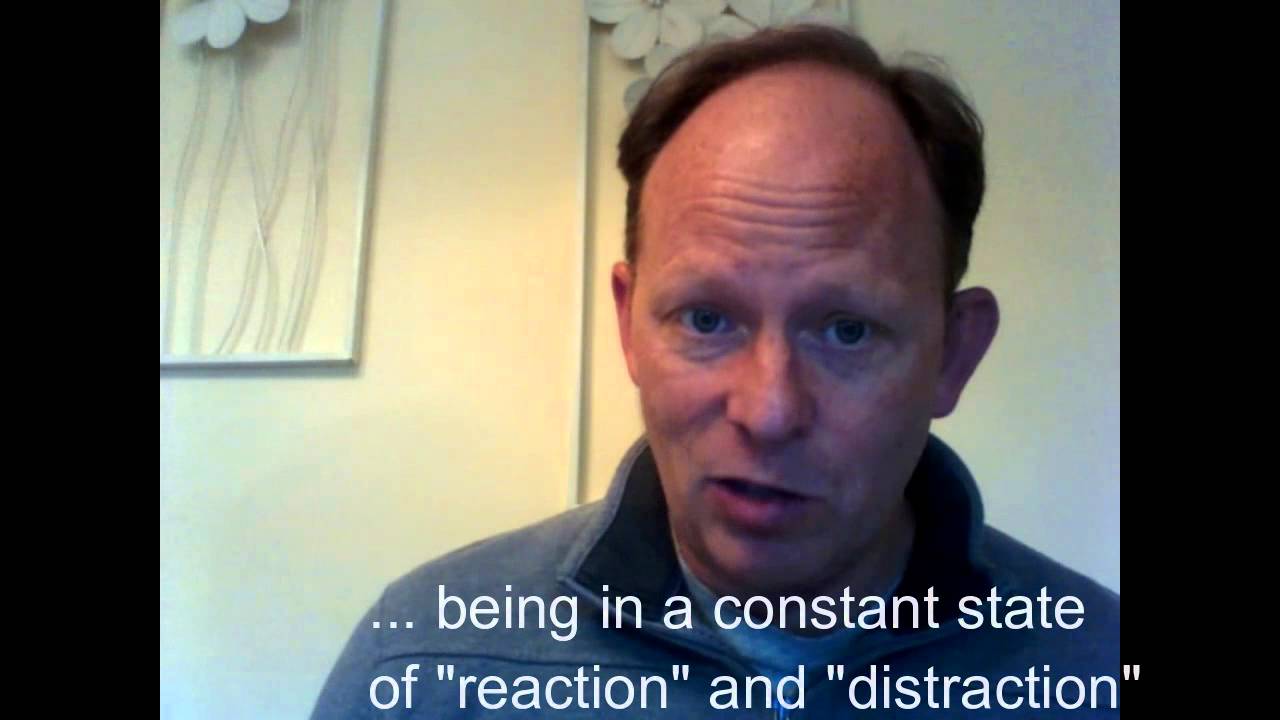
Randy Dean proposes checking email every 30, 60, or 90 minutes instead of constantly. Quick messages get handled immediately; longer ones become tasks or calendar items. The shift from inbox-first to task-first work cuts distraction and restores focus.
Chapters
Hi everybody, my name is Randy Dean, popularly known as the Email Sanity Expert and author of the recent Amazon email bestseller, "Taming the Email Beast." If you've ever attended one of my live programs, you know that I pretty much tell people I'd like them to, in essence, follow a decision tree when it comes to managing email. Quick ones, handle right away. Longer ones, convert into task or calendar items, and then either file that message or delete that message once you've either got it done or got it on your calendar or task list. So basically triage your email messages when you're checking them. And then because you're following this triage method, you follow a time-based decision matrix for following and managing your email throughout the day. Meaning that you only check your email periodically throughout the day, not constantly whenever something new comes in. A lot of people are basically doing anywhere from, I don't know, a 30-minute regimen to a 60-minute regimen to even a 90-minute regimen. And every time they go in on that regimen, they check their emails and get the quick ones done and get the longer-lasting ones out onto their calendar task list. Pretty much how I recommend you manage your day. Thus giving you blocks of time throughout the day where you can actually get some work done. Now, that basically creates this philosophy where what you're doing throughout the day is periodically checking your inbox to keep up with new stuff that's coming in at a reasonable pace and getting back to people in a reasonable manner. Now, occasionally, sure, you're going to have that person that expects a super fast response, but could you perhaps ask them if they're sending you something that they require a very fast response, they give you a phone call or maybe send you a text message and not just rely on email? See, if you're not having to just rely on email, then you don't have to check your emails constantly whenever you hear that bubbling sound, which tends to be the big distractor. But here's what I'm seeing is reality. In reality, what I'm seeing people do is manage their email and their inbox first and foremost. They're spending the majority of their day looking at their inbox and then managing emails when and as they come in and looking at those same emails again and again and again. Thus, in essence, what they're doing is managing their day somewhat like this: email, email, email, task, email, task, email, task. Email, email, email, task. Facebook, email, email, task. Text message, email, Facebook, task. See what they're doing? What they're doing is basically looking at their inbox first and foremost, seeing the new stuff that's coming in, and constantly reacting whatever the new thing is while also reading them over and over again. And the problem with this is that you're basically setting yourself up to be hyper-reactive, very distracted, and never terribly proactive. You're letting your inbox run you instead of you run your inbox. And here's what I'm recommending that you do instead. What if you followed that philosophy that we just talked about? Following your triage method coupled with a time-based decision matrix. Checking your email every 30, 60, 90 minutes. Having your most important people know that if they send you something hot to pick up the phone or send you a text. And then when you have these open blocks of time in between the times when you're checking your email and your other inputs, you manage your day like this instead. Task, task, task, email. Task, task, task, email. Managing your tasks first and foremost, not your inbox first and foremost. And if you can make that fundamental shift, I think that you will find your productivity, you will find your prioritization, you will find your distraction cut dramatically, and you'll find once again your focus. Think about that philosophy as the way to manage your day instead of letting your inbox run your day, and you might see a fundamental change in your work and your relationship with both your work and your email. Have a wonderful summer.