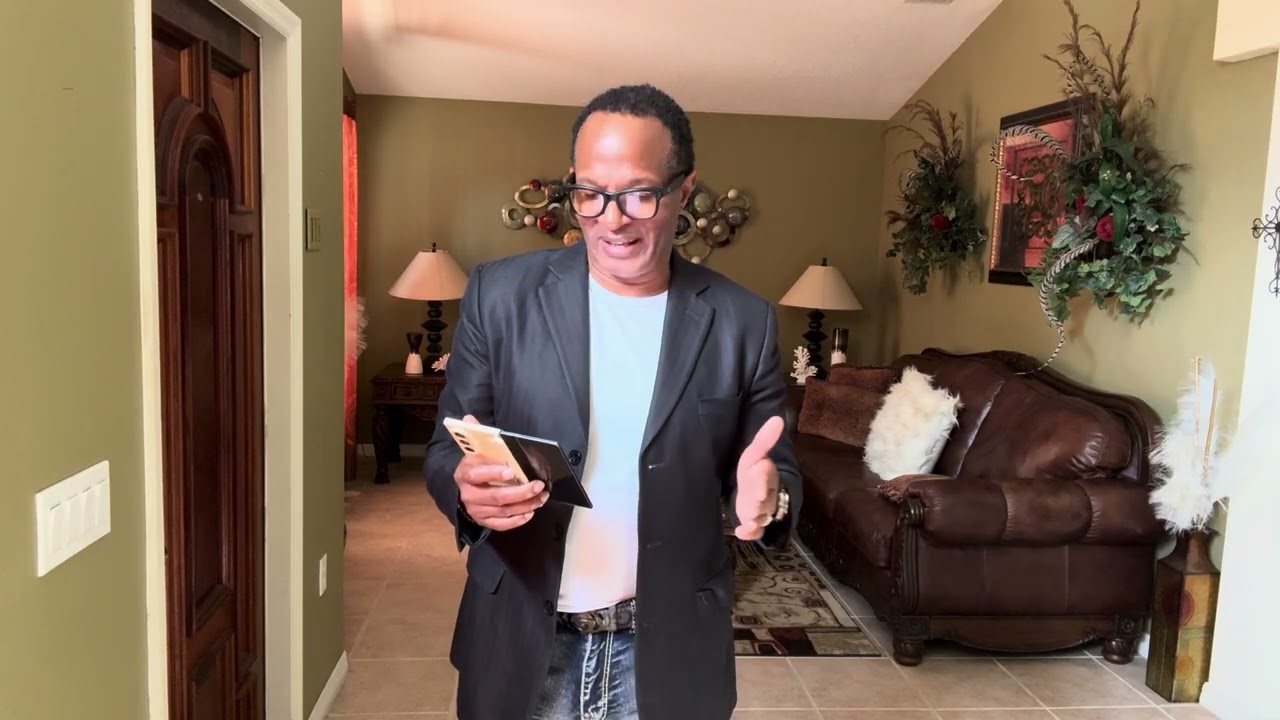
Rico Sharp- Bringing Out The Best in Mental Health Wellness Leaders Conference

In this keynote, Rico Sharp shares his journey from a troubled teenage upbringing to becoming an international speaker, author, and mental‑health leader. He introduces a three‑pillar confidence framework—personal, professional, and interpersonal—explaining how each builds on the previous to enable leaders to serve others effectively. Sharp warns of the pervasive burnout among mental‑health providers and outlines practical strategies for prevention, including regular vacations, clear work‑life boundaries, and reconnecting with one’s original purpose. He advocates a strength‑based coaching approach that reverses negative self‑image, emphasizes creating psychological safety through presence and vulnerability, and argues that genuine caring outweighs technical knowledge in building trust. Drawing on his own lived experience, he stresses the importance of accountability partners and support networks for providers. Throughout, he delivers a mission‑driven call to action: mental‑health professionals are lifesavers who must protect their own well‑being to save others, and they should aim high, embrace authenticity, and inspire the next generation of world‑changers.
Chapters
Great. Thank you for coming to my session. We're going to be focusing on bringing out the best in you. My name is Rico Sharp. I'm honored to be your host. Now that we've gotten past our technical glitches, shall we dive into what we're here to focus on today? What a wonderful crowd we have. What a wonderful group of people. Can you give yourself a round of applause? Woo! Before I get started, I just want to say, after listening to me today and you feel like, man, that guy's got some good stuff and I want to continue to further invest his materials into my life, I got some books on Amazon called Bringing Out the Best in You. The first one is my— and they're both leadership books. The first one is a chronicle of my life and how I was able to transform transformed my life from being in a very, very dark place as a teenager to becoming an international speaker, a changemaker, somebody who is traveling the world making a difference in the lives of others. And then I go right into the leadership principles that I used to build up my personal, professional, and interpersonal platform as a leader. And I begin to point out some things that's really important in terms of leadership development. Personal development, professional empowerment, and interpersonal enrichment. And then the second is a companion workbook, which is a day-by-day, step-by-step leadership guide. It allows you to be able to really put into implementation through practical points and principles that I use to really help you to be able to work the process so that you can actually get the results. So the first book tells you what to do, the second book shows you how to do it and to make it happen. That being said, once again, I'm Rico Sharp, and it is an honor for me to be here with you today. I'm so excited about what I have to share with you today. I speak at a lot of places. I speak around the world for— across the board in every platform. Nothing has stirred me up and excited me like being here today has. And so you all are going to have a great time today. I promise you that. I promise you that. All right, I bought these Meta glasses, never recorded with them before. I'm still trying to figure out how to use them. I don't even know how to turn the things on really, but if I don't get them, we got some backup cameras. But anyway, The thing that matters to me the most is pointing to leaders and making sure that leaders are able to take care of themselves first. There are some things that you are just so good at, and that is being the difference in the lives of others. But before you can really focus on saving the world, guess what? You have to save you. You have to make sure that you are good, and we're going to focus on that. There's something that I want to share with you. A couple of years ago, I was interviewed by the federal government to do some leadership training for some very high-profile people— people in the Justice Department, people in the Homeland Security Department, people in the Department of Defense Intelligence Department, and a few people from out of the Oval Office of President Joe Biden. And after I had a meeting with 5 of their top leaders, they said to me, after they laid out the criteria, they said, Mr. Sharp, do you believe you have what it takes? And I said, no, no, no, I don't have what it takes. I said, but I am who it takes to get the job done, to not just make the difference, but be the difference. It is important, ladies and gentlemen, that you understand that your gifts, your skills, your talents, your professionalism, your expertise, your education, and everything that you do creatively, everything that you are uniquely, it is not given to you in the form of you having what it takes, because you're not a what, and neither are your strengths considered to be an it. You're so much more valuable. You're so much more important. There's so much more to you than just having an it. When people can size you up based upon your skills, your talents, your gifts, and your creativity, they can also compare you to others. They can say things like, well, you're good, you're talented, but you're not as good as they are. You're not as talented as he is. You're not as talented as he is. I need you to focus on moving beyond just being gifted and talented and educated and good at what you do and just allow for the full you to embrace who you are because you don't make a difference, you are the difference. You don't have what it takes, you are who it takes. And when you know that you are the difference, and you are who it takes, you approach every situation differently. You don't allow for people to manipulate your confidence and your self-worth and your self-value. You don't allow for people to compare you to other people. You don't allow for others to make you feel inadequate or insufficient or unqualified and underqualified. You don't allow for people to play with your emotions. The mission That you serve, the people that you serve really need for you to be all that you can be and to just allow for the best in you to come forth. That changed my life when I began to realize that I don't have to be the person who have what it takes. I just need to be Rico Sharp. I don't have to be Tony Robbins and Les Brown and— Oprah Winfrey. Male rappers. I don't have to be John Maxwell. I just need to be Rico Sharp. I need to discover who Rico Sharp is and focus on what my creator has given me and develop that and work it and then just give it to the world. Just open up and say, ladies and gentlemen, this is who I am. Take it or leave it. And that's the thing that I want to start this meeting with. Be who you are. Know that you are enough. Know that there is nothing that is impossible. There's no problem that you can't solve. There's no person that you can't help. There is nothing that you can't accomplish because you are who you are. Say this with me, I don't have what it takes. I don't have what it takes. I am who it takes. Okay, that that sounded pretty good, but I know you have a little bit more on the inside. Come on, let's try that one more time. Say, "I don't have what it takes." I am who it takes. Okay, now this side is a little stronger. You're a little weak on this side, so let me come on this side and see if I can pull y'all in before this plane takes off. One more time, everybody together. I don't have what it takes, but I am who it takes. To get the job done. Give yourself a round of applause. First point, build your 3 areas of confidence. Build your 3 areas of confidence. Number 1, build your personal confidence. What does that mean? That means know your value, know your identity, know your strengths. Know your worth, trust your judgment, and refuse, ladies and gentlemen, to let difficult days, criticisms, or mistakes, or any challenge that you face to determine what you're able to accomplish or have you to question who you are. In the first 4 or 5 of my slides, I'm going to deal with you first because I got to bring the best out of you. before you can bring out the best in someone else. After you build your personal confidence, now you have the fortitude to step into the workspace, right? You have the courage, you have everything that you need to do what needs to be done to help others. How does your personal confidence benefit others? It brings stability, authenticity, patience, and emotional security to the people that you are there to serve. You become a safer person who can help someone else to feel safer about their own lives and the things that they're dealing with or are challenged with. Number 2, build your professional confidence. Have confidence in what you know and in what you do. Know that when you stand before a client That you have a greatness that you'll get ready to release from your heart. You have something that is so unique and so special that when you open up to share with them the things that they need to hear from you, that it's going to come out in the form of power. You have a greatness within you. You're not just somebody who is working a 9 to 5. This is more than a career. You're not just there to get a paycheck. You're saving lives, you're changing people, you're building a future, you're restoring hope, you're creating a path forward. And this greatness that is in you that you have built through personal development through your personal confidence, it comes out of you into the area of professional confidence. It starts at home. You build it up at home. You build it up through life. You build it up through training. You build it up through looking in the mirror and having that one-on-one chat with yourself. And then you carry it to the workforce. And you pour it out of you in the form of greatness. And so now you're on the job, you're sharing with people, you're giving solutions, you're giving answers, you're restoring hope, and you're helping people to realize that life is not over. Like, this is— my life has just been a book. This is the chapter, and I'm about to turn the page. That's what you bring. You bring hope because you built up your personal and your professional confidence. And so when you're on the job, you're trusting your training, you're trusting your experience, you're trusting your skills, you're trusting your professional judgment. When I speak around the world, I have to trust that what I have is valuable enough that people pay money to come and receive it. That's my professional confidence. You have the resources and the ability to make sound decisions. Trust what you've learned over the years. Trust what you've been taught. Trust what you've developed within you. Because your personal confidence then becomes professional confidence, and your professional confidence becomes interpersonal confidence, which means when you sit before your clients, You listen, you communicate, you empathize, you build trust, and you connect with people from all walks of life. And you know that you are a changemaker. You know that what you're doing is a great service in the lives of others. And now you're showing them how to build their lives. You're showing them that you understand emotions. You, you navigate through difficult conversations. And you create an environment where people feel heard and people feel valued. I've had many times in my life as a young teenager where I had to undergo counseling and therapy because I was raised in a very difficult situation. My mother was very young when she gave birth to me, and my father was not around. My mom was only 15 years of age when I was born, and she had a son older than myself and another son after me. And so I had to be given up. And when I was given up for a little while, for the first 5 years of my life, I had some problems and some issues that I dealt with. And by the time I made it back to my mother, I was shifted around from family member to family member, church member to church member. house to house, and I grew up feeling unloved and unwanted and uncared for and underappreciated and undervalued. And I started to look at it like, what's wrong with me? But one day I remember sitting in front of a lady and she started counseling me. And she came to me and she began to share with me how that there's nothing wrong with me. And she began to point out some things about my life that I had overlooked, that nobody had ever talked to me about. The fact that I am somebody, that I do have something to live for, that I can do something with my life. Her personal confidence became professional confidence, and then her professional confidence became interpersonal confidence, and then she poured her confidence into my life. And it was that confidence that helped me to be able to realize I can do something good with my life. Now, it would be a journey. I would have some moments of falling and relapsing and going astray and trying to do things my way, but that began the journey to who I have become today. Her personal confidence became professional confidence, and her professional confidence became interpersonal confidence, and she planted a seed in my life that has helped me to be confident today. Can I share with you that sometimes people have to borrow your confidence in them until their personal confidence kicks in? It is safe to say that all these years later, I am still living off a percentage of that lady's confidence. And I can still hear her voice in my mind saying, Rico, one of these days you're going to make something of yourself. You're going to do something good with your life. The next thing that is important is to know who you are, to know that you are someone that is the difference, and then you begin to focus on what you know and of course how you connect with people. Point number 2, Break the cycle of burnout. I'm also a life coach, I'm a counselor, I'm a mentor, and I get a chance to talk with a lot of people. I mentor professional athletes in the NBA, NFL, and one WBO boxer. And one of the things that I'm beginning to realize with traveling the world, talking to people, is that there are a lot of people who are dealing with Emotional burnout, physical burnout, mental burnout, psychological burnout, interpersonal burnout, professional burnout. How do we break the cycle of burnout? Well, first we got to start resting. I take about 5 vacations every year. I run multiple businesses. I have a lot going on in my life. I'm the founder of Student Lives Matter, a program, foundation that I designed to help students to be academically achievable, to be educationally accomplished. I'm also the founder of Future Lives Matter, where I do training for teachers, for educators. I also have an academy called the Best You Leadership Academy online. Another academy called the Best English Speakers Academy. I wrote a curriculum for schools called Breaking the Silence: Stopping Gun Violence. I'm on a mission to put an end to school shootings here in the United States. Yeah, you can clap right there because that's a big one, right? I also run real estate investment. I'm also speaking around the world. And you ask, how am I able to do all these things? I get asked all the time. There's a couple other things that I didn't mention that I do. Well, I take vacations. I rest. I know how to step away. I know how to put the closed sign up on The front door. I know how to keep from getting burnt out. I didn't always know, but I've learned. And so burnout doesn't happen overnight, it happens over time. One of the things that we're dealing with right now in the area of mental health services with mental health workers, mental health wellness suppliers, People are getting burned out. People are quitting. People are walking away. People are walking away from careers that have they invested in for the last 15, 20 years of their life. Why is that? Why are people leaving instead of coming in? Because people are getting burned out. It drains your energy, your motivation, and your joy when you're burned out. People are ignoring the signs today. That leads to breakdown tomorrow. I believe that you can't pour from an empty cup. You got to stay refreshed, revitalized. You got to make sure that you are not allowing for the years and the hours and the times and the mental anguish and all that you give— you got to make sure that you're not allowing for that to take all that you have out of you. Like it's not draining and depleting you, right? You have to rest, you have to reset, you have to realign. What you do is so important. Who you are is so important. You cannot allow yourself to be lost in the transition of saving others. You have to remember your why when you question yourself about whether or not you feel like you can do this any longer, you have to go all the way back to the beginning. Why did you sign up in the first place? What was it that connected with your heart that prompted you to come to this particular industry and build the career off of helping people? What was your why? And you have to repivot back to that why and remind yourself of what your cause and your purpose is in life. You can't serve from exhaustion. You have to take care of you. Your well-being matters. So protect your purpose, protect your peace. Amen. Be passionate and compassionate without clashing and crashing. It's good to be compassionate toward the people that you serve. In fact, you have to be. You have to be compassionate because you can't be effective if you're not compassionate, right? You can't be genuine if you're not compassionate because compassion allows you to look beyond people's faults and see their needs and to understand that there's somebody worth saving behind the circumstances that they're challenged with today, the problems that they have. Be passionate. Put your whole heart, your whole soul into saving people, but don't allow for it to become overburdening. Let me share with you what I mean by that. You have to navigate with precision in what you do. You got to know how to get in, do what you do, and get out. You got to know how to draw the line. You got to know how to not be an empath and allow for everybody's burden and grief and sorrow and pain and problems and weight to be carried home with you. You don't bring your professional stress back to your personal home. So many people are walking away from this particular industry, this particular career of helping people and serving people because they didn't know how, they didn't learn how to draw the line and set the difference between what they do at home so that it doesn't affect who they are at work. And they don't set a difference between what they do at work so that it doesn't affect what they do at home. And I'm counseling people, and I'm mentoring people, and I'm coaching people who have given up on either family or given up on their careers because they didn't know how to set a distinction between the two, and the two started clashing. The home life started clashing with the work life. Some of you sitting here right now knows exactly what I'm talking about because you could be so engaged at who you serve on the job that when you go home, you're carrying that weight with you. And now your husbands and your wives, your children, they're looking at you like, okay, you're home now. We need you to be 100% present. We need you to focus on us. We need you to give us you. That's right. Your time. Not, not your residual or your residue, not the particles and the fragments that's left from you. We need you to come home as a whole mom, right? As a whole dad, as a whole husband, as a whole father. And when that happens and you're not able to separate the two, then you start crashing. You start falling apart. You start losing you. You start losing interest. You start feeling like quitting. You start carrying the weight around. And when you carry the weight, you know what happens? Not only do you get burnt out, but you burn out. You quit. You get out. You run off. You leave the job quickly for the sake of trying to save home life. So it's important That you're not allowing for the two to cross over. It's important that you're not giving so much to the people you serve on the job that you are neglecting to give all that you have to the people you serve at home. That's why I take like 5 or 6 vacations a year with my family, because I got to make sure that I'm not that guy that's saving the world And then losing my family at the expense of it. How many of you understand what I'm saying? How many of you have had to deal with some situations and circumstances and dilemmas that kind of remind you a little bit of that? Like, some of you have had to deal with exactly that, but I'm just trying not to put you on the spot. Here's how you keep from clashing and crashing. This is very important. The helper needs help too. A doctor needs a doctor. A dentist needs a dentist. How many of you know that a dentist can't pull his own tooth? Like, I'd like to see him try. How many of you know that a teacher needs a teacher? See, one of the reasons why we're losing people in this industry is because We're not finding somebody as mental health providers that we can go to and get mental health support. See, we live on— we live in the city on the top of the hill, right? We're at the top of the chart, right? We're at the top of the graph. And so people come to us for help. But the question is, who do we go to for help? Can I tell you that going to mom and dad and brother and sister and husband and wife and a friend or a confidant, that's not enough. You have to find somebody who specializes in what you specialize in. You have to find someone that knows how to treat the symptoms that you're showing. People who can identify with precision where you are and say to you, Sharon, You need to slow down. Sharon, you need to learn how to back up a little. Sharon, you need to put a divider between your home life and your work life. If you don't find help, if you don't get the support that you need so that you can bring out the best in you, how are you going to bring out the best in others? If people come to you for solutions and for answers, for help, for support, for reinforcement, and And for you to undergird them, and yet you're not in a good healthy place to do that, they're in trouble. How are you going to help someone if you're running on fumes? So you have to find a person that you can go to and say, can you counsel me? Can you mentor me? Can you support me? And you have to keep those people in your life. We call it accountability, ladies and gentlemen. We call it accountability. Somebody that can hold you accountable, strengthen you when you feel weak, help you when you feel helpless, support you when you become emotionally, mentally, or psychologically drained. You need someone in your life that can do that, that will not judge you, will not criticize you, But understand that you are not carrying the weight of the world on your shoulder. Now let's talk about bringing out the best in the people we serve. Mental wellness starts with seeing the whole person. Be present in every time or every meeting, every time. You stand before, sit before someone, be present. I need all of you to be there in every moment. Not a tired you, not a burdened you, not a stressed-out you, but a full, present, invigorated you to be there in the moment because moments matter. Moments matter. If I were to sit before a mental health worker today and say, talk to me about my life, and I can see that and sense and discern that they are not really engaging me and that they're not present, I'm walking out and you're not getting paid. Because my life is too important to sit down with somebody who is not present in the moment. Because you very well may be my last stop between where I am and the destruction that I'm about to find myself in. You very well may be the last stop between me and life in prison. You very well may be the last stop between me and the grave. You very well may be the last stop between me and a drive-by shooting at a McDonald's. So you have to be in the moment every moment. Say this with me: I have to be in the moment every moment. Get on their level. Enter into their world. Don't expect them to enter into your world before you're willing to enter into theirs. Don't expect them to trust you until you've earned their trust. Don't expect them to open up to you until you've opened up to them. Get in their world, hear beyond their words, listen to what they're saying, but also listen to what their heart, behavior, emotions, and silence is not communicating. People communicate in two ways: one, through words, and two, through silence. I know you can read the words, but can you read their silence? Can you understand that when they're not opening up to you, that they're saying something to you? And can you read between the lines and differentiate between what they're saying and they're not saying to understand Why they're not saying what they need to say. Maybe they feel like you really don't care. Maybe they feel like you're really not engaged. Maybe they feel like you're really not going to be the difference. Because people don't open up until they see you as one who doesn't just have the answer, but is the answer. People open up when they see you as one who doesn't just give solutions but is the solution. See, I don't operate off of talent anymore. I don't care if somebody thinks that I'm not as talented or as gifted as someone else. That doesn't matter to me. When I show up, I bring me. Me, the whole me, and nothing but me. All right, not sure what just happened there, but we're going to work through it. Mental wellness starts with seeing the whole person, so become familiar with their world and understand— understanding equips Intervention. Understanding equips intervention. What is resetting over here? Okay, all right. I thought these clickers were supposed to prevent that. This is the first time that I'm using this particular clicker. Go to the top right. Top right, present. There we go. Number 6, don't focus on what's wrong about them, focus on what's strong about them. This is what I do when I'm counseling people, mentoring people, coaching people. I like to use reverse psychology. When people come to me, they come to me already feeling down, depressed, dejected. They feel like their life is a disaster. They already have at the front of their mind what's wrong with them. They think about— they're inundated and intoxicated by their weaknesses, their problems, their shortcomings, the things they don't do well, all the negativity they hear from the people who's always criticizing them about what they do wrong. So they come into my office already feeling like— I'm a failure. I'm nobody. I'm destroyed. I have nothing to offer. I'm down and out. I'm broke, busted, and disgusted. And they already feel like I'm going to agree with them. So what I need to do is I need to reverse their thinking. I need to transform their thinking from what's wrong about them and redirect it to what's strong about them, like what's good about you. So as I listen to them, I'm taking notes, I'm writing stuff down, I'm taking mental notes. I'm also using my discernment, right? My intuition, right? I'm using my inner eye, my inner ear to discern what's good about them so that I can point out to them what's good about them. You know what people need to be told in this world that we live in today? That you are somebody. That you can do whatever you want, you can accomplish whatever you want to accomplish, that you are great, that you have greatness in your life, that you are someone special, that you can do it, you can rebuild your life, you can get back in the ring, you can start over, you can fight, you can win. We have to reverse people's self-images and get their focal point off of what's wrong with them and put it on what's strong about them. No one wants to be told and reminded all the time about what's going wrong in their life. No wonder people are depressed and dejected and suicidal. No wonder people are scared and timid and living in fear, because the voices that they hear is always reminding them of what they do wrong, what they're not good at. Not even you want to be told that by the people that matters to you. Even if you burn the toast every time you make breakfast, You want your spouse to take a bite of that burnt toast anyway and say, oh, it's the best toast I ever had. It's crunchy. You want to be made to feel good about yourself. And so we navigate to what's right about people. And when we do that, we magnify their strengths, their gifts, their talents, their creativities and abilities. We celebrate what they can do right, and we help them see the value in their potential. I always say, don't focus on your negatives, focus on your positives. Don't focus on your weaknesses, focus on your strength. Why? Because if you focus on your negative, Then you're going to feed into that. You're going to support the energy that that negativity operates on. But if you focus on your strengths, then you're going to feed into that. You're going to reinforce the energy that your positive attitude operates and thrives on. And when you focus on what's right, when you focus on your strengths, you starve your weaknesses. That's right. and you starve what's wrong. You deprive it of its energy and whatever sources it has to continue to exist. When you focus on your strength, your weaknesses become your strength, and your strength becomes your greatness, and then your greatness becomes your legacy. Can I say that one more time? Yes. When you focus on people's strengths, And not just their weaknesses, and you remind them of their strengths, and you redirect them from their weaknesses to their strength, their weaknesses get starved and their strength gets supported. And then their weaknesses becomes their strength, their strength becomes their greatness, and their greatness becomes their legacy. So celebrate what they can do right. Help them to see their value and potential. And over time, their confidence will grow. Remember when I said earlier sometimes people have to borrow your confidence in them until their confidence kicks in? When you focus— help people to focus on their strength, they start building up personal confidence and they leave out of there charged up. You know, like when your cell phone is dead or your laptop computer is dead and you take the charger, you plug it up to the wall and you see a little Red bar start to grow and then it goes from red to green, and then after a while you have a full battery, full life. That's what happens when you pour your confidence into people and help them to build their confidence. That battery starts charging up and now they're able to go the distance. Over time, weaknesses become strength and strength becomes greatness. Don't just address what they're doing. Point seven: understand what they're carrying. Understand the pain, the rejection, the trauma, the abuse, the shame, the fear, the loneliness, the things that they're carrying underneath that they don't necessarily talk about. I'm never walking into an office and sharing everything, spill it all on the first day I go into an office. In fact, believe it or not, ladies and gentlemen, but. Most clients, it doesn't matter if they're a child or an adult, when they come into your office the very first time, they're not necessarily there for you to check them out. Guess what they're there for? To check you out. To check you out, that's right. They're there to check you out. People know in the first 5 minutes if they're coming back to you again or not. So you literally have 5 minutes to secure that person As a client, you will see tomorrow. That's why being present is in the moment. That's why lending your confidence is in the moment. That's why redirecting their focus in the moment is so important. The actions you see are often not the real problems. They are a cry for help, a way to cope, or an attempt to numb the pain. So when people use drugs and alcohol or have gambling addictions and have these outbursts of anger and violence and they just act out unseemly and uncharacteristically in public. That's not their problem. Like, I know you know this, that's not their problem. That's the way that they're reacting to what they really feel inside. I used to think that when people use drugs and alcohol and abuse it, that that was because They just didn't like their life. But then I realized one day, that's not it. It's not it. It's something deeper than that. And I used to think that people, when they use drugs and alcohol and abuse it, that it leads to mental health problems. But then I discovered one day I got it wrong. People use drugs and alcohol in an aggressive way because they have mental health illness. That's right. And so I had to refocus my whole strategy and go all the way back to the beginning and start focusing on what I couldn't see and the underlying issue. The depression, the hopelessness, the low self-esteem, the lack of self-worth and self-value, the childhood abuse, the trauma, the rejection, the fear, and the unresolved emotional pain and emotional conflict that they have that is still screaming at them day after day and night after night. And I had to begin to learn how to meet them on that level, to get up under that load with them. You see that big ball, that big boulder on this person's shoulder? A good mental health service provider will get up under that ball with them and help them lift it off, not just tell them, you're carrying this big boulder on your shoulder. You never know how deep someone's pain goes But when you take the time to understand, you can be the turning point that changes their entire tomorrow. Point number 8, create psychological and emotional safety. Safety builds trust and trust builds growth. I have found that I am more effective in reaching people When I'm willing to pull up my sleeves and show them my scars and not sit in the meeting as Miss Prissy, somebody who never made a mistake, not sit in the meeting as Mr. Wonderful, somebody who never fell down before, but when I can share with them openly, I got scars, I got pain, I I have a past, I've done some things wrong, I've been through a divorce, if that's your story. I've been on drugs, if that's your story. I was homeless, if that's your story. I've had mental abuse, if that's your story. I've been verbally abused, I've been sexually abused, if that's your story. See, you have to be selective with sharing information, but you also have to be vulnerable and transparent. You have to open up. You have to share sometimes with your client, I know what it's like to have problems. Maybe you don't have the same problems, maybe you don't have the same story, maybe you haven't gone down the same road, but you can share with them that I know what it's like to have circumstances that gets the best of you. Why is that important? Because people need to know that they're in a safe place. People need to know that you're the right one to talk to. So it takes one who can relate to one to reach one where they are. Yes, you got educational backgrounds and educational tools. You got clinical tools. You got scientific tools. But more important than everything else, you have life experience. And I can guarantee you right now that your life experience goes a long way with people who are in need of someone who understands them. How many of you agree with that? Yes. When you relate to them, you will reach them. When you will reach— when you reach them, you will rescue them. And when you rescue them, you will redirect them. And when you redirect them, you will help them to reclaim their lives and reposition themselves for life. That's a proven fact. This is what bringing out the best in you is all about. Not only are you using clinical science, clinical education, and clinical information, but you're also using your lived experience. And when you combine these 2 together, You're bringing out the best in you so that you can bring out the best in others. And I'm almost finished. Point number 9, this is big with me. No one cares how much you know until they know how much you care. You can have more degrees than a thermometer, but people don't really care how knowledgeable and how educated you are in your brain or your mind until they find out how educated and how knowledgeable you are in your heart. Okay, no one cares how much you know until they first know how much you care. In fact, most people don't even want to know how much you know. Until they first find out that you care about them. I like being around people who care about me. I don't want to be around somebody— this is just a little side note, right? I don't want to be around somebody hanging out with them. We go to breakfast together, we go to lunch together, we ride in the car together, we go shopping together, and I got a booger hanging out my nose and they looking at me all day. And they looking at me and they talking to me. You looked in my face 1,225 times and you didn't have enough of care for me to say, Rico, you need to clean your nose? Like, call it out, please, before someone else calls it out. If a stranger walks up to me and I'm hanging around you and they tell me that I have— I need to clean my nose, I'm gonna look at you like, what's up with you? You're gonna need to get an Uber home. Lead with empathy. Listen to understand, not just listen to take notes. Listen to understand. Create safe— safety. Build environments where people feel seen. Valued and safe to be real. Respond with compassion. Give people the support that they need. Be the reason they reach out. Remove the shame. Normalize help. Make support a strength, not a stigma. I have probably mentored, counseled, and supported psychologically, emotionally, spiritually, and physically, hands-on, over the last 31 years, at least a couple hundred thousand people. At least. At least. And I'll share a little bit about how I was able to do that in just a moment. Discover the treasure within them. Discover the treasure that is buried beneath. So when someone walks into your office, the first thing that you see is their problems. Their dysfunction, their addictions, their pain, the things that they don't do so well. But if you look beneath the pain, the trauma, the addiction, the fear, and the dysfunction, you would discover that there's some treasure down up under there. There's some gold, there's some silver, pearls, oil, right? Some precious jewels. You have to see what you can't see and be willing to dig deep. You got to be willing to call the treasure forward and to help them live from a place of greatness and not a place of disgrace. I found that to be true in my own personal life. There were times when everybody judged me based upon my faults, based upon my dysfunctions, based upon my addictions, based upon the things I didn't do so well. But one day, someone looked beyond my faults and saw my need, and looked beyond my dysfunction and saw my treasure. And when you're able to see people's treasure, you can help them to dig that treasure up and bring it to the surface so that they can become the great person they're called to be. Can I share with you that you are a lifesaver? Don't let life kill them. I had a brother who was 1 year older than I, or myself. I basically helped him out and took care of him most of his life. He had a problem with drugs and alcohol as a teenager. He had a rough life too. And he was addicted to cocaine, crack cocaine, at the age of 15. Through a girl that he met, which he cared a lot about, loved, fell in love with, and she introduced him to crack. And from the age of 15 on up, he struggled back and forth, up and down with crack cocaine. Then one day he married, started a family, got off the drugs, got into church, started doing real well. One day, walking home from work as a chef, He got hit by a car and broke up his hip, his elbow, his pelvis bone, put him in a lot of pain. The doctor gave him pain prescriptions. Then he became addicted to the pain prescriptions, and the pain prescriptions took him back down that path of now wanting a high. Went back to crack cocaine. Lost his marriage. 6-year-old daughter died of brain cancer. And then his wife divorced him. And so one day his wife's brother comes to town and they're all— him and his brother hanging out, him and her brother hanging out in a hotel room. Then they started using crack together. The brother got paranoid, picked up a golf club. What? And hit my brother in the head with the golf club and broke his skull and thrust a 6-inch piece of his skull down into his brain, threw him in the bathtub, left him for dead. The cleaner comes in the next morning to clean up the room, finds my brother in the bathtub nearly dead, calls the police, rushed him to the hospital. Doctors didn't think he would survive, yet long story short, he survived. But he's paralyzed immediately on the right side. He would spend the next 12 years of his life with a tube in his brain, having major, major seizures, not really able to talk, cognitively disabled, and really having just a hard life. And I would go and talk to him and move him into my place and Do everything I can to take care of him. I said to him on the last day we had a conversation, I said, hey bro, I'm going to come and get you next week when I get back in town and we're going to go fishing. Would you like that? He said, yes, I would. And then he said, but wait a minute. He says, you're going to go speak somewhere, right? I said, yes, I am. He said, do something for me. He said, tell the world Don't let life kill you. Don't let life kill you. Those were his words to me. He says, when you go into these schools, tell the kids. When you do corporate training, tell the employees, tell the leaders. When you speak to government officials, tell them, don't let life kill you. I said, what do you mean by that? He said, don't allow for what you've gone through in life Beat you down so bad that you don't feel like you can handle it anymore and that you're just ready to give up and leave this world. I said, okay. I gave him a hug. I said, I'll be sure to share that message. I got in my car and left, went on my trip. I come back a couple days later, I'm getting ready to go pick him up. I get a phone call early that morning saying, your brother's dead. That was the last conversation I had with him. And the last words he spoke to me was, don't let life kill me. When I say to you that as mental health wellness providers, that your mission is to save lives, that's what you do, that's who you are. You are a lifesaver. That's what you signed up for. And when you step into an office and sit before a patient, Or client, you are saving lives. When you give them who you are, you are saving lives. When you tell them what you know, you are saving lives. Do not take lightly what you do and the impact that you have on other people's lives. And I close with this: we are world changers. We change the world one life at a time. You see that guy in that blue? He's 19 years old. He's in prison. That is his prison photo. He was being— from the age of 13 to the age of 19, on drugs, homeless, addicted to cocaine, and living a criminal life, having been rejected by his family, not knowing who he would be or if he has anything worth living for. Rico Sharp. He would go to jail 19 times, that guy right there, and then he would go to prison 3 times, that same guy right there in that blue. But on the— on the 19th time of being incarcerated, 3rd time of being in prison, he began to discover something about himself that he did not know for the first 19 years of his life, and that is that he is somebody. He is somebody. Somebody special, that he can live, that he can turn his life around, that he can make a difference in this world, that he has something to offer humanity, that he can be a productive citizen in society, that he's a world changer, that he himself is a lifesaver. And the moment he discovered that, the moment he discovered that I don't have to bow to my mental illness, the moment he discovered that there is help for me, The moment he started seeking for tools to help him build his life, he did just that, ladies and gentlemen. And that picture on the right, that's that same guy years later traveling around the world speaking to millions, helping people to bring out the best in them. That's the same guy on the right who has written books, who goes into jails and prisons and hospitals and churches and Federal government agencies and state agencies and city and county agencies. That's the same guy who is now standing before you right now. I am that guy. So I say to you in closing, do not ever give up on somebody who is sitting in your office Even if they look like that they're never going to get it, they're never going to learn, they're never going to catch on, they're never going to measure up, keep working on them, keep pouring into them because not only are you bringing out the best in you but you're bringing out the best in them and one day they themselves will be a world changer and you will be the reason that they will be able to pour life into so many other people around the world. Ladies and gentlemen, my name is Rico Sharp. Thank you so much for allowing me to have this time to talk to you. I want to leave you with this: always reach for the moon, because even if you miss, you will land among the stars. Always be willing to aim high and hit nothing instead of aiming low and hitting everything. Most people fail in life not because they aim too high and miss, But because they aim too low and hit. So always strive to be on top because it's the bottom that's overcrowded. Your attitude toward life determines your altitude toward life. Always understand that other people's opinions of you matters not to the determination of your potential nor the dictation of your destiny. Understand that do not walk in the shadows of those you admire, but discover your own passion and dare to ascend. For then you will realize your greatness and live a life that inspires. For life is what you make it. When the opportunity comes, you take it. You be sharp and maximize your life and make yourself a great life. And think sharp, talk sharp, walk sharp, dress sharp, plan sharp, live sharp, and you'll do sharp. Take it from me, I'm Rico Sharp. I know. God bless you. God bless you.
More from Rico


Rico Sharp- Mental Wellness Leadership Conference- See the true person before you, not their flaws.


Rico Sharp- Part 4 Bringing Out The Best in You- Mental Health Leadership Conference
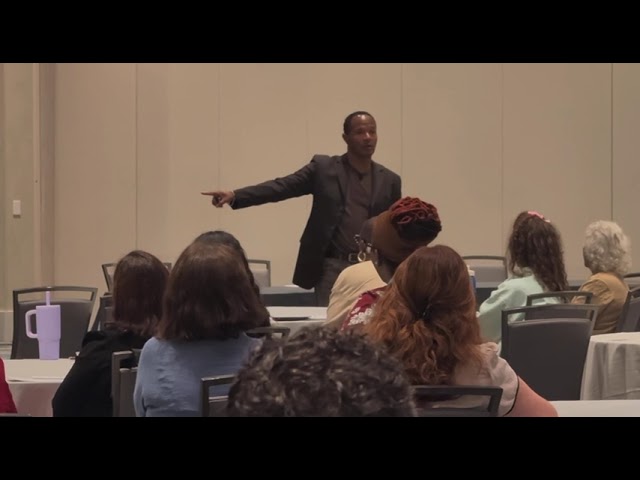
Rico Sharp- Bringing Out The Best in You- Leadership Conference. Build your 3 areas of confidence-

Part 2. Rico Sharp Bringing out The Best in You Mental Health Wellness Leadership Conference 8/27/26

Part 1- Rico Sharp Bringing out the best in you Mental Health Wellness Leadership Conference 8/27/26

Rico Sharp- My Brother’s last words to me before he died- Don’t let life kill you. Leadership Event.

Rico Sharp - Keynote: Bringing Out The Best in You. Leadership Conference. 8/27/26
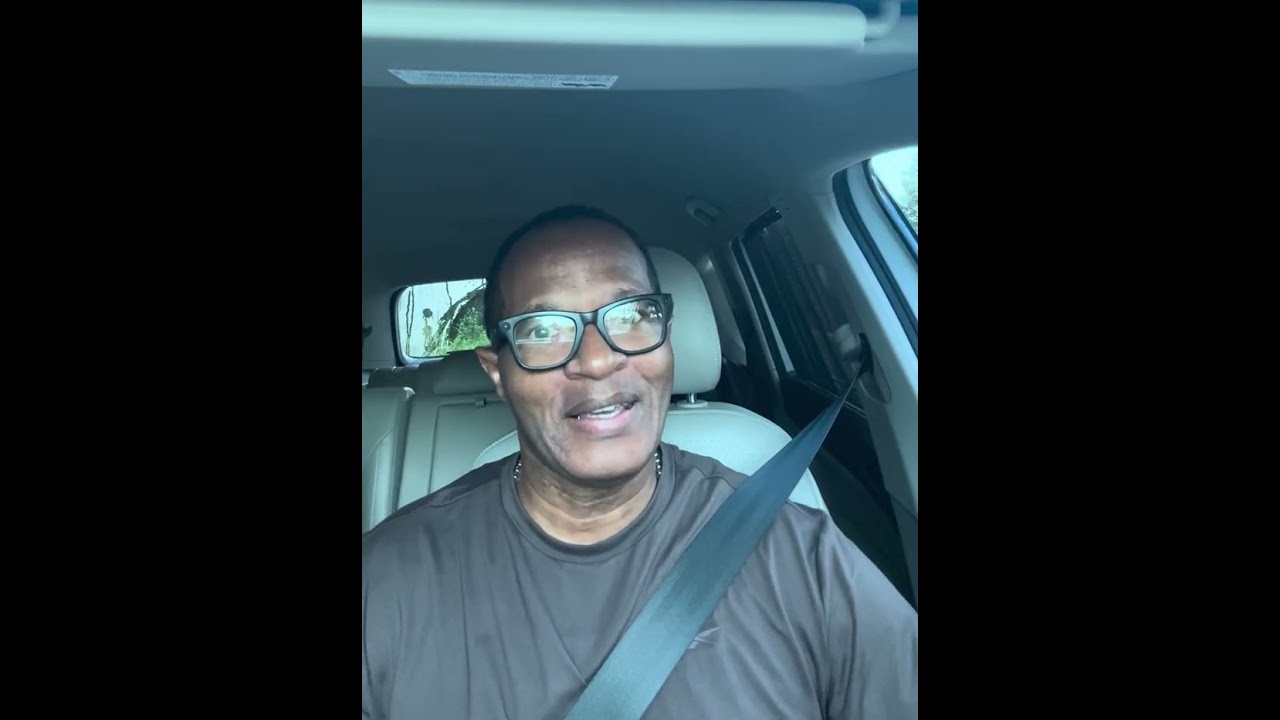
I’m on my way to Bring Out The Best In Mental Health Workers for Florida Behavior Health Conference.