Rhett Kerby narrates a site visit where drone footage revealed extensive gully erosion across a solar farm that appeared stable on post-construction Google imagery. The owner had a contractor apply a growth regulator that was mis-mixed or misapplied and terminated vegetation, removing interception and flow-spreading that normally reduces runoff. Concentrated surface flow—often along access roads—has caused roads to become impassable and rock placed on roads to be washed into waterways. Kerby warns the gullies will worsen without intervention and recommends reestablishing vegetation inside panel arrays, temporary stabilization (e.g., hydromulch), low-water crossings, erosion-control blankets, and wattles/erosion socks. He counsels vetting service providers and solutions because some treatments can worsen problems.
Chapters
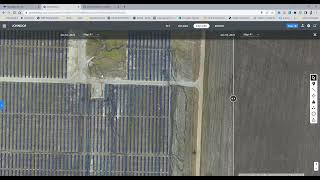
I recently had an opportunity to visit a site that I was informed had erosion problems and need to. They need a solution. So what I realized when I, when I got there and started asking questions, the site on Google after construction appeared to be very stable. You know, no obvious signs of erosion. But as I went to the site, flew the drone. This is what, what I found if you notice. Gully erosion taking place throughout the site. So upon asking questions, I learned that the owner had hired a company to apply a growth regulator to the vegetation. The growth regulator did not function correctly. Whether it was mixed incorrectly or whether it was misapplied, that's left to be determined. But what happened was the vegetation was terminated. So rather than having vegetation in the project, that slows first, vegetation intercepts rainfall so that it doesn't impact the soil. But what vegetation also does is it spreads out the water, the rainwater. It slows the rainwater down and allows it to soak in the soil. But without the vegetation to do that, the rainwater travels very fast across the surface, allowing for it to consolidate and concentrate in low areas. And find the path of least resistance, which. The path of least resistance in a solar farm is generally the roads. So you can see here, what was a road now has become impassable. These roads here are now compromised. And this is an area where there was a solution, an attempted solution to apply rock on the road here. So the rock was applied on the road, rain washed, came into contact with the rock, and pushed the rock into this waterway. So rock in a road, if there's concentrated flow encountering the rock, it will just push the rock out of the way. So this actually needs to be a low water crossing. There needs to be vegetation reestablished inside the panels. There needs to be probably some temporary stabilization, maybe in the form of hydromulch. Otherwise, this is, to me, probably what cancer would look like in a solar farm. This is trending in a very bad direction. The trajectory of this is it is going to continue to get worse. These gullies will continue to get deeper. The site will not be able to heal itself without some sort of intervention, such as maybe erosion control blankets in some of these concentrated flow areas, channeling the water to the right places, spreading the water out, maybe with erosion socks or wattles. But mind you, the biggest problem is, came because of what was thought to be a good idea of trying to slow down the growth of vegetation, actually terminated vegetation, and now has led to a very large systemic problem, you know, to the tune of, you know, hundreds and hundreds of acres so please be mindful in making your selections of services service providers make sure you vet the service provider and also vet the solution that is being proposed because not all solutions work and some solutions make the problems worse.