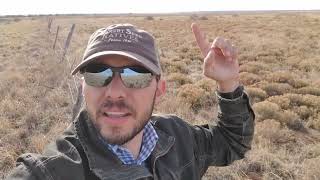
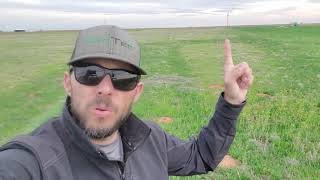
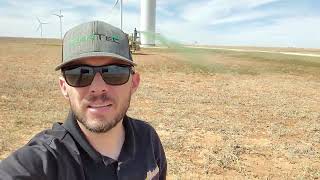
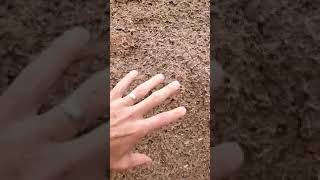
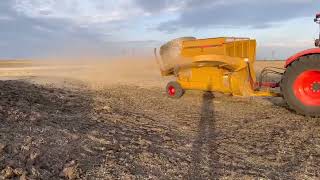
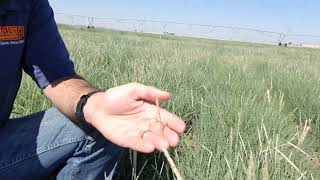
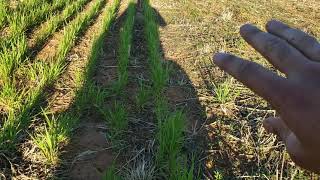
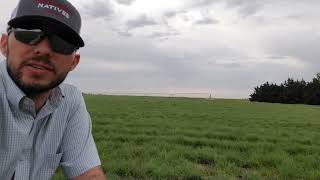
Rhett Kerby shows what happens at a fence line between an 11-year cattle-excluded area and a reseeded pasture. The ungrazed side still has broom snakeweed and mesquite from old overgrazing. The reseeded side, planted with native grasses and four-wing saltbush, looks like the land did before cattle arrived.
Chapters
I have a pretty unique opportunity today to be on a place where cattle have been removed for 11 years. And this fence row behind me marks the boundary between reclamation of the site, post overgrazing. And you can see there's a distinct difference on each side of this fence. And I wanted to expl, I wanted to explain that because without any explanation, it may go unnoticed as to what's actually taking place here on this side, here behind me, this has not been touched since the cattle have been removed. This is what is left 11 years after overgrazing. These little, these bushes here are broom snakeweed, that is a indicator of overgrazing. It's an invasive species. And you can see it's actually scattered all throughout. And you can even pick up some larger brush in the background here, minus that tree. That's not what I'm talking about. But this brush here, more directly behind me is mesquite, which is also a, it is a native. But you don't see it in this, this setting, this landscape, except in pastures where you have seen overgrazing. And then two, you can see the small thin grass behind me is not palatable grass. It's the grass that's left over that cattle will not eat. And so from a wildlife standpoint, the good grasses, even 11 years later, have not re established. Now, if you look on this side of the fence where 11 years ago, after the cattle were removed, this area was planted back to a climax. Native grass blend. And you can see here the diversity is grass based. There are some forbs. You can see this one right here behind me, there are forbs. And then these brush species here are native four winged saltbush. And so maybe to someone that doesn't understand the ecology of what it is that they're looking at, these areas may be, these may appear identical. However, from a wildlife standpoint and an ecological restoration standpoint, the area that's been reseeded provides much more habitat for wildlife and is much more, much more resembles what it was in a historical climax before man put these things in. So anyway, neat opportunity today. I wanted to share this with you guys, so I appreciate the opportunity.