Rhett Kerby explains that when planting native grass you often see weeds first not because of contaminated seed but because seeding disturbs soil and brings dormant weed seed to the surface. He notes seed sold should be tested for weed seed by state law but that buried seedbanks still produce weeds. Management strategies mentioned are mowing to suppress weeds and herbicide where appropriate, and he recommends having a weed-management plan—especially on larger projects—to allow desirable grasses, forbs, or pollinators to establish.
Chapters
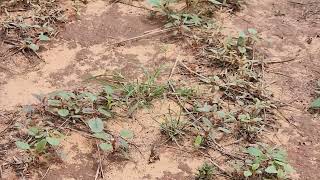
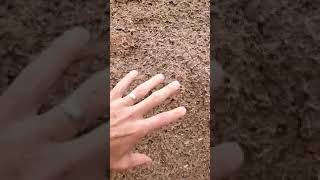
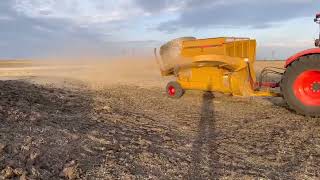
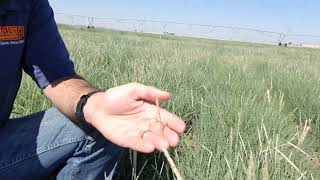
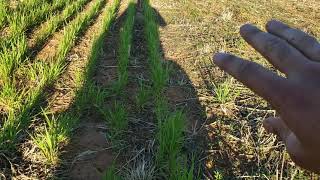
If you've ever planted grass, native grass, you may wonder why it looks like you plant weeds first. And it's not because the seed that you purchased has weed seed. I mean, I guess that could be a possibility. But if you purchase seed, according to the state law, it should be tested for weed seed. So you should know what weeds are in the seed that you're buying. But you can see here on all these rows, that's weeds, that's not grass. You can see here, but notice the weeds are in rows and those are the rows that I planted to grass. And so the question becomes why are the weeds growing in rows where I planted grass? And it's due to the amount of disturbance that has taken place to the surface of the, of the soil went during the seeding operation. So the seeding operation disturbs the ground, which brings weed seeds to the surface because the soil is full of weed seeds. And so when you plant seeds, desirable seeds, or when you plant seeds that you want to grow, the name of the game begins to be which seed will out compete the other. And you can see here that the weeds are beginning, they have a head start. And normally that's the case because weeds are somewhat by definition, they're more advantageous. So they grow really fast. So you have to have a plan to address the weed pressure after you plant grass. One way to do that is through mowing. You could also use herbicide. I'm out mowing in this area to suppress the weed pressure and give the grass opportunities to grow. So let me zoom in here. So here's some grass, desirable grass growing, but you can see right next to it is undesirable weeds. So over time, my, my strategy in managing the weeds here will be through mowing. And so that's the purpose of, of me sharing this with you all is, is to not necessarily. Well, the purpose of it is to show that disturbance encourages weeds to grow. At the same time, that's part of the sacrifice you're willing to make to put seeds in the soil as well. So now, like I said, the name of the game begins to be how do I help the grasses that I want to grow? How do I help them grow while suppressing the weeds? And so if this is on a large scale project, you must have some sort of weed management plan in place. It's just not simply select the right seeds because there are seeds out in the soil that you probably do not lack. So you must have a weed mitigation plan, if you will, to make sure that your desirable grasses or pollinators or Forbes, whatever your desirable species are, are able to survive the weed pressure.