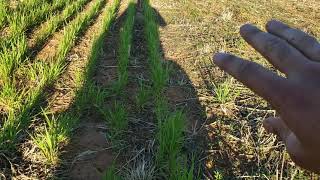
A cover crop of winter wheat was killed too early in March, letting weeds and invasive grass take over the plot. The native grasses that should have grown there never got a chance. Keep the cover crop longer so its dead plant matter smothers the weeds first.
Chapters
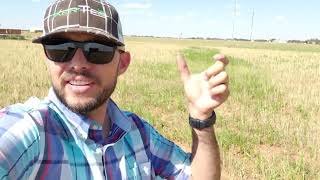
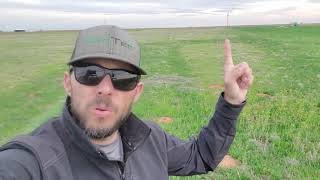
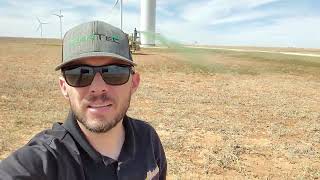
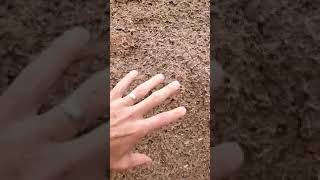
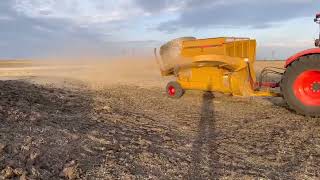
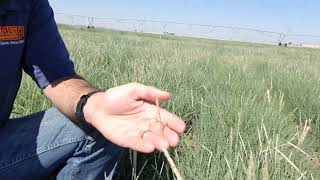
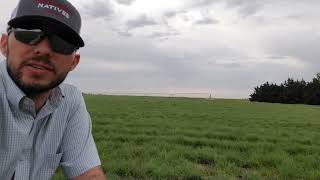
I wanted to show a ecological restoration project here that actually had a mishap that has actually offered some pretty neat results. This strip behind me, this green strip is an area that the COVID crop was terminated prematurely probably in mid March. Whereas the COVID crop, which is winter wheat, was planted throughout, across the full area. But this strip was terminated in March. So which if you can tell all this green area is weeds. And so this area has actually been planted to buffalo and blue grama in an effort to re establish short grass prairie here. But the weed competition is going to prevent that in this area. So, so managing your cover crop prior to planting your native grass species or forb species or pollinator species or whatever you're doing, cover crop is key to managing your weeds. You can see here, very little weeds, all native grass coming up underneath this cover, whereas this, the COVID has died, allowing for the soil temperature to elevate and weed species to come in. In fact, you can see this light green area. This is actually a different species of invasive grass that has came in that only exists here. It doesn't carry out into the COVID crop. So this path here is performing uniquely because it was a different treatment area. So long story short is allow your cover crop to last till it can actually stand and provide dead litter cover to prevent weeds in your in your project. Let me know if you have any questions. But this is a pretty neat mishap that actually turned in some to some, some good content. Thanks.