Short two-part video presentation about soil conditions at time of seeding, demonstrating ideal and problematic seedbed conditions for reclamation projects. Shows standing dead litter as ideal, compacted slick areas as unsuitable, and decompacted/tilled areas as preferred; a follow-up video will cover seeding rates.
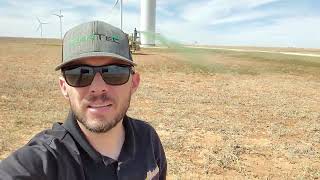
I'm going to do a two part video presentation on soil conditions at the time of seeding. Seed bed preparation is key to the to the success of a seeding project. So I wanted to offer some video as far as what is good seed bed preparation conditions and what is not. This area behind me here is what.
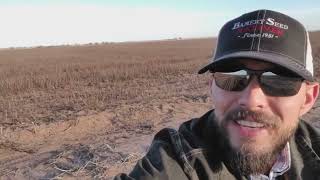
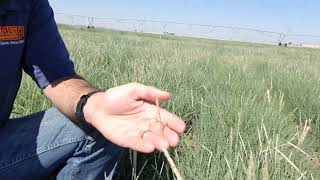
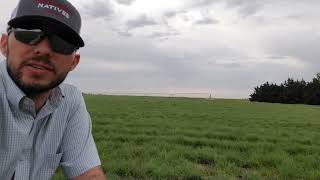
You would call standing dead litter cover. This is last year's vegetative growth that is no longer actively growing but is providing soil erosion protection because the standing residue blocks the wind and it keeps water erosion from happening as well. And so this is the ideal seeding conditions for a reclamation project. But I wanted to show you two other conditions that we often see that actually pose a big problem for the success of a reclamation project.
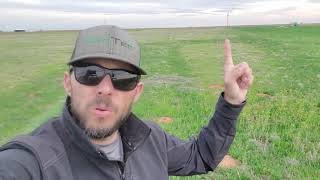
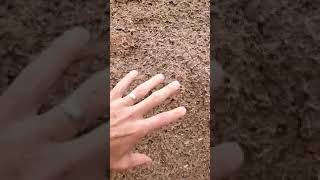
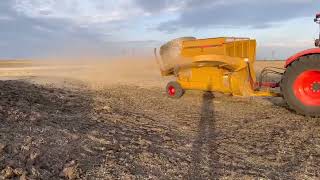
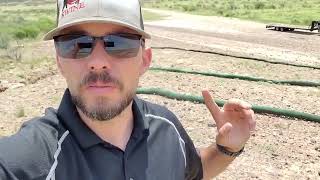
So this area here is an area that as you can see has compaction issues. This is not the type of area that you would want to seed. And so often we find that right of ways look very similar to this. And I don't know, you may be able to hear the gentle breeze in the microphone on the camera here, but just a gentle breeze would move seed on this area here. It's just slick, it's compacted. And before seeding takes place we would need to make sure that this area is decompacted. What I wanted to show you is area that has been decompacted or disc that's going to provide much more suitable seedbed conditions. This area has been tilled. It provides good seedbed conditions as far as it will allow the seed to germinate and root down easily. It will allow for water absorption and minimal runoff. So I'll have a follow up video regarding the seeding rates to be used on these different seed bed conditions.