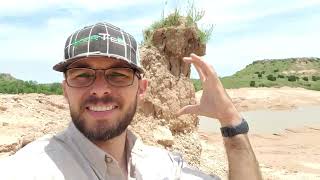
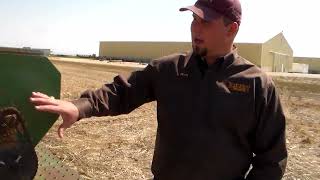
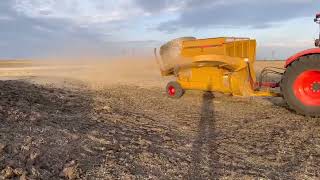
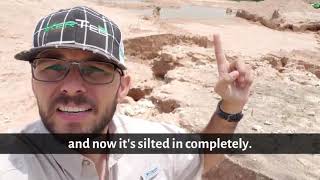
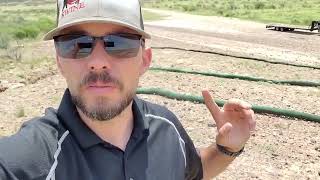
A brief on-site monologue (video) demonstrating how construction-disturbed soils above a pond have washed into a lower area after removal of the vegetative root zone. The speaker emphasizes that removing soil below the root zone removes the soil’s natural stability and recommends using temporary stabilization until roots re-establish to hold soil in place.
Chapters
I'm down in the pit from the video that I shot just a second ago. This is the area that. This is all deposition that has occurred from the uphill areas where construction and dirt work had been. For some reason, they put a stake here to mark natural ground level. And I think this tells a tremendous story. When you start removing soil below the root zone, you lose the soil's ability to stabilize itself. Notice here. All that would have been right here. This soil is on this side is gone. And it's. It's because there is. There was no. There was none of this. The construction. The construction efforts and. And the construction work work removed this because this is where the pond is going to be. When they removed this, this became exposed. This has no ability to stay. This is not stable soil. So the root zone is what stabilizes this. You take this away, this has no stability. This all washed into here. And so this is a very telling story. And you can see there's another little pedestal they left. It blew out where the. Where the little bit of roots are. It stayed. Everything else blew out so. And ended in here. So this is a very telling story that roots are what hold so much of this together. So use temporary stabilization to stabilize your soil until you have roots that will then hold everything in place and not ever allow this to be gone. This is what holds this.