Spotlight On #6 - Rory Woodbridge, Senior Director of Product Marketing at Pleo
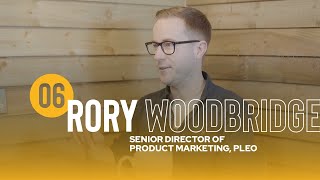
Interview (Spotlight On #6) with Rory Woodbridge, Senior Director of Product Marketing at Pleo. Rory describes his role at Pleo and traces his career from writing and editorial work through roles at Amazon, Google, Whereby, and Pleo. The conversation covers how product marketing has evolved into a strategic in-house function (especially in B2B SaaS), routes into tech/product-marketing careers (side projects, unconventional outreach), pros and cons of joining fast-scaling companies, management traits that help employees succeed (openness to feedback, handling ambiguity), and closing career advice (don’t tie self-worth to job; run your own race).
Chapters
Welcome to the Spotlight on series where we get to sit down and speak to some of the most inspirational market leaders from some of the UK's most exciting brands. We'll learn about their careers, their challenges and their achievements, all to inspire you to help you grow your careers. Hello and welcome to this episode of Spotlight on, where we've got the awesome Rory from Pleo. Let's kick things off by telling us a little bit about yourself and your current role.
Sure. So right now I am director of Product marketing at Pleo, which is in the fintech space. They started off as a credit card solution for companies and that turned into expense and spend management and now you can manage all of your business spending through Pleo. So yeah, so I head up product marketing for them which is kind of, it's a mix of things. It's bringing together their products and commercial teams and making sure strategies are aligned, making sure we're effectively launching new products and kind of communicating that value to customers and then I guess providing everything like sales and marketing teams need to actually get the message out there and things like sales training and collateral.
I guess the first thing that jumps out to me is obviously the much more frequently used term like product marketing now. So obviously on the agency side you see lots of different types of, of marketers in different roles. Like, can you tell us a little bit more about what your sort of version of what product marketing is perhaps against the more traditional term or traditional role of marketing?
Yeah, for sure. And it's really evolved over the last decade, I'd say. And so I think like the old school version would have been basically the mouthpiece of a product team. How do we like, hey, we've launched this feature, go send an email, go post the tweet or whatever. And then in the last decade it's evolved into quite a strategic function. And so my, my definite and so it doesn't really exist in an agency like model. It's quite an in house role because so much of it is based on relationship building and being that bridge between internal teams. So, so for me and the team, we are the product people in the room when it's a meeting or conversation with sales or marketing and vice versa with a commercial representative with, when you meet with products or engineering or design. So it's very much in house, sits at the heart of kind of the business works a lot on kind of as much business strategy as it is like product or marketing strategy. So the name is a little bit misleading and I'd say kind of the popularity it was really championed by, as a function by companies like Google and Facebook where product is king internally at the company and so therefore product, product marketing ends up being the most sort of needed function and then that's had a sort of a domino effect where B2B SaaS world is really kind of run with product marketing as an important function. So companies like Salesforce and HubSpot in the States have really grown impressive product marketing functions and now we're seeing that in Europe really take off. So. So it's still in a relatively nascent period and so it's still a really good time to get into.
When I think about product marketing, obviously usually associate with tech businesses and looking at your sort of past experiences, they seem to all be in tech as well. So can you tell us a little bit about the tech sector and how product marketing feeds into that and your roles within each company?
Yeah, so I think it's quite like the version I do is very tied to tech and I think there's a different version maybe in like consumer goods and so on. But when I think about it, I'm talking about either kind of B2B tech or direct to consumer tech. And how I got into it. Well, I started off a long time ago as a writer and then worked my way up from writer to editor to sort of head of digital and so doing everything from digital marketing to the building of new apps and websites for the company. So project managing that, which is that was about sort of a 250 person company and at that size of company there's always tons of opportunity if you're ambitious and able and you're looking for the next role and that's usually the benefit of that. So I was able to work up quite quickly. And then eventually I was approached by Amazon to work on their music homepage, managing their music homepage, which was at the time the number one retailer of music in the uk. So I couldn't turn it down, even though sort of it was, it was quite far away from me. It was based in Slough, which was like sort of 90 minutes each way and like tons of trains and buses to get there. So it was, it was hard, but I learned so much during that time and obviously getting to work on music was incredibly fun as well. But it was then that Google got in touch and asked if I'd consider a job with them working on their music offering. And the job was product marketing because that's sort of the bulk of what Google's marketing sort of offering looks like. So that was my entry into the world of product marketing and because the size of Google and how much like product was entrenched in their culture, sort of, yeah, learn on the job and thankfully found a way into it. And then since then, I've discovered that there's a massive need in Europe for product marketers, especially in sort of the SaaS B2B space. So I found myself at a company called Whereby who did video conferencing and was with them. So during the height of the pandemic and afterwards, which was a space that was really blowing up at the time, as you can imagine. And then, yeah, more recently I found myself at Plea.
So the couple of things I picked up there is you had Amazon knock on your door and then you had Google knock on your door. I'm sure people who are listening or watching will be thinking like, how do you get yourself into a position where those types of brands are knocking on your door, perhaps, rather than. Is it a case of, at that time that was a really big role that they were trying to fill or opportunities to try to fill, or was your experience and skill set sort of exactly matched up for what they were looking for?
Yeah, well, I guess the harder one to pull off is how did I get a job at Amazon? Because I think Google very much respected Amazon when it was hiring and so would have rated the talent pool. And I think, yeah, finding someone from big tech with experience in music, it was probably me and about five other people in the UK or whatever at that time. I don't think timing is always really fortunate when new technology or a new product category is just emerging. Around that time, Spotify was only a few years old and so music, streaming, apps, that was all a very new space. And therefore being in that at the right time was amazing luck. I think getting into Amazon, which is a less obvious leap from a startup, I think when I think back on it, it was. It was what I was doing internally and then outside of work I was doing my own things and that's probably what like fast tracked my career and kind of elevated my CV, which when I went to Amazon only had like 3 years experience on it. So outside of work I set up my own, like, kind of website, like a sort of a satirical news website, which started as just me writing for it and I think it peaked at maybe about 20, 30 people writing for and got a sort of a ton of traffic for a while. And I think, like, showing that kind of entrepreneurialism is quite appealing to, I guess, any kind of employer. But I think it's it's one way of kind of enriching your, your cv. Even though on paper you've only got a couple of years experience, you can, you can have a lot more to it than just your day job.
It's doing something like perhaps slightly different to the norm and perhaps giving yourself that opportunity to look different to perhaps other applicants that are, that are sort of potentially also going for the role.
Yeah, totally. And it also allows you to get kind of experience in something that your company might not necessarily be giving to you. So kind of. Yeah, like on the actual. Kind of like growing a website or like building a website from scratch or whatever. I think, I think that was partly what then led to my actual company asking me to take that on as a responsibility. So yeah, I'd say like starting your own thing, especially when it's something you're passionate about because then, then it feels just really easy. I think is a great way of both like unlocking kind of unintended opportunities but also kind of. Yeah. Adding to your experience in a short space of time.
Yeah, I couldn't agree more. I guess like when, when we're sifting through CV to even hear impression like the times that you'll see side hustles, side ventures of just even passion projects of people having that kind of confidence or that tenacity to just go and start something, do something really helps to stand out on that CV and it's kind of like okay, they've obviously something about them that's yeah, totally.
Because it makes you excited to work with them. And also like, I mean pretty much every job application it says must be like a self starter. And it's like what does that actually look like? And you're making it really easy for the hiring manager or the recruiter. If you've said I actually started my own thing because immediately you can be like, okay, I can trust that person to run with a bunch of projects and I won't need to be too hands on with them.
And I guess the other thing you kind of mentioned, which I thought was quite interesting then as well with Amazon and sort of ultimately I think Google, YouTube, you were in a space that was kind of like emerging and then even in Pleo, sort of fintech, although it's obviously been around for a while, the last five, six, seven, six years or so, it's been a huge space. It's been doing. So was that a similar sort of mentality for you? It was like finding an opportunity in a space that was potentially had lots of opportunity for Growth.
Yeah. And it's one thing I realized about myself was that like so Amazon was this, this brilliant opportunity for learning. But being number one, it was almost like the fun had already been had getting to that spot. It was a lot of like here's how you do best in class like marketing and online content and like running, running an online retail business. I think it was joining Google at the start of an adventure when back when Google Play was just forming, they were getting into the music streaming space but very much like Spotify was sort of the, the incumbent and so on. Like you say kind of pleo. It's when, when there's a big challenge and mission ahead, I think I get more energy from that. Like when it's, there's a lot of unknown like the challenges being big, it's going to be tough because you're then, I don't know, you're going to enjoy the journey more than just. Yeah. So yeah, like, than just the end destination.
I guess it's, you know, when you read about sort of these jobs within sort of fast scale tech brands like there's obviously a lot of excitement to it and people always want to be part of that journey. You know, you hear lots about people who have, you know, made their careers in, by being in early stages. What the, from your experiences what have been the most fruitful or the most beneficial part of being as part of a rapidly expanding company and kind of what are the bits that people should go into those positions perhaps being aware of.
Yeah, because it's not for everyone and it's good and bad because it's. So when you're at the start, start of something you're. That it's hard work, it's all hands on deck and that's kind of great because you, you learn more than you likely would in a, in a more stable team. You get given way more responsibility if that's what you're looking for. Yeah, the, the, the teamwork and the camaraderie that comes with it and being part of something and it's also, it's a lot easier to make stuff happen when everything's yeah. Small and you can go, you know who the like the product manager is or the engineer is or the designer so on and you can have, you can go up to them or book a call and with, with growth though, it's like you're, you're realizing your, your wildest dreams really. You're like your, the successes that you've been working for is coming but it's not always Easy because with it comes a ton more people and you're like, he's that person and he's that person. And with it can also come loss because you might have thought, okay, well I got in early and I'm going to just grow my workload into a team or a department and it's going to span this entire floor and I'm going to be in charge of everything. But actually what will probably happen is they'll bring in great experts and slice off your workload and you'll be more on the hook for depth of a part rather than this breadth which you previously got energy because you found yourself.
You found yourself quite early on in your career with a team of 20 or so people and you know, a couple of years into.
A pretty young, yeah, pretty young manager without really knowing what I was doing. And then, and so there's that too. And you can end up kind of, kind of being promoted almost into underperformance or to a point where you are stretched and aren't actually sure to ask for help. So that, that can happen. And so that kind of growth, that growth can be really tough and it can feel like a loss in some ways or the six that there's always this sort of talk around like the successes match is always maybe a bit underwhelming or anticlimactic or doesn't feel like how you thought it was going to. So there's that too. So it's to be aware of. But yeah, and then, and then there's a point where the business matures and everything's, everything's going well and you realize. I think I realized that I needed a new, a new challenge Again, it's hard to know when mission complete has happened.
So within those tech roles that you found yourself massively expanding, did you find yourself being pulled away from being a marketer and therefore your role expanding and did you kind of lose your love for the role because of that?
Yeah, there was definitely a point where I realized, oh God, I don't actually do anything with my days. It's all kind of one to ones and managing upwards and managing sideways. And I think, yeah, like peaked. I think I was in a weekly hour call about like desk allocation on the third floor of the building. Like with all these different teams like arguing over chairs. I was like, I don't, I think I've got more to give to work. This is, I don't still in my sort of late 20s, I was like, I think, I think I want to go do something like more creative or be a kind of mix of like player, coach or whatever. And so I started speaking to, to friends who either started startups or at startups and scale ups and, and it sounded much more like that opportunity, you know, where there's that real expectation even if you're like senior leadership, to still be kind of delivering and getting, getting creative. And yeah, I'm very glad to kind of realize that about myself. And I think, I think that's what I'll always look for is some element of like creativity and hands on work because I think that's, that's something I need from jobs.
So moving into your kind of like first role, as you moved into marketing, what was your kind of like background for that? Were you marketing at UD or at school or like how did you find yourself moving into a marketing career?
So I'd always been able to like write like well that was the only kind of thing I knew I could do. Okay. And so that's what I did as like a student job. I did sort of temp work writing for a magazine, but I did a humanities degree, history and politics. There was no kind of natural what was I going to end up doing? And then so yeah, got a job straight out of uni without. It was a terrible year to graduate. It was the sort of, the, the crash had just happened in 2008 and so I was graduating in 2009 and I remember my parents were very much like go do a master's. Go. Don't, don't go into the world of work because it's a terrible, you're gonna, you're gonna end up somewhere terrible. And, and I didn't thankfully. It was like a really great company called ten who had a really good sort of like young like graduate culture. And so they were to find a team. It was like sort of an editorial job and so a place for like my, I guess my, my basic skills. But then to realize like, oh, there's this whole thing of like online content and it's massive and basically kind of email marketing is being good with words too. And so much of marketing is being good, good with words.
Really found like a good fit for it.
Yeah, I kind of ended up spending a lot of time with the sort of head of digital. So when, when that person moved on, I was in quite a good place. Say I think, I think I'd like to do that. Yeah. So it's all very organic, very opportunistic. Obviously. Like it's not a good template you can follow. Um, but I would say yeah, like when you're at younger companies like, like in terms not, not the people that work there, but like a company that's only five years old and they're quite small and you still see the CEO or founder in the office most days, there does tend to be that like correlation with they're up for giving people a go and taking a chance on people, especially people that put their hands up and people that like kind of like show they're up for doing the work and show they're up for like doing different things beyond their scope without necessarily asking for it first.
Yeah, makes a lot of sense. And I guess from, for people who are you know, heart set on moving into a role within a tech based business, like what tends to be a good route into those? Is it knocking on doors, is it going through recruiters or like how did you find those roles yourself?
Well I mean someone that I've recruited a lot in tech like for the last decade and in scale ups and startup world, I think going in unconventional routes in contacting companies is actually quite effective. I think it's quite respected by hiring managers and at least I like it. I'm always more likely to kind of check out a profile, get bombarded. Yeah, probably. But do you know what? Like I kind of like sometimes it's really hard hiring and finding good talent. So I kind of kind of welcome it especially in the product marketing space because it is still such a young discipline in Europe. Like finding really strong product marketers isn't, isn't always easy but I'd say yeah, taking initiative and going beyond the CV and again like starting your own thing to help you stand out is like, is like, is really good. Like be it a blog or a podcast or your own networking event for like minded people or people in the same situation as you. But there's, I guess there's a bunch of ways like, like the more established tech companies, they might have grad schemes or they might be just looking for like people that have had like similar experience. It's smaller versions of them themselves. But I think if you're open to getting into the, I guess the startup or scale up. Well these companies that have had recent investment and are probably going through this like we just need good people, we might need generalists, we might need people who are happy with their scope of their role changing every six months. I think contacting them via LinkedIn or whatever, I think it can be effective.
And I guess a couple more questions then too. When, when you're sort of in the companies that Certainly you've been managing and running for like what makes a good person that you manage what makes a good employee and what are the kind of key attributes that will help someone progress within a, within a role within or certainly a marketing role within a company that you're working for, for instance.
Yes. I mean I think like feedback is like at the heart of it, a willingness and like, and openness and almost like it being like essential to them for to develop and be really up for hearing feedback and like taking it on well. And this is really not easy like learning to both like accept it and.
Not put up the defense.
Yeah, yeah, totally. And it's feedback's really hard to give. Like it's like really crap being the person giving constructive feedback. No, ideally everyone would be great and you'd never have to do it. But the reality is like no matter where you are in your career that like you can always improve, you can always develop. So you should always be like really hungry for feedback and taking it on learning when you should let it wash over you. And not, and not take it on but on the whole like if your manager cares about your development, they're probably giving you really specific and important feedback that they see key to unlocking your potential. So for me when I'm managing someone it's definitely. It makes my life a tough a lot easier and it helps with progress if someone is really eager for that and taking it on board and then actioning that beyond that. I mean I think in tech it really helps to be able to handle ambiguity. Like regardless of size, there's never this big master plan really everyone expects it. You're going to get to one of the big companies and it's just going to be the clearest strategy. Everything's changing all the time. Every company's reorgang every six to 12 months at the moment. Yeah, exactly. And so you have to get used to your remit, will change your mission, will change your okrs that you're given this quarter. Maybe be redundant by the time the quarter ends and being comfortable with that, learning your own way to thrive in, in times where all the rules are changing and like the only, the only constant is change. And that's like, like something you can say about most kind of growing tech companies.
Yeah, yeah, good. So like that ability to be adaptable to kind of like accept change as well as.
Exactly. And that's why it's not for everyone because it's not always good for like, for my or anyone's like mental health having that much like change going on or not knowing kind of what, what, what will be likely in six months time because it's disorientating and it kind of you, you, you have to take every kind of long term plan with a, with a pinch of salt and that's, and that can, if you're not careful. Yeah that can lead to cynicism or jadedness but weirdly. And I don't, yeah. I don't know if this makes me kind of. Yeah. A strange person but I get a lot of energy from, from ambiguity and kind of this kind of. Yeah, I like the seeing, seeing a full plan. I think maybe wouldn't like wouldn't be as interesting for me. So I kind of like working out as we go along but it's definitely not for everyone.
I guess the last question I tried to not usually finish on take yourself now look at yourself perhaps 10, five, 10 years ago. What advice would you give yourself as a know a fresh marketing professional?
I would say I like yeah, don't sweat the small stuff like care less and like, and don't, don't like wrap up your own self worth too much with your job. I think that was a big thing that happened to me at Google. I think I had a bit of imposter syndrome. I kind of thought I'd kind of look I was so lucky to be there and kind of got kind of too much like obsessed with that being part of who I was which just I think what happens, you then leave a big company with big, a big reputation. You realize there's loads of other great companies out there and you can have a very successful career. Not in big tech.
Yeah.
But yeah, I'd say always assume best intentions from others. Focus on yourself, not what other people are doing. I think there's always a temptation to like measure yourself against others or worry about someone else in another team getting promoted. Don't worry about that. Focus on you Run your own race. Yeah, yeah, that's exactly it. And then yeah back to that point of like enjoy the journey. Like the actual experience of working and working towards something because probably when you as a team complete your mission or find that success, you won't realize it. Maybe you'll realize it like three months later or it won't feel as good as you necessarily expected it. So yeah, enjoy the job.
Good advice. Thanks very much for joining us. That's really, yeah really useful, really insightful stuff and yeah, thanks again.
Cheers Mikey.
Thanks for watching. For more content like this, don't forget to sign up to our newsletter, subscribe to our YouTube channel and follow us on social.
Media.
More from Rory

Selling A Story Not Features With Rory Woodbridge Senior Director of Product Marketing @ Pleo