The Real Product Marketing & The Future Of The PMM Role Marketing Unfiltered
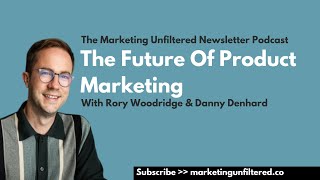
A recorded interview (Marketing Unfiltered) where Danny and Rory Woodbridge discuss what product marketing is, how the PMM role has evolved and should evolve (especially in Europe vs the US), and practical guidance for organizations. Rory—ex-Google/YouTube, now consulting through The Product Marketer/Avancourt—defines product marketing as creating "product message clarity", acting as a bridge between product/engineering and commercial teams, and argues PMMs should be full-funnel contributors. They cover org placement (no single canonical home—best under leaders who understand and value PMM), the rise of consultancy and senior individual-contributor roles, AI’s productivity/differentiation impacts, and core PMM responsibilities (customer understanding, positioning, storytelling). Tools mentioned: ChatGPT (LLM), Granola (meeting notes), Reev (image generation).
Chapters
Hi everyone. I've got Rory here with me today. When I asked a number of different people who should I talk to around product marketing, Rory's name come up a number of different times and someone I got on very well with some of his praises. So Rory, I'd love for you to give a little intro to yourself what you do and how you've got here.
Yeah, nice to be on Danny, thanks for having me on. So hi, I'm Rory. I run a consultancy for Avancourt, the product marketer which works with companies across Europe at the EMEA region on raising their product marketing game. And so working with them on unlocking insights, refining positioning, messaging, product launches, new product development, all kind of with the aim of long term growth. How I got here was I think through a long stint product marketing at Google and YouTube and then spent the last six or so years more in the startup and scale up space with a mix of B2C and B2B players. Most recently now consulting with. We've arranged those companies having been in house for about 15 years.
Perfect. So you've been there, seen it and done it all.
Yeah, I've done a mix of things and yeah, and also like I've been there from I guess the early days of product marketing, at least in Europe, I'd say product marketing is maybe about 20 years old if you like. Look, Stateside has really got popular in Europe the, the last five to 10 years. So being there for all of that, which has been really satisfying to sort.
Of watch it play out, should we dive into what product marketing is to you and how you, you sort of explain it to, to one of your parents or your friends who don't, don't quite get it.
Yeah, totally. So I like, I think, I think what's interesting about product marketing, some or slightly worried is, you know, with social media management or SEO, we're not having those conversations, are we? It's like a one time explanation. Whereas I think at every company I've worked with product marketing has been a little bit different. And so still in 2025 we're still having to do the. What? What is it? I think, you know, I, if I was going to describe it, I'd say it's a strategic function that finds a common language between your product and tech teams and your commercial marketing and sales teams to be able to communicate the value of your, your product to make it make sense to your customers. I mean like in a really short like way I just call it like product message clarity. Like that's, that's what you're looking for. Like how that plays out is it's a team that is a bridge between like all the different kind of customer facing parts of your business like sales, marketing, customer success, customer support, design, product, even engineering. You know, this team that's touching on all of that to make sure everyone gets the strategy, everyone knows the customer, everyone is working towards telling the same story. And yeah, which I guess might not make sense to my parents I'd say but I think this be like what are you on about? But maybe someone who works in tech or marketing would, would, would get it.
I, I recently had to explain it or re explain it to, to a founder and they, they couldn't work out whether it, whether it was like a marketing role or whether it was like a product role or whether it was growth because they've obviously had the free interchangeably But I don't think they did necessarily worked with like a proper product marketeer. So it's nice that you, you gave it a, you gave it a one liner.
Well and the thing, the thing is because it's a bit of like a shape shifting role like the person arrives and usually they've got product marketing experience and they'll probably be T shaped so they'll probably be good at a couple of things. But the idea of product marketing is also you, you fill those gaps and so a company like might not have a user research or market research team or like that team might not be experienced in doing all the commercial bits that you need them to. So product marketing might fill that gap. But then you know, I've been at other places where you've got a really strong research function and that isn't you know, product markets. We waste a bit of time spending a lot of time there and actually it's more like you know, a messaging or tying product development to commercial thinking kind of need. So you move, you shift to where the problem is, where the biggest business problem is or where you personally or as a product marketing team can have the biggest impact. But the problem with that, it does add to a bit of confusion because it means you know, anyone who's worked with product marketing gets kind of different experiences of it.
I tend to say, I agree. I tend to say when I set up teams and help and coaching I tend to say if you've got a really strong product marketeer they're probably going to be a great adult for in and around the, in around products itself. So I tended to used to assign a product marketeer as heading up the products And I was, you know, a bit like a GM essentially. And what I loved about that was they had a real instinct around how to market the product, how paid and social and SEO and that would, would fit in. And I, it goes in swings, roundabouts, but I definitely think in today's market we're going to get back to that, that sort of area where I think product marketing is probably best set to own products or SKUs or product lines.
It's. And it's kind of where the market's going. Like you're hearing those stories coming out of Apple and Airbnb. Like Airbnb quite, you know, famously did it. I think Brian Chesky announced it at figjam a couple of years ago. And with that justification of like, if you're building a product you, you need to know what's going on in the market so you know how to differentiate and have it, have an exceptional story. But, but also, yeah, you need to know the story you're going to tell before anything, any code gets written, anything gets built. And so I think there's a really good case, you know, like, you know, not, not in every company, not in every product org but and there's definitely a case for product marketers like leading a lot of that.
100%. 100%. Where do you think we are? What do you reckon the current state of play is? Where do you think we are with product marketing in, in 2025, 2026?
Yeah, well, I'd say like I have to say like Europe and the UK is different to the States. Like the States is like, you know, let's say 10 years ahead. But that's also not to say that we're going to go in the direction they're going to go. Like the European tech ecosystem just probably isn't going to ever look like the US tech ecosystem because of regulation and the fragmented countries and so on and so on and culture. So with that logic, product marketing probably won't ever look how it does in the States. But what I would say it's probably, it's probably gone from 5. There was a big burst of recruitment in 2021, like when there was a lot of investment happening in tech back in 2021 and people were kind of like, ah, like we probably need a product marketing function. Haven't worked with one before but we need to spin one up. Let's, let's. How do we, how do we get a 5, 10 person team going? But, but with a lot of kind of ambiguity and mystery around that now we're at a point where I think a lot of companies have developed a view on what they want product marketing to be. Those views differ per business but the, I think it does mean that the next, the next phase product marketing will be. It's going to be more sophisticated, going to be more understood, more accepted. I think it will be invested in maybe with a bit more caution. I think you're looking to look at like smaller teams with big expectations around what they can deliver and but I do, I do also think like product marketing consultancy in the States has blown up and it's huge and I do think that is going to be a trend in Europe because it's starting to happen. It's like I made the leap last year and it's been fantastic and I know sort of others are either sort of making that move, doing the same just because of the, the, there's, there's so many like small and growing businesses in the UK and Europe with AI. Like we're all aware of it every day. There's like new exciting companies that we're all learning about. Those companies will have product marketing challenges like, like anyone has product marketing challenges but maybe not the budget or the inclination to hire a seasoned PMM to come in full time and they might not need to because you know, you only need to revisit your value prop like what once a year or you might be launching a major product. You know, it's more seasonal work. So I think there's a huge use case for it and I think that's only going to grow completely.
Agree. My favorite like example is now where as you said AI can't escape AI with a lot of AI is we're getting to that point where I think a lot of products are going to slow down for from PLG like product that grow. And I think a lot of companies are going to have to invest quite heavily or very smartly into very good PMMs who are going to understand how to market the products or the product feature updates versus the product actually being able to do that. And although you'll probably bake it in and you'll do some internal and external work around it, I think one of the big, big shifts companies are going to have to put get their head around is is you're probably going to have to invest in a very good PMM like you or in a product marketer like you to help them drive change and drive smart adoption as opposed to this high churn world that a lot of them are living in at the moment.
Totally, totally. And I think, I think, you know, AI is going to, it's going to help so many marketers, but I think it particularly is going to help product marketers because when you talk to a product market about why they're frustrated or why they're not working on what they want to work on, it's because somebody's dumping email marketing work on them website copy. They're going to 30 meetings a week and having to write up all the notes and action, all the notes for all of that. And you know, all of that kind of goes or gets like automated to a point of like you're, you're just sort of editing and tidying something up. So if people are using tools in the right way, I think you're freeing up 20 hours a week at least there. And suddenly you've got, so PMMs have got that time back that they've always saw. And you know, that is when you go to like, what if, what if I spend that time researching an entire new product line we could be getting into? Or like what is the best market we should launch this product in next.
Completely agree, completely agree. I'm going to ask you the, the tricky question which people don't like asking, but I think as you're here I should ask you the tricky one. We call it product marketing. There's probably a better way of framing it, but do you think product marketing should be reporting into marketing or should they be reporting into product? Or as I've seen some savvy companies do, they've put them under ops or operations. Where do you think PMMs should live or report through?
Yeah, I'm not, I wouldn't be sold on ops or operations. But like, I mean my, my cop out answer would be whichever leader in the C suite understands product marketing the best and, or has the strongest opinion on it, like really values. It's like, I'm going to spend time on this. This isn't going to just be my like a side of brain. Oh God, I've got like product marketing's gotta live somewhere. So like ideally somebody's worked with it before, passionate about it, has strong opinions. I've found at least with European companies that's more likely to be a marketing leader than a product leader. But I've also worked with product leaders who really get it and you know, want to, want to work closely. I, the way I view it when I've set up product marketing teams and businesses is like, you should be able to like take that whole team, put them reporting into the, the other counterpart the CPO or CMO and you know, things run pretty smoothly and people barely notice the difference. Like, what I would say though is I've also reported into for like stated periods, CEOs and chief revenue officers and that has been like incredibly effective for like making fast progress on the big stuff. You know, it's not always sustainable having something like product marketing report into like those senior function. But what it does is it reflects that kind of neutrality and like that central point of like you do, you do get these challenges when you put product marketing into one team. Like it can either, you know, skew too heavily under the influence of the team it reports into or it almost creates this sense of not quite rivalry, but maybe tribalism of oh, product marketing is part of marketing. It's like they're not going to get product. They're not going to, you know, they're just going to be thinking about brand or whatever or vice versa. Product marketing is just a mouthpiece for product. So it's, it's a tightrope.
I was feeling the splinters when you were talking. It was like, should it be, where should it go? I've seen it work so well in product because they can take the product mindset and apply it to, you know, to mark to have a marketing ethos and help reshape and shape how people think from a product perspective. And I, you know, personally at the moment I lean more towards the marketing side because unfortunately, in the way that a lot of companies set up in, in Europe or Emea, it's very okr too heavy, OKR driven. So very often they're too shaped by the goals as opposed to actually what would make the company and the product or product features successful. So for me, I think it will, it will all depend. But it's definitely that triangulation role where you have to play as like the glue or like you said, no one wants to get in between two tribes, but you kind of have to bring them together and centralize them a lot. So it's definitely something that I have high opinions. Yeah, but it's all dependent on that. It's that individual company.
And it's why it ends up being a really tough role and also a really tough team to manage and like have in your org as well because you're little bit LE. Like PMMs often very smart people, very ambitious people. But they're getting pinballed around a business where everyone's got a list of things they want product marketing working on. Everyone's got their view of the right work they should be doing the high impact stuff and you end up not being able to please anyone. And that's so, so you can be working really hard doing great work. But, but to sort of be doing it effectively you'd have to be doing like three different lists of like sales, marketing, product wish list. And so it's, yeah it's, it's a really hard one.
You've worked in, you know, with some amazing companies, you know, away from what you're obviously your consultancy now. You've obviously worked with you know, some of the really big ones, so some of the FAANG members, etc. Do you see that's a common theme. You've worked startup side and these huge big businesses. Do you see like a common theme or do you see like a real difference between the working styles of them around product and PMM work?
I think like that they're totally different beasts. Like in many ways I'd say like you can find fantastic product people and fantastic like marketing people at like regardless of size. I think I like, I would say like the, the caliber of product manager when I was at Google and YouTube for that period of like 2013 to 2019 was like world class. And I still use that as the benchmark of kind of like where the best product people are met in my career where. But I still, I still meet people of that caliber now. I think on product marketing the challenges are wildly different. Like you, it's your, a company like Meta or Salesforce, your. You're what? And I haven't worked with either of these but just sort of like that, that sort of size of you're going to be working more likely like on a feature or like a kind of quite a specific product vertical. Whereas if you're working at a 50 person, 100 person, you're, you're going to get to work on a company wide sort of spanning like they, I think even if you're the head of product marketing at one of these bigger companies, you're not the head of product marketing for that entire company. The company's too large, too complex to be able to get your arms around it and tell a clear story. It's, it's why it's so hard when you're that size. But like the upside, the upside of these smaller companies is you can come up with like a full company wide narrative. You've got kind of if you're under 100 employees, probably you've probably got like one clear answer to who your customer is. Like one clear answer to the competition is One clear answer to the value your product delivers. So, so that's like huge upside to that downside is you probably like, you won't have all the resources to like pull off that, that execution in a way you would at one of the larger businesses.
I have a feeling that you prefer smaller than larger businesses. Is that, is that fair.
The. These days? Yeah, I had a, I had a great time working at like. So yeah, I was at Amazon and Google and YouTube and then like most recently I worked at Monzo, like, which is in the thousands and there's huge upsides there. And you're working on products that like, are already, you know, changing people's lives, changing the way people like manage their lifestyles or manage their money or just like what shapes their day. I think for me, I like working on the uphill challenge, you know, of like the journey, the journey towards like cracking something. Like, I think maybe a lot of product marketers will relate because it comes back to like, problem solving. And like some of those hardest problems are in those like, early years. But I do like being able to move far. I do like that ability that we were just talking about being able to capture the whole company's story and what you're doing with product marketing. And so yeah, if I was going to pick favorites, it probably would be small and medium sized businesses.
If people are listening and they want to hire you if you're, if you're in, in that sort of size range, Rory is going to do an amazing job for you. From experience, I much prefer the 50 to 250 to 500 range as opposed to the 500 to 5000 range. I think when you get so big you can't remember a lot of people's names and you just about remember the org they work in or the business department they work in. I think it's kind of hard, especially in the product marketing or product world or growth well, to influence it as much and not have so many different opinions and so many different features you have to sort of push out. So yeah, that was my, that was my bias. I think so.
And I totally agree. And also like me in a consultant capacity. So like where it tends to work best when I, when I come in and I am going to be able to get time with the founders, the CEO, like the senior leaders, not just to be able to sort of like chat with them and try and influence and see that work through, but also to get that absolute gold of like, insights of like, okay, why did you start the company? Why did you, you know, what problem were you solving back in the day? Because, like, something I've written about recently is like, I, I think that founders are the original product marketers. And you know, they're, they're doing everything in those early years. They're meeting with customers, they're showing them the MVP product again. Does this, does this app product solve this problem for you? They obsess over the competition. They're probably the ones doing the homepage. They're probably the ones building the sales deck because they're the ones pitching it. And so getting that download, that debris from them makes for a much more successful consulting project. And I think, you know, just the reality is with a larger business, like often the founders moved on or the CEO is like here and isn't close to any of that as much. So, so yeah, there's an extra benefit there.
There's definitely, there's a huge benefit that I think people misinterpret is if you can even get five minutes with a founder or a founder CEO and understand what. Because they ultimately were the product leader, they were the marketing leader, and very often they're still, you know, chief product leader, still chief marketeer. It's just if you can't get the, you know, that the 20 bullet points that they go and tell the story, or if you got them placed on one of the best podcasts in the world that still tell those like, nuggets of information that's still so relevant, you still push, I think is, is so vitally important. And if you can get that, say once a week, once a fortnight, I think it does generally make your product stand out far more. And because they've got that, that taste, that feel of the product or the marketing, that you veer too far away from it, that's when I think some people become quite unsuccessful in, in, in their marketing, product or growth roles.
I think that really happens. And there's often like a trend where the founder or CEO has that product marketing role covered, like to a point like, you know, 30 people, it's still possible to get everyone in a room, get everyone aligned on things like the customer, the competition, the story. At some point that stops scaling. And it's actually quite a while before someone notice, notices that it's not scaled anymore. And then, you know, you get to like 80, 100 people. And people go, oh, we should probably hire a product marketer by now. And at that point, you know, everything's got a bit out of hand and sales have one pitch and product are building for a different story. And marketing and doing their own thing. So I definitely see that a bunch of places.
What's one of your superpowers that you know that you have that many other people sort of don't? When you know one, when one of your clients comes to you and says what are you great at? Other people don't know or what's one of the secrets that you know that others just don't? Are you willing to sort of share any of those and to give people like a real flavor of you and, and product marketing?
I'm definitely an open book and I should actually, I should say I do like a weekly substack called the Product Market where I do just so I share as much as I can because I think there is like a lack of like solid product marketing content out there. And so I do my best to share the method to my madness. But I don't know, I think that you really can't underestimate simplicity. And like probably like, like the, the secret I have is like what I don't know is that like I, I keep it like really varied in terms of the, the kind of industries I work with. So I work with like fintech, green tech, HR tech, B2C B2B and what that means like typically with a new client I, I won't be incredibly close to the industry. And I, and, and, and I think any product marketer should do this or any marketing leader should do this is like embrace that period and like do a diagnostic before you understand any of it. Because, because as soon as you, you're in it, you're, you're infected by the, the what you know, and you start doing the inside thinking and starting talking the, the, the, the the in house lingo. But like if you think about your customer, like if, if you're a tech product, there's a good chance that your customer doesn't even know your product category exists, let alone you. And even though they, they know all the terms that you're buying for, they, they don't know any of this stuff. And so I think why I try to make the most of that, that my, my naive ignorant brain pre, pre like getting into it to, to. To really do like a, like a full tear down that I'll keep to myself because half of it might be you know, unfair or irrelevant or you know, and I, but I keep going back to that as almost that source of truth of like, like let's, let's not lose sight here. So that's, that's like one thing I do but but also, yeah, like I had a client coin this term for me a few months ago which was like radical simplicity of like, I will push for the most simple version of something to the, to the point that it maybe gets annoying. But like for, for the, for the client. But like you just can't underestimate the power of it. Like, what is the shortest way to say something like does, does that feature really need to get communicated in that first sales conversation? Or does it really deserve its own product page? Or did you need 50 words to describe that thing versus 10 and so. Or like do you need to build all five of those things or would it actually make sense to just like focus on one or two and park those things? Because I think so much of strategy is about trade offs and choices and sticking to your guns on those choices. One word would be simplicity and, and then, and really living that value.
Couldn't have, couldn't have said it better myself. I think one thing that's great about your substack is you do you, you share goals every episode, you know, every newsletter. And I think one, one core takeaway that I've noticed across my career with the best PMMs or the best marketeers in general is they can simplify and they can take in a load of information, they can condense it down and they can pull it into, you know, two or three lines or they could put it onto one side as opposed to 100 slides and really understand what the, you know, understand that they're one step away from the customer. Versus. I think what happens to a lot of marketing departments or product departments is you get two or three steps away. And then like you said with internal lingo, I think you get so blinded by either goals or by actually this feature that you're, you're so obsessed around that actually you forget that the end customer exists or you forget that the customer actually needs to use it. I say things should be easy to learn, easy to use, easy to share, easy to personalize. Because if, if they're not going to do those things in that order, it's very difficult for, for the customer to really enjoy it and be able to, to learn it and use it and want to use it continuously and bring, bring their network or their friends to it versus I think what a lot of PMMs or marketing leaders often forget is they get so sucked into this whole of we have to do this and this is the way we do it and this is the brand guideline that simplicity in those few steps that you were, you were referencing are Critically important and the best ones always do understand it, stick to it and drive it forward. Obviously with AI being the technology, that's probably going to drive us for a number of years moving forward, it's obviously got a critical, there's a critical role from products and critical role from marketing. But do you see, how do you see product marketing playing the critical role within adoption curve or moving from the early adopters to the laggards? What do you see or what do you think is going to happen?
Yeah, well, I think first will be like making it make sense to the people outside of the bubble, out of the tech bubble.
Because.
And I work with, I've worked with a number of AI products and companies and like been able to like, get, get really nice exposure to like market research in this space. And like one word that comes up a lot with the more mainstream consumers is overwhelmed and overwhelming is like a word that they associate with it. And often in a good way. You know, it's not that they're scared of AI, it's more like this awareness that there's infinite possibilities of what you can do with it. But God, like, where do I start? And I think, I think product marketing can play a key role, like industry wide on, on this, like making it accessible, you know, finding those use cases per cohort of consumer and finding those like gap beyond. You know, I think we, we've entered the norm of chat GBT being a great place for like if you, if you need a recipe or you know, you know, all of that. But like the, the, the next thing that's coming around like the, the proper agent stuff, you know, the chat GBT agent, you can tell it to find me a restaurant, book me a restaurant and all of that, or manage my calendar. That's that like, I think there's a bunch there along with trust as well. Because like the, the next, the next phase requires a lot of like, I'm going to give you permission to access my, my, my, my Google account or my, my calendar and all of that, my passwords and that's good, that can be pretty eerie for people. And then I think the other thing product marketing is going to be like really like called up on to help with is like differentiation because we're going to be looking at absolute saturation of product categories, even like new product categories that you and I can't think of right now. Once they get going, they become saturated because products like lovable now mean that anyone who can think of an app can build 80% of an app quite quickly. And you know, it's never been easier like, but by a long way to start a tech company or have an idea and start testing it. So I think, yeah, you're going to see huge saturation and the winners, as they often are, will be those who master marketing more generally. Distribution and yeah, like a clear, compelling marketing story.
I think I nodded my head off. Then I was like, it's not locked in. But you said, I. So I've got an AI for Executives podcast coming out with someone who's been in AI since 2018 and we did a whole episode last week around why it's going to be more and more critical that you get your, your marketing and your brand and your product marketing nailed. And one thing you said is, you know, a differentiation and as I said, and I've written about a number of times, is when AI enables anyone to one click copy their competitor, what is it that's going to make you stand out and stick in someone's mind? And that's going to be driven by PMMs, that's going to be driven by brand, it's going to be driven by experience. So, yeah, if people don't are worried in the space that, you know, the three core areas I, I recommend. And it sounds like we're very aligned. Aligned in that.
Yeah, absolutely.
What with a lot of the work that you do and Obviously you help CPOs and CMOs and we were talking just before we hit record on in a marketplace, you're helping at the moment. What are sort of three to five areas that you help most? You know, with the department lead, you know, the CMO or cpo, they're three or five things. Three to five things that you help most with that. That some people probably don't necessarily think of or wouldn't. Wouldn't include in a job spec.
Yeah, no, of course, of course. I think like one is probably understanding the customer in a way that like, is deep and organized. You know, like, and I mentioned at the start, like product marketing, like finding the common language, like finding a common language for the whole company to talk about the customer and not just like rushing to do like Personas like Mike the marketer. And this is who we build for. You know, it's like I talk about like customer understanding a bit like a Russian doll, because there's like these, these things that go in each other. And I start, I start with the TAM and understand that full opportunity. Then I look at segmentation, then I look at icp, like based on tangible attributes. And then, then you get to the Persona stuff, but it's, it's a process. So that'd be one, I think two would be like the act of positioning and like, so I think a lot of people talk about positioning as like a thing you can kind of do on a Tuesday afternoon, like over an hour or two and some, some, some, some whiteboarding like it's. For product marketers. Positioning is a, an intentional process that follows a number of steps. There's kind of like two approaches that you can take. There's like a, an old school approach and there's an approach by someone called April Dunford who's like fantastic. Both are really good. I actually sort of like, I sort of like pick between them based on like what, what the right need is for the business. But I think product marketing can really help with that. And the process requires you to then go fully understand your customer, the competition, the needs of the external market, the needs of your existing customer base, and then what your product can deliver and then make some really hard choices so that you don't end up being for everyone with a product that solves everything. And you're going to be the fastest, cheapest, smartest, easiest, you know, like what are you going to major in? And so I think you can add a lot of value and I think particularly consultants can because of the fact you can be pretty objective, pretty scientific, not get pulled into the politics of something like that and make a pretty objective recommendation. And then I think the third thing, like a consultant or a product marketer in general, I think yeah, is like the storytelling of be it a new product launch feature launch, new product line, or like you're revisiting the, your, your overall value prop because your customer base has matured or, or, or so on or the market's changed. And I think coming up with something that's like interesting, marketable, set up for longevity, but actually like isn't just like pulled out the air and gone o. You know, we want to be this, we want to tell this story. It's like based on customer feedback, customer insight, the actual value of your product. So I think, I think those are like, yeah, something because you know, it's, there's so much of what we're known for is like launches and like, like a founder or a head of marketing will go, okay, this thing's shipping in six months. Better hire a product marketer for that. But, but you know, that's, that's like a, you know, a one off thing and it will be important but like the, the value you're Going to get from someone is someone who's like beds in long term and does that foundational work before getting to any of those, like let's ship that. Because once you're in that mode, you tend not to be working on the highest priority stuff. You're in the P2s, you're like, you're not, you're not on the top stuff.
I call product marketing a full funnel role. Now I've got a number of them, probably eight or nine which I referenced in marketing unfilled number 40. Basically it's the future of the marketing department is going to be, you know, very different or it's going to be an evolution versus a revolution. But as you said distribution earlier on and sort of iterated now. I think product marketing is going to be a full funnel role and it's going to sit across whether you think, you know, you have an engine, loops or funnel. I actually think it is, it's going to be from the top of the top to the bottom of the bottom. It's going to be helping to reduce churn, it's going to be helped with retention, it's going to help with referrals. So for me, I think that's one thing that people really overlook with product marketeers and PMMs specifically and really good ones think that way anyway. They're just often not enabled to work across the full funnel because they're at product launch or, or launch V2 a lot of the time. So a lot of things that you said completely resonate and if I, if I had a recommendation not to steal yours, but if I had a recommendation, it would be to make PMM's full funnel and sit across it all because they can, they can see things that others don't and they can be objective. Whereas brand often are brand police. They police over police the brand versus they don't coach the brand, which I think pyramid tend to do a little bit better in today's market.
I think prime marketing plays that key role in making the brand stick as well. Because you know, a good PMM can speak a product manager's language about the things that person cares about. And it's not just like we have to do this because that's the brand, you know, that finding that middle, middle language. And then similarly, I think, I think the risk with brand is that it becomes too detached from the, the what the product's actually solving, the value the product delivers, even like what the customers are valuing about it and it becomes this aspirational thing. And so I think A product marketer, if it's listened to can just you know, help ground a brand team a bit, give it that credibility that then unlocks that buy in from the rest of the business.
Is this, is this interchange, this interwoven role which I think's the common theme which unfortunately I don't think a lot of people truly see or get to see within marketing orgs especially if you haven't worked with a very good one. I think actually it kind of gets downplayed too much. But maybe that's, that's my bias in, in having that background and knowing the power of PMMs.
Totally. And I mean I think because, because there's this whole like challenge of like how you know, there's where does it live product marketing. And then it's like what does that role look like? Do you tie it to product line? Do you put them in a squad? Do you tie it to you know, industry vertical Persona type. And so in like I think I found most successful ends up being like a hybrid and you've got like a sort of a mix of rules for that. But I think, I think like one thing this is like I think on the rise more of a theory right now. I couldn't say it's definitely going to happen but I think there's going to be a rise of like the principal product marketer or like a staff product marketer, someone who's very senior but doesn't want to go down that head of director route like because A there might not be you know, enough like space in a team for that. B in the way that you know, not, not all engineers want to be, be managers like at the end of the career but they just want to do high impact work. I think that's product marketing is that kind of role as well. It attracts that kind of person. You could almost imagine that, that see like that principal product marketer role having the remit of like kind of product product line agnostic just is is thinking about that, that full funnel as you describe or kind of thinking about the real bigger picture to make sure that that's that silo. Even product marketers, if you put them in a team they end up doing all these different things. You need to bring them together and, and that's not always easy for a head of product marketing because, because that person's being a manager and managing upwards and sideways and everything. So I think that'd be really interesting and I'd be a big advocate of that emerging as a role completely.
Completely. I think often people see Generalists, this is specialists and then they see like ics and managers and they think it's, it's two up or two across depending on how you look at it. I actually think product marketing can be what I call more of an expert role. It is that expert that can come in and be highly respected, can help everyone else understand it. They can coach people around them but they can really focus on their job as opposed to focus on being a manager and a player. And reason why I think these expert roles might come out is in America they call them Super ICs. But I think actually what we're going to be able to see more so in with PMMs, I think is this real ability to maniacally focus on getting the best workout as opposed to having to manage multiple people in a team. And really good PMMs probably do two people's job anyway. But they're very good at triangulation, they're very good at connecting the dots, they're very good at bringing their colleagues in on their journey versus I think others who, whose career path very much is a manager or an ic. So this super ic, this, this expert I think could be a great, a great evolution for, for PMMs. Totally.
Totally.
If, if you could change one thing in within marketing in the marketing world or the marketing setup, is there something that you. That's always been a bugbear that you think could, could be changed or you'd love to change it?
Yeah, I mean like other than that broader, like wouldn't it be great if everyone understood the function a bit better and, and, and brain space for understanding better? Because that's sometimes the challenge. I think it's having, you know, if you've got kind of directors of all the other marketing functions making sure you've, you've got product marketing staffed accordingly and there's balance there and then I think it's doing whatever you can to, to not have those scope creep roles like work streams coming into product marketing as well. Like be it CRM work or website copy or project managing the launches, you know, sometimes product marketing just fills a gap where there should be a program manager on the technical team. You know. So like I think, I think having all that that fixed and, but beyond that I think, you know, I think it's heading towards like a really good direction especially with previously mentioned AI capabilities that, that is removing, it's probably removing the big bugbear of like all the kind of Ivan, not our job work or less impact but it's urgent, less important rather than not urgent but very important which I think I think so many roles have that battle. But yeah product marketing definitely does. But like that that excuse is going.
I think the more, I think the more it it matures again in the more momentum that's needed within the PMM world and within the marketing world I can see that aligning really well and the best CMOs that I've ever worked with, helped out or consulted with really understand that actually they have to evolve and create org design for much longer than the average person does and I think that's by environmental factors. But very often the best marketing leaders or or product leaders to that matter really understand that it's they're on the 18th to 24 month journey and that they have to understand what where their skills gaps are but also where the people the leadership and where the direction of the company and the industries go in and shape it that way. So for me that's exactly that. Oh, before we jump into some quick fire round, you did a you shared some great tools on one of your recent newsletters. Is there free free tools in your your tool stack or your toolkit that people either you would recommend it to everyone or happily keep to yourself, but you'd happily share today? No.
I mean yeah like like I said in the article I think it's like choosing your LLM of choice like your go to and like committing to getting that working and I I use that in a variety of ways. I use it to like I use so my mind is chat CBT and I think for one the deep research function is like worth worth the money alone really in terms of like getting getting a first pass of understanding something very quickly and deeply but then beyond that using it to sort of as that sparring partner like to like when you haven't got someone to to like spa with be it being someone who is playing the role of the stakeholder or your support person and just you know just using it to riff with. I think it's incredibly useful for product marketer which along with being very collaborative role can also be quite a lonely role when actually it comes to getting down to the work. Beyond that I think I think like granola incredibly like incredible UK based company like amazing team the like just so good for productivity and so good for that use case of like yeah product marketers just in so many meetings and not only does it take that job away of writing it up I think it writes up notes better than any any. Well definitely that I could so I think yeah so so I definitely recommend that and Then I think a fun one that I am actually starting to use like more in my content creation for like my my my newsletter and website was one called Reeve R E V E which is just like it's an image creation but it's like really neat, really fast as well and just like very interactive, very useful. So I'd yeah that's a fun one to play with and it's yeah kind of like for when you're flexing that creative muscle.
Thanks for sharing those. I I you know I think I didn't know about Reeve until a newsletter so that's turned me on and Granola's wonders if people haven't used it or haven't seen it. It's a great note taken at it doesn't struggle with knowing who's spoken and what understands if you don't necessarily in some of the other apps if you don't say the next actions are or the owner is it's very good at summarizing it and putting it together in in a shareable file or it's got shareable URLs and it's you can share it across multiple different slack teams et cetera. So it is very good. Ready for a quick fire round?
Go on then.
Cool. Is there one metric that people overlook the importance of.
My opinion is that people spend too much time on metrics for product marketing and that it's a bit of a distraction because I don't think there is a high impact metric that product marketing can own on its own and I'd actually rather put product marketing on the hook of can you deliver this by this day to this quality or or something But I mean I guess metrics that you could put product marketing as a co owner like might be something around product adoption might be something around like win loss rates if you're if you're sales led. But I would I'd definitely be thinking about if we part the metrics conversation like what would be a great outcome for this team or person in six months time.
Good luck on some of the startups accepting excepting that one if you had one if you had one marketing tool to get off a a desert island that you're stranded on which one tool would you use.
A marketing tool and what is in so I've got one and I'm that that that and that that's all I've got to do my marketing with.
Yeah to to get off the desert island I need to get off the desert island with.
Oh well I think no I mean it's A bit feels like a bit of a cop out but I think yeah like probably probably chat GBT probably tell me how to do everything probably in a couple of years it probably build it for build the boat for me like 3D print it out it would come collect me. So I'll do that.
Great. I thought you're going to say LinkedIn or something but.
I could search search for that kind of like yeah 10, 10 things BCB SaaS can teach you about getting off an island.
Yeah exactly. What's, what's the tactic that people most overlook?
I, I, I like coming back to customer reviews just for it's something that you know you say customer reviews in a meeting everyone's like oh yeah totally we should look at those but almost it's so hard actually carving out the time. I think there's gold both for on the bad side like bad reviews you can obviously learn a lot the good stuff though great for like getting the creative cogs going on your messaging and like what like getting into the nuance of what people really like about you.
Couldn't agree more. Is there a common theme that you're seeing time and time again that's hindering companies that you work with or Betsys.
Probably like the owning of positioning I think you know like, like we touched on I think like large businesses it's like positioning maybe a messaging lives with brand and I don't, I don't like and I and I love brand teams like I love working with brand teams but I don't think like I think, I think product marketing in the past five years has really like developed a great like process and best practices on on this stuff and I think a company can make like much faster stronger progress on that area when it's, when it's given to product marketing.
If there's one area you could change in marketing or product and it could, you could change it what would it be?
Yeah, I don't know how controversial this but I think I think it'd be like the the status of performance marketing in that I just feel performance marketing is like the black box of marketing. It takes up the huge chunk of the budget kind of all everyone's interested in but also you know not, not everyone gets full transparency on it and I, and I I sometimes think it's like it takes away some of the joy and creativity of the marketing. I think we end up, you end up not talking about the long term stuff that like you know will differentiate you you know when we're talking about AI products Like what we can do there, you know there's a short, short term gains to be on like who's can have, who can run the most effective adwords or like tick to TikTok campaign but it ends up being very, you know, like short, short term is pretty transactional. I think it's also where marketing maybe is the most exposed. You know when we go God, AI is going to replace us, you know when, when we're not creating the space to have creative thinking and ideas that only a human, a talented human could come up with then there is a case for replacing us. If it is just a, like you know this is the optimal time length and slice it here and slice it here and do it by that. But I'd be interested your thought on that thoughts that on that one as a, as a broader marketing leader he's a bit, bit less biased.
No, actually I agree. I think there's what I call Head Heart gut head is the data is there say like 80 to 90% there. It's an easy choice, you're going to do it and I think that's what happens a lot of time in performance. I think there's Heart where the data is 50 to 60% of the way there. But you know it's going to work so you work really hard to, to bring it out. You create compelling content. You can, you create a great campaign based off heart and you're going to say the data is, you know, the data might be slightly off but we're going to make this work, we're going to work really hard to do it. And I think that's where PMMs are very good at understanding that. And I think performance marketers struggle a little bit to say in that area. And I think where most automation's coming in is, is the 80% and it's the easy choice because it's going to get signed off. It's the CFO friendly choice. And then I say which is where we used to be, say 20 years ago or 10 years ago, the data isn't there. We don't have access to data and actually we know that this is where people what, what people need, where they need to go. Therefore we're going to create something that's brilliant. We're going to do as much as we can to learn about the space or create the space and then build something that's amazing or creative or remarkable and what that then enables people to do, especially in and around that is to understand actually we're in this spot where we've Got something we know we're going to be completely different and we're going to drive something forward where we're all aligned on it versus where I think often the easy easier decisions at heart and ahead can actually create such like you said short termism or even tribalism around that we can only spend there. And it my fear is when I coach cmos they've been conditioned into and marketing leaders in general depending on title they've been so conditioned into performance only which hint that does it really does make every other department a little bit jealous. They can't they have to think short term because almost just having to feed the algorithmic changes versus actually answer customer problems build a brand, build experiences that's connective. So that's not a short term, that's not a quick fire answer but I agree and also I think where performance lacks often is every once once one thing is proven to be successful everyone copies. Whereas marketing before used to be you can copy but you make it different or you make it original. And I think that's where we've lost a little bit of the magic totally.
And it's, and it's and it's not to question the value of that, that function at all. It's more just you know, everything in moderation and when, when a trend goes to, to any extreme it's, it's too extreme. And I think that's sort of where we're at in some, some parts of the industry.
I think we've often forgotten that where things used to trend and trend for a long time they don't anymore. And the way that the tools and the apps work now is, is micro trends and they're trendy in certain bubbles. So actually what happens is you a lot of teams veer towards the trends that they see versus actually understand what the customer wants, where they need to go and what they truly want to see or haven't even thought about seeing before. So I think these are core areas that if you're listening now or watching now that will give you something to really think of and challenge your inner Rory. To say actually this is make it simple. This is what the customer needs or what they've implied they wanted but they're not actually, not actually getting. And I think that's where marketing is going to play a vitally important role in this over AI optimized world which some people are already living in now. So yeah, completely, completely agree if the. Is there a question I should have asked you that I didn't and if so what, what Is it? No.
I mean you've asked a lot and it's been, it's been, it's been great. So not, I mean one, one I get asked a lot is like what does good look like? What does great look like? And I think that's becoming a Trend with like CMOs and marketing leaders. They, they've now they know, they don't know product marketing inside out, but they know enough to be able to be like, okay, like I, like I want to know what good looks like and that they can sense when, when, when a PMM isn't strong. I think for me there's not, not like one brilliant answer for it, but I would like the word I always come back to is is clarity. Is this person bringing in and has examples of, you know, if you're interviewing of introducing clarity across all those customer touch points. Does your website match up with your sales deck versus like what's going on on your socials? And we talked about success metrics earlier and does that then lead to like less rumbling internally? Because usually what comes out of that lack of clarity is like teams getting a bit pissed off with each other and like that kind of, that will go in on sales getting annoyed because product isn't shipping anything that actually customers are asking about in sales calls marketing getting frustrated because they've just spent a lot of money on a brand campaign that isn't supported at all by product or product getting very confused that marketing is doing stuff that isn't tied to the core customer. If, if all of that noise isn't happening or is being reduced, then I think you've, you've got probably, you've probably introduced a great product marketer and product marketing starting to have impact.
Should ask that question, shouldn't I.
Throw it in for next time? Yeah, exactly.
This has been incredibly valuable. I can imagine this is one of those that people go away and come back to listen again and again or they use that LLM of choice to download the notes and provide some of these things. Where should people connect with you? How can they be useful to use it? Is it the substack or is it LinkedIn or all of it?
Yeah, I mean I'm on LinkedIn. If you're a product marketer or a marketer looking to learn more about product marketing, it's product marketer substack.com but you can just search for that. If you are thinking about working with consultant or like, like interested in collaborating like actually on your business, then hello at the product marketer co or product marketer co for the website, but. But yeah, so yeah, I'm very easy to get hold of, I think.
Great. Thanks for your, your all your time today and everything have been a show note in the, in the support and newsletter. So any of that being one click away. So thanks again today for today, Rory, and I think you're going to be an invaluable asset to many.
Oh, thanks, Danny.
More from Rory
Selling A Story Not Features With Rory Woodbridge Senior Director of Product Marketing @ Pleo
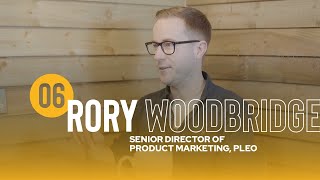
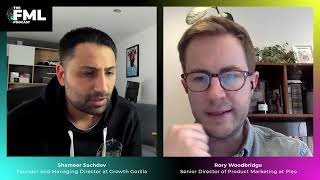
Spotlight On #6 - Rory Woodbridge, Senior Director of Product Marketing at Pleo