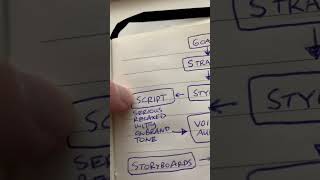
Ryan Maloney walks through his process for making animated videos: start with clear goals and audience reaction, pick a visual style and storytelling approach, write the script, add voiceover or music, sketch storyboards, build an animatic to test timing, design style frames, animate, composite, and deliver as 1920×1080 MPEG-4.
Chapters
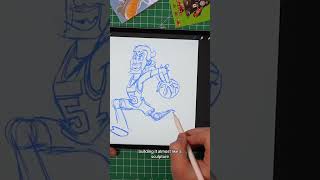
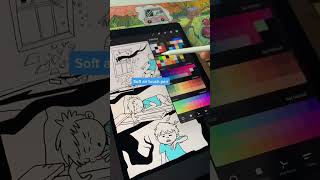
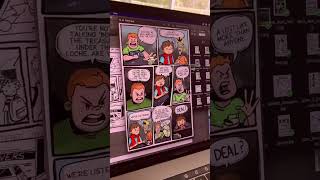
This is my process for creating animated videos for companies or artists. First thing I do is start off with goals and what I want the audience's reaction to be. Strategy is usually to tell a story using animated videos doing that. Then I think about the style that'll connect with that audience and the goals. This is usually linked to an emotion or vibe I want the audience to feel. Once the style is done, the script or the treatment can be written, and you can figure out if it's going to be serious, witty, on brand. Tons of different ways to write a script or treatment. Then I figure out the voiceover, or if it's just a music video, we use that music. Again, linking it to the emotion or vibe you want the audience to feel. Then I'll create some rough hand-drawn storyboards, and I like to turn that into an animatic as fast as possible so I can see the timing of the video. Once the animatic is approved, I move it to style frames, fully designed frames of the video. Then we go to animation, animating in this order, and composite, where we pull everything together including the audio. Then you have a finished video, and I deliver an MPEG-4 at 1920x1080 at one of these frame rates.