Ryan Maloney walks through his workflow for turning ideas into finished character design assets. He starts with unfiltered brainstorming, then builds a rough animatic in FlipaClip or Calipeg before screenshotting frames into Procreate. Each shot gets numbered and placed in a Google Doc grid for client feedback, then he builds the final assets in After Effects, matching each layer to the numbered shots.
Chapters
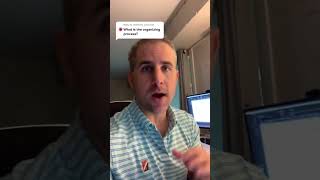
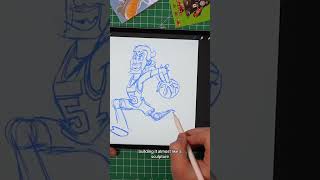
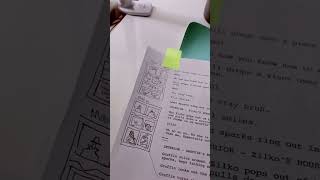
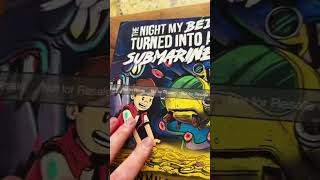
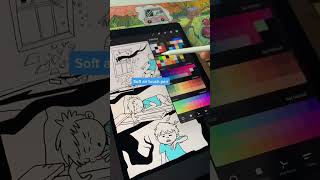
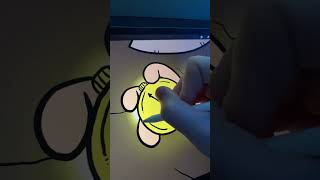
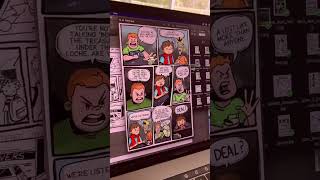
This is how I organize my creative ideas for production. All my ideas start as brainstorms, either on paper or an iPad, and it's usually a bunch of different papers or notebooks with all my doodles, notes, goals, scripts, whatever I want to do. Just put it on paper, don't judge it, and just get it all out. Eventually you'll start to have ideas for scenes and different frames. When that happens, I start to put a few different scenes together to try to see a story in my head, and I'll go over to my iPad, use FlipaClip or or Calipeg for animatics. I like to make animatics before I make my storyboards. Then I'll either export that animatic as an MPEG-4 and screenshot all the individual storyboards, or go into Procreate and make more clear storyboards. This is when the organizing comes into play. I import all of my storyboards as JPEGs into the cells inside of a Google Doc. And I make different columns and I give each one of my shots a different number so I know what I'm working on. When I start to work on this, all I have to do is say, all right, I'm working on these 3 shots, I don't need to focus on anything else. And then I move forward and it all adds up over time. I also have shot descriptions here, and then I'll invite my clients to this doc and they can leave notes on it if they want to. As I create the assets in each scene, I just build it in my After Effects file. Over here, and pretty much each one of these new chunks of layers here is a different scene from my Google Doc. I use this organization process for all my creative projects. It always starts with brainstorming and daydreaming and gathering ideas and then build an animatic, a wireframe, a mockup, whatever you want to call it. And then after you have that screenshot, that and put that into a Google Doc so you have a checklist of what you need to work on, delegate, or bring your clients into to give notes on.