Sachit Gupta on How to Build a Million Dollar Content Business! | Conscious Creators
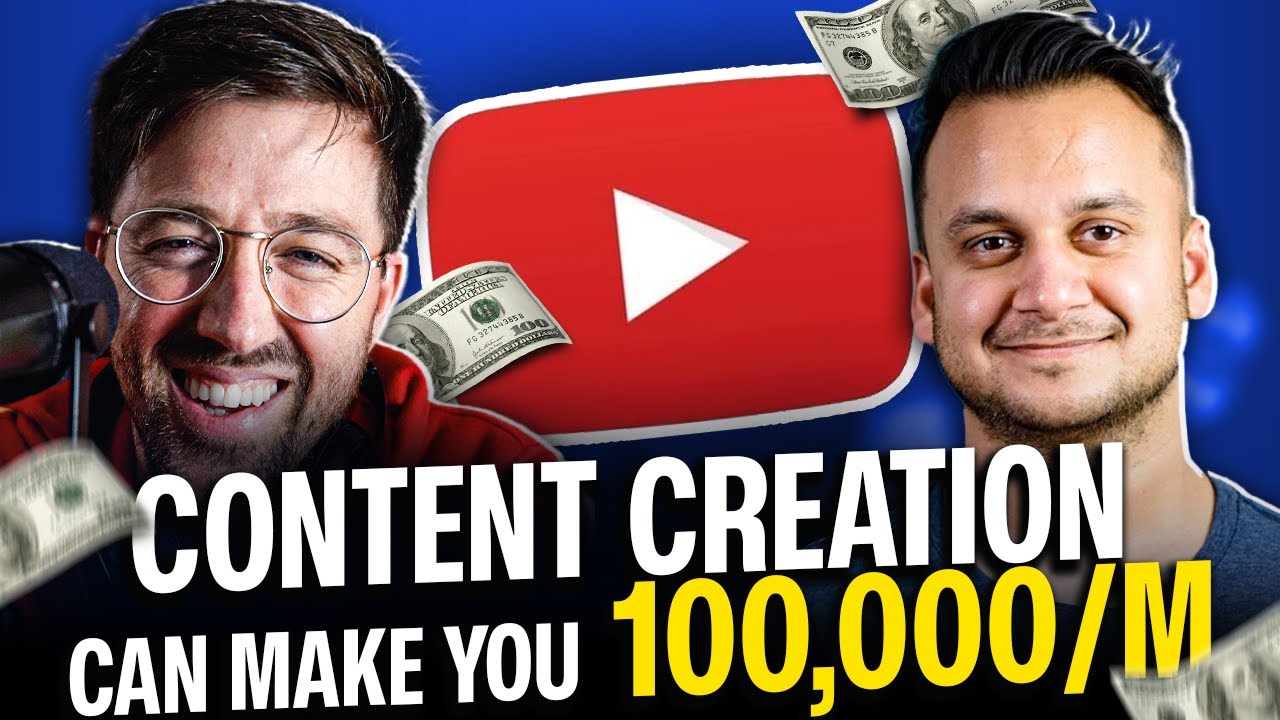
Sachit Gupta scaled his creator business to six figures by hiring a two-person ops team and letting go of perfectionism. He built Notion templates for podcast production, charges premium rates to afford operators, and now packages his playbooks into a Creators MBA program for other creators.
Chapters
We basically come in and whether it's helping you monetize better, grow your audience, uh, we basically kind of like run, run those things for you, um, and just help you explode. I've had people who had less than $1,000 an episode make like $100K a month.
What?
And I think this is the thing that most creators don't understand is who you sell to and how you sell to them is so important because just by like flipping that one thing You could like double or triple your business. We tested this out a few times, and I think it was 2019 or 2020. We the first week of the year, 80% of the inventory for the whole year was sold. Hey all! So today's episode is a bit unique. I was a guest on my friend Tom Boyd's podcast, Creators Are Brand, which I highly recommend. Tom is the host of Creators Are Brands. He's the creators of bonus footage on TikTok and Instagram, which is. Basically exploded in terms of how to be a creator online. He's a creator strategist for billion-dollar brands and just an all-around hilarious person. So in this conversation, we unpack my views on the creator economy going into 2023, which I'm going to speak about more in the next few episodes, the 6-figure blueprint for sponsorships that I've used with all our clients. Another thing that I'm really excited to talk about and dive deeper into more is how to build a team, who to hire, and all those different things. So if you want to learn about those, check out my appearance on Tom's podcast. He's an amazing interviewer and more than anything, it's just a very hilarious and fun conversation. So check it out and let us know what you think.
What's up, my man? Welcome to the show.
Thank you so much for having me. I've been a huge fan since we, I think last year, talked about the work that you did with Scooter. And I don't even know if you've shared that story on the podcast. But yeah, it's a pleasure to be here. Big fan.
Big fan of your content. I, uh, you know, that's what we're doing. No, no, no, for real. We, the, the, the, I, you know, it's funny because we connected, but I don't know if you had the podcast at the time that we, we connected. And then I came across the show. I don't know if I was like just doing research and I came across, I was like, wait, I know, I know him. Like, and, and I love the name of the show. The, the, the conscious creator.
Thank you, my man. Yeah, and it's funny, I think, yeah, we connected last year where I was trying to like do the podcast myself, basically like doing everything myself. And yeah, it just like would— I'd start publishing, then I'd stop. I'd start publishing, I'd stop. Uh, we— a funny anecdote on that is actually we launched in December 2019. This year was the first time We published more than 4 episodes, or sorry, more than 4 episodes in a row weekly, which tells you how organized I was before. So glad you found it again.
But, but, but you're— but the thing is, you got a lot, lot moving. You got a lot of stuff that you're working on, actually doing work, actually providing value to established creators, right? With, with Platforms Media, with the Creators MBA. And I'm so excited to, to cover some of the insights that you've learned working with, not even arguably, working with the biggest creators in the world. It's, I mean, that's accurate, right? We can say that.
I think some of them definitely are. And for me, like, more, more important—
Podcast creators.
Yeah, I would say like, I mean, podcasters and authors, definitely like Tim Ferriss and Seth Godin. I think the thing that's more important for me though is When I was sort of coming up, these were the books I was reading to sort of like get better. And 10 years later, close that loop, work with them. That was just such a great feeling.
Yep. And then, so give me a little bit insights. What is Platforms Media?
Yeah, so we're basically sort of like, think of it as like the SEAL team where if a creator has an audience, they're making some money, we basically come in and whether it's helping you monetize better, grow your audience, We basically kind of like run those things for you and just help you explode. The thing I found is a lot of creators really like creating. They don't like dealing with ops. They don't really like care about marketing. And I think the best ones actually understand that. And instead of trying to do everything themselves, which we can get into, they really like bring on the right people for the right things. And so the last 10 years was basically like being between sponsorships and growing audience through Facebook ads. And just being sort of that like silent person no one knew about and getting to work with people that I was inspired by for all these years.
And something that I went on your website and there was a line of copy that I totally aligned with. And this is something that we talked about earlier on when we first connected. It's just about how you show up for creators and it's on your website. It says, we help podcasters, content creators, authors, and experts Get off the, get off the content hamster wheel. More income, less overwhelm, audience growth that's predictable so you can scale your creator business sustainably without feeling like you're selling out. You already, you're already great at creating content. Let us become great. Let us help you become great at the business side of being a creator. That is beautiful. Like, you know what, that, that's a pain point that I find is very consistent with creators. They're like, I know how to build an audience. I've scraped the surface of working with sponsors. I can pay them, but there's no real system here. Like, I don't know how to do this without feeling like I'm selling out or without like burning out and like hating the brand that I built. So where do we start with that? Like, let's say someone's making $10K a month. They're in that range where they, they know they can, they don't know how to do this consistently. Like where? Like, are we talking to— is it— and maybe we'll be even more specific— someone that also— it's like a video podcast show, and he's all— he's starting to get some, some sponsorship opportunities that are more consistent. How should he be thinking about his business as far as team? Like, at what point is he like, all right, like, who's the first person I hire? Who do I bring in? Or like, what's the first move I need to make here?
Yeah, and I think even before you start hiring or going towards a team, I always—
I want to hire everyone.
Right. And I was thinking, I think the first thing everyone should do is really understand the game that's being played around them. So let me give you my POV of where the creator's economy is going.
I like that.
And then we'll go from there. So there's this really great stat that I think about 70% of YouTubers or 75% of kids, sorry, that are coming up, want to be YouTubers. That's like their career, right? And here's the thing, here's all of those people that are coming up, don't understand the game is rigged. Because if you think about, uh, most creators, if you ask most creators like, how do you make revenue, right? Or how do you monetize? 80% of them want to do sponsorships, which means you're basically playing a game where, uh, and how do sponsorships work? They work on CPMs or impressions. So basically the game you're signing up for is I'm going to start this thing and I'm going to try and get the most views as possible because then I can monetize that with sponsorships, which is directly proportional to the views that you get.
Right.
And as you know, in everything there's a power law, whether you're talking about VC investing or something else. And really, I think the top maybe 1% of creators get most of the revenue. So in that sense, I think the game is rigged because You're basically just focused on this one way of monetizing, which requires you to get a massive audience, right?
That's so true. That's, that's actually been one of my qualms with working with brand sponsors, because I'm just like, this is just another form of employment where you're, you're hustling to build this brand that's just bigger and more and more everywhere. But in the process of doing that, it starts to become a job because you're making the type of content that you don't love to make to like meet this need that these outside new bosses, these like each, each brand sponsorship is essentially like hiring another boss for your brand. So you're just hiring more bosses and you're, you're doing, you're starting to do something that starts to feel more like a job and it takes the enjoyment out of it.
And Hasan Minhaj actually has a real, had a really great point on the Colin and Samir show where he was talking about how if you look at sort of like the graph of people that watch your content, right? The ones that make the most noise are the ones at the extreme, right? Like the people in the middle, they're just kind of like watching. The ones at the extremes are the ones that make the most noise.
Yeah.
But let's say like you're in a room doing a standup comedy show, you still see all the other people, right? But when you're online, you're actually only seeing the extremes. So then you're like, oh, okay, this is what they like. Let's do more of that. And so in that chase for views, you then start creating more and more extreme content and you create more and more extreme content and then it spreads more. It gets more views, you get more from sponsors and basically—
And then you're known for that.
Exactly.
And you gotta do more of that.
Yeah. And so for me, like, even before we get into like kind of like how I think about monetization, how I think about team and all these different things, I think the biggest thing creators need to understand is that like the game that's being played around them is rigged in that sense. And basically, if they don't understand a different way to play this game, they will get sacrificed to the algorithm and burn out because the platforms don't care. For them, there's like 1,000 new people coming in every year, right? So like the views will stay steady for them, but you burn out and then someone else takes your place.
Yep. And when you start, that's sort of the obvious way. You're like, you're like, okay, like I'm seeing this work because they're the loudest. That's the game that I know that feels obvious to me. But what is this different game? How do you start playing the different game that you just mentioned?
Yeah, and it's funny, right? There's that like Steve Jobs quote of like, you can't connect the dots looking forward, but you can connect them looking backward. And I think, um, what I really figured out in the last sort of 10 years of my career was this mix of like positioning and client selection to really work with the right kinds of clients Doing the right kind of services where they pay a lot. And also they're not like the sort of like, have you seen that meme of if you hire a $500 client, they're like, they'll send you like an email like this long. And a $50K client is like—
Nothing resonates more.
Paid, done. Yeah, yeah.
Because they're too busy. They want to hire a pro to do the freaking job. Where the smaller client is going to micromanage and be breathing down your neck that entire thing.
Yeah, and the thing like, This is sort of like the game I figured out is like, how do you figure out like an exchange of value that you're providing where someone's willing to pay a lot for it? Right. I'll actually, I'll give you a quick anecdote on that. Last year I worked with a company and we basically, I built and ran this podcast fellowship. It had 100+ people, cost $2,000. So you can kind of like get an idea of the revenue. And it was 8 weeks. We were doing like 4 sessions a week. And I just burnt out so badly, right? And I think out of necessity after that, I actually figured like, ended up getting another client where I helped them build a podcast and I was working with them one-on-one. And you want to hear the funniest thing? That one client was maybe 10% of the time effort in terms of the work that I did and made more than the entire fellowship.
Yep.
And when that connected for me, I was like, oh, This is what I've been doing for the last 10 years. This is what creators need to do because here's the other part, right? It's like I've saved time and now I have money and now I can use that money to invest in team and all these different things. And basically at this point right now with my podcast, I don't do anything that I don't like. So now that means like I'm not going to burn out because I'm only doing the things that I like. But if I was playing the sponsorship game, my audience isn't big enough to make the kind of revenue that I need to make To then pay for the team that I have.
Man, listen, I love that because, yeah, that's where, that's where the creators, they go. It's like they start having all of these other roles that like 90% of the job they don't enjoy, right? But if they can build the team, they can focus on their strengths, their, their unique style, what they— they're like, what they— what their natural talents are, lean into that and let other people— but like, dude, this is— do you run into this? People— is there friction because of that control that they want with their business? Like, oh no, I still have to do that. Does it take a little bit for the creators that you work with to understand that like, no, you're gonna build a bigger business if you're able to see the team this way.
So, so, okay, let's do a quick exercise. Um, I'll kind of like describe like 80% of creators to you. It doesn't matter if they're making $100K a year or a million a year, like 10. This is— I've usually found this to be the case. Um, imagine you're, you're sort of like basically like your arms are outstretched and your legs are outstretched. You're barely holding on and you're being pulled apart in like 4 or 5 directions, right? That's most creator businesses where They're basically barely holding on to all of these different things. They're being completely stretched thin. And they know if they let go of this rope, the business just crumbles.
Yeah.
Right? And so most creators are like that, but the best creators, what they realize is for certain things, they don't need to spend the time to learn it. They can just hire the right expert. So for example, Seth Godin, one of the best marketers in the world, when they were growing the Alt MBA and they wanted to do Facebook ads, He could have learned it, but he was like, no, I'm not gonna do that. I'm gonna find the person who like knows how to do it, who I can work with and let them handle it so I can focus on what I do best, which is teaching, leading, coaching, and all of that.
Yes. Yes. So let's— so, so can we zoom in on that person that has a video podcast, it's doing well, like when they're thinking about their team, is it like, I've seen this word thrown around, like An integrator? Do you need a production assistant, a virtual assistant? How do you tell these cats what to do? You know, like, like, it's, it's, you know, is you got to create a system first. And like, I don't know if you, if we're going, we can talk about, is there a specific, as people are listening to, is, would we want to direct them towards the Six Figure Sponsorship Blueprint or Creator's MBA or the podcast? to kind of get some more information as we're talking about this.
It all sort of fits together, right? Because it's like the first thing, if you're a creator and you have some sort of audience, which by the way, it doesn't have to be huge. I've had people who had less than 1,000 downloads an episode make like $100K a month. So it isn't dependent on audience. Yes. It's all about— actually, can I take a quick detour and tell you a quick story on client selection? And then we'll come back to the team.
Do whatever you want.
Cool. Okay, so this was a story that— this is a few years ago when I was like really like deep in the world of consulting, and I don't think I actually understood what was going on at that point. And now I really understand like what was going on and how important it is to match the things that you're doing with the right clients. So, um, as creators, like we're all like really into like Notion and Basecamp and trying all of these different tools, right? The biggest mistake people make, and then people start creating templates and start creating courses and all, but the biggest problem is they're selling to the same people on Twitter who are also experimenting with these things who don't really have any money. So this is like 6 years ago, I was doing marketing for a ball bearing company based out of Dubai. So it's completely different industry.
Yeah.
Huge offices, industrial and all of that stuff. And so I was in the CEO's office. And he just kind of like saw me like playing around on Basecamp and he goes, what is that? I was like, oh, I just use it to like manage to-dos and stuff. And he was like, can you show some people on my team how to use this? I was like, yeah, sure. Um, so he's like, okay, we'll talk in an hour and I'll bring some people on my team. So I'm sitting in his office and he goes, and I'm like, okay, is the meeting time? Where, where is everyone? He's like, oh, we're meeting upstairs. I was like, why are we going upstairs? So I go up to the, the room where the meeting is.
Mm-hmm.
And like, imagine those like, like sort of like U-shaped mahogany oak tables from those, those like, like old movies, right? It's their conference room. I was like, what the hell's going on?
Mm-hmm.
So I go sit there and then I basically just like set up my laptop, open Basecamp, and then his like entire executive team walks in. And for, for 30 minutes I showed them how to use Basecamp. This is how you set up a project. This is how you add a task. And guess what? They were blown away, right? And at that point, if I had been like, hey, I'm just gonna start charge you guys $10K a month and I'm gonna like systematize all of these different things for you, it'll save your team 10 to 100 hours of—
Hours.
Or whatever a week. The CEO's gonna be like, yes, yes, let's do this. Because it's saving them so much time because of the leverage they're getting back. So just by switching from my lens from like the people I'm talking to Twitter to like this other industry that I know, I can 10x my rates. And I think this is the thing that most creators don't understand is who you sell to and how you sell to them is so important because just by like flipping that one thing, you could like double or triple your business. And again, that creates revenue they can use for advertising, hiring a team, and all these different things.
Yep. Okay. That makes a lot of sense. It makes a lot of sense.
And this is the simplest example, right? It's like, like setting up a freaking to-do in Basecamp. Yeah, but there are companies that don't get it. They don't know how to do it.
No, they don't. They don't. And that's like, yeah. So, so how do you— when what you just talked about, how do you help creators apply that thinking to their video show? You know, like, that's what I'm like, how, like, what is the What can we do to, to, to get more clear about it? And this might be part of the 3M method that you talk about, how to fine-tune your niche and build your positioning. Is there like, how can creators apply that to what they're building?
Yeah, so the 3M method is basically, and it's not, I didn't invent this, it's by Dan Kennedy. He talks about like market, message, and medium. And in terms of market, I really look for sort of this intersection of industries that I'm interested in, where my skillset is applicable. And then lastly, they actually have the willingness and the ability to pay. And this is from Ramit Sethi, for the kinds of projects that I want to do. So early on, and again, when I was starting out, I would really try and work with startups and I just found they weren't the right fit because either they didn't have the revenue to spend. And even if they did, they were so sort of like in that early stage of like everything would change every month. It didn't make sense.
I've been there. I've been there. You put a lot of work into something and then the next month you're like, oh, like none of that.
Yeah, your business is a different business now.
Yeah, yeah, literally a different— okay, well, whatever. You still gonna pay me?
Yeah, so it just goes to that like client selection, right? So it's always like that intersection. And then again, here's the thing too, which is, um, I, I, so I did an interview with, uh, Ayman who ran, um, AppSumo. Uh, he was the CEO of AppSumo from 7 to 8 to 9 figures. He made a really great point, which is most businesses, like the startup phase is really like $0 to $5 million. And he calls like scale up to, or sorry, grow up to like $5 to $100 and then scale up is like $400 plus. If you do the right client selection, you actually don't need that many clients. to get to like 6 figures or more than 6 figures. I've been experimenting with the upper bound in terms of like consulting, and I think it's bigger than most people realize because have you—
Yeah.
I don't know if you saw this interview with, I think MrBeast was on either like Flagrant or one of the other shows. He's talking about how this guy just basically wanted a birthday message for his son. And MrBeast goes, it's gonna be $250K. The guy's like, okay. So he basically paid him a quarter of a million dollars to record like a 1-minute video message. Now we can't do that, right? But there are still people in every creator's audiences that are really big fans. And so I think in those kinds of sales, like, people are also like just like buying to be close to you. And in that fandom, in that affinity is where you can raise the prices. Yes.
And is there like, okay, so I agree with you on that. Uh, I think that I mean, that's sort of the whole reason why I called the show Creators Are Brands. And because I wanted it to be very clear that if a, if a cool tech company in, in the creator economy saw the show, they know exactly like what I, my POV was.
Mm-hmm.
And, and I think that's helped me build a lot of relationships with creator economy companies. People, you know, it's like a, Quick tagline. Oh, he hosts the show Creators Are Brands, and, uh, it's just like a good intro to those types of conversations.
Exactly right. And in that case, right, like, let's say like they're paying you whatever CPM to sponsor your podcast. Not anymore because they're on HubSpot, but let's say they were, right? Um, you could go to them and be like, hey, I've done research with like 100+ creators and I produced this report. How about I publish that with you guys? What if I do office hours for the creators on your platform? And that's where you can go from pay me this much per CPM to pay me this much as a retainer to give me a percentage of your company because I'm bringing you all of these people.
I think that's a great way of looking at it where most people when they're thinking about brand deals, it's very transactional.
Yeah.
And you're saying like, this is a collaboration. This is just the start of the conversation. There's a bunch of ways that you could Work together as a consultant, an advisor, someone that is providing value in a way that is more of a partnership than this, hey, I want to talk about your company.
Yeah, I'll actually, I'll go back to sort of like where I really learned sponsorship and cut my teeth. So I started doing sponsorship for a podcast called Mixergy. And the good thing was I actually didn't know anything about like how sponsorship worked. So I just sort of like came into it new, right? One of the first companies that I talked to was this company called Toptal. I still remember that conversation because when I got on the call with the CEO or COO, we weren't talking about what is my CPM, what is my downloads. It was more like, hey, okay, tell me about what your company does and what benefit are you looking for? If you sponsor Mixergy for a month, what is the outcome that you actually want? So they basically told me what the outcome they wanted was, and I was like, okay, usually how much are you willing to pay per customer? Because every company has This thing called customer acquisition cost. And they told me their customer acquisition cost. And I was like, okay, if you sponsor for a month, that's 4 weeks, and we do 3 episodes a week, 12 episodes, I think we could get you at least 6 customers. Does that sound right? And he's like, yeah, that sounds right. I was like, cool. So 6 times your CAC, how about we just charge that monthly and then go from there? Like, done deal. Let's go. Let's go. And just by doing that, I more than doubled what the creator was charging before I came in. So I shifted the conversation from, this is what you're getting, to, this is the value that you're looking for, and how do we provide that, right? And if I'm the creator now, I'm like, okay, a lot of creators think the work ends when the sponsorship is signed. For me, that's where the work starts. Because now if you're a creator, you know what the brand wants. They want 6 customers. Yeah. Message your people, message your friends, because if they get those 6 customers, they're coming back. So there's all these other things that you can do now to really get the brand the benefit because again, they're paying a lot so you can spend more time on it. And by the way, I ran sponsorship for Mixergy for 5 years. For those 5 years, Toptal was one of our annual sponsors. Between them and another company, every year they took over 50% of the inventory because they always kept getting results. And now think about it from my perspective, how much easier. It made my job, because instead of like looking for 50 different sponsors, I had 2 that just like were reliable because I kept getting them the results that they wanted.
That's a great way of looking at it. And that's the thing about this industry too, is we think that we need to know everyone. But really, it's like a couple key relationships that can be those game-changing You know, deals or partnerships that can really change the course of your business. And the other thing I like to talk about is there is, I find, a lot of turnover for the people that are handling sponsorships at the company. But when there's turnover, that person, you're still usually in relationship with that company, but that person usually goes to a similar company, maybe up levels and goes to a new job. So keep building those relationships because then you're just building this great network of people that you can make these win-win relationships with.
Exactly, right? Because if they know you as someone who's reliable, who gets the job done, who takes care of the campaign, who's very honest when the campaign doesn't work, comes up with ideas, when they go to their next company, that's the first thing they're going to do is like, okay, who do I want to work with? This guy, I know if I give him money, he's going to get the job done versus other creators who maybe don't show up for calls, don't like respond, and you're like, I'm not looking forward to that.
Yeah, yeah, yeah. And then when you and I talked, you talked about the idea of selling inventory for like the, like a full quarter. Tell me about that. Are you, are you still, is that still a way of thinking that you, that you teach when you're working with creators?
Definitely. I'll actually give you the story of how I discovered it. And we implemented it. So one of my favorite shows is Million Dollar Listing. I basically watch all of them. And so I was watching this episode and it's Frederick Eklund. He's selling out a building in New York, right? And it was really interesting because he's not just like, oh, building is available. He's like, no, I'm going to make an event out of this. I'm going to make it a party. So he basically throws this huge party and then it's him and his team in this office or whatever, they have this chart where they're just like marking off when it's sold, right? And then he's like calling people, hey, uh, we had like 100 units available, only 60 are left. Next day it's like only 40 are left, only 20 are left. I was like, hmm, why don't we do this as creators? And so most creators, especially in podcasting, have a limited inventory, right? So in the case of MixerG, it was 2 episodes a week, 52 weeks, 104, uh, 104 episodes. total sponsors because we were doing 2 sponsors per episode and then 312 total slots for the year. See, I still remember that math. And so I was like, okay, like this is what we have. And so one year what I just did is around September, and I did it in September because it was right before Q4. So I was like, okay, this is, they're probably thinking about next year. Let's get us in early. Let's lock in these deals before even like other creators come. I basically emailed all the sponsors that we worked with and I was like, hey, we're planning for next year. And so can you talk in this week about next year's sponsorship? Uh, would love to just kind of like check in and see how things are going and talk about next year. And I did. I, and I scheduled all of the calls in the same week. And on the call I was like, okay, how are things going? Okay, cool. Let me know what you think. And every call I was basically like, and I think I expect to like sell out Q1 within the next 2 weeks. Right. So like it created the urgency.
Yeah.
And then like brands started coming back and then Lo and behold, like, I think we tested this out a few times, and I think it was 2019 or 2020, we— the first week of the year, 80% of the inventory for the whole year was sold. Like, imagine coming into that as a creator.
Oh my gosh, that's game-changing.
And the best part, I'll share another quick story. And there were some times where like a brand would email me and they'll be like, okay, um, we want to sponsor. I was like, okay, I like, uh, It's the next episode is in April. And then the brand didn't email me for 2 weeks and they came back and I was like, oh yeah, now we're at September. Like, what? Like, I wasn't kidding when I told you it sold out.
Yeah.
So now guess what happens next year? They're emailing me being like, hey, can we get in before you like start selling this? Because I know you sell out really fast. So now the brands are coming to me so that they can get their episodes in before inventory starts selling out. So now I'm not chasing them, they're chasing me.
It actually puts you in more control instead of just waiting for people to come to you. You know, like, this is what we're— this is, this is what we offer. You can take it or leave it. You know, it's sort of like the way people sell, like, courses. You know, people say, hey, it's available for this week at this price. Next week it's going to drop, and then the following week it's not going to be available for another 6 months. And that creates that urgency for people to buy.
And here's the thing though, right? All of this depends on your sponsorship working. If you can't give a brand an ROI, stop taking sponsors, stop messing it up for the entire industry because brands will sponsor podcasts, not get a result, and be like, podcasting sucks. No, it's the campaign that you created that sucks. And so we really like delivered, which is why we were able to do all of these things.
Okay, no, that's a great point. Let's talk about delivering, because I think that like some creators can have anxiety about that. Like, okay, now I got the money. How do I— like, how much do I stress out about actually delivering on this? And how do I go about that? Like, that's a— like, I don't know what the question is, but like, how do you—
I can give you an answer that I have in mind right now.
Tell me the answer to the question I did not even say.
So I'll share like 3 things that we did to like, sort of like, once the deal was signed, to really make sure that the sponsor had a great experience and they would come back. So the first one is like what I said earlier, right? It's like client selection. And so Mixergy was a well-known podcast and we would have a lot of brands come. And I remember calls where I would get on a call and a brand would be like, okay, we're ready to sponsor. I saw this is how much it would cost and let's go. Like, hold on, hold on, hold on. I want to make sure this is a fit for your brand first, because if it's not, you could offer me a million dollars. I'm not going to take it because we don't want sponsors that we don't deliver for.
Qualified.
Right. And the brand just goes, who the fuck are you? Like, I'm ready to give you money. You're not taking it. And so again, that just turns the table, right? So like the first thing is just really making sure that you can deliver an ROI for a brand. And if not, don't take them, right? If you're not sure, tell the brand, hey, this is what we've seen in other campaigns. This is how I think it would perform, but I'm not sure. So I really want like both of us to go into this with an experimental mindset and we'll test out a few different things to make sure it gets delivered, make sure we can deliver, right? And so now you're not like lying to the brand, you're basically coming in as a partner to see if things are going to work. That was the first thing. Second thing was I really wanted to get out of the transaction and build a relationship with not just my sponsor rep, but the company as a whole. Because I knew, one, if we did that, they would be more likely to help during the partnership. But then when they're cutting, when they even cut partners, they're not going to cut the one with the relationship. So one thing we would do is I would have the creator record a very specific video, which is, hey, brand partner, the person's name and company, thank you for sponsoring the podcast, and what it would mean to them, or what it meant to the creator, right? So now guess what happens when you send it to the creator rep or the brand rep?
They send it to the whole company.
They send it to the whole company because who else does that, right?
Yeah, it makes them look— that's something that I talk about. Make the point of contact you're working with look good. Because if you make them look good, they're going to tout this partnership to as many people as far and wide as they can.
So I would get messages from friends who worked at that company and being like, hey, you work with this creator, right? This is so weird. Like, this random thing that you sent is being shared in our executive suite channel because people are like so happy that, yeah, that this creator is like, we're partnering with this creator. And then the third, so those are like 2 things. And third thing was This is where like the rubber meets the road is like really making sure you can deliver on the campaign, right? So like I basically, as soon as we were signed, uh, would look at it as a marketing canvas. We had a whole form where we would ask them like their problem, solution, all these different things.
That's smart.
Um, in some cases we'd be like, uh, give us client case studies. And they'd be like, we don't have them. Like, go get 'em. Like, you want us to do a great ad. I want to talk about your customers. So get us case studies. Can you hop on call with the sponsors clients who really understand why they're working with the sponsor, right? Like, no creator does that, but you, you basically build a tapestry of why companies are buying from, from that sponsor, and then you can tell those stories, right? We would get the landing page, and I would like send them like a 5-minute Loom video back. Um, change this, change this, change this language to this. In the heading, it's better if you, uh, highlight, uh, sort of like the shared language that we speak. So in Mixed Reviews' case, Andrew would always say, hey, freedom fighters, right? So like the best brands would be like, hey, freedom fighters, here's a deal for you. Because then when you go in, you're like, yeah, oh, they know who we are.
Or like create a landing page specifically for the people that he's sending, he's sending there.
Exactly.
That's a great point. That's something that I think about too, is the fact that when you do a brand partnership, you're, you're like, I guess, In the freelance world, they would call you like, in the, you would be fairly upstream, right? So like, you're like the, where you're helping people be exposed to this brand, like at the very tippy top of their world, right? But, you know, is the landing page good? Is the product good? Is the delivery, is the customer service good? Like all of that stuff is kind of out of your hands. So. Are those things that you're looking into when you're qualifying this person? Is that more important than they're giving us a lot of money? Does this thing actually work? Because if it doesn't work, we're not going to be able to get them an ROI.
Yeah, and actually, I remember another story, just made me think of it. It's also seeing, okay, is your messaging matching where the customer is? So for example, One of our brands came to us and they were like, okay, the ROI is really down. We don't know if you can continue or whatever. I'm like, okay, can I actually see your data? And there's also like, you need brands who will give you data because then you can work together. So they pulled up the data and they were like, I was like, oh, okay, this is really interesting because if you look actually at like the number of visits, that's the same, but conversion is down, which means people are interested. They're just not pulling the trigger. So if someone's not pulling the trigger, what gets them to pull the trigger? Maybe more data, maybe more case studies, because now you're creating ads, not like—
You did your job.
Yeah.
You got them there.
Yeah. It's like, no, it's like we're not creating, or we got them there, but they're not converting. Right. So I was like, okay, how do we help them convert better? So now instead of the ads talking about the top of the funnel, we were using stuff in the ads that was more geared towards someone who was in the middle of the funnel. So let's talk about case studies. Let's talk about why people don't end up buying and, and then like what makes them purchase and all these different things. So it made us change the ads. And of course, then the numbers improved. Right? So it's like really getting into the numbers and being like, okay, where's the actual problem?
And that's what happens when you have a relationship with someone. If it's a quick one-off, like you're, you're not gonna be enticed to look into the actual results. But if you're building this relationship, This ongoing thing, you want to, you want to create a win just to keep this thing going. Okay, this is all great. Now, this in my mind, the inventory approach works really well for like someone that has a podcast.
Wait, Tom, sorry, you just froze for like the last 10 seconds.
Okay. I was saying some really great stuff, so hopefully it's recorded.
Well, you'll get it. Yeah, I just didn't hear it.
Yeah, yeah. No, no, no. So, so I think what I was saying was, This, like the way of thinking about it, like, okay, I'm going to create inventory for the next quarter. I'm going to bring this to my relationships and I'm going to try to sell this. That is like, I get that from like, uh, if you have a podcast, right? Cause it's very clear, like a podcast is, it's more of like an episodic format. What happens if, like, do you recommend something like this for someone that is that, let's say, only does short-form video, would that apply or would you try to get that short-form person to think about other media properties to build and then go and do that pricing model?
So I've had this conversation with a lot of YouTuber friends and they were like, yeah, we can't really do that. I was like, why can't you? Because all you're doing is you're basically like showing scarcity, right? So let's say you're a YouTube creator. You probably publish 1, maybe 2 videos a week, right? So again, 52 weeks in a year, 52 are 104. So you can tell the brand, we're only going to create these many videos out of these videos a year.
Yeah.
And out of these, only like 20% are sponsored. So now you're like, okay, only 20 of the 100 are actually sponsored. Do you want to be one of those 20? Yup. Yup.
And you can say the first 2 weeks, people already purchased, you know, whether you can— don't lie. But you— the idea is like the same. Yeah, I— yeah, why not? It's the same concept as a podcast. That works.
Yeah, because you're not going in and you're like, in 365 days, I'm going to create 4,000 Videos, right? It's like you have an idea like where your capacity is to produce, just use that to drive scarcity.
Yeah, exactly. Or you could simply be like, yeah, it's 2. I work with 2. I do 2 strategic collabs a month. These are where, um, this is the— now do you set the price? Is it like if you buy a certain amount, is there like if you buy 4, it's— let's just use round terms— $1,000? If you buy 5, it's like there's a deal on that? Yeah, so we would just say— Or no, if you buy 10, there's a deal on that.
I think we discounted, like, we had a discount after 8 episodes, and then another after like 12 or 24 or something.
Okay.
And again, it wasn't very scientific. It was just kind of like, it's like, okay, well—
It just makes your job easier.
5% and then 10% off. And yeah, it made my job easier because again, those 2 brands, they would just buy 60% of the inventory before the year started because they got that discount, right?
Yeah.
So now I'm going to the other brands and I'm like, yeah, by the way, We have this huge inventory, but 60% is gone. And they're like, what? It's like, yep. So you guys are fighting over this 40%. And so it just like changes the language that you use in like every other conversation then.
So who are these decision makers though? Like, like who, how do you like, all right, so say this person is, we're talking to someone that's already built an audience likely, right? Or they're close to that point. The creators at that point. Yeah, creators, right? And they, um, what range do you think someone should start focusing? Like, at what range does someone go from building an audience, building communities, to start really thinking about building the team and pricing this way? And then, and then we'll talk about how to find the decision makers. I just, I just literally wrapped up 5 questions in one.
Let's see what you got. I'll give you the process on how I think about it. I think before you get a team, you have to do monetization first because you can't pay for a team. I think in terms of monetization, you can start at any point. I have a friend Harry who runs Podcast Junkies. He did a session in the Creators MBA where he talked about before he started this podcast around vertical farming, he pre-sold ads.
Yeah.
So he had the experience, he had the network, he interviewed a bunch of people, and then was like, hey, yeah, I'm looking for sponsors. Maybe one or two said yes, but like, you don't need more than that. Right. So he actually like pre-sold ads. That's the first thing. The other thing you were asking, I think like sort of like the question behind the question was what level of audience do I need to like start selling ads? And again, I think this is where like, even like some of the students are blowing my mind. Uh, we had a student who, uh, has a podcast around some, I don't think I can share her numbers yet, but something like technical. And so I showed her this method and, you know, like the standard CPM in podcasting is like $18 to $25 or whatever. And one of the strategies I also do is like, I try and like bundle a bunch of different things because then you can't break it down to the CPM, right? It's like you're getting a podcast and social media and LinkedIn posts or whatever. In her case, we tried to work backwards. I think we landed at like $600 or $700 CPM. So she had a small audience, but because she combined the right things in the right way, the brand was like, I think it was somewhere between like $5K and $10K for a few LinkedIn posts, a few episodes or whatever. They're like, yeah, let's do it. And so when she showed me that, I was like, this is insane because everyone else would tell her, don't get sponsors, right? All the other agencies would be like, your audience is too small. You can't get podcast sponsors. But by bundling all of these different things together and really like focusing on the value instead of like the impressions, she was able to make pretty, pretty good, good, good deal.
Okay. And when you were talking about her CPM, Is that, like, are you actually measuring that? Or is it, or is it you're just giving a round figure and you're saying sort of after the fact, like, that's probably what it was? Or was that client saying, tell me how many clicks you got because we're only going to pay you $600 for the CPM?
This is, this was us working backwards. I think when you do it right, when you focus on the value, and when like the brand knows you're aligned in terms of like the outcomes that they want, um, they're not They don't give a fuck. They don't care about CPM, right? It's like, if you're spending $10K, right? And I send you traffic that makes you more than $10K, are you going to really be like, what's your CPM? Yeah, you're going to be like, how do I pay you $10K more? Because this is profitable. Okay.
No, no, no, no, that's a great question. So let's, let's go into that a little bit more. How do you— because I know you touched upon that briefly. How do you get to the value? Like, of like that one person clicking and converting? Because like, let's say it's a tech company. I've worked with a lot of them in the creator space, and they get a new user, but their thing is free. Like, like people are signing up for a free thing. What does that— how do you talk to them about what that is worth?
You have to ask them, right? So it's like, oh yeah, like my— and this was really funny because like I would go to a brand and be like, hey, what's your Acquisition costs or whatever, because I'm trying to understand, like, well, the first thing is actually like, are they looking for a direct sponsorship where it's like we spend $10K, we want $10K plus in revenue, or if it's brand? So let's say like most of us were like, for us was like direct. It's like, okay, you're spending $10K, what's your acquisition cost? $1,000. Okay, so that means you need 10 customers, right? A lot of times brands would be like, um, I don't know our acquisition cost, but let's go ahead with the deal. So I was like, okay, so just to make sure, If you spend $10K and we send you 2 customers, you're totally fine with it. They're like, no, no, we need more than that. I was like, 5? No, no, no, like more, 10, 20. So we would just back into a cost by that way. But if a brand doesn't know how they're measuring the success of the campaign before you start it, how the hell are you going to deliver an ROI? Because you don't even know what they're looking for.
Hmm.
So a lot of times we would tell those companies no. I remember there was How are you gonna—
so that's a great question. How are you gonna measure success of this campaign? Yeah, like, like, get very clear on that.
And then guess what they go? Uh, we're not sure. Great. I worked with these 4 or 5 other brands, and this is how they look at it. Some look at this, some look at this.
Now you're a strategist for them.
Exactly.
And you charge for that?
Exactly.
I cut you off right before, um, I don't know which direction you were going to go. I got excited.
You want to go to the team side?
Let's talk about finding the decision makers and then the team side.
Okay, cool. So in terms of decision makers, what I found was, and it roughly sort of broke down into this, which was if a company is, let's say, 10 employees or less, I was usually talking to the founder. between 10 to 50 to 100, it was like either the founder or like maybe a VP of marketing. And then as the companies got bigger, it was the marketing manager. The thing that I found interesting was a marketing manager, like a bigger company like HostGator, has way more of a budget than maybe a founder of a smaller company that's doing like email marketing or something, right?
Yep.
And they have like different needs. So that's the thing that people don't understand. The way a founder of a bootstrap company is evaluating a sponsorship Versus the founder of a VC-funded startup, which is like growth at all costs, versus a marketing manager at a Postkit or something where it's like, I just need to like hit these milestones so that my job is— my boss is going to give me maybe a promotion or something else. They're looking at like very different things, right? And how do you find that out? You ask them. You're like, okay, hey, uh, I'm curious, like, who else is involved in this? Like, how do you guys internally measure success? Um, what do you need to like take your boss, uh, for this to be a success? Oh, you need more social media mentions. Cool. Uh, when we launch a sponsorship, we'll send an email to our audience. Being like, hey, can you post about this? Because that drives success for us and for you.
Yes, yes. And then, so are you— okay, because I have a lot of like, I don't— I have a lot of ways of thinking about this, but I mean, actually finding them, are you— is this mostly cold outreach? Or are these warm leads because you've already built up this audience? And like, like, what is your strategy for actually getting in front of them?
It's a mix. It's a mix of like cold and inbound. It definitely works better if it's inbound.
One of the things—
definitely one of the things we're trying to experiment with right now is how to engineer inbound. Still haven't fully figured it out. I haven't We're testing out something with partnerships where we just have other people recommend us and then give them a cut or whatever. Because I found whenever I'm talking to a client or potential client, if I'm recommended by someone else, that conversation is so much easier than me going cold. So sometimes I'll literally just go to people and be like, can you recommend me? I'll give you a cut instead of me going cold. So I think that's one way where you can engineer that, but we're still experimenting on how to do that.
I agree with you. I find that my best relationships— so this is my strategy. It's build, build relationships with other creators, similar creators in your space that are a little bit before you, or like, no, just, just in your general like sphere, right? Because they all have relationships, right? And then you just help each other get wins. I help them get a win. And I say, hey, I saw you did a partnership with them. Would you make an intro? And sometimes they say no, and sometimes they say yes. But then there's that, that word of mouth from someone they've worked with already and trust. And then the conversation is much better than just a cold— because there's something, I don't know, especially when it comes to like brand partnerships.
Mm-hmm.
There's something that like feels very like needy about that, right? Like saying, hey, like you're essentially saying the subtext is, Pay me to talk about your stuff. And like, they get those emails all the time.
All the time.
So if you can have, uh, like a, a, a word of mouth for someone that they trust, it, it, uh, it, it, it, it just makes the case to work with you much stronger and they don't feel like you're, they're, you're, they're doing you a favor. They're like, okay, this is, this is clearly, um, something that, uh, is aligned with us because they know such and such. Yeah.
And I think this is where, um, Because one of the things we're also going into is producing bigger podcasts, building our own shows. And I thought of it last week actually, and I realized podcasts are actually the engine of collaboration. So let's say in an industry everyone's really siloed, right? A podcast is the best way to start collaborating with someone because you start by giving something. You're like, hey, I want to talk about your story. I'm going to invite you. I'm going to just ask you questions. Someone spends 30 minutes, they're so much more inclined to help you afterwards.
It's Unmatched. It's unmatched. I'm telling you, it is the cheat code to building a network in the industry that you care about. That's why I'm like, yo, you can't miss. Like, I don't care if you get 10 listens a month, you got that one listen with that one conversation with that person that you're genuinely interested in.
Yep.
And, and that's important. That's, that's just as important as like Or that can be just as important depending on, you know, what your goals are. But to build that relationship, it's an excuse to talk to people that you freaking are into. Like, look, like you and I, I guarantee you, we're gonna find a way to get money together.
Oh yeah, for sure.
You know what I'm saying? Like, yeah, like whether it's like, yo, oh, I saw this, this makes sense for you, or vice versa. Like in just little ways that, or, you know, just like And it starts with a conversation about things that we actually have shared interest on, and we call it content. Like, what— like, so that's for anyone that's thinking about starting a podcast and like, oh, I don't know if I can grow to, to like this, this certain level. Like, no, like, it's an excuse to have conversations with people that you share interest with.
So really quick, let's connect a few of the things we've talked about now. Um, because you mentioned something that this is, this is sort of the invisible script a lot of people have. against maybe inviting certain guests or building a podcast, which is, you said grow to a certain level, right? Because we're all thinking, okay, we need to have these many views before we can invite someone or whatever. Why is that? Because of the advertising model we talked about earlier.
Yeah.
We have this invisible script that I have to grow because this is how I monetize. Now let's say you're able to monetize off a smaller audience because you build that relationship, right? You then can pay your team and stuff for the podcast and then If you have the right people in the audience, it's way better than a mass podcast, but just basically full of entrepreneurs who are not going to take any action. And this is why Mixergy didn't have the largest downloads in terms of all the podcast sponsors we're working with. We usually had the highest CPM, and it was a lock. 6 to 12 months down the line, a brand would come and be like, yeah, we stopped all the other ones. We're just going to go with you guys because you're delivering an ROI. Because you had the right audience.
And you're bringing them a business outcome. And that's what they care about the most.
Yeah, like no one cares about like impressions you got.
No, think about it.
It's like, yeah, maybe there's like an ego play there, then you can talk about branding. But really, like, if it's a business, especially now, and like everyone's cutting costs, one's laying off, they're like, okay, how does this impact my bottom line? Can you speak that language to me? Because then I also know you're looking out for me.
Yeah. And so this is a quick question before we go into teams. I know, I know we said this is going to be 30 minutes. That's fine. We're going a little long. That happens. So what I see a lot with YouTubers, with short-form creators, the people that are reaching out to them are actually these like these influencer agencies that are in the middle. And usually they reach out for one-off. It's like, hey, we're doing this campaign around this discount, discount for these 2 months. We want to pay you for one video. What is your thinking on partnering with those types of, working with people on, with those types of campaigns?
I'm going to get in a lot of trouble for saying this, but I'll say, which is I think 80 or 90% of those agencies suck. All they're doing is they're like shuffling papers. I remember we would get these emails from companies with like this like Excel sheet of podcast name, podcast title, description, downloads per episode, CPM, this, this, this, fill this out, right? And I'm like, I know what you're gonna do. You're gonna combine all of these spreadsheets. And then I'm just like, one row in a spreadsheet, you're gonna sort by CPM.
You're a transaction.
Yeah, you're a transaction. So we just didn't work With that many. That said, there are some agencies that see things this way that are building the long-term relationship. And if you find one of those, because I think a lot of creators also get tripped up on, like, can we, like, why should we give like 30% or whatever? And if you find an agency like that, just do it. Like, even with like the podcasters that I work with, right? They would give me a cut, but then I would come in and double their sponsorship revenue. So it was worth it for them.
Yeah. No, that, that, that makes perfect sense. That makes perfect sense. Yeah. Because they, I go back and forth because I go back and forth on that because they're, they're genuinely just looking like some of them are great. And I've worked with some that are great. But a lot of them like, because I get some, some of the inbound on this. And it's like, what is your rate for one video? It's just like, it feels like I'm like a commodity to them. Like, what am I like?
You go, what is the outcome you're looking for?
Yeah, yeah, no, but they're very— it's like, not like, hey, we're interested in this. Like, this is the— like, it doesn't seem like there's like a long-term relationship that they're even interested in building, and it might not even be worth it. Now, yeah, if the outcome is just like, hey, brand awareness, we want you to have fun, talk about us in this way, like, okay, cool. Like, like, that sounds like something I'll entertain.
Yeah, and there are a lot of good ones. We actually, uh, maybe we can link it up after, uh, I did an interview with Matt, my friend who runs this company called Backyard Ventures. So they represent Ryan Holiday, Noah Kagan, a bunch of those kinds of people. And he thinks of it that way. So we did an interview on what he's learned from doing $10 million in deals, working with, I think it was 200+ brands, 75 creators. And it was really interesting because I basically asked him, what is the conversation you have with creators? And also, what is the conversation you have with brands? And it's a really great insight into like how he positions stuff for the long term and more as a partnership than a transaction.
Yeah, that makes a lot of sense. Yeah, I think that's the thing to think about. Like, okay, you know, you can use your discretion. Is this agency, is it gonna like, does this fit into my core values as a creator? Like to partner with this person? Uh, you talk about that on, on your website. Um, you talk about also like an emphasis is just like this team, this team factor that we keep coming back to. So like, let's, let's go into that. So now we have a good framework of pricing models, um, uh, how to communicate, uh, the right people to communicate with, but like, what is the infrastructure you're building around this? And, and, um, Yeah. Yeah.
And so I'll also share my journey with it too, which is for the last 10 years, I was basically a solopreneur, worked by myself, would maybe sometimes hire contractors and all. And then I joined On Deck to build that podcast fellowship, which was the first time I got the inkling of how powerful good creators backed by a good operator could be. And I was like, this is interesting because I'm an operator in that framework and We built a massive fellowship. And then right after I burnt out, right? And I was like, oh, you know that quote of like something, something, if you're alone, you'll go fast. And then, oh yeah, that's what it is. Yeah, yeah, yeah. If you go alone, you'll go fast. If you go together, you'll go far. And I think the lesson I realized after Ondec is as, and this is again, like very sort of Specific to me. So I think the first thing is actually cultivating that self-awareness so you understand how you work. What I realized about myself is I'm really like, I love being creative. I can take something from 0 to 1. I can sort of like conceptualize the process and design the process, but I don't like running it. For example, like for my podcast, when we started, we would do like all this research with like a guest, like friends and stuff. It was like pretty, pretty complicated or complex. And when I was doing it myself, maybe 30% of the things would happen, right? And I just like wouldn't do all of it. And, uh, and honestly, like, it took burnout to be like, okay, I can't do everything myself. How, um, how do I like scale this? So this year, uh, I was really lucky. I actually ended up like bringing on the person who really helped me, uh, at On Deck, who was like my ops partner. And I'll give you a case study of how we systematized the, uh, the podcast. Which then can go into what the team looked like, right?
Okay.
So we basically did a call with her. So I had her and I thought of her as a zero-to-one person who's going to take this complex idea that I have and turn it into a process. And then I have an assistant who I think of her as one-to-N, where she just sort of like the stuff that needs to happen just repeatedly executes it, right? So you need someone to design the process and then someone to run the process. So in this case, we did a call and she was basically just like, tell me everything that happens in the podcast. So we just mapped it out. Okay, here, then this goes here. We just made a flowchart diagram. And I was like, this feels so good because it finally was out of my head.
Mm-hmm.
And again, as a creator, my mind doesn't think like that. But a week later, she came back with this basically Notion template built where literally we go in Notion, I press a button, it creates the whole template of everything that happens for every podcast. Tasks can get dragged into the task manager. There's SOPs linked for everything. I looked at it, I was like, this is insane. And I also know that I can't do this. So I think for every creator, having that sort of operator/special projects is key.
Yeah.
And everything we talked about, by the way, about charging more, this is why that's important. If you're not charging more, you can't pay this operator. So she basically designed the process, and then from there, my assistant just runs it. And at this point, anyone we're interviewing as a guest, they come in, they fill out this form, so we get that research. We reach out to at least 3 people that they know, ask questions. That research comes in, I create an outline from there, and there's a— It goes through like the audio team. There's a video team. There's an artist who makes the art. We send these like plaques as gifts to our guests. So like my assistant works with the artist to get those made, contacts the company, gets it delivered. Guess what I do? I show up, I suggest a guest, I record the interview, and then I just like QA the interview when it's done. And that's it. Everything else is happening around me now, and I can just really focus on being creative and doing the podcast. Having a great episode and then working with the guest on promotion.
I love that. I think that's a goal that I have for this show, is to, is to get to that point. That's ex— that sounds exciting to me because that is the part that I, I enjoy most, is, you know, the actual conversation, the actual creative process of having a conversation, uh, also doing the solo episodes. So like, who is the first person? The first person that you want to partner with? Is this the ops, like the, like the integrator type role that you'd be looking to partner with?
I think it's either an assistant or that kind of person. It depends on like, okay. And again, I think this is where again, like self-awareness comes in, right? Because it depends on how you operate. For me, I just knew that like anything that is repeatable, after 3 times, I'm not gonna do it. So I had to bring in an assistant who like, like really like just like, that's their personality. They love doing the repeated stuff. And like, shout out to Kelsey because now like she's interacting with every guest, right? She, she knows some of the stuff like before I do.
Yeah.
Um, I remember like actually like I think in our exchange, uh, you emailed about potentially moving the interview. Uh, I don't think I even replied. Like she replied, it changed on my calendar. I was like, oh, it's next week. Okay, cool. Maybe I forgot or whatever. I didn't even realize we'd moved it until I looked at the emails. I was like, oh yeah, we moved the interview.
Yeah. And so, and that, that's your assistant or, or that, or the ops or the—
That Kelsey's my assistant right now.
And I see like that's putting you in a position to do what you do best and focus on that and create better shows, which then gets more sponsors. You can pay people more.
Exactly.
Or, or, or Builds more business, whatever your business outcome is that you're looking for.
Or it gets people to, like, maybe even, like, guests sometimes being like, this process is insane. I'm not going to be able to do it. I want to build a podcast. Can you now build a podcast for me? Right? So in that sense, like, the way—
And you know how to do it.
Right. It's no, like, I already have the system. I just literally go in Notion and I have to click duplicate to our template. And then we just can run someone's podcast. And so now I'm like the capacity that I'm in the training that I've done with my team. I can apply it to like other clients. So this is how we're doing it.
How much does that— how much do I have to pay you to do that?
For us to run it, like we're not—
It's probably a lot, right?
Yeah, we're trying to get to like multiple 6-figure levels for building podcasts for people. Just because I want to like spend time and like do it well. But it's like we're playing in a different— we're trying to play in a different sandbox now in terms of like building podcasts.
Totally. So what you're saying is I can't afford you.
Well, no, I'm not saying that because—
No, no, no, no, I'm kidding. This is again like going back to your team question, right?
I was like, okay, I want to teach all this to creators. And I launched the Creators MBA last year. It kind of like, we launched it, I ended up getting a one-on-one client that was way bigger than that. So I focused on that. And so I just go back to, I realized I can be the creative engine for something. I don't like operating it. So now I'm actually in talks with a few people who potentially come in and help operate Creators MBA. Because now then what we're going to do is I'm going to really be focused on doing the interviews, coaching clients. And then that person is going to look at all of that stuff, pull out the principles, pull out the threads, create the outlines for the content. I come in and I make the content and then I'm like, okay, I want to act as like the dean of the school. You're the operator. Let's build this school. And then like through that, we want to like help creators who can't afford like the one-on-one. So it's like, that's going to be the more training that's going to go mass. But even that, like, I'm not building it all myself. I've realized I have to bring in someone who's really like in charge of it. It's their thing.
Yeah, and so that, and that makes perfect sense, right? And especially if you're working for some of these, like, you know, these, these top creators that, that have a lot of revenue coming in built around their creator brand already. I'm thinking for someone more at my level, a lot of people listening to the show might be more, you know, around my level. This is the way I'm thinking about it, right? I think the first thing— tell me, tell me where the flaws are in this, right?
Yeah.
The first person that I would probably start working with would be more on the ends of like a virtual assistant that I build a relationship with around like a couple things that I want them to take off my plate. Whether it's show notes, whether it's, you know, just like, like little things that can make Get me closer to the process of just doing the things that I do best.
That's right.
And then I can have the most leverage on. Then see if that relationship builds, and then eventually that person could grow into the role of being more of the, like a, like a full ops partner. Like, and then hopefully at that point the show is getting bigger, bigger, it's generating more income. And then, um, that, so I can afford to pay that person more full-time. So the way I'm thinking is it'd be a couple things here and there, a couple hours a week. To help with the show and then, and then build from there.
You just said something too, which I think is also another invisible script that a lot of creators have. How much do you think this costs?
Sounds like a lot.
Throw out a number.
Um, like all of the people you just mentioned?
Let's say like the ops and the assistant person.
Uh, uh, I was thinking like North of $7,500 a month.
Um, less than that. Uh, and actually, so I don't have the ops person anymore because she moved on to another company, so I'm looking for someone else. Um, if you're an ops person, like, message me.
Uh, let's go.
But, um, yeah, it was less than that because they were both part-time too.
Got it.
And I think that's the other thing too, is like, I think—
So you had the system for that, and that's what you help creators like See, no, go ahead. I cut you off. I think a big thing is like, for me as like the creative person, it's like how to explain those roles and how they all, we all integrate together. Like that's the true value that you're bringing.
And that's, that's sort of like the vision with the Creators MBA is like really like all the stuff that I'm doing, I've done with creators, I'm learning, how do we package that into like templates? So we actually have like a whole It's very like the V1 of like, this is how you like write a job description, right? This is how, uh, you go look for this person. This is what you do in the first 30 days, in the 60 days. Um, the challenge I'm having actually, which is interesting, is like there's literally like 3 opportunities in front of me, which is podcast studio, Creators MBA.
Wow.
Within Creators MBA, like help, uh, creators like place ops people. Because I guarantee, like, I think if I go to creators who are making, let's say, like 6 figures or more, I'm like, I'm gonna within 3 months like place this like pod of team around you that's gonna save you 20 hours a week. Most creators would jump at that, right? So it's like, yeah, we have all these opportunities. I'm, I'm kind of like dogfooding what I'm saying myself, which is I realize I, I can't launch like most of these until I find the right person to build it with, because then I'll be the creative engine. I'll sort of like, I'll bring in the customers, but then it's their thing. They're running it.
So if someone thinks that they're the right person to work with you on this, Where are they? Where are they gonna go?
Message me Instagram, find me email, Twitter, wherever. I'm everywhere. And especially for this because it's Sachit Gupta. So it's S A C H I T G U P T A.
Amazing. And the podcast is called Conscious Creators. Conscious Creators. Go listen to that. That's an incredible show. And. If they were to— the products, the ways that people can work with you, I saw the Six Figure Sponsorship Blueprint. Is that a self-paced course?
Right now it's kind of like on pause. We're basically rebuilding it. And I really feel great about giving you this answer, which is I don't know what it is because when I bring in the right person to— let's actually talk about this, 2 things really quickly. Yeah, yeah, no, no, I'm with it.
Let's go. Let's talk about 2 things, which is perfectionism and letting go.
So I think one of the reasons I didn't hire a lot of people or hire anyone when I was coming up was I think I had this belief in my head that I have to be perfect at everything and I have to do the ads and this and this and this. And I think as I went into my 30s, I realized you can't be perfect at everything. And so you almost have to accept that you're not perfect and then you can start hiring. Because how many— and I see this with YouTubers a lot. A lot of YouTubers go, there's no one that can edit like me, right? Like, you've heard that from YouTubers all the time. Yeah. And, and every YouTuber I've talked to, like, who then hired an editor, they're like, I'm so glad I did that. Why didn't I do that?
They're better than me, right?
Because here's the thing too, it's like, they might not be at your level, but if that's what all they're doing for the next 12 months and you're here doing all these other things and kind of editing, they're gonna get better at you, right? And so, so that's why, like, you want to, like, hire those, like, like, specialists in, in those those different things. And the other side of that coin is like really like letting go because a lot of creators don't want to let go of stuff because they're just so in it. Like, no one's going to be able to do it like me. No one like has this sort of like vision or whatever. Um, but look at MrBeast, right? Like he has a huge team. And I think that's where you really like go from like a creator and a hobby blogger or whatever to like a business is when you start trusting other people and start bringing in, bringing in other people. So I had to really learn to like let go of stuff. And go to that person and be like, what do you think we should do? Because that was another mistake I actually made at the start was I brought on these people, but then I was signing off on everything. So then I was the biggest bottleneck in my business. I was like, this isn't good. So now it's like, okay, how do I trust you? How do I actually, instead of just solving this problem in 2 minutes, maybe I have to spend 30 minutes, 60 minutes coaching you so that next time you deal with that, you're not coming to me, you can handle it. Or you can go to someone else on the team and you guys can collaborate. Because there's a really great book called High Output Management, and it talks about how one person can't really have more than, I think, 5 to 8 direct reports. Because that was the other thing that happened is I had between 5 and 10 creative people now on different things. Everyone's coming to me. I'm like, where am I going to create? Yeah, of course. So now I have to structure it so that maybe this person's checking this person's, maybe Instead of like 4 reporting to me, like there's 1 person and then 3 are reporting to that person. That person becomes the gateway. And so those 2 ideals of like letting go and delegation are so important. And going back to your question of like, what's going to happen with Six Figure, the sponsorship course, I'm really looking for like, for that person who's like, okay, I really am interested in this. I'm going to build this because I'm going to ask them, what do you want to do? Right.
Yeah, go ahead. Along that person, what are the qualities of this person if they're listening to this show or they might know someone that might be a good fit? What are like some of the core values and the characteristics of this, of the person that's going to work in this role?
I think, I think again, this is specific to me because of like how I work. Um, you have to be good at operations because I'm not that very good. So like you have to fulfill that role. Um, I think we'll get in trouble for this one too, but whatever. It's like I look for this obsession too, which is I think a lot of people will submit something and they're like, okay, I'm done. But the best people know that's where you start. Now you got to do the 90% improvement. So it's like people who work like that, because I work like that. And then I think the third one is they just have to be a fan of what I'm doing. Because I've realized it's like we brought on a few people who didn't really care about what I'm building and it wasn't a good fit. And I think so a lot of in a lot of cases, and even the way I found Andrew was actually reached out to him, right? So I think for most creators who have a sizable audience, there's actually someone in their audience who can play that role. You just have to figure out like the right way to find that.
And we have a number of them. And they've already bought in.
Yeah, they've already bought in.
Well, listen, I'm a fan. I'm a big fan of the Conscious Creator and all of the, just the principles and ideas you, you, you you stand for and the way that you help creators, and then also how you're sharing that information so freely right now. So thank you so much for coming on to the show. Again, where do we want to send people if they want to connect with your content?
Yeah, I would say like, since they're listening to podcasts, just look up Conscious Creators. One thing I realized is conscious is really hard to spell. So if you are from the ground, just look up my name, S-A-C-H-I-T, and you'll find the podcast.
Beautiful. Thank you for coming on the show, my man.
Thank you so much for having me. This was, this was a fun— this was, this was a pleasure. Super fun.
More from Sachit

The Value of Distributing Power and Authority Throughout an Organization | Brian Robertson

How to Go From Startup to Scale: Lessons from Top Business Operator Regina Gerbeaux

Matt Mochary & Faith Meyer on Culture Building, Leadership, and Growth | Conscious Creators







