Annual Business Plan (ABP) for suppliers
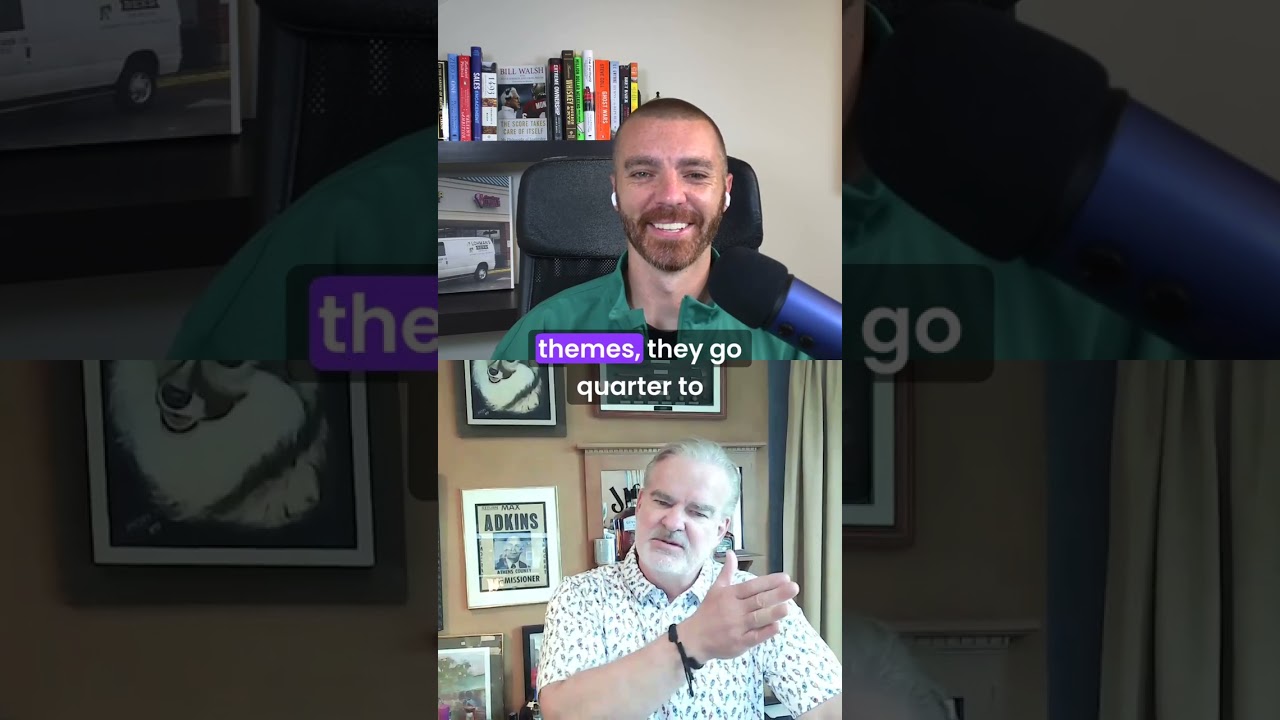
In this interview‑style podcast, seasoned beverage veteran Samuel "Beverage Man" Anderson and distributor‑turned‑consultant Shane Lohman explain why an Annual Business Plan (ABP) is the foundational tool for brands seeking to work effectively with wholesalers and distributors. They walk listeners through the step‑by‑step process of building an ABP: starting with yearly volume goals tied to a brand calendar, translating those goals into points‑of‑distribution (PODs) and rate‑of‑sale calculations, and then layering a compelling brand narrative and seasonal or quarterly themes to energize the sales team. The conversation covers how to design incentive programs (pod bonuses, menu‑placement fees, barrel incentives, samplings, and prize‑draws) that motivate on‑premise staff, and how to structure communication cadence—pre‑ABP distribution of the deck, mid‑year deep‑dive meetings, and monthly or quarterly check‑ins—to keep both parties accountable. Shane shares practical, low‑cost ABP templates that small‑to‑mid‑size brands can adopt, emphasizing that a simple, well‑organized plan can differentiate a brand even against large players. They also discuss the importance of role clarity (the “backup point‑guard” analogy), aligning expectations on PODs versus volume, and avoiding common pitfalls such as neglecting pull‑through activities after distribution is secured. Real‑world examples from Altamart Brands, Happy Dad, and a rum brand illustrate how incentives, events, and clear metrics drive success. The episode ends with actionable advice to start building an ABP now, keep it simple, stay consistent, and maintain open communication with distributors.
Chapters
I'm known in many circles as Beverage Man Sam. I developed a podcast called Drink Up, and I have a co-host here today, Shane Lohman, who's joined me. So, I want to introduce Shane. You all know a little bit about me, 38-year veteran in the business, primarily wine, spirits, but actually touched beer for 10 years in Breakthru. I spent most of my career inside a supplier. But I did spend 10 years inside a wholesaler, so you can't— I believe I can talk about wholesaling because I spent 10 years, or at least a decade. Shane, why don't you introduce yourself, tell a little bit about who you are and what you do and who you're all about?
Yeah, so my name is Shane. I've been in beverage industry for about 14 years now. Started out, started a retail store, uh, here in Western PA, I think 2011. Uh, did that for about 5 years, sold that, wanted to kind of grow, get into something bigger, and started a, uh, independent craft wholesale distribution company here in Western PA as well. Built that up for about 8 years and had that acquired earlier this year in February. And so for the last 5, 6 months, I've been consulting with brands and like I said, really working on their distribution relationships, brand identity, brand strategy. And it's been good. I love the distribution side. I love working with our brands, but this has been a nice change of pace. It's kind of reenergized me a little bit, a little bit less day-to-day stress. So it's been good.
That's, that's fun. I look forward to continuing to learn about you, understand your journey. And I'm excited because I know we've talked about creating a series of podcasts to share what we know, right? And possibly even down the line doing some panels, bringing some experts in with us to share what we know. Because I believe this medium, you know, is a great opportunity. You know, you'd be at LinkedIn, TikTok, whatever, to share with people what we know and help them grow. So I'm all about that. I know we've been talking a little bit about ABP. It's 'tis the season. Yeah, they say, you know, I said as a wholesaler, I know you're the expert. So I would love to hear from you about it. But I know that distributors are conditioned, that especially sell beer, are conditioned for this. So if you're not taking advantage of ABP, you're missing a real opportunity. So I thought maybe you could just share a little bit about what you're passionate about, what you know about it, and And we can just have a conversation around ABP and how you have one supplier could actually execute that and participate in it.
Yeah, definitely. So I think the biggest thing is knowing that you have to have one and that it really sets the stage for the, you know, preceding year. And that if you don't have one, it's tough to come back, you know, in March and say, well, I want to implement this planning or this, you know, wholesalers are building out their business plan as a whole for their entire portfolio this time of year, really in the fall. once they're all done. But, you know, missing that opportunity, you really sell your brand short because you don't have an opportunity to be in the incentive programs, be the focus.
Yeah.
You know, you want to take advantage of those meetings because, like I said, that's when the wholesalers are building their business plan for the entire year. So having that presentation, and not just having it, but having an effective presentation ready to go to engage those partners at this time of year is so crucial. And like I said, a lot of these, I'm sure it's the same in wine and spirits too, as I've started to get into that a little bit. Some of these craft brands that have had success without having one for different reasons maybe don't realize, you know, how crucial it is to have one and to have a powerful presentation. And not doing that is just going to hurt brands more and more as we go here.
Yeah. So ABP stands for annual business plan. And I agree with you. I think it's the foundation of the beginning of everything. And it's interesting, you talk about wine and spirits. Most of them don't do an ABP. This is really a beer-driven, you know, activity. You know, the big guys like Molson Coors, Boston Beer, they would always come in to Breakthrough Beverage and they sit down with us and say, here's our plan for the year. And I loved it because we were conditioned for it and it really laid the foundation for how we worked with them. Month to month because they would come in with what's called MBOs, monthly business objectives. I do think that this, and I've always thought about this, I love that you said wine and spirits. And I work for a small craft supplier called Altamart Brands. I manage Central US for them. I would love to take this foundation and learn from you how would one go about actually starting from scratch? I know nothing about ABP. What would be the process, Shane, to I, you know, it's okay. This is foreign to me from a wine and spirits standpoint. What would one do to actually get started?
Well, the first thing I'll say is that as a distributor, the brands that didn't have an ABP weren't prepared, didn't have an effective presentation. It was just such a clear differentiator to me and to us, our management team, how we looked at the brand. It's just tough to respect a brand that didn't have one. So that's just a side note. But in terms of the ABP, the first thing you want to do is you got to build out your yearly volume goals, right? And The important thing to remember here is that it's a collaborative process, but starting on your end, you want to build out your volume goals and you should build that around your brand calendar. So you have your flagship products, you have your seasonal releases, maybe some limited releases thrown in there and use that to build a volume goal for each market, what you want to sell in that market with that distribution partner that year. And then you can kind of start to work it backwards, right? Backwards engineer it. What are we gonna sell for our summer release? How many PODs do we expect to get, points of distribution, for our flagship products? What's our average rate of sale? Because if you have your PODs and your rate of sale, you can get a volume number and then you can put in place promotional programs, presale programs, whatever it is to try and boost that volume number. But it's so crucial because it sets a goal and sets expectations and definitions of success. Because when you're working with partners, they need to know what the definition of success is and they need to know how they're able to get there. They need that blueprint because it's impossible to be successful if you don't have a definition of success. And I think a lot of the problems that, yeah, brands, suppliers run into with distribution partners is they don't define that success. And then they're constantly riding their distribution partners for more, saying it's not good enough. And you really turn your distribution partners off because they're sitting there saying, I don't know what the definition of success is, so I can't get there. And I don't know how to help you get there. And it's really just an easy way to turn your distribution partners off and create a toxic relationship. So laying out those volume goals and how you're going to get there, really the first key step.
I love that. I mean, you have a destination in mind and the definition of success is my new quote for the day. And you mentioned volume and pods. And I always, I've been saying this is that pods equals volume. And I call depletions, and depletions equal shipments. And as a supplier, you get paid on shipments from your distributor. Your distributor gets paid on volume. And pods can produce those 2 things if you get in the right location. So when you lay out the ABP, okay, and I come in, is it better to start with volume or pods? I have a perspective on it, but I want to hear your perspective on that. I mean, obviously you have a volume goal you're going to give them, you have a pod goal, but as you start to unravel the You know, the different times of year, because I believe you'll say, okay, this is what we're going to do in Q1, January, we're going to drive here. And then you have all the elements to support that from marketing, point of sale, racks, whatever those elements are to support the effort. What's the best way to execute this? You got buy-off from the distributor now. Hey, I've agreed to the volume, I've agreed to the pods, I know where the destination is. But now let's just talk about the mission a little bit, how you execute that.
Yeah, so the way I always like to do it is you start the ABP presentation itself with themes for the year. Whatever the brand is gonna look like, the energy, the approach behind the brand, you're laying out your narrative for the brand. And then you get into some of the new things that are coming, whether it's new product segments, new releases, new seasonals, whatever it is.
Right.
Because now you've given the narrative that the distributor can engage with as they're sitting there like, all right, start to buy in. And then they see some of the new stuff that's gonna provide a boost to the brand over the course of the year. So now you've got them excited instead of hitting them with the volume goal right out of the gate where maybe they're thinking, you know, we did 24,000 C's this year, how the hell are we gonna get to 32?
Right.
You don't put that on them upfront. You start with the narrative, you start with what's coming for the brand to help boost it, and then you can start to work into the volume goal. And you've already, as a distributor, my favorite thing was new stuff that the brand was bringing. Like it's new products, it's new product segments, new product lines, brand line extensions, whatever it is. Because as someone who's running an overall portfolio, I start to get excited about the new opportunities to drive sales and growth. And then you're going to follow that up with the volume goals and say, with all these resources, this is where we want to get to. And within those narratives that you've laid out for the ABP, you know, we had a cider brand that used to focus on fall. I'm trying to think what the fall programming was called, you know, whatever. Well, Legends of Fall, I think it was a couple of years ago.
Yeah.
And that's— and then they would build in bigger target goals for fall because they knew that was their prime selling season. So if your goal is 24,000 CEs for the year, you're not just gonna go 2,000 CEs a month.
Yeah.
If you're a cider brand, maybe you're gonna pull 4,000 CEs in September and 1,000 in January. But really starting with the narrative, getting into the new stuff coming, building out the volume goal and the support. So let's say you wanna go 4,000 CEs in September because you're a cider brand. Like you said, putting in that programming, putting in that marketing support that really lays out how you're going to get there, whether it's going to be samplings, you know, liquid delips is always big, samplings, on-premise promotions, whatever it is that support and drive home that narrative.
Yeah, I love the themes that you mentioned, you know, win, fall, or, you know, Sutter Home years ago had Build the Better Burger, right? And I think they still do it today. You know, Trincaro has been tremendous in building that brand. And I'll really— I'll date myself, but I think having a theme— are your themes, they go quarter to quarter? Are you recommending like, so if I lay out my ABP, do I do like, okay, uh, fall, like, you know, or is it, is it month to month, quarter to quarter? What's the best way to execute a theme? Obviously I get all the elements and what the goals and targets are, but I do think if you as a distributor, when someone came with an exciting theme and I saw all the elements to support that I'm like, holy cow, you got innovation, you got a seasonal package, and you got all these cool racks and you're activating the consumer. My gosh, I'm in, right?
Yeah.
What's the best way? Is it month to month, quarter to quarter, or does it depend on the brand?
I think it could depend on the brand a little bit. I like to have an overall theme for the year and then maybe a sub-theme that ties into that overall theme each quarter. Okay. And it really lays out the energy that your distribution part, that everybody really creates alignment with the energy of how the brand's going to be talked about and how to approach it. So when you're talking to buyers, consumers, whoever it is, you're talking about, you know, Legends of Fall is going to be really big. We're going to have caramel apple and the pumpkin. And that way it's scalable because everybody's aligned on the message and every touchpoint, like I said, whether it's consumers, buyers, they're getting the same message. And that really allows people to engage with the brand more easily as opposed to when it's more scattered or segmented. People are getting a bunch of different messages from the brand and it's harder to build that consistent engagement that way.
Yeah, you know, it's funny. I'm sure there's gonna be some, you know, startups listening to this, small, medium-sized suppliers like, well, that's Molson Coors and Boston Beer Company. There's no way I can do that. Now, we've talked about this. I think there is. Can you share with everybody? Like, I actually think you can be a small brand or even a founding brand. This doesn't have to be difficult. Everybody thinks this has to be this whole like, you know, multimillion-dollar ABP thing with all this innovation. This can be fairly simple, right?
Yeah, it can be. And I think it actually helps differentiate the smaller or mid-sized brands even more when they do have it, even if it's— I don't wanna say basic, but if, you know, just straightforward, condensed. Like I said, as a distributor owner or someone in leadership, I'm gonna look at that and have some additional respect for your brand because, oh, they've got their stuff together, they know what they're doing.
Yeah.
And if you're a small or mid-sized brand, it doesn't necessarily have to be a program for every quarter. As long as you have some kind of definition of success, volume goals. If you're a new brand coming to a distributor, I've talked to a lot of brands that are trying to engage distribution partners for the first time and they say, I can't get calls back, no one's paying attention to me. Lay out a plan similar to an ABP because when you're a distributor, you're getting approached from new brands every day and everybody sells you or sends you samples, everybody's got a good-looking deck. And it just becomes white noise as a distributor, and you want to grow your portfolio, but you don't know who's the good bet and who's not. And if you can send some kind of business plan to a distribution partner, like you said, it doesn't have to be anything that's huge, and it doesn't have to involve a ton of resources. I definitely have talked to some brands that come to me and say, I don't have tens or hundreds of thousands of dollars to put behind this, what's the point of an ABP? It can just be as simple as, look, I need 50 points of distribution from you this quarter in the on-premise. If we can get that, it'll establish a foundation for the brand that I can build upon over the next year. And that's great for a distributor to hear because now they know there's realistic expectations. They can build that into their overall business plan so that when they send their salespeople out, they can say, look, you're gonna be focusing on Molson Coors, you're gonna be focusing on Modelo, but when you go in, each salesperson, I just need 4 pods for you for this small brand. And if you can do that, you'll start to build a foundation. And I tell a lot of brands, you got to know your role. I think Some of them are a little bit insecure going in. I've talked to so many RTD brands lately that have said— I heard one yesterday that said, I told a distributor I can beat stateside, I can be just as big as stateside. And there's a little regional brand with a ton of potential, but a distributor is gonna look at that and say, I love the energy, but where's the plan? Knowing your role is so key. I always tell this story. I went to college with TJ McConnell. He played college basketball. He's been in the NBA for I don't know, 8, 8, 10 years. He's been a backup point guard the entire time. He's never been a leading scorer. And he's probably made, I want to say, at least $50, $60 million so far, right? Good guy to know. Right. And so, so many people come into the NBA trying to be leading scorers. They all want to score 25, 30 points a game. And there's just not many people that can have that role.
But he's the 6th man. The 6th man's important.
Right, he's the best backup point guard in the league. He's found his role and he's the best he possibly can be at that role. So the point is, when you come in as a brand, there's a lot of value in saying, I know my role in your portfolio, I'm gonna bring a ton of value to that role, more so than all the other brands in that role. Just find me 50 pods this quarter and that'll be a foundation we can build from there. And distributors are really gonna appreciate that because they're gonna know that you're secure and comfortable in what your brand is and that you have a realistic expectation of how to build it. And that's going to bring a lot of value to distributors. So it doesn't have to be some massive resource program. So just a plan and it can be very straightforward and it's going to differentiate you with distributors.
I love it because I just, I just did this just recently. So I told you I work for a brand called Othmar Brands and we have a cool little brand called Foursquare, rum called Probitas and also a 12-year-old, 12-year-old. So rum out of Barbados. Anyway, so Maverick is a distributor that manages Texas for me. And then another super wine bar, I'm with them in Illinois, Minnesota, Wisconsin. And I actually did pods and we just really simple. I said, just give me 30 pods for each one of my brands over SOND. That's, and then I'm going to pay, you know, $20 per pod placement for those pods achieved and then $50 for menu placement. And then I installed a barrel program and I said, okay, for barrels, if you can sell me a barrel, For the Spirit Specialists, I'll give you $250. And then for the key account folks within that framework, if the house hits the goal of the 30 pods, they get a $250 bonus as well. And then I have a grand prize, maybe a little bit more detailed, but I put a grand prize in first, second, third for the region for Winebow, where the top person, they go in and they can get, you know, $500, $250, and $100. But for me, that's exactly what I did is I'm, I know my place in their portfolio. Now, granted, we moved from larger wholesalers to smaller wholesalers, midsize, but in order to get focused, I'm thinking, you know what, pods, if I can get pods over O&D and I'm not selling, you know, multiple big case deals, we're 6-pack cases. But if I can get on the floor, if I can get on a menu and pay $50 for that, well, menus equal completions.
That's a success.
So I'm, I'm tracking with you is what I'm saying.
Yeah. Yeah, you get that on-premise, that's where you build your brand in the on-premise. Those, those engagements with new consumers are so crucial. Executing like that, we're getting on a menu. If you come to a distribution partner with a base-level plan like that, not only are they going to see the value and see that they can execute it, they are going to have— they're going to view you in a much better light because they're going to know that you know what you're doing, as opposed to these brands that come in and say, Why aren't you selling me as much as you're selling High Noon? And with no plan, and it just turns people off.
Yeah, there are some, and forgive me because I, you know, I've helped many brands, but there's folks out there that they're really, they really have one thing, they have resources or they've been able to cobble enough resources to actually bring their brand to market, but they're missing 2 other things, strategy and knowledge. And I think that's where you come in, Shane, and I come in. We can bring the strategy and knowledge to them to help them, you know, say, okay, one route to market is, you know, I need to have an ABP, annual business plan, in order to execute that. I've found my wholesaler. I have my broker in place. I'm working with someone like Shane and Sam to do this. But you're right. I mean, if you don't have a plan, an annual plan of where you're going, and I always talk about this as destination. So, like, what is your destination? That will inform your mission, what you have to do every day in order to get there. And you're laying out the foundation how to do that. Do you have like a best-in-class that you've seen from not a large wholesaler? Because we could all talk about Molson Coors and all of it, but a best-in-class, someone that's like a startup that's really done this well that you could share?
Well, I think more brand-wise, I continuously hear great stories from Happy Dad, from people that are working with Happy Dad on the distro side. And I know they've got some resources, but just the engagement they have, you know, stories that I've heard about John Shahidi, who could be off with Dana White, Donald Trump, whatever, you know, he could be in the Bahamas on the beach where he's in the wholesale partners taking people to lunch, thanking them, you know, asking what they can do to support the teams, getting in the market. For me as a distributor, when a brand came in, we used to have a brand that would come in and bring like a TV to the salesperson that sold the most pods last month. It's a $200 32-inch plasma. Yeah. But to the 24-year-old kid that's hustling for him, he now thinks the world of that brand, right? And he's your frontline support in the market every day. Yeah. So every time he goes into an account, he's gonna remember that you took care of him and wanna sell your brand even more.
Yeah.
So Happy Dab's one that I've heard, you know, endless great stories about. And the thing that I would tell people is suppliers seem to think that it's a little bit of a one-way relationship in terms of the onus is on the distributor once you've started that relationship. Some people laugh and I tell them it's like a marriage. Even if you can find a way to get out of the relationship, you're gonna start to build a reputation. So everything that you can do to make that work, it's a 50/50 relationship. And I get it, there are bad distributors too. But everything you can do to make it successful instead of just saying the distributor doesn't care, they don't want to help me out, I'm done with it, screw them. You know, because the brands, like I said, the brands that would come in and say you're not selling enough, you're selling more high noon, whatever, I would just turn them off and stop listening. And if you've gotten to that point, you need to go above and beyond to restart the relationship and start bringing some value. Because oftentimes you're stuck in that relationship, and if it goes sour, you're screwed in that market. And even if you can get out, you know as well as anyone, it's such a small industry that if you leave one wholesaler in Texas and try and go sign up with another one, that wholesaler that they want to sign up with is just going to call you and say, hey, how'd it go? And you're gonna say, they're awful to work with, don't do it. You know, so just remembering that it's a, it's a 50/50 relationship. I make the analogies all the time. It's like a marriage.
I love, I love, I love, I love that. And I primarily agree unless it's like size of wholesaler in terms of focus.
Yeah. Well, you got to find the right fit. That's like the dating process.
Right, right. It's interesting because I went through this just recently. So Winebow, and if they listen to this, great. This is all positive. I actually believe that they're great partners. We're with them in 9 states for Off the Mart brands. And they have this position called a spirit specialist. And I actually just had a great work with, and they say we have our ABP in there and we're executing against the plan. But I actually met with JP, Jacob, and, you know, I mean, Juan, but it was great because I was out there helping him sell my products. And then he gave me some follow-ups because there's some opportunity to do some direct-to-consumer stuff with a an account and we said, let's talk about some targets. And I actually got feedback from him. But more importantly, up here in Minnesota, I'm out trying to actually drive some business. So, I'm doing like a rum dinner. I actually found the Minnesota Rum Club, gentleman by the name of Chuck. And that we're going to have right now, we got over 100 people coming to this event.
Oh, wow.
I put that together and now I can take that to Andrew, the VP over at Winebow. And say, hey man, we got this rum club event. It's going to be the day after your spirits portfolio show that you're doing. Can you actually help advertise it to get more consumers and people in the trade to come participate in it? So I totally agree. That's what we're about at Altamore. We're— the expectation of our founder, Lyons Brown III, is that we're in the market trying to get the menus, the placements, and enhancing what our wholesaler does. So I'm with you. And that's part of the ABP plan at the end of the day, you're part of the plan, right? Like, it's not, it's not like I'm gonna take this deck and here's my innovation, here's my marketing, here's the volume and pie goals. Hey, that's the what, but here's how we're gonna do it. And I'm part of the how, right? That's what you're saying.
Yeah. And I think that's one of the reasons the ABP is so crucial because it does set targets. It sets that definition of success and it sets accountability for both sides. So that if you have an ABP and you go say to your distributor, look, Q1, we just need 50 on-premise pods from you.
Yeah.
And they agree on that goal. And that at the end of Q1, you come back and they've only gotten 23 on-premise pods. Now you have some leg to stand on where you look at them and say, what happened? What went wrong? You were accountable for— and that's going to give you some, some strength at figuring out, because sometimes distribution relationships just aren't a great fit. So if you think that as a brand, if you think that may be the case in some of your relationships, And you just come to a wholesaler and say, "You're a piece of trash. I don't like working with you." They're going to look at you like you're crazy. But if if you agree on some collaborative goals, some accountability, and they don't hit those, now you've developed some foundation for you to come back and say, "Maybe this isn't working," or "Why isn't this working?" As opposed to just yelling at someone again. I always make the dating analogies. People, you know, if if someone comes to you and says, "You're a piece of trash. I don't want to be with you," it's like. This is kind of out of left field, but if a girl comes to you and says, look, you're not present, you're not supporting me, whatever it is, lays out the stuff, now there's something to go on. It's the same way with distribution relationships, and that ABP can empower you to really find out what's wrong with your relationship.
Yeah, I love it. You said this the other day, actually, that some people are like, well, I did my ABP, I dropped it off, and Shane, nothing happened. So yeah, so they have to show up every month, right, and have a check-in or something? Like, okay, the ABP, like what? Like, because how do you know if the marriage is working if you don't check in? Inspect what you expect is the one I always use.
Yeah. Yeah. And I think the first thing is before the ABP, give them the presentation a couple of weeks ahead of time, or at least the volume goals, so that when they come to the ABP, they've had a chance to digest it and it can be a productive collaborative session as opposed to when you don't give them that volume data until the ABP day. They're sitting at the meeting and they say, all right, let us digest this, this info. You know how it is. You've got other ABPs. Maybe you get back to them, maybe you don't. If you give it to them a couple weeks ahead of time, you've really empowered that meeting to be an actual collaborative, productive process where you can hash out volume goals while you're sitting there. And then yeah, you should put some kind of communication structure in place, whether it's once a month to check in on how the goals are going. I'm a big, big fan of having like mid-year ABP meetings so that halfway through the year you can, you know, not just a check-in but a real sit-down to get deep and to see how things are going. But whether it's monthly, quarterly, just some kind of check-in because look, not everything's going to go great. Some things are going to go better than they, they were targeted to and some things aren't. So that way you can come in after the first month, maybe after the first quarter, so you really have a sense of how it's going. But you can sit down, what's working that we should, you know, hammer and what's not? What do we need to adjust? And, you know, again, distribution partners would really appreciate that because instead of just calling and saying, hey, this didn't work, they see that you're engaged into finding solutions, evolving, and really, you know, just driving growth for the brand. And I always tell people, get that feedback from your distribution partners. You know, their team is the one that's out on the front lines every day. Ask them what feedback they're getting on the brand, what's working, what's not, because maybe you can pivot away from what's not working and really pour your resources into what is working.
Let me ask you, would you be willing to share with the group and we could, you know, put it out there? I know, at least for me, I guess share with me maybe some type of document, the best way to do that, that kind of lays out this process. You have something you could share with the group? That we can—
Yeah, yeah.
Or, you know, put—
Yeah, yeah. So we've got a digital guide. Like you said, I'd love to start doing some either whether it's webinars or Q&As as we kind of get into ABP season here. But we've got a digital guide that basically kind of lays out about 40-page PDF document that lays out everything from how to build your narrative, how to set volume goals, setting up that communication process to check in. Really gives you the foundation for everything you need to put together an ABP. And I would say it's been so useful to a lot of brands that have started to use it because, like I said, some of them just know they should be doing it but don't know how. And I think it's tough to ask your distribution partner, right? Because now you're coming off as kind of clueless.
You know, you've actually motivated me, honestly. I, you know, I laid out my S&D goals. I'm thinking, okay, I got my S&D goals. I can do based on trend, I can come up with my projection I'm going to end the year. And just basically say, I'm looking for next year a 50% growth. You know, like 50, we're small, but 50%. I'm actually, I'm going to take your framework that you're going to provide me hopefully. And I'm going to actually lay out an ABP for Altamar Brands. I'm not a beer person. I'm a spirits company. I'm going to lay it out for my foundational brands. I'm not going to include my LTOs. My LTOs, think of them as seasonal. So an LTO like Foursquare Rum is a brand like this. So Foursquare, right? So Richard will release this when he releases them. So I have my LTOs on there. That's my seasonals. I'm talking about my core business, you know, like High and Wicked, you know, rye. I'm gonna say rye this year, you're gonna laugh, but hey, I'm gonna do 100 cases this year in Maverick, Texas. Next year I need to do 150 cases. And I'm gonna lay out my volume goals. I'm gonna look at through VIP. So I have VIP data. I'll see where my distribution is for on and off-premise. I'm gonna give them an on-premise goal and off-premise goal. So I would love to get educated by you, even though I sat and seen it, but I've never had to really execute it because I was a— I was the wine and spirits guy prior to going inside the wholesale, right?
Yeah. And it's just a make-sense of a way to— as a way to lay out a business plan for your brand in general, because there's not a lot of, uh— it takes away all the smoke and mirrors. Because if you say, look, this is our average rate of sale, Yeah, right. This is how many pods we have. If we're selling 5 cases a year in this store on it with the average pod, we've got 100 pods, we're going to sell somewhere in the ballpark of 500 cases, right? And if you come to a distributor and say we need to sell 2,000 cases, they're not magicians. And if you need to get to 2,000 cases as a brand, you can start to lay out, all right, we need to get to 200 pods, you know, whatever the math was, we need to get to, and how are we gonna do that? We're gonna get more pods. Do we need to increase our rate of sale? It's pretty data-based, you know, and putting together a plan to get there because so many brands do come and say, well, we sold 500 cases, we need to get to 2,000. You're like, well, how the hell is that gonna happen?
So my velocity per outlet for rye and my high-performing outlets is 1 case a month. I'm currently in 20 outlets. If we go from 20 to 50, I'm going to double my business because the average is 1 case a month. That's how we're going to get this and break it down for the wholesaler. And I'd love to break that down in the APP. Some people are going to say, well, I don't even know what my plan is for next year. I don't know what my marketing is. I can't do this until I get it. And oftentimes that shows up in February. The year's already kicked off and I'm getting my plan in February and March. How do you answer for that?
I would say to start with a pretty basic ABP. And even if you need to make your narrative something as simple as like building a foundation for success or, you know, building a foundation for greatness or whatever it is.
Yeah.
You know, if you're not at that stage where you have like different seasonal themes and overall brand, just start with building a foundation, right? Because that way, every time a salesperson goes into an account for you, they're gonna know, I just gotta get some pods. We're trying to get 50 pods. We're building a foundation. And really communicate the energy to your distribution partners that, look, we're building a foundation this year. 2, 3, 4 years down the road, this brand's going to be a lot bigger. It's going to bring a lot more value and sales to your portfolio. Just work with me to build the foundation this year. And really getting them engaged and bought into that message and vision for the brand is what's going to want to make them work to build that foundation for your brand. So it doesn't have to be overly complicated. Let's build a foundation. We need foundational pods and something you said, like, if you're at 50 pods or if you're at 20 pods and you want to get to 50, what does it take to get a pod realistically? Right? Like how, what does it take for someone to earn a new placement? And even something as simple as that, you can build into your business plan. If it's like, we're going to need a $25 incentive for each one, we're going to need in-market help from your brand sales team, whatever it is, because even something as simple as that, you can work it into a— an ABP or any kind of brand plan and say, we need 50 pods. This is what it's going to take to get there. This is what we're willing to commit to make that happen.
Yeah, I know I'm going to have my A&P budget. I know I'm going to have enough money to actually execute liquid to lips. You know, tastings is actually golden in our industry for everything, right?
If I can taste it.
And that's something that the gatekeeper, that retailer or on-premise operator, hey, I'm going to Provide this to you. I know I can do that, and then maybe paying for some menu placements in terms of printing the menu, some print or legal. Obviously, when I stress that, but but you know, certainly those things you can do. And then I like the incentives because oftentimes, you know, you're dealing with a distributor and they have an awful big bag. And I like I like something about where I've been thinking about maybe doing something. We have a thing called buttery biscuits. So our founder likes every week he wants to know, he doesn't want to know the mechanics of running the business. He could, he wants to know how many menu placements did you get for me this week? How many pods did you get? You know, what did you do to build my brand? So I do that every week, but what I haven't been good at, and sorry, Lyons, if you're listening to this, tune out, but I need to get my wholesalers to communicate to me, give them a reason to tell me their buttery biscuits. So I've been thinking about maybe doing some type of Something fun. It's probably not a big screen TV, but every week they go into a drawing. And I'll do a drawing once a month where they put it in and it's relative to the ABP. It all ties in. But maybe I say, hey, give me your— every time you turn in a buttery biscuit and a buttery biscuit qualifies, you got a menu placement, a new pod, you got a display, you know, whatever. If you communicate to me some type of success on my business, you'll go into a drawing. And maybe the drawing, they can win a prize. Maybe it could be a— A TV or it could be a cash prize, whatever. I'm thinking about executing that actually across the enterprise just to try to get some excitement because you're right, that rep, hey, he gave me a TV or whatever. Now, obviously, you got to get the distributor principals to align with this, but just something fun. We used to do every week, I was a salesman for Gallo back in the day, Shane.
Yep.
Every week we would do the accomplishment of the week. And we'd all throw $5 in the middle of the table and then we would go around. There was like 6 of us and we'd say, I did this and the whole bit. And we were all trying to compete for that $5 pot, you know what I'm saying? So something like that. Does that tie in with ABP?
Oh yeah, yeah. We had a brand. It was actually kind of a surprise because they usually did not have their stuff together, but they came with a holiday promotion where they were running a Q4 promotion for the following year. Yeah. And every time that a salesperson executed on something, that was within the promotion. So I don't think it was pods. I think it was a display and a display program for the holidays. But every time they executed one, they got an ornament or they got a ticket for an ornament. And then I think it was right after Christmas, before the new year, we had a, like a dinner or a happy hour with the brand in the office. And they would come in with these ornaments and each rep would get, you know, if you had 8 ornaments, you'd get to smash them. And in each ornament was like a different prize. You didn't know what it was going to be. you know, TV shirt, hoodie, whatever it was. So yeah, stuff like that engages, um, and it just gets people bought in. It's— there's— it doesn't even have to be big. It's more of a human nature thing where people that are driven and that are working hard to try and to just be good at what they do, Yeah. We just love reward. You know, I own the distributor and we sold millions of dollars for this brand. And if they'd have just sent me a hoodie and said, you guys are crushing it, I'd have felt accomplished. I didn't need a new car. You know, and for people who take pride in what they do, I always love wearable stuff or stuff that they can use in their day-to-day work that kind of subtly says like, hey, I'm really good at this. So if it's whoever gets the most pods this month gets a polo shirt or quarter zip or a new backpack, if they earn that backpack, every time they come into the office now wearing that backpack, it's kind of a subtle reminder of like, Hey, I accomplished this. And people that care on some level about what they're doing, stuff like that, they love.
I love that because what we're talking about, because we've talked about this to circle back up to this ABP, is you can certainly not do an ABP, do an ABP. I'd advise based on what Shane's saying is do an ABP because it's the foundation of everything and the distributor's actually going to know their destination. And then you can mutually develop that mission. What's interesting is it's more than just dropping off that ABP. We were just talking about, okay, these are the things that I'm going to try to do to get people to focus on my business. Because the ABP is just the— that's just the destination. Those are the things. That's the what. The how and mechanics of that, we just talked about one thing, right? One, how do I get them to focus on me? And I love the idea of partnerships. You know, kind of just to kind of bring this home, Shane, at least this discussion, though we're going to do a lot more and I'm excited. I'm excited maybe trying to do a panel, you know, or maybe— I love it. Like some type of seminar, invite people to do a LinkedIn Live. I don't know what it is, but I know there are a lot of people that want to talk about this topic. But on ABP, any kind of like last thoughts that people need to take away from this conversation this morning?
Yeah, a couple things that I would say is know what role you fill for that distributor. Like we talked about the backup point guard example, whatever your role is, know what it is and be able to illustrate how you're gonna bring value to the distributor in that role. So whether you're trying to engage new distribution partners or it's a current distribution partner, how do you make that roster, so to speak, better, right?
Yeah.
So if you're approaching a new wholesaler, new distributor, You can be honest and say, "Look, I'm not High Noon, but I can do this really well. And if I do this really well, it's going to help grow your business because that's what distributors want to do. They want to grow their business. So if you can illustrate value that your brand brings to growing their business, now you've got them hooked. Now you've got their attention.
Got it. I think consistency is key, right? I mean, being consistent.
Consistency is key. Like we talked about that narrative, that energy that you want online. It should be consistent and targeted so that if it's, like I said, building the foundation this year, you know, whatever it is next year, like building on our success or whatever, you don't want to go from building a foundation to like fastest growing brand in the country. You know, you want some kind of like alignment there. And the other thing, and you probably know this as well as anyone, PODs is the job of your distributor, right? That's really the thing that your distributor is responsible for, points of distribution. So when you're going into new relationships, trying to find new distribution partners, Get a sense of what their goal is, what your goal is, if they align. So if you say, look, I think we should get 200 pods in the first 6 months, and they say, we think 25, probably not a great relationship for you. Because, but if you're aligned on the distribute— on the pods, points of distribution, rate of sale is now on you as a brand. So if I'm a distributor and I go get those 200 pods for you, and you're saying, well, we're not selling enough volume, I can come back and say, and I've done this with brands, look, we got your points of distribution. It's not pulling through with velocity on the shelf. That's more of a brand problem, right? That's tastings, building your brand. So it's just, it's important that brands know that.
I had a wake-up call. I have to share this. I had a wake-up call.
Yeah. Yeah.
And I'm not going to say the retailer just to protect the innocent, but I have a brand called RLC 12 Year Old. This is the best value for $50 for a rum. It's actually Four Square rum in the bottle. And the minimum age in that bottle is 12 years old. The bottle was placed in an account in a particular area in 2021. I was actually in one of the accounts in a very high— like, just say that this is probably the number one, one of the top zip codes in the world in terms of people could afford this bottle at $50 or more. They could pay $500. I'm like, hey, let's— we did like a spot tasting. I'm like, hey, I'd love to taste you on this brand. Tell me a little bit about it because I know you You know, people are coming in your store and you're tasting them as part of a chain. He's like, it's discontinued. I'm like, what do you mean it's discontinued? We have an agreement with the chain that it's going to be there. He goes, we brought it in in 2021 and we actually discontinued it and we sold our last bottle in July of this year.
Yeah.
So I had a wake-up call as a supplier. Holy cow, I own the takeaway. The distributor got— did their job. They got distribution. But guess what? I didn't show up and do a tasting activation, the spot tasting, all the things that need to do to pull that product off the shelf. So I'm 100% with you. It was just a wake-up call for me. And I actually was telling our founder, hey, look, here's the situation. But I'm really telling myself, it's not— it's on me. He hired me.
Yeah.
I figure out, okay, I gotta go pay homage to the big buyer. Now, this is one store, thank God. But I'm like, that's, that's the, that's the tip of the iceberg, right? Yeah. Like so many brands go out there in the marketplace. You do this ABP, you do the distribution, but you're right. I sat as a distributor for 10 years and they'd come in, my stuff's not selling. Well, I got distribution on all these accounts. It's a pull issue. We pushed it out there for you. I don't, you own the consumer, not me.
Yeah. And the distributor can, if you're bringing resources that are driving rate of sale and velocity, The distributor can help you force multiply that. A good one, they'll say, look, you're doing promotional efforts, it's working, we're gonna throw some money in and help grow that even more. But yeah, if you're a brand, I've had brands come to me and say, we're not selling enough. And I look at it and say, look, I hit the points of distribution goal, it's not pulling through. You got to build and engage your target audience, whether it's samplings, promotions, whatever it is. I just think that's important for brands to remember that it's— if you set that initial distribution goal with your wholesaler, That part's on them. Once it's on the shelf, it's on you. And that can hurt your relationship if the pull-through and the rate of sale is not there, because the distributor is going to look and say, we've been getting you distribution for a year or 2. The stuff's not pulling through. It's hurting our volume. We want to look for a better brand that is going to drive some volume. So it's just something to stay aware of if you're a brand to make sure that you're doing everything possible to drive that pull-through.
This is another podcast, webinar, seminar. We could get into the details. I did one. It's called the 10-Second Rule. That when a customer comes in, they're going to spend no more than 10 seconds, if that. They're scanning the shelf and how do they find you? So we can certainly spend some time. But, you know, the ABP is the foundation though. It's the beginning of it all. But, and it's simple to actually go out and pull it together, sit down with your wholesaler, set in those check-in meetings, do those things, right, Shane?
Yeah.
But the work begins at the ABP. All the stuff in between that that we've been talking about, Is incredible. I mean, I love this discussion. It's been wonderful this morning. I love that I found you and we're developing our relationship, man. I mean, it's— I mean, there's—
To me, it's an exciting thing if you're a brand because maybe if you haven't had that in place, you're sitting here thinking, oh, shit, I don't have that. Now's the time. It's a great time of year. You can put that in place and really lead yourself to a lot more success next year.
It's a golden ticket, man. I mean, it's the golden ticket. And you know what, knowing the distributors, especially, you know, especially if you're a beer brand, RTD brand, yeah, they're conditioned, they are conditioned to expect it. So you're not asking to do anything that they wouldn't expect. And I also love the fact that send them the information a couple weeks before, let them digest it. And I did find that we, uh, our big guys would always do that. They would give us our price because our pricing always changes around October, November. Be price increases. So we'd always get those price increases because we'd obviously share in it. We want to make margin, they want to make margin, the whole bit. And then they'd also send the volume plans. And then Gary Johnson, who worked for me, managed the beer business. I mean, he did a great job of going through the negotiations, but I know that he was more apt to deal with the breweries that were prepared. Coming up, I do think it applies across beer, wine, spirits, RTDs. I mean, everybody should get on the, on the bus with this in terms of how they do it. Yeah.
And is it like, just look at it from the distributor's perspective. They're trying to grow their business. They're trying to drive revenue and profits. So anything that you can do that's tangible that you can present to give them a blueprint of how they're going to do that, you're just going to grow your value in their eyes.
Great. Well, this has been an awesome discussion this morning, Shane. I really appreciate it.
Yes.
I know that we'll continue to collaborate and bring more information, and I'm excited for things to come. And we want to hear from all y'all. You know, please follow up with Shane and myself. We'll put our contact information in. Obviously, we want to hear from you what your success is, and if you need our support, We're here. We're just one phone call away. Like Steve Jobs says, pick up the phone and dial. And it's amazing.
Yeah.
People never pick up the phone and dial. They never reach out. They have a dream, but they don't pick up the phone and call. And Steve Jobs always shared the story, but Steve Jobs picked up the phone, he called, and the person answered on the other end. And because of that, when you would call Steve Jobs, God bless his soul, rest in peace, But when people would call him, he would pick up the phone.
And that's part of it. And if you think it's too late, like if you're thinking, oh, I don't have this, it's like, you know, I used to do this when I started going to the gym. It's like, I'm out of shape. I don't know what to do. I can't fix it. Just reach out and call. We can fix it. It's doable. You just got to address the problem and start to fix it.
Yeah, I love that, Shane. That was some great closing remarks. It was great seeing you today and we'll catch up soon.
All right. I appreciate it.
More from Samuel





He Sold Pickle Shots Out Of His Trunk. Now He Runs The Co-Packer That Won't Bury You In MOQs.






What market do you think gets overlooked most? #Toronto #BrandStrategy #Marketing