Welcome to our live show!
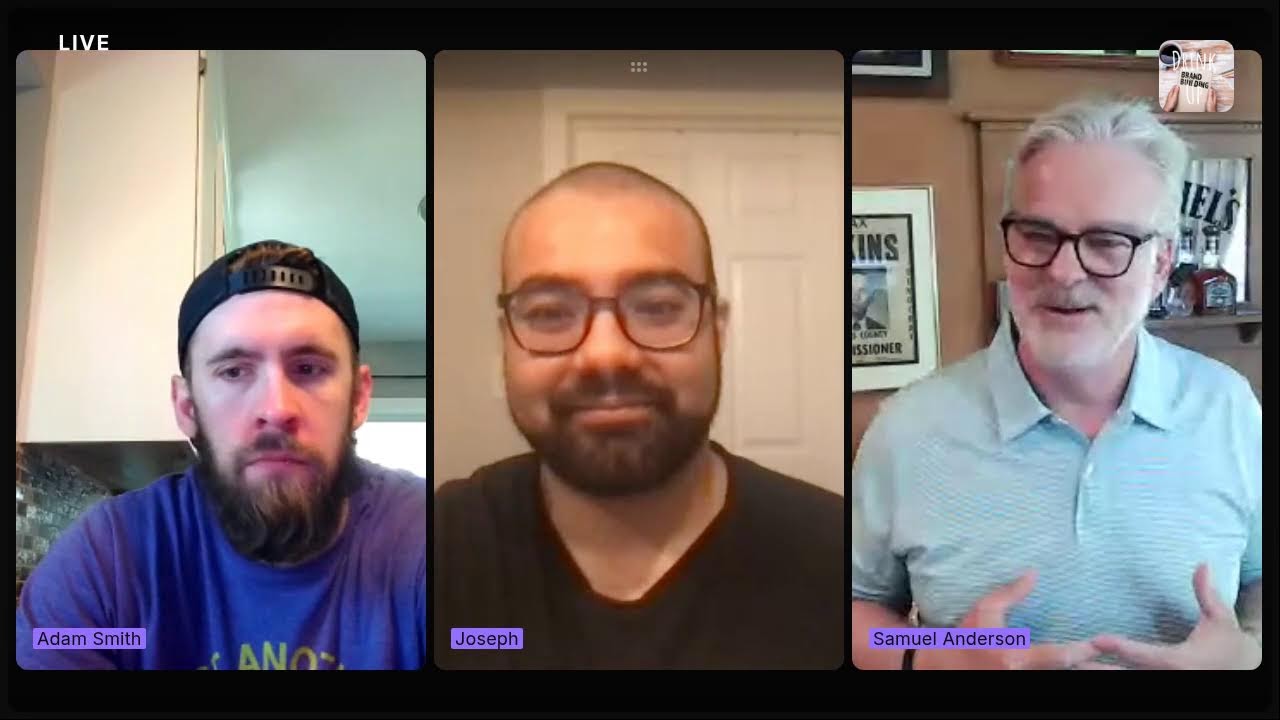
Joseph, founder of MOD, explains how the company evolved from selling song plaques to building a fan-art licensing platform. MOD screens user-uploaded artwork with AI, takes 2-20% royalties, and sources creators through Discord communities with over 5 million members. A Brawl Stars campaign cost $565 and generated 25 submissions.
Chapters
So essentially, like, who I am, you know, I am a builder, a founder. My background is mainly within business marketing and sales. I've been in a few different startups and small businesses working in those different roles from, like, you know, an intern level up to, like, a manager level as well too on the marketing and sales side. And I've been running Mod for the past almost 4 years now. Focusing on the creator economy, focusing on the brand licensing world, helping creators and brands tap into fan creativity, the artwork, the assets, the creations that their fans, their communities are already making, as well as new fans can make as well too, to now crowdsource, license, and actually monetize it in a way that has not been done before. And that's sort of a little, little, you know, snippet of what we're doing at MOD.
No, it's— I mean, it's fantastic, and I'm super excited to ask all sorts of things as it relates to MOD specifically. I know Sam is too. But, but before we get there, I would love just a little bit deeper background on how did— what was the genesis of MOD? How did it come to be, right?
So funny, actually. It all started with a Twitter post, right? So yeah, yeah, back when it was still Twitter, or was it? I think it was still a few years, but I was basically, so I'm based in Canada. I don't live in the city of Toronto right now. I used to live there though during this time. So this is around 2020, 2021 almost. And I was working at this school for advertising. So it was like basically a post-secondary university for advertising. And I was actually, that was one of the roles where I started from an admin to marketing manager over there too, right? And at that time, you know, 2020 COVID happened, right? 2019, 2020. So we switched over to an online school and my role completely changed. You know, so many different things started happening, a lot of moving pieces, and I just wasn't happy anymore with that role. And at the same time, I was scrolling through Twitter on accident and I saw this trend pop up. This girl posted that she had created this Spotify song plaque. I don't know if you've ever heard of those before, but they're essentially like, you know, like like a clear plaque, acrylic plaque, similar like a picture frame behind you, Sam, right? So think of it like a frame that is a song like it is on Spotify on your phone, that design put onto like a plaque, a kind of cool design.
Oh, sure.
Exactly. So it was like a nice cool merch item, right?
Yeah.
But the thing is that these were people online, fans that were creating this and they were just making this and selling it on Etsy or on, Twitter or whatever. So the girl I saw the Twitter of, she had created one of a Frank Ocean song of the album Channel Origin. Hundreds of thousands of people engaged and liked on there and were saying, I want this. How do I get this? This is so awesome.
And nothing to do with the brand. Just some random person just created something out in the wild, which is amazing.
Exactly. And this happens every day, right? And I was seeing this was happening within that particular trend, right? It was a TikTok trend that went viral. So millions of people were going to the dollar store, buying picture frames and stuff and doing this at home. And there was the others that were going on Etsy, created a way to do this themselves. Also, some of them had printers that could do it. And all these independent sellers started coming up where they were just making song plaques of any songs people requested and they were selling them, right? So I saw the opportunity of here, hey, these guys are all making them by hand. It's different, you know, sizes, prices, quality. So why don't we find a printer, a manufacturer to make this on demand, right? And do this properly. So I endeavored to do that. I created actually a site that you could search up any song on the internet and it would create a song plaque for you, right? That you can buy and then it would be shipped to you.
But ultimately—
Adam's already typing in while he's looking at you to go get his song plaque or whatever.
So the big issue though was I— we never launched with that because we realized no one owns the rights to be selling this stuff. Right. And we already saw people were getting the DMCAs, they were getting the takedowns, and people and companies that had their whole website branded for it started pivoting towards, okay, we'll make it for like wedding pictures and like couple anniversary photos and stuff like that. Right. So we really started going to the root problem of like, okay, no one has the rights, no one has the approvals to be doing this. So why don't we go and do that? Why don't we go and reach out to the artists, the managers, the, you know, the people that own these rights and get that approval? So I went going down this route of finding the, you know, the music publishers, the labels, contacts within there. I was lucky enough I knew someone who worked within the Canadian music industry and was able to connect me to all the major publishers here in Canada. And through them, I was able to connect to some of the bigger publisher labels in the US as well too, to the point where I was talking to, you know, the vice president of merchandise at Sony Music, right? And we even got to the point where we were pitching some of their artists there. So like, Little Nas X.
This was a mod thing, merchandise on demand.
At this time, the name of the company was Print My Song, right? Print My Song was the name of the company. It was printmysong.com, right? And so, you know, and we pivoted a little to, okay, we can do this more than just song plaques. We can do this with all sorts of merch items, right? So the ask, the pitch was, hey, let's do this for, you know, all sorts of merch items. Let's, you know, tap into— I was missing the mark though. It wasn't fan creativity. It was just, hey, all your songs, we can just sell them like, you know, on demand, right? Right. So I diving deeper into the problem, you know, things didn't work out pitching those bigger artists 'cause the ask wasn't there. It wasn't aligned with them, right? And we started diving more into what actually we're doing here. And we realized— Back up for a second.
What year was this, by the way?
When did you start? This was 2021. This was right at the start of 2021. Okay.
So you've had a pretty quick pivot then. So you started in '21 and you're going through this—
So I would say 2020 was when I identified the problem and started really, you know, focusing on building Print My Song and starting, you know, the, you know, putting that out there. And then it was around that time that we realized, hey, this is more than just merchandise, right?
Right.
We were seeing that all these music artists that we were trying to pitch to, they all had fans that were creating artwork, creating designs, selling them illegally on platforms like Etsy, Redbubble, Facebook Marketplace, Amazon, right? And there was just too many of them for the artists and bands and their teams to do anything about, to send DMCAs to all of them, right? And so when you look at them all separately, you know, they might be making a few sales each, but aggregated everything altogether, that's a huge chunk of the revenue that they've lost, money that they left on the table essentially, right? So we identified that problem, and from there we started kind of evolving and pivoting the company. Sorry, did you have a question there?
So Peter just came on the line. I'm going to ask Peter a question. So Peter's from BrandArctica. So Peter's really into music, by the way. So Peter, I don't know what you caught at the beginning, but Mod's journey was like this Uh, merchandise on demand and where people would actually, uh, take like songs from music artists. And what were you calling it again, Joseph?
Uh, song plaques. Yeah.
So they would create these song plaques. So I gotta believe you're gonna have a question. But now going back to you, uh, Joseph, um, in terms of you pivoted. So what year did you pivot from that?
So 2020 was really focusing on the Print My Song. The 2021 was when we really pivoted to print on demand, not just print on demand, but merch on demand, right? MOD, because we were focusing not just on the one item, but now multiple merch items. And we actually had an MVP marketplace we launched focusing on music artists and bands. And we were really going after the indie guys, right? To help them with their merch stuff, but also built into it was this fan art licensing system. So it allowed fans to upload artwork, get sent to that music artist for them to, on their account, to review. And then if they approve, it's then, you know, listed on all the merchandise that they wanted it to. Right on their store.
So then you were just— a new company was birthed from that.
Exactly, yeah. And that's, you know, that was the mod focusing on music merch, right? So this is where we were thinking, okay, let's go niche. This is the market that we started in. This is where we identified the problem. So we started focusing on the indie artists. But that year, you know, trying to focus on the indie music market, we learned that this wasn't the best market to start in, right? And especially too, at the time, our offering, it was more heavily focused on merch, right? Merchandise on demand. And that's what we found that these indie artists at that stage were more in need of, right? The fan licensing, they didn't really have as much of a community or fan base to tap into that, right? So we realized that, hey, this is the real, you know, this is how we're really— Oh, I got a surprise guest coming in, coming in hot.
We can't hear you, Peter. You got to unmute yourself. I can't— can't— there you go. Try it again. I'll unmute you. No, you're still— you're still muted up. He's gonna leave, but nope, still can't. We still can't hear you. When you figure out how to unmute, come on in or whatever. You might have to type in, brother, but I wanted him to pop in surprisingly, so Uh, he's, uh, one of the founders of BrandArctica and he's really big into music, so I wanted him to join. So I apologize about interrupting the flow. This is how we go though.
No worries, it's cool. I love that, you know. I love, you know, people can come in, tap in, tap out, you know, and keep the conversation flowing, right? Yeah.
Um, so Joseph, it sounds super cool. And again, to kind of try to paint it in layman's terms that, you know, I can understand, I'm, I'm, uh, I'm gonna age myself to some degree here, but I'm a Guns N' Roses fan.
Yeah. Right?
And I, I, uh, do something cool with their, uh, with their logo and I submit it and then it ends up being on like a t-shirt or a hat or something, right? How does that, uh, you know, whether it's me getting paid as the creator You getting paid as the person facilitating this relationship, the artist ultimately making what they need to make on the merch? Like, how does all that work?
Yeah, so that, you know, works in terms of that older model we had, right? It was we just were making money off of the merchandise, the actual sales. So we had our markup on the products and then we did also were offering like a monthly plan, right, for subscribers. So that's really how we were. That was the model of that version of it, right? the marketplace we had. Now it's a little bit different, right? So just a bit more to share more info. So we actually pivoted away from the music industry focusing mainly on that, right? And we started going towards the creator economy, right? The brand licensing world, because we saw that's mainly where all this infringement is happening in mass, right? And where it was the most, you know, it was a more prevalent problem. So we actually, we shut down that MVP marketplace And we started focusing on a newer solution that we were building. And at the same time, we sort of pivoted the messaging and the focus of the brand, focusing more on that fan licensing, right? The fan art licensing. And that's sort of the journey we've been on since then. And I think that was 2022 to 2023, we pivoted that fully transition from the music space to this. And now it's sort of been a journey of building that ever since. And in terms of our current model, what we do is we actually do take a cut of the licensing royalties that are set, right? So say a fan designer uploads their artwork, that brand, that IP that receives it can now choose whether to pay them upfront, right? To whether— or they can put in a royalty, say something they do merch sales, they do distribution other ways, they can put in a royalty anywhere from like 2% to 10%. Some of the brands we're working with are going up to 20%. 20% royalties for these fan artists because they really, really want to give back, right? Uh, and, and, uh, so among those, we do get a cut of that. And then, uh, for the overall engagement, if we do marketing and other things like that too, we do have a fee for that as well.
This is really interesting. So first of all, please meet, uh, Peter. Peter, please meet Joseph. So Peter, um, has an agency, has a lot of brands, and, uh, Peter actually talks about the ugly babies out there, right? Well, so when the brand gets developed He's the person that has to say, hey man, you know, I know this is your baby, but your baby is ugly, right? Oh yeah, I know. But Peter's so— and Peter likes to tie, um, he likes to tell stories about David Bowie and music and tie music into the initiative. So I thought really interesting. We were talking back and forth the other day, and I actually asked him to join, surprisingly, by the way. So Peter, thanks for making the time.
Oh, absolutely. The kids are just getting up, so, uh, we're going to go visit my mom today. So I was like, how can I— can I get in there before we go?
And yeah, yeah. So I made it.
So Joseph, it's super nice to—
So I don't know if you got the gist of what my— yeah, and the whole bit.
Yeah, somewhat.
Yes.
Um, and Adam, hi. Sam. Uh, first question for Joseph is, do you have a spaghetti policy here? Can I— do I have to order it through Sam, or can I—
I got questions lining up, by the way, Peter.
Okay, so my question is, uh, and this is just a thought, For me, coming from a brand point, I don't, I don't really play in the, in the merchandise brand licensing space. I do have a lot of good friends that are in the music licensing space, and I understand a lot of that. One of the things for me that can be difficult or troubling, I find, about user-generated content, which is great because I think there's so many ways to source it and use it properly to create more content for a client, a brand, this or that. Even I think the Foo Fighters created a new— their latest video was all crowdsourced video from their concert, which is super cool. The question being for me, when fan art is rolling out and going here and going there and it's a control, you have that issue of like, they're making money off this, we're not getting it in that. But what about the branding part of it where— and I'm asking like worst case scenario where someone's creating fan art that's really way off kilter and you don't— it's not the kind of thing you'd want to see. Is that a problem? Is that a concern? Is that something that can be managed or is it just part of the landscape?
Well, that is the way the landscape is now, right? It's the wild, wild west. Anyone can create anything and post anything, right? And there's no thought towards brand integrity. That's the big thing that brands care about, right? Is their reputation out in their world is how are people perceiving them and and, you know, finding them. And, you know, so when fans create a piece of artwork and maybe it's a little bit, you know, off the mark, right? And it's out there, potentially gets viral, right? This is, you know, those instances where if you were to receive the artwork beforehand, right? And you were to then put it through our screener, right? Which we've built for an AI approval screening, right? So you have your preset, you know, what you like, what you don't like. You know, you send us your style guides, your brand guidelines, and we can vet and screen the artwork.
I love that.
Right?
It's simple, it's clean, it keeps the process us a little closer to home and a little less Wild West. I love that. Thanks for that answer. I appreciate it.
I'll—
I'm gonna duck back in and listen.
Okay.
Thank you.
So, Peter, thanks for coming in. You're, uh, your, your, your, your, your co-founder partner in crime. He has a burning question, Jeff.
Oh God, he's ready. I gotta— I'll get out and let him in.
Uh, I'm like, I'm like, Adam, can you see the question? You want to ask it?
Yeah, yeah. No, I was just— that's what I was just responding to on theirs. They knew we were getting to them, so We've got 2 questions to get through from the LinkedIn feed. So Jeff's question is, do you find some genres in art like the anime crowd or cosplayers could be involved in making these items?
100%. So actually, that's a great, great question because it leads into a little bit of what we're doing now in terms of our distribution strategies, right? And how we're getting these opportunities to create fan art for particular brands to those sort of creators, right? So we've found, and so just a bit more context, it's what, you know, we can create these campaigns, right? We can create fan art contests, which allows fans to submit artwork, you know, around your brand. And then we receive all of it. We go through that process, but we found that, you know, with certain brands, especially startup, you know, smaller, you know, starting out brands, they don't completely have that community. They don't have that fan base. And you know, how many of those are gonna be creative and actually make stuff, right? So to mitigate that problem, we've gone out and we've found communities of artists, designers, creators that are open to these sort of opportunities, right? That are the video game enthusiasts or the cosplay. Greg Needham's on the line.
Greg, we're gonna get to your question soon. Sorry to interrupt, Joseph.
No worries. Yeah.
We have someone that's big in gaming, by the way, on the line.
So yeah, no, so those people 100% are the type of people that are creating this sort of artwork, creating these sort of assets and already putting it out there in the world, right? Now we can go to these communities in Discord, right? So we built a network of servers and communities within Discord that are art, design, creativity focused, that we can drop in these campaigns, that we can source artwork from those talents, right? High-quality designers and professionals that are part of these communities that, you know, With the instance of our latest client with Brawl Ball, what we did was we created a campaign. Brawl Ball is this company creating a streetball version of basketball that they're bringing to the US, which is really cool. And so we created this fan art campaign, brought it into these different Discord communities where there was over 100,000 members within them, and they got a ton of really great community-made—
I love that business use case, Brawl Ball, by the way. We have to get into that. Yeah, entirely after we ask this next couple of questions. Adam, you want to take that one? I think there's a couple more you want to take.
But one other point I'll just touch on that is, uh, you know, when it comes to the anime, the cosplayers, you know, all those people, they are a huge untapped, untouched market that we found within Discord for people to, to promote to, to, to tap into those communities. And they're waiting, they're literally waiting for things like this to pop in there. And, and, you know, to engage them. Uh, so, so yeah, I just want to add that point in too.
Oh no, no problem.
No, thank you. Um, so Greg's question, and it kind of expands on that, he said— I'll try and make sure I read this smoothly— does MOD currently work with fan art of any kind? As in, could gamer communities submit and sell art they create, officially fan art, of their favorite game characters and iconic images?
So we're not selling any fan art right now because we don't actually have the the license or the rights to. What we're doing right now on our website is we allow any artist to submit fan art of any kind from any games, comics, movies, TV shows, whatever it might be. And we're building a database of ready-to-go licensable fan art to build that, you know, to show the world that this is there, that these are creators out there creating assets that you could utilize if only you go in, you get the— you give the approval, right? So we're building this database of licensable fan art to showcase to the world. As well as when we do go to that rights holder and we're talking to them, we say, hey, we got 50 to 100 designs ready to go for you. These artists are ready, already uploaded it, right? So while you can upload those fan arts to our website, we can showcase them, have it up there, we can't sell anything yet until we go to those rights holders, we work with them, and we get their approval. Uh, yeah.
So, so, and I, I mean, so I, I think about— excuse me— at my, at my last company And I'm not about to talk shit, so I'll name them. So there's a group called Alyssa Elixirs, and they had actually on a plane, the owner of that company at the time met a guy named John— God, I want to say it was Turner, but I'm not sure that's right. But he's the owner of a group called Misty Mountain Gaming, and they do a lot of these conventions, right? The cons. So like the D&D style, or the anime, or the video game. I mean, all of these various role-playing or whatever it is cons. he would talk to us about it. He's like, yeah, man, he goes, I sell high-end bags and satchels. I sell the dye, all the different kinds of dye, all these different things. And stories abounded about the Comic-Cons and how creative these people were and all these kinds of things. So for me, it makes total sense from a— if you think about it from the top down, it makes total sense.
Okay.
I'm a big brand, whether that's CPG, music, whatever it is, and I want to connect with the everyday creators because they're kind of in the trenches, they're, they're more in tune, you know, finger on the pulse kind of stuff.
Yeah.
On the flip side though, how do you as mod connect with— because to your point, they're everywhere and it's constantly happening, and you know, you know, it's kind of like having that, that hum in the background, you know it's there but you can't figure out where it's coming from.
Yeah.
So how do you— how are you guys connecting with those groups and finding those people? Because I have to imagine if somewhere like a, you know, I just got back from a trade show last week. If somewhere like a Comic-Con was to say like, welcome to Comic-Con, if you're a creator and you're looking to get involved with X brand because you are dressed in the, you know, the piece, right? Whatever, whatever thing your, your thing is, connect with MOD and maybe you can actually get a royalty agreement set up with them. Like, how are you connecting with those folks? In ways like that or others, you know what I mean?
So to the actual fan creators, you mean, right?
Yeah.
So right now we're focusing heavily on like the Discord communities, right, that they already live. You know, we, we were focusing on building our own server for a while. You know, we tried doing Instagram, TikTok marketing and, you know, content as well too. But we realized that there's already existing communities out there that we can tap into that love this, that are, you know, our target demo is already living there. Already, you know, hanging out there every day, right? Already engaging within those communities. So why don't we just hop in there, you know, and, and we sort of build a relationship with those communities so that they can sort of learn about us from there and go, go, you know, and, and that's how it starts. So really, we've been tapping into the Discord communities, but I love that you mentioned the cons because that is another, you know, where we would actually be going to these different Comic-Cons. You know, there's not just the big ones that happen at, you know, San Diego. There's so smaller ones that happen in almost every local city that happens at least once a year or so, every couple months. And there's the local artists and creators that are coming in to, to, to attend. So that's another avenue that we go. We, we try to go to the different cons to, to meet them, right? So we basically just go where they already are, right? Which for, for now we've identified being the Discord communities and servers that are heavily focused around these things, and then these Comic-Cons and events like that, the conferences that they're all there, they're all creating. And I love to just point out one thing with Comic-Cons is they've been in existence from the past 50, 70 years almost now since the first Comic-Con came out, right? And since then, it's been the case that 50% of a Comic-Con space are fan creators selling their fan-made creations without any approval, right? And the other 50% of the space are all the brand and IP holders that see this is going on, but they turn a blind eye.
Why?
Because there's— they don't know what to do. They don't know how to go to every single creator and get some sort of agreement going. They don't know how to, you know, at scale, the hundreds of thousands of, you know, creations that are out there that are infringing on their IP. How do they, you know, reel it in?
Economy here. So I'm fascinated. You keep on— I was on Discord for a hot moment with one of my son's companies, and we were communicating on Discord. I was trying to figure out, I'm like, this is is like a form of Slack, I think. Yeah, I think it's a form of Slack. How many people are you talking— like, what is the, um, market on Discord right now?
Like, well, we have 4 servers that we're, we're partnered with right now that we can drop in promo and we can do things with. They have 300,000 members total combined, right? Yeah, well, not just 300— no, you see, when we look at—
there's—
that's just 4 of the top bigger servers. There's 1,200 servers with within the art, design, creative space that we've identified. And there's almost 5 million total members all around within them with around 18% active daily. Right.
From the demographic standpoint, like, who are these people? So I think— so there's different brands, right? We were kind of jokingly saying I'm the baby boomer of the crowd here. Like, demographically, when you talk about that target, does it cross a wide variety? So I work with a brand called Vivintas.
Yeah.
But Pintus Park is the 55+, which Adam, I'll get you involved in. But it's a functional brand that I'm part of a company called Wendy that we're trying to raise capital to come out with it. But we're clearly targeting the 55+ because it's— it'll help with like brain memory, you know, help you with energy, all those things. And supposedly the stuff that goes in it is efficacious. In other words, it's actually— it's not pixie dust. And Adam will appreciate that.
Yeah.
If I brought that brand to you, are you able to target that audience with this thing or not?
I would say a little bit more so, no. I would have to find the communities that fit, right? So we have a way that we can, you know, you have a specific demo that you're looking for. We find all the tags or the search terms that are related to that demographic and we can find different communities that work.
So when something— when a brand comes to you, because, you know, both Adam and I are on the beverage side of the business. So when a brand comes to you, do that work?
Yes, we can do that work. So, and I'll point the Brawl Ball example. But to your point though, like for 55+, we found on Discord it's mainly like teenagers up to like mid-30s, right? That's the main demo on Discord within, you know, majority of the servers we've been finding. But like, I, I— there's definitely communities and, and groups that we can find that do meet that, that specific age range, right? Or that demo. What we're doing with the with, with Brawl Ball. And actually, uh, maybe I can go into it first.
Let's bring up the Brawl Ball use case.
Yeah, so there's a lot we're doing with them helping around with this, this sort of Discord marketing, but I'll go into, uh, the use case first just so everyone gets a sense of what it is we did with them, right? Um, you can see my screen here?
Yes, sir. Can you see it, Adam?
Uh, one sec, I was checking LinkedIn. Yes, I can see it.
Awesome. So this is, you know, sort of the case study deck we made for our campaign with Brawl Ball, and we helped them turn their community creativity into real merch, real revenue, real fan engagement. All the artwork that you're gonna see in this deck is all fan-submitted artwork for Brawl Ball. So this one on the right here was someone that a fan made for this contest, submitted for Brawl Ball's brand. It did not exist before this, right? So what is Brawl Ball? I mentioned earlier, they're like the streetball-inspired basketball league they're trying to build in the US. Super gritty, short games, taking the, you know, the game of basketball turned into like a game of highlights, right? No, no, no fouls, full contact, super fun. And so what they needed was— super fun. Yeah. So what they needed was they've always intended to include community collaboration in their merch and marketing, but like many other brands, they lack that clear strategy. They didn't really know how they can do this. Right. And on top of that, they just had regular logo print, you know, uh, merch on their jerseys and shirts. It wasn't—
Kind of looks like you, by the way. Has the beard going on or whatever.
I could be, I could be a Brawl Baller, you know, one day. But, uh, yeah, and they wanted some buzz and hype around, uh, around their planned Series A raise that they're doing. Uh, this, yeah, this is an actual Brawl Ball player though, which is— I just wanted to show the example of, you know, turning something real into like this animated character someone So we did the community activation, which is we promoted this contest within our Discord partner network. So I mentioned that, you know, now we have 4 partners that we do with, you know, around 300,000. This one we just did 2 servers that we promoted in with where there's around 100,000+ members there. And these are the art designer creative-focused ones that we knew would be, you know, that would be interested in opportunities like this.
Did you track conversion on that? So when you say like 100,000, do you have like a conversion rate on that? Yeah, so we version did a conversion rate.
you can share?
I do. Yeah, there's a slide in here that I'll go into that.
Okay, gotcha.
So, you know, we received around 25+ submissions from people worldwide. We, you know, mod screened all the submissions for whether it's AI or human-made, because that's a big thing you want to catch right now. We didn't even catch like one AI-generated submission, right? Uh, we then facilitated licensing agreements, so we locked in all of the designs.
You won't do a licensing agreement for an AI-generated, um, image?
It's up to the client basically we work with, right? Whether they want AI or not. Right. So it's though, it's, it's best we do the screening for every artwork that goes through, because it's better to know whether if this is AI generated or not, in case it also infringes on any future, you know, laws.
It seems to be a movement not away from AI, but the way AI is used. In other words, I use—
Yeah, 100%.
They want people to show up as them. It's, there's a, but I mean, I use AI, but they want They want you, right? Not like some AI-generated thing. So I kind of get what you're saying.
A big thing too is we're tapping into these creative communities, you know, not just on Discord, but other ways too. But they all hate AI. There's a majority of them, you know, they feel like it's taking their jobs, isn't it? Yeah, that's it. So if there's even a whiff of AI, you know, generated stuff, or even, you know, when NFTs and Web3 stuff, right? It's similar like that sort of—
I've been called out because I've done some AI stuff and people are like, hey, that looks like AI. I'm like, it is.
Yeah, it is. And so it's cool if it's what you're looking for, you know, you're open to it, right? But when you don't like it, it's important to screen it, right? And if you really want to champion human creatives, you know, that's where it's really important as well too. So we locked in those license agreements. We paid out the royal, you know, the winning prize amounts to the— Wait a minute, you're giving prizes?
So you give prizes away?
This was basically a full-on contest campaign. right, where all these communities we engaged with were, were, uh, tasked to create some sort of artwork or designs around the Brawl Ball brand. And we had a first, second, third place prize pool.
So I can get a prize plus I can get royalties.
Exactly. So the prize was— exactly. So $100 upfront for first place, $50, uh, $75 for second, $50 for third place, and they all got 20% royalties on the merchandise sales. Uh, so that's It's a pretty high royalty, but Brawl Ball really, really, really wanted to showcase that.
So I come in, I'm a pitcher here. So Adam's head spinning. So let's let Adam ask a question because he's— I'm thinking about a brand, by the way, Adam, that you probably have that I guess we can't say the brand, but this would be interesting for that brand.
So you're, you're, you're, you're barking up the same tree as me, Sam, and I'm gonna ask it in a little bit different way, but we're thinking along the same track. So So kind of the reverse of the question I asked before, and the bra ball example lends to it really directly, is, is, okay, so we've got, you know, a startup brand who, you know, all, all love and respect to the startup owners we work with, but, but a lot of them think that they have a very, you know, creative and, and more importantly, um, easy to connect with logo, idea, presentation of their product. And for those of us who are in the industry and maybe understand even just like shelving and planograms from an operational perspective or other things, just go, yeah, this isn't going to catch people's eye, right? It's not going to resonate the way you think it is. And I'm not telling you that it's bad. I'm just saying if you want this to succeed, it needs to be a little more creative, right?
Yeah.
So, so whether it's Brawl Ball or, you know, to Sam's point, a beverage company, When, when a brand comes to you and says, hey, here's who we are, here's what we do, here's our brand, is it a— is it you all taking it and going, okay, it's a shotgun approach out to maybe these Discord communities of who's got the best thing? Or is it more of, you know, the rifle approach of let's find the, the creator or group of creators that we think will do this best and, and kind of push the job to them?
Um, well, it's, it's, it's, it's more so like the communities that we've targeted, right, are ones that we've identified are full of these artists, designers, and creators that would be open to these sort of opportunities. And actually, they already do contests similar to this already within there, right? So these communities are used to this sort of concept and doing these sort of engagements already. So I don't know if that fully answers it, but that— but this campaign, the focus was to get assets, fan art assets. So we focused on targeting communities that create artwork, that create designs that would engage around assets. But if the, the ask was a little bit different, say we wanted to do— and I'll go into that a little bit after— we wanted to promote an event, right? We would go to different servers, we would target different communities that are more, uh, that, you know, maybe you want to, uh, you know what, it's a little bit about an overall strategy we're going to be doing here with, with Brawl Ball that that we're planning an event after this now where we're going to be going to targeting servers around basketball, around sports, around like, you know, different like full contact, you know, activities like that. And we're going to be livestreaming a game within those communities, creating this sort of engagement. And it's not really like, you know, we're not asking for assets or anything like that, but we're now bringing the game right into their homes, right into their Discord communities.
Right. So I know we're going through the Brawl Ball example and we'll keep on going through it. But so I work with a brand called Even. Even is an NA product and they've been really big into events. So we were at the Valspar Golf Championship. Adam, you remember you were on with Ryan from Apex 360 Group. Hello, Ryan. I think you joined us. I'm going to call you out as well. But anyway, we were promoting the product. It'd be really interesting. And Derek's on the line. This is like the sober community. This is the non-alcoholic. There's a whole community around this. I mean, you want to speak— is there a way, something with this community, or—
100%.
A lot of the people that you're talking to would probably be interested in this brand.
100%. I think it's really just finding the right communities. And I know there are 100% Discord servers dedicated towards, you know, uh, non-drinking, you know, non-alcohol drinking, uh, people, right? That are looking for others that are maybe going through, maybe they're quitting drinking, so now they're going down the non-alcoholic route, they're looking for support. There's other, there's all sorts of communities around that sort of theme that we can find and target. Even when you look at general themes, right? Like social, when you look at Discord communities that are tagged social, there's around, I think when we counted, it was around like almost 2,000 servers that we were able to find at that time.
And that equates to like the 5 million or millions of people that you can target to get.
Yeah. And then total combined members, there's like 8 million, right, within that. That's fine.
So Keno actually is gonna help us. Uh, so hello, hello, Keno. Amanda, uh, she's on this morning. I think she's gonna have some questions coming in as well. So she, uh, she's part of, uh, our group of Bev Assets. So, um, anyway, and Alicia said that she tapped in Keno. She used to run the national Comic-Con events. Best segment ever for future, uh, growth, uh, Keane would geek out with. So anyway, sorry about that.
No, no, that's all good. Uh, so I'll just go on from this. So we, we help again with community activations at licensing and, you know, help them enable for their next merch drop and then help them build that buzz. They did do a PR release before and, and, you know, for after too. Uh, so just some of the results here, you know, they had around 25 total submissions, people around the world. US, UK, Philippines, Indonesia. And we did that AI authentication. We did find that 23 were human-made and there was 2 where there's— one was fully AI-generated, another one was partially AI used. So we were able to catch that as well. And the cost for this whole campaign was only $565 for Brawl Ball. That was—
Wait a minute. Wait a minute. So I was telling someone about this this morning. It was Derek and And I'm sure I'll tell, uh, um, Samantha and Evan over at Remix as well. So you did— how much does this cost?
Yeah, it only costed $565 USD total, and that is for the prize, uh, pool as well as the promo spent to promote this within the servers combined.
Adam, that's true. You've been thinking about that. That's crazy.
Well, so that was going to be kind of one of my questions is like the The— let me get back to you guys. I was on LinkedIn again. Um, how, like, how is it, how is it that— I mean, I get that they're paying royalties, sure. How?
Well, so with the Brawl Ball case, right, it, it's basically they pay to promote within the Discord servers, right? And we are— we've built relationships with these servers now, right? So we're able to get promotional deals that, you know, Maybe they'll charge whatever to another outside brand, but now we can do a better deal with them, right? And we can do multiple promos within them too, different deals like that. And, and then there was the rest that was allocated towards the prize fund. So again, the prize was probably around $325 total because they had the first, second, third place prize. But because they had so many great submissions, they actually awarded 5 other honorary mentions and $25 to each of them, as well as royalties to each as well too. Right. So, and then the promo cost total came up to that $565. So that was the total campaign cost for them. And it's, it's shockingly low. I know it is. The thing is, these Discord communities are so untapped. They're just not used to these sort of engagements. They're not used to brands coming to them and saying, hey, we want to promo within you, we want to engage within you. Some of them are and they do them actively, but they— but, you know, others aren't. And, you know, when you—
What was the demographic you said? 21 to 35, basically?
16 to up to 30, mid-30s. And these are all like pop culture lovers. These are all creative designer artist-focused people that are, you know, that are around the pop culture world, around the art world, around the comic, you know, anime world too.
So I got a— we got a question coming in from, uh, Greg. So Greg actually— and Greg, forgive me if I— you can, you can chime in here and let us know, or even you can dial in. I think you have the number from our past podcast. But, uh, Greg, as in the gaming influencing world, um, does a lot of different things. But anyway, uh, uh, and gambling actually, uh, Worldwide Poker, he was involved in the whole bit, and the hospitality side of the business.
Hmm.
As Discord is huge in the gaming industry, maybe Joseph can give the listeners a breakdown of how Discord works for these communities and how third-party advertisers can't get in front of them with permission. The server is owned by the brand or group. You have to have permission to speak to the members.
That's exactly right. That's 100% right. And what we do is we reach out directly to the server owners and then we talk to them directly to promote, to get that permission to engage and promote within their communities. And so the relationships and networks we're building are with the Discord server owners and moderators that control everything, right? That are the gatekeepers, right, to these communities. And so 100%, you know, you have to go in there. You have to build that relationship with them. You have to explain what you're doing, who you are, right? Show them some, you know, sort of credibility towards it. The thing is, a lot of these guys, you know, they'll— a lot of these Discords, their reputation is everything, right? So they don't want to just work with any brand. They don't want to just work with any— we've actually had some of them turn away some of the opportunities we have because they just didn't align with their community or their brand, right? It was, you know, there was like an NFT involved or something like that, and they didn't want to do anything. Web3 or NFT related or, or whatever it might be, right? So they have, in the end of the day, the final say of whether they want to, you know, promote this stuff within their communities, right? But we have to build that relationship with them. So it's a little bit of that relationship managing, right? That, that, uh, it's similar to like when you go to a creator on TikTok or Instagram, right? It's— they know their community best.
Once you have the permission to engage with them, can you bring multiple brands, or every time you have a brand you got to get permission?
Every time we have a new brand, we go to them to get that permission approval and to align a schedule per for promotion as well too, right? Some, it varies case to case. So some servers have where every week they do like a newspaper promo thing, right? So they'll have a spot ready for ad placement. Other communities, they'll create an entire channel, an entire channel in their community dedicated to your engagement. And it's there for like 20 years.
So Duncan's out there, Fever. So Duncan's someone you wanna meet. So he actually is in the whole social world. Community networking. By the way, Duncan, I'm gonna call you this weekend. You better answer. Actually, I owe Eric Martindale a call as well. Uh, here's his question, and maybe you answered this earlier, but since he asked it twice, uh, what were the agency fees?
So, uh, so with Brawl Ball, it was sort of a special case, uh, one of the— one of our first case studies. So we, we're taking a cut of the royalties and the sales of merchandise made with them, right? Uh, but right now the way we're working is if we're doing, you know, with the Discord marketing, everything too, we figure out what the overall cost within your budget, right, to, to, to do the campaign, the, the whole fan licensing campaign. And then we do take like a 10% off of that. So that's current our fees. And then we do work in on the merchandise side of things, uh, sort of a cut, uh, a kickback on that as well.
Yeah, you should definitely meet Duncan. He works with a lot of brands. And then I'd be remiss if I didn't bring up Kino's. Um, I, I'm not sure if this is a question, Kino, so if you want to, um, come back after I ask this and share this information. Uh, she says something like, you think so? So I think we're early in the discussion here, but much of the Web3 community is a little burnt on— burnt out on Discord, but that doesn't mean other communities who are baked into Discord aren't valid. Do you have anything to—
she's just—
she's— I guess she lives in this world.
No, 100%. And I agree. I would say a lot of the Web3 communities are a little burnt out. I would say most of them have transitioned over to like Telegram or new social platforms around Web3 that have blockchain kind of integrated into it. That's what I've been seeing. But what I'm talking about is like non-Web3, uh, like communities. So like this art-focused community or like, you know, a gaming-focused community, right? It just doesn't align like a Web3 engagement into those sort of communities.
Right.
Right? And like, so for the most recent example, we have a contest we're doing right now with this company called Venus Ventures. And they're basically, they help incubate and support different companies.
Why don't you take down the thing so we can see everybody? Because we've been talking through this whole thing.
You know what, actually, before I do that, I want to just kind of go through this fully just to show you guys real quick, because you did ask about the metrics, right? So I just wanted to show you real quick this. There's over, you know, this campaign hit over 100,000 total members. We actually reached, we estimate around 20,000 that those that engaged with the promo around 372, and then we had around 25 submissions coming in, right? So you can kind of see the breakdown there.
This is some of the impressions are immense. Those are some good impressions.
Yeah, absolutely. And this is, you know, there's a ton more communities we can tap into to bring this up and communities that have Higher engagement rates too, right? The more targeted, the more highly engaged, the better the the type of engagement. Like whether it's a comp contest or something like that, we see like a spike in like twenty thirty percent plus engagement sometimes with certain communities. So yeah, this is just to showcase some of the art that was submitted for Brawl Ball made entirely for this campaign. Actually, the first place winner was this one on the very left here. They created this almost like a mascot, Miss Basil Tulip. This little dog for Brawl Ball. with a little Brawl Ball devil player as well too. Second place was this one here. It was sort of this nitty-gritty, uh, graffiti style that Brawl Ball really loved. And then third place was the serpent around the ball, uh, the design on the bottom here. And this guy, uh, this— his name was James from the UK. He actually submitted like 10 different versions of this in different colors and hues, right? And then we went with the red and blue one. So it just goes to show, like, a lot of these people submitted multiple ones submitted different versions as well too, to have that different variety. And I love to point out this one on the top right here. This one was made by a 16-year-old from Indonesia, right? And this is giving Roblox. This is giving Minecraft. This is giving that demographic. And this is something that I don't think like if it was, you know, a regular designer in a company or whatever would come up with a design like this because they're not tapped into that demo, into that market. But someone who lives it—
When I see this, I think about tattoos. I don't have tattoos, but I'm thinking I'm going to get the Bra Ball tattoo this week.
I would definitely get something like this tattoo, to be honest. That's my type of look. Uh, but yeah, that's to show some of the designs and then some of the, the PR and the merch preview, right?
Oh, that's awesome. Well, thanks for sharing that. I really appreciate it. And the conversion, um, you know, with the last, uh, you know, we have about 10 or 15 or so minutes. I'm sure, um, Adam has some questions. So first of all, thanks for, um, walking us Through that. I just want to kind of pivot a little bit. All right. So you didn't just come in and become an instant success. I mean, this has been a journey for you, right? You talked about how you were and, you know, the mod in '21. So from '21 to 2025, what's kept you going, you know, and focused on this? Because it seems like this has not been easy.
Yeah, it has not been easy. There's been a lot of obstacles and hurdles that come along the way, whether internally with our own team, people leaving, you know, new dev teams. I've gone through 2 different dev teams, you know, and there's a lot of nos that are met too because, you know, licensing is a really tricky kind of world to get into because, you know, brands care so much about protecting their IP and, you know, they've been burned many times before. So even getting into that world, talking to the right brands and decision makers has been difficult as well. And it's more so only recently that we've started to make strides, I would say, connecting the right brands, getting these use cases and campaigns out there. Tapping into the Discord community has been a goldmine, right, of being able to distribute now to these different markets and communities, not just for the campaigns, but following up afterwards for merchandise and stuff like that too, right? So it's been a lot of hurdles there, I would say. The biggest thing keeping me going though is believing that this is a huge problem that has existed for the beginning of fandoms. Communities have existed, right? There have been fans that have been making stuff, trying to make money off the stuff, and they haven't been able to because they don't own the rights to do that with that stuff, right? So, you know, as simple as possible, I, I— that, that's the way to explain it. Now we're creating that, that That system, that technology, I didn't go into it, but we're also building a platform version of all of this so that fans can just upload their artwork, have it saved to the database. Brands can go on there, create opportunities like these contests for these different designers and fans to find, create artwork for, submit. And then that AI system is in the backend to approve it and deny it all for them, right?
Amazing.
So that's sort of where we're leading into too.
Adam's looking, he has a question. I already know when he's ready to ask, The eyes shift up and then he looks forward.
I used to have— so Sam, you're spot on, and I have to share this. Uh, I used to have a boss at BevSource who would do this thing. It was her version of what Sam's called out for me. She would ask me questions and she would start them at a regular speaking tone, and if in asking the question she realized that the, the answer she was trying to get at wasn't going to get her where she wanted to go, like she realized it was a bad idea or bad, you know, maybe, maybe a less than ideal question, her volume would taper off, right? And so I finally, after about 6 months of working with her, I'd be like, Janet, you're doing it again. And she'd go, yeah, never mind, right? And it was just the best way to end a conversation with her because I was like, well, you figured out your own shit. Like, you don't need me to answer this because you realize it's not worth answering, right?
Yeah.
Um, that's so funny. Uh, no, so my— and, and this is probably maybe a little bit too much of a rabbit hole for the very end, but I'm gonna do it anyway. Are you familiar, Joseph, with a book called Employment Is Dead? It came out a few months ago by a guy named Josh Dreen, and, and, um, uh, he had a writing partner in it. But does that sound familiar?
Not familiar, no.
So the reason I bring it up is I found it on LinkedIn. I follow him, and it's basically— I'm only like halfway through it because for somebody like me, it's, it's pretty dense. I don't speak the language necessarily, but it talks about how from his perspective and from the perspective of folks who work in this world, like Web3 and, and what I'll call like gig work on steroids, right, is going to replace in the next generation— I'll put it that way— is going to replace traditional employment. Meaning instead of going and getting a job as a creative director for a company, you do something like, you know, if I'm a creative, I do something like what you're talking about where I just have a platform, there are bids out for jobs, I bid on them, I upload my submission, I get paid, I move on with life, right? Um, so my question out of all that is, if, if you're willing, because I've Googled it several times, I still don't get it, as simply as you can, what the fuck is Web3?
What the heck is Web3? I would say Web3 is— hmm, let me just think about this really quick to get the right answer.
I think about crypto. When you say Web3, I think about crypto.
So do I. And that's— and I know, I know, like, the blockchain and decentralization is part of it, but again, those are just terms to me that I've memorized. I don't, I don't truly understand them like I think I need to. So like, when I think of— or I think, and maybe I'm right or wrong, but like, when I think of Web3, when you talk about servers and having like a server owner and they have to give you permission, like A Discord channel would be an example of Web3, but like my Gmail is Web2, like previous web, you know what I mean? Like—
So I would say Web3 is like the new wave of technology that has blockchain and AI integrated within. I think those are the 2 main technologies that when you think of Web3, you think of those 2 things, right? So blockchain is crypto, it's NFTs, It's all of that stuff. AI, you know, AI is, is, is, you know, the artificial intelligence stuff, right? So generally, it's just those 2 technologies that Web3 encompasses, I think, right? And if it's any way integrated or using that, it's essentially a Web3 company, right? I would say anything that is not yet fully integrated there, or within that sort of world or using those technologies, isn't Web3 yet. It's still Web2.
Right?
Okay. Uh, so that's the way I differentiate in my head. When you— I think Web3, I think AI, I think blockchain, and it's really just those 2 right now. I'm sure there's gonna be way more that's been out and that is part of that world. Internet of Things potentially too, right? But it's, it's very much, uh, it's a new space. So I think it's constantly—
I bought my stock of Internet of Things. I think I sold that, but I probably should have kept it. It's kind of like my timing on crypto too.
Yeah.
Um, listen, with the last few minutes, a couple things. I always ask everybody this question. I usually ask at the beginning or the end, it just depends. But, and there's no right or wrong answer, but I'm just curious, your answers to this. What is the difference between success and failure? I ask every founder this question.
Well, I would say failure is just a precursor to success. With every failure, you're one step closer to success, right? So I would say it's, it's It's almost like it's— failure is who you are before you become successful, right? And you have to fail in order to succeed, right? That's the way I look at it. I don't know if that's the best answer, but that's sort of how—
Is that how you feel as you've gone through this journey?
I feel, yeah, I feel failure is like, it's a part of the plan, right? You need to fail in order to learn, in order to improve, in order to get closer to that success that you're looking for.
Right?
Oh, that's huge. So I feel like that, what that means case to case is different for every person, right? What, you know, what means, you know, you're successful or you failed, it really does vary. But I feel that every time you fail, you're one step closer to success, right? Because you can improve on that, you can learn from that, you get closer to that whatever goalpost that you're going towards, right? So I sort of look at it as, I don't look at failure as ultimately a bad thing. I look at it as a point of inflection. where you can now change, you can now improve, you get closer to that level of that point of success.
That's just so awesome to hear from what your view of it is. And as I'm learning, and I always tell people that one of the big— and you actually said it, but it's not giving up, right? The difference between success and failure is not giving up. And so many people are so close. And I've been doing the entrepreneur journey for 2 years, right? And I have a partner who's been doing it for 20 years. And I got to tell you, it's not all sunshine and rainbows. We manifest sunshine and rainbows around us, but there's difficult days and times. I don't know, Adam, if you have any thoughts on that as well in terms of your journey, but what he shared with Joseph, that was brilliant.
Thank you.
Yeah, no, I mean, I think for— I was telling somebody this the other day, it's on my LinkedIn and it's been there for years and it's probably never going to change. I think it's, you know, the line on LinkedIn is the answer is never no, it's how.
Right.
Um, I was telling somebody again, it's been long enough, I don't feel bad sharing this story anymore. I used to have, in my days at the lab, when shit would go wrong, I had a bottle of what I called my thinking bourbon in my desk. Um, so usually it was a— it was a bottle of— Samuel, appreciate this— it was a bottle of Vanilla Not Your Father's.
Yeah.
Uh, that, uh, I, I pilfered, uh, from the BevSource offices at one point and had taken over to the lab with me, and that was The bottle's still on top of my fridge somewhere. But it was literally just a matter of like, I can't, you know, especially at the lab, right? Like when you're in a production environment, and I think of things a lot through that lens, like you have equipment, you have people, you have things like you can't just drop it all and walk away because somebody may genuinely get hurt, let alone lose money and all the other things, right? So the answer can't be no, it's just okay. Like idea one, you know, 99 ways how not to make a light bulb, that kind of shit, right? Yeah.
Um, so yeah, yeah, it's, uh, well, I'm gonna take, uh, I'm gonna go back and listen to this on my walks. Oftentimes when I do these, um, when we do these, I actually— I don't know if you do this, Adam, but I'll go for a walk and I'll re-listen to the podcast while I'm out walking. And that, uh, what you shared was incredibly valuable, and I hope others that are watching this, watching this today, um, actually learn from you and what You shared. So, and wrapping up in the last, uh, 4 or 5 minutes here, I wanted to give you an opportunity, um, to, uh, share anything that we didn't share with the group that you want to leave everybody with about Maud, about you, about life. You know, how do they get in contact with you? Obviously, I'll make sure that we have how to get in contact with Maud when we actually turn it into a podcast. And then Adam, we'll maybe go to you and have some thoughts, and I'll have some closing thoughts. Yeah, I think, you know, I think Yeah, does that work?
Absolutely.
Yeah.
Um, well, first of all, Adam, Sam, thank you for having me on here. I think it's a wonderful, uh, you know, uh, podcast you guys are putting on, and I love the live interactive, you know, aspect of it, the questions coming in. Thank you everyone who's listening in, tuning in, and, you know, uh, participating as well too.
We only have one drop-off today. Adam dropped off for a hot second, but he came back on.
Good internet connection, man.
We were on a podcast, uh, earlier when he was in Arizona, and he dropped off, and then I've dropped off, so you never know what you're going to get with us. But anyway, thank you for that.
No, absolutely. And honestly, normally our cat comes in and interrupts me in every call I have, so I'm glad that didn't happen.
Oh yeah, when we had our first talk, I remember the cat was around. I'm good. If Duncan's still on, Duncan had a cat fly over during the section. Well, I'll just edit that out. I'm like, no, no, no, no, no, you got to leave the cat in there. That's the main event.
To end it off though, I would say with Mod, what we're doing right now is we, we're really trying to build more campaigns and use cases around these sort of fan art engagements and particularly Particularly, we're trying to tap into these Discord networks even more. It's like I said, a goldmine of untapped channels for marketing, promotion, engagement. So what we're looking for right now is any companies, any brands that are looking to one, source content, source creative from communities, from different, you know, their own as well as new and different communities that they can promote to, you know, maybe get some new customers and fans coming in. And then 2 is is create, you know, some sort of merchandise out of this that we can help with to actually, you know, monetize in the end of the day. And what we can also do is if we help IPs and brands develop, you know, IP assets, we can actually help distribute it through our licensing and distribution partners. So platforms that you can list your IP for other retailers, other brands to find and purchase, you know, the licensing for, for them to sell in their own stores and in their own, you know, channels as well too. So there's a lot that we can do end to end to help source assets, right, from the communities, license them, and then help monetize and distribute them at scale. And at the end of it all, we are building this platform version that we're hoping to come out this year. We're still developing it right now too, where fans are going to be able to upload their own fan art. Brands are going to be able to go on there, receive fan art, create opportunities for people to find, to create, say it's, you know, Star Wars is doing anniversary merch drop. Now they can source ideas from their community. Say there's a Comic-Con happening and they want to showcase some of the artists coming there, right? Artists can submit artwork around the Comic-Con for banners and stuff like that, and it can be elevated at the space, right? So there's so many use cases around that. And diving into these Discord server communities as well too, we'd love to play around more with that and see what we can do. So anyone who's down for that, 100%, um, 100% would love to talk. So you can reach out to me at joseph@modinc.ca, and it's modinc.ca.
Why don't you type that in when Adam's talking and I'll stream it on the, uh, thing in the chat and then we'll share it. And Adam, any closing thoughts from you? And, uh, from you?
Uh, probably too many to capture, but, uh, you know, I'll start with, with a, uh, super enjoyed it. Uh, I, I find what you're doing fascinating and just super cool in general. B, um, you know, I, I, as Sam knows and as past guests know, um, uh, I've got ideas spinning with even the brands I'm working with on, on just conversations that should be had with you, even if they're not ready to engage. Just because, again, a lot of new brand owners kind of need an education on what their options are these days for various things.
Yeah.
Um, and it's one of the reasons I love this platform for stuff like that. And then finally, I mean, Uh, would love to, to continue the conversation, you know, offline on another podcast in the future. But it just, because it's something we didn't get to of, you know, right now it's, it's kind of merch and content, but you mentioned, um, like event planning.
Yeah.
And, and so I'm curious, like, A, how that works, and B, you know, what other rabbit holes or buckets of business can be gone down within this framework. But that's a conversation for another day. So those are my closing thoughts.
That's great. Well, thanks, Adam. Thanks, Joseph. My mind's racing. I'm actually going to be on the phone with one of my founders of a brand we represent, and they're gonna be involved with the 3M. So I'm gonna be like, you know, you should probably talk to Joseph. How do we do something leading up to the 3M this July, doing something with him to actually activate his product around there? And we have another brand too, which I've connected up with both of them already. Um, Kino, just want to call Kino up here. I'm going to stream this because, uh, she's having a captured and engaged audience in the community platform monetization is easy peasy. Uh, so I'm definitely going to connect you up with her too. So that's a world that she lives in. I think it'd be really interesting for the two of y'all to talk. So, and then she just ends with hell yeah, and I'll, I'll end with hell yeah.
Hell yeah.
Hell yes, man. And, you know, I sit in the community as well as Adam in this beverage business. I actually see a wide open opportunity for our brands to work with you in different capacities. So my mind is racing as well. You're always welcome to come back to Drink Up, just like others. We encourage that, by the way. And you can always sign in and pop in and ask a question. We we love that. We're we're evolving. Adam would say, would you agree? We're evolving as a team here. So where we're at and where we're going is really exciting. But thank you so much for joining us today, and thanks everybody for this Mother's Day weekend. Please, all those with mothers, please celebrate them. I'm going to celebrate my wife, who's a mother, as well as my mother. She's still here, and my. sister and all the women out there that have the pleasure of being mothers. I'm just going to celebrate them. So happy Mother's Day weekend. Uh, thanks everybody for joining us, uh, on Drink Up.
Thanks so much.
Thanks everybody. Bye.
More from Samuel





He Sold Pickle Shots Out Of His Trunk. Now He Runs The Co-Packer That Won't Bury You In MOQs.






What market do you think gets overlooked most? #Toronto #BrandStrategy #Marketing