This content was created by Sarah Yovino. This content was uploaded by Sarah Yovino. This is a YouTube video titled "Liposuction Cannulas | Plastic Surgery | Dr. Yovino | @doctoryovino" (uploaded June 12, 2025). It features a single speaker—Dr. Yovino—giving an instructional explanation/demonstration about liposculpting technique and the different cannulas used in Lipo 360 procedures. The speaker describes various cannula types, sizes, tip/hole configurations (multi‑hole, needle eye, single/double Mercedes, long vs. short lengths, 3G, 2.5 mm ‘model’), how each affects fat removal, and when to use them to achieve finer sculpting and smoother results. The content is educational/clinical rather than a multi‑speaker conversation.
Chapters
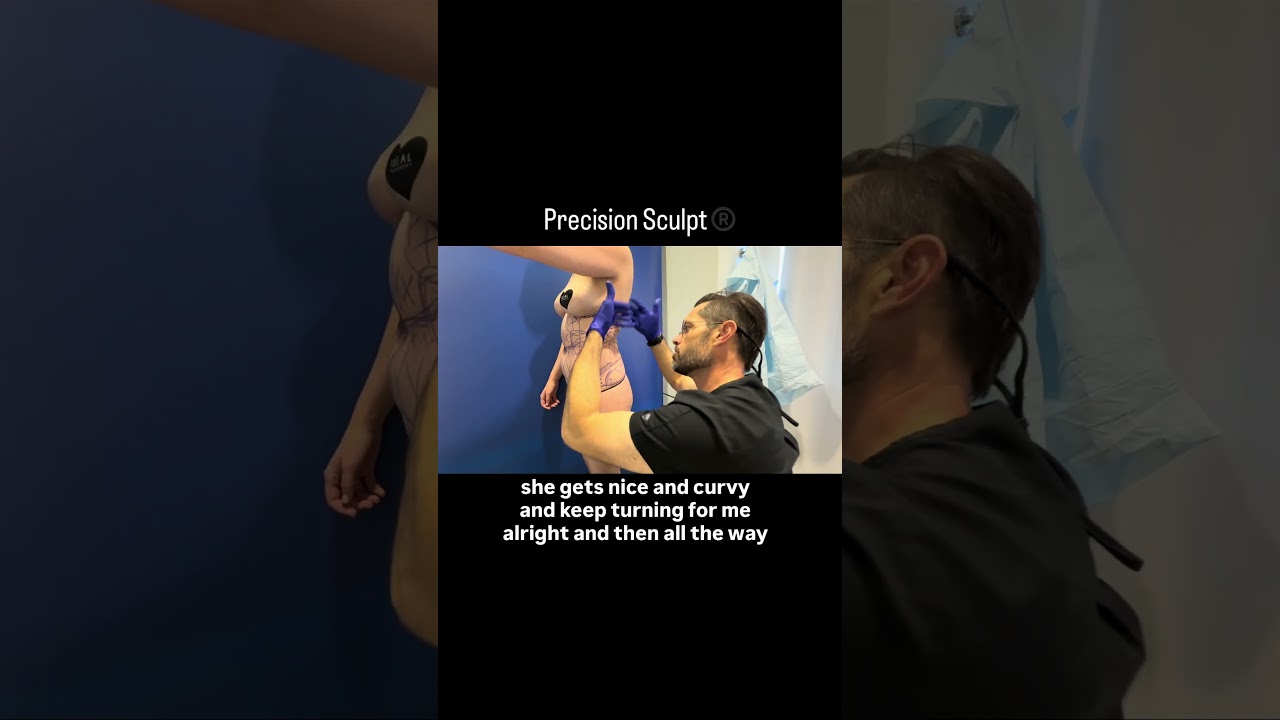
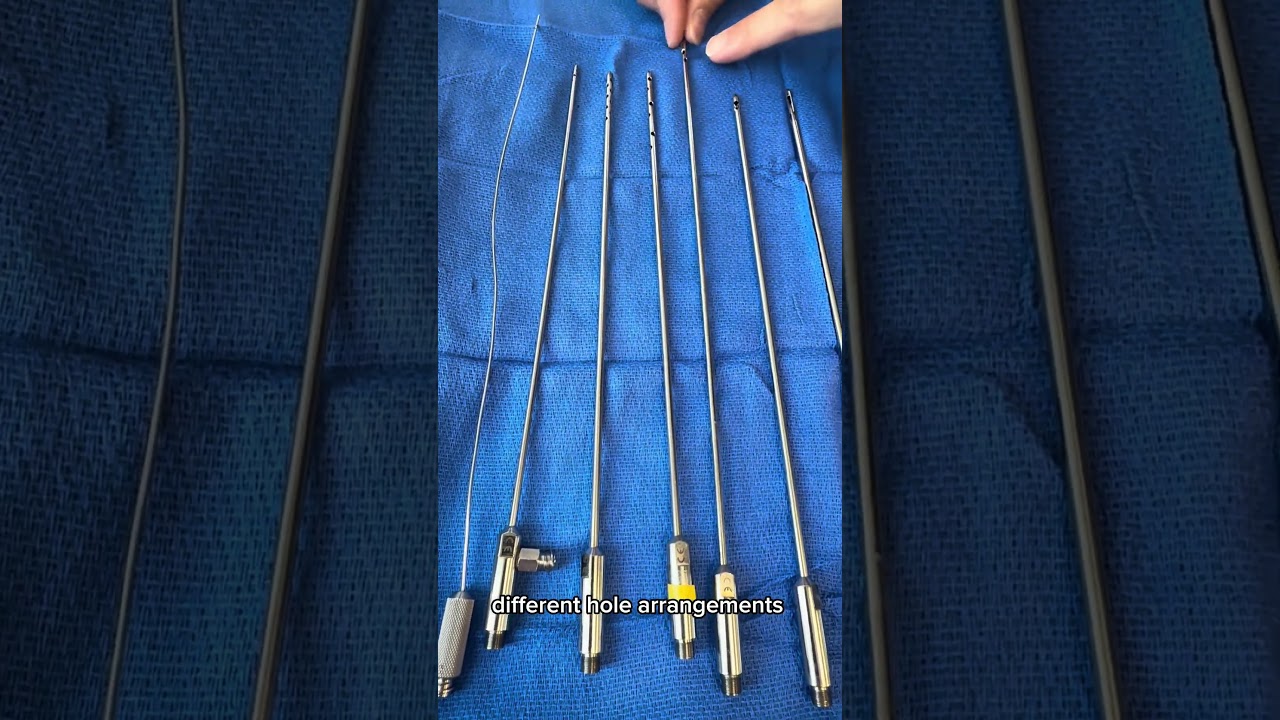
So with our PrecisionSculpt liposculpting, we use a lot of different cannulas, and I think it's really important because most surgeons just use one style of cannula and they just stick with that. And with me, I love using a lot of different style of cannulas throughout the entire case— different lengths, different sizes, different hole arrangements at the tip— because it gives me a lot more power in how I sculpt and how I sculpt in layers and working closer to the skin or working deep and trying to take different types of fat. In a different fashion. And I learned when I switch cannulas, uh, when I'm working in an area and then I switch to a new cannula, the fat comes out a little differently. And there's just a reason for that, and it's the whole arrangement. But I start off with numbing with a very thin cannula. This is an 18-gauge. It's very thin. The numbing medication comes out of the tip here, and I control it with a foot pedal. But this is very flimsy. It works really easy. It slides through the tissue. It's very gentle, and it lays down numbing medication. Then I start using a lot of different style of cannulas. And so typically if I'm doing a Lipo 360, I start with this cannula. I call it a multi-hole. It's got a lot of different hole arrangements. This is a 3.5 millimeter cannula, right? It's not a sharp tip. These are tapered tips, so when they go through the tissue, it's not cutting anything. It just slides through. It's very gentle, right? So the fat goes inside the cannula, comes through the Equipment and into the canister. Okay, then, you know, I switched to other types of cannulas, and this one I use a lot. This is what we call a needle eye. It has a little different hole tip, right, and a bunch of staggered holes there, and so it takes it differently. I also use this for very fibrous areas, so it really grabs the fat, kind of stubborn fat. I use different lengths, right? So this one's a lot shorter, and so the shorter length has a little different flow of fat, and so How fat it comes— how fast it comes through is differently, and so these shorter cannulas can grab fat in a little different fashion. This is a single, what we call single Mercedes. It has 3 holes on it, but they're only single all the way around. This would be a double Mercedes, so it has a 2-row here, so it grabs a little more fat. This is a very long cannula, so I can really hide my incisions very far away and get to distant places. places using longer cannulas. This takes a lot more skill set to guide these along, so most surgeons use shorter cannulas because they're just used to that, and this takes a lot more finesse to use the longer it is. I kind of think of it as like a driver is harder to hit than, say, a sand wedge, right? So same thing. So this is like my driver. Um, I also use also smaller hole tips, right? And so this is what I call a 3G, and so the, this, the holes are getting even tinier, so it's a little more delicate fat removal. And then lastly is this one, is what I call my model cannula, because I use this on thin patients where I'm taking very fine amounts of fat. But I also use this on, on pretty much everybody as I work closer to the skin. This is a 2.5 millimeter cannula, and these holes are millimeter holes. They're very tiny, so it takes a little bit of fat at a time. So it really allows for a finesse that you just can't get with the larger cannulas. So we use a wide range of cannulas, super important to get really clean, smooth, excellent results.