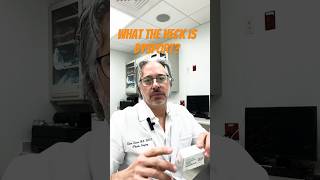
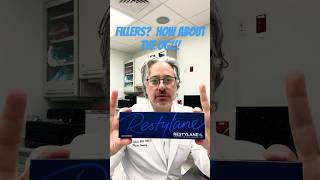
The OG! Restylane
14 Apr 2026 · 1 min
0:57
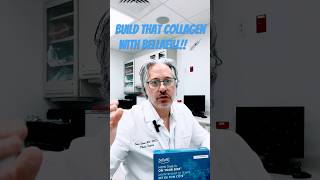
Sean Simon walks through Restylane's original formulation, which includes lidocaine for built-in numbing. He covers his anesthesia approach using ice and topical anesthetic, then explains why the filler's medium viscosity makes it versatile for lips, nasolabial folds, cheeks, and jawline work.
Chapters
More from Sean


youtube.com
Minimally invasive Neck Lift - 45 minute local anesthesia procedure demonstrated by Dr. Sean Simon
5mo ago

youtube.com
Raul De Molina aka El Gordo talks about his recent surgery with Miami Plastic Surgeon Dr. Simon
5mo ago
youtube.com
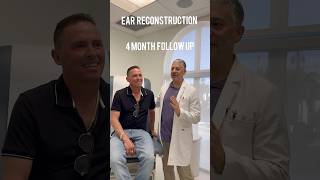
Ear Man returns. 4 month follow up after complex ear reconstruction in the emergency room.
5mo ago
See all content