Dena Davis, Culture and Engagement, and DEI Consultant on Shally's Alley
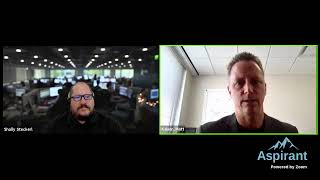
In this episode of Shally's Alley, host Shally Steckerl interviews Matt Kaiser, Director of Talent Acquisition at Memorial Hermann Health System. Kaiser discusses the future‑focused improvements his team is planning, including a revamp of the talent acquisition (TA) platform and CRM with more interactivity and AI capabilities. He outlines a structured learning and development program for recruiters and sourcers that incorporates weekly newsletters, monthly webinars, quarterly speaker sessions, and annual events, with plans to embed these activities into KPIs. Kaiser explains Memorial Hermann’s hybrid sourcing model, where sourcers are embedded with hiring managers and recruiters, handling complex, hard‑to‑fill requisitions and reducing reliance on external search firms, thereby delivering cost savings. The conversation delves into how the organization measures quality of hire—using hiring‑manager surveys, 90‑day and first‑year turnover metrics—and the challenges of accurately attributing candidate sources due to tracking limitations in systems like Workday. They discuss the shift to virtual hiring accelerated by COVID, the use of social media channels (Instagram, Facebook groups) for sourcing, and emerging gig‑style platforms such as Incredible Health that match nurses to roles. Kaiser shares ideas about future data‑driven sourcing tools, including speculative AI that could link sourcers’ search histories to candidate outcomes. The interview concludes with advice to continuously innovate, set targets for new sourcing channels each year, and maintain agility and learning within the TA function.
Chapters
There's that awkward moment where it says it's supposed to be live but it isn't yet. So here we go. 5, 4, 3, 2, 1. Good afternoon, everybody. It is 1 PM on Friday, so it must be Shelly's Alley. Welcome to our latest episode. My guest today is Matt Kaiser. Matt is the Director of Talent Acquisition for Memorial Hermann Health System. He's been in the business for— gosh, I don't want to age you too much, but yeah, we've known each other for quite some time. He's been to Australia and headed up employer branding and recruitment strategy there, and in Singapore, eventually ended up in Atlanta, which I think is where we met. We've ran into each other at multiple conferences, talked about talent strategy and many other things, and we've worked together, you know, in his previous role at Children's Healthcare. And then he decided that he wanted to leave Atlanta for some reason, I don't know why, and ended up going to Houston where he now works for Memorial Hermann, which is a very reputable health system. And in his position there, he is the Director of Talent Acquisition. Welcome, Matt. Thank you very much.
Thank you very much, Shelly. It's great to be here. I appreciate the invitation. Excited to talk with you.
My pleasure. Yeah, um, it's, you know, it's been a fun ride working with you, and you've got some great experiences from Disney, and, uh, I think you worked for a wine company once and a pet company, a clothing company. So talk about a well-rounded, uh, you know, set of, of, um backgrounds, right?
Yeah, yeah, we actually— a lot of, a lot of that work that I was doing with Disney and Petco and others, I was a consultant with an organization. So I had a great opportunity to really learn about a lot of different industries and build strategies to attract talent in a lot of different industries. So yeah, everything from wine to retail to finance and technology. So it's been fun. And in healthcare, of course.
And I think you actually worked at— you were at NAS Communications, right? And did you actually work with, um, with my day job boss Patty, Patty Silbert?
I did, yeah, yeah. So I was at NAS Recruitment Communications for about 15 years actually, and Patty and I worked pretty closely together, uh, there at NAS.
Great, excellent. Well, um, thanks for joining us. It's definitely an honor to have you here and a pleasure. I've got a few things I wanted to kind of run past you. So if you don't mind, I'll just dive right into it.
Yeah, sounds great.
Okay. So, um, a lot of what we talk about here in the show is around preparing for the future, what's coming, you know, what, what, what are you doing to, um, to bolster your team and operationalize things for, for— but what we don't really know is coming, right? How do you kind of prepare for what we don't know? Basically, yeah. What are you looking at as far as improvements that you're planning to work on with your, or your team, and what, you know, where you're taking Memorial Hermann's talent acquisition and recruiting strategy going into next year? What are the big improvements that are planning, that you're planning, that you can share?
Yeah, there's, there's a lot happening right now, as you know, just out in the industry. So we're constantly looking at ways that we can enhance and improve our platform. I guess there's a couple of different ways that we look at this. Number one is we look at enhancing our overall talent acquisition platform. So how can we improve that? And then also, how do we continue to evolve our team and just the knowledge on our team? So I think, you know, the big thing that we're looking at for, for next year, or kind of in the near future, is going to be really kind of enhancing our overall career site and CRM platform. So that's a big one for us. We really want—
that's what you mentioned, the TA platform is the—
yeah, so that's— yeah, exactly. We're looking— that's a big is we're looking to kind of build on that, evolve that, make it a little bit more interactive, you know, put some AI technology on there, enhance our CRM platform to make it better, more functional, and easier for recruiters to access and utilize to really be able to source better. So that's going to be a big piece of what we want to do. We're going to continue also to look at adding some sourcing channels to what we're doing as well. So we're going to look at adding some, some channels around nursing. Military recruitment is also going to be something that we're looking to get more involved in. More involved in diversity channels as well from a sourcing perspective. So that's kind of what we're looking at from an overall TA platform perspective. I think from a team perspective, we're, we're really looking at implementing a little bit more of a structured learning and development platform for the team. So what we want to try to do is look at things that we can do regularly. So what can we do, you know, weekly, monthly, quarterly, annually, to really help to, like I said, build that experience and really get our team really understanding technology and sourcing and, you know, consultative skills with hiring leaders, those types of things, and really just to kind of build that strength and experience on our team. So we're excited about that as well. Just to do a little bit more around learning and development and making a more structured— putting a more structured program in place. That's good.
You know, a lot of organizations that, that I work with and talk to don't have a very, a very well-constructed plan around learning and development. And it's kind of in our industry. You and I have had this conversation over the years several times in several different iterations where it doesn't feel like leadership spends a lot of time and energy in educating sourcers. We kind of expect them to— we hire them with these skills already, you know, we expect them to have learned them somewhere else, and we don't really invest in them as we do with salespeople and marketing people and a lot of other professionals in this field. We just don't tend to spend too much funds or, or energy, just time and attention. And you don't even have to spend money, like you said. If you put together activities and you give people some way to learn for themselves, even if it just starts with that, it doesn't have to cost money, but you're providing that, that environment. So it's good to see that that's being put in place. If you, if you do, so how are you ensuring that they have the time? Because you're in healthcare, and if there's any recruiting environment right now that is just busy, I mean, we're always busy, but recruiting in healthcare is like triple extra busy, how do you ensure they have the space to do that?
Yeah, that's a great question. And you're right. I mean, it's tough, right? So I guess first and foremost, we've got a great internal platform that we utilize. It's called MHU Online. So we've got our own Memorial Hermann University. And there's a lot of good tools and resources in that platform for us to be able to tap into. And so that's kind of on demand, right? I mean, we encourage them to go to that and schedule learning and trainings and development. But what we want to look at externally is to, like I said, just put a little more structure around it so we can fit it into their day and their schedule on a regular basis so that it's not as sporadic and they can actually have it scheduled out in advance. So I'll give you an example. On a weekly basis, what we want to do is encourage them to subscribe to newsletters and blogs and read at least, you know, 1 or 2 articles per week, right? So that's, that's That's free. They can go out, they can look at articles, they can subscribe. Monthly, what we wanna do is get them to at least attend a webinar or a virtual event each month. So that's, again, probably free. So they're able to go out and find that, and we're able to provide recommendations to them as well. On a quarterly basis, what we'd love to do is maybe bring a speaker in or a trainer and really hit the whole team, right? And so that may require a little bit of budget there, but at least you're getting the whole team involved, and you're able to do that quarterly. And then on an annual basis, we want to do maybe a couple of big pieces to that training program. Last year we did Recruiter Academy, and we also sent our sourcers to SourceCon. And so those were two bigger events that we did, but again, that's once a year, right? So they were able to kind of fit that into the schedule.
So there's monthly, quarterly, and annually.
Yeah.
So that's kind of what their KPIs— it's built into like, you know, they're, they're exactly—
so what we want to do is make sure that they're doing this on a regular basis. We haven't built built it into the KPIs yet, but that's in the future what we want to do. And, and what we— and again, I think the big thing with this, just to make sure that they have time, is schedule it in their calendars, right? So you're going to do this weekly, monthly, quarterly, and, and once a year. And I think that helps us to better kind of plan it out. And that's what I mean by more structured.
I get that. So, and then later on you'll actually build it into the KPIs?
That's right. That's right. Yeah. And then we can have our own library, right? Where we can—
as you build it out. Yeah.
Yeah. I mean, we can house some of these articles and, you know, links to the webinars and things like that. So it gives new people an opportunity to see some of these things as well.
I wanted to ask you about is you have a slightly opposing view to mine regarding building internal sourcing teams. And we've talked about this before. In a good way. I mean, there are places and times when you need internal sourcing and places and times when you don't. I've had other guests on the show that talk about, for example, my very first guest, when I started, the first guest that I had on the Leadership Series was Jim Miller, and he pretty much came out and said, "I will never build a sourcing team internally," and he had his reasons why. And there are good reasons why there shouldn't be and sometimes why there should be a sourcing team. You, you don't really build sourcing teams though. You have a different philosophy, one that approaches embedding it into the day-to-day. Can you explain a little bit on that?
Yeah, sure. So what we try to do is involve the sourcers. So we actually have a sourcing team, a sourcing function, but what we try to do is get them involved on a regular basis with the hiring leaders and with the recruiters and supporting them on a regular basis. What we try to get them to do is focus on the very complex, very hard-to-fill reqs and integrate them into that process. And so they will go out, they'll meet the hiring manager, they'll understand that area and the requisition, they'll build candidate profiles around that, and then they'll help the recruiter source for those particular roles. And sometimes they'll even take on roles themselves. So with our sourcing team, it's a little bit of a hybrid approach where it's integrated, right? Yeah, integrated.
Yeah, right.
Yeah, so they'll, they'll take on a few of those more complex roles and source for those, and then another, you know, kind of that secondary part of their job would be, you know, providing that, that sourcing support for the recruiters. So it is kind of a hybrid model that we have, um, and it, and it really works well.
Um, they've got metrics and targets on both of those, uh, pieces for sourcing, metrics for recruiting.
That's right, that's right, that's right. And we like to promote from within, right? And so what we like to do is if our sourcer wants to move into a senior recruiter role, now they've got sourcing experience and they've also got recruiting experience, and they can move into more of a senior-level recruiter. Because in our senior-level recruiter positions, we like that— we like them to have sourcing experience. And so to have that sourcer role here at Memorial Hermann, it gives them a really good opportunity to be able to understand sourcing, be able to do sourcing, and then take that into that lead role.
So the more senior recruiters are actually doing some of their own sourcing, and then you have the sourcing team that collaborates, and you have a— I'm assuming some kind of a designation where some roles get assigned sourcing support and some go to recruiting. So you've got that, you know, the team is not a dedicated separate sourcing team but an integrated hybrid team that gets assigned certain types of recs. Or certain—
Yeah, that's, that's it. That's it. So, so we've got like a couple of our sourcers specifically focused on nursing, a couple of our sourcers specifically focused on non-clinical. And so, so they, they manage and handle recs and sourcing in some of those areas. And what we typically do is those recs that obviously are hard to fill, and we don't get candidate flow typically for, they focus on those roles. Yeah. In terms of— Yeah, in terms of sourcing support.
Correct. So what would you absolutely have to have? What do you— what must you get from sourcing to make it worthwhile having an environment like that versus a dedicated or versus an outsourced?
Yeah, I mean, I think really, I mean, it's about the impact. Basically what we try to do is measure the impact that they have on the organization, right? So number one, obviously they're going to handle some requisitions, and typically they're going to handle some of the harder to fill requisitions. So that takes some of that off the recruitment team and gives us an additional resource there. So that's first and foremost.
They own the recs in those cases.
That's right. That's right. The second piece of it that we measure, of course, is their sourcing support. And what we look at is they are handling typically the recs that would potentially go out to agency, right, or a search firm. And so what we do is we take a look at, giving them those recs and measuring them against that. So we actually measure our agency usage. And this is something I've done in the past. And we are trying to reduce that search firm usage by having the internal sourcing team. And so that, to me, is the real value of that team. Number one, they really understand Memorial Hermann. They're a great addition to our team, a good fit for our culture. They, you know, they, are a potential lead recruiter for our team, and we just really enjoy having them on the team. But it also provides a real value for the system because for those roles that they're handling, we're actually reducing that, that search firm spend. Those would typically, you know, go out to those firms. And so it's, it's really a win-win, and it gives us a real good opportunity to definitively measure that against a spend, right, and say we're actually saving the organization this amount of money, which we can spend in other areas to support the system.
So I'm seeing— so my question was, what do you have to get from, from this environment to make it worthwhile? And it sounds like other than— there's a few other things, I'm sure, but the two big ones that you're looking at are they own certain recs that would just otherwise be very difficult or challenging to recruiters and would interrupt their, their, you know, their workflow in other ways. So certain types of recs go to sourcing, alleviating the pressure. Number 1, and number 2, there's a cost savings that you can gain from the benefit of having a sourcing team. I frequently talk about this model where sourcing can add value in all parts of the organization. There are some places where it can add more value and others where it can still add value but not necessarily as much. Where it's not, you know, if you have it, great, but you don't need to go out and go build the sourcing team for those types of roles. Not knowing the healthcare space as well as obviously you do, it occurs to me that there are some positions that, like you said, there's low or no candidate flow. There's going to be lots of these openings or several of them. If it's a role that's going to be repeatedly recruited against and it's going to always have the same low or no candidate flow, then it makes sense to have dedicated sourcing. But if it's a role that is only going to come up once in a very short you know, once in a very long while, then you don't really need to put that. That may be something where you go to an external partner because you don't want to build any internal expertise about a rec that you're only going to fill once every 10 years, right? Is that fair?
It's fair. It depends on the bandwidth of the sourcing team, right? So, if they've got bandwidth, then yeah, we're going to give them that.
They'll take on those once in a lifetime kind of roles. Yeah.
And sometimes, those may even go out to a search firm. So, it just depends. It depends on the bandwidth and also, of course, the networks that the sourcers have built up and just their knowledge of that space as well. And so just depending on whether or not it makes sense to look at an external firm that has the knowledge in that space and potentially the networks in that space, right? If it's a really specific, complex position that is, you know, requires a network that you've built up and that you know people in that area and in that particular realm, then it would make sense to partner with that organization to really be able to tap into that network and provide some of those very specific candidates very quickly, right?
Yeah, and quickly.
Exactly. And it also, you're right, it depends on how quickly you need them on board, you know, how quickly you need to get them up to speed.
Yeah, that's when I was at Coca-Cola, there were a few times that I did use some partners and I, you know, I had them on speed dial. There was one in particular that I could that I can recall. Their specialty was this very narrow field within category management that's a combination of like statistics and psychology and marketing and research and, you know, in the fast-moving consumer goods section, they're the people that basically can predict when you put something on a shelf, how quickly it's gonna go and discounted by one penny, how many more sales you're gonna get. It's like really advanced stuff. And, you know, Coca-Cola has a lot of the very advanced category management. I mean, you go to any store anywhere and you see how they manage the space on the shelves and everything. But there are some clients like, for example, Walmart that have their own category management and have, you know, handle their own shelf stuff. And like, for example, Walmart in particular, they want the category manager that works for Coca-Cola to be on site with them in Bentonville. So for a search like that, it's like you got to find the— it's a needle in a stack of needles. It really is.
That's it.
It's like just the right kind of needle and and they gotta be in Bentonville. And, you know, so that's where you just make a call. And you know what, this, this, this recruiter that I worked with was like, oh yeah, this person and this person, they're, they're ready to make a move, right? You know, 2 minutes and I'll get back to you.
That's it. They've got a network, you know.
I could never source that. I mean, it's like 5 minutes later I got candidates, right?
Right, right.
There's definitely some time where, where that's absolutely just so much easier, and it'll cost you less money because at the end of the day, if you spend 3 months sourcing for a role, that is time and money. It's, it's, it's right.
If you could already have them, you know, on board and up to speed. Yeah, 100%.
Yeah. So what troubles you about sourcing and acquiring talent and attracting? What's kind of keeping you up at night? I'm sure you probably sleep well, but you know, what, what's sort of stressing you or has you worried about the future of talent acquisition?
Yeah, I mean, I think, I think probably from my perspective, I mean, lately not a lot of sleep just because of what we have going on. I'm sure, you know, in healthcare, you know, um, you know, right now just in the healthcare space, they probably— two big things. Number one, just a lack of qualified talent, right? So, um, especially for some of these real, um, critical areas that, that we need to fill. Um, and then also a lot of competition. Vying for that same talent. So it's, it's this, this perfect storm that's come together. And of course, a big surge, you know, with, with COVID recently, and so, you know, high, high volumes and things like that. So, you know, really, it's what keeps me up at night is how do we get— how can we get our hospitals the talent that they need quickly? Like you said, you know, how do we bring them on board quickly and, you know, get, get good quality talent so they can take care of our patients? And that's the big thing that you know, really I'm focused on. And that's, that's why we continuously are looking at ways that, number one, that we can attract more talent in some of these roles. And a good way to do that is through proactive outreach, right? A lot of these people that we're looking for already have jobs, and they're not necessarily looking for jobs actively. So how do we put together outreach programs, channels, sourcing? So that's a big piece of it. And then Like we talked about, time to start, you know, how do we get them on board quicker, right? And, and get them out to our hospitals so they can support the patients. So, you know, that, that to me is the, the big thing that we're focused on, um, in, in healthcare. And I think, um, you know, like I said, you've probably seen it in other organizations as well. It's happening across the country in the US.
Yeah, recruiter effectiveness, that's a good segue into my other question. I was actually going to ask you a little bit about that. So What with recruiting effectiveness, what, what has remained the same versus what has shifted dramatically to respond to this perfect storm? I like to refer to it as a friend of mine said, the rec-nado, like a tornado of recs. This rec-nado, what has, what has changed dramatically to respond to that?
Yeah, I'll tell you what's, what's changed, um, is The big, the big thing that's changed is the virtual environment, right? And so it's, it's how we connect with candidates and also how we bring them into the organization to assess and interview and ultimately hire them into the organization. That's all done virtually now. Not all of it, you know, we are bringing, you know, final interviews in and we're doing some shadows. You know, we've just kind of opened that up a little bit, but yeah, during COVID It was, it was all done virtually. So you really have to adjust to that. And the hiring leaders have to adjust to that, our team has to adjust to that. So that's, that's the big thing is just how we connect with talent out in the marketplace. Of course, sourcing strategies have evolved, digital channels, how do we interact with candidates socially through those, through those channels. And then what I was going to say is in terms of just Things that have stayed the same and we continue to focus on, the big thing is just service and communication. For us, you can't automate that. Obviously, things are virtual and digital these days, but you still have to have that same service. You still have to have the same high touch. You still have to communicate with them on a regular basis. You know, that really has stayed the same. It's just the way that we do that has, has changed.
Okay, the way that we do that. I've heard these aren't, these aren't things that I've actually tried myself, but I've heard about these on-demand platforms for, for healthcare that, that have arisen as a result to, you know, a result of essentially that the gap that's being created. Like, I think Trusted Health, SnapNurse, CareRev, Aploy. Are you familiar with any of those, or is that— are they just kind of blips in the dark? That—
yeah, I actually have not heard of those, Shelly. I might need to chat with you about, uh, about some of those. Um, yeah, I mean, we're obviously always looking at new ways to, uh, to find talent, source talent, attract talent. So certainly something, you know, we, we'd be interested in looking at. Um, but there's just so much, um, happening out here.
Yeah, and this is a whole other category, like a different thing. It's like, um, I, somebody described it to me. I'm sure this is not very accurate, but they described trying to explain it to me because I couldn't get my head around it. Think of it as like Uber for nurses.
Yeah.
You know, like you need a, you need a ride from here to there. You know, you can use Uber. You don't need a car. It's like you need a nurse from, from this to that. Like it's, it's a, it's a very like with staff nurse, basically it's a very, um, it, you know, It's an app that's got matching and matches an available nurse with an available position, but it's totally— what do you call that in, in your industry? Uh, locum tenens, or is that just doctors?
Yeah, yeah, that's— so we actually have a team we call our central staffing team, uh, and so that's, that's what they do. Um, so they, they actually, um, provide, uh, short-term contracts, uh, for what we call traditional agency staff, right? And so we've got our own team that does that. We of course partner with external agencies as well. But we've got our own team that does a great job with that.
So maybe that's, maybe that's the team that would work with these kinds of— because these are—
yeah, I would say, I would say from healthcare gig work. Yeah, yeah. I would say from a virtual perspective that, that, that is, um, uh, something that they would, they would typically do, the central staffing team, versus our team, which is— our TA team is really geared more towards full-time employees and really kind of long-term initiatives. There is, yeah, there, I was going to say there is one that we're looking at. I don't know if you're familiar with Incredible Health, um, if you've heard of them. It's, it's similar to what you're talking about. Um, we haven't, we haven't established a partnership with them just yet, but it's something that we're looking at. Um, and it's sort of, uh, similar to what you're saying. It's kind of a matching service. Um, so they set up a platform online, uh, they give us a profile out there, and then they have, uh, nurses. It's primarily geared towards nurses. They have nurses that they match up with our opportunities, and if there's a fit, then we end up hiring them. So it's something that we're looking at, but again, it's not the locums that you're talking about, or the short-term, it's more long-term.
Is it more the long— yeah, and it's like more like a matchmaking platform.
That's it.
That's it.
They actually, yeah, they actually would refer to it more as the Match.com of the recruiting industry. So rather than the Uber, I think.
Right, yeah. And how many of those Match.com for recruiting have you and I seen over the years?
I know.
I kept counting how many.
Yeah.
I wanted to go back to one thing that you had said before where you've got the sourcers, the— it's a hybrid sourcing team, not your traditional fully dedicated, but more like a hybrid. How are you distinguishing the productivity? Because as you said, the sourcers are working on different kinds of recs. So you've got— I want to call them, for lack of a better way to describe them, mainstream recs that the recruiting team is handling that they do all the time, and then there's these kind of other, you know, recs. So how are you comparing the productivity of a sourcer to that of a recruiter? Is there— yeah, you know, they're both responsible for hires. Yeah, it's got to be a different number.
It's similar, it's similar, right? Um, so they actually get a reduced, uh, target for hires, um, on our team. So they've got, you know, depending on how many recs they actually handle, uh, individual recs they handle they would be responsible for those hires, right? But then if they're supporting on a hire, then both the recruiter and the sourcer are responsible for that rec, and they get partial credit for that hire, right? And so the sourcer—
The sourcing team would get partial credit and the recruiter would get full credit?
No, actually the recruiter gets partial credit and the sourcer gets partial credit, right? So it's one full credit and the recruiter gets partial and the sourcer gets partial. So it's split basically between the two of them. So they do have reduced targets based on that. But that being said, those roles that the sourcers are focused on are typically much harder to fill than other roles on the team, right?
So the timeline is different.
That's right. That's right. So that also, you know, obviously is one reason why their targets are reduced as well. Not— they think, number one, they don't have as many recs. But the other thing is that they're much more difficult to fill, right? And so they do have that reduced target. But like I said, you know, a big thing that we look at is, in the end, is are we reducing that search firm usage and dependency on search firms, and also the service that we're providing and the quality of talent coming in. So we do a hiring manager survey with all of the hires that we make, and we we ask them about, you know, how we did, uh, what type of candidates you brought in, what was your experience, and, um, you know, are they happy with that hire. And so it gives us an opportunity really to make sure that we're doing a good job and we're bringing in quality talent.
It's excellent. What kind of, uh, just curious, what kind of tool do you use for the surveys? Like an informal, you call them, or like an email, or do you actually have a survey for gathering, like an online forum or something?
Yeah, we actually have a survey through, uh, through our application contracting system Workday. So we actually developed it and put it— yeah, we actually launched it in Workday. Yeah, I've done it in multiple ways in the past. I mean, I even did it when I was at Children's. We actually implemented one there and we just did it through SurveyMonkey. And it was super easy and wasn't costly at all. We did pay a little bit of additional money. Typically SurveyMonkey's free, but we paid a little bit of additional money just to get more robust metrics and data and the opportunity to put together, you know, some graphs and things like that. But that was an easy way to do it. So you can actually set up a quick and easy survey yourself, just utilizing a tool like SurveyMonkey.
Yeah, I do it with Microsoft Forms. It's like Google Forms, and it's part of our system. The cool thing about it is that it also has some automation that you can build in if you're a Microsoft shop. So when someone completes a survey, it sends an email. You know, there's— you can, you can make it, make it automate certain things that would relieve the administrative burden of having that survey so that it's more— and it gives you like a nice chart of like, here's what the survey respondents are saying. So you don't have to run a Power BI analysis on the spreadsheet. And, you know, it kind of gives you some of that.
That's great.
That is, that is good. Yeah. So quality is always like— and I know we're going a little bit over time, but another question that I had for, for you was about quality. Um, and by the way, let me, let me say this because I think a lot of folks that, that may be listening in or tuning into the show that are not familiar with healthcare recruiting, there's something that, that you need to understand about healthcare recruiting. The volume is, is through the roof. I mean, recruiters in healthcare are making 200-300 hires a month. It's, you know, completely different in some cases. Even folks that are familiar with high-volume recruiting outside of healthcare are sometimes shocked when I talk about my clients in healthcare and they're, you know, a recruiter made 326 hires this month. It's like, wow, I don't, I don't make 326 hires this year. So there's, there's a, there's a very different scale here that we're talking about. But within that scale, with that in mind, how How does quality get measured in recruiting?
Yeah, it's a good question. And to be honest with you, I would love to have a more detailed approach to quality of hire.
That's an easy answer, right?
So it's, yeah, it's something that we've talked about here. I've talked about it in my past roles as well and trying to develop sort of an algorithm that you can put in place for quality. Right now, the way that we measure it is through the hiring manager survey, right? Okay, so it's a quick and simple— it's a quick and simple tool for us just to make sure that we're getting good quality talent. We also check in, of course, with our hiring leaders after the hire, you know, after, say, 90 days, just to make sure that things are going well and, you know, see how they're doing. So that's another piece, but, you know, it's not necessarily something that we measure, is that check-in. It's more measured based on the hiring manager survey.
I do also need some of that data too, right? You and I spoke about this couple years ago at Children's, and you may not recall the conversation, but we were talking about measuring a 90-day drop-off rate.
That's it.
And sourcing. But how do you— in order to measure a 90-day, meaning people who got hired and didn't make it through the 90-day period and left, how do you bring that number back to who hired them, who recruited them, and the source so that you can measure not just the recruiter but the source as well?
And was it effective? That's exactly right.
If your system doesn't track it, how do you connect the dots? It's such a—
Yeah, that's the challenge, right? And that's the other piece that we also look at is we actually look at it the first year. So, we look at first-year turnover, right? And so, you know, if we feel like if first-year turnover is good, meaning that we've got low turnover, then we're hiring good people. You know, they're not turning over and, you know, we feel like that they're, that they're doing a good job and that, you know, that we brought on board people that are going to stay and that are engaged and good quality talent. It's not always the case, right? But it is one metric that you could look at. I mean, I think that, like you and I talked about in the past, I think there's an algorithm that you could potentially put together where you look at things like that turnover rate, you know, have they been promoted in their role, what have been their performance review scores, right? What have they accomplished in the organization? What impact have they had? If it's like a sales role, right, you know, have they generated value? Yeah, value for the organization. So I think there's a— there's an algorithm in there somewhere. We just have— I, you know, obviously I just haven't had time to dedicate to it.
So, and it depends on having the data, you know, even, even if that's right, you know, manually, like, what— where did the candidate come from? And applications like Workday that are pretty good at tracking the original URL, you know, because there's so much, there's so much noise in the market right now. You know, an individual, you know, Patty, uh, Googled job, nurse jobs, right? And then Google returns a link and, and Patty clicks on that link, but that takes Patty to Indeed, right? And then they click on that and then that takes them to the, the website. And so according to Workday, it looks like that person came from Indeed, but really they came from Google.
Yeah.
Because they didn't go to Indeed. And that's just one of a million examples.
Oh yeah.
So unfortunately, you can't go to this source and say, well, most of our quality hires came from Google because it's not going to— it doesn't show up. It shows up as Indeed or that other— I forgot the name of that already. You told me about the incredible—
Incredible Health.
Yeah. Yeah. You know, so That's, that's part of the challenge is the data coming in. I've always wanted to ask people when we hire them, um, how'd you hear about the job? But every time I've tried to put that in place, the, you know, the answer that I get is I can't remember.
Right, right. Well, the other piece too is if you, if you source them, right, if one of the sourcers sources them, uh, you know, how do you measure that? How do you know that where they're sourcing from and where they came from if they're proactively sourced into your organization? And a lot of times it may just You know, if you do end up measuring it, it might come from the career site, right? Or other, you know, that's another source on there, other. And it's like, what does that actually mean? But yeah, yeah, it's definitely a challenge for sure. I do think there's an opportunity for, you know, a better metric around quality of hire.
Always wanted to have a system that tracks the Google searches that we do as sourcers, right? So when my sourcing team conducts a Google search and they click and it remembers, because Google tracks your history, So some sort of big data robot, I'm envisioning some science fiction thing here, would be able to like look at your Google history at work, obviously not your personal one, and match your Google history at work with like the candidates that got input into the system so that you could go back to your search history and say, okay, this search string produced this candidate.
Yeah, right.
But that's science fiction.
I love that idea. I think that's great.
Somebody out there is going to invent that and I won't get any credit for it, but that's all right.
Yeah, we, uh, we— it's interesting because we use social media a good bit as well, but, uh, but we don't do a ton of sourcing, um, on social media. One of our recruiters, our new recruiters actually, last week, um, just hired someone off Instagram, um, and we actually don't even have an Instagram platform. He basically shared an opportunity out with his Instagram network with, you know, kind of a targeted, targeted post and actually was able to, to source someone from Instagram and hired them last week. So We were pretty excited about that, and it's something that, you know, we're like, hey, you know what, I mean, it's a great—
start doing that some more, right? Like, you know, you're not the first person to tell me that. I've heard that there, there is a good bit of nursing, um, population activity on Instagram. It's, it's, uh, I don't want to say it's the network, but that there's a lot of nurses on there. So maybe it is worth exploring how do you reach into that network in a more programmatic way that's repeatable and it's not I mean, you know, congratulations on the success, but now let's do it again, right?
Right, exactly. And it's not just Instagram, right? It's other channels too. But yeah, I mean, I think it's, you know, how do you, how do you utilize and tap into your network as a recruiter, uh, and, and be able to, um, you know, reach the right audience through that way? I mean, we, you know, we look at Facebook and there's a lot of nursing Facebook groups out there, and our nurse recruiters are all over, and that's one of our best sources, you know. It's, it's getting out there, it's networking, it's sharing opportunities. It's not always actively recruiting, but it's building our brand in the eyes of those, those engagement audiences.
Recognition.
Yeah. And then ultimately they end up coming to us and saying, hey, I saw your post and I'd love to chat with you about an opportunity. So it's a good opportunity for us to really build that brand and network.
Yeah, brilliant. Well, listen, we're definitely over time, but I want to say thank you so much for spending a little part of your day. I know you're incredibly busy, so know that your time is valued and appreciated by our audience. Any last words of wisdom you want to say? And not that this will be your last time on the show, I'd love to have you back, but anything you want to say to part today?
You know, I appreciate that, Shelly. Thank you. It was a great opportunity for me to, um, to chat with you as well. I appreciate the invitation. I'd love to, to, to join again. Um, you know, I think, you know, for maybe one thing I would, uh, like to share is, um, just, you know, keep focusing on, um how you can evolve your talent acquisition platform and talent acquisition team. You know, never stop learning, never stop, you know, exploring, trying to be innovative as an organization. You know, I think we're going to continue to see change, and that's always constant, right? And so I think it's, you know, how do we deal with that? How do we get over some of these challenges that we're facing? And I think, you know, you do that really through just learning, growing, developing, continuing to research things, new ideas, innovations out there. And I think if you do that and you continue to stay flexible and agile and focused on learning and development and growing and building your platform, I think you're going to have success. As challenging as it is out there right now in our organization, I think that—
Don't lose track of that. Don't stop.
We're doing a good job of that, and I think that's really helped us to strengthen our platform and have success. In a challenging environment.
Good advice. Don't get distracted by, you know, the grind. I mean, you got to do the grind, but don't forget that you also have to continue to evolve and learn.
Otherwise, that's, that's it. That's it. And don't, you know, definitely, you know, there's, there's not a lot of time to focus on that, but don't always push it to the back burner. Like I said, you know, just try to, try to focus on a little bit each time, right?
And it's, it might be that weekly, monthly, quarterly. I'm gonna—
yeah, exactly. It might be 2 or 3 things, you know, that year that you're gonna build out as part of your platform But at least it doesn't get stagnant, right? So, you know, you're going to build out— here's, in my previous role at Children's, we always had a set target of we're going to implement 5 new channels this year, regardless, doesn't matter how busy we are, what we're doing, we're going to implement 5 new channels. And we did it every year. A lot of times we implemented more, but we said at least 5. And so that kept us moving forward, it kept us innovative, and it kept us attracting talent in new ways. And we were successful with it. So that's My bit of information and a bit of advice there is, is just, you know, keep learning, keep growing, and, and exploring new opportunities and new ideas for the organization.
Good. Well, thank you so much again. And yeah, hope to see you back on the show soon. Sounds great.
Thanks, everybody.
Okay, good weekend.
More from Shally



Scaling Talent at Hypergrowth: Leadership, AI, and Hiring Excellence with Cindy Nicola







