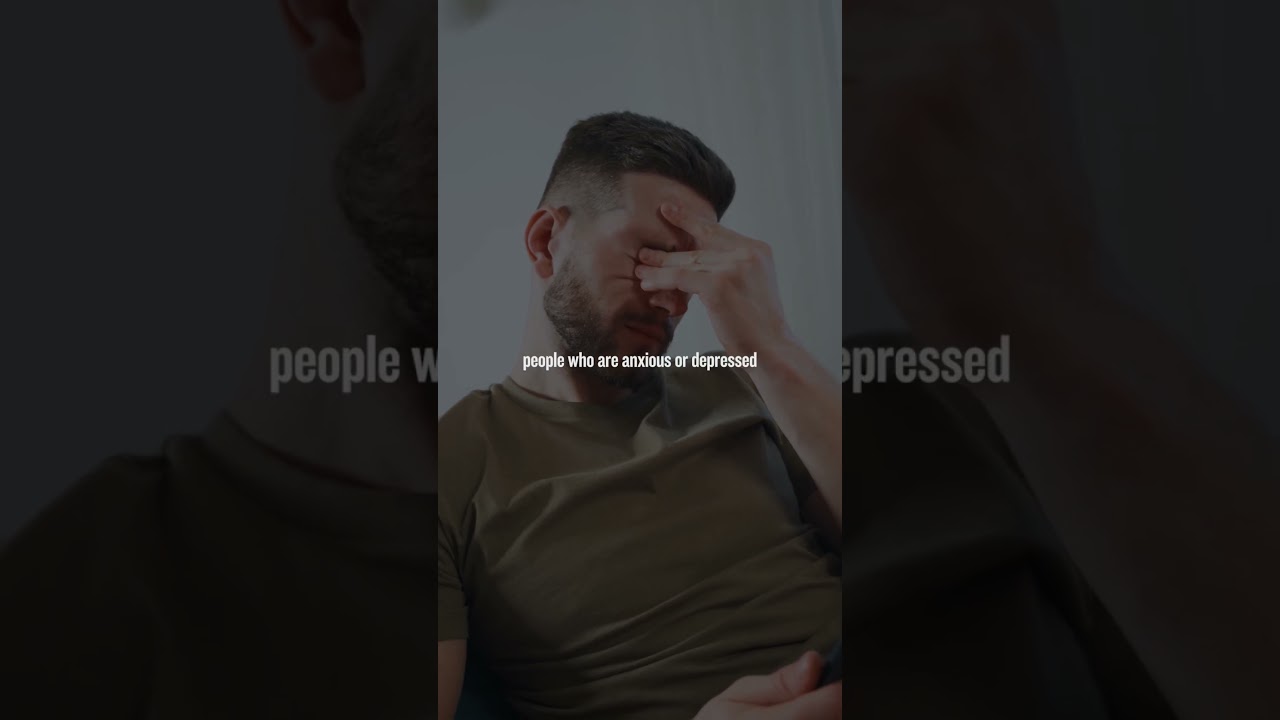
Psychologist James Pennebaker found that tiny words like pronouns reveal psychology. People with anxiety or depression say "I" far more often, signaling inward focus. Women use "I" more than men, not from self-absorption but from paying closer attention to people.
Chapters
If you want to learn something about a person's psychology from their writing, which words would you pay attention to? The big meaningful ones? Love, death, money? Psychologist James Pennebaker at the University of Texas discovered that the most revealing words are the ones we never notice— pronouns, prepositions, articles— the roughly 200 tiny function words that make up about 60% of everything we say. James's research found patterns in our language that are undetectable to the human ear. For example, people who are anxious or depressed use the word I at significantly higher rates than people who are not struggling. That extra I reflects an inward focus, a mind that is stuck on itself. He also found something surprising about gender. Contrary to stereotype, women use I more than men, not because they're more self-absorbed, but because they pay more attention to people, which requires more pronouns. Men talk more about objects, which requires more nouns and articles. The words you overlook in conversation might be the ones saying the most about you. For more insights about the science of the mind, tune into Hidden Brain on Apple, Spotify, or hiddenbrain.org.