From SLEEPING IN MOTELS to $100M by age 28
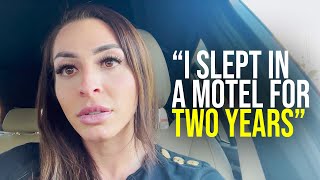
In this live CoachingCon Q&A, Leila Hormozi (co‑CEO of Acquisition.com) and founder‑mentor Jason discuss a range of topics crucial for fast‑growing businesses, especially in the online fitness space. They explore the paradox of hiring people who are better at a task than the founder, highlighting the need to relinquish control, build a small but effective infrastructure, and confront the fear of being exposed as imperfect. Leila describes how imposter syndrome and anxiety surface when onboarding top talent, and she stresses the importance of honest communication, embracing the fact that you will "suck" at new roles, and being willing to fire mis‑fits quickly to preserve culture. The conversation shifts to macro trends: the online fitness industry is currently over‑saturated due to the Great Resignation, but remains resilient, asset‑light, and poised for further tech integration such as virtual reality and higher‑ticket, customer‑success‑driven models. Leila warns against common strategic errors—delaying firings, setting personal ladders against the wrong wall, and letting perfectionism paralyze action. She advocates a mindset of taking calculated risks, tolerating failure, and focusing on long‑term customer retention. Throughout, the tone is candid, informal, and occasionally profane, reflecting a culture of transparency and high performance.
Chapters
What is up? Welcome to my YouTube channel. My name is Leila Hormozi, co-CEO of Acquisition.com, and the goal with this channel is to get you from wherever you're at in your business to between $3 and $10 million in revenue for free. And so that being said, this video today is actually a Q&A that I did for an event recently called CoachingCon. And in this video, you're going to hear basically the top, I want to say, 5 to 10 questions that I got from the audience. And I selected these out of about 150 questions in terms of things that I thought that I could actually really help add value to and questions that I get a lot. So this, you could really consider it like a top frequently asked questions that I get, and I hope it provides a lot of value to you. I think it was, along with Alex's, I think we had the top talks at the event. And so I hope that you enjoy. Hi guys, don't do calf day before you wear heels. It's not comfortable.
Super awkward with these pillows. Thanks Hilton, appreciate you.
I have this mic.
I was already super nervous because I'm like, now I got to go interview Layla. I've spoken up here like 5 times, and I literally just told your team I haven't been nervous in 2 and a half events, and now I'm freaking the fuck out.
I was like, if anything, I get to talk to Jason for an hour, so.
Yeah, not terrible. There's worse things. I might say fuck a lot, but actually, that's the first question somebody asked.
It was.
So we actually put out there, we were like, guys, you know, because we talked all the time, it was like, what are you going to talk about? Because for those of you guys that don't know, I'm extremely lucky to get to work with Alex and Leila on a very frequent basis. Not only are they mentors, they've become friends. To say I'm absolutely the luckiest human in the world to learn from them would be an understatement. Humble brag, like they've helped us grow our business like 300% since starting with us. And they've made it look really fucking easy. They're just amazing at what they do. I'll never forget, honestly, the first times we spent with them. They've been through some extremely rough times with me in the business, and they've literally just stood behind and helped guide every decision we've made. So you guys are in for a treat. And so we put out a Q&A and we asked like, what do you want to know? And one of you wanted to know why Jason says fuck so much. Do you have any reason why I say fuck so much?
You don't ever, actually, you know what's interesting, I don't think you say it in front of me very often.
I don't think I swear with you guys that much.
Because your daughter's in the room usually.
Oh, that doesn't matter.
Oh, okay.
I say fuck, it's more out of respect for you guys. So I just don't really respect any of you.
I think the most interesting question was, "Who would win in an arm wrestling contest, Steve or Layla?" I was like—
We all know it's Layla.
Who asked that though? Why?
Who's going to admit that they asked that? My man right there. Who would win in an arm wrestling contest with you and Layla? For sure.
It's not like it used to be.
So, obviously Steve said you guys have completely, you know, I don't want to say left because that makes it sound shitty, but you guys have sold Gym Launch and you sold the other companies. You've moved on to Acquisition.com, and we're a portfolio company, so I understand what it's all about. And you guys talk a lot about the acquisition of businesses or acquiring businesses now. And so somebody asked two questions around that. What are the key things that you look for that are already working really well when you go in to acquire the business?
Yeah. I think that's an interesting question because most people are thinking about the business rather than the founder. And because we take minority interest in companies, we actually look at the founder first and foremost. Because the way we see it is like, you can change the strategy, you can change the products the business sells, you can change the marketing, you can change the sales. You can even change the entire business, but you can't change the person who's running the business. And we're not doing majority buyouts on businesses. We're obviously basically investing in the founder to help them grow the company. And so we look for people with unimpeachable character. And Jason is actually somebody that we use as an example. So our new employees, when they come in, they get to meet Jason. You have to think of it like, I say this, which is, if you are, especially like most of the people that we're working with, it's like the first time that they have like the most, their first big success, or at least the start of big success. I would say that this for you has been the start of. [Speaker] Absolutely. [Speaker] Like I've said, you have so much momentum right now, right? And it's only gonna continue to compound. When you're at that spot, you have to be such an elite person because you don't have an elite skill set yet. And so if you want to attract elite talent, you have to be a person of character because high-level talent more than anything wants to work for somebody who has impeccable character. And so like you can be young and inexperienced, but if you have impeccable character and they see that you are, you've found, you've found that like route of success, they will work for you. But if you have even, a good business, a good product market fit, et cetera, but you have shit character, there's like nobody can help you because the best talent will never work for you. And so first and foremost, we always look at unimpeachable character. It's our first of our three core tenets. And Jason honestly exemplifies that. He's charismatic, he's a leader. He says, I think your words are aligned with your actions. That's the first thing we look at.
[APPLAUSE] Give it up for Jason. Once you kind of know what gets you in, what are the things that you're most excited to improve once you're inside the business?
To improve?
Yep.
The people.
I love that.
Yeah.
I can attest to that.
Yeah, yeah. I mean, it's honestly, it's always the people, you know, for me, 'cause like me and Alex split it basically like Alex is gonna look at, I mean, you guys all know his book probably, $100 Million Offers. Like he's gonna look at the offer, he's gonna look at the product, all the sexy stuff. And then I'm gonna be like, who do we need to hire? Who do you need to fire? And what do we need to change in here? And I like that stuff, but it's the stuff that oftentimes people look at the really sexy stuff and they're like, let me change my offer and let me build this new product suite. And then they're like, oh, you have this new role now and just do this instead and we're changing this stuff. But they don't realize that a lot of people on their team just aren't gonna level up. And I think you've experienced it firsthand where there was someone on your team who they were almost working against you, right? And that's super common is as soon as that, entrepreneur, that founder starts to have more success, there are definitely people within your circle, many of you have them right now on your team, and in 2 years they're gonna be resentful of your success. They're not gonna wanna help you be more successful. They're gonna think that you have a big head or a big ego. And it's just like you have to shed them from the team. And so I think that's my favorite thing is to help people shed those and then to actually put real talent in. And when people actually get real talent on their team and for the first time, things are taken off their plate, like for real, like they don't actually have to worry about something and their mind space is back. That's like my favorite thing to see.
This one's good. How do you publish so much content on TikTok and Instagram? But I think the qualifier is a little better. What's the process for coming up with the ideas for it?
That's interesting. How do I publish so much content on TikTok and Instagram? I have, you know, it's interesting. I think one of my biggest regrets is not having not made content sooner, but not having documented sooner. Like, I wish that I had documented all the hard shit that we had gone through, like sleeping in the motels, like launching, like people like, "How are you guys overnight success?" All this shit. I'm like, "Fuck you." Like, we slept in motels for 2 fucking years and ate out at gas stations. You know what I mean? But people don't see that shit. And I like remember thinking like, "I should document this," but I was so fucking nervous. Like, I just didn't do any of it. And so when people say like, "How do you have so much material?" I'm like, 6 years backlogged. And it's just, you know, when people say like, what should I make content about? Like for everyone in this room, like stop looking at what each other are doing. That's the first thing I would tell anybody in fitness. It's like, you're all copying each other. It's like, you guys see it. It's like so incestuous. Like this girl made a booty workout, I'll make a booty workout. This guy made something on macros, I'll make something on macros. It's like, what are you doing all day? What are you telling your clients all day? What are you talking to Jason about, interacting with NCI about? It's like, I think talking about what you know And so like, I would never talk about marketing and product and offers, 'cause guess what? I don't fucking do anything with that ever. I don't. Could I? Yes. Do I know a shit ton 'cause I'm married to Alex? Yeah, I could probably repeat everything he says here on stage to you guys, but it's not like innately in my blood. And so it's, I only talk about the things that I really know, and I think it's just backlogged because of all those years. So I think even to ask, I think most people in this room would probably do well to talk about the things that serve their clients, which are what's the hard shit you went through to even become, you know, the person in this position that you could teach other people. And I think often, like, when I was a personal trainer, like, the one thing that I think I did well was I would relate to the clients. You know, I would talk about when I was fat and when I was overweight and how hard it was, and it was— it's something that they can relate to. And so even, like, thinking when I'm talking right here to everyone here, it's like I want to have context of the audience, right? It's like when you're talking and making the content, you want to make sure that you're making it for the people that are watching. So I think that's probably— there's kind of like a tangent, but No, I think that's great.
I think a lot of people, I mean, we've talked about it yesterday and today in terms of just the commoditization of our industry. And I think so many people look at each other's content and like, I need to do that better. Or in reality, it's like, you know, you gotta do it a little bit different. I'm curious, this isn't on here, this is me. When you didn't document the motels and stuff, was it literally like, I'm not sure we're gonna make it, that's why I'm not documenting it? Or it's like, We're gonna fucking make it. I just don't have time to document. Like, what's the mindset at that point?
Honestly, like, Alex and I were both the same way, which was— I don't know where he is, but I'm looking in that corner. Don't think it's him.
There you are.
I was like, I don't really like care about being an influencer or being famous or like any of that stuff. Yeah. I was like, I just really would like to not be broke right now. I was like, it'd be nice to, you know, not eat Chipotle every day. With no guacamole. Alex, thank you.
Um, the, the pause double though, for sure. Were you pause doubling then back then?
I didn't pause. He tried to make me eat more, but I didn't do that. No. So I think it was mostly just because that wasn't the focus. The focus was make money. And I think even until— I mean, I didn't start making content until 9 months ago. Yeah. And so it's like, it's just never been the focus. And I think in finally having an amount of money that made me realize that money doesn't solve really any problems except for money problems. Then you realize that it's almost like you want to spread that, you want to help other people find the freedom that you have found. And so then I realized that the only way I can do that is if I also put myself out there. And so like Alex had been doing it for years, and I was like, I should start doing it too. But I think, you know, back then it was just like never— it wasn't even a thought. And it's funny now because we kind of poo-pooed branding. And I'm like, man, you know, that was kind of stupid.
This isn't on here, but this is what's coming to my mind.
Yeah, yeah, you don't need to ask anything.
I'm gonna roll with it. Clearly, like, you have a very strong skill set in personnel and management. Is that something that you identified as you were already strong at and you just wanted to make stronger? Was that something you were like, wow, we really need to understand this? Like, Alex is a genius marketer in sales, like, I need to complement that. I feel like everybody in here, we all know we need to improve our skill sets. How did you decide which skills to, to go all in on early?
I just did what was required. Like, I was heavily more like coaching, sales. And so like, me and Alex actually had overlapping skill sets, except he's, you know, 4— how much older are you? 4 years ahead of me. And then, you know, when the business started actually having success and we were both selling, you know, basically everyone that we talked to that was doing way more money than us, you know, like $100 million, $200 million, they're like, dude, you guys need to split, and they were like, you would do so well, you know, in operations and leadership. And I was like, ew, you know, like, that doesn't sound that great. It kind of sounds shitty, right? Um, but I think, you know, the one thing, Jason, is like, I've never identified with anything. It's like, it's like, I'm a salesperson, I'm a marketer. I'm not— I don't have any of that. I'm like, I could be a marketer, I could be a salesperson, I could be, uh, anything, a software engineer. But I think it's— I've never wanted to label myself anything. And so it's like What's required? And if that means that I get to acquire skills along the way that I don't have right now and I'm learning, then like I'm down for it. And so I think it's just always been that. It's just like, what's the next thing? Like now for me, like the thing that I'm geeking out on is like understanding content and platforms and marketing and, you know, hiring a media team and doing all that. Like that's super fun for me now. Different than, you know, leadership and operations, which I still geek out on 'cause I do it every day. And that's like what I do all day, every day. But it's what you're learning, you know?
Yeah, I think that's dope. It's a really good one here that I think a lot of, we've seen come on this stage. We had one girl come on here earlier and she's the first VIP at Coaching Con next year because she made a commitment she's going to leave the bullshit job that's been holding her back and finally triple down on her business. But what we saw on stage was anxiety and fear and overwhelm. And there's a lot of people in this room that are at the $0 mark or the $10,000 mark or even the $20,000 or $30,000 that are trying to get to that next level. And sometimes it's not skills, and sometimes it's not ability or desire to work. Sometimes it's fear. How do you beat that?
The first thing I would think to myself is like, why is that bad? Why do I not need to be fearful, and why do I not need to be anxious in order to achieve something? Have you ever not been scared to achieve the things that— like this last year, for example?
I'm scared to show this right now. 100%. No, I mean, I think, you know, full transparency, the very first time that I boarded the flight to come to Bear Lake, which was like petrifying because I had to like drive through this mountain and like cell reception was gone for like 90 minutes and I couldn't fucking talk to anybody. I'm like, Jesus Christ, I'm about to meet these like really fucking important people. And I'm like, I was just freaking out. And then I'm like, okay, they're probably gonna think that I suck and like at the end of this they're not gonna want to work with me. But like, we didn't talk about any of the things that I thought we were gonna talk about. And so when I left, like, I was not in any way prepared to make the moves, like, mentally, that you guys asked me to make. But I was committed. Like, I'm learning from the two most talented people in our industry, and I was like, I'm gonna fucking do whatever they say. And so I was definitely scared, but it was a really simple decision at that point. Either do it or don't do it. And I already know, I already have proof of what not doing it does in my life. Right, like all the changes you were asking to make, there's a reason you asked me to change because it's not showing up. And so I already have proof. And so if you're scared, like, you don't fucking— you already know what staying scared does to you. Look at your life right now, and it's not gonna fucking change. Or you can choose to face the fear and make the decision anyway, and maybe you'll experience something different. That's how I chose to look at it for you guys. So I was always fucking scared.
100%. I think, I think that's like the disillusion. It's like people always ask, like, how do I overcome fear? How do I overcome anxiety? I'm like, I don't— like, I feel it all the time, every day. Like, if I'm not, then I'm probably not moving forward. And so it's just like, some people look at it like their crutch and the reason they can't do something, and winners look at it as the reason that they can do something. Like, people told me my whole life, like, you have too much anxiety. And I was like, fuck that. My anxiety made me fucking successful. So like, it can be your crutch and the reason you don't succeed, or can be why you're wildly successful. And it's like, that's the difference between people in life. Everyone has that feeling, like the feelings that are going on inside, the fear, the anxiety, the frustration. Like everyone in this fucking room has those. And like I always say this, I'm like, I wish that we could all just like sit in a room and like take our insides out and show like we all fucking feel this way. But some of you lie on a couch, eat shit, don't do shit all day, or like stay in the small business and like never branch out, never try because of this feeling, whilst these successful people have the exact same fucking feeling and go do shit anyways. So it's like—
[APPLAUSE] Do you have more on that? Yeah.
Yeah, go. I think, no, I mean, it's just like it doesn't go away. Like, it doesn't go away. It's part of the human experience. Like, I don't know how else to say it. It's like the situational fear will go away. Like, if you speak on stage the first time, you're going to be definitely more scared. The second time, you're a little less scared, less scared, less scared. Eventually, you're not scared at all. Right. So it's situational fear, but fear will just move. Now it's not the stage you're scared of, it's firing that employee. Now it's not firing that employee, it's, you know, getting a new mentor. Now it's not getting— it just moves. And so, like, you're never going to fucking escape it. I think that's just like I've spent— I've listened to so many people that have been so wrong about like how these things work. It's like you've got to eliminate it and I have to feel good and I've got to do all these things so I can feel good and in state. It's like, fuck that. Operate when you feel like shit. You do.
I do.
I mean, like, I can't tell how many times, like, Jason gets on the phone with us and I'm like, how is it going? He's like, oh, I took the red-eye back, blah blah, I haven't slept more than an hour, gotta run this thing today, I'm at an event. You don't say shit, you don't complain.
No, there's no option. I mean, the reality is it's either you're going to do the work or you're not going to do the work. At the end of the day, the work doesn't give a fuck how you feel. It just doesn't. Like, your success doesn't care about your fucking emotion. Your success cares about the work you do or the work you don't fucking do. And listen, like when you got people like them to show up to, I mean, this is the ultimate accountability test for me. Are you cool if I share like some figures that I give you guys? Like money-wise every year?
As long as you want to share them, go ahead.
Yeah, yeah, I'm cool with that. Guys, they're going to make over $1 million for me this year, right? So I pay them $1 million to be my mentor. When you have to get on the phone every 3 weeks with somebody that you're giving $1 million to, What are you gonna say, I was fucking tired? Are you fucking serious? Yo, sorry dude, I couldn't hire that employee because I was tired. Well, why are you tired? Well, you flew on a red-eye. Well, why'd you fly on a red-eye? 'Cause I worked all day. Oh, weren't you supposed to be working? Yeah, shut the fuck up. If you're tired from going out and drinking all night, then fucking change your life and shut the fuck up. On that note, I think I wanna ask, 'cause I'm probably the worst in the world, the notion of balance. I feel like I'm a bit in a grind phase right now, and I love it. I've always loved those phases, to be fair. But I think that there's this like grand illusion in the internet marketing space especially, where you're gonna like sit on the beach with your feet up and like sit on your fucking laptop and make millions of dollars. You just talked about laying in motels and gas stations. Where do you think balance lives early in entrepreneurship, as you scale entrepreneurship? Does it change? 'Cause there's a lot of people in here that probably feel like they're trying to stay balanced, and maybe the solution is you shouldn't.
[Speaker] I think the issue is that most people have expectations that are unrealistic, and they have asks of themselves that also prevent them from doing what they wanna do, right? Which is like, I want to, they say they want to grow their fitness business to, you know, 8-figure fitness business or a 7-figure fitness business, but then they're like,, but I have to continue to put as much effort into my own working out, my own this, my own that. And I think there's seasons, and I think most people are so rigid in their routines and their musts and their have-tos. Like, I have to do these things, and I must work out X times per week, and I have to eat this many calories, and I've got to do this. And it's especially rampant in fitness. And if you don't let go of some of those things and say, like, what if— so what the fuck if I don't count my macros for 6 months? I'm starting my business. It's a— it is a bigger priority to me right now. So what if I don't sleep as much for 6 months? This is a bigger priority to me right now, and it lights me up. Like, anyone who tells you that that shit's fucking bad probably isn't successful, or they're just projecting their own desires onto you, which, like, if you want that stuff, cool, you're— but you have to understand it's all trade-offs. And so it's like everyone wants to have the immaculate, the huge, big, crazy success, but they're not willing to make the sacrifice to get there. It's not even sacrifice, it's just trade-offs. So it's like right now, I would prefer to be obsessed with my work. I would prefer not to be obsessed with working out and my body fat percentage being below X, Y, or Z. And I think a lot of people in here probably won't give themselves that grace. It's like you're going to eventually, what happens, I've seen it in fitness so many times 'cause we work with so many, you know, fitness entrepreneurs, like you build up all these things around yourself and these expectations that just like, it's all control. It's like seeking to control fucking everything. How much I eat, how much I weigh, what my business looks like, what my spouse does, like everything is control. And then one day what you realize is that you can't control shit. I think it's like the sooner that people can just be like, I don't need to control everything, and because of that I'm gonna allow myself to be obsessed with my work, to be obsessed with this thing, to be like, I wanna say immersed in something that I really fucking like doing. And it stimulates me. It makes me feel fucking alive. But most people don't give themselves permission. And I used to look at those people, probably like many of you might be looking at me right now, and think like, that's lazy. Like, I can do it all. I can have everything. It's like you're just being an asshole to yourself half the time. It's like, what if you just allowed yourself to just like love what you're doing and go all in and say, I don't give a fuck if I'm balanced, you know? I just don't judge myself about it. It's like I'm in a season right now where like I'm not working out as much as I used to. Uh, you know, tracking my macros like I used to. Like, I'm eating dessert, you know? And like, could I be leaner? Sure. Do I like where I'm at? Absolutely. Like, if I need to go diet, I can go, you know, diet for 3 weeks. I don't give a shit, you know? But like, what I want to do right now is like what we're doing right now.
Do you think there's some like quest or some level for like external validation inside of not being able to find those things? Because I think a lot of fitness entrepreneurs, they come in and they basically are they're used to being praised for their bodies. Yeah, they're used to leading with their body, and so they feel as if they lose that praise, they're losing a component of themselves. How do you, how do you overcome that? Because for me, like, I was the extreme. I came in as an anorexic, and so on the other side, I didn't need to be viewed as ripped, but like, I mean, I'm 37 years old and I still have at times anorexic tendencies. And so how do you overcome that?
I mean, I think that, you know, like for myself, like those kind of tendencies, like if you feel like you have to count macros every day, otherwise you feel anxious, then you should not count macros every day. You know what I mean? So I think it's like you've gotta find those little sticking points where you're still like, you're still being controlled by fear rather than desire. Does that make sense? So it's like, where are my fears controlling me rather than my desires for who I would like to become? And I think you find those situations, and honestly, I have a list on my phone usually when I'm trying to overcome something, and I just list the situations. And I'm like, all right, I'm going to focus on this one for the next month, just that situation. I'm not trying to tackle everything at once. It's like, I'm just going to try and hit that situation for one month. And if it takes me a couple of years or a year to get over something, I'm good with it. I think I just don't judge myself on how long something takes. I think a lot of times people fail because, especially in fitness, You set these super high expectations, and if you don't meet them, then you like overcompensate, right? And you're like, I have to go, I have to try and be it even harder and harder. And it's like all volume and effort. And it's like, what if you were just like, that's cool, not a big deal. And I think, I think that's what's helped me the most is doing that thing on my phone.
I like that. To kind of take that a step further, how do you continue taking actions when you're going through personal turmoil? So obviously for me, like I just went through losing my father. I know how I dealt with it. I'm super fortunate because my team the next day stepped up and said, we got you. How do you think that people should be doing it as a solopreneur? That's one of the questions someone asked.
I think the first thing is that you cannot project, you can't take on society's view of how you should be dealing with it, right? Someone might look at Jason and be like, "You were at work 5 days later? Oh shit, Jason's probably not okay." Fuck you. What if Jason's fine? Why is it that we have to be sad or we have to be frustrated, we have to be angry, we have to be anything? Yes, you can be, but you don't have to be in every situation. It's like you can grieve and you can be upset in whatever way you want to. I think a lot of it is if you're going through personal turmoil, not taking on those projected expectations like I should be upset, I should be upset for a certain amount of time. I should not work. I should not X. Because the reality is too is that if you have something you're dealing with in your personal life, and I see this a lot with people like with health issues for example, they start stopping everything else that's good in their life and it only amplifies that issue because you have nothing else to look at, you have nothing else to do. And like, is that a form of distraction? Slightly. Like, should you be focused on that shitty thing all day every day? I would say no, that's probably not productive. So it's like, I think that there has to be two lenses you look at it in, which is one, like, what do you want from yourself? Like, how do you want to deal with this? Like, are you upset? Do you want to take time off? Do you not want to take time off? I personally would say like, probably not, because I think it amplifies problems. I think that problems will grow to the capacity that your life allows them to. So it's like, if your life, you don't have shit going on, those people are depressed for fucking years. 'Cause they don't have shit going on. But it's like, if you are, I've seen this so many times, like friends that like, they sell their businesses and then they get super depressed and then they're like, I can't start a business 'cause I'm depressed. I'm like, you have to start a business because you're depressed.
You know what I mean? Yeah, no, 100%. I think that honestly one of the best things that happened in my time was in the 48 hours after I got my news, you and Alex reached out 3 different times and I'll never forget Alex saying, hey man, you want a distraction? And he called me. And, uh, you know, it was about business. Like, we talked business for the better part of 30, 40 minutes. I think you were in the car. And like, I love what I do, and, and so to take that away from me after taking away one of the most influential figures in my life is actually the worst thing. I didn't want it off of my plate. And I think that you guys— you guys are the least judgmental people ever— but like, you guys literally made it okay for me to want to have those conversations. And it was super empowering because I felt like for the first time it was, it was okay that I continued to focus on. Right.
So I love that perspective. Yeah, it's like, why should you not do the thing that you love doing that lights you up just because you're sad? I can be sad and do the things I love doing. I can be sad and start a business. I can have fucked up shit going on and be running a business, you know?
100%. So one of the biggest things I've learned from you guys is team building. You guys came in and helped me get rid of a lot of negativity. If you're watching. They'll buy the recordings. Hi guys. As we built the team, you've also helped me vet the talent really well. And you've never let me settle for B players, which at the time I thought was like, oh, Leila's a hardass. But now I realize was like, no, it's fucking essential., how do you build a team? Uh, and the question is, how do you build it in an industry that can be lonely, like Jason said, when everyone wants to be the boss? And, and I think this is a question that I would also share, is how, how do you, how do you overcome the entitlement? Because as you guys grew, I'm sure, you know, the public revenue that's out there, $100 million, $30 million, right? All these huge numbers. Everyone wants a fucking piece of the pie. Everyone wants to put their hand out. How do you beat that yet still keep culture?
In your team? I fire anybody who gives that off. Clap it up for that. I mean, it's just like, it's like with anything. It's like the people who are there and they clap for you when everything's good. Like, you can tell what kind of people those are, you know what I mean? And like, I can tell when I talk to people, like, you know, teammates, you can see. I mean, obviously I met that one person, and you can just, you can smell it on them. It's like they're leeches. And so it's like, I would never hire anybody like that purposely, and if I figured out that they were like that, I would immediately fire them. I think one time we did hire somebody, and then immediately he got into our Slack channel and was like, Alex, I need to get on the phone with you. I need financial advice. I need this. Now that I work for you, man, you know you gotta help me out with this. And I was like, get the fuck out of here. All right, this isn't your personal financial planner now. You know, I think what I look for though, like to not say what would I do with those people, like what you want to look for is people who are inspired, right? Like they're inspired by what you're doing, they're inspired by the mission, and they have aligned values. You know, like we preach it all day, but like unimpeachable character, sincere candor, competitive greatness. Like those are the three things that we look for in people. It's like they don't check all three boxes, like you're not on the team. And so like people with unimpeachable character, they're not gonna do that, right? And so it's like I think safeguarding your culture by You know, really thinking about those core values and thinking like, if I want to— we like to ask this question, like, if I wanted to destroy my company, what kind of values would I hire people with, right? It's like, they'd be an asshole, they'd want just my money, they want all the— and you make a list of that and then just do the opposite.
Fair. In one of your, in one of your recent pieces of content, you talked about seasons, and you talked about how last year you guys went through a season of yes, and this year you're in a season of no. How do you decide on those seasons and how do you stay true to those commitments? Because I think that's been, I've gotten to see it. When I first met you guys, you were kind of in the yes season and I thought it was great. And now I see you guys in the grind. How do you guys make those decisions? Do you guys communicate about those decisions? And then how do you stay true to them?
Well, I think, and I'll clarify, you know, I think it was a season of yes to like social and things outside of work and such more 'cause we were trying to distract ourselves 'cause we couldn't, actually do anything in the businesses because we're, you know, selling the businesses. And then we didn't want to start a new one because what if they don't sell and, you know, it sucked. So we're really trying to distract ourselves. And then the season of no is really like no to a lot of those social things, right? Like a lot of— it's just not a season of like, you know, doing vacations with our friends all the time and things like that anymore. It's— but it's the season of yes to work and to things that will contribute to the work that we want to do. I think that we decide based on— I don't, I don't even know, honestly. Like, I don't know. I think it's just like, I think most of the time we're probably in a season of no. Because that was actually like an exception to all the years that we'd ever been together, which were always seasons of nos. It's just what we're saying no to changes, right? And I think that that's just because everyone's like, well, wouldn't you want your family, your friends also? I'm like, dude, I'm on a mission. You know what I mean? And I think it's really hard to explain to people that don't, like if you're not mission-oriented, if this isn't like, what lights you up and like what gets you outta bed in the morning. You don't wake up at 3:00 AM thinking about it and like go do something fucking else because that's the only thing worth living for in my opinion. And that's why like the season of no is not even a question in my mind. Like the season of yes was like shit because it was like we don't have something we're working towards because like we're in this weird limbo. And it was like honestly it was just depressing 'cause I'm like, I was like sleeping in and doing, you would think people would enjoy that. I don't enjoy it at all. No. Like I'm like, I like challenge. I like things that we're constantly driving towards. I think we're usually in a season of no. I think most people in their lives are in a season of yes, which is people pleasing and constantly just like saying yes to everything because they don't actually know what they want, you know?
How did you learn that? Because I think that so many people in here are going to, as they become more successful, I know for me, when I got to like $10,000 and then $50,000, then like $100,000 a month, the opportunities that came with that kept getting higher and higher and higher. Like, oh, I'll pay you for this, or hey, partner with me on that., and you guys have always stayed super true, super committed. I know Rob told me the conversation you had with Alex, and stripping all this fucking 50 million businesses that he can't even remember, stripping that down. How did you guys learn that? 'Cause I think you guys are amazing at saying no to the right opportunities, or saying yes to the right opportunities, no to the wrong opportunities.
I think it's so cheesy, but it comes back to the mission. We took 18 months, when we started Gym Launch, it was to bring the gym industry from its knees to its feet. That was the mission. I'm like, if what, if the question, this is the filter, right? Is this decision going to help me with that mission or not? Like if it's gonna help me, then the answer's yes. If it's not gonna help me, then the answer's no. And it's the same for acquisition.com. It's like to document and share the best practices of building world-class businesses. Is this going to help me do that? If yes, let's do it. If no, no. It's the easiest decision filter in the world. I think it's just that most people don't actually put the time into thinking like, What is a mission that I choose to make my mission that gets me out of bed in the morning and gets me excited? And most people, I think it's always like, I think for us too, we always say like we're always refining our mission. It's not like it's changing, like it's always the same flavor, but we're always refining it. And I just think that most people don't put enough time into thinking like what that really is. And because of that, when the decision comes, you're not actually convicted about the mission.
So you're like, eh, you don't actually look at it. How many businesses do you think fail to actually create a mission statement?
Most of them. I mean, like, well, okay, I think most of them have a mission statement, you know, because we do it like when we meet people, they're like, ah, and they like pull up a piece of paper and tell me, and I'm like, fuck, you know. Um, I think most because it's always the intangible stuff that people— it's the stuff you can't quantify that to many people, especially when you're new in business, it's not sexy, it's not exciting, so you don't want to focus Which I get. I mean, I wasn't all that excited about it either until I started. It was like, you're now the leader. And I'm like, ah, fuck. What do good leaders do? It's like they have values and culture and mission. It's like, oh, fuck this soft shit.
And it's like, that's the shit that works. Completely agree. I don't know how you're going to like this question. What is the fastest way to create a viral brand story that spreads as fast as possible, like crazy fast? Fast, fast. I think they want it to be really fast.
Be a person worthy of that brand story. Like, your brand story is your life. So like, are you living your life in a way that would create a good story that would make a big brand? Like, I don't ever do anything thinking like, I gotta make my brand this way. You know, I'm just like my fucking self because like, I would hate my life if I wasn't. Like, I think about that all the time. I'm like, My brand could probably be bigger if I was like a little nicer or sweeter or like more vanilla, or like I wasn't so like, kind of like, you know, sometimes, but I'm like, fuck that, you know, that's not who I am. Right. And so it's like, I think you just have to do your life and like, you know, like, do your life to the 100th degree. And like, maybe that'll be a brand and maybe it won't, like, so what if it isn't, you know?
Like that. I want to know, and this isn't on here. Looking back 5 years ago, kind of, it's right around the time you guys got into this, right? What's one thing you wish you would've, 6 years, what's one thing you wish you would've done then that you didn't do that you look back, not saying you have a regret, I don't really think that you guys have a ton of regrets, but what's one thing that you think you should have done earlier that most people should be doing now?
I think it actually ties around to what I said earlier, which is I wish I would've documented what I was doing. Like, I wish I would have documented the hard shit, you know?
So if you weren't going to be in acquisition and you, you're still going to be in Gym Launch, do you still wish documentation was the thing?
Absolutely. Okay. I find it hard to believe that that wouldn't help somebody, for sure, you know what I mean? And so it's like, you know, I mean, if you even think about it relating it to Gym Launch, like bringing an industry from its knees to its feet, it's like showing them all the shit that we went through to figure out the systems in Gym Launch, like I remember, and there's like this one time in the parking lot, it was me and Alex, and it was when all the money was drained out of the bank accounts, which was like everything that we'd saved up until that point from all the launches we were doing. And we were just like, this fucking sucks. And I remember like looking up at the sky and I was like, nobody else will do this though. I was like, this is so fucking hard. Like, there's no way that anybody else has done this. And I remember I looked at him and I was like, nobody's flown to these fucking gyms. Like, they're like on their internet, like in their basement, you know, like doing something online. But like, They're not flying out to these gyms, they're not sleeping in these fucking motels, they're not doing this. I remember thinking to myself, like, you know, they're— and, and then, you know, I look at that and I think like, damn, like, that would inspire some gym owners, you know? And then they'd be like, oh, you actually did something, you know? You're not just a— because people just don't know unless you tell them.
They just don't know anything about you. I think, um, one of the most polarizing things— obviously you guys are— you've built the character, you've built the brand. But the numbers are polarizing, $130 million, you know, in a very short amount of time. At what point in your life was like financial success, like I want to be a millionaire? When did you first say that to yourself? And then when do you really feel like you tripled down and followed through on the actions necessary to become a millionaire?
I never— sounds so bad. I never thought like I want to be a millionaire, right? I was like, I want to be a billionaire. Love it. 100%. Clap it up for that. I know. It was like, sounds Like, it sounds arrogant, but I was just like, I think one thing that is a strength of mine is that I can learn from other people's mistakes. And so, you know, if I hear someone successful say something, which early on I heard someone say, it's just as easy to make, you know, $100 million as it is to make a billion dollars. It's just like, just choose, you have to choose the right boat. And so I remember, you know, listening to Tony Robbins. I was in Corona del Mar. And I just moved to California by myself, and I didn't really, like, have anything going on. I, like, started working at, like, a Gold's or something, and I quit and worked a 24-hour. And then, um, I was, like, laying on the beach, and, you know, he was basically talking about financial freedom. And I had been listening to him for a while, but that was when, you know, he basically said something to that extent, which was like, it's just as easy to build a billion-dollar business as it is to build a $100 million business. And I remember thinking, like, well, if it's the same amount of effort, then why the fuck wouldn't you go for the billion? Right. You know? And so I think it started really early. And it's that, like, you know, listening to Tony Robbins and Jim Rohn, all those people, combined with my father actually, who just had such a disdain for traditional, you know, jobs, America, etc. And he basically always told me, like, just do the opposite of what I do. And like, that's dope. Be an entrepreneur, go start a business. Like, he's like, look at all your rich uncles, like, they all have businesses. He's Iranian. And I think that's where it came— I think it was just It was that, honestly, and if I'm being really, like, really open here, the fear of ever ending up like my mother. And my mom was really, really dependent on men and never had a job or a career of her own and never had anything to call her own. Never had, like, she was extremely smart and did nothing with her skillset. And I just, you know, they got divorced. She became a drug addict, alcoholic, went down the drain. And I just remember thinking like, So pathetic. And like, honestly, I just like, I just never want to fucking look like that. Like, to be so desperate that I like relied on my daughter for self-esteem. I just never want to be that person. Like, I was like, I will be an example of what that is not.
She didn't say I can be what that's not. She said I will be. When did you make that declaration? How old were you?
11.
Really? That early? That's amazing. When do you feel like the actions really started following?
Probably like 13. Yeah.
Started going to the gym by myself. Amazing. You mentioned Tony Robbins and you mentioned Jim Rohn, mentors. How early, or how old were you when you first started investing in mentors?
I started buying like, you know, their tapes or CDs or whatever on iTunes when I was like 14. Started really investing in mentors as early as I could. I mean, I think I was still, I was still in high school, because that was actually when I was fat, and I was trying to get in shape. And so like, I, it was like the, when online training first started, I think I've shared with you some of the people I've worked with. And I, so I invested in, you know, an online trainer, which was funny, because everyone's like, online trainer, what is that? You know, like, don't they, don't they need to be there with you? And I was like, no, this is super cool. Like, they can just tell me what to do. And I was such a compliant client. I'm like, I would eat lettuce all day if that's what they told me. Like, I didn't give a shit. And that was the first time I started. So I think it was a habit that I developed, you know, learning to invest in mentorship. I developed in the fitness industry, and then it seeded over into business, which is like, yes, you should find people who have done this, and you should find the patterns amongst all the successful people, and then just do what the commonalities between all of them are. It's like, you don't need to do exactly what every single person does, right? Like, I'm sure if people listen to every person that's on stage here, it's like, just look at what are the common factors between everybody, and that's That's probably what everyone—
those are probably like good things to go off of. For sure. Even at this point in your life, are you guys still with mentors?
Yeah, it's more segmented now though. So it's like, you know, you've got like a financial mentor, you've got a— this mentor. We're trying to— I think we have a lot of really cool opportunities coming up where we have, you know, people that I think I've looked up to for my whole life that have invited us to events and to, you know, things where I would— I'm not going to say be my mentor, but, you know, be my mentor.
That's pretty dope. That's pretty dope. Yeah, I mean, I think up and coming in the space, I think that's one of the fastest ways for me that I've been able to create success with speed is like you said, learning from other people's mistakes.
I think it's one of the fastest ways you can learn from the mistakes of others. I think that's what you're really good at too. It's like you're not, you know, we actually, I mean, there's a good amount of people that we work with and like we tell them, like they would listen to this and be like, that's me, Leila. I knew you were talking about me on stage. Where we're like, you really have to learn on your own, huh? And they're like, yeah. And we're like, well, at least it's fast, right? Like, you know, it only took you like a month. But you've not really been like that. You're just like, I won't do that then, which is like how I am too. So like, I get it. I'm just like, if you tell me that that's not gonna work, I'm like, for where I'm at right now, like, and if you have what I want, then like, I'm just not gonna do it.
Well, I wanna be a billionaire too, so I should probably listen. Yeah.
I don't know if that's cool or anymore or anything, but.
You should clap for her for that anyway. How do you stay motivated? You guys are killing life. You guys are well known. We like slid you in the side door. You've made a fuck ton of money. You got dream houses. You got all the things.
How do you stay motivated? I mean, I think there's like two sides to the question, which is like, I think motivation comes and goes. So I don't think that motivation should be a reason why you do something at all. Kind of like, you know, Alex and I talk about like a relationship, like feelings shouldn't be why you marry someone. It should be like logic plus feelings, because when the feelings fade— because eventually at some points they will and you will feel otherwise because feelings are fleeting by their nature— the logic is still there as to why you're with that person. And so like, if you look at business or what you're doing with your life, it shouldn't just be based on a feeling of feeling motivated about it. It should be like, this makes sense for me. This is something that I logically feel like I could accomplish. It's a reasonable goal, and I feel good about it, and I like it.. And I think then when the feelings fade, the logic is left. And so you're like, I'm still going to try for this goal. It makes sense to me even though I may feel otherwise. So I think that would be the first part. If the second part I think was kind of like, if you have a certain amount of success, how do you stay motivated? Which I think is the second. I think that goes with our third tenet at acquisition.com, which is competitive greatness. Which is like, you're not money motivated. You like money, but you're not money motivated. I don't really have like an inspirational answer, but I'm just like, what? Like really asking everyone in this room, like what the fuck else are we gonna do until we die? Like, do you want it to be shitty? I don't, you know what I mean? Like I would like it to be fun, you know? And so it's like when people are like, why do you keep doing what you're doing? It's like, I would like my life to be fun and I'm curious what it could look like if I continue to try and do more. And I would like to meet that Layla who is able to do that. And so it's like curiosity mixed with like, what else are you gonna do?
Just sit on the fucking couch?
Just play lots of golf.
Yeah, well, you're really good at golf. So one of the things that I actually thought was interesting is when we sat down in Bear Lake, we talked family. I'm super close with my mother. I was decently close with my father for quite some time until right before he passed, we became pretty close. And when I made my first million dollars, my mom said to me, when are you gonna get a real job? I thought I was being judged. And, you know, my dad and I, the only, the only real disagreement we ever had was over the pursuits that, you know, that I had. He wanted me to go the traditional route, or he actually wanted me to play golf. Like, that's why I'm so into it at this point in my life, is I feel like I owe that to him to make it to the next level. You guys kind of shared your perspective on family with me. I won't talk about that unless you want to talk about it. I remember, but It was eye-opening, right? Because I think that what you guys shared really impacted me. And I think so many of us feel like we have to placate or do things that our families want us to do. There's a lot of young entrepreneurs in here. How do you overcome that judgment or how do you beat that fear of being judged?
I think at the end of the day, if you're fearful of being judged by others, It's either be judged by others or at the end of the day be judged by yourself. You know what I mean? Like, if you succumb to other people's judgments and you act in accordance with their expectations of you, then you fail your own expectations of yourself. So it's like, at the end of the day, like, I would rather live up to my own expectations and I would rather not have to, you know, face my own judgments because I know what I want for myself. And if, if I'm out of alignment with that, then I feel worse about myself than I would if I let someone else down, which, you know, like, for me, it's like, I look at that and I'm like, what, you're projecting your own life that's unfulfilled on me, and now you're thinking you should be doing this, Layla? And I'm like, dude, I just— it's like, you have one life. I'm not gonna, like, live out your dream with my life, you know what I mean? Yeah, it's like, you just—
you shouldn't spend your time doing that. Um, let's, let's pivot a little bit. Let's get a little more tactical. Where do you think people are making the most mistakes in their pursuits right when they get into business?
$0,000 to $10,000 a month? $0,000 to $10,000 a month. I think there's a couple things. One is in the beginning, there's sacrifice required. And a lot of people just aren't willing to make trade-offs. And they're like, well, Leila, do I really need to sacrifice everything you did? I'm like, well, fucking maybe you should do something at least. So I think it's like sacrifice for sure. You can't keep living the way you were expecting to get different results. So like you have to change something. I think the second one is they are terrified of judgment of others. And so it's like with every move that they're told or everything you're trying to do, it's like you feel there's this sense of self that's like over-important. Like when I walk out this room, like I don't think that any of you think about me. Like I'm like, they don't give a fuck about me. On to the next fucking speaker. You know what I mean? Like people like, what if they see the post I made and they're like, oh, that's not a good post. You know what I mean? And they're like, I should delete that post, right? Like I should take it down, Jason.
It's not a good post, right?
It didn't get enough likes. You should take it down. Not enough likes at all. And I have posts all the time, by the way, that I think are shitty. And I'm like, I should leave it up. I want people when they meet me to not think I'm perfect. I want them to be like, that was kind of a shitty post. That wasn't even that good. I'm like, yes. I'm not always that good.
You know what I mean?
She's always that good, guys. So I think it's that. And then I think focus. It's like as soon as you make a certain amount of money— for everyone it's different. For a lot of people, it's not much. It's like $5,000 or $10,000, you know, and then they're like, oh, I need to do something different now to make more. It's just like, no, you need to get better at the thing you're doing. You're barely even consistent. I think if you're not making $10,000 a month, it means you're not consistent yet. It's like consistent people are probably going to make $30,000 to $50,000, and like really consistent people who have mastered something are going to be making a million a year.
So in the—
so from 0 to 10, it's sacrifice and consistency? Yeah.
And not being so fearful of judgment. And then if we look at kind of like that next level that I've witnessed, it's more like that $10K to $30K range is where people get stuck next, at like around $30K to $50K. What do you think it takes to go from $10K a month to that like $50K a month mark? Consistency. More consistency.
Yeah. And then up to $100K. And I think that, you know, you have to be able to let go of— it's like low leverage marketing and sales, right? Like you can't do all the marketing, all the sales. You might have to have a few VAs. You might have to have one person do this. Like, it's like a small infrastructure of like vendors and like maybe a couple full-time people, maybe. And it's, you know, not willing to let up. They're like, well, Layla, what if they're not as good as me? I'm like, well, one, nobody will ever be as good as you in your business because nobody gives that many fucks about your business as you, right? Which like I would hope not. And then the second piece of that is like, you know, with people not being as good as you, it's like, well, they may not be better than you when you're splitting your time amongst 10 other things because you're all of the business. But they'll be better than you if they dedicate all their time to that one thing that you're only spending a tenth of your time on. And a lot of people don't really think about that, you know what I mean? They're like, no, I'm better at it. I'm like, yeah, you're better at it for 4 hours a week.
Do you think people fear hiring talent that's better than them?
Some people. I think people with a big ego. We get on the phone with certain people and I'll just be like, this guy's an asshole. You can tell that they just want to be the most important person in the room. And you know, I don't think it's— I think for most people though, it's not fear of someone being smarter than them and like taking the spotlight. It's fear of like, what if they think I'm a fraud and I'm not that good? Because like every time I hire someone good, like every person we've hired in the last 3 months, like I'm like the night before, I'm like, oh man, like did I get their onboarding right? Like, is this like what they need? Like, hey, do you like this? Like, do you think we need anything else? Like, do you want to be on this other meeting? Like, do you want me to fly you in? You know, because I'm like, man, these people are like really good at what they do, and I'm nervous because I'm like, that means I have to level up as a leader. But ironically, the better someone is, the more leadership is required, which is usually letting go of more control. And oftentimes we even try to do the opposite when someone's really good, like manage them even more because we're like, oh, we're worried, right? Um, so I, you know, I think there's the assholes in one sense, but I think less people are assholes than we like to think, and in more senses just like fear of letting people down, like exposing yourself to like, I'm not perfect, or like, I'm not a 10 out of 10 leader all the time, or sometimes I'm cranky on calls, you know?
Yeah, I mean, I can personally attest to that one. I think that I'm not cranky on calls, guys, not that often. But I mean, admittedly, like when we keep bringing on A-level talent, it scares me at times because I'm like, wow, you're really fucking good. And like, what if you think I suck? Like, I mean, I know we built this business, or that other guy built it, and all that, but I know that we kind of built this business. And at the end of the day, it's like, man, you're gonna come in and you're gonna be such an important role. It can be scary. I think at a very low level, a lot of people experience imposter syndrome when they first go in and they're tasked with creating results.. And, and I know for us at NCI, we see people come out of NCI and it's like, okay, I have the knowledge, I read the fucking textbook, I passed the test, I work with my guinea pigs. Oh fuck, now I actually have to create results for money. How do you overcome that?
Is it just reps, or is there like a mindset shift that has to happen too? I mean, I think it's, you know, when people are like, you know, I actually had someone that they said that they were like, I just think I have imposter syndrome, like I'm just so nervous about doing this. It's like, yeah, because you've never done it before and you do suck. Like, what is wrong with sucking? Like, you have to suck in order to ever be good. And I would say that that's actually something that you're probably good at and I'm probably good at, which is like, I'm willing to suck and be like, like, when I hire people, if I don't know they're smarter than me, I'm like, listen, I don't know anything about this role. Like, 100%, this is on you. And the thing is, is that if you're not good, I can't help you and I can't train you. So then I'm gonna have to fire you. And they're like, "Oh!" And I'm like, "Just be honest." You know, so it's like, I think you would just have to be honest with where you're at. And so it's like, even if you're bringing on new clients, sometimes it just makes you feel better to just say like, "I kind of suck." I don't think there's anything wrong with that.
I'm great at saying that, I suck at everything. There's probably things. There's a lot of things I fucking suck at.
I'm actually really only good at saying fuck.
We were gonna talk about that later. Yeah. I'm kidding. Fuck.
I mean, let's just get that out there.
You didn't see the rest of the questions. Goddamn it. Here comes the real list from Steve.
Where do you see the industry going? I mean, I think that it's gonna continue to go obviously more and more online. I think that, you know, if we're looking at, you looking at online fitness industry or you looking at like fitness industry as a whole?
Online fitness industry. So like anybody that's made the decision to get out of brick and mortar to go fully online to, you know.
Yeah. I actually think that the industry right now is overrepresented. Because I think that it's a consequence of the great resignation. Like, there are a lot of people who've gotten into, you know, like, opportunities online because they hadn't wanted to stay at their job because of all the things that happened in COVID. So I actually think it's probably at somewhat of a peak, and it will drop off a little bit and, like, go down a little bit in terms of, like, the amount of people that are doing online training, online fitness, um, and it'll, like, settle out a tad. And I think that there's probably gonna be more companies. So I think like PE, traditional finance, a lot of those industries are going to be— and I mean, I happen to know, like, they're looking more in these industries, um, because they are really resilient during times like COVID, for example. Um, and, you know, though there's discretionary spending, I think that they're still— because they're so light, like, they're asset light, and it's not like you have overhead— I think that they're not terrible during, you know, an economic downturn. So I mean, I think it's a pretty resilient industry. I think that's only going to continue to grow. I think there's going to be way more technology. A lot of the things that I know that are coming, where people are like, will you invest in these businesses, stuff like that. The stuff I see coming is more virtual reality. Honestly, I don't like any of it right now because it's really uncomfortable. I think it's going to just continue to go trend more and more in that direction. It's like the more that you can integrate yourself to That stuff I think makes the most sense. But I think that in terms of like probably people in this room, it's just gonna continue to be more and more high ticket. Like it's like, it's just gonna get more and more expensive, more and more like how can you do more for these clients? It's all going to be based on customer success, 100%. So it's like if you kind of like look at like the cycles and the trends, it's like first online marketing was huge, then funnels and like every, the cost of, you know, acquiring eyeballs went up. And so then people start investing in sales teams. People start investing in sales teams. Then what they, you start to realize is like, you're selling all these people, paying this high cost of acquiring the customer, and now you like have to keep the customer in order to have a business. And so then people are like, customer success only was invented like 6 years ago maybe, the term. Yeah. So it's like a brand new industry. And so you see it seeping over from, you know, like tech into, you know, like the fitness industry and others. And so I think the focus is gonna be on how do we keep the customer longer?
And it's all gonna be service. I love that. Um, all right, two last questions. The first is, what's the biggest mistake you've made since getting into business 6 years ago? The second is, what's the biggest mistake everyone in here should try to avoid as they move forward with their business?
The biggest mistake I ever made was not firing people soon enough. When you scale a business, in any business, it's just The reason it was more relevant for me was because we scaled so quickly. So the faster you scale, the faster certain people just aren't going to keep up. And I think that I was really arrogant in that I thought that I could coach everybody. And I was like, I'm such a good leader that I can lead everybody to the top and I can beat the odds. Because, you know, I think it was, um, Reid Hoffman had the stat which was like— and because of that, it's like I felt like I can't, like, I just— I don't want to give up on them., right? But that's so, it was like my emotions were so tied in with that, that it wasn't good for the business. And then when the straw finally cracked, when I was like, I can't fucking do this anymore. I hate everybody on these meetings. They're all assholes. I was like, why are we paying everybody here? Which my team in the back would be like, I survived. They did say that. They'd be like, I'm a survivor. I was like, fuck. It was like half the people, there was people who had hired people that shouldn't have, and then there was, people that we let go of and I was just like, I just don't, you're just not a fit for the team. They're like, what do you mean? I'm like, culture-wise. And there was like 25 people that I fired because I was just like, if these people are on this team, I will fucking rip my hair out. It sounds terrible. But it's like, is that good for the business if they are such an, they're so opposite of the culture that we have and the culture that we know is the core? It's just like you have to get them out and I just waited way too long and so, And I was just like, beat myself up for it for a long time, and I regret doing that. But you know, it's really just like, I think people, like I see it all the time with the companies we work with, which is like, you know, and like even now, you're like, A players. I'm like, in a few years, you're going to be like, these are not A players, being real to your team. And you're going to be like, now. Better level up. And then you're going to be like, now I see it. And like, I hope that in 5 years, I'm like, oh shit, God, I can't believe 5 years ago I was such an idiot. Those aren't A players. You know, because that means that I'm growing as a human.
I can have better perspective. For sure. What's the mistake that you don't think any of them should make moving forward in their careers?
What's the biggest one they should avoid? Because everyone's gonna fuck up. Just setting your ladder against the wrong wall, honestly. Like, there's probably people in here that shouldn't be in here, and then there's probably people in here that aren't taking the step towards what they know they should be doing, which is like— yeah, I mean, I, I'm assuming this is like partially people that are with NCI and partially people that are not.
Yeah, there's our clients are all in the front.
Everyone else hasn't invested yet. Yeah, which I'm like, why are you at the event then? You know what I mean? Like, buck up, you know what I'm saying? It's like, if you know that you want to do online fitness, like, just start fucking trying something. And if you're like, I don't, then like, you know, don't be here and stop like fucking around. But like, and if you do, then just go all in. I think everyone's so afraid of making a mistake, you know what I mean? They're like, what if— like, they probably like, what if I invest in So fucking what? You know how many things that I've done? And you know, the thing is, at the end of the day, if you invest in something, it doesn't work, you know, it's probably because, you know, somebody else doesn't work. So it's like, I think it's just being fearful of making mistakes, you know, and that's what stops people from ever trying is this perfectionist, you know, mindset of like, I don't want to, well, I don't want to you know, I don't want to join the program because what if it doesn't work? Like, this one I tried one time didn't work. It's like, God, it's like, that's what losers say, you know what I mean? So I was just like, I think I'm willing to lose money, I'm willing to make mistakes, I'm willing to look like an idiot. I don't give a shit because like at the end of the day, like, I, I only care of what I think of myself and like probably that guy in the back room with the stache, beard now, and that's it. I love it, guys. Leila Hormozi.
Thank you, guys.










