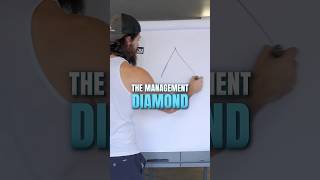
In this talk, Shanli Liu introduces the "management diamond" framework that pinpoints four common reasons employees fail to act on assignments: they weren’t told, they don’t know how, they don’t know when it’s due, or they lack motivation because they don’t understand why. Liu proposes concrete remedies. First, clear communication that includes explicit deadlines and asks the employee to estimate the effort required. Second, the "3 Ds" method for teaching a task—Document the steps, Demonstrate the process using the document, and Duplicate the skill by having the employee perform the task while following the same guide. Finally, motivation is addressed by explaining how each task contributes to the broader business mission, such as improving customer satisfaction, increasing revenue, and supporting the company’s growth goals. By ensuring employees know what, how, when, and why, managers can increase compliance and performance.
Chapters
I call this the management diamond. If somebody doesn't do what I want them to do, why would that be? The first reason is they didn't know that you wanted them to do it at all because you hadn't told them or you weren't clear about it. If they know that you wanted them to do it, they might not have known how to do it. They're like, okay, I got that you wanted me to do it, but I just don't know how. The third is that they knew that and how, but they didn't know when you wanted them to do it by. The next is they knew that, how, and when, but they didn't have any motivation to do it. They didn't know why you wanted them to do it. You solve this through comms. So this is through clear communication where you include the deadlines, which is here, what you saw for this one, is that whenever you include what you want someone to do, you give them a time duration and then you ask them how long they expect it's going to take. To solve the how, we have the 3 Ds. Document, you document step by step what you do. The next is you demonstrate it. You do it in front of them using the document. So you say, hey, let me show you how I'm following this checklist, and then look at what happens. Then they duplicate, which means they now do it in front of you using the same document. And if they get the same outcome as you do using just the document, then you have duplicated the skill and now they can do it. And so they know how. Finally, the why is a question of motivation. A lot of people do want to do a good job and they do want to be contributing members of society, but a lot of times we haven't explained how what you do here feeds this overall machine, which hopefully does some good in the world. And so it's simply explaining in simple terms, you do customer service and you respond to tickets using this process, we get happier customers. Happier customers stay longer, pay more, and refer their friends. And if we wanna have this big mission, one, we wanna make sure we're delivering to the people that we're currently serving, but on top of that, we wanna be able to help more people over time. And so you very much are important to our whole business's success. If every person in the organization knows how they tie what they do directly or indirectly to you being successful as a business, then they have a larger motivation for why they should do it.