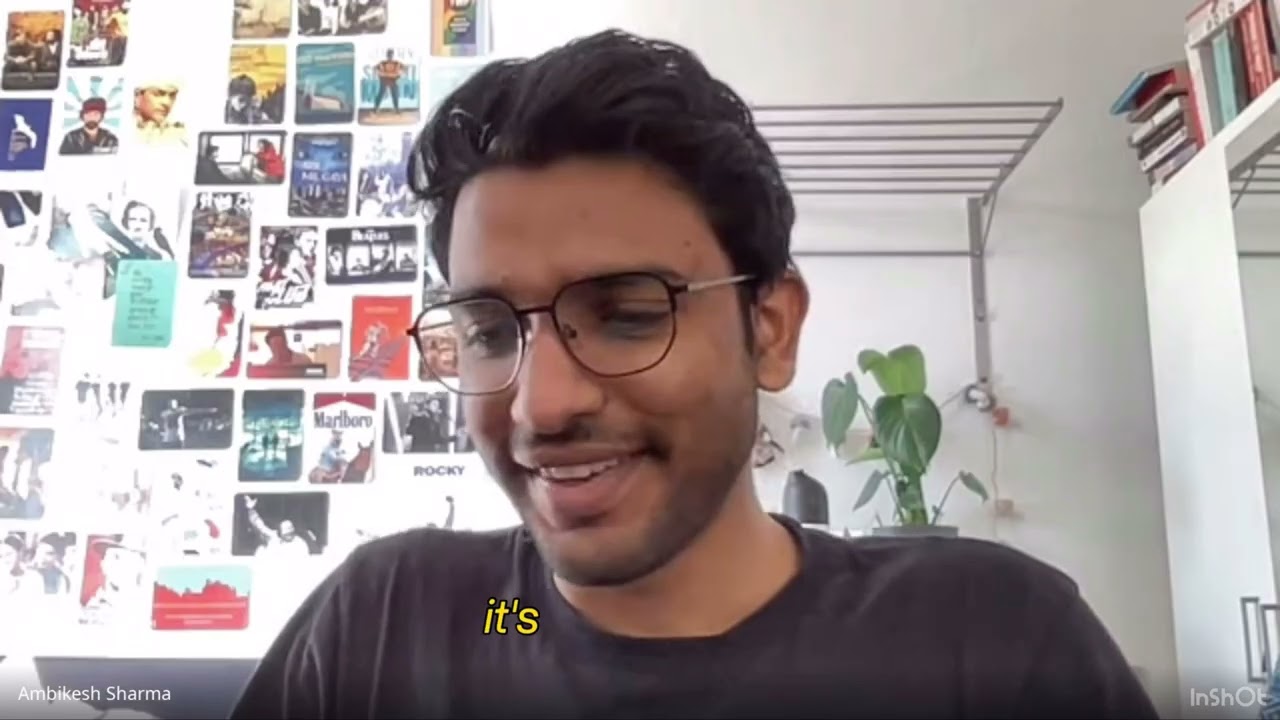
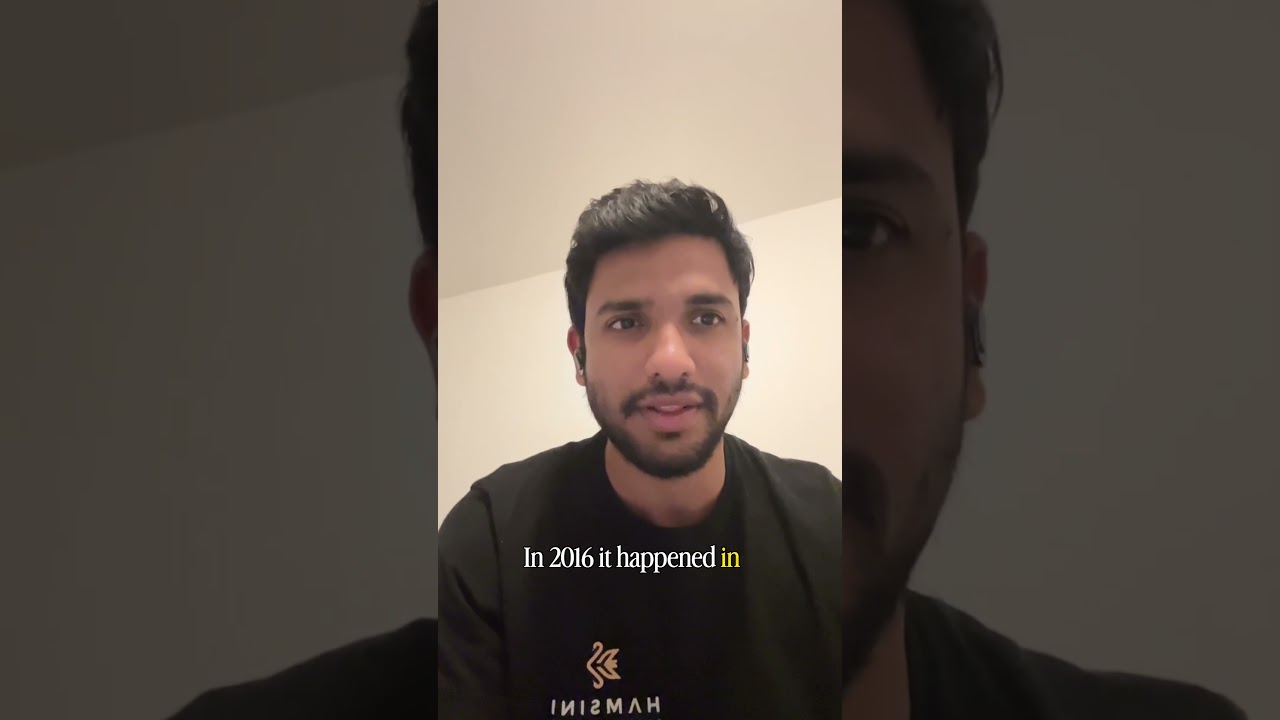
In this bilingual (English‑Hindi) interview segment from the YouTube promo "Paani with People" episode 5, guest Adya Jha reflects on several personal and cultural themes. She identifies anger as her default emotion, linking it to the social construction that expects women—especially daughters‑in‑law (bahu)—to suppress anger and remain silent. She explains her personal boundaries: she will never color her hair or get a tattoo because she perceives permanence as burdensome and desires the freedom to change. She describes a ritual of putting her phone on airplane mode on her birthday to avoid forced small‑talk, illustrating her resistance to external expectations. Jha also discusses why she documents her art and memories for herself rather than seeking public validation, creating a private “art gallery” for personal viewing. Throughout, she critiques societal pressures, emphasizes individuality, and underscores the importance of self‑recorded memory over audience approval.
I definitely thought you would say no because you'd be like no other people would watch me I don't want to do I am not concerned with I'm not conscious about other people watching me I'm great to watch so it's okay.
Here जैसे इंडिया के क्रोज में जो वो grey बाढ़ रहता है ना neck में Like it's entirely black and then they have that grey part. वो यहाँ पे वही नेक वाला portion white color कर रहे थे। And it looks like penguin panda crow to me। ये मैंने कभी मैं imagine भी नहीं कर सकता क्या है, but I'll make a note of it and I'll put a picture here। But some people are also really mature and then they are just like leave me alone. I'll put my phone on airplane mode right on my birthday because this is the day you need to make small talk with everyone who calls you and you're expected to talk and especially for a person who does not like talking On call in general, why would you do that on your birthday when you're supposed to do खुद के मर्जी की चीजें? It's so forced. I'm talking about myself, who is the only person who's it's so. So there are two things I don't want. One is I don't want to ever color my hair, and the second one is I don't want to ever get a tattoo. Tattoo इसलिए because it's just too permanent, और फिर it permanence से ज़्यादा it's just about you know वो मुझे वो change चाहिए रहता है, ठीक है? And if something's imprinted, तो वो I just feel too weighed down by it, and like ठीक है अभी मतलब I would want to remove it just because I know it's not easy to remove it.
Do you feel like you're an angry person?
I am very. That's my go-to emotion. The way the whole social construction is and of how a woman should be and then how a बहु should be, and a बहु should not speak up even if she's not liking things, or even if she feels angry, she should go to the washroom and cry. I'm not saying that's exactly how it played out for my mother. Many things played out. But now that I think of it, I think I've seen her instead of expressing the anger to the people concerned, she's turned silent in those moments instead. The reason I want them, for my own record, I don't want it so much to show the people who are following me that, look, I watched this or I was part of this or that I photographed this, but I want it to be documented And to be there for me to go back to. See, I'm not confident enough to get my stuff printed and then put it in this art gallery. तो वो मैंने खुद के और जिसको वो view करना है उनके लिए art gallery बना के रखा है. Hence the third account. So I think they deserve separateness.
Not everyone has the intellectual capacity to interpret my brilliant art.
हाँ मतलब mostly mostly they're like Rahul love ये क्या कर रही है? ये क्या कर रही है? अभी और mostly they won't even see it. So then I'm like Okay, you are not allowed in my art gallery if you don't appreciate it. तो तुम बाहर ही रहो। No, no, no. This is actually very symbolic in a philosophical sense. We are visitors in each other's lives.