How to stop snacking at night! Follow for health tips for women 40+! #perimenopausesupport
17 Apr 2026 · 1 min

1:12
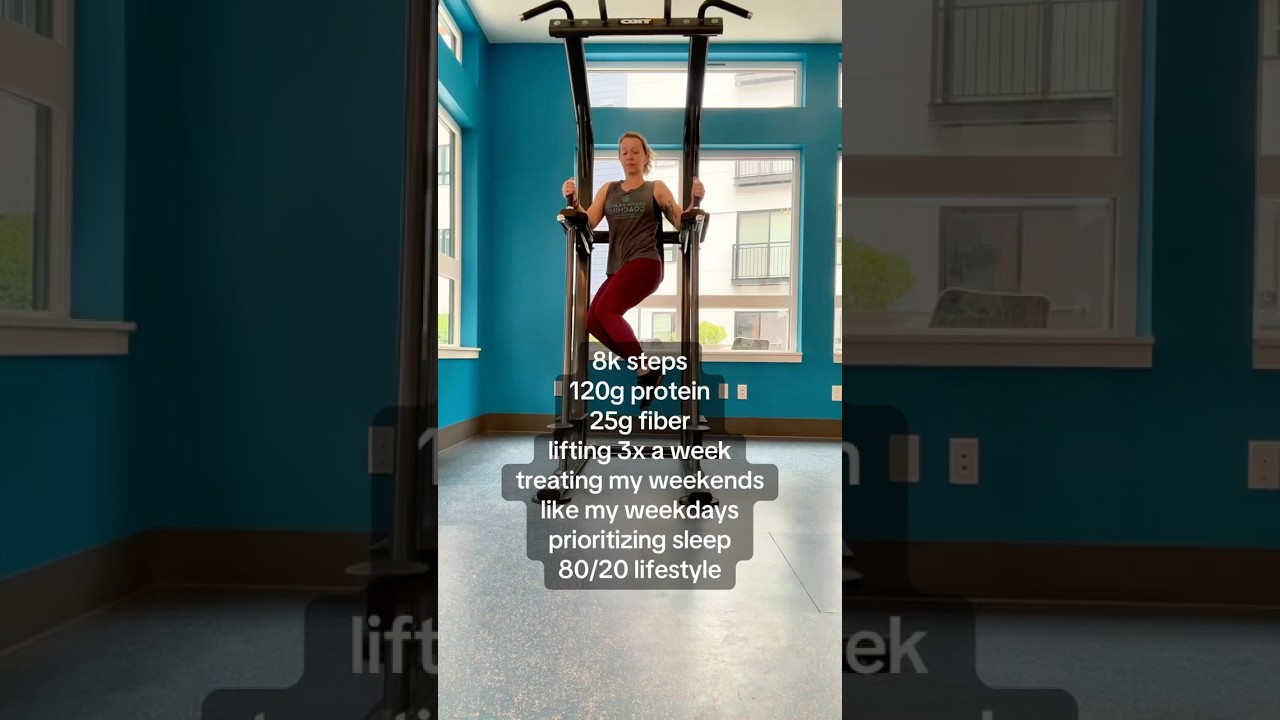
Nighttime snacking often signals under-fueling during the day, not lack of willpower. A five-step protocol helped clients cut night snacking by 90% in a week: eat carbs plus protein at breakfast, spread 25-35g fiber throughout the day, meet protein needs, eat consistent meals, and prioritize sleep.
Chapters
More from Lindsay



youtube.com
Make it make sense. You won’t get bulky, you’ll get DANGEROUS. #strengthtrainingforwomen
3w ago

youtube.com
Incline chest press. Brace core, exhale on the push. #strengthtrainingforbeginners
1mo ago


youtube.com
Some footage from my time on boats in Alaska over the years. I hope AK is part of my life forever
1mo ago


youtube.com
Are your knees limiting your ability to strength train? Try this technique. #kneepainsolutions
1mo ago
See all content