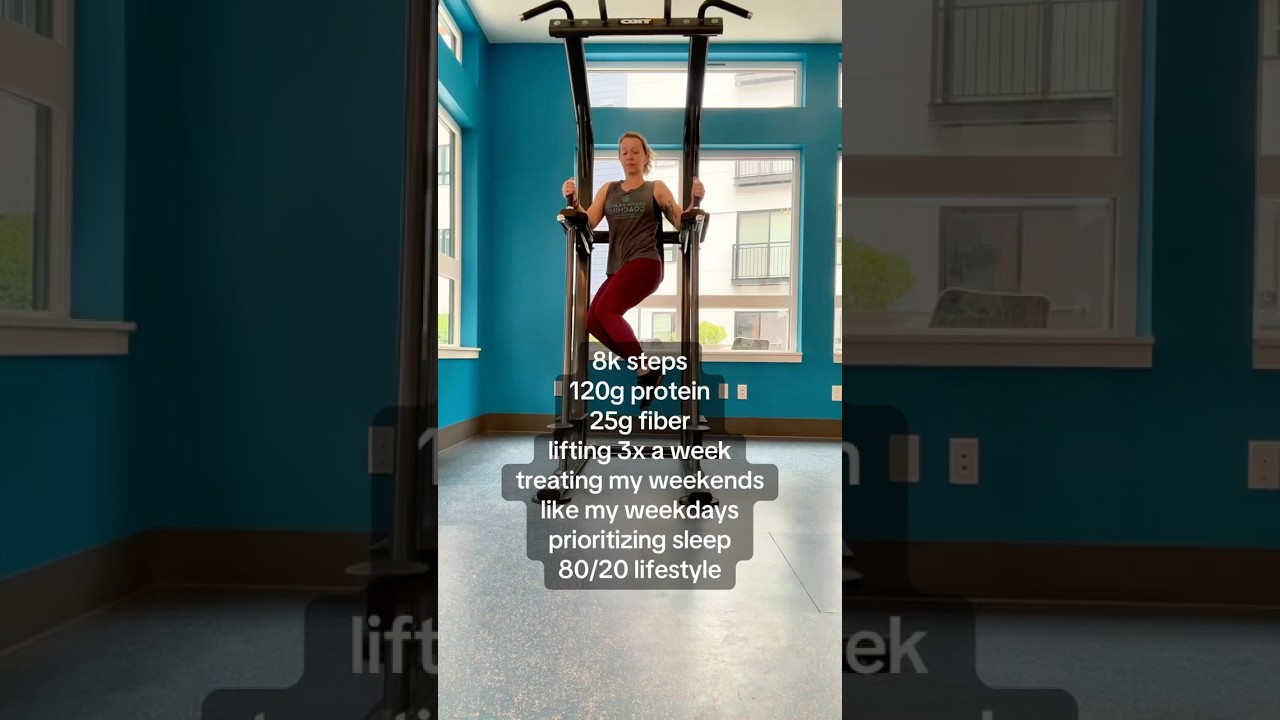
Lindsay Zahner argues that guilt-driven goals based on idealized versions of yourself lead to shame. Instead, commit to actions you'll actually do on your worst day: a 10-minute walk, protein at breakfast, strength training twice a week. Small, honest habits build consistency and real results.
Chapters
I'm telling you this because I love you and I'm tired of seeing you talking to yourself like you're a failure. You have to start setting goals based on what you're actually willing to do. Not what the most disciplined version of you would do. Not what your favorite influencer does. And not what you swear you'll do every Sunday night after feeling guilty. Because this is where a lot of women get stuck. They set goals based on who they wish they were, then shame themselves when their real life shows up. You can't say you're gonna work out 5 days a week but you're struggling just to get 2 in. You can't say you're gonna meal prep everything but you hate cooking and your weekends are already packed. That's not ambition, that's just setting yourself up for failure. Your goal is not supposed to impress people. It's supposed to give you a path you can actually follow. So instead of asking, "What should I be doing?" ask, "What am I honestly willing to repeat? What can I do on my worst day?" Because one boring thing you'll actually do will change your body faster than 10 perfect things you keep abandoning. If you're willing to walk for 10 minutes, start there. If you're willing to eat protein at breakfast, start there. If you're willing to strength train twice a week, start there. That does not mean you stay there forever. It means you stop treating consistency like a personality trait and start building it with promises you can actually keep. You do not need a more extreme goal. You need a more honest one. Because the goal that you can repeat is the goal that gets results.