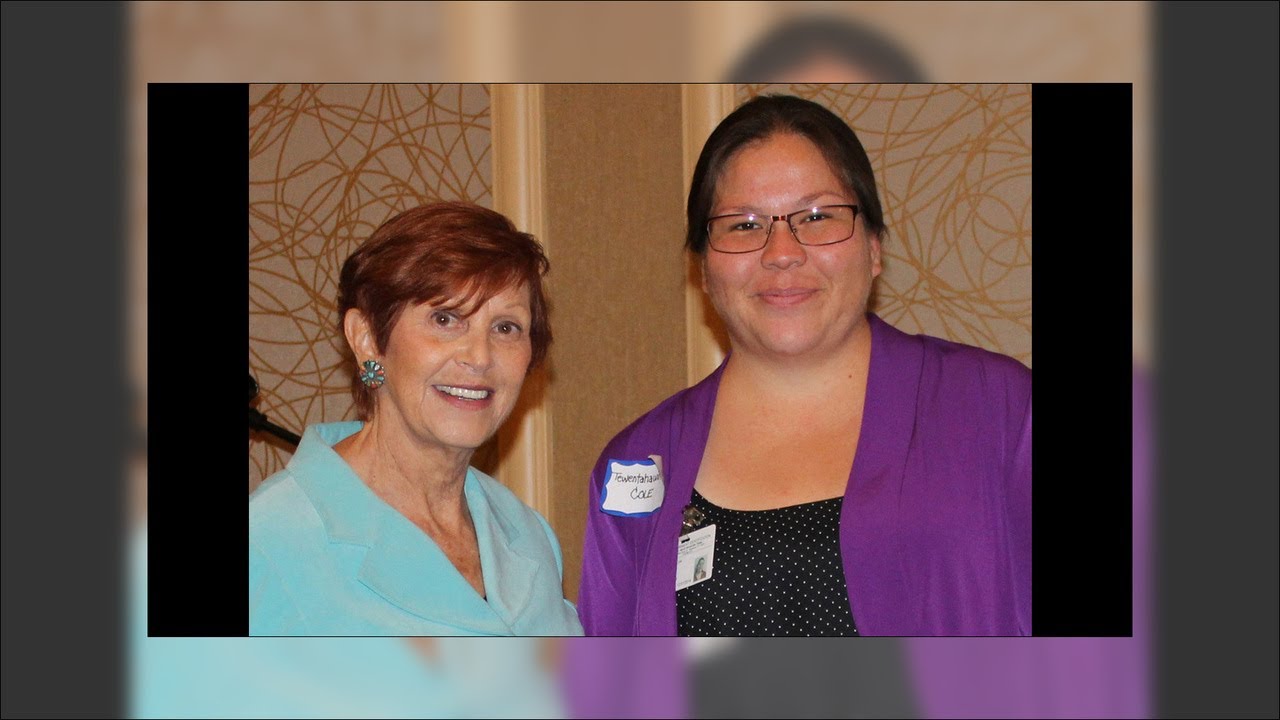
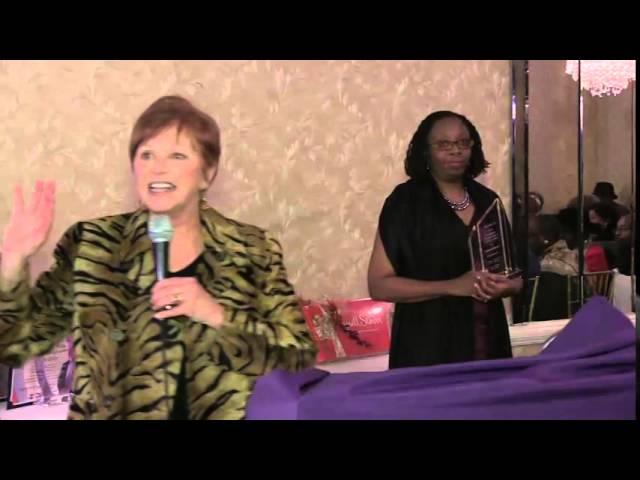
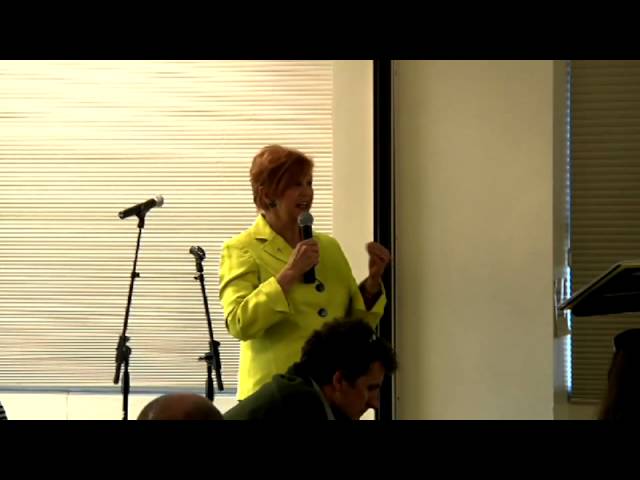
In this presentation, Deborah Duda, the Kaua'i coordinator for Share the Care, outlines the program’s mission to support families caring for ill, disabled, rehabilitating, or dying loved ones. She describes how the model—originally created by Sheila Warnock in New York—organizes friends, co‑workers, churches, and volunteers into a structured "hanai" family that can provide sustained assistance. Duda emphasizes the scarcity of formal caregivers, especially for families on Kaua'i whose relatives may live far away, and stresses the ongoing need for volunteers. She cites national and Hawaiian caregiver statistics (1 in 5 Americans, up to 240,000 Hawaiians) to illustrate the scale of the challenge. Drawing on spiritual language, she frames volunteering as a way to “pay it forward” and to recognize shared divinity, arguing that the program can transform caregiving from a draining experience into a peaceful, nurturing, and even joyful one.
Chapters
My name is Deborah Duda, and I'm the kawaii coordinator for Share the Care. Share the Care is a program about helping us to take care of fathers and mothers and husbands and wives, people we love who need extra help. Could be because they're ill, have some kind of disability, or in rehab, or perhaps even that they're dying. So Share the Care, it forms— we help them use the resources that they have so that they get the help that they need. There's two ways that we We do that. One, we help a family organize the resources that they have, the friends, the co-workers, the church groups, to form a hanai family that's really quite organized so that the team can last over time for whatever the time is needed. We've also found as we brought this model that comes originally from Sheila Warnock and Share the Care, which started in New York, that here on our island there are many families that there are Sometimes there's no caregiver, there's just the person who needs the care. Other times perhaps it's an older couple and one is taking care of another. So in that case they don't have friends and family, kids could be far away on the mainland. They could have gone to Honolulu and be involved with jobs because they couldn't make, you know, really make a living here on Kauai. So in that case We add, start adding in Share the Care volunteers to make sort of a hanai or an extended family to the degree that we're able to with the volunteers that we have. So we're always looking for new volunteers. And this whole idea of volunteers is like we're paying it forward. You know, each of us, like Mother Teresa talks about, each one of us is a pencil in the hand— what is it, let's see— Each person is a pencil in the hand of God writing love letters to life. So this is one way of serving our fellow human beings, and I see service as recognizing our common divinity. It's one way of paying it forward, and there's just not— we couldn't hire enough people in the world to take care of all the people that are going to need caring for. Now there are over, in the U.S., there are 1 in 5 Americans are caregivers, adults over 50. In the state of Hawaii, there are 100,000, 240,000 Hawaiians at any one time are taking care of someone in their family. So this Share the Care and forming these teams is one way, one solution to a challenge that most of us are going to face at one time or another. And hopefully with love and support, it becomes, can become a profoundly peaceful nurturing experience that's even often joyful. Instead of something where we're just exhausted and feeling hopeless. So it's a very positive program. It's a wonderful thing for Kauai.