Gabriel Hamill Shares Tips To Achieve Financial Freedom And Generate Wealth Through Real Estate.
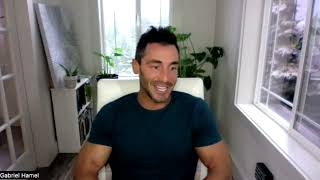
In this Cedar & Porch Real Estate Investment Podcast episode, host Shona Lepus interviews real‑estate investor Gabriel Hammell. Hammell shares his personal journey from a disengaged high‑school student and Army National Guard member to a multi‑million‑dollar portfolio owner. He credits a mindset shift sparked by Rich Dad Poor Dad, self‑directed learning, and a relentless belief in financial freedom. Early on he used house‑hacking to fund his first purchase, then leveraged relationships and business‑card networking to find off‑market deals. He explains his seller‑financing approach as a relationship‑first, win‑win structure that helps tired landlords off‑load properties while providing the buyer with capital‑light acquisition. Throughout the conversation he emphasizes that knowledge without action is useless, that daily habits and compounding actions matter more than lofty goals, and that true success is measured by time freedom, happiness, and gratitude rather than unit counts or net‑worth. He also discusses involving his family in the business, teaching his children financial literacy, and the importance of a clear personal “why.” The episode concludes with practical advice for newcomers, a reflection on his personal super‑power (belief in possibility), and contact information.
Chapters
I've watched people where they're, they're building relationships and they're analyzing deals and they're excited, and then they start getting frustrated. And it's like, hey, trust the process, trust the process. And then they get their first deal, and then a couple months later there's another deal, and a couple months later there's another deal. And it's like, what if they would have stopped like right before that first deal because it was frustrating? And so, you know, there, there's periods of time, and I, I think ultimately if you stick with it long enough and it is what you desire and you truly believe that you're going to be financially free through real estate and you build those relationships and you have those conversations, you're gonna find, you're gonna find that success. But you, you have to want it and you have to take action. I think the more you're in it and the more you're committed, and most importantly, the more you're committed in your mind that you will be successful within real estate. I mean, I've, you know, I found those that truly believe they're going to find success will find success. And I think it's important, and it kind of plays into that action part, like I think success breeds success and confidence breeds confidence.
Welcome to the Cedar and Porch Real Estate Investment Podcast. I'm the host, Shona Lepus. Follow along as we unpack and demystify real estate investment strategies through expert interviews and personal experience. From how to find off-market deals to creative financing to long-term and midterm rentals. Our goal is to educate and inspire others to gain financial freedom and generational wealth through real estate investing. Today we have an all-star, super inspirational guest, Gabriel Hamill. He's a real estate investor whose passion for real estate business and financial freedom have helped him amass a multi-million dollar real estate portfolio of residential commercial investment properties. His portfolio includes multifamily apartments, mixed-use commercial, mobile home parks, and industrial. From humble beginnings and a strong desire For financial freedom, Gabriel set out to find creative ways to start purchasing income-producing investment real estate. Gabriel is also a strong advocate of financial literacy and self-education. So Gabriel, like, thank you so much for taking the time over the holidays to chat about real estate. I'd love to know kind of how you got into this and where you're at today.
Yeah. Yeah. Thanks for having me on. Yes, I can, I can kind of share, I guess, the short version of a long story, but, um, you know, I Really, I was the kid in school that didn't really understand how what they were teaching related to real life. And I think really what kept me in school, especially high school, was, you know, I was on the high school wrestling team and then the social aspect of school is really what kept me there. But I had, you know, I was never attracted to, you know, getting a job and working for someone else forever. And so I had joined the military in high school. I joined the Army National Guard my senior year of high school doing the one week in a month thing. And so that was back in '99, graduated high school in 2000, and just took a bunch of odd-end jobs, you know, those first couple years after high school. Tried taking a couple classes at the community college, just was not, was not my thing. And going to school, just continue to go to more school, just wasn't attractive to me. And so a couple years out of high school, around 2002, read the book Rich Dad Poor Dad, like many, many people have and have, have read. And, you know, to me it was the, it was the first book that just really resonated with, with me. It was something that I wanted to learn. I quickly, when I read that book, and even though it's not a how-to book, I realized like, oh, I could be financially free through real estate. And even though I had no idea what that necessarily might look like, or because it's really not a, hey, do this, do this, it's more of a mindset around finances and another way differently than the status quo of go to school, get a job and work forever. Which since that wasn't attractive, like, this makes sense. So I, I believe in my mind I will be financially free. I would do that through real estate. I'll build a real estate portfolio of rentals and that's how I would become wealthy. And then shortly after that, before I ever bought my first place, 2003, I ended up getting deployed to Kuwait and Iraq for over a year. And, you know, spent my time, you know, like my, my kind of goal there was like, hey, I'm gonna come back alive and I'm gonna come back, you know, not, not too messed up. And so But I constantly had in my mind, like, I'm going to come back and start building a, building a real estate empire, start buying rentals. And that was really kind of the beginning of my journey. I decided in my mind first that this is what I was going to do. A lot of my friends, you know, over there just said, hey, you're an idiot. I was literally living in a friend's attic for $100 a month when I got deployed. And so most of them were like, man, you're an idiot. How are you going to do this? And my answer is usually like, I have no idea how, but I, I will, I'll find a way to do it. That was kind of the beginning of my journey before I bought my first, my first rental property.
That's, that's really inspiring that you had that clear vision, I think, at a pretty early age too, right? I mean, that, that book is definitely the Bible, right? I've told my son multiple times, like, you gotta, you gotta read this. That's what a successful person does. So, you know, there's so many ways to go. I, I'm curious, um, in your bio you say that you're an advocate of financial literacy through self-education. So are you totally self-educated? Taught, or like, there's just a lot of gurus and courses in the industry. I've done a lot of them. I'm curious on your take on that if you're kind of starting out, or some advice.
Yeah, it's, it's a good question. Um, and I think it's interesting because I didn't think, like, growing up, I didn't think I liked to learn. I know that sounds weird, but I didn't think I enjoyed learning or education or, um, and a lot of that was because, you know, I just grew up like a lot of kids. I mean, I was in a lower, lower middle class family. I, I didn't go without. I definitely, you know, we definitely had what we needed. But I also, you know, the classroom was not an environment for me to learn. I mean, sitting at a desk for hours for me was just not the right learning environment. That does work for some people, but I mean, I was off just daydreaming and, you know, I had no idea what the teachers were talking about. And usually I was like, when I did understand, I was like, how does this relate to real life? Like, how do you, you know, and a lot of times the answer would be, actually it was funny, my oldest son, he was telling me how his best friend had asked the teacher, you know, like recently, like, like, hey, how, how will this relate to real life? They literally asked that question. Teacher's like, well, if you want to make it to the next math— I think it was math class— well, then you have to pass this class. And she had asked like, what, what about passing that? Like, how does that relate? Well, if you want to go to college someday. But there was no real answer of like how it related to real life. And it made me think like, oh, that's a lot of kind of how I experienced, um, kind of my high school days, at least in the classroom. And so, you know, for me, going back to the, the Rich Dad Poor Dad book, I realized reading that, you know what, I actually do like to learn. And, and, and now it's like I just devour books and, and on audio usually, but books and podcasts. And I love to learn and I love to grow and I love, you know, like the, the more I learn, the more I learn I don't know. And so it's like I can't get enough. And what I realized is it wasn't that I didn't like education or learning, I just didn't like the standardized education and the academia type of education. For me, it was finding some things that resonated with what was important to me, and that's where I focused my time and energy learning more than anything.
I think when you find that, you can't ever learn enough, especially in this business. There's so many strategies. So for someone starting out, there's so many resources, right? We all love BiggerPockets. Can you take that and kind of absorb it and just take action, or do you think it's worth buying a course? Or like, there's just, there's a lot of that out there and there's a lot of knowledge. Like, if you're starting, I'm assuming you're self-taught completely, but yeah, I am.
So it's, it's, it's interesting because I think on that, on that note, and I know you asked that and I kind of didn't, didn't answer it, I realized, uh, but you know, it's for me starting out, it was, it was just the books. Like I had read the one and then I was like, oh my gosh, there's gotta be more. And so I kind of went through some different books and I started out with no money. And so there wasn't BiggerPockets back then. There wasn't this huge online presence of all these people not only doing the thing but also trying to teach it. And so for me it was more about taking action. I mean, I spent a lot of years just learning but also taking action before I ever spent money. The first paid event I ever went to, was many years, you know, after I had already started investing in real estate. And for me it was more— and some of that was the frugality mindset too, of like, hey, I'm going to make some money in real estate. I'm going to actually do the thing, not just talk about the thing before I spend money, you know, learning. But at the same time, I do think it's important to get around people that are doing it because you can learn a lot. I don't think there's one— I don't think there's one right way. I mean, I know people that have paid for courses and it's whether it's whether it's specific to real estate or business or mindset, where they pay for very, very expensive coaches and it changes their life and it changes their business. You know, that, that wasn't my mindset then. I mean, now I, you know, make sure that I'm in several masterminds and I get myself around people that are playing life at a high level because that's important to, to be around. But starting off, I think, you know, at least for me, the most important part was the taking action because I think it's really easy. There's so much information out there. You could take all the courses and you can follow all all the different people, you know, doing things. And, you know, you can go on BiggerPockets and you can read 100 books, but at some point, if you don't take action, you're not gonna find the success that you're looking for. Because, I mean, I truly think knowledge is shit if you don't take action. And, you know, I've had people in my life where it's like they know, they have all the knowledge, and it's like, hey, it's time, it's time to take action, you know. And sometimes, you know, where to start is not as important as it's just starting. You can shift and adjust within your real estate investing journey. But, you know, there's people that for 20 years will say like, oh, I need to start. I don't know if I should buy this kind of property, that kind of property. Should I buy it here, buy it here? And it's like, just do it. Just do it. And you can adjust as you go. But long term, specific to real estate investing, I don't know anyone that stayed in the game for a long period of time that hasn't found some level of success.
That's really good advice. There are so many strategies and it's, it's a little overwhelming, but I think just taking action or partnering doing, and you figure it out. There's, there's kind of no way to teach some of the things you have to figure out. Yeah.
And I think, I think like in the micro, there's things you can look up, right? There's people that have that knowledge. So like you can ask those questions like, oh my gosh, I don't, I don't even know what this, this word is, or I don't know what they're even talking about. But I think the more you're in it and the more you're committed, and most importantly, the more you're committed in your mind that you will be successful within real estate— I mean, I've You know, I found, you know, we've talked about mindset off offline a little bit, but you know, those that truly believe they're going to find success will find success. And I think it's important and it kind of plays into that action part. Like I think success breeds success and confidence breeds confidence. And when people start speaking to themselves in the words of like, oh, this is so hard and I can't do this and I can't find a deal and I don't have any money and they start speaking that, that's what they're you know, that's the language and, and the conversation they're having with themselves, it's, it's going to be tough. But if you believe you're going to be successful and you're telling yourself that and you go out and start taking action, you will, you will find success.
So true. I think I listened to some interviews. I think you said you bought one investment property and then you went and printed cards or something and said you're an investor.
Yeah, yeah. So yeah, it's curious. When I got back from my deployment, I'm gonna buy a house, and I spent a good amount of time looking. It's 2005, and so the market was pretty hot. And so I looked at a lot of houses, I was making offers. This is back when they were giving loans to anybody. I had no money and banks were willing to finance the house. And so yeah, after a year I bought a house. Uh, it was actually a friend of the realtor that I'd been working with. It was a friend of the realtor's son actually, and nobody knew this was for sale. And I'm like, oh my gosh, this is, this is an opportunity. And I also quickly realized how important relationships were too, because here I am with an opportunity to buy a house for under market in a very high market because I knew what the neighbors' houses were selling for. And then, yeah, I bought that house. I rented out, rented out 2 of the bedrooms. It was— now they call it house hacking. This is before I knew what the term house hacking was. It just made good, good financial sense to rent out 2 of the rooms and offset, you know, offset my mortgage. It covered a good portion of my mortgage. And so, yeah, I had 2 tenants, one of my good friends and my brother, and I was technically a landlord and investor, but I believed that, yes, I'm going to go buy more property. So I went and got business cards because I was an investor and I gave, gave one to, well, I gave many out and I don't carry business cards now. You know, like I'd rather just swap numbers with someone, get on their contact or get their contact. But I gave it to a guy at the gym and that's how I found my second house. It was a guy at the gym's friend's dad, same thing, hot market. He had a rental that his kids and friends were living in and they They kind of trashed it, but it wasn't horrible. Same thing, bought it way below market in a hot market just because I opened my mouth and had given someone a business card. And so that's an important piece of it too, is just the relationship piece. I mean, every deal that I've ever done from day one until the most recent has all been through relationships and conversations.
I love that. And I think, I don't know, me personally, I mean, I have a very small portfolio, but I was very kind of like, kept it close to heart that I was an investor because I thought I would be kind of shamed or I was an evil landlord and I kind of had to come out a little bit. I think a lot of people don't talk about it and they don't just kind of embrace it. And that's really important, I think, just to be like out there with it.
Yeah, I do think there's a lot of power in speaking it. Like it's even before you're there, like telling people. I mean, I went and told a lot of people like, hey, what are you up to? Before I ever owned even one property. Right. And then I had one property and I told you that I had two, then I had three. Right. And it was like it went from, you don't know what you're talking about, you're an idiot. Like, you kind of sound crazy too. Oh, this is interesting, right? And then what's, you know, you fast forward all these years, it's like, you know, I've been able to help people get into their first investment property. And I'm not an agent, you know, or, or broker, but it's like it goes from like, you're crazy to, hey, this is interesting. To, wow, you have, you know, hundreds of units. Like, what is it exactly that you did or are doing? Now I'm interested, you know. And so it's pretty neat. And I don't, you know, I don't have the mindset of like, oh, I told you so. It's more of like, yeah, you can do this too. Like, if you believe it's possible and then are willing to put in the work and willing to go after your dreams, that's something that you really want. And so I love when I see people who didn't think it was possible for them who are now also, you know, investing in real estate or finding a way to create some financial freedom in their own life.
That's what I love about this business. Anyone from any background, you don't need an MBA or a PhD. I mean, if you've got the will and you're willing to put in the time, it's approachable. And I think it's, in my experience, I was curious to ask you, I'm in Portland, we're both in Oregon. It's a very supportive community. And I don't know if that's just me and I like seek out those people, but I feel like I go to events and it's like the newbie versus the guy that's got like you, like tons of units. Is that your experience that people are supportive when you're starting out?
Yeah, I think it, people think that, you know, people that reach a certain level of success, they want to hoard the information and the knowledge and not share it. But I, you know, for me it's an abundant mindset. I don't think that just like if I tell people anything, give them any information, like I bet you'd be like, tell me your secrets. I'm like, they're not secrets. Like I'll share. They go, you don't have to tell me everything. I'm like, I'll tell you everything. Like, you know, I, I think there's, there's enough to go around and I truly believe in that abundant mindset, you know, and specific to real estate investing, like just there, there's, there's a lot of investors out there. I don't think there's too many, you know, I think that for the reality is most people won't actually go take action. Most people, a lot of people may say they, they want it, but you know, it's that, it's going back to that, that action piece. But I, you know, I think it's important to freely, you know, share your knowledge and information. And I've had people in my life when I started buying, you know, these sellers that were investors themselves, they also were excited to see younger investors that wanted to do what they were doing. So it's, it's neat to see. I mean, I, I just sold some property recently earlier this year to a couple. I'm excited to see them build their portfolio. I'm excited to see them make millions of dollars hopefully from these properties, right? Like, it's, it's not a me versus them thing. It's really an abundant, like, I've had my success, I will continue to have my success, they can also have their success. It's not me win, I'm winning, they're losing. In fact, every transaction I've ever done has— I've walked away feeling like both myself and the seller have walked away winning and are happy with the transaction.
Yeah, I think I heard you say also that seller financing is relationship-based versus transactional with the bank, and I love that. To me that was just summed up. You're really well known for seller financing. And I guess we're jumping around a little bit, but I know there's a lot of myths out there and I mean, if you, I'd love for you just to kind of, I think it's kind of the unicorn that everyone really wants and people think it's not out there. How do you get her? You have to convince people to do it and you've obviously clarified that. So I'd love to hear your opinion on that.
Yeah. Yeah. No, and I'm fine jumping around. I could talk about all these things. Like it can go on. You can go in any direction. I love all this stuff. I love all of it. Yeah. I mean, seller financing for me, just like it kind of naturally happened because, you know, for those that don't know what seller financing is, it's, you know, rather than getting a bank loan, you're asking the seller to essentially be the bank. So instead of making your mortgage payments to a bank, you're making them directly to the seller. And the reason I say often that it's a relationship business or a lot more relational than transactional is if you can get face to face with a seller and really focus on building that relationship and get to know what the seller's needs are, you're going to create a scenario that is actually attractive to the seller where it's difficult. Not that it can't be done because I've bought properties with seller financing when there has been agents involved. But if I put an offer on paper that then my agent brings to their agent and their agent brings it to them and it's completely off and it's completely different from what that seller's needs are, because I have no idea what seller's needs are, it's very likely they're gonna, they're gonna reject the offer or maybe even be offended and not even counter. And so it's, you know, when you get face to face with a seller and really find out what their needs are, why they're selling, and create an offer that actually aligns with what they want, that's where you create that win-win scenario. And with, with seller financing in particular, for me it was out of necessity because after I bought my first 3 houses and I went to the bank in '08, because back then my plan was like, oh my gosh, this is easy, banks are just giving out money to to anybody, I'm just going to buy a house a year for 20 years, and in 20 years I'll have 20, 20 properties. But in 2008, when I went back to the bank, they had said, hey, sorry, you actually need to have a job, a down payment, you need income, all these, all these things I didn't have. And so that's when I went and started looking for these seller finance deals. And what I found is a lot of these sellers that were men and women in their 60s and 70s that were a lot of times self-managing, they were just burnt out. And so They were investors themselves. These weren't their primary residence, but they were tired. They were tired landlords. They had been self-managing, they had been doing the maintenance, they'd been doing the repairs, they've been dealing with tenants, and they wanted to create a new level of passivity. And a lot of these sellers just didn't want to be cashed out. A lot of people assume now that every seller wants to be cashed out, but a lot of men and women that get to a certain place in their investing, kind of in their investing career, they want to keep investing without actually actively investing. And, and what I mean by that is they don't want to sell a property and cash out, then they have a cash problem. Hey, what do I do with this money? They don't even want to do a 1031 exchange, which is a tax-deferred exchange to go buy another property, because they don't want to actively invest. They don't want to go stick that money in the stock market. They, they don't want to pay a huge capital gain, which is one of the reasons they don't want to all at once anyway, and why they don't want to cash out. And so that's where seller financing is an advantage to a seller. It's a way for the seller to continue to get income without dealing with the property and the tenants. And the whole deal is backed by an asset that they typically own for a lot of years. And so, and then you as the buyer, you're able to walk into that property. You're not having to deal with, with the banks at all and you're making your payments to them. And in most cases, sellers are stuck on price, down payment, or interest rate or some completely different aspect of the deal. And so, you know, in not all cases, but in a lot of cases, you find out what it is that's most important to them. And a lot of those times, a lot of those times you can give them what they want and still make the deal work for you. So if it's an— if it's the interest rate they're stuck on, give them that interest rate. But maybe, you know, you have to manipulate the price and the down payment. You know, there's just— it's just giving them one aspect of what they want and still make the deal work for you. And that's the true magic of seller financing.
It's kind of like what lever do you pull to make the deal work? I used to think, I mean, probably stupidly, I'm just being honest, that it was like a win for as an investor. But then when it really clicked, the benefits and the true passive nature of it, I'm like, oh my— I mean, I, when I, I can talk about it much more comfortably versus being like, would you kind of consider it? It just feels like, well, why wouldn't you consider?
Yeah. And on, and on, and on that note too, I've never— you've probably heard me say this on another pocket, but I've never convinced a seller to carry financing. And, and not that you couldn't. And I know people who have, but I found early on that all the conversations I was having with people, that, that wanted to carry financing, they already wanted to carry financing. And so I wasn't saying, hey, here's the advantages. In fact, when I started off, I didn't really know that much. And so I was just the one asking questions. And, you know, what I found is because they're investors themselves and because they already wanted to carry financing, it was a lot easier to just say, hey, what kind of terms are you interested in? And find out what they actually wanted rather than me telling them, hey, look, here's the advantages. You can do this, you can do this, you can do this. Like How am I doing? Am I talking you into it? But it was never that. It was never that scenario. It was them saying, well, the reason I'm selling it is because of this. And what I really need is this. And I would just take that information and go, okay, here's what they— what they're tired. They're tired of dealing with tenants. They're getting older. They're not concerned with a large down payment. What I hear them saying is they want this. Can I give them this and still make— still make the deal work? And that's where it just comes down to asking questions and like, I mean, basic questions and just listening to what the seller's needs are.
And I think it's probably obvious, but, uh, one of the courses I did with Jeff Stevens, we focus on, you know, the tired landlord kind of avatar because they are, it's not their personal home and they are investors and they understand, you know, they're just, they kind of, they're, they went into it as an investment and they, I think it's to your point, they kind of get it why that's why they bought the property for income, right? Um, as an asset.
Exactly. Exactly.
Um, versus I think a lot of courses teach like you go after the, um, motivated distressed. You know, behind on taxes, which you have to find what works. But I like kind of speaking to other fellow landlords. It feels more like peer-to-peer, I guess. So I mean, you're approaching it very conversationally and just asking, and I think it's okay to ask that, right? I think people are even afraid, or like with the game of telephone with on-market, it gets lost. But if you're talking to a seller directly, and I think especially, I guess I'm newer, right? So I have that lens of like, I'm new. Like I think there's a lot of fear about talking to sellers. Do you have any tips on just You know, when that phone rings, you're like, oh my God, I got to talk. They're always super nice, right? But I mean, and obviously you're very— that's your jam, right? You're a people person. But any tips?
I think asking— I think just asking questions. I mean, it's potential sellers. I mean, they'll talk and if they already want to sell their property, I mean, they're going to sell it to you because they know I can trust you. It's not— it's going back to it not being transactional, right? Like, I'm not the guy that's like bringing a contract in and showing up in a suit, which you'll probably never see me in a suit, but showing up is, you know, like, hey, take it or leave it kind of thing. I'm not trying to sell them, you know. I'm finding out why they want to sell their property, and I'm trying to give them what they want. And, you know, I don't think there's one right way to find deals. I mean, I'm not— I don't send out flyers and auto texts and that kind of thing, but a lot of people do, and a lot of people find their deals that way. I've never bought from a wholesaler. I love the idea of it, but I know people have only bought their deals from wholesalers and they've been successful. So It's not that one right way works. Like, for me, I've just really focused on the building relationship part because I feel— I mean, I said it earlier, I mean, every deal I can trace back to a conversation, a relationship, and that just really naturally fits my personality. And yeah, you said it, I do, I do like people. And so when I meet someone, it's, you know, it's not transactional. I mean, maybe, maybe they're acquaintances, maybe they become lifelong friends, maybe we do business together one day, maybe they sell me a property. I don't know, and I, I don't, I don't care either way. I'm not trying to get anything from anybody, um, when, you know, when I, when I do make those connections. And so I just— it's, for me, it's, it's kind of a way business naturally merges into my life, and, and it fits, it fits really well. And so I think, you know, people starting off to build those relationships, it's just finding out who, who you think you need to talk to and just making the introduction. I mean, I reached out to all sorts of agents and brokers and literally got on Craigslist for a year looking for every for sale by owner. And, you know, and sometimes you make connections and sometimes you don't. You know, I later got into, you know, borrowing hard money and private money. And, you know, I walked in the hard money lender's office years before I ever asked to borrow money, but I wanted to build that relationship. And I just felt like that's probably somebody that I, that I need to know. I did that with someone else that later, you know, 10 years later turned into a deal. But I never reached out to them to necessarily buy a deal. It was about building the relationship and getting to know their story. And that years later led to a great seller finance deal. And so that's how I approach it. It's not the way, but it's a way.
Well, I think that takes the pressure off too if you're not going in with some agenda like I need to network to do XX, but you're just open and building that relationship to your point. 'Cause I think we put a lot of pressure on ourselves sometimes to do things a certain way. So I have this another little random, have you ever, I mean, clearly you are, have you ever thought about writing a book or like kind of packaging up all the inspiration and knowledge that you have or you just like to share it and gosh, you know, I, I, I love to share it.
I have thought about writing a book before. I, it's not, I don't, I don't have this like strong desire like, oh, I need to write a book. I know a lot of, a lot of people wanna write a book. Um, I don't know if I'm inspired to write a book one day. Maybe I will.
Yeah, I don't know. Um, well, I, you know, again, just jumping around for a minute, um, obviously we're going into the new year and I think we all kind of set these goals, right? And I've heard you talk about kind of knowing your why, and I just love to hear your thoughts on like how you set goals or coming up with your why, and if you've set goals every year, that stuff.
Yeah, it's a good question. I've had— I've talked about goals a lot lately, this last, this last year or two. Um, you know, I found it's— I've always kind of thought it was very goal-oriented. And then in some ways, yes, you know, you set a goal, you know, it's— it can be very, uh, you know, specific and measurable. And I've always kind of been that mindset, like, all right, you say I'm gonna— whatever it is, I'm gonna buy 10 units by this date, or 100 units by this date, whatever, whatever the number is. But what I've really found is it's, it's more the compounding effect. I think it's more about the, the daily habits. It's more about, you know, the things you do. And, and that's to any aspect of life, whether it's, you know, whether it's your health, whether it's building wealth, whether it's relationships, you know. I think it's good, I think it's good to have goals. I mean, absolutely. And then you, you know, you kind of figure out what are the steps I need to take to get, to get to those goals. But oftentimes you get to those you know, you reach that goal and then it's like, hey, now what, right? I mean, you, you see it sometimes with like, maybe an example would be someone says, hey, I want to run a marathon. They train, they run a marathon, and then they, they stop running, right? I mean, it's, if that's their goal, then great. But if their goal is like, you know, lifelong health or to become, be a runner or whatever it might be, it's actually more important, right, that, that they continue these steps. And so yes, I have some very specific goals. At the same time, For me, it's just the, the daily actions of, you know, and also being really clear. You mentioned my why, like being really clear on the couple things that are most important to me and making sure I'm not taking things on that don't align with those things that are actually important to me. And sometimes you gotta adjust. Sometimes you realize like, oh, I'm, I'm kind of out of alignment here. And sometimes it needs to be, you know, like intentional un, you know, like unalignment, you know, Okay, I need to spend more time working on my relationship with my wife, or I need to spend more time in my business right now. I need to spend more, you know. And so it's— I think there's different, different parts of that. I think I don't actually believe in balance, but it's always balancing. I kind of got— yeah, I kind of went on a tangent there. But I think, I, I think like specific to goals, like make sure your goals actually align with, with the life that you want. And I, I oftentimes see people take on other people's goals, and I've done in the past too. I'm like, that sounds like a good idea, I should add that to my add that to my goal list. But then I realized, wait a minute, that's not— that doesn't even align with what I want, what I want in my life. And so I think getting clear on what it is you really want and then, you know, setting some goals but also actions that align with those, with those things that you really want.
Yeah, I love that. And I love just to unpack a little of the compounding effects. I think it is those small daily actions and maybe doing the things that you are, are uncomfortable, maybe a little bit, like, and that builds up to that because that is so true. So as far as— and I think one thing I know, I'm kind of— I love to work and I don't balance very well. I think we all get into this for time, financial freedom, and sometimes— but it's a hard balance. So any tips on, you know, not working all the time when you get to the point where you are kind of— you're making enough money, but balancing that out or having the right team?
Yeah, yeah. You're asking like how to find that balance or—
Yeah, how to find the balance. Or I think we get into this and then we just end up working all the time because we feel like we constantly need to, or I guess speaking from me, I always need to hustle or be, you know, when the phone rings, I need to pick it up and then I, it doesn't feel very balanced. I, I don't feel like I really own my time. Like it owns me a little bit.
Yeah. I, I think that's, I think that's common. I mean, I think, you know, especially, you know, in the business world and, and, and even in the, in the real estate world, I think a lot of people get into it because they want that financial freedom. And, you know, I talk a lot about time freedom and And part of that is because that was my own journey of, you know, when I was younger, it was, oh, I want to be, I want to be rich, you know. And then I was asking myself, like, well, why, why do I actually want to be like, what is it actually about? And what I realized for myself was I wanted to own my time. I wanted the ability to do whatever I wanted whenever I wanted. I didn't want to have to report to a boss. I, I really wanted to spend my day doing whatever it is. Now, time freedom to somebody else could look very different, you know. Um, and so it's not like I sit around and don't do anything. I I have a lot more freedom and choices with how I spend my time. And that's really the message I try to get to people, is like, why do you want this financial freedom? And when I realized that for myself and I started asking other people, because other people then say, oh, I really want to be financially free, and I'd get in these circles of other investors and other entrepreneurs, and they would say, oh, I want— I just got to reach a certain level of financial freedom. And every single time when I would dig into a little bit of why they wanted that financial freedom. It was never about the money, it was always about the freedom of time. They wanted more time with their family, they wanted time to travel, they want— they really just wanted time to do whatever the hell they wanted to do, even though that might look different than where I wanted to spend my time. And, and so I realized that, you know, it's, it's important going back to being clear on, you know, what you actually want. The clearer you are on what you want, the easier it is to Hey, is this thing I'm doing aligning with what I actually want? And I think, you know, as you mentioned, it's easy in the, in the business world, the real estate world, to just work more. And, and I hear it often, like, oh, I just need to work a little harder, I just need to work a little more. And I don't actually think that's an absolute truth. And, and sometimes, you know, sometimes it's the opposite. And I, I've watched people leave W-2 jobs, I've watched people, you know, go from, you know, from being an employee to starting their own business. Now they're working 2 times as much, 3 times as much. And oftentimes they think, oh, if I just work harder, um, I'll make more money, or I'll build more wealth, I'll be closer to that financial freedom. But if the whole reason they want to be financially free was to have more time, then maybe that doesn't actually align with, you know, with what they want. So I think, I think being clear on that and making sure that, you know, you— first of all, you know what you want, and then make sure that you're doing the things that really do align with that and knowing, and knowing what that is. I mean, it's really easy to, I think, get in that hustle culture of like, I just need to work more and more and more. I need to do more. And I, and I just don't think being productive is the same as being busy. And oftentimes people make themselves really busy, but it's not necessarily more productive. And I think for, at least for me, like my most productive activity is being present. My most productive activity is thinking. When I got away, like, when I got away from managing my own properties, when I, when I, you know, it's when I was able to think about like my goals, is when I was able to think about how do I want to grow this portfolio. And if we spend too much time doing and not enough time thinking, I think it's hard to get that clarity of what it is you actually want and what you should be spending your time doing.
Having that, that space. When I think of— I was having another conversation, it was, we talked about kind of like Clearing the decks, doing the little stuff versus kind of eating the frog that moves you forward on your goals or doing the hard stuff first. Well, so how on that note, like how, how do you think your kind of goals have changed versus when you started versus now where you're kind of how you define success? I guess you're very successful now versus starting out. Um, I'm sure you have a different perspective.
Yeah. I mean, I, you know, I look at success now, like, I mean, when I think about it, I, I think about happiness, you know, contentment, freedom. I mean, I think. You know, there's a level of monetary success, you know, and I love— I enjoy the game. Like, I enjoy, you know, sometimes I get asked like, when is enough? And when is enough enough? My mom asks— my mom asks me that sometimes. Like, when's enough enough? Like, for me, it's not— it's not a unit count. It's not a net worth amount. Like, I don't think there's any amount of, you know, higher net worth, you know, once you get to a certain point that's going to necessarily bring more happiness. So I don't, I don't measure success, you know, monetarily. There's an aspect of it, sure. I think especially early on, early on, right? Like, you know, to, to have that financial freedom, to have that time freedom. Yeah, there's a monetary aspect, there's a monetary aspect to it. But when I really think about like what success, it's more about like, am I living my authentic life? Am I living the life that, that I want? Am I Am I living the life that, that I chose, or have I put myself, um, you know, in a situation or in a life that is not what I desire? And I think, again, it's just going back to getting clear on, on what you want, because I don't think success— you know, I'm not like, oh, this person's successful because they're worth this much, this is their net worth, therefore they're successful, or they've created this large business, therefore they're successful. I think success looks very differently to individual. And a lot of times it comes back to the happiness, I think. I mean, and, and to me, the biggest contributor to happiness in my life has just been gratitude. Just the things in my life that I'm thankful for. That's been the single largest contributor to my happiness has been gratitude, and, and plain and simple that. And so, you know, as far as monetarily, like, the real estate game, the business game, I enjoy it. It's fun. I'm gonna keep playing it until You know, if it ever stops being, stops being fun.
Love that. And I think the bar always moves if you're measuring by, you know, doors or whatever it is. Like it, then you like reach that and you're like, well, why am I not happy? Like I have the machine.
Yeah. Yeah, exactly. It's, it's, it's now what, right? Like it's, it's, there's no, and you know, I think it takes, it almost takes experiencing it to realize it. Like I, you can say it to people, right? I still hear people say like, ah, when I get 100 doors or when I reach the $10 million net worth, whatever the number is, it always goes to like, okay, now what? Because you wake up the next day and it's not really like anything is different, right? You're like, okay, million net worth, $2 million net worth. It's like the day still goes on. You still have life to experience. It's not like there's this magic number that you hit, whether it's a cash flow number, whether it's a unit count number, whether it's a net worth number. That just magically all said, okay, you— all right, now I made it. Now I do think you get to a certain point, there's certain things that are easier and there's more opportunities that will present themselves where it's almost, you know, it's almost like you get to a certain point and, um, you would have to really, really mess it up. Like, you'd have to try hard to mess it up, right? Like, that is kind of that compounding, that compounding effect, that snowball effect. But I, I still think, like, that can't be the ultimate driver for for happiness or, or be the, the ultimate measurement for, for success, or else you'll never find, you'll never feel like you've made it. You'll never feel like, okay, I, I'm there. You know, if there's, because then there's never, you just, you keep moving the finish line.
You're always chasing it. Yeah. So I guess, is it just like daily actions and habits that you kind of appreciate what you have, or how do you cultivate that? I know I struggle with that. Like, how do you just, cuz we all have more than all, you know, we all have a lot to be grateful for. It's, I, I think we tend to focus on negative as humans, right?
Yeah, I think specific to gratefulness, and I don't know, it's funny, I'm pretty free-flowing guy. There's disciplines in certain areas of my life that I'm very disciplined with, but I'm not the guy that it's a Miracle Morning, I do the exact thing every day. And that really works for a lot of people, but there are some practices specific to gratitude. I start my day, I, I don't write it down, but I start my day before I get on my phone, before I do anything. What started off a couple years ago was just listing 3 things in my head that I was grateful for. What happened is it turned off me just rattling off all these things I'm grateful for. So instead of it being 3, it's like 20, 30, like it's all, and it's, it's little things, right? It's like I wake up and I'm like, oh my gosh, it's got a roof over my head. And I go get ice and water. There's a machine that shoots out ice and water, like like, oh my gosh, this is amazing, you know. And you like turn a light on, oh my gosh, there's electricity. And so I realized it's like all these little things, and sometimes it's big things, you know, like super itchy last night, you know. So today I woke up and like, oh my gosh, I'm so thankful I got my family home safe. And, you know, we, you know, we're getting together with family in a couple days, and, you know, you're gonna go on this podcast. It's, it's like all these little things add up to what is life. And so, um, that's kind of been my daily practice around gratitude, is just kind of rattling that off in my in my own head before I get on a computer, before I get on the phone, before I do anything else. And I, and I think it also just naturally comes up throughout, throughout the day as well.
I think that just changes your mindset, right? I know you're big on family. Do you— I mean, do you involve family in the business? I know we're jumping around, but I have kids too, and I kind of like if they want to go into this, I think I love this. I'm curious if your kids are interested or how you involve your family in your business. If you do?
Yeah, yeah, it's a good question. I think, I think more than anything, like, with the family, it's just, it's always been part of the conversation, like, the business. I mean, we've always been very open about, you know, when buying a deal or the cash flow, or, you know, I just, it's just always been an open conversation, you know. And so, yeah, the kids have read Rich Dad Poor Dad, you know, I had them read that. Um, and so I don't know, you know, if they're gonna go, go into the real estate investing business. They might, and I'm, I'm okay if they don't. Like, ultimately, I want them to find their passions and what, what makes them happy. But I want them to also have that, that knowledge, right? So they, they know what cash flow is, they know what appreciation is, they know what an asset and liabilities are, right? They know those things just because we've naturally spoken. It hasn't been like, hey, let's sit down and, and learn this. It's naturally, it's naturally come up, um, through conversation and just because we haven't kept it a secret. Like, we're very open, um, about our finances, very open about you know, our business transactions. And I think that just kind of naturally happens. I mean, my oldest, my oldest, his friend the other day came in and said, hey, will you teach me how to be rich? And I was like, absolutely. Right?
Like, and it was, and, but, but are you the rich dad in this scenario?
I, I guess so. You're like, yeah, right? Um, but this was like 2 days ago. And, but it was really, and it, but it was really neat because they were upstairs and they were just talking about like, like, you know, when they get older and they all decide like, oh, we're gonna be wealthy, you know. And so they came down and I was like, well, why do you want to be, you know, why do you want to be rich? You know, I'm just like, well, I want to be able to help my dad pay rent, you know. And it's like, that's, that's a pretty big why, right? Like, and I'm like, wow, you know. And, you know, we talked a little bit about that and having a strong why. And, you know, my son whispers in her ear, save because of time freedom, right? I'm like, shut up, dude. Like, you know what, you know what this, you know, yeah, right? So it's like, they hear it, like, they're, they're around Um, you know, and so yeah, I actually ended up giving her a copy of the Rich Dad Poor Dad book, and I, you know, I, I said, you know, and I ordered a few more for some of the other friends. I was like, yeah, you read this and, and then we'll talk, which is what I tell adults. So, you know, 95% of adults don't read it, but the ones that read it come back and say, you know, okay, I'm interested now, like, teach me more, I want to learn more. Like, I, I think, you know, it's like when it clicks, it clicks. Like, when somebody really wants it and they realize like it's possible for them. And that's the biggest part of it too. It's like, believe it, it's possible for you. Right? So it's when it clicks, it clicks. And I think, you know, at that point, whether that's someone who's 14 or someone that's 40, like when it clicks, it's, it's, it's almost like unstoppable. I mean, there's no, when somebody wants it bad enough, they, they, they find a way, you know? And that's, that's kind of the approach we've taken. Yeah.
I love that. So my parents were self-employed and that was my model, but I don't think we talked about finances or, you know, but the fact that your kids are just, it's, I don't want to say culture, but part of your family, it's part of your values probably, it's just innate. It's not like some lecture every day and they're clearly, they're soaking it up. I love that, that they came to you. Yeah.
And I don't, well, and I don't want it to always be about money either, right? Like it's, it's, and so I think they really understand it's about choices and freedom and like like, you know, seeing mom and dad, you know, here in the morning and in the evening, and, you know, getting to do a lot of cool stuff on our own, but also like a lot of, you know, family stuff too, you know. And it's, it's interesting because every kid's different. Like, our youngest, you know, he talks about buying properties and rentals and renting, you know, the rooms out. And our oldest, not so much. But a couple years ago, you know, our oldest— and I've shared the story before— it was, he wanted this like gaming computer, and we're like, no, we're not gonna buy that for you. And he was all upset, and he He said something along the lines of, he's like, I'm just going to get my own assets that have cash flow on my own, my own computer. And in my mind I was just like, oh, hell yeah, he's listening, right? He, he really just get mad and say he needs assets for cash flow to buy. I was like, okay, all right, they're listening.
So there's some adults that don't even understand that, right? You know, like I, I heard this analogy, I read this, it was this old book and the guy was talking about Buying butter versus guns, like guns are the asset. Have you heard? It was really very old school, but I thought that was just, that's it, right? The assets produce and the butter just melts away.
Yep.
Yep. I love that. Have you guys played the cash flow game with your kids?
We have. You know what's funny is we haven't, we haven't. When they were little, we played Monopoly quite a bit. One time we got together with a group of, it was almost all other real estate investors. And the kids are pretty young and we had Monopoly out and it got very, like my oldest partnered with, I think, you know, Mike Nuss up there in Portland.
Yeah.
My oldest partnered with him. They did some like side deal and like split the property and kicked all our asses at the game, you know? So it's like, yeah. Yeah.
That's funny. Yeah. I made my son play it and I'm like, it was just so brilliant. I'd had it on the shelf for years and we finally pulled it out recently, so I had to ask. Well, just to wrap up here, I, you know, what do you think that you're full of great advice, like the best advice for someone starting out or maybe kind of midway through their journey?
Uh, you know, yeah, I, gosh, I don't know. I don't know about the best advice. I mean, I think, you know, someone starting off, you know, as I said before, it's just know that you want it. I mean, if you want it bad enough, you know, you'll find, you'll find a way to have success within real estate investing. I think. You know, a lot of people, they really, they want to make money, they want to get rich quick. And, you know, real estate investing is about building wealth. It's about building wealth, uh, over a long period of time. And it's, it's not a get-rich-quick, it's a build wealth slowly. And you can build significant wealth investing in real estate that will pay you forever and could potentially pay generations, you know, forever if taken care of. And so I think, you know, not— I guess realizing that it's not a get-rich-quick, realizing that, you know, it can, it can take time. But as 10 years goes by or 20 years go by, you realize that those assets you purchased, those properties you purchased, are going to pay you forever, you know, because 10 years can go by and you've done nothing, and in 10 years you can either have built up some significant assets or not. And I watched, you know, sometimes people get frustrated because they, they want to make that, that quick buck. And, you know, I've watched people where they're, they're building relationships and they're analyzing deals and they're excited, and then they start getting frustrated, and it's like, hey, trust the process, trust the process. And then they get their first deal, and then a couple months later there's another deal, and a couple months later there's another deal. And it's like, what if they would have stopped like right before that first deal because it was frustrating? And so, you know, there's periods of time that And I think ultimately, if you stick with it long enough and it is what you desire and you truly believe that you're going to be financially free through real estate and you build those relationships and you have those conversations, you're going to find— you're going to find that success. But you have to want it and you have to take action.
I love it. Yeah, I feel like it's a long game, right? It's definitely—
oh, absolutely.
But the time's going to go by either way. That's really great advice. I like to ask people like, what's your superpower?
Gosh, my superpower. I don't know. I've been asked that before too. I usually say, I don't know. You know, I think that, you know, I think my superpower maybe is just truly believing that, you know, anything is possible if I believe it enough, you know. I do believe in, you know, manifesting things in your life and and the law of attraction. You know, there's, there's also the law of action, you know, which we've talked about. But I think, you know, believing in your mind that you can do something and then accomplishing it.
Love it. I, you know, a resource that you, you know, podcast, something that you think people might find valuable.
Gosh, there's so many good podcasts and, and, and books out there. God, I don't know. I mean, I'd say read all the Rich Dad series, you know, search all the real estate podcasts out there. I don't know, I can send you a list of books too if you like.
Oh, that would be amazing. Yeah, that would be awesome. I'm a big audio fan too. I listen to stuff. And then how can people find you, learn more about what you're up to, reach out?
Yeah, Instagram is the best way for me. So @GabrielRHammell.
Okay, perfect. Well, Gabriel, thank you so much. I mean, it's the holidays and you took time out of your day and everything. So just thank you for all your generosity and being so approachable. I just reached out to you and you're like, up for this?
Yeah, no, absolutely. Absolutely. Thanks for having me on.
Thank you so much for listening. I hope you found it valuable. Please take a minute to hit the subscribe or follow button. It really helps other people find us and share it with a wider audience. We also appreciate 5-star reviews. Also, please take a screenshot and tag us on your favorite social platform. We're at Cedar and porch. The show was brought to you by the Midterm Rental Playbook course, your blueprint to setting up a successful midterm rental. Learn more at themidtermrentalplaybook.com, link in the show notes.
More from Shona

Choose categories and add 15–20 services Google Business (She's Got Assets Podcast w/ Trevor Mauch)

Why long pages beat short ones for big decisions and SEO (She's Got Assets Podcast w/ Trevor Mauch))

The 1 website element that drives 80% of conversion (She's Got Assets Podcast Trevor Mauch)

3 things your business must do for you (She's Got Assets Podcast with Trevor Mauch)

MTRO PRO - The Midterm Rental Operations System MTR Operators Have Been Waiting For with Dre Galaviz




MTR AMR — average monthly rate for midterm rentals on MTRO PRO platform (She's Got Assets Podcast)

