Happening NOW: Protect Yourself with Mid-term Rental Leases!
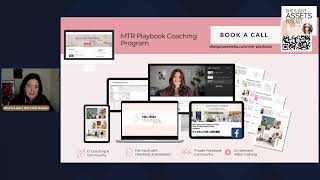
In this live YouTube session Shona, founder of She’s Got Assets, walks landlords through the complete system for protecting and efficiently managing mid‑term rentals that are booked directly (not through OTA platforms). She shares her personal background as a long‑time landlord and entrepreneur, then outlines a step‑by‑step workflow: advertising the unit, collecting online applications, conducting thorough tenant screening (credit, criminal, background, employment and landlord references) using services such as Tenant Tech, Pacific Screening and TenantTac; drafting state‑ and county‑specific leases with built‑in addenda (furnished, pet, renters‑insurance, lead‑disclosure, no‑smoking, etc.) via software that provides e‑signatures; automating rent collection, accounting and maintenance ticketing (e.g., Buildium); setting clear move‑in/move‑out checklists and welcome kits; and establishing fee structures (security deposit, pet rent, pet fee, cleaning and admin fees). She emphasizes the importance of using compliant, up‑to‑date lease templates, requiring renters insurance, and having a reliable network of maintenance contractors. Throughout, Shona answers audience questions about screening for insured tenants, pet‑rent amounts, preferred screening vendors, LLC structuring, and pet‑friendly property tips. The overarching message is that with the right software, processes, and documentation, mid‑term rentals can be low‑maintenance, profitable, and less risky than short‑term rentals, and self‑management is a viable option for most landlords.
Chapters
Hey everyone, this is Shona from She's Got Assets. I'm gonna do a few things and hopefully we'll be live everywhere, so just give me a second. We're gonna go live. I think it's gonna work. A few more clicks here. Thanks for tuning in. All right, I think you guys know the drill. If you can see me and you can hear me, let me know. I think we're streaming in 3 places, which is exciting. So, um, Yay, I think this is working. Um, I'm Shona from She's Got Assets. I'm— I took a little hiatus to do some master classes. So if you guys can see me and hear me, let me know. I'd love to know where you're calling in from. And yeah, what part of the country is always awesome? I'm in Portland. It's definitely fall vibes, like super pretty, all those fall colors and sweater weather, all that good stuff. So I'll give everyone like a minute or two to join us and then I'll get started. And again, we'll have lots of time for Q&A. So if you, um, have any questions, just like totally feel free to chime in. It's going to make sure I'm going to give everyone a little heads up. Awesome. Thank you, Kelsey. I appreciate it. All right. I'm going to do a little comment if I can, and then we'll get started. Okay. Yeah. Let me know where you're calling in from. And if you have any burning questions about leases and midterm rentals, paperwork isn't the most exciting thing, but I actually think it's not as scary as people think, and it just really helps you feel more comfortable about the whole process. So yeah, we're gonna dive into it. Okay, all right, I see. Yeah, let me know if you're here, where you're calling in from. Okay, Fort Worth, nice. Thanks, Kelsey. Hey Joyce, thanks for tuning in. Florida, did you get— were you affected by any of the hurricanes? I hope not, that was scary. Okay, all right, I see a few people here. Yeah, again, let me know where you're calling in from. As you have questions, let's pop them in the chat and, um, I will try and check it, um, and if not, we'll get to it at the end. So with that being said, I am going to switch a few things around and we're going to get started. So again, I'm Shona, the founder of She's Got Assets, and we're going to have a really fun topic tonight all about like paperwork and leases. So, um, I swear I was all organized here and now I can't find the tab. Who can relate to having too many tabs open? I had everything ready to go. I had Canva ready. So, okay, here we go. I'm just going to get it launched and we'll dive into the topic again. We'll have lots of time for Q&A if you have any burning questions. Hopefully I'll make a kind of dry topic more interesting or make you feel better about it. Um, okay, I'm just letting it load here and I'm going to share my screen. Let's hope this works. Share screen. Okay, just bear with me here. Might look messy for a minute. See my messy screen? Um, let's see. Okay, I think this is the one I want, so I might have to rewind this a little bit. Everyone can see my— okay, it looks like you can see my lovely messy screen. I'm just gonna like do a little rewind here. I didn't have this queued up, I was doing a run-through, so we'll start from the beginning. So I'm gonna share it and then we'll like kick off here. So thanks for bearing with me. I wish there was a smoother way to do this, like just to go right into presentation mode again. All right, we'll be— lots of time for Q&A, so if you can just confirm if you don't see the screen or you can't hear me, or just Totally let me know. Um, all right. So, um, thanks everyone for joining me. I'm super happy to be here. Um, again, if you don't know me, I'm Shona from She's Got Assets. And tonight we're going to talk about protecting yourself with midterm rental leases. So just a little bit about me to get started. Um, all right. So I'm sure I already said that. I'm saying hi again. Um, a little bit about me. Um, I, I'm from California. I like to say I was raised by capitalist hippies. I grew up, um, helping my family run the family vacation rental business. It was like pre-Airbnb. Was called— wasn't like bed and breakfast, but like vacation rentals. Um, so, um, you know, I never thought I would actually own real estate being from California where it's super expensive, right? So, um, but I ended up, uh, moving to Portland, Oregon way back in 2005, and I house hacked my way into my first— what became my first investment property. So it was like, have— you know, was back then it was called having a roommate, right? So I'd been a landlord a long, long time. That's what I bring to the table here. I have a lot of experience. Um, so I've been a landlord since 2006, for a long time, like an OG. Um, it used to be really private that I was a landlord, right? I was really self-conscious about it, but now I'm just really out in the open and I, I kind of shout it from the rooftops and no one judges me. Everyone's pretty nice to me still. So, all right, um, so before I kind of got into real estate, um, I'm kind of a creative at heart. I was a creative agency co-founder. I'm like forever an outside cat. I went from, you know, investing being kind of a side hobby to a full-time thing. I'm a serial entrepreneur. I'm the founder of She's Got Assets. I'm the podcast host with the same name. I'm a course author. I have the REI Playbook and the MTR Playbook. And I have— I run the midterm and long-term rentals under Cedar and Porch Properties. And I buy fixers and do flips under Shauna Buys Houses. And, um, I live with my family in Portland, Oregon. And we run a mix of like long-term and midterm rentals And on a personal note, I love coffee and real estate, treasure hunting, things like that. So that's a little bit about me. So my background's really in design and marketing, and that's kind of what I bring to the table. And I've been like a longtime landlord forever, it feels like. Um, so tonight we're gonna, we're gonna talk about protect yourself with midterm rental leases. I think it's a really important topic. Just a little disclaimer, um, you know, this is not legal advice. Consult with an attorney, um, you know, CPA. Definitely, it's a really important thing to be buttoned up legally. I don't think it's as scary as we all think it is, but I just wanted to put that out there, a little disclaimer. This is not legal advice, um, so if you have questions, you talk to an attorney for sure. All right, so these are kind of some of the questions I hear that kind of float around your head that I think I used to hear, right? Like, what lease do I use? Where do I advertise? How do I collect rents? You know, what if my tenants trash the house? How do you prevent that? How do you screen tenants? How thoroughly do you screen them, right? If anyone can relate to that, like, let me know in the chat because I know that I hear that a lot. And so I really want to cover these questions that I think people have and maybe just don't know where to start or gonna get really overwhelmed. So we're going to kind of unpack all of that. So let me know if you can relate. All right, um, I think someone who just— I've heard to just collect rent via Venmo or Zelle or whatever, use a generic lease. Maybe your neighbor has a lease, or use ChatGPT or something, right? So why bother screening tenants? I think having a really good process is really important to protect yourself. We're going to cover that. Um, so don't, you know, don't be too casual about it, I guess I would say. Um, Yeah, again, having clear criteria and an application process, you know, I, I think you need to think like a bank and be really formal about it. And then things like, will someone trash my house, isn't going to happen because you have a good screening process in place. And I think with midterm rentals, we are attracting it— if we have nice properties, a very like high caliber guest, right? So a lot of these things do not come to pass that we all like worry about. And I think everyone talks about like their worst fear, right? Which generally all those stories, like people love to tell horror stories. I can tell you them too, but I'm doing this a long time, and for the part. I have amazing guests. Um, looks like my camera went offline. I don't quite know what happened there. Let me try and figure that out. That's interesting. Hopefully you guys can still hear me. Um, I don't know why my camera just died, decided to go away. Um, well, yeah, that's interesting. Hopefully you guys can still— let me just check my settings really fast. I don't know why it's just having an issue. Let me try the other camera here. Um, okay, well, that one's working. I don't know why the other one decided to die. So I'm back, sorry about that. Okay, um, so I think we're always worried about like maintenance issues, right? You know, but I think ways to prevent that is, um, having the right team and systems in place. And that a lot of that is like software and maintenance tickets and stuff. So we're going to cover that. Um, so I think, you know, to avoid all those problems that we all hear about, I think screening properly, having the right lease paperwork, and setting expectations up front really helps you attract quality guests who will take care of your property, who will really appreciate living there, especially if they're like a displaced, um, you know, homeowner that has an insurance claim or they're traveling for work or whatnot. People are very appreciative of having a comfortable, stylish, or, you know, comfortable home to stay in, home away from home. And they, you know, they generally have a home somewhere else, they have a mortgage somewhere else, so they are very responsible, right? They're very high caliber, um, So this is like the overview here of kind of the process, right? So it starts off with, you know, you're— you want to have good software in place. I cover that in depth in the course. You want to have— I, you know, back in the day we used to have paper applications. Now I think everything is online. It's super easy, an online application. You want— you want to have software that will collect your rent like automatically, do the accounting. I definitely highly recommend that, you know, usually some kind of maintenance ticket system. Usually has built-in communications, which is great, so you can kind of keep track of everything if you've got a team, right? And then screening tenants, um, you want to do a background, criminal, criminal and credit check. I think that's really important, even if they're like a nurse. I know hospitals screen for all that. To me, it's really important to have a standard process, so I do that for all applicants. You want to verify employment, right? Make sure that they have— maybe it's a job offer, like a current pay stub, landlord references. So I'm pretty detailed in how I'm vetting. Um, I like to call them guests versus tenants with midterms, but I think that's super important and it avoids a lot of the problems that I think we hear about with midterms. Um, all right. And then I'm really big on state-specific leases. Um, I think my, my dad was an attorney, my best friend's an attorney, and I think sometimes we just don't realize how important that is. Like, landlord-tenant law is like very specific to the state and the county you're in. Like, so I'm in Portland, Oregon. It's it's not very friendly towards landlords. So, um, just side note, just it's really important that you're using software that has current leases. So comply with landlord-tenant laws. Um, you don't need to be like a super expert, but just if your leases are current, you're not doing some custom lease that an attorney hasn't vetted, you should be fine. Um, I also like to use like landlord-tenant associations often, you know, collaborate with software, have leases you can use. So that's what I recommend if you can. Um, I also require renters insurance, um, for each guest staying. Um, as far as management goes, again, you know, automate your rent collection. I remember the days where we used to get like checks in the mail, right, actual mailbox money. Now it's all automated. It comes in, I accept ACH or credit card payments, right? I never have late payments. I never really have to enforce a late fee because it doesn't happen. Um, you know, maintenance tickets, communication, and then move-in, move-out, right? You have your welcome letter, a move-in checklist, move-out checklist. And I have all this in depth in the course. This is really kind of high-level, the process. And this is specifically like for a direct booking, right? If you're getting someone from Airbnb, like another OTA, right? They're kind of— that company is protecting you. But if you're doing a direct booking, like someone off Furnished Finder or someone off your own marketing, this is where you're gonna have to do all this due diligence, right? So, you know, say you got a text about a leaky toilet, you know, and side note, I've never had a toilet call at 2:00 AM. I think everyone's worst fear. I've had toilets leak, but it's usually not an emergency. So it's important to have a good network of subs to call, like, have a plumber or have a handyman, right? And have software that you can open a maintenance ticket with. So that alleviates all those big fears, I think. And when there is a problem, you know, I'm not over there fixing it, right? I'm not over there with a wrench or something. On occasion, I've had to fix things. For the most part, I'm sending a team out. So this will really save in time and money and having a trusted team. And you're, you're not the person there fixing it, right? So I think in general the message here is protect your midterm rental with the right systems in place, and that really gives you peace of mind knowing your property is protected within the right guests and great guests. Well, they'll really take care of the property for the most part. They'll treat it like home. They'll be very respectful. They're not going to trash it or all those things that we, that we hear about, those horror stories. All right, um, so, and this is kind of, this is, um, we're going to focus tonight on management, kind of the paperwork for direct bookings, right? Not necessarily like an Airbnb booking because they're coming through the platform and you have all the insurance that comes through that. But this is someone that books directly with you. So again, just to emphasize, you know, having systems in place, it could— if you don't have them in place, it can be really overwhelming. You don't know where to find great guests and manage your rental, right? So, and it's not that hard once you get them set up. Yeah, I cover this in the course. It's not— you kind of know what to do and it becomes pretty routine. So, you know, this is kind of the process, right? We want to advertise, and I cover all this in depth in the course. I've done other trainings on it. You want to advertise. We're going to screen. Draft the lease, kind of move them in, and then we're going to manage it, and then we just repeat that cycle, right? I mean, the beautiful thing about midterms versus short terms is, you know, we're maybe having only a couple turnovers a year. Yes, it's more than long term, but it's way less than short term, which is just a constant headache, right? And so if you have good systems in place, this really isn't that hard. There's ways to automate it and systematize it. And I also just want to emphasize, like, I really think self-management is really doable. I, you know, I don't think anyone's going to care about the property like you do. Yes, there are great management companies, but But especially in the midterm space, there's not that many of them. They don't really understand it. I don't think they know how to market it. They're not, you know, they're not really— I don't understand it. So I coach students in how to self-manage. You don't have to, right? But even if you're going with the management company, it's good to know what their process is, what forms they're using, all that good stuff. So I'm a firm believer in self-management, but does, you know, it all works, right? Okay. Digital management tools. There's a lot of software out there. Like I personally use Buildium. I think it's great. It's more of an enterprise-level software geared towards, you know, apartment complexes, but I use it for midterm and long-term. It's great. It has a lot of stuff baked into it. Really great software. So, you know, the first step is you get, you get an inquiry, right? I usually have a phone conversation. I just like to make sure that they, they know the quirks about the property, like the parking and pets and all of that stuff, right? So that's usually my first step is just making sure that they understand the property and location, and then I send them a link to the online application, and we're doing all the verifying, right? So we're doing like— we're checking landlord references. I have actually a service that does this for me that's linked up with my application, which is awesome, which I talked about in the course, but it's really streamlined the process. So I don't do this anymore myself, but we're basically checking, you know, credit, criminal, and credit, criminal, and another thing I forget, um, and background, right? We're doing all of that in this check, right? And so the caveat, you know, if you have a family, right, we're screening them less so for financial stability, and we're not asking for pay stubs because we know that the insurance is covering that, right? So it's a little bit of a lighter screening, I would say. We're still screening, um, when we have guests that have been displaced, but we know insurance is covering it and they're financially responsible. So it's a less rigorous screening if you have insurance, because I'm still running them through this, but it's— I'm just not asking for a pay stub because I know that the rent is covered by insurance, right? So it's really stable. So that's a caveat I wanted to highlight. Um, all right, so, you know, leases, right? I like to call it paperwork. It sounds a little friendlier. Just, you know, follow all your fair housing laws. I'm really big on state-specific leases. Um, understand roughly your landlord-tenant law. A lot of states have like free training, right? You don't have to know it crazy, but just understand the nuance of it, big picture, right? Like, especially if you're in a place— and then Portland, Oregon, it's notoriously known for not being landlord-friendly, right? So, um, but the main point here I want to make is a midterm lease is the exact same thing as a long-term lease. There's really no difference. There's maybe some extra addendums and some language, but it's essentially a long-term lease, right? So if you have access to that, you're fine. Don't stress about that. Um, I do think if you can be state and county specific, because counties have different addendums, different paperwork. So you really should understand that piece of it. And that's why using software that's kind of generic, I like to use software that's really specific to the area that I'm in that I'll cover that. So I recommend Tenant Tech, right? They're not everywhere. In the course I talk about it, but they basically, you can log in, they have the leases, they have all the addendums. You just check the boxes, you can draft the lease and you send it out for e-signature. It's really fast, it's great, and I— if they stay really compliant with all the laws, so I never worry about that. Um, all right, so these are kind of high level what I'm including in the paperwork piece of, you know, the contract. So there's a rental agreement. Again, just to underscore, you want it to be state-specific, right? Um, we don't want to have some generic lease or have ChatGPT write something up or have a lease we've photocopied a million times. I used to do that. I would never do that anymore, right? So state-specific lease, and if you're going to do something custom, that's fine. I would just say work with an attorney that understands the laws so you're compliant if anything goes south, right? I generally— hopefully we're all pet friendly, right? I think I've underscored that a lot. Most people have pets, so you're going to have a pet addendum. Um, I generally include a furnished addendum. I have that in the course, right? Um, so that just talks about what you have. It kind of outlines all the stuff in the property. And then an insurance addendum, and that's essentially that you require renters insurance, right? Um, and then depending on your property, when, when it was built, like it was before 1978, you're gonna have to do a lead disclosure. You probably know that, but if you don't, you should be aware of that. No smoking addendum— you can pretty much do any kind of addendum you want. Like, I have a lot of other addendums, I talk about them in the course, but this is just the basics, right? And the beauty of using software is they usually have them preloaded, right? So you don't have to think of all these things yourself, but you can add any addendum that you want, right? There's— as long as you have a lease, you can add nuances about your property, or if you have specific things you want people to comply with. You can just do an addendum. So that's really high-level leases. Again, it's just a standard long-term rental lease. Or if you're an agent, you probably have access to state leases. That's all it is. It's just, just instead of saying it's a 12-month lease, you're saying it's a 3-month lease or a 6-month lease, right? So that's, that's— I think people just— that's a big question from people. It's really the same lease. Um, all right, another thing to call out on the pets, right? Definitely have a pet addendum. Make sure that the breed that is not— is allowed by your insurance carrier. Like when I asked my insurance These are some breeds I said were not allowed, so you want to make sure that you're being compliant with that. So if you haven't done that already, just check with your insurance to see what, what kind of breeds they don't allow, or maybe it's a hybrid, right? Um, so, and you know, there are service animals. I don't know about those kind of laws, but I know generally, um, just make sure that you know what breeds are allowed with your— when you're doing your addendums and stuff. Um, so the fees, right? Um, obviously your monthly rent, that's pretty straightforward. I, I do require a deposit typically with the standard midterm, it's one month's rent. I just keep it simple. I don't do last month's rent, with the caveat that if it's a displaced family policyholder with an insurance claim, that is usually coming out of pocket. So they don't, um, they're not like expecting to move, and insurance for some reason doesn't cover that. So I usually make that about $2,000. I get a lot less than what I would normally would for a deposit, and it is refundable, and it's mostly coming out of the family's pocket. Not always, sometimes insurance covers it, but in my experience it's generally coming out of the family's pocket and they're not expecting to pay that. So I always kind of accommodate for that. And then I charge pet rent and then I have a pet fee and these are non-refundable, right? And then cleaning fee and sometimes there's an admin fee. And again, if with insurance there's a lot more paperwork and parties involved. So this is kind of high level of fees. Yeah, that's kind of— sometimes there's some nuance to it that this is basically— and it is expected that utilities are included unless you negotiate that differently, right? So again, also just a side note on insurance, make sure that your own policy, like your landlord policy or your rental dwelling policy, is set up if you're doing stays less than 12 months. Every insurance is a little bit different, but just make sure that you're compliant with that. Um, um, so just note that it probably is, but you just want to make sure because every policy is really different. Um, so yeah, then we're just, you know, we're going to Basically, we screen guests, we draft the paperwork, we're going to use software. I mean, don't, don't get some lease and fill it out and upload it to DocuSign. That is just totally way too much work. Find software that has built-in e-signature. Highly recommend that. So we're going to move our guests in. I think it's important to be clear on what to expect, right? Have really clear move-in notes, really good communication, like a welcome message, all that stuff. And then obviously we're going to check them out when it— when, when they move out, right? So that's kind of leases in a nutshell. So I do have a Midterm Rental Playbook coaching program where I cover all this like in a lot more depth. I really walk people through all the nuance of leases and setting up midterms and all the questions. So I hope you guys found that valuable. I'm going to see if there's any questions that I'm going to go back to my other screen here. But yeah, let me know if you have any specific questions that I can answer about leases or just midterms in general. I'm happy to answer them. And if you Um, if you are interested in the course, just, you know, hit me up, type MTR in the chat, and I will totally follow up with you. So, okay, I'm gonna see about any questions. Okay, will this be recorded? Yes, Vanessa, it will be recorded. There'll be a replay. Um, so Marisha, you're asking, is there a need for screening for insurance? I personally screen because insurance is not— the insurance temporary housing companies are not doing any of that screening, right? These are generally really responsible people. They're homeowners. I'm still doing a screening. Again, I'm not screening so much for financial financial responsibility. Like, I'm not asking for a pay stub or tax records. It's more just credit, criminal, and background. Do they have decent credit? Are they going to be— we're really screening for like responsibility, right? So I just, I call it a lighter screening, but I do screen. But everyone has a different policy. That's just kind of where I'm at. And most people understand that. And they don't usually have landlord references. And I'm like, I just say that's fine, just as long as I can verify a couple of things, right, that they own the home they're in. So Um, yeah, but great questions. Um, Linda is saying we can— we, we always still want to see pay stubs in case insurance extends so much for some reason and Paul runs out. Yeah, I mean, you, you could do that. In every insurance claim I've had, um, they would— they move out and they generally— we get, we get ahead of that. I've never had that happen, but that's a great point. You never know. So yeah, I mean, I think the more thorough you are, the more you're also setting expectations. Yeah, in the case insurance runs out, which it could, and they decide to stay, then you know they can pay pay for it. So good point. Um, okay, Angel, you're asking what do I charge as a monthly pet rent? You know, it kind of depends. For, um, I'm about like $75, $75 pretty much per pet for pet rent. Um, sometimes insurance is a little more depending, but $75 monthly, right? And then I, if I generally, sometimes if it's insurance because I'm charging less of a deposit, and this is nuance, like where I'm at, my understanding is I can't charge a full month's rent and a pet fee. So if I'm lowering my deposit, I will charge a one-time pet fee, and that's usually about $600, right? So you can add that if you're afraid of pets, just build in those— that extra kind of padding, right, to me if there's any damage. Um, you're welcome, Bob. Quick summary, yeah, I tried. Um, who do I use for credit checks? So I personally use— I use Tenant Tac, and then I use a company called Pacific Screening. Um, I, I think they're great because they basically, they sync up with TenantTech and they, they're very— they do background, criminal, and credit, but they're actually also calling landlords and verifying, verifying employment, verifying pay stub. It's actually a human doing it, it's not like just automated. Um, so I really like them for that, but you can use like Avail, or I know Furnished Finder has KeyCheck, but they're, they're just kind of automating the, the credit and background. They're not actually making those phone calls. So yeah, there's a lot of options out there. Let's see. So who do I use for renters insurance? That's a great question. I mean, renters can use whoever they want. One of the things I like about— I use the software, it's Buildium. The tenants can— it comes with like a resident portal and tenants can actually purchase through that. And I just say, hey, it's an option. I can't really dictate who they're getting it from as long as they show me that proof. Um, so yeah, and it's pretty reasonable, right? So most people have like an insurance person. Um, do I use LLCs? Yeah, I have a couple LLCs, like each a couple rentals per LLC is how I've structured. Again, talk to your CPA and your attorney. Everyone's really nuanced and different with their tax strategy, but I definitely— I just kind of like, I think simple is better. That's what worked for me. Uh, yes, and this will be recorded, Vanessa and Marisha. Yes, Pacific Screening, I can walk you through that. They're, they're like a local company. You have to apply and then you just get, you get into like a business account and they will do all your screening for you. It saves so much time and they're really thorough as well. Like, they'll actually verify, um, you know, if the previous landlord owned that property, right? So they're not just putting down a friend or something. So they're extremely thorough, which I like. Like, you're welcome, Amelia. So yeah, any other questions? If anyone's interested, you know, in the coaching program, I walk people through this. I know it can be a lot and kind of daunting, but my goal is to get you up and running quickly and not get hung up on the paperwork stuff or what you need to do or how you need to screen. But I think ultimately having quality properties, having good systems in place takes away, you know, a lot of the fear that people have about about being landlords, right? There's so many horror stories out there, but let me tell you, like, I've had amazing— even during COVID I never had any issues. Had a few bad eggs, I can tell you stories, but for the most part, I really pride myself on nice properties. And I feel like we're really in the hospitality business as midterm hosts, right, versus landlords. All right, you're welcome, Vanessa. So any other questions? Um, happy to stay on for a few more minutes. I know we're kind of getting into dinner time. Um, but yeah, thanks for tuning in. Um, and if you're watching the replay and have questions, let me know. Again, I go into a lot of this more in depth in the course, and sometimes there's more nuanced things that I didn't cover. But basically, just have a good lease, do your screening, and I know the first time you do it, it's a little intimidating, but you get used to it and it won't be as hard after you do it a few times. So I hope that Helps. Um, and you can also hire a management company again. Um, you're welcome, Bonnie. Um, Vanessa's asking what happens if occupants from insurance damage the place beyond the security deposit. You know, that could happen. Anything could happen. In my experience, I've never had it happen. And I think you'd— maybe you would file a claim with your own insurance company if there's damages beyond that. I've personally never had to do that. Um, they're just really high caliber. And these are these, you know, when you think about people are living in your home, they're, they're homeowners themselves that they've been displaced, right? They're not looking to damage it. I mean, I've had— I think the worst I've had to deal with, to be honest, is like dog pee, right? As gross as that is. Um, that, that's kind of my— and that's why I love like ozone machines and, you know, enzyme cleaners and stuff like that. But I've never had major damage. I've had like deep cleaning, right? I've had like pretty deep cleaning. That's more along— I think I've had more deep cleaning with long-term rentals and midterm rentals because you're actually getting into the property more frequently than like a 12-month lease. Um, um, yeah, Bob, I am looking for— I was looking for more, um, for the right kind of property. Shannon, yeah, I can talk about the investment. You know, it's about $3K. There is a payment plan, but my goal is to get you up and running really quickly and make that money back like right away. That's my goal. Dog hair, yes, dog hair gets— that's why, you know, I charge pet rent. I used to not— like, I've been a landlord a long time, I used to feel guilty about pet rent and lease-breaking fees. And the more I do this, the more I'm like, it's just a cost of business. So yeah, pets are great, but they, they can leave a mess, that's for sure. So that's why, you know, the extra pet fee, if you can, if that's legal for you, the extra pet rent kind of covers that. And just making sure you're doing— if you're— if the, if the pet owners are responsible, they're going to be responsible pet owners, right? That's kind of my take on it. So, um, but yeah, dog hair, even in our house we've got like 2 Roombas and they are always running and they're always full of dog hair. Yeah, Bonnie, I think pet— you're saying, I think pet owners expect higher cleaning. I think they do too. And here's the other thing, they're just so grateful to have a property that's pet friendly because so many landlords are just like utterly terrified of pets. They've just heard all the stories and they're like— obviously if it's a service animal it's different, but they're just very grateful and they're responsible. And so I don't think they mind paying like the extra fees. Um, yeah, Shannon, definitely reach out. Yeah, I'd love to chat more about the course. Um, but yeah, if there's any other questions or you're watching the replay, again, I think it's just about having systems. And once you figure it out, it's not that hard, um, to do all this stuff. Like, it took me a while and I found the systems I really like. And now I can do a lease in like 10 minutes where I used to like actually fill out a PDF and then upload it to DocuSign, and I would invariably miss something, and it just was so tedious. And Tenant Tech has taken all that pain away, and I just— it makes me so happy knowing that it's really compliant with all our lovely laws that we have. So, um, yeah, I've got a few more minutes if you have any other questions. Again, if you're watching the replay, chime in and I'll look back. But, um, thank you for tuning in, everyone. And, um, Linda's asking, um, Um, or we place so many waterproof pet blankets and so much pet, pet combs, pet lint rollers, pet towels, and pet vacuums, as well as a Bissell Green pet cleaning machine. Yeah, are you leaving that for your guests, or is that what you do at cleaning? I mean, that's— I think anything to be pet friendly, right? Um, yeah, I think, yeah, definitely leaving. You know, I always leave cleaning supplies. Um, I always leave like a lint brush or something, but in a vacuum, but Um, yeah, I usually leave like a pet treat too, but that's not cleaning. But Marisha, that you're working on your listing, that's awesome. Yeah, reach out, that's really cool. Definitely everyone be pet friendly. Pets are— pets are good. Um, you'll get way more bookings. People really appreciate it. And there's ways again to navigate. Oh, the other thing, like Linda, I don't know if you do this, I always— I don't love the way they look, but I put like a, a cover on the couches, like a couch cover. It looks kind of ugly, I'll be honest, but then you can just throw it in the washing machine at your turnover and there's no pet hair like embedded in the couch. One of my first— one of my first MTR guests asked for— and like every property I have, as much as I don't— I take pictures without the, you know, the furniture cover, but then when I— every turnover, I just know that it's clean and pet-free. I'll leave plenty of poop bags. Actually, that's a really— that should be part of my welcome kit, Bonnie. That's a great call. Yeah, I always leave like, you know, Milk Bones or something. I'm gonna— like, because I, I hear from my gardener more often, I'd like to admit, about people not picking up after their pets in the yard. So I thought about getting little signs too. Yeah, that's, that's a good— just kind of a little hint there, right? Yeah, and they're so cheap. Yeah, that's a good idea. Yeah, pets are— I think they're worth the extra headache. And I, again, people are really appreciative. And yeah, and they're so— they're are just happy to have a place to land. So, because so many— like, if you do like a search, right, go to Airbnb or Furnished Finder, um, and then, you know, say take out— to uncheck the pet box, you'll just see the amount of listings like cut in half. Um, so Linda's saying yes, pet waterproof pet blankets go over the sofas, washable. Yeah, you guys, I never thought of leaving pet waste bags. I just learned something. Thank you. That's such a great little Like, yeah, very inexpensive little part of my welcome basket. I'm gonna do that, make my gardener happy, because, um, yeah, I've had to pick up my share of, of, uh, dog poop on turnovers. Mostly I don't have to, but sometimes. But yeah, waterproof pet blankets. Yeah, all that stuff. And it, you know, that's a small investment for that. That's going to be covered by one month of like your, your pet rent, right? So great tips, you guys. Keep them coming. Any other pet tips I haven't thought of. The other thing on the pet note is just everybody wants a fenced yard, and I like to divide the yards if I can, right? Sometimes it's not super easy, especially with like a duplex, but I always like to really define the yards because people don't like to share yards with their dogs. So yeah, well, I learned some stuff tonight. I hope you guys did too. Let me know what your takeaways were and if this was valuable and any other topics you guys are interested in. I'm always looking for ideas and how I can kind of bring some value to you guys and Yeah, any other questions before we sign off? I appreciate you guys tuning in. Um, yeah, awesome. All right, well, yeah, everyone, I think got some good takeaways. Um, Linda's saying we asked for proof of flea treatment. That's interesting. I never— yeah, actually, that's funny you say that because I had a turnover recently. I've never ever had fleas, and I had to have my pest guy come out and do a treatment. So, and that's, that's the kind of thing like you could put in an addendum, right? Or just let people know. But that's a great point. Yeah, because you don't want to have fleas because they linger right after they Those are some great tips. I hadn't thought about that. Yeah, so you can— right, that's how you protect yourself. You're like thoughtful, you're proactive, you have like covers and stuff. And those are all really good tips, um, that I might start implementing too. I love it. All right, you guys, awesome. Um, I might do another kind of just another training on pets because I think there's so much trepidation about pets. Um, and they will just keep collecting more tips and talk about what I do because I I think it's really important, and I think they're part of the family. And especially with displaced homeowners, they're, they're 90% of the time going to have pets, even like chickens or a duck or whatever. And what are they going to do with their pet while they're displaced, right? They're not going to go into a kennel for 3 months. Like, that's just not, not okay, right? So, or living in a hotel with a pet is no fun, right? All right, all right, you guys, I really appreciate you tuning in. Again, if you are interested in the course just, you know, hit me up, leave something in the comments, and I'll reach out to you. And, uh, yeah, thanks for tuning in. Thanks for all the, the pet tips. I'm gonna make some notes after the call. All right, you guys have a great evening. I'll talk to you soon.
More from Shona

Choose categories and add 15–20 services Google Business (She's Got Assets Podcast w/ Trevor Mauch)

Why long pages beat short ones for big decisions and SEO (She's Got Assets Podcast w/ Trevor Mauch))

The 1 website element that drives 80% of conversion (She's Got Assets Podcast Trevor Mauch)

3 things your business must do for you (She's Got Assets Podcast with Trevor Mauch)

MTRO PRO - The Midterm Rental Operations System MTR Operators Have Been Waiting For with Dre Galaviz




MTR AMR — average monthly rate for midterm rentals on MTRO PRO platform (She's Got Assets Podcast)

