Live Stream 5 pm PST TONIGHT!
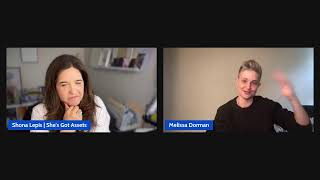
In this YouTube live‑stream hosted by Shanna, real‑estate investor and former social worker Melissa shares her transformation from humanitarian work to financial freedom through real‑estate investing. After her father's illness sparked a shift in her attitude toward money, she built a portfolio of 34 rental units and achieved six‑figure passive income within five years. Melissa introduces the concept of “conscious wealth,” a mindset that views money as a tool for personal liberation and community benefit rather than a symbol of greed. She explains seller‑financing (owner‑carry) as a win‑win strategy that redirects wealth from Wall Street back into local communities, improves home‑ownership accessibility, and creates ongoing income for sellers. The conversation covers practical deal‑sourcing tactics—direct mail, door‑knocking, cold calling, and relationship building—along with the importance of authenticity and rapport. Melissa discusses the psychological hurdles new investors face, such as imposter syndrome and learned helplessness, and offers strategies for identity shift, including writing down limiting beliefs and surrounding oneself with supportive peers. She outlines her education path, naming programs like Club Wealth, mentorship from Greg Pinho and Jeff Stevens, and her involvement in a TED Talk. Finally, she teases her upcoming book, “Being Rich is Gay,” which will blend myth‑busting about money, seller‑financing mechanics, and psychological tools, and provides contact information for beta readers.
Chapters
Facebook doesn't like to play anymore. Okay, if anyone can see us. See, it is not going live in Facebook. Okay, okay, we're gonna hit go live in Facebook and see what happens. Cross our fingers and toes because it's a little bit of a— the technology has changed, so it's a little awkward for a minute while it starts. Okay, I think we're live. Looks like we are. I'm just gonna double check. If anyone can see us and hear us, you know the drill, just let us know, say hi. Introduce yourselves. I have an awesome guest on tonight. I think we're here. So yeah, if anyone comes on late, just jump in, say hi. We'll have some extra time. But I'm super excited to have Melissa on. She's amazing. If anyone's in the Portland area, she's very well known. She's kind of a rock star, um, really doing really cool stuff, very successful. And but she has a real mission, I think, behind what she's doing. It's really inspiring. And so she's got a great backstory story. Um, that's really cool. But I did have her on the podcast, so I really would love to dive into kind of what you're up to and maybe a quick recap of how you got to where you are now being financially free and all. That would be awesome.
Yeah, yeah. I'm so glad to be, uh, with you again, Shanna. This is such an honor as usual. I love, uh, these, these conversations with you. Um, thanks. Let's see, a really, really quick overview. I used to be a social worker, uh, for about 5 years, humanitarian before that. I actually had a real, um, anti-wealth sentiment about me. And my family, my dad ended up getting Alzheimer's and getting really sick. And it was really the first time in my young adult life that I realized that money was really important and that money solved problems. And so when my dad got sick, I just started really researching how to build wealth. I did a complete 180 and changed some of my values because I really wanted to help my family and just started studying all the major podcasts, top books on real estate, and ended up sending some direct mail marketing out for the first time in 2017. And I found my first investment property that way. I wasn't sure— shortly thereafter that my dad actually passed away. And, you know, learning about how to build wealth, while I wasn't able to help him, I was able to develop wealth in my own life. And now I'm able to help my mom and myself as I grow older. And yeah, from that point on, after my first one, I really just got into a lot financing deals, some off-market properties, some on-market properties, and just got really creative in the financing and was able to quickly build a portfolio over 5 years of 34 rental units and about 6 figures. Yeah, over 6 figures financial freedom number. And so yeah, really quite a, quite a journey in about 5 years.
Yeah, that's like really impressive. I feel like you're this total transformation. Like, it's really— I don't know, you're just living it. And I think for anyone listening, Melissa's like super cool, she's got it together, but she did a ton. I mean, definitely check out the podcast because she invested in education, I think, and you took a lot of action and you did the hard stuff. So, um, really impressive. I think that's because it takes a lot of work, right? Um, but so I— something that I think, as you know, I think our audience is my audience on She's Got Assets, it's kind of newer investors. And I, I that really stands out about you is kind of you've reframed why wealth is a good thing and why we need to embrace that and why we can do good things with it. And I would just love to hear you speak more on that because I think we struggle with that, right? Or money isn't evil. It can do a lot of good.
Yeah, yeah. I think I especially had a really anti-wealth sentiment growing up. First off, in a rough neighborhood in LA, I grew up pretty, pretty blue-collar middle-class family. And my parents sent me to a Christian high school that was really wealthy. And so I was this like kid from the hood in this really nice Christian campus. And I got teased a lot because I didn't know what Gucci was and I was completely disconnected from those things. And so I think in high school I just developed a really like anti-wealth, anti money mindset because the people who had money that I knew in my small little world were really mean and were really kind of seeing money as a way to like have power over me or to be superior to me in some way. And so growing up in that environment, you know, I really didn't want anything to do with wealth. And as I went to undergrad, I started studying sociology and global studies and I really went this whole other route of like, how do I help people who are on the margins of society? I want to do something meaningful with my life. And it never really occurred to me that, you could build wealth and help people at the same time. Like, I just had this one model of wealth which meant that you had to like abuse people or to like, you know, get one over on people in order to get ahead. And like, really wealth was just this symbol of greed, um, for me at the time. But as I had started to develop my own money mindset, I started to realize that there are ways of building wealth, what I like to call conscious, uh, conscious wealth, which is where you're really coming from a place of inner abundance. You're wanting to take care of yourself. It's not about chasing materialism. It's not about getting the next newest, shiniest thing. In fact, all those things are where capitalism kind of leads us astray and gets us into deeper consumer debt and that sort of thing. But my wealth journey was really about conscious wealth. Like, how do I enhance my life and create time freedom so that I have the ability to spend my time and my life doing the things that I want to do to help the world? And so while I was a humanitarian in my early 20s, now I help people build wealth through real estate, and I'm a financial activist, and I'm writing a book and all these things to try to teach people about money. But really, it's in vein of trying to create liberation in the people, uh, and the lives around me, um, just through the vehicle of wealth building.
Now, I, I, I, I love that term conscious wealth. Did you coin that, or is that like a— I mean, that's really like kind of nails it, right?
Yeah, I, I think I might have.
Like, really, like, at this—
I just wrote a chapter on conscious wealth in my book, and a lot of people like, I've never heard of that concept. And I was like, I I don't think I have either. So I think I'm kind of coming up with it. But I'm, you know, it's hard to know like what you hear and what sticks and where you heard it from. But yeah, let's say I'm coming up with it.
Well, I think it also speaks— I know you're big on mindset because like also when wealth means different things, right? There's time freedom, but like that ultimately that's where it starts. And I know you're big on that, but I think we have to kind of believe that we can do good enough, right? That we can there's a lot, right? But I think that's really the beauty of that term is like up here, right? Too.
Yeah, I really, I really think when you're coming from a place of wanting, you know, believing that you're worthy of an abundant life, believing that you're, you're one precious life, that you can have agency and build in time freedom and start to manage your money in ways where it starts to work for you and so that you can get out of the grind and you're not under the oppression of your employer telling you when you're going to work and how you're going to work and what you're going to do. And for me, like, I've really seen it through this lens of liberation, you know, like time freedom is liberation. It is being able to say I can choose what I do with my time, nobody's going to tell me what to do, and I can then take the actions in my life whether I want to work at a nonprofit, whether I want to do advocacy, whether I want to just spend time with my family, whether I want to just take care of my body. I mean, that To me, it's this liberation, like money becomes the means to the liberation. And I think when you're coming from a place of abundance within and you're not wanting that to like chase that next like hedonistic, let me just prove that I'm enough by having this fancy car or whatever. Like when you're really coming from a place of abundance, you start to see the other people that you interact with as also being worthy and you want to treat them well and you want to edify them. And I think that's where seller financing and these sort of creative strategies that are really about creating a win-win partnership with other people come the way to build wealth versus like, let me see who I can, you know, trick, or, you know, find this little old lady who doesn't know what the value of her house is and, you know, sort of trick her out of it. It's like, no, real estate can be about partnerships and mutual edification and mutual liberation from having to work.
And especially, I mean, you know, seller carry, right? Because you're giving that person like an independent stream of income, right? So that, I mean, that's And I think it's really a win-win. And I think that's not maybe how it's taught, right? But truly, and I know you— I mean, just how it affects the community. I know you talk about that a lot, but I think it's really very salient the way you frame it.
Yeah, I think for the longest time I really just saw seller financing, and I think most people see it through this lens because this is who it's marketed to and how it's marketed. But I just saw seller financing as this tool for savvy investors who could go out there, try to find a seller with equity, create some terms that work for everybody and, you know, move on to the next one. And this is how you quickly build a portfolio. And honestly, that's what I did in my own life, is I used this tool to quickly build a portfolio. But on this side of financial freedom, as I started to see it through my social work background, through the sociology background of, you know, power structures and, um, capitalism and how it can function on, on a macro level, I started thinking about, okay, seller financing isn't just a cool way for real estate investors to have this unique knowledge of accessibility to to gaining wealth. Not only that, but on a macro scale, if we started to implement this and normalize it in our society— this is the way that we buy and sell houses together directly, not using a bank loan— as often as we possibly can, we start to redirect on every one of those transactions tens, if not hundreds of thousands of dollars that are now, instead of going to Wall Street, instead of going to Fannie and Freddie Mae and being, you know, bought and sold by stockholders, and, you know, we're starting to take that same wealth and actually put it right back into our community members as the buyer makes their payment to the seller each month. Those thousands of dollars every month, they're not going to Wall Street, they're going to a community member. And I— something that wasn't to me very social justice, it wasn't a social justice issue. Like, for me, when I realized this, the light bulb turned on. I was like, oh my gosh, this is a social justice issue that just most people have never thought about because they don't even know it exists. You know, it's like if you didn't know that Fair Trade or organic or any of those things even existed, if it wasn't even on your periphery, you wouldn't even think about it. And I think that's where most Americans are, even though this is longer holding tradition. Seller financing predates mortgages. This is how we used to buy and sell properties. And it only became in the '30s that the government decided, hey, let's start offering mortgages. Let's help banks be able to do this by offering PMI and being able to hold the securities behind it. So banks felt like they could take increasingly bigger risks and take on consumer debts like this. and we created the 30-year mortgage, which a lot of countries don't have. Even today, not every country has a 30-year mortgage. And so it was a really big thing to propel the American economy. But on this side of things, I think there's some cost to it, which is all of that money has been flowing into Wall Street and right out of our communities.
That's— I mean, it sounds obvious when you frame it like that, but I felt like I knew everything about solar. It's just such— it's another reason why I love it. And like, I did come— I, I've really come to the realization it helps the seller so much if it's the right fit, right? But the other thing, looking, looking at it from this lens, I think it also makes homeownership like kind of more approachable, right? If you've got someone in your family, right there, you don't need to get pre— right? I mean, I think that's another angle that, um, just this whole flavor.
Yeah, yeah, I agree. I think it kind of works two ways, like both for accessibility for the buyer. You know, we live in a time where So many millennials have not been able to make the milestone of owning property. And given that homeowners have 40 times more wealth than renters, it is a critical step to building wealth that, that millennials and other generations are able to access owning property. But it's just gotten harder and harder for the typical American to be able to do that. We see interest rates rising, we see prices rising, and it's really, you know, student debt and DTI and the, you know, income ratios and all that stuff has made it really hard. To create accessibility. But with seller financing, we create the terms, you know, it's the terms are between the seller and the buyer. And so if the seller wants to do interest-only payments, if they want to do a really small down payment, if they want to make a really long term, I mean, all of these are flexible pieces that given the right relationship, given, you know, that the buyer is credible, that the seller can take on and create that accessibility because the bank's not the one dictating the terms between seller financing. And I think on the other side of that for the sellers, you know, so that's the big advantage for the buyer. Versus being able to get into property that they wouldn't ordinarily be able to do. I think on the seller side, it's they're able to monetize their equity and to pre-tax money, be able to make money on their own equity, which I think is, is a concept that most Americans have never even thought about, that they own that equity. It belongs to them, that they should be able to monetize it. I think most people just automatically assume I need to sell my equity to a bank, but they don't even realize they're selling their equity to the bank. They think they're selling their house to a buyer. And it never occurs to them who's owning, right?
Yeah, you're not really selling it. I'm not, I'm just— yeah, right? So many layers.
Yeah, yeah.
I, you know, I, it's— I love— so, okay, so I think it's such a great thing, and I think everyone seems to think it's impossible, or who would do that, or we have all these like preconceived ideas about it, right? And I think that's— we have to change our mind. There's a lot of layers to that, but I think a lot— I used to think that. I'm like, there's no way in hell, like, why would Especially in terms that seem crazy to us because we're in a growing mode. Like, so why would we just want, you know, interest only? Or why would we want to take payments? Like, because we're not in that place, right?
Yeah, yeah, yeah. I think, I think there is a really— I mean, particularly amongst realtors, of which I am, like, there is a really, uh, there really is a limiting belief around this because it's almost a generation, a generation of conditioning of like, what's the first thing you do when you get a buyer? You ask them if they've gotten pre-approved by a lender. You know, it's automatically cuts off the conversation of like, how are the various ways that we're going to fund this deal? And, and furthermore, like, you know, as a realtor going on a listing appointment, how often do you think agents actually inform their clients of their options? And it's our fiduciary duty to tell our clients all of their options so they can weigh the options themselves. But realtors are just not educated on this at all. It's like the part of the purchase and sale agreement we just skim over and pretend it doesn't exist because we've never filled it out because most of most agents have never used it. They don't know what seller financing is because there's this like caution, careful, this sort of fear around it. And when I think about what that fear is coming from, it is a fear of having agency over our own money. It is a fear of managing our own money because we're in a society that tells us, no, no, that's too complicated for you, you wouldn't be able to manage that. You know, it's easier just pay into your 401k, you know, just get a bank loan from your buyer, like we'll take care of the details. But when you look at like every major city, who owns the most expensive real estate, downtown real estate, are banks. You look at this like they are making good money off of this business model and we are scared to do it. And it's like the foreclosure rates are incredibly small. And then you add in the seller finance relational aspect of it and those rates are even lower. And it's such a marginally small rate of foreclosure. It's like versus you're going to pay taxes. For instance, like, you sell that property and it has $100,000 capital gains tax, you lost $100,000 guaranteed. Unless you don't want to pay those taxes, that's a whole other problem, you know. But if you do seller financing, you can put those— you can put those back a while, you know. You can, you can postpone those. You can make interest on that $100,000 in the meantime rather than paying the capital gains and it all going away to Uncle Sam. But like, so scared, oh my gosh, I don't— I'll pay the $100,000 in taxes because I'm terrified of ever having to file a foreclosure, which might cost $10,000 to $15,000. But most people don't know that, so they just think it's, it's too much, it's too hard.
Yeah, but, well, you mentioned something too. I feel like if you develop that relationship and you understand what— if it's a good fit, it, it kind of is a natural thing. Like, hey, it's a proposal, and it's not— you're not forcing it. It's the right fit. And I know your background psychology, but I feel like that's so important, and we often overlook that when we talk about it, right?
Oh, totally. I mean, here's like a funny analogy for that. You think about like dating apps, people meet each other through dating apps and they're often so naughty because they don't know each other and there's no mutual friends and they sort of like treat each other like objects or whatever, right? It's the same kind of thing. If it's like your friend introduces you to a friend, you behave.
You stop the way you're going. You button up.
Yeah, you're like on your best behavior. I think seller financing can have that same type of relational accountability built into it because we are communal creatures and we do want to do good. I believe we want to do good to one another. And I think it's really important to have realtors involved in the middle of this process. You know, if you're not an advanced investor and you don't really know what you're doing in the minutia, for the typical everyday person, I think having two realtors involved and helping them kind of negotiate and think through the pros and cons and all that stuff and just really guard, safeguard each party, I think is critical. Of course, if you're an investor and you have good ethics, like somebody like you, Shonda, I mean, you don't need a realtor, but like a lot of people would.
Yeah, no, you're clearly hitting a pain point. Dee says, this is such a confirmation of my agent outreach, Melissa. I thought I was the crazy one. So I mean, there's so many things to unpack, but I do think that education piece and if Like, it's, you know, there it is. I, I totally believe in representations. I feel like it's, for most people, it's a big purchase, and if you, you don't have someone represent— I do, and it's just important. So how do you, when you have agents and someone's— I mean, who, how does that conversation start, right? So it's like done in the right way, not the wrong way, right? I guess if I can ask, right? How do you facilitate that if it's a good fit?
Yeah, I mean, so before, before I was a realtor, if I was just looking for something off market I usually didn't lead with seller financing because it is such a— it's like a do you want to marry me question.
You just— I don't know you, like I don't know your background, but hey, you look cute.
Like, don't send a Valentine's Day card with will you marry me? You know, like you want to start a relationship slowly and build some rapport. And so like for me it was just building a relationship and just getting in front of people and building as many relationships as possible, whether that was cold calling or door knocking or sending a lot of direct mail. And then it was like you wanted to spend the time getting to know the person's situation and making sure that it was a good fit, because there's no point in bringing up— you know, I think Steve, uh, Jeff Stevens said it really well, but like, don't bring up a pro— don't bring up the diagnosis and the prescription before you've really done the diagnosis. Like, really take the time to understand what it is that the seller is trying to do. Because ultimately this is a partnership and you're not— it's not about tricking anybody. It's, it's a different mindset. It's like, I want to make sure that this deal works for you because you're going to be in it with me the next 5, 10, 15, 20 years. I want to make sure this is the right fit. And it might take a lot of conversations to find somebody who's the right fit. And I think that's where the working hard and getting out of your comfort zone and really pushing yourself, that part comes in. But with the individual seller, it's just more like, okay, are you worried about capital gains tax when you sell this? Are you, uh, you know, is it tenant occupied right now? Have you lived in it in are you going to have capital gains? Are you tired of being a landlord? I mean, you start going through some of these questions to see if it is a good fit. But there's so many ways to find people, whether it's just word of mouth, direct mail. I mean, I think you do all of them. I think you try a lot of different things and you really focus your energy and know that it takes 6 to 12 months to like really find a good deal. And it might be off that first mailer and it might take you a year to talk to them. You know? And I think—
Totally. Yeah. Yeah. And if you have, yeah, good marketing, hopefully it hangs around. So when the timing is right. Yeah. Yeah. So true. God, I love owner find. I mean, this whole thing, it's, I like love how you're tying it back to the community piece too. I've never heard it framed quite like that. Right. So the other thing that I really think that you're genius at, and it's kind of skipping around, but I think kind of like identity and I think, you know, really owning like, hey, we're investors, we wanna build wealth and do good. And how do we frame that in our heads? And I think some people like we're starting out we kind of maybe struggle with that or tell ourselves stories like, who are you to be a landlord or buy property? How would you even talk to someone, right, about, you know, owner carry or something like that?
Yeah, I think you're, you're hitting a really important part that just doesn't get discussed a lot on like BiggerPockets or these, these major sources, resources for folks who are trying to make that jump from whatever career or lifestyle they had before into thinking that they are an investor, which ultimately means they're moving from being a landlord or being, being somebody who pays a landlord to to being a landlord, somewhere in there usually. And that identity shift is, is a really big one. And when I'm spending time with my clients who are buying small multifamily for the first time and they're moving from being a tenant to a landlord, often there's a lot of anxiety that comes up during the transaction over some of the smallest stuff. And then I— that's for me the cue to have the identity conversation. This is not actually about the sewer scope, this is not about the roof remodel or anything, like there's nothing about that. Those things we can handle. What I start to sense is everything's a roadblock. Okay, that's really about identity shift. And so I think for people who find themselves maybe in analysis, you know, paralysis analysis, like just constantly reading and not taking action, that could be a sign that this is an identity shift problem that you haven't dealt with. I think one of the things that was really helpful for me when I first started was to write down all of my negative beliefs. The ones that just kept popping up all the time to create a conscious awareness of all the moments of kind of these pain points of like, oh, I don't think I can do it. And then I'd be like, well, why? Oh, because I used to— because I'm a social worker, I'm not a realtor, because I'm not, you know, whatever it was, because I don't generational wealth, because I've never taken a class on finance, because I don't even know how QuickBooks works, because I've never been a landlord. You know, you— I have a million reasons why I shouldn't made it, you know. But what I focused on was writing those reasons down and then creating counter thoughts that were more supportive to that identity adjustment. And so I think that, you know, that, that work every single morning of reading a manifesto that counteracted this belief system and starting to replace these negative thoughts with positive affirmations— and I would like yell them in the shower, like, I'm the best realtor for my clients. Meanwhile, I've done like 3 transactions, but I just like really put into like and believe that. And that confidence started to come through, um, and it was really reassuring to my clients to be with somebody who's not like, oh, I don't know. It's like, no, I believe, I believe myself. I have all the resources I need. I know the right people to ask the right questions. You don't have to be the top agent when you get started. You don't have to be the top investor when you get started. You just need to know them. You just need to know enough people to pick up the phone and ask the right questions and, and have those resources. And so I think that was a big part of it. The other really important piece was community. One of the things that I learned in all of my psychology classes being a therapist was that the people we surround ourselves really dictate our imagination for what is possible in our own lives. If we are spending time, for instance, if you're spending time with top athletes, you will go to the gym more often because you will think it's an important part of a normal life. If you start spending time with top realtors or investors who are really active, it will become normal for you to cold call. It will become normal to put yourself in uncomfortable circumstances to meet people and ask them if you can buy their home. If you're just hanging out with people at the water cooler at work and you talk about that stuff, they're going to think you're crazy. Like, they have no— and, and in their little, like, world and how they're, you know, what they're setting up to do for their life is to get their pension and retire when they're 70. They're happy with that model of life. And if that's you, then Sure, don't do the hard work of becoming an investor and finding your own way out of working. But yeah, I think it's really important to surround yourself with people who have the mindset you're hoping to achieve.
Yeah. And I think we grow, right? If we're— it's like this fishbowl thing if we're around people. But if we're around people, we're like, you know, it's really— it's so important. I think if that— and there's so many meetups and the more you go, the more comfortable you get. You find people that resonate with you and then you, you know, you call them when you're having that moment of like, I don't know what I'm doing. You know, it's like that community because everyone has— we all think we're on this little island, right? And we're all— but yeah, but the other thing, I don't know, I guess maybe this is a little soapboxy, but like, I feel like when I first started, I was— and I told you this— I was like extremely like kind of— I don't want to say ashamed, but kind of just, I didn't lead with that. And I feel like the more, even especially talking to sellers, the more I'm like myself and I joke around, and like, I, I feel like I can build, like, I can build— I don't know what the word is. I hate the word rapport, right? But I think people, we have to, we think we have to present ourselves as it's really like, oh, I've got this little logo, and you know. But the more authentic you are, the more business you get, right? And you totally like nailed that. I think it seems like, right?
Yeah, I think, I think authenticity really comes through to people. You know, your ability to give yourself permission to be your most authentic self is also giving people permission for them to be their authentic self around you. And so I think, like you said, building rapport, building relationship. I mean, if you're sort of uptight and scared and you're, you're basically giving these sub-messages to whoever you're with that the circumstance is scary and unmanageable and that they shouldn't trust you. You know, you have to look at the subtext the text that you're giving people, with your body language, with your fear impulse and stuff like that. And so, I mean, one of the reasons, you know, it's so important to get out there and door knock and create all of these opportunities to talk with people is you just have to get comfortable so that when you are in that really important meeting that actually has a seller on the other line who is willing to do the partnership with you, you're not fumbling over there on, on your anxiety because you've never talked to somebody about it before and it's your first time describing And so I think one of the great ways is just to get out there and start talking to people, sellers, whether it's through direct mail or door knocking or whatever you have to do just to get yourself in front of people and comfortable with that conversation so it doesn't feel so overwhelming.
Yeah, I think it's a muscle. Because yeah, when I've done the seller finance, if I wasn't— if I had this my first conversation, it would've been like— they would've picked up on that, right? It's so true. Dee says, I love it. And Sherry Moore says, I'm so glad you brought this up and fighting huge imposter syndrome issues starting REI. I mean, I think that's very— we all— it's very— everyone feels— I still feel that way half the time. I think we think honestly also like investor is this like super massive like corporate thing, right? I don't— and that's how we've— I think we've seen it framed. But what you're saying is really we're helping the community. And I think if we think about that, it helps us like, no, we're doing good, right? I think that's an important way to kind of help with that when you're having those nerves. Yeah. Yeah.
And I think like, you know, drilling down on those negative beliefs as to why you are the imposter, like really uniquely to each person, there's gonna be like a story or a narrative or an experience they had in their past, whatever, where they learned that about themselves or they learned that and now they'll need to unlearn that about themselves. Um, and I, I think like what's really great about recognizing that you're in this field because you want to help other people, that really unleashes an energetic force within you to be so much more effective and so much more, so much more drive because you're not fighting yourself. You see, if you have like this mindset that like building wealth is bad and I have to take advantage of people to get there, and you know, it's You're not going to want a cold call. You're not going to want to meet with that person. There's always going to be this blockage inside of you that's like, ah, well maybe I'll just skip it. But if you're coming from a place of I have something of value, I know how to help people monetize their equity, I know how to help them reach retirement, I know how to solve so many real estate problems with them because I've listened to all these podcasts, spent a lot of time with people, and all I'm doing is collecting information and asking the people who know more than me. And I know I can do that much. If you walk into it with this place of I'm going to bring value and I'm worthy and this other person is really worthy of me helping helping them, oh my gosh, it unleashes this energetic flow that you're able to go out there and reach a lot of people. And every no is like, okay, no problem. I'm still just trying to help people versus every no becomes like, I'm so ashamed of myself and I'm such a bad person and I knew I was a bad person. And all those sorts of pile-on feelings of shame just because you're coming from that place of really believing that wealth is bad. And I think that's critical, overcoming those negative beliefs around wealth and who you are and what you're worthy of. It is critical to gaining traction.
Yeah, it really is because this is, I don't know how you say it, it's not hard, but it's not easy. I mean, you really have to stick with it and the return on it is amazing and you really, you know, we're all doing this for different reasons. But yeah, I think reframing that is like really brilliant. Well, I know you're working on a book, so I'd love, I don't know if you wanna do a little teaser about that, but it's gonna be amazing.
Yeah, no, I appreciate it. Yeah, I'm about halfway through writing a book. The running title right now, which I don't think is going to stick because it's a little bit hard to tell what it means by the title, but the running title is Being Rich is Gay. If you want to— if any of your listeners want to find it, beingrichisgay.com, or you can shoot me a message on Facebook or whatnot. But right now I'm about halfway through the book. I'm going through a bunch of myths on money and just helping people understand how money actually works versus what our society tells us, which is how to stay poor. And then it will get into the mechanics of seller financing, how that really can help us redistribute wealth in America to be this very embodied way of social justice and how we buy, buy our homes, buy and sell our homes. And then kind of the last section is that psychology piece, which is what we're kind of talking about, like how do you make that identity shift? How do you— the things that honestly aren't in most finance books are not in most real estate investing books, which is these psychological tools that for me were really critical to being able to make this jump and so successfully and quickly that I think actually hold a lot of people back from, you know, they get the nuts and bolts, but they don't get the like, how do I psychologically help myself through this process without thinking I'm a bad person? Or, you know, I think those tools are really critical. So hoping to have that out by the end of the year. The publishing process takes a while, so I probably have about 2, 3 more months of writing and then editing over the summer. And then I'm trying to time it with a TED Talk that I'm going to be doing probably in the fall or early spring next year.
That's brilliant. Great marketing there.
Yeah. Yeah.
Well, I just— it made me think, that's amazing. All that sounds so— and that's just the myth. There's so many books out there and how to do this stuff and the mechanics of it, but that holistic kind of approach, and especially the social aspect, because I think a lot of us, especially women, probably are in this for, you know, we want to do good, we want to help people, and we just forget that we do that. We get all caught up and like, I do a sub-to or whatever the thing is. And that's not really what it's about, right? It's about how it's a people business, right? I mean, and we can't do that without— but it's so— there's so much baggage about even like being a landlord or even just saying you own property. It's like, it took me a long time just to say with a straight face, like, I'm— that's it. And I'm not ashamed of it. Yeah. Like, yeah, words, right? It was really— it's kind of silly now, right?
Yeah, I totally agree. I mean, it's so funny being sort of somebody who's obviously queer. I look queer, and then, you know, non-binary, trans, however you want to look at that. I have an easier time in Portland just being myself and being like as queer as all get out. As soon as people find out I'm a landlord, that's when I face discrimination. That's when I get people who judge me. I was hanging out with some friends of friends like a few weeks ago, just at a bar after a hangout, and she asked me, is it hard to be a landlord? And I thought she was asking me like, you know, is it complicated? You have to learn about the different forms and all that stuff. And in my head I was thinking, is it hard to collect money while I sleep? No. But I was like, what do you mean? And she was like, is it hard that everybody hates you? And I was like, whoa, I never really saw myself as somebody that everybody and I think, I think that's because there really is this perception. Again, it's going back to this like mindset around money and, and something that I've learned as I've become more wealthy, particularly in a really progressive environment like Portland that has a lot of people like myself who used to think money is just so bad and it's inherently evil and there's nothing good that can come of it. And capitalism is always something that's going to harm other people. And, you know, I never really saw it as a tool to help. And like, I, I think think Portland has that mindset. I understand that mindset. And also, it's just not the full story. And like, one of the things that I really love about being a landlord is I get to be the landlord that I never got, you know. I get to show up and fix the problem as soon as it happens, and I get to like not always jack up rent all the way to the highest amount. And I get to do like move-in gifts and Christmas gifts, and I care about their lives. And when they have, you know, problems that come up, you know, of death in the family and they've got to move, I'm not charging them a lease break fee, you know. And like when they want to buy a house, I'm not charging them a lease break fee. Like I, I want them to advance. And like I get to be the landlord that they didn't get. And I, I think what Portland by and large misses is what they don't understand is that 98.6% of assets under management are managed by white white men, and 48% of those white men have the same top 25 male names. They don't even have male name diversity, you know. It's like, okay, Ken, you know. And it's like, only 31% of rental units are owned by mom-and-pop shops. And so every time we get another local person into being a landlord, we are fighting against like hedge funds. We're fighting against this— these white— 98.6, you know, 98.6 white men who are, who are currently managing these large portfolios of assets. And a lot of that isn't going to be your single-family house or your duplex or fourplex. It's gonna be your 20 units, your 100 units, those sorts of things. But like, for me, this is, this is how we create diversity and wealth. This is how you bring up— it's not just about bringing billionaires down so that we have less billionaires in our country. It's also raising how many progressives and people of color and minorities who are millionaires, who own property, who have a piece of, of the pie. And, and, and I think the other piece of this is people don't really know, you know, landlords are not these exuberantly like wealthy people. On average, we only have $35,000 more per year. We, we, on average, $97,000 a year is what a landlord makes. It is not a crazy amount. Landlords are not billionaires. They're not the ones that are taking advantage of you. They're often just normal folks that are just trying to make a little little bit extra. This is their retirement strategy, this is a retirement plan, and they're not out to like take advantage. But you know who is? The profit-driven hedge funds, the folks that are really all about the bottom line. They do not care about your individual circumstances. It is a CEO reporting to stockholders, and that's all they care about. They're— they don't care about Susie in apartment 402, you know, and there's somebody like me does care about Susie in apartment 402, right?
Yeah, you know, when her cat hasn't— yeah, I mean, I'm the same, I think, and I think I feel like I care about my tenants, about their experience. I want to have prop— I fix prop. I have to change a light fixture, I'm going to get one that I would want, you know? Like, no corporations, they've got like their builder-grade crap, right? It's, you know, yeah. I think you need to run for office.
I'm going on a rampage. I'll just say one more thing because I, I really like this aspect that I just wrote about in this chapter. Um, when I was thinking about like why— because the chapter was about being rich is bad, and I do think this is a core belief that limits so many minorities, so many progressives from building wealth. And I was trying to drill down on like, what is it about this belief? Why is it so inherently strong in our culture? And when I thought about the psychological underpinnings of this, I couldn't help but remember learned helplessness. I don't know if you're familiar with this concept, but in psychology they ran, they ran these experiments in the 1960s where they put dogs in cages, and these dogs press a pedal to stop themselves from being shocked, which is not a, you know, we wouldn't do this study today, but if the dogs figured out how to press the pedal and they stopped being electrocuted, they fared really well. You know, they didn't develop anxiety or depression, but the dogs who couldn't figure out that they could press the pedal, they developed anxiety and depression in response to the lack of empowerment and lack of agency. And in the second experiment, what they did is they just put a divider in the cage and the dogs who knew how to press the button, they would just jump onto the side that wasn't shocking them. They had agency. They had a sense of, I can change my circumstances. They didn't have learned helplessness. But the dogs who couldn't figure out the pedal in the first experiment, they would not even try to jump over the barrier to try to save themselves from being shocked. And when I think about like our society, you know, a bigger, larger version of our society, capitalism is the cage that we're living in. And we learn over and over through failures, through traumas, through financial hardships that this is just the way it is, we can't do anything about it, this is the way that our lives are, we're just supposed to work 60, 70 years of our lives, there's no other way about it, don't tell me about it, talking about it is offensive, it almost hurts, you know, almost hurts me to hear you think that there is a way out of this, it's an offensive thing.
Why?
Because of learned helplessness. And what I want to create is agency in people to recognize that there is a way to jump from one side of that cage to the other other. It is financial literacy. There is a way out, and you don't need to hate the people who figured out how to jump. They're not against you. They're also just learning how money works. And you don't have to become a billionaire. You don't have to take advantage of people. You don't have to harm people to even get to a place of financial independence. It's not actually that far off, uh, if you understand how money works in real estate and that sort of thing. It's, you know, like me, 5 years as a social worker, it's And I'm not saying everybody needs to do it in 5 years, do it in 10, do it in 15, and you'll still be 20 years ahead of the rest of everyone else.
Yeah, I mean, that, that's really powerful. And I just think that, yeah, that was really good. I don't even know what to add. Like, my head was— but yeah, I know. I just think we— it's so important. I guess my point would be like, we can do so much good with it and don't be scared of it and really look at your beliefs and like you're saying, unpack them and be proud of what you're doing, how you're helping the community, right? Because we do a lot of good. Yes, there's all types in every industry, right? But I think the more good that we do and the more that we show that we are good landlords, that just— I like to believe it has a little sphere of impact, you know? Um, yeah. Um, well, I know we're kind of getting close on time, but if anyone has any questions, or unless there was anything that you like really want to talk about that we didn't cover, I feel like it's been really juicy and fun. It's like a really fun conversation. I get to talk to you. But yeah, anyone, the kind of open Q&A or if anyone says anything else, like just, I think people, you could have pain point with this imposter thing. I think that we all kind of struggle with that and we think no one else does.
But yeah, I mean, I'm in the middle of writing a book and all of those same lessons about imposter syndrome, I'm learning them all over again. It's like it doesn't It doesn't— like, just because you learn how to do this in real estate doesn't mean you like now have an immunity towards like fear and uncertainty and trying new things. Like, guess what? You'll still be just as terrified when you try a new thing. Like, you don't like get used to it. It's— and I think this is like something— I think this is really helpful for a lot of like first-time investors. I hear this all the time. It's uncomfortable. It doesn't feel natural. It's not me. Me. I hear that all the time from people and I'm like, guess what? It's not anybody. It doesn't feel comfortable. It doesn't feel natural to me. I didn't enjoy it either. And it's like, I think there's this mindset that when you go do these really hard and uncomfortable things that it should just feel natural. And for the people who are really successful, it just felt natural. But I do want to confirm, it has never felt natural to cold call. It has never been fun to door knock. It has never It has never been a fun situation. But what I do is I just learn to love the things that people hate. Learn to put yourself in uncomfortable situations and embrace it and get off the phone and be like, yeah, I did it. Successful content delivery. I didn't even get a yes out of that, but I did the thing that was hard and I'm proud of myself for doing it. Not because I got a yes, but because I'm just really proud I did the thing I was going to say I was going to do today. And if I do it often enough, I will get a yes. I will be able to create the life that I've always wanted for myself.
Yeah, it's so true, but you forget, like, it being a landlord, I feel fairly— it feels normal. But when I first started, I got like the Nolo Press book and totally nerded out. I'm like, I don't know what to do. Like, I would like— was a welcome note. I mean, I didn't know, like, no one I knew anyway, so— but it was very kind of like like, it was pretty scary. And now, like, I'm not saying I don't take it seriously, but it's— I'm kind of— it's a hat I'm very comfortable wearing. Yeah, but yeah, yeah, everything new is scary, right? I just think it's like our way to protect ourselves, right? Um, yeah, exactly.
Yeah, it's our brains just trying to do what they did to keep us evolving for the last several hundred thousand years, right?
Human nature, right? Oh my gosh. Okay. Questions. Um, you know, this is the big recommended books or websites about financial freedom. There's so many resources, right? Where do you start?
Yeah, I'm, I'm, I was a big fan of, I listened to the first few hundred, maybe 200 or 300 BiggerPockets episodes. I think it's really important to see them within the context of both when those episodes came out and where the market was at, and also, you know, where it's changed and stuff. I think BiggerPockets really started off very cash flow heavy emphasized for the Midwest, and I think they've maybe tamed that down a bit and realized the advantages of being in an emerging market like Portland, and that it's not always about chasing cash flow but also appreciation. Um, but yeah, BiggerPockets is great. Uh, I really liked the, um, the— is it Millionaire Real Estate Investor, the blue book? Um, that one is pretty comprehensive if you're trying to just get a lay of the land on how to do real estate investing. Winning Friends and Influencing People. If you ever plan to talk to people in life, yeah, in life in general, may I recommend that book. That was a total game changer that I use every single day of my life since then. That, that was really powerful. Yeah, I think those are the big ones for me. But yeah, you can find all sorts of stuff depending on which niche you get into. There's lots of online or Amazon books or, you know, just networking with people. But I do recommend kind of picking a route and going hard after that one route. Don't try to become a wholesaler and a realtor and an investor in the first year.
So why not? Like, bandit signs and— yeah, right, just do every— that's the one thing, like, I felt like it was a fire hose and I had to like find the path. I had to find mentors and coaches that made sense to me in marketing. That I think Jeff Stevens would say makes sense in your head and your heart, which for me was one of them is direct mail that wasn't cheesy. Because like, oh my God, I tried the stuff that it wasn't like hard, it just didn't feel right and it didn't feel authentic to me. And that's when I didn't do it. And then I just kind of, you know, so I think you have to kind of like do the hard stuff, but also it has to feel like, okay, I, you know, I don't feel like I'm right.
Everything works, Yeah, everything works. It's just which one you want to do, and then, yeah, sure that that one works for you.
Um, totally. Um, Sherry Moore is asking, are you comfortable sharing the specific education paths, programs you pursued in real estate investing?
Yeah. Um, so as a realtor, I built, um, a high-performing realtor team. We used to have 5 people, we've wound down to 3 now with the market. But, um, I used Club Wealth, uh, so that's a program that teaches you how to build a top-producing team. Um, I also worked with Greg Pinho to learn about seller financing. Um, I learned, I learned a lot through, through him. Um, but the disclaimer, I wouldn't do business with Pinho, but I would learn from him. He's an excellent, he's an excellent resource to learn from. With that said, people like Jeff Stevens are just as useful. Yeah, I think those are the only two coaching programs I've done. Now I'm in two coaching programs for TED Talk and also for writing a book, but I won't speak to those until I have our results.
Yeah, I never taken so many courses or mentorships before I got in. I think we need that. We need that accountability and that just because it's all out there, but are you really going to sit there and do it? I think there's something about making the investment. Not that you need to, but yeah. Um, yeah. Um, okay, let's see, I'm trying to find the question. Okay, just kind of like Dee says on a question, just accolades. God bless you, Shana. Um, it's a gift. I need to hear the conversation. I find myself, um, kind of struggling. I think we all, we kind of, you know, we have this vision and kind of, it's hard sometimes. We need to be reminded, like, we're all going through this. We've all been there. Because I think we see these people, like, are really successful and we just think you just magically clicked your heels and you're at— Yeah.
Yeah.
And I think the— right. I'm sure— I mean, even in the more successful, yeah, there's just different kinds of problems, right? There are different challenges. I don't think— I don't know if it ever gets easier. Maybe you just learn to, I don't know if you have any insight on that. I think there's always going to be bumps, right?
But yeah, sometimes I reflect on like, oh my gosh, I can't believe I got through it. I quit my job, I had $16,000 in my checking account. How did I get through that circumstance as a brand new realtor, brand new real estate investor? And then I skip ahead to now and I'm like, well, my problems are bigger. They're not as dire. They're not as acute as having such little money. But now I'm doing a 1031. I need to figure out what to do with $425,000 and I have like 20 more days. And so am I about to pay $100,000 in taxes if I don't figure that out? I mean, there's like different problems, right? But I think what's really been interesting for me is like in both sides, nobody could relate to me. Like nobody else was quitting their job with $16,000 in their checking account. Hardly anybody could relate to me when I was doing those kind of things. And then now that I'm— I have different problems. Like, most people's problems are in the thousand or maybe hundred, few hundred dollar range, and mine are in the tens if not hundreds of thousands of dollars problems. And it has its own— it has its own loneliness of like, I— nobody's taught me this before. There's not a school to go for this. I've never tackled this before. I'm asking all my friends what they would do, but every problem is one I've had to figure out to solve on my own because there's nobody teaching me how to do this. And so I just like, for those that are listening, being like, oh, I'm faking it till I make it, I feel like I'm an imposter, get used to that feeling. Like, you just get bigger problems and then you just have to go like, okay, you just have less people you can call. Honestly, like, when you're solving bigger problems, there's just less resources. But on the other side of that, you know, I'm not $16,000 from being on the streets. So it's like I have more cushion, but I also have a lot more responsibility of a lot more people reporting to me. I have a lot more bigger picture problems to, to figure out. But yeah, it doesn't ever necessarily get easy per se.
Yeah. And I feel like the goal always kind of moves, right? Like, so let me ask you, when you were, you know, starting out, did you ever think you'd be where you are now? Do you feel like, yeah, I knew I'd get here?
Like, no, my goal when I was a social worker, my goal was to make $50,000 in passive. And I was like, when I make that, I'm just gonna be so set. And I think I've tripled that around there, somewhere, somewhere around there. And definitely not done, definitely still over here figuring out how to write a book and make e-courses and like figure out— like, I heard a really great way of terming it, you know, there's R1, which is retirement one, where you're like, I can cover all my expenses. I don't have to work the rest of my life. I got— I hit R1 like 2 years ago. Awesome. But R2 is when you graduate your lifestyle. You're like, you know what, I'd like to be retired like this, not like this. And so R2 is its own new challenge. But I kind of grateful in the certain sense because it's going to sound funny, but when I reached R1, all of a sudden I just didn't have a whole lot of purpose because I'd I spent 5 years just like really chasing like, how do I, how do I become financially free? How do I solve this money problem? How do you know? It's like this drive and this energy. And then when I reached it, it was like, oh well, now what? It's like being in the struggle and the grit of it. So maybe I put myself right back through it. But like, I was like, you know what, I want, you know what, I want these, these kinds of lifestyle choices. I want to have a really great house. I want to have a really great car. I want, you know, like, let me, let me 2x my life a little bit and see if I want to do that level of living for the rest of my life. And I'm still young, healthy-ish. I think I can try to accomplish that and it gives me something to work towards. But yeah, you might be surprised, the bar does move. But to your point, I do think this really important to the conversation, which is how do you know when is enough? Like, when is enough enough? And I think there's so many real estate investors who don't define that, and then that goalpost just constantly gets moving because the way our brains work is we want to go after something. And when we get close to the benchmark, we just push that benchmark further so that we have something to chase. And so I think for me, like, I have a pretty solid understanding of exactly what that enough number is for me, but I'm kind of changing my goal-setting benchmark. Instead of it being money, money, money, money, which, you know, at some point doesn't really satisfy, um, thinking about impact. Like, okay, well, what's my next goal on impact? Can I write a book? I want to reach this many people. I want to have this many people do e-courses and learn about it. Like, so I found that that's a good way to shift that focus because there's, you know, you can't put a Ferrari in the garage, you know, like you spend all that time building an engine that can go that fast. As soon as you reach that number, yeah, just retire. I mean, a lot of people get really depressed doing that because it's like you've spent all this time becoming a high-performing athlete and then you just sit on the bench. You're going to start new companies, you're going to come up with new ideas, you're going to invent yourself, but at least you have the freedom to invent yourself how you want because you've figured out peace.
For sure. Yeah, no, I think we forget to enjoy the journey too. We're so focused on that next thing, we don't really appreciate where we're at. Right. And I love that you're focused on— there's wealth and there's the number part, but there's the wealth and Affecting people and changing lives, and that's a really important thing. I think that's very— we all kind of want to do that on some level, right? It just fulfills us, and we're kind of programmed for that, I think. And if we don't, you know, so yeah. Oh my gosh. Um, okay, really last question, and then I wonder how people can reach you. Um, do you think being a realtor, um, is a huge help to offer seller finance, especially building trust with seller from Eileen? I—
no, I don't think so necessarily. You know, in fact, I think, um, being a realtor can kind of get in the way of that process, um, because one, if I send out direct mail, I have to tell that seller that I'm a realtor right in that first piece of mail. And when people see that, that you're a realtor, their automatic assumption is you're trying to sell their property, because most realtors are. Um, and the reality is, if it doesn't work between, you know, me and them creating a deal, we might talk about that. So it's not like totally off the table. Um, but I think if, if your true goal is just to find off-market properties, I kind of think that having a realtor license can be a detriment, um, because of that disclosure. And, and you are held to a higher standard, you know. Like, whatever deal I do in my brokerage, I have a principal broker reviewing that. And while I might understand the ethics and mechanics of seller financing, they might not. And so they can get into like this little war almost with your principal broker. I haven't— unfortunately, I haven't had this problem, but I've seen other investors get into these little pissing matches with their principal brokers who don't understand the mechanics. And they're like, hey, you're trying to take advantage of this little old lady. And you're like, no, no, I'm not. Just like, you know, it's like there's a lot of stuff happening that they might not understand. And so having— not having a license can actually be a really good thing because you don't have to disclose it. And you can always have a friend or a realtor, uh, who you can tag and say, hey, I've got something on the line, I really would love— and this is what you do with me, Shawna. You're like, hey, I've got this under contract. I really am curious what the after repair value is. Cool, I just shoot you over a report and, you know, you take care of me if you ever want to sell it, you know?
Yeah, totally. I mean, I think those relationships are so important, right? Because that's right. Yeah, I don't want to like— I think we often run numbers incorrectly, but okay, it's a whole nother soapbox. Um, so like, what does— maybe remind us when books coming out, how people can reach you, follow you, all that fun stuff.
Yeah, book should be out by the end of the year. I'm aiming for early fall. If you want to preorder the book or follow along, you can go to beingrichisgay.com, or you can send me a direct message. I'm happy to share the beta reader right now, which is half of the book. I'm collecting beta readers, just trying to get people's experience right now on whether they find it boring or interesting or confusing or whatever. Just trying to create a really seamless reader experience, a really enjoyable reader experience. So if anybody's interested in reading for free and maybe giving me some helpful feedback for other readers, just send me a DM and I'll send you the link.
That's amazing. I love that. That's really like just kind of getting feedback before you even publish. Like, that's awesome.
That's super cool.
Well, thanks, Melissa. It's been really fun as usual. I feel like I could go on forever, but I'm sure you have things to do. Um, but yeah, thanks again for joining. And if you're watching this afterwards, like, feel free to comment. I'll put Melissa's link in the, in the comments. And, um, yeah, I just, I hope this left everyone inspired and maybe start shifting our mindsets, right, about things.
So yeah, yeah, awesome.
Thanks so much.
Awesome.
Thanks. Yeah, awesome. Thanks, Melissa. I'll talk to you soon.
More from Shona

Choose categories and add 15–20 services Google Business (She's Got Assets Podcast w/ Trevor Mauch)

Why long pages beat short ones for big decisions and SEO (She's Got Assets Podcast w/ Trevor Mauch))

The 1 website element that drives 80% of conversion (She's Got Assets Podcast Trevor Mauch)

3 things your business must do for you (She's Got Assets Podcast with Trevor Mauch)

MTRO PRO - The Midterm Rental Operations System MTR Operators Have Been Waiting For with Dre Galaviz




MTR AMR — average monthly rate for midterm rentals on MTRO PRO platform (She's Got Assets Podcast)

