Maximizing Profits with Real Estate Investment: Strategies
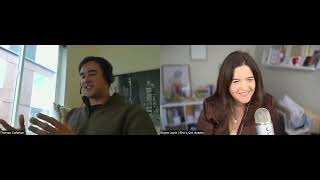
In this episode of the She’s Got Assets Real Estate Investment Podcast, host Shona Leppis interviews Thomas Callahan, a former mechanical engineer who built a successful short‑term‑rental (STR) portfolio in Portland. Thomas walks through his journey from construction to Airbnb, explaining how he navigated Portland’s complex permitting system (Type A vs. Type B, costs, and grandfathering), how he evaluates and scales deals (favoring 3‑5‑bedroom units and using simple cash‑flow models), and the specific pricing and amenity tactics he uses to boost nightly rates (professional photos, themed décor, pet fees, arcades, hot tubs, and pack‑and‑plays). He also shares operational insights on hiring cleaners, handling turnover, and managing guest expectations. The conversation shifts to mindset, where Thomas stresses the importance of having an overarching goal, sharpening one’s mental tools, and not being perfect—quoting Arnold’s “break the rules, not the law.” He describes his “superpower” of staying calm under pressure, outlines his daily Miracle Morning routine (the SAVERS framework: Silence, Affirmations, Visualization, Exercise, Reading, Scribing), and offers advice on stress‑management through journaling. Finally, Thomas provides his personal email and invites listeners to connect via his Airbnb profile. Throughout, the tone is conversational, supportive, and pragmatic, with an enthusiastic yet measured sentiment toward actionable strategies.
Chapters
and I've talked to the people at the city and I'm like, so if there ever is a point where they start outlawing Airbnbs, like how's that going to work? And they're like, you're pretty much going to be grandfathered in. So that's what I like about it. It's permanent. And I, the way I foresee it, the trajectory, Airbnb's just going to grow. Eventually over time, they're probably going to get outlawed or stopped. What you have will be grandfathered in and then the returns on something that has no more competition is going to be crazy good.
Welcome to the She's Got Assets Real Estate Investment Podcast. I'm the host, Shona Leppis. Follow along as we unpack and demystify real estate investment strategies through expert interviews and personal experience. From how to find off-market deals to creative financing to long-term and midterm rentals, we aim to educate and inspire others to gain financial freedom and generational wealth through real estate. And as always, please subscribe to to never miss an episode. We really appreciate reviews. It helps others find us and it just helps us get found. Right. All right. Welcome to the She's Got Assets podcast. Today I have a really special guest, Thomas Callahan. I hope I said that right. We met at a local REI event and he's doing some really cool stuff in the STR space and has a really great story. Thomas, thanks for joining us. I'd love to hear your background or what you're up to.
Yeah, thanks for having me on, Shauna. This is my first podcast ever. Definitely excited. Definitely a little nervous. Yeah, I could tell you about my journey and how I got into everything. I think it's interesting. So went to college just like everybody else in college for the most part. Didn't have an exact clear vision of what I wanted to do. I always had an entrepreneurial spirit and I went to college for mechanical engineering. I was good at math and science. And I wanted to challenge myself and I had some friends going through it. And so I did mechanical engineering with a minor in aerospace. And while I was going through that, uh, I was doing well, but then there was like an aha moment where I realized it wasn't for me when I was in an aerospace class. Aerospace is like airplanes and like spaceships, to put it simplistically. And you, you can like, you're calculating trajectories and all that. And there was this one time where the teacher asked us like, what is your favorite aircraft? And everybody like raised their hand and had an answer for it. And then I'm like, I have no idea. And then I realized these people truly care about this subject way more than I do, so I can't, in my opinion, compete in that space. Yeah, I just didn't see myself aligning with their, with them long term. So if I got a job at a company like that, I didn't really see myself enjoying it as much as they would. So realizing towards the end of my career at college that mechanical engineering wasn't for me, I was, see what other options there were. And then casually in conversation with my dad one day, he was talking about somebody from our neighborhood and he mentioned that they fix properties professionally. And I was completely blown away. I thought that was only stuff they did on TV shows.
[Speaker:NATALIE] Right.
It was so crazy to me. And so that really intrigued me. And from that point, I just started like educating myself, like buying Audible books on flipping houses and just real estate in general, diving deep while I was in college. And I tried to line stuff up so that I could potentially become a flipper. And so out of college, I got a job at a construction group. I was doing construction management for one of the largest mechanical contractors in Portland. They did HVAC, piping, plumbing on the commercial side, and it was extremely large scale. We did a lot of data centers, hospitals, other things as well. And just wanted that construction background. So if I did switch to doing real estate full-time, I had that background as well so I could build myself up to what I want to be eventually. And then so eventually one of the jobs took me down to Medford, Oregon. If you're not familiar with Medford, it's definitely not, in my opinion, the most enjoyable place, but they were paying us per diem, so extra money in my pocket. And I thought this would be a perfect opportunity to try and buy a place because it's definitely a cheaper market than Portland. And so I went down there in hopes of trying to get a place to fix and flip or just whatever provided itself an opportunity. And so I was sending out mailer letters and I had, I found this company that would handwrite them, like it was a robot that handwrote them and then they'd mail 'em out for you. And I actually found pretty good success in the Medford area just 'cause it's smaller. I don't think they get as many mailer letters. I've done it in Portland and I'm deeply impressed by your results, Shauna. Like, it's really impressive that you're getting responses. I've gotten very little responses in Portland, but it seems like Medford's smaller, so there were some responses. There was a couple deals that fell throughout there and that was a letdown. And then I had to move back up to Portland because we got taken off that job. So it was definitely deflating. Feel like you spent a lot of time trying to find a deal and there was some good things down there, but nothing really I saw when you did the math would get me outta my job fast enough. Oh yeah. Because I was at, at the end of the day, that's what I wanted to do is I didn't want to work at this job anymore. Wanted to work for myself. That was always my dream. So I'd come back to Portland and then just in a random conversation at a party with one of my buddies, He's talking about what he's doing in one month with his Airbnb, and he told me he was making $9K in one month. And without really knowing any more details, like running the numbers for short-term rentals, I was like, or long-term rentals, I was like, $9K, like you could, that pencils out extremely well. Like when I was running the numbers for Portland places, like you're barely breaking even or barely cash flowing. So that was extremely intriguing for me. So after that, 4 weeks later, I actually put an offer on a house and was closing on it and closed on it in about the standard time. And so at that point I got a house, it was a 3-bedroom, 1-bath on the top, and then a studio in the basement. And I was super excited and I got it and I finally went in it and knowing that I was going to turn it into a short-term rental. I never owned a house before. Just never really decorated either. I was just, just super overwhelmed right outta the gate. I was like, what do I, where do I even start? And so just reached out to my mom and she gave me some really good insight cuz she's decorated many houses. And so she helped me out with just ideas. I had an idea of what I was going for and I went with like almost like a plant theme. I put like greenery on the walls, I put like fake plants everywhere, and I tried to put as many beds in the bedrooms as possible, just because I knew that would drive revenue. And, and I knew that through doing AirDNA, which I recommend to everybody. It's, you just have to go on AirDNA, which projects the numbers for a property, and you just type in the address, the amount of bedrooms that you want to do, the amount of bathrooms, and then it'll give you a projected revenue. And as you play with that, you realize that the more bedrooms you have, the more people that can sleep, the more revenue you're going to bring in. So, I mean, That there is like the bread and butter of short-term rentals is like, how many people can we get in here and how many bedrooms and all that. And so I ran that and honestly found pretty good success in it. And I think what's really interesting about when you're doing stuff like this, that's not really standard, like family members always want the best for you, but I had some family members trying to talk me out of it. They, they were saying that like, why, why don't you just do a long-term rental? They were super concerned about like this working out.
Mm-hmm.
But I was just super gung-ho on getting this figured out. And so I got it going. And then in the first whole year cycle, I bought in '21 and then I did a full year in '22. And, and in '22 you had like a full year's worth of data. The upstairs did about What was it? I think total it did almost $100,000. The bit, like the studio did a little over $30,000 and then the upstairs did something like $72,000 or $74,000. So like, I was just like absolutely like stunned. I was so excited, so happy. And then from there I got like another one and then another one. And then so built that, built it up to the point where I felt comfortable enough to leave my job and that, that took a lot, to be honest, to give up that, the golden handcuffs. Is that what they call them?
Yeah. The stability, the health insurance, all the things.
Yeah. Yeah. It was a lot. Yeah. It took a while to build up that confidence and I just did both for as long as I could until I was pretty burnt out on my job. And when I was doing both, like you're making pretty good money cuz you got two incomes coming in pretty decently. And then I had pretty close to what I was making at my job through Airbnb. And then when I quit my job about 2 months later, just through projections, I was making more than I was at my job. So in about 2 years, I was able to build up enough to surpass my job, which that's all I wanted. I'm like, if I'm gonna do this, I want to feel like the same comfortability I felt at having a job. And yeah, so that's kinda my journey for getting into Airbnb.
You make it sound so easy, but I think a couple things to like highlight is the fact that you have, I think you either have the entrepreneurial kind of like bug or you don't, and you followed that and you, it looks like you just found Airbnb, but you did a lot of research, a lot of action to know that. I think some people don't realize that it's like building this thing and then you took the action. And it looks like you just got super successful overnight.
Yeah, no, 100%. And I had to explain that to, to my dad who was like super hesitant about me quitting my job. 'Cause obviously you gotta tell your family members when you're doing something so ludicrous.
Right.
And he was just, he just thought like it started when I started the Airbnb, but I'm, I told him like, I've been studying this since like junior year of college. This has been like a 5-year study up into this point, like building my own calculators for running the math. And to the point I was like 100% comfortable with everything. And he was shocked by the confidence, but it, like on paper it's like, yeah, you've been doing this for a year and a half, 2 years. But the whole span I was just learning and that's where the comfortability comes in. Like I did, I was so ready for my first deal. Like I didn't have any reservations. When I talk to people that kind of want to get into it, I can see the reservation, but it's just 'cause the lack of time they've spent studying it.
Mm-hmm.
And it's, it's, you just gotta get, you just listen to podcasts, read books, you'll get that comfortability and then you'll be able to know that what you're doing is the right thing.
Yeah. I'm curious, I think a big part of this too is, this is gonna sound, but mindset and that you had that very clear intention. I feel like you're, you're pretty young if to be that intentional about like just switching careers and that's a pretty big shift. I feel like you were like very clear on that, which Yeah. Do you think that helped you kind of stay on the course?
I think mindset's such a big part of it. If you don't believe that you could do whatever you want, you're not gonna be able to do whatever you want. Like, fun fact about me, I love working out. When I would work out, especially when I was much younger, I wouldn't listen to music. I'd listen to like motivational speeches and I get—
that's all I do. I drive, I have some notes.
Yeah.
We should share notes, right?
Yeah, absolutely. But something about that just fortifies your mind and just builds it up strong. And like, it just, I mean, especially when you're an entrepreneur, you get kicked down so often. Like when I went to Medford, I tried, I spent, I would wake up at like 5 in the morning, write offer letters or whatever before I went to work. I was spending all this time doing all these things and then I was just getting failure after failure, nothing. And then to have to go back to Portland with absolutely nothing to show for it after We moved back up there. Yeah, super deflating, but that's just, just entrepreneurial and like you just have to have like a strong mindset. Like this is gonna work out, this is the way. And then you have to have like a, a vision of how to get to where you're going. And I feel like by taking the step of working at the construction group that I worked with, that was like taking a step, making me more comfortable with construction. I have the engineering background, but I don't know, just construction language, talking to construction people is completely different. And so that got me more comfortability. So it's just like trying to figure out what your goal is and then the building blocks to get there and making sure that you do that just to build up that comfortability. And so just listening through, honestly, Arnold Schwarzenegger, that's, that's how I got that, that mindset. Cause like I was like, I always had a vision of like where I was going and I'm like, All right. So it's like the vi— you have to have the vision of like where you're going, how you're gonna get there. And then so that way everything feels intentional.
Yeah, it's so true. I think, but there's dips and curves and it's hard to remember that. Therefore reprogramming yourself. Well, I've never heard of Samu. Check 'em out. Gosh, there's so much to unpack. So I think, yeah, it's the mindset and the fact that you did all those reps and that you just educated yourself. It's all out there. You don't need to have. A coach or I do coach, but I, I firmly believe that this is an industry that if you apply yourself, like clearly you did and you're really successful, it's out there. It just takes a lot of persistence and staying with it.
Yeah, definitely.
So did you read Rich Dad Poor Dad? 'Cause like everyone says that.
Yeah, of course. That was the most inspirational book I ever read.
Yeah.
That was definitely one of the early books I read and definitely I would probably point to the number one book that Inspired me. I've read it a couple times and each time I'm like, wow. Yeah, this is such a good book.
Yeah. Yeah. There's that Cashflow Game too, which is really fun to— Yeah.
Yeah. It tells you the game of life and how to play it. It's like, it really, life is really a game and that book tells you if you wanna play the game in the most productive, successful way, it's not necessarily real estate, it's just trying to figure out how to build things around you that help make you money. And then in a way, hopefully you can eventually automate that and then it's just making money for you without you really having to work.
Mm-hmm.
And that's what drew me into real estate, to be honest.
Yeah. I think it's the asset. Yeah, I totally, 100%. There's so many things to unpack. I think one thing when I first met you that really stood out is that we're in Portland, Oregon, right? It's a very unfriendly market to STRs, even to long-term rentals, and you figured out a strategy of how to make it work. And I really commend that 'cause I think a lot of people like, oh, they're illegal unless you live in it. And I may or may not have moved into some Airbnbs in my past. Yeah. And so I, that really stood out as something that you figured something out and I think that's super cool. So I'd love to hear more about that.
Yeah. Portland definitely is really strict. But also I think that might make Portland a great market for short-term rentals, and that's how I view it. Mm-hmm. It pro like creates a barrier to entry. You know what the rules are to play by already, which is great. When you're in a market where there's no rules, you gotta assume that rules are coming in eventually. And when those rules come in, it could totally make your property ineligible or not work. And then you just have a property with a bunch of furniture in it and you would have to do something different.
Yeah.
So it could be really troublesome. So at least we know the rules we've got to play by. And for Portland specifically, there's two types of permits. There's Type A and Type B, and they're totally completely different. They cost completely different money and one's easier to get, one's not. The Type A is a super easy one to get. It's super cheap compared to the Type B. And it's for 1 to 2 bedrooms. So if you want to get a 1 to 2 bedroom, you do Type A. You still have to have a long-term tenant live on the property, but then you're able to rent out 1 to 2 bedrooms. And I think last time I checked, I don't know, it's probably like $200 to get that permit, maybe more. I feel like Portland always sneaks in fees and they always list less than what it actually costs. And then that one's temporary. You have to re-up that one continuously every 2 years, I believe. That's not the one I, I like doing. The one I like doing is the 3 to 5 bedroom is Type B. It's a hard one to get and it's about $7,800. It might've gone up in 2024. $7,800 to get. They used to make you get a traffic study, which was $4,000. They actually finally got rid of that. So that's a huge relief. But yeah, all the, all in. You have to get drawings done of your property potentially. All in, it could be like $8,500. And then if they find something on your property, they need you to get permitted, could be extra money. Part of my basement wasn't permitted at one of my places and they made me fully permit that. And that was another $2,000. You could be looking at $10,000 to $15,000 for that type of permit.
Mm-hmm.
The nice part about that is it's a land use review and it's permanent, so it sells with the house.
It's permanent. That's incredible. It's permanent asset. That's like, Yeah, right.
100%. You get it, you lock it in, and then you're pretty much good to go. And I've talked to the people at the city and I'm like, so if there ever is a point where they start outlawing Airbnbs, like how's that going to work? And they're like, you're pretty much going to be grandfathered in. So that's what I like about it. It's permanent. And I, the way I foresee it, the trajectory, Airbnb's is going to grow. Eventually over time, they're probably gonna get outlawed or stopped. What you have will be grandfathered in, and then the returns on something that has no more competition is gonna be crazy good.
Yeah. Oh, so I have to ask, do you think your background in mechanical engineering, all that kind of influenced your like strategy and like land use and I don't know, I'm just curious cuz that's really smart. I didn't know that was—
Yeah, it might have to do with just the fact that when I was growing up we played so many board games, like just strategy. It was just, which probably made me a smart dude, mechanical engineering and all that. But we played so many games and everything was so strategical in my family. So it's just always trying to find like the optimal route to make the most. And I guess to that, another reason why I like doing the 3 to 5 bedrooms is that 4-bedroom, for example, will probably make something like between $95,000 to $105,000 from Airbnb. And that's not like profit. Some people think that, assume that's profit. You still have like your mortgage, your cleaners, everything, utilities, Airbnb supplies. But so we'll just, we'll say a 4-bedroom brings in $100K and then A one bedroom, so depending on where it's at, a one bedroom or a studio can make $25,000 to $35,000. So at least with a four bedroom, it's like having four smaller one bedroom units or three highly profitable one bedroom units. But with that, I only have to do one messaging chain. So I'm not messaging three or four guests or coordinating three or four cleans. I'm only coordinating one.
Yeah. The scale layer. Yeah.
Yeah. And it's bringing in roughly the same. And so that's why I like that aspect. And so strategically I was thinking like, how do I scale this? I cannot just get a bunch of ones and two bedrooms. It's going to be a headache. Yeah. It's going to be, it's such an absolute headache. And anyone that does that, I respect it. But that wasn't the path for me. And then the one thing I worried about too with the one to two bedrooms is that you're also competing with the hotels. Yeah, you probably have a kitchen in the one bedroom or two bedroom, so that makes it kind of the Airbnb model. But you're still comparing, you're competing with hotels at that point 'cause they have the one bedrooms, they have the two beds and the one bedrooms as well. And so the fact that Type A is super easy to get, it's super cheap. There's just a ton of supply of one to two bedrooms. And so other people that I've talked to in Portland, those returns are just getting more and more diminished. Just because the supply keeps on getting higher and higher. With at least with 3 to 4 or 5 bedrooms, you have that barrier of the permit costs, the difficulty to get it, the knowledge to get it. And the tough part is, and what kind of stinks for anybody trying to get into it, and if you don't know your stuff or you're not confident in what you're buying, imagine if you spend all the money AK on the lowest end of it to get the permit for your property and then it doesn't perform. You spend all that money and time doing that and then it doesn't perform and then now you spend all this money and it doesn't really pencil as a short-term rental.
Then you go midterm.
Yeah. Then you could try midterm and see if that pencils better.
I know. I get your point though, right? But it's like the data and the research, right? The analytical part of the balance, right? Is that kind of what you're—
Yeah. If you know how to analyze them, if you just talk to somebody in the industry, if you have somebody that you're confident in that knows their stuff, I'm sure they could point you in the direction of what's gonna be profitable, what's not gonna be profitable.
Mm-hmm.
And a lot of the time it comes down to the way you manage it too. You gotta be doing professional photos. You gotta be—
Oh my God.
Uh, decorating nicely. I know.
I'm just like, toilet seat is up. It's like this. I'm like, did your grandma just Proper.
The basics. I, I feel like it with anybody with common sense would do that, but there's so many people on Airbnb that aren't doing that and it's just unfortunate. They're leaving probably 10, 20% on the table, which could be $5,000, $10,000, something like that. Just by photos. I've upgraded my photos time and time again cuz I'm like, the more I learned.
I, I feel like I, it's so obvious, but people forget or they're like, oh, I did. We all have these like really smartphones, right? That can take. I just took pictures of my rental. I'm like, they suck. I took buildings of them and they're just like, still not like a real estate photographer that comes in with their wide angle and makes a small room look bigger.
Yeah.
Okay. I wanna unpack a lot, but the one thing I wanna unpack, it's like the Type B obviously is, but how are you, because you, someone needs to live on the property, right? Or is that different?
That's not the Type B, like, Type A and Type B, you need to have a long-term tenant on the property and that is What really also makes it tough, cuz then you have to have essentially a separate unit. And with Portland, if you do an ADU, they waive a lot of fees if you don't use it for short-term rental use. But if you do use it for short-term rental use, the per— then you have to pay all the permit fees and that's probably like $15,000, $18,000.
Okay. For a new build or for a, just for—
New build.
Got it. Okay. Got it. Okay.
Like an, yeah, new build. And then there's, yeah, you gotta be careful when you're buying stuff with an ADU already because they may have signed a covenant in Portland where it says, I will not use this in order to run a short-term rental. And then if you did go apply for a Type B and that covenant is signed and you didn't know it was signed for that property, you would have to go back and pay all the permit fees. Associated with that.
Okay. Okay. That's good to know. Is that something you have to go to the— it's not gonna, gonna come up in title, right? It's, you have to do your own kind of research permitting.
I think you gotta do your own research on that. That's not gonna come up. Okay. I don't believe. Yeah. I think the, there's a date on that. I, if I'm remembering right, it's either 2018 or 2014 when that, that got put into place where these covenants started to exist. So anything that you feel like has been built recently, you gotta be aware of that. There's ways of getting around doing the ADU thing too. You can just say that the tenant is sharing the kitchen. And so as long as you don't have a kitchen in there, then it's not considered an accessory dwelling unit. So that's a way of getting around that as well.
But in theory, you're supposed to have someone on the property. How do you like position that to the long-term tenants? What's the pitch?
Yeah. Yeah. I was super concerned about figuring that out. Just because you view the world through your own lens. And me personally, I would never want to live under an Airbnb, but there's people that want to do it. I think you definitely gotta price your long-term rental accordingly. If you're using Rentometer, yeah, you probably should discount it a little bit. For one, it's most likely your ADU or whatever is in a basement. If it's not, then that's great. 'Cause then they don't have to hear the noise from the Airbnb. But if it's in a basement, it's below an Airbnb, yeah, it should probably be discounted. And then just finding the right person, someone that's not going to complain about noises all the time. Unfortunately, these homes are like in Portland are 100 years old.
Yeah.
And even if you put insulation in it, when you connect wood floor through the trusses and then you connect the drywall on the bottom, that sound just reverberates right through the wood to the drywall. So even if you have insulation in the open nooks, mm-hmm, you're still getting a lot of sound down there cuz it reverberates through the wood boards.
Okay. So are you, when you're advertising the long-term, are you saying that in the ad or is that something you mention like, hey, this is a little bit quirky or unusual or how do you like, yeah, I'm definitely, I'm definitely upfront about it.
I think you gotta be upfront about it. Otherwise you're just going to a lot of meetings, spending time meeting tenants, and then that could be like the make or break for them. So I just want to be conscious of my time and their time. Make sure they know everything. And some people might find it cool because they're like, you mean my friends, when they come into town, they can stay up there? I'm like, yeah, just hit me up. What the? So there's the upside of that. If there's shared amenities, one of the properties has an out decorated outdoor area. Now they have an amenity, like they can use the grill outside. They have a hangout area. Right. It's like you get that, you can share that area. Yeah. So you can upsell that portion of it. You just gotta be like, hey, there is separation. This is the Airbnb portion. This is your portion. So don't feel like they're gonna be in your space. You just gotta definitely let them know that there's privacy for them if you're trying to let them know. It just, yeah, just try to think like through the lens of how, if you were to rent it, what would you want to know? And you definitely, want to be upfront about the, the noise potential. Mm-hmm. Because otherwise then you might be getting texts from people saying, hey, super loud down here.
It's like little pitter-patter. No, I have, I'm a big fan of transparency. I've had rentals with homeless tents that pop up and I have to be like, hey, listen, you might have some visitors.
Yeah.
Control it. I just want you to know that's a thing. And some people are like, oh, no problem. Some people are like, hell no. And it's fine. But if I don't tell them that and then I surprise, they, tent pops up and some fireworks go off. I've seen it all.
Yeah. So I've, I do the same thing with Airbnb guests. That actually used to be a really common question being saying, is there any homeless camps nearby? And I would just say, no, there's not. But there's always that potential. You never know when they're gonna come. But I actually have stopped getting that question from Airbnb guests. So I guess some perception of Portland has changed where they don't. Okay, that's good. It's super good. I'm a big fan of Portland.
I love the question, is it safe? Yeah. People tell you about the crime. No, what do you think I'm gonna say? Yeah.
Yeah.
Like, obviously.
Yeah. Obviously my persona. Yeah, exactly.
Yeah.
There's people dying left and right out here.
Yeah. They're shooting. Some guys just died in their cars. I just, yeah. I like to be transparent, but also paint a more positive picture. I love that you've made, I think same with like long-term rentals or MTRs, right? It's a challenging market, but in that there's a lot of potential and people are scared of it. And they're scared to be landlords, but you found a real, you've turned it into kind of an asset, I think. And that's, that's what we are as entrepreneurs, right? We're looking for those kinds of opportunities and seeing maybe a challenge as maybe spinning it into something more positive, right?
Yeah, exactly. And well, one of the real estate meetups that I went to, some guy put it perfectly. He's, he's just like, you gotta be creative to get in real estate. Everybody has that plan of, get in a duplex or triplex, living in the one side, renting out the other side, trying to cover their mortgage.
Mm-hmm.
Everybody has that plan. And for that reason, it is so hard to get a duplex, triplex at a decent price where it actually pencils out.
Totally.
And so you, you have to have a different approach on how you're gonna make your real estate deal work.
And I think ultimately there's a lot of things we want. Cash flow is king or queen or whatever you want to call it. And Yeah. And the scale of rentals, there's STR, MTR, and long-term. STR is like the juiciest, right? But, uh-huh. It's also, I think, a little more work. So I'd love to hear your thoughts. There's so many things, but I guess trends that you're seeing or how to optimize. So I think again, you can have a listing, but if it's crappy, you're not gonna get bookings or—
Yeah. Let me think on that. I've— My perception is don't necessarily cheap out on the decor, the decorations, and be creative. Put some flair in there. Don't just do it like a house. Don't decorate it like a house that you would necessarily just want to live in day to day. Do it something like fun that like normally people wouldn't want to do in a house because it's too much.
Mm-hmm.
Like for my properties, I put up, I put up like green walls. It's like fake greenery on a walls and then I'll put like lots of plants. Like no one would necessarily do that, but it adds like a cool aesthetic. I put like ivy up a wall, just trying to make it like pretty, pretty lively. Um, yeah, just get creative with it. People are painting walls now, doing things like that. People, and like I've seen this guy on Twitter that really decorates backyards, like having a really nice backyard in certain areas can bring in a lot of revenue.
Mm-hmm.
Hot tubs in the mountains, uh, right by Mount Hood, that's gonna bring in, you know, an extra like $10,000, $15,000. Uh, you just gotta figure out like what people are looking for and add like amenities. Like I put arcade games in my places. It's such an easy add. The, probably the best way to do it, I usually just get it from Walmart, but then you have to build it. There's a lot of people on Facebook Marketplace selling those things already built.
Really?
Yeah. So pretty cheap.
They just bought it as a novelty and they're like, their kids don't use it after the first.
Yeah. And there's like a difference between the ones that are at like the restaurants where you put the quarters in, they're super heavy. And then there's like the ones you can buy online that it's just like the video game itself. You don't put quarters in it, so they don't have all those mechanisms in it. It's super light.
Okay.
You can get those for like $250 and it just adds that extra Like one, I love adding a lot of color to the Airbnb so that the photos really pop.
Mm-hmm.
And I really do, I've actually gotten a lot of people that would book because they have some love for Pac-Man and usually I put like a Pac-Man machine in it. It has Dig Dug, Galaga, all the old school stuff. Like personally, even I love, so putting fun stuff like that in there.
Yeah.
Because you get, I always think about like ROI, like what's the return on investment? So I gotta make. So if it's $300 in a, one of the bigger places, like the 4 or 5 bedrooms, that only needs, that only takes one night. So I just need to convince someone to book one extra night in the entire year for it to pay for itself.
Mm-hmm.
And I know it's gonna do that.
Yeah.
And for that, for that reason, the ROI on adding an arcade is, it's really good.
That's a really good way to put it. And I feel like there's, from what I've seen, there's definitely themes and you wanna stand out and people are there for vacation. So those fun quirky things are gonna. Yeah, that's, yeah, I love that. Okay. So other, any other like amenities? I think you have to tailor it to your location, right? But for Portland specifically, like I feel like we're very, I don't know. Yeah. I'm curious what people are looking for in our Northwest, I guess you could say.
So adding pets, super resistant against that, but when I did that, I think it adds another 5 or 10%. Easily. People always have pets. They always wanna bring their pets. And they might even bring their pets without even telling you. So at least if you give 'em an option to bring a pet, like at least you're getting paid for it. Like I do about $150 to $190 for pet fee.
Okay.
And so if there's some people come in for one night, they'll bring their pet. That adds an extra $150.
Mm-hmm.
Yeah, you gotta clean up the hair, but hopefully within the short amount of time, they don't shed that bad. I think people do a good job cleaning up after their pets too. Just don't let them get on the furniture. But yeah, that is a super good way to drive more revenue if you're struggling. Definitely allow pets. And then, uh, baby stuff. Like you definitely want to have a pack and play, if not that, a crib.
Mm-hmm.
Any stuff related to babies, baby safety, especially for the bigger properties.
Okay. Like childproof. I remember that stage that you couldn't open a cabinet without the magnet as well. Yeah.
You lost.
I'm like, where's the magnet?
Yeah.
Interesting. All right. So child—
yeah.
Family friendly kind of stuff. Okay.
Definitely a pack and play. If you only wanna do one thing, do a pack and play. I've never gotten so many more requests for a pack and play.
Interesting. Yeah. They suck to lug around. I, I can see. Yeah.
It's bad. You're about like $50 off Amazon. Throw that in there. Like the ROI on that, it'll pay for itself. Easily.
Yeah. Interesting. Okay. Gosh, this is going by fast. Okay. I really wanna chat about like turnover and operations and software.
Yeah.
All that stuff. 'Cause I feel like this is a super sexy part of real estate, but then the washing the sheets and all that, I just, when I have a turnover, I'm an MTR and it just, I just hate it. So any tips or like how you've systematized it? I'd love to.
Yeah. So the bigger properties, let's just talk like cleaning. How do we go about that? Because it's definitely the most stressful when you first get into it.
Yeah.
How do you find cleaners? Good luck. It's so hard. What do your standards rank?
My standards are very high and they're sometimes not quite as— there's some hairs that I've found.
Yeah. The one thing I would tell anybody about getting into it is that your cleaner's never going to be perfect. You're always, anytime you go there to check out the property, you're going to find something that's off or wrong. They're not going to do everything you want. Hopefully they're doing hourly. It's like a time thing. Like if you're paying per project, which I used to do, that can be somewhat expensive because sometimes the clean only takes 2 hours, but then you pretty much paying them for 4 hours. But at least if it's hourly, it's— if they're spending shorter time cleaning it and then they miss some things, at least you're paying less on the front end of that. But yeah, finding cleaners is super tough. You can go on to Turnover B&B and they will allow you to find people. But these days it just seems like the people on there are just shooting for the stars with the quotes they give you. That is like, they're like, I don't really need the business, but I'm just going to give you a quote for maybe 1.5 what it should be, maybe 2 times what it should be. So it hasn't been successful there. Found people off Craigslist. You just got to get creative with it. And just always keep checking, always keep checking. It's so hard to find cleaners. If my cleaners left me, I think I would be in a bad place.
I would ask you who they are, but I know you wouldn't share. I love my cleaners.
I get on them.
I'm like, dude, I put my, just, and they know me, they know I'm extremely picky and I just am like, just never meets my, I'm glad I'm not the only one cause I get really—
you can tell them as many times as you want. Your expectations, but for some reason, I guess it doesn't really click with them. They're always moving fast.
Mm-hmm.
Communication isn't typically there, but I don't know, as long as the way I live by, like I've worked with other people and when it's their property, they'll check up on it and they're like, this isn't up to my standards. This isn't up to my standards. Like, all right, let's look at the reviews. 4.9, 5-star. Let's look at the reviews. If we're getting those stars, guess what? We don't have to be perfect as long as we're getting the good reviews. That's how we should judge how well we're doing. But yeah, for cleaners to help 'em out, I do Costco sheets that are microfiber. They're so soft from Costco and they dry probably 3 times faster. So when you're doing like 5 or 6 beds in one of these properties, it's so much linens that it's really tough to get through in that 4 to 5 hour window.
Right.
So microfiber all the way. I know that people love their cotton, but you're just not gonna be able to get through laundry really. In my opinion, if you do cotton and the stuff from Costco, it feels fantastic. I've had people reach out like, what is this brand? Like, it feels so, so good.
It's like, it's really fancy.
Yeah. I'm like, don't look too closely. It's only $19 for those sheets.
But they get stained, right? I don't, I feel like I'm always, they, I don't know if you go through sheets, like I just every time ever I'm like, and I'm making the bed and I find a stain, I'm like, all right, there we go with that set.
And then I'm, yeah. The thing about microfiber is I don't think they stain as easily.
Oh, bonus. Okay.
Yeah. Which is super nice. Um, but also you, it's not that bad if they do stain 'cause they're only like $20 a pop.
Right. Yeah.
So not the biggest deal. But that helps with cleaning time. And then coordinating cleaners, I use a project property management software called Hospitable.
Mm-hmm.
And I figured out how to add my cleaners' phone numbers and then you can add 'em to whatever property. And then I send them two automated text messages, one that happens the day before at 11 o'clock saying, hey, just give you a heads up, there's a cleaning at this property. And then I have another part that I programmed that will be able to tell if it's a same-day turnover, meaning like there's a checkout the same day when they check out, there's somebody checking in that same day. So that means they have to be done within that 11:00 AM to 4:00 PM cleaning window. So it puts emphasis on that. It'll add a little emojis that pretty much say, heads up, this is the same day turnover. Pretty much letting them know you need to show up on time. You need to clean this property. You need to prioritize this property over other properties.
Over the other ones, right? Okay.
Yeah. So you, you gotta give 'em a way to prioritize other properties cuz sometimes all the properties will land on the same day. They're all getting cleaned and then if you give them no direction, this kind of automates it. I give 'em access to my calendars so they can see the calendar. So if they really want to like look out into the future and coordinate people, that helps. And I just put a lot of trust in my cleaners. I don't micromanage them. I've worked with some people that try and micromanage their cleaners and it's, I just don't have the bandwidth. And as long as I'm getting good reviews, yeah, I trust them.
Okay.
They give me hours.
Do you spot check 'em or you just kind of, unless you get a funky review?
I'll spot check 'em sometimes. I always kind of feel bad about doing it and I probably need to read some management books on how to properly do it. I can put you back in the It's a sandwich.
It's a compliment.
Yeah. The compliment sandwich. I do try and do that. Yeah, I do try and do that. I probably should try it better, but I'm just such a busy person. Sometimes I feel bad because the only time I reach out is when something like didn't go right. So I definitely gotta work out, work on giving compliments out more. 'Cause you don't wanna burn out your cleaners. That would, that would be worst case scenario.
That they're so critical. That's all really helpful. On that note, just quickly, like your core team, right? I know you have a lot of systems in place, so I think if someone doesn't know about channel managers, that's so critical. What other, like cleaners, who else do you have on your team that's like kind of part of your operations?
Yeah, so recently I started using virtual assistants, VAs. Mm-hmm. They're from the Philippines, South America, so they're pretty much any time during the day if they're able to hop on. So the people in South America hop on during our daytime. And then the Philippines is different time zone, so they're able to hop on on the opposite time that the South American people aren't. And so the way I got hooked up with that, so I was pretty fortunate that there's a really large group in Portland that has the biggest share of short-term rentals, and I know them, and they saw the reviews on my properties. They're like, you have really good reviews. And which is like, On the properties that are actually quality properties, I run about like a 4. or 4.97, so almost a 5-star perfectly.
Nice.
On one of my properties that it's just not a nice property to begin with.
Mm-hmm.
That property is like a 4.86 and still pretty high.
That's pretty high.
So pretty good.
Yeah.
Yeah. When I, that was my first property. When I bought that property, the inspector's like, this is like a fix-up, fix-em property. And I was like, no, this thing's good to go.
Just get it online, make a cash flow.
The, yeah, the wood floors are totally destroyed. The paint, they should have done another layer. You can see through it. There's, there's kids that live in the house, they drew over it like with marker, but I just pretty much got it listed, ready to go. And I went with the chic look of like it's been lived in. So the furniture I had bought was like stuff that was already scuffed up and it goes with the look and it looks purposeful.
Yeah. I got it.
Yeah.
Yeah. Embrace it.
Yeah. But I guess to clarify on how to like, I automate things just for the listeners. So with cleaners, I do automatic text messages for the messaging. I have VAs. If you don't have VAs, I would still recommend to use Hospitable, even if you have only one property, it's about $40 a month. But the time it'll save you, it'll pay for itself. It has an AI button that you press. And it reads what the person said and it creates a really impressive response. Like if they're like, is there any grocery stores nearby? You press that button and it is able to look at the address of the property and tell the person where the grocery stores are nearby. Same with laundromats. If they ask specific pro— like questions about the property, like where's the laundry room? It might generate a really not great response. But at least it, it gives you like a template so you can edit and it saves you a lot of time.
Mm-hmm.
So that was a huge time saver for me. And it's like really eloquent too. It doesn't sound robotic. No one would ever guess that it was robotic. I'm telling you.
Some of the chat, I love it, but I'm like, and it's kind of flowery. I'm like, okay, let's tone it back.
That's probably the biggest issue. It's, it sometimes it lays it on too heavy and it's, it's just like, this is too much. This is too kiss-ass-y. Like this is way too much.
Yep. But you can see it now. I see listings. I'm like, oh, that was ChatGPT. Cause it's so like flowery and—
Yeah, you have to tone it down sometimes, but that, that saves a lot of time. I really got down my automated messaging. Automated messaging being like when they book, they get like a message. When they're about to check in, they get a message. During their stay, they get a message checking in. When they're about to check out, they get instructions. I've dialed that in to try and pretty much prevent them from being confused and messaging me. That's the biggest thing when I was working for myself and I did all the messaging. I'm like, yeah, anytime I get a question, if I get it more than once, yeah, I gotta find a way to make sure that same question doesn't get asked again.
Mm-hmm. Mm-hmm.
Because I just, I had no, I didn't want to reply to stuff like that.
You don't want to say the same thing over and over.
Exactly. And I think that's where a lot of people struggle is they just, they fight the same battle over and over. If there's something wrong with their property, they just continually just will message the guest instead of fixing it. Uh, if you just go and fix it, then you just save your, your time.
Mm-hmm.
And definitely down the line.
Yeah, that's super smart. No, and so I'm assuming you have check-in notes that are really thorough and all that usual stuff to address all those common Q&As.
Yeah, absolutely. I try and be super thorough, very specific about like door colors and like when you find the lock.
Yeah, right.
It's crazy what people screw up. Um, yeah. If there's a way to make a mistake on checking in, they'll find it. They'll find out how to do it.
Yeah. Oh, I remember getting the calls I had. I mean, so that brings up like self-check-in smart locks. Do you have like favorite tools or, I don't know.
So you can have a Yale lock, Yale, Y-A-L-E. You can have that automate, uh, new codes every single time. It has to be connected to wifi. It could be super problematic. It can get disconnected, it can lock people out pretty consistently. There's a Schlagg lock. I think that one probably is better. I've never used it. I've only used Yale. But yeah, you could, you could run into problems there. But then also Hospitable works with that lock, so it'll automatically generate new lock codes. And then when you direct message people, you can put in the codes. That'll automatically change to the new code each time. So you don't have to like manually type in the code for them.
Oh yeah.
So you can pretty much automate everything through Hospitable. And if you're not using it, even if you just have one property, it's good to probably just start now and learn it. 'Cause it's gonna save you so much time.
So much time. Yeah. The right software, like I, I have a long-term software, but like it's, you have to, it's so worth it. 100%. Yeah.
It's just how much do you value your time? Honestly.
Yeah, I have to ask, it's like kind of silly, but how do you deal with garbage? 'Cause that's—
oh yeah.
That's a big issue. Do they put it out? Do you put it out?
Yeah.
Every 2 weeks. It's so awesome in Portland.
Oh yeah. I hate trash. That was a huge issue at the beginning. Trash day got missed a lot. Cleaners, you can't necessarily rely on them for that. So you can put in your listing for the, or like when you're automated message, you can tell the guests that stay at your property when the trash goes out, but sometimes there's not somebody staying at your property, so they can't bring it out. The best thing, I guess if you have a long-term tenant, they can handle it. But if your place is just solely a short-term rental, you might run into trouble. All my properties has, have the largest trash can size. And if there's anybody listening from, not from Portland, our trash only gets picked up every 2 weeks and it's the dumbest idea ever because when people fill up the trash, then they start putting stuff in the recycling, which is trash. And so you're defeating the purpose of it.
Mm-hmm.
And so you have to, if it gets full, then I just tell them to put the trash bags outside by the trash can and hopefully that doesn't get any vermin. But I have a truck and so when everything fails, I can go pick it up with my truck and dispose of it myself.
Done my share of trash hauling.
Yeah.
Oh my goodness.
It's, it's the worst. It's such a waste of time, but you have to do it.
But the alternative when it's overflowing and to your point, attracts things we don't want.
Yeah.
We're, this is, I could ask you a lot more, but is there anything like that we didn't touch on? You've clearly really successful in a difficult market, a very expensive market. So I really commend that. Anything you would, tips you would share in general that we didn't cover?
Just always the advice of Or people saying, I wish I started earlier. That always resonated with me. So that's why I wanted to start so early.
Yeah.
I'm 28, just turned 28. Birthday was last Thursday. So I just always knew that was like the path. And if you're, even if I wasn't making substantial money, I just know like the knowledge I'm gaining and the confidence and learning how to do your own taxes, your own accounting, everything. It's gonna, it's gonna teach you how to do other things. I, I don't know if this'll be the end-all be-all for me. Like I, I could hopefully potentially do a product one day or something like that, but you're learning the basics of entrepreneurship and just you're flying by, I don't know, what do you say, the edge of your seat? Yeah. You just get more comfortable with it. I was not very comfortable at first, but the more time you spend doing everything, it just gets, it gets easier. And then the possibilities open up and that's what I love too. And that's what I hated about my job is like, it just felt like I knew what was coming and it just seemed so boring. Mm-hmm. And at least with this, the possibilities are endless. I, I see stuff on Twitter or YouTube now and I'm like, I could potentially do that. I could figure it out. I could figure out how to do laundry or ATMs. I could, even though I wouldn't really want, really wouldn't want to. But, or businesses. I feel like there's potential to make a lot of money with, um, watching people's pets or something like that. I saw something on YouTube where some person was making a ridiculous amount of money doing it, and it makes sense. People will spend so much money on their pet.
Mm-hmm.
And that's why I like allowing pets is 'cause you can make that extra $150, $190 per stay. What was the question?
Just, yeah, you rolled perfectly into one of my wrap-up questions. And I would just say on the entrepreneurship thing, like you, I started early too and it's really hard to go ever go back to a W-2. Like you're through it. I'm sure you know that, but like, yeah, it's, yeah, it's awesome. But that you took that advice, cuz I mean, you're always gonna look back and think like, I could have bought a house for X. Like I do that all the time. I'm like, if I knew now what I knew when I first bought a house.
Yeah, I do that with, so with Zillow, I save a lot of properties and it, it always remains saved. So I always track like what properties sold for and then like where they're at years later. That's been always really fun to do.
Yeah, it's, it's crazy. I mean, we're also in a highly, I think the other thing about this market is it's like expensive, but it appreciates well, right? And that's one of the other benefits of buy and hold.
Yes, definitely.
Yeah. 'Cause it's not easy, but I think there's opportunity and I really love that you've made focus on the opportunity of a difficult market. 'Cause a lot of people would see that and be like, oh, well screw Portland and they're outta here. Or they won't even try.
Yeah. When, yeah, when you see that or you feel that, that might be a sign to try and do it. 'Cause if you just spend the time and just read the rules, even though it's not like a fun read. You'd be able to read that in one day if you spent like one day doing it. And then you, you would know pretty much everything you need to know. Then you just know what rules you need to abide by and maybe you don't do it perfectly right outta the gate, but that shouldn't be a reason you don't do it. You don't need to be perfect. You don't need to do everything by, I guess one of the quotes I liked from Arnold was like, break the rules, not the law. Like there's, you have to identify what's rules and what's laws. Obviously laws are very clear-cut, there's penalties for it, but then there's like some rules that people live by and it's okay to break some rules as long as you're not breaking the law.
Right. Yeah. There's an old, I used to be a designer and there was an adage like you can break, there's like design things that you can break it if, if you know what it is, you have to understand what you're doing and do it with intention. Right. There's certain rules, but, um, well, yeah, they kind of answered one of my wrap-up questions, business or life advice you'd give on their own terms? I mean, if you wanna add anything to that.
Yeah, I would probably say if you're not really pursuing anything or you don't have an overarching goal and you might find that like life gets dull at a certain point, I think that's like time for you to try and have something that you want to try and work towards and achieve and If you don't feel like you can do a certain thing, that's when you gotta try and work on your mindset. Like we were talking about, I think that's probably the tool you gotta sharpen first until you actually believe that you can actually do whatever your hopes and dreams are. 'Cause once you get that fixed, then everything becomes a lot easier.
So true. Great advice. All right, this is kind of a silly fun one. What's your superpower and how have you used it in your business?
Oh, what's my superpower? I think, yeah, I want to say probably not getting worked up about things as much. I think some people that do short-term rentals would have a high chance of struggling if they get really worked up about a bad review from a guest. It's easy to take that personal. Something goes catastrophically wrong. It's easy to let that ruin your day. Cleaners miss something, it's easy to get worked up about that. But I just, I feel like I'm good with rolling with the punches and not getting overly upset about things. I think that, and then, yeah, I think that's a huge one. 'Cause I think when you're doing, you're, when you're an entrepreneur, things are gonna come your way and if you can't shrug off what happens to you, you're just gonna get so burnt out and feel so bad.
Yeah, you gotta have the big picture, right? Yeah. No, I need to work on that. I try.
Yeah, I definitely have my moments. I'm not perfect by any means. There's some days where it's just like, what is going on? Everything's going wrong. But yeah, if you, yeah, you just gotta realize that eventually it'll get fixed.
But I feel like the most challenging things make the best like stories or anecdotes, right? The things that are just like so out of like, how, what was that?
Yeah. Yeah. It's all about the story. Yeah.
Okay. So the almost last question I love to ask guests, like a book or a podcast or something that's influenced you or that you'd recommend. Could be about life or real estate, whatever you want. Uh-huh.
I think obviously I love Rich Dad Poor Dad, but I think a lot of people recommend that because when I listen to podcasts, that's what people usually recommend.
Right.
But I would say Miracle Morning. Have you read that?
Oh my God. Do you do that? Cause I've tried and I failed.
Oh yeah. You gotta, I don't know, you gotta find like a modified version and I'm not doing it right now, but when I find myself in a rut, I think that's a really good way to get yourself out of a rut.
Okay.
Yeah. I would love to try and act like I do that all year round, but yeah, I think that's a really good way to build up your mental strength as well, cuz it, it caters to. You start your morning off with what, SAVERS? Silence, so meditation, good for your mind. Affirmations, so building yourself up, talk that positive self-talk. Visualization, I've never really jived with that one. I usually skip that one. And then ease, exercise. I do like doing a little bit of exercise in the morning and then you earn your shower. I've always liked that. Maybe go on a walker, do 20 minutes of cardio in the morning, and then hop in the shower really quick. Just one, wake yourself up and then you're gonna shower anyway, so it just jives with your routine. And then, so SAVERS, S-A-V-E-R, R is, what is that one? Reading. I do like reading in the morning. I find that super calming, but you have to read something that you like. If you're just trying to read a textbook, you're not gonna wanna do that in the morning. Mm-hmm. And then the S at the end of SAVERS is scribe. So writing, I should do more of that, but I always like looking up at, back at what I wrote. Putting your thoughts on paper helps you realize the way you're actually thinking.
Mm-hmm.
And so if you're really stressed out about something, you should write down what you're stressed out about and really try to put words to paper and then really analyze like what you're stressed out about.
That's a, that's great advice. That is really powerful. I think if you, it was some version of it, right? I, I think I tried to do it. I'm like, I'm gonna give a 5 every day and then one.
Yeah. Yeah.
Did not last. I try and work out in the morning, so that's like one thing I've been pretty good about lately, so.
That's a great thing. I feel like, yeah, the book says do all those, but like in a short span. But I feel like if you just do one of those in the morning, you're still doing really good.
Yeah. And I think it's that taking that time to be intentional cuz we just get so caught up in whatever fire we need to put out or guest issues or whatever it is.
Yeah.
Okay. So how, I don't know if you have, how can people find you or possibly book your Airbnbs? I can certainly put that on the listing, but if someone wanted to reach out and connect with you, how would they do that?
If you wanna reach out to me, I have a work email, but I think my personal email's probably easiest to remember. It's just my full name. It's just thomasrobertcallahan@gmail.com. Spelled just the same way as Tommy Boy from that movie with Chris Farley. Yeah, Callahan with two L's and then no GH, it's just an H. So the classic Irish way of spelling it.
Okay.
I'll— Yeah. And then if you wanna link my Airbnb profile, feel free.
Perfect. This has been really fun. I feel like we could have talked forever about real estate, but you shared a lot of tips and really cool inspiring story. So thanks for taking the time. I appreciate it. Yeah.
Thanks for having me on. This is super, this was really fun, honestly.
Yeah.
Oh, good.
Wasn't so—
I didn't know I could talk like that.
More from Shona

Choose categories and add 15–20 services Google Business (She's Got Assets Podcast w/ Trevor Mauch)

Why long pages beat short ones for big decisions and SEO (She's Got Assets Podcast w/ Trevor Mauch))

The 1 website element that drives 80% of conversion (She's Got Assets Podcast Trevor Mauch)

3 things your business must do for you (She's Got Assets Podcast with Trevor Mauch)

MTRO PRO - The Midterm Rental Operations System MTR Operators Have Been Waiting For with Dre Galaviz




MTR AMR — average monthly rate for midterm rentals on MTRO PRO platform (She's Got Assets Podcast)

