Real Estate Investment Strategies & Community Building: Insights Kurt McLaughlin & Jennifer Florent
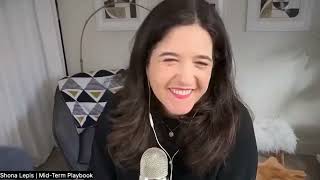
In this episode of the Cedar and Porch Real Estate Investment Podcast, host Shona Lepis interviews Portland‑based investors Kurt McLaughlin and Jennifer Florent, founders of Invest Northwest. The conversation covers how they built a local real‑estate community through monthly face‑to‑face meetups that grew into the Northwest Action Summit conference, the value of networking and one‑on‑one conversations, and practical investing tactics such as creative financing, using Google Maps for off‑market sourcing, and mid‑term rentals. They discuss common pitfalls like analysis paralysis and procrastination, the importance of taking small, consistent actions, and the role of mentorship and accountability groups. The interview also teases the conference lineup (Cody Davis, Jeff Stevens, Jesse Lee, Melissa Dorman, etc.), shares personal "super‑powers" (Kurt’s extroverted networking and design vision; Jennifer’s analytical detail‑orientation), and offers book and podcast recommendations. Throughout, the hosts emphasize community‑driven learning, low‑barrier entry to events, and a mindset of massive, incremental action to build wealth and generational freedom.
Chapters
Welcome to the Cedar and Porch Real Estate Investment Podcast. I'm the host, Shona Lepis. Follow along as we unpack and demystify real estate investment strategies through expert interviews and personal experience. From how to find off-market deals to creative financing to long-term and midterm rentals, our goal is to educate and inspire others to gain financial freedom and generational wealth through real— All right, I am super excited to have the power couple on, Kurt McLaughlin Kaitlyn and Jennifer Florent. They are super active in the Portland real estate investment community and they are founders of Invest Northwest. And they're just really interesting people doing cool stuff. And I will let them do some intros and chat about what they're up to.
Hi, I'm Jennifer Florent. I am a licensed realtor. I'm with Keller Williams. Do a lot of investment type real estate, mostly lots of running numbers and analysis on that end. Selling our finished products when they're ready to go.
I'm Kurt, and I have a heavy construction background, so that's pretty much what I've done most of my life is both commercial and then residential real estate. And then more recently I found my kind of passion for design, interior, for especially for residential property.
Awesome. You guys are like the perfect couple, those two like backgrounds, like super valuable because you got to run numbers and design is so important. You guys do so much, and I'd love to focus on what you've done from building a community. Like, I think that's important. I think sometimes we forget that we get so caught up in our own kind of stuff. But do you guys want to talk about how you founded Invest Northwest and the conference you have coming up and what was the inspiration behind that?
Yeah, I'm a visionary. I don't know if people know that's a term used to describe what some people would typically say an artist is. So details are definitely a hard thing for me to gather up. So we constantly have a lot of ideas and big picture stuff. And then, yeah, as we started down this investing road, one of the things that was going on was COVID and the community just wasn't here. There wasn't a lot of interaction with other people and I just wanted more information. I really just wanted a jolt of, of seeing other people as well. So we decided that we were just going to start a meetup, that meetup, that monthly meetup, just to see people and interact with others that are in the same space that we're in. And then that rolled into, we don't have a conference or any big event here in our area, in Portland and Northwest, that's really helpful to gather all this information. And then Jennifer stepped in and had the ability to organize some of that and follow up with all the little details that I am definitely not good at.
That's—
yeah, it's a whole EOS thing, the Integrator and the Visionary, right? Yeah, that's—
yeah, I try to integrate.
I'm a firm believer in education and networking, and I've When I first heard about the conference, I was like, oh, this is my backyard. It's 15 minutes away. It was really exciting. So I guess just speaking to the power of education and networking in your guys's journey, how do you think that's helped you along or what have you gained from it?
I tell people all the time, people ask me what we get from the conference and really it's a, it's a pay for itself event. So we charge just enough to get everything covered and make sure everybody gets a really valuable event without having to buy junk when you're there. And the biggest benefit I get is the one-on-one time with all of these speakers. Like, it's just almost invaluable to get to have these conversations, get to hear their thoughts. It's one thing to listen to someone present for an hour, but it's another thing to have this kind of off-the-cuff conversation for just hearing their real thoughts without putting stuff together. So that's probably the biggest benefit I feel like I get from creating this network and with Sagan.
When we started our first meetup, it was pretty much very intentional that we did it face-to-face. That's why our— it's really called Face to Face. It was the middle of summer 2021 and everybody was still wherever they were and nobody was really doing anything. And so we had our own projects. It's not like we had to meet at a public space or anything. So we started our meetups at our project houses and went from there and did a lot of— did the monthly one after that and The more that we did that, the more it became apparent that we needed to do something on a larger scale in Portland because there really isn't anything as far as a formal conference goes in the investor space. There's some other events that happen here and there, but I don't think that anything that's a full day event that gets you so much content. I'm sorry, our dog is, uh, stuck around next to us.
He wants to contribute.
But yeah, so the networking itself is just, I don't want to say it's not necessarily like the opening the doors thing or anything, but it's just like the connection between all of the different facets. There's a million different ways to do real estate investing. There's a million different ways to fund it. There's a million different ways to source it and everything. And this just brings everybody together and lets people cross the right paths at the right times and gets everybody to come together and share what their focus and skills are and put those pieces together.
I love that. I forgot, like COVID, I remember I started during COVID too, and I was so eager for connecting because everything was on Zoom and I was like, yeah, I was just like, oh, there's a networking event. It's really—
that's kind of like getting the— we were getting that from some other people too, and we're just like, all right, whatever, we have our own venue, let's just do this.
So I think it's really original that you guys are hosting it at your own spaces that you create, because I think people love to see that finished stuff, and you guys do beautiful work, and that's mostly— it's like at a bar or something, but to actually be in the space and get to show it off.
And yeah, we've done it in all different, all different phases, you know, just to the studs and eating off of literally sawhorses plywood across the top or, you know, with tacos and stuff and then halfway finished to completely on the market and staged.
So, because going from that, those points, right, you see this beautiful product and behind the scenes is pretty messy, right? You don't always see that.
Yeah. Real life HGTV.
It's like you just see the beautiful tile and it's just like you flipped your fingers and it was done, right? I love also that you guys are just about taking action and I think that's really important. I think there's so many strategies and the toolbox in this industry is really big. So what are some of the things that I think maybe a newer investor could take away to get started, like from this conference maybe? I think that's sometimes you get overwhelmed by all the options out there.
Yeah, what I see a lot of people is they lurk on the Facebook forums or the other forums trying to get some information, and I think they don't quite understand how much other people want that connection as well. And so just reaching out and finding a way to have coffee or meet for lunch or get into a meetup, I think most people think that there's like some formal setting and they get asked these specific questions. But personally, I find the most value comes from even with talking with mentors and talking with coaches, like just that average conversation that every day, oh my God, I was feeling this leads to some epiphanies that wouldn't have come up in like a, these are the 10 questions you ask every day. It's, we were at an event a few weeks ago and made me go back through my notes in a phone and One of my notes, I'm not sure why I even got into it, was talking about the raindrops and the consistency of the raindrops are what cut holes in rocks. And those little things that we hear that kind of speak to us that are not these typical set keynotes or words of wisdom that we hear from the Robert Kiyosakis or the Brandon Turners of our world, but just they come from everywhere and they have huge impact and different impact for different people. And so that same note, like as we build our own tribe tribe, like we get to have experience from everybody else that's in our area or region, or we're doing the same thing. And it, those things mean who you're using for your financing, who you're using for contractors and who your wholesalers, what strategies we're working on or what's coming up. When we get stuck in one little avenue and one venue, we only use one contractor. We only use one bank. We only do one strategy. Pigeonholes us into what the 2008 market crash was, like stuck in this one thing. And the reality is that there's so many ways to make money and to be successful, but what we're comfortable with is what we typically do. So the more we get introduced to those things by other people doing it, the more it opens our mind and we get expansive curiosity to try new and different things. And security by having someone who's done it that way and the ability to ask questions and partner, go down those avenues without actually just jumping off this cliff and building a parachute on the way. You get to have, you get to hold, you get 6 people to jump off the cliff together.
Yeah, I think a lot of, at least on my side, he's the visionary, I'm more of the analytical integrator type. And that, with that comes the whole realm of analysis paralysis. And I think that a lot of new people that have no experience really get bogged down in that and don't know how to get over that. And then once that actually happens, you realize, what was I overthinking for all of this time? And it's a lot easier than I thought it was, and I wish I would've done this 2 years ago. That kind of mentality. There's been a lot of that for me, even personally jumping into my first one a few years ago and everything, just getting over that first initial hump. And that's, Basically, the essence of our conference is that action step. Take that one step and, or take that next step. If you're in the middle of a rut or a certain style of investing and you want to try something else, take that step. Get out of your head and find your community and ask the questions and then take the action.
Yeah, especially right in the market shifted so much. I think we all are pivoting, right?
Yeah, absolutely. I think every single one of us is reevaluating and hunkering down in some areas that we know are working. And then really, it's a time to innovate on our plans and be the ones to be able to pivot and show people how to do it. Is where we've landed is helping people make the connections, be the— being the facilitators of people making those connections and putting this together so that people can do what they want to do and meet the right people and meet the right partners and get on their investing journey or further down their investing journey.
Yeah, for sure. I know last year when I went, I came across Jeff Stevens and I'd heard of him. He was this like elusive— my jaw just pretty much dropped during his whole presentation. It was all about like negotiation and owner carry and it just, it made so much sense. My whole like marketing strategy has changed because of going to that conference basically. I think I was exposed to stuff and then I came across like Greg Pinho, right? At some other event. I think you guys were presenting at that. Maybe it was one of the many. Anyway, but yeah, I think definitely from exposing yourself in person too, there's those connections that you just don't get if you're down some YouTube rabbit hole or Facebook group or something.
Yeah, definitely.
I think one of the things people are afraid of in public speaking and networking and meeting other people is being found out as a fraud.
Yeah, I'm not always—
I'm not— some aspect, like, say, I'm not an expert, so no one would want to hear what I say, and I think it's quite the opposite. We don't want to see experts. We want to see people who have succeeded, but we also want to see people who have failed and hear both stories. You can go from zero to a rental. You can go from 10 rentals to 20, and you can go from 30 to zero, and we can survive. It's okay to lose. It's okay to fail, and you're not going to die from it. Did you die? We all want to hear those. I want to relate to those things. I want to relate to someone who's doing it. I want to see like this big mass presentation of how I syndicated 5,000 units and I'm a billionaire. It's just, it's hard to believe.
Fiction is boring. It is.
No, true. Yeah, you're like, you had 200 doors and it was all owner carry and it just fell on my lap.
I just need to— And everything just fell magically into place and we all just ran and rode out to the sunset. Financially independent.
Even when it's not this, it was so easy and it just fell on my lap. Like, Luck. We talk about luck and a lot of people do. It's like luck is really hard work. And when it all falls into place, it's because of all the preparation you've done. Olympic athletes are not Olympic athletes because they went to the Olympics and won the gold medal. It's because they put 10 years of hard work and 5 coaches and the things they did every day to become the luckiest person of the day. It's just not. And so we love watching that Olympic gold piece, but we also love the documentary following them of, oh my God, they got up at 3:30 every morning, 7 days a week. 365 days a year for 4 years. Talk about lucky.
Yeah.
Are you willing to dedicate yourself to be that lucky? It's not the lottery. And there's a reason that lottery winners go bankrupt after 3 years. The millionaire next door that you had no idea was a millionaire lives in the same house with the same 10-year-old car and has the same phone that the iPhone 3. And it's like, these people are these unsuspecting millionaires that Just do it every day.
Yeah, it's that favorite. Go ahead.
The best definition of luck that I ever heard was when preparation meets opportunity.
Yes.
And that's basically the essence of it. You can't— sure, there are just random coincidences here and there, but the real essence of luck is those two crossroads right there.
Which is one of the things about the—
we—
I talk a lot about exposure. A lot of conference content, a lot of our meetup content. We go to other meetups. We go to 4 other meetups regularly, monthly. So that means we host one and go to 4 on a regular basis. And then every quarter we go to essentially an out-of-state event. And every year we go to a big event, a big conference that's not ours. And that exposure helps us see what's out there, see what other opportunities are. Because when opportunity knocks on your door, if you don't know it's an opportunity, you don't open the door. And it's one of the biggest things that people who are coming into this, coming into real estate, they're like, and personally, my biggest holdback was when I went to my first conference, a Than Merrill Flip This House conference, was like, or event, 3-day event, was I understand getting lucky and getting a wholesale house off the market for 30% below retail, basically at a 70% ARV one time in my life. Like, I understand that. But what you're telling me is that I'm supposed to find one of these houses every month? That's impossible. There's not that many. And then you're in this room of 100 people and you start realizing that half of them have done that this year. And you're like, wow, that means that there's 50 of these. And then you start putting that into different markets. It's like the reality of it is just, for me, it was hard to accept. And it was the biggest limiting belief I had coming into the whole thing. So it just— the eye-openingness of what opportunity could be. And then when it shows up, like, jumping on it, like, ticking the app, get, get that data, do your analysis. And if the analysis is anywhere near— if it meets your criteria, jump. Don't wait, because waiting 2 or 3 weeks come back around, you'll find out that someone else took the opportunity.
So that is so true. Yeah, I love that. And if you— the opportunity, if you don't know what it is, you're not going to understand it. You have to— and if you haven't been exposed to it, that is so true. Yeah, I can think of multiple times where if I hadn't been educated or been exposed to something, I wouldn't have known how to like say, hey, if you worried about capital gains and we have some ways to work around—
back into the analysis paralysis rabbit hole. If you don't take the action in the beginning— I was in the middle of reading a book right now, and that's one of the things is make the decision, because there's the decision that you make in the first 30 seconds of doing something, and then you sit there for the next 2 weeks overanalyzing, and 95% of the time you go back and make the initial decision that you wanted to make within the first 30 seconds. So it's interesting to see that in writing in a book and be like, yeah, I've done that a million times. Right.
Okay. I have to ask, what book is that? It sounds like a good—
Relentless.
Relentless.
By Steve Grover.
Awesome.
Okay.
It's a basketball book mostly, but it's subject matter-wise, but there are some really good valuable nuggets in there. About how to keep performing.
Yeah, no, it's so true. And I think when you take that action, you can figure it out once you're in it. And sometimes you don't even know what you need to figure out until you take that action. Like the things like, I don't know, what are your wor— like, I don't know, I've dealt with some crazy stuff. What are, what's an example for you guys of you just took some action, you're like, holy, I don't know, we got in. I'm curious if you have an example of that.
I have a great example. We have 3 houses currently for sale, so cash poor, asset rich, right? Another deal falls into our lap. What do we do? We need $50 grand. Do Do we risk money that we have said we're not going to risk? Or what point do I even follow through on this deal to look even further? And the simple question is like, we network all the time. We know a ton of people. Do I make a phone call? Do I literally search on my phone partner investor? Oh, look at that. 10 people come up. Second position, a private money lender. Oh yeah. 7 people come up. Like who's looking for an opportunity and is there enough for them to, or Jeez, do I know someone else who's looking for a flip right now? And if this is successful, will they pay me for the finder's fee? There's, again, there's 16 different options because we've met so many people and we have so many contacts.
So yeah, it really just opens the door to 100 different scenarios rather than just one that you think is the only option in your head. Or, oh, this is impossible to do right now because we don't have— I have all of this bogged down on this side. That's not really the truth. But you wouldn't know that if you weren't in the community, if you weren't at the networking events, if you weren't making connections and weren't going to education events to see what the other possibilities were. You would be stuck in that one, in that one play that's not even a play. So putting those pieces together and having that exposure and having those networking experiences consistently and just building the relationships that we've been able to build and been privileged to build over the past few years doing this and being in the trenches with it and everything, it's just been an eye-opening experience for us, at least for me recently, of getting out of the investor, just the investor-focused mind and really looking at the overall, looking at it from a community's perspective of instead of we're looking at it from like a deal perspective, looking at it from a networking perspective and just seeing what the possibilities are when you're looking through that lens versus, oh, what are the deal? What's the numbers? What's the, how much cash does this really need?
Yeah. It's like a very different way to approach something. Yeah. That's so interesting. Yeah. And it's mindset, right?
Right?
It's like there's ways to crack something.
Back to your specific example, 10 months ago, you were excited to go to a conference that was local in your back door, and 2 months later, your mind's blown about how you do real estate and the expansiveness and opportunity can totally change what your new vision is, all from exposure to 2 people, even though the pathway was through 100 people. It was really finding those 2 people that really resonated with you and gave you the opportunity to open your mind to something different.
This podcast was brought to you by the Midterm Rental Playbook course. The Midterm Rental Essential Method teaches real estate investors how to set up and fully book your first midterm rental with great guests so you can have the 2x your cash flow. We cover the basics from planning and how to set up your first midterm rental, how to self-manage and get direct bookings and keep more profit, and How to launch your first midterm rental. Learn more and sign up at themidtermentalplaybook.com. It's so true. Cause I just, in my experience, I started out with the, like, I did a course, right? Facebook got me wholesale flipping. It's so easy. 70% minus 40%. And I'm like, when it was like, put up bandit signs, SMS, RVM. And it just felt, wasn't for me. It didn't work. It didn't feel like the right kind of marketing. And then being exposed to other kinds of marketing and ways to work directly off market was like, it felt right. And I had to find those strategies by going to events and like your guys' event. It's just like online, I think you hear the really sexy strategies, like, oh, you just wholesale and it's so easy. And it may work for you, right? But if it doesn't feel right, you might need to explore other strategies. And that's to me the power of networking and being exposed to that stuff.
I think the biggest thing as a, as people were suckered into this wealth without work and I think any which get rich quick scheme. Anytime. But we want that. It's like we want the results without the work. And there's a lot of times we can get the results without the work, but easy come, easy go. And when you don't learn how to change, how to evolve, and how to practice those hard steps, you don't get lasting results. And so it's I hear people all the time really bugging, really dogging coaches and mentors and classes. And I think there's so many bad ones out there that give bad reps, but really without the good ones, we don't get that repetition in the quality and the hard work and repeated correct practice is what gets us the long-lasting results. And so really sorting through the good coaching and the bad coaching is probably the thing to learn. And then consistent quality practice means that the quality in results.
So I think just being around the people that are doing is the biggest key, being around the people that are actually doing, taking the reps and doing the activities and making the moves and buying the, buying, buying the deal, figuring it out. Getting bogged down in it and doing the dirty work is the most interesting part of it. I was listening to another podcast the other day and they're like, if you knew that you were going to succeed, if you were sitting here and knew that you were going to succeed, what would you do differently? Or what would you not worry about? And he's honestly, I don't think I would do anything different because the things that I've learned between where I was and where I am now have been the invaluable things, the failures, the chances, the risks. The connections, the victories, everything. It's all part of this whole life/business world that we're trying to build for ourselves. And so it's just interesting perspective. If you knew you weren't going to fail, would you do different? And would you do anything different? And that perspective is really great because when you can't—
when you—
part of the satisfaction, I think, of all of this is overcoming all of the things. And so getting to the finish line and selling the house and getting all that and knowing that all of the shit that went on prior, she kicked me out on that one.
So true.
Worked out somehow. And so you survived this one or this one ended up being a success. So let's go on to the next one. And we dealt with 16 different curveballs in this one. So what's just, what's the next one going to bring becomes the mentality rather than the fear of failure. It becomes the, okay, what's next? And then when it presents itself, I knew something was coming. This is just what we're going to have to do. But it's just that next, like taking the next step, putting the, putting your foot in front of the one foot in front of the other and just keep moving forward and taking that action and making those connections and finding those assets that you need to keep moving.
Yeah, it's so true. And the worst things we come across make the best stories and you're almost the most proud of the things that just went off the rails or you discover there's no sewer line. You're like, okay, that's fixable, right? It's just a sewer line.
It's not.
Yeah. Yeah.
Unsolvable, right? Yeah. So yeah, power of networking again, Kirk, just going back to what you're saying about coaches and mentors. Like I definitely, I have, I've been, I feel like I value all the education, but I wouldn't, I have so much knowledge from being exposed to events and paying for some stuff that's still on credit cards. But I feel like if you really want to succeed and build the legacy and actual assets you need, you do need to invest in the conferences because flipping and wholesaling, I feel like I'm always raging. They're just jobs, right? They're not building a long-term asset. So I think it's so important. You get— and you see someone talk, you can connect with them and say, I like their energy and I like what they're talking about. It's a very different, I think, vibe. And you really can know if maybe you would want to learn more, take their program or whatever it is.
Yeah. Not just learning from them speaking at that moment, but being in the same room with other people that are learning with them. Or if you're working one-on-one, like the rest of their students, like just that kind of community is, it's a different perspective, maybe a different area, but still practicing the same thing. So being able to reach out to them, have those kind of conversations. I had a, an awesome friend over here this last week. A bunch of us got together and we're all kind of real estate junkies and kind of the laughable takeaway was this 3-hour kind of fun game night was the therapy session. And those things just, we need to talk about them sometimes, even though we don't realize that. We need to talk about them. And sometimes spouses and family and friends, they just, they don't understand the stress and the thoughts that we go through. And you don't always want to share everything with them either. People are not always in the same place, especially successes. Like it's hard to share successes with friends and family who already think that you're this rich investor because you've done one flip deal and you made $1,500 and you risked $50,000.
But you're in real estate, so you want to—
But you got money, right? Money bags. Yeah.
Yeah. So there's a lot of commonality in being able to share those things with other people that are going through the similar stuff.
Yeah. I feel like we think we're on islands. So a lot of times we are working somewhat solo, like we have a team, but yeah, it's like just being able to be like, hey, like being, it just, it's nice to connect and be honest. And there is that perception of even just saying I was a real estate investor took me a long time to say with a straight face without kind of cringing or like shrinking. But I had a lot of baggage around it. Now I'm like, and I also, I maintain nice rentals and I feel like I'm doing good in the community, but not everyone sees it like that. So I think there's a lot of misconceptions and, oh, because you're an investor, you're just, you're killing it all the time.
Yes.
Well, it's not HGTV, that's for sure. Right.
Not for the faint of heart. And it's like calculated risk and it's such a long game, right? Like truly, I feel like you'll see the benefits of what you're doing like way down the road. I'd love to kind of like just circle back to, again, I think I will, I thank you guys first of all for doing this event. I can't imagine the backend, the amount of work and logistics, all this stuff, but maybe what's the theme for the year? Who do you guys have? What, just some kind of maybe tease it a little bit for anyone out there listening that's curious.
You talked about earlier the stories of people who owned these hundreds or thousands of rentals, and one of keynote actually is Cody Davis and his partner Christian, and they're both relatively young. By relatively young, I think Cody is 23. And he was so young when he bought his first multifamily deal that he literally could not qualify for a bank loan. He found a way around that. And that was through creative financing with a lot of owner participation. And he learned from that. And that wasn't his first real estate deal, but that was his first multifamily deal. That I understand. He's taken that to well over 100 units, all creatively financed and also set up for long-term holds. So it wasn't a lot of, it wasn't 100% financed where there's a lot of risk. It was just creatively financed where you're using NOI for the first year to make large chunks of down payment as well. So he's I'm excited to hear more from him and to hear the opportunity that he is willing to offer people who are learning, especially us. I'm not that old, but us older folks, I consider myself like kind of the old dog learning new tricks. And that's definitely the inspiration of just getting out there and doing the work. It's not the secret sauce of like, I paid this marketing guru to put this ad on. No, it's making the phone calls, showing up and putting the things together, taking the information back, putting it through the analysis, and then saying, yes, this does meet my buy box. I'm ready to go.
He didn't even use any fancy tools in the beginning. He used Google Maps.
He still does.
To find his properties.
They still, they find a market that they like and they, his words are, I don't have time to go drive around for dollars. I'm just going to get on my computer, use Google Maps. Look for unmaintained properties, find out who owns them through title companies, which is all public information, and then call them.
Yeah.
And it's amazing.
Blowing the, blowing that barrier to entry excuse right out of the water of I need this program or this app or this, this course, blah, blah, blah. No, Google Maps.
And I think back to sexy advertising of do it for no or no money down. I think that's just a lie. You gotta have some money and you gotta have time. You can't live without cash, so you gotta have a job or some way to make money. It's the same thing. You gotta, once you get one of these deals together, you gotta be able to go meet the owner. You gotta have some kind of transportation. And if you're mailing letters, just throwing darts at properties like that takes some money. We're not talking about $20,000. We're talking about thousands of dollars. So. So if you can't save thousands of dollars, maybe the best place to start is budgeting. And those are going to be practical skills that you're going to need when you have a multifamily property anyway. You're going to have to learn how to budget income versus expenses and then eventually taxes, or you're not going to keep that property. So Cody and Christian have some, have a YouTube channel and just some awesome content that way. I'm excited to get them here. Jeff Stevens, you alluded to, just kind of master of The Art of Negotiation in Single Family, in the single family area, again, is a lot of effort goes out to find that needle in the haystack, but it's just a haystack. And if you put in some work every day, you're eventually going to get through it. If you put in a lot of work every day, you're going to get through it really fast. If you do very little work every month, it's going to take ages to get through that stack. But he has some awesome content about really that art of negotiation reframing your mindset of what we're doing. You know, we're so— have such association with words that we've created in our lifetime. And a lot of times the meanings that we've put around those words is not correct. It's just our assumption of what it is. One of my favorite words is manipulation. It's just, it feels so dirty, but it's really creative and creatively maneuvering with language. And that doesn't mean that hiding stuff isn't a lie, but it also doesn't mean that someone else's value on property or a real asset is not completely different than yours. So we have to be not afraid to ask the questions.
So true.
And then believe the answers.
Yeah, Jeff. I love Jeff. I'm like, I just, yeah. Yeah, just resonated with his mindset.
He's a mind blower for sure.
Yeah, I was like kind of drooling a little bit over some of his things. And his background has been marketing, so his deck was just very well done. And I used to be a designer, so I'm real picky about that stuff. So I was like, who is this guy? I certainly wanted to—
I think we're trying to hit a lot of just a wide, wider gamut this year than last year. Last year was like some people that were established and are I don't want to say established, but maybe different genres. But like this, there's like some with Christian and Cody and being super young and doing these. And then Jeff's been established in doing this for a long time. And then we have Jesse Lee coming, who is— I love him because he's such a wild card and his story is just— it's so interesting and just so off the rails in some aspects. But I love that because people think that you have to be this person, this type of person to do this and everything, but you don't like— and he's just grinding every single day. And out there putting houses on the market, bringing, rehabbing, putting houses on the market, getting, having rentals, providing housing and doing it on his own terms. And that's the best thing about watching him in his journey. And he was in bankruptcy, I think in 2012, and then he's just scaled since then and just his background and his dad's story and his motivation for doing things the way he wants to do them and red tape be damned and everything under the sun is, is super inspirational for me because because that's where I fall. I'm an out-of-the-box person and the Kurt's not. We don't sit here, we don't do things traditionally. And so like that really, yeah, that really speaks to us for sure of just watching him and enjoying seeing what's his next crazy thing that he's doing or this situation with the tenant or kicking somebody out because he found him sleeping in his house or like those kinds of things of just the slogging through, but bringing that community-minded person and bringing these houses and having these rentals and providing housing and just doing what needs to be done in Seattle where there's so much stacked against you. And it's like Portland, even worse than Portland. It's like this is the landlord-tenant and all those huge barriers that we find ourselves in these cities here in the Pacific Northwest that he's just figuring out how to get around them and how to keep moving forward. And it's pretty inspirational watching him and his Escapade on Facebook every day.
And bringing his family into it as well. It's kind of fun to see kind of their interaction and they're, they're living with him and also experiencing it. Sometimes they're out helping, sometimes they're just hearing, sometimes they're participating in the conversation on Facebook, which is— yeah, yeah, it's exciting.
Yeah, this is a little bit entrepreneurial life. It's out of the box for sure.
I would say the common theme is just massive action. Yeah, you don't start that way, but in reality, that like the success comes from massive action.
And on the flip side of that with Jesse is he's not to be deterred. So it's the consistency and the follow-through. And on the other side of the action is keeping that, that stone moving and not letting people, like letting the barriers get to you. So figuring a way to get around them, figuring out how to, how to make that next move that you want to make, regardless of what somebody tells you you can or can't do necessarily in some aspect.
Another exciting person is Melissa Dorman, who's in her 30s and essentially retiring early, for lack of a better term. Just what's the term we're using now for it? All of her rentals and investments are paying for her life. So financial freedom. And not that she lives an exorbitant life. But she also is comfortable and happy. And this is like within 6 years of starting real estate. So it was through massive action and a lot of hard work. The first years were trudging through, but relentless. She's a young gal who really understood that the effort that you put in was directly related to what you get out. And so now she's really moving a lot of her investments out of active real estate and more into passive of investment because she's a, not certified investor, but accredited investor. She can put her money into kind of higher returns. Then also partnering, getting into a lot of investment groups so they can really vet where these things are going. So this isn't the prince who is offering you this huge opportunity. These are well-vetted syndication groups and other groups that have have put in their own massive action and are getting great return, and they're providing opportunities and vessels for other people who want to be very passive but also have great returns and great risk-reward factors. So she's awesome. Her story is amazing, and she's just young and vibrant and really is not afraid to talk about how difficult and she went much effort.
She's slumming it in Uganda doing social work to financial freedom. In real estate within a 5-year term or something like that. Like, the transition from the social work career to into real estate and everything to where she is now was probably, I think, about 5 years.
I think it was 6 years altogether.
Yeah.
So it's just incredible. But the common theme is effort, action. The backbone of our conference is these are the action steps you can take, and if you implement them, you are going to You might have failure, but continued action is going to bring you success.
Yeah, that even in my small little, just talking to people, it's like action. It's just take the action. That's just, it's so hard to do those sometimes, right? It's just so scary. But that's all these people took action and figured it out.
I love that.
I'm in an accountability, I'm in an accountability group. We meet every Monday. And one of the things that we're laughing about is some of the simplest things to do are the hardest things to get done. And it's not because there's absolutely no excuse, but it's, oh, that's so easy. I'll just take care of it tomorrow, or I'll take care of it later. Or we let everything come in the way of it. One of the big questions that people in the accountability group really is date nights with their spouses, date days. And it's like, God, it's so easy to put that on the calendar, but it's so easy to put it off and not get it done. And so that, that's just interesting. How do we beat that kind of mindset of just letting it slide?
Procrastination. The procrastination. Yeah.
Yeah. So true. Especially when you're like procrastination and analysis.
Right.
That's my, those are my two analysis paralysis. Those are my two vices right there.
Yeah. Oh, there's that book, Eat the Frog. Sometimes I'm like, just eat the frog. Just do that hard thing and then I'll feel better and it gives me momentum, but it's really hard.
Yeah.
You sit there and hum and haw over it for two weeks when you, if you would've done it two weeks ago, you wouldn't have had to to have all that, expend all that energy worrying about it.
Yeah, in your head just spinning on something.
Many times as I end up there, I can't seem to learn that lesson fully.
Oh man. Yeah, I— it sounds like we have— it's a great lineup. I'm really excited to talk about midterms, what I've learned. So how do people— how do the people find out about it? Again, it's also very cost-effective too, which I really appreciate. That a lot of conferences are very expensive, so thank you for keeping it really approachable.
The motivation for us is not to make money. The motivation is to just cover the cost of it on our end, really. And if things get bigger, we need to expand or something in the next year, we can talk about that then. But right now we're just trying to work on community building and giving people the opportunity and having a low barrier of entry so that people that are thinking that they can't afford things or the price is the, is the obstacle, the initial obstacle that that's eliminated.
At least I think people fear the bringing too many other people into the market or having competition and I think the reality of that is there's just so much opportunity that the bigger our community, the bigger, the more eyes we have looking for it, the more that is going to come into it. And we just, we don't, we can't do all of the projects. We can't do, take all of the, take advantage of everything that's coming. Like we're not midterm rental experts. We're not commercial experts. We're not multifamily experts yet. So like The more we can, we see all these opportunities and know who to take it to, the more we get involved with it, the more we learn. And the more they're looking at those other opportunities, other people are sharing with us the opportunities they see that we specialize in. And so it's like the more eyes looking out, the more that comes back to us individually. And that's the awesomeness of networking and building your own community is that if you drive the same streets every day, you only see those things. And even though the more streets you drive, if you have 20 other people out driving around, You know, that's 20 other things that have the opportunity to come your way. I'm looking for a blue house that has a door that's red, 3 light. It just, it also comes to the specificity of your marketing of what you're looking for and understanding those things. But to get to the Northwest Action Summit is it's nwactionsummit.com. Yeah. So it's also on Facebook group. So it's May 19th and 20th. And we'll give you a QR code related to that you can put in the notes.
Okay. Yeah.
What do they say? It'll be right here, right there.
I'm not that fancy yet. I couldn't do that.
I know that for sure.
Oh man.
I was just feeling accomplished that I was able to make a QR code. I'm like, I know.
That's exciting when you were like, oh, you get to scan it. Yeah. Awesome. No. And anyone listening, it's just, it's a really, the lineup is great, really diverse, like you guys were saying, and I just, I think this I sometimes I wonder, is it just Portland? I feel like it's such a supportive abundance-minded community. And I don't know if that's, I don't know other REI communities. I feel like especially like that in Portland. And I don't know if you guys experience this other places.
Yeah, I actually have, I have like 5,000 friends on Facebook intentionally and just a ton of other markets and they're all over the Midwest to Florida, California, Arizona, up into Pennsylvania and that whole area. Like everybody I know who is in real estate. Has a community that is just so eager to learn and share and, and be a part of it. The people who are not, they hide in the corner and you just don't hear from them. And so everybody that I know that's doing it is just exposing more people and bringing more people into the community, which just brings more deals and brings more opportunity and more awareness. So it just seems like this never-ending growth cycle, which is just awesome.
There's no cap in this either. There's— we talk about people being scared of competition and everything. There's no cap into what type of deal can be manufactured next or created next. Or it's like we're sitting in here with midterms and short terms and like all of these and seller financing and all of these things that a lot of people don't even realize. What's the next thing going to be? What is— what's the next— what's the next big thing going to be in real estate investing? It's like this industry is constantly innovating and constantly figuring out the next thing, you know, as far as investing in either an asset class or a type of rental, like short-term and things like that. Like, it's unlimited. So what's going to be the next big thing?
It's so true. And I think as the market changes, things kind of resurface on there. I think this is an opportunity, right? So expose yourself to it.
People get more creative. Creativity definitely comes out in times like people think people are intentionally forced out of the box that they've been in comfortably for the past 10 years. And it's like, okay, we clearly need to pivot here, but into what? Let's— because there's a million different ways to buy something, fund something, find it, fix it up, rent it, whatever. You just need to put the next two pieces together.
Yeah, no, it's exciting, I think.
And you—
but you have to, like, to your point earlier, you have to know what those opportunities are and how to put that together. Therefore, go to events, network. Yeah, it's definitely— I can attest, like, I went last year. I'm excited to be— I feel really honored this year I get to talk about something I'm really passionate about and just hear all the— everyone else. So I'm really excited. I don't have to travel. What was that?
We're excited to have you.
Absolutely.
Yeah, thank you. Yeah, I know, I'm really flattered. Just to wrap it up, I was— I think we've covered this, but— and obviously I'm going to include in the show notes, like, how to— the website links and all that. Top— and this is like a big question Top business or life advice to live life on your own terms? Either one of you can take that.
Let's see. Get out of your own way. In some aspects.
People think it takes all this massive knowledge and massive amounts of money. What it really takes is a willingness to try something new and just that taking those next action steps, taking that one little step. You know, how do you eat an elephant? One bite at a time. Like, how do you network with 1,000 people? Like, one person at a time. So take away the big picture. We have this 10-year vision, but we don't work with a 10-year vision in mind. We work with 3 months in mind. And so that feels very scary. People so want to be in their comfort zone, cuddled up on the couch, watching their favorite show. But that doesn't get you anything different. What gets you different is having one conversation a week week with someone new, one conversation with someone who's doing things that you want to do, reaching out to that, that one next person. One person a week is 52 people. One deal a month after 5 years, or I'm sorry, doing one rental a year in 5 years is 5 rentals. 5 rentals could be $2,000 a month to $10,000 a month depending on what kind of numbers and stuff you want. I'm not sure what 5 years of work and it turns into $5,000 a month of passive income. I think that would affect most people, probably 95% of people, so much so that they, they could almost quit their day job. And that's just 5 years and 1 deal a year. That's, that's in reality a pretty simple task to do, but so many options. So just taking some action, taking accountability for yourself and responsibility for, for figuring out what actions to take and what goals you want out of your life.
Yeah. On the flip side of the build, build up, build on of that is the action. Start being consistent with it. If you're gonna take the action to go out and network, then do it consistently. Go out once a month, go out twice a month and do make those connections and everything. Or analyze one deal a day. Do those things and build upon that because that's what go back to Kurt's raindrop analogy earlier with that's the thing, those are the things that build, build on each other. And when you're building on each other, then, you know, you're— don't get bogged down on this whole like future plan of everything. That's something that, that never materializes because you're thinking too far ahead. It's like you're doing the one thing each and every day and that's building and it's building on each other. And so then you can reverse engineer that and judge in the reverse, like 3 months from now, where, what is the action that I've put in consistently? And then what has changed between when I started this and now? And look back, measure backwards is what some— look at another way to think.
Yeah.
Measure, measure backwards. So like 3 months from now, look back and see what you've done and then realize that that's, that's an actually better way to gauge your progress than it is to set these goals that are a year or 2 years, 5 years ahead of this and always feel like you're falling short. You're actually giving yourself the permission to look back and see how far you've come. And then that's actually much more of a motivating factor than anything else is to see that there's progress and to see that the things that you're doing are actually working. And then that is actually the thing that keeps you doing that and then actually makes you want to build on even more and see what's— what else is possible.
So true. And that bar always moves if you're—
you're never— if you're constantly reaching for something out of reach, who knows when you're going to get it. But when you're literally looking backward cards to see where your progress is. That's 100% more— it's a mental shift. It's a— it helps you mentally. It helps you see what progress, help you be able to measure things that are working, that aren't working, and going from there.
Such good advice. Yeah. And I just will say, it's kind of— I think it is a muscle too. Like, I am the major introvert, and going to networking events, I have to drag myself out. And every time I go, I'm so happy I did it. I'm like, oh, I connected. And it's just talking to a few people one-on-one. You just don't have to talk group of 10 people. So it gets easier because it's not natural for me, but I always connect.
I think that's the mistake people make, is they think they have to go talk to everybody in the room. That's just not the case. Literally, you could go meet one person once a month, and again, at the end of the, you know, that's 12 people in the first year. You only need the one person who's really going to connect with you, but just starting with that is, is an amazing growth opportunity. Totally.
Yeah. And then you get to see familiar faces and yeah, it's like you're going to see your friends. Awesome.
Okay.
This is a kind of silly question. You guys can answer it for each other individually. What is your superpower and how have you guys used it in your entrepreneurial business journey?
Oh geez.
Why are you looking at me first? Ah, analysis, I guess.
Nice.
Possibly on my superpower.
I don't know.
I'm an extroverted extrovert. So when I get worn down, I like to go to the mall at Christmas. So I personally like talking. I like meeting with people in general. So that is definitely something that has been easy for me to bring into real estate is that, that I go to someone else's networking event. I see people who walk in the room that are eyes on their shoes and I don't know anybody here. I just, that cue comes out of the corner of my eye and I'll I'll just raise my hand and wave, say, hey, how's it going? I know them. And then they like have this group to come to and it's fun for me for that. I also am an amazing designer. And so as we flip homes, I really have this vision for what houses could be. And so it helps me in that analysis side of a lot of those projects, not just flipping, but little micro hotels and some of the other short-term stuff and curb appeal as well. It's just something else as a contractor. Not all contractors have a great vision and I just happen to be lucky enough to have that vision and also that kind of 3D mind that just sees how it could be from the beginning. I just don't even see the, what a lot of the projects we typically start with, I don't even see them like how they are and they're horrible a lot of times.
Yeah. That, no, that, that's a really good pairing of being able to build and have, because a lot of times they're very, I mean, it's builder grade. There's that term for a reason.
Yeah. It's never let your contractor pick your finishes. Let's just start with that.
Except if he's the one, I guess. I don't know. Like, does that not, doesn't apply to me apparently.
Well, I have to ask, do you guys, Jennifer, do you agree or do you ever have had debates on finishes and whatnot? Or is it—
I think the biggest debates that we had was in our own house now that was a project that turned into our house. I'm like, this isn't a, this isn't just a flip we're selling. Personal. That was fun. Yeah. Generally, you know, you kind of go through my realtor lens on that, on buyer, what a buyer's going to want or things like that. So that's basically where I, where my analysis comes from on that. But then most of the time it works out just fine the way that he puts it together. So aside from our own house, we've relatively agreed for the most part. So while he's out networking at the mall and everything, I'm analyzing and keeping wheels on. Behind the scenes. So happy to have him out there doing the connecting most of the time and putting the vision out there. But I think my superpower in some aspect, even though sometimes I don't feel like it's a superpower, is just keeping the wheels on or keeping things, the details behind the scenes and hey, don't forget about this or gotta go back this way or like just making sure that other things are functioning and progressing while we're running this direction on one side, like making sure all the things that hold the rest of life together.
I think that's a super important—
are still there.
Those details matter, man. If you go over budget or you don't have the whatever you— it's— yeah, it takes analyzing.
That's another thing of aspect of being a realtor is being able to have the data access and everything. So that's been a big asset and something that I enjoy doing on our end. And I don't like— I don't like— I don't like referring that out at all. I prefer to do all of mine in-house.
I love of that. That's what you— that's where a project can be successful or not, is on a spreadsheet. I hate to say it, but those numbers have to be solid to a degree.
Definitely.
Awesome. I think we already teased this, but I always like to ask because I, I think education is so important. A book or a podcast or resource that you'd recommend? It can be the conference again, but I always like to ask.
My favorite podcast is Real AF with Andy Priscilla. It's a lot of personal accountability. Got so many books. Like the kind of a practice of reading daily. So go through a lot of books. It's hard to— Outwitting the Devil is probably my favorite book. It really talks about fear, the fear we have with ourselves and with people in general.
Yeah, I love it.
The one that I just finished a little bit ago was Winning. It's also by Tim Grover. So that's the, his newer one that's come out. Relentless was probably 2013, I think. Is that when that one came out? But it's just the mentality of it, getting out of your own way, just a total overhaul of what winning is and how to accomplish it. I can't really paraphrase it too well at the moment, but it just definitely, definitely was it like, it was like a 10, the way that he lays it out, there's like 10 different points or whatever, but every single point is number one because there's not one point that's important than the other. So again, just the constant striving and getting out of your own head and just thinking through things differently to keep you progressing.
I'm gonna add those to my list. Thank you. I'm always battling with that. I have to ask, did you do— he has that program, right? I forget the name of it.
75 Hard.
Yeah, I got 2 weeks into it. Have you done it?
I'm doing it for my third time right now.
Oh, are you? Okay.
I started it I did it for the first time in 2020. I did it almost all the way last time, like a year ago to now. And it didn't— it just wasn't— it's interesting when you have to revamp things age-wise as far as working out and things like that. And that was— that's been a learning curve of mine over the past year. But I'm on day 58 right now of this round.
Oh, that's—
that's like the consistency thing. It's really— it's evidence to me that the consistency focus really works. And it's just once you build that habit, once you build the— you talk about the muscle— once you build that, it's just so easy and automatic after that when you get past that pain point.
I would not say easy.
It's relative, right?
It's relative.
He's the networker. I'm the analytical type.
I haven't done it, but I also live with her who has done it, and we are planning a vacation to leave here in a week or so, and we're— it's a driving— we're driving someplace and it's a long drive, and we are talking about how we're going to drive there based on the fact that she has to work out twice a day. And we're driving, so it's automatic and it's assumed that it's happening. Easy is nowhere in, in that, which goes back to everything we do in life. Like, when people say, oh, I would do anything to get that. Like, really?
Yeah.
Because this is how it starts, right? You read a book, you take the action, you follow it up every day. And as we're building a new business, one of the things is my marketing action. It seems so simple, like a phone call, a post, but easy things aren't the things that we feel challenged with. So like that repetition isn't something that, oh, did I get that done today? No, it was so easy. I could have done it. But I put it off. So are you really willing to do anything to get that? Most of the time the answer is no. Being honest with ourselves about it.
One of the aspects of it is taking a progress picture. So that's what I was talking about measuring backwards before. Like you, you have the evidence right there. Like you literally can go back to your first day, your day 1, and then your day 58, the day 75, and see the evidence that it's working. You see the evidence of the effort that you're putting in. So that's I don't know, I've always worked out, so it's not something that's been— I think a lot of people have that barrier there and everything, but it's just, it makes me feel good. It's like when you sit there and compound those elements and you get the mental and the physical and the psychological, I guess, endorphins from those things that you're doing and that you're checking off those boxes and that you're taking those steps and you're constantly seeing and you're being able to measure your results and everything, then like And that's, those are the things that keep you, those are the things that keep you wanting to go forward and you're not as apt to get stuck. You're not as apt to just procrastinate or drop a ball or anything like that because it's okay. This is already working. I mean, I'm seeing the evidence, I'm seeing the results, so why would I not do this?
It's so true. And you're tracking that and seeing it. No, it's funny, I just realized I heard about that through a Carrot conference, which was a networking thing and everyone was, I had never heard of it, but it was an example. Example of how— and I did it for a while, and it was— but it was—
yeah, the app is my— because you like check off the things, then if you forget— thank God not— thank God checking off the checklist is not one of the requirements, or I'd be screwed. Because then when you— if you don't check them all off, you go to the next day and he's sitting there literally like, the scariest picture ever. What happened? Did you fail, or did you— or keep going?
And it's just—
it's funny to me because it's, yeah, okay, keep going.
Yeah, no, there's a lot of accountability. Yeah, I know. And the reading and the inside outside workouts. It's— yeah, and you're inspiring me. Maybe I'm going to get a little slack, so thank you.
It's a mental victory when you get to the end of it, for sure. Besides the physical things, it's a mental challenge is what the actual basis of the whole thing is, not a physical workout group or anything like that, but it's a mental victory at the end of it. And it really— yeah, it's— the parallels are extremely relevant to each other right there, so it goes very hand in hand.
Totally.
Yeah.
No, I'm going to, I'm going to re— I have the app and everything. I just kind of abandoned it. Okay. This has been so fun, you guys. Just to wrap up, I feel like we could talk forever, but like, how can people find you online again? Just if you want to mention the conference again and, um, or how to work with you.
Our Facebook group page is InvestNW, Invest Northwest. That's where we post all of our events on that. I'm under Jennifer Florence, really, on Facebook and Jenn E. Florence, I think Cuenz on Instagram. I don't really do very much over there though.
I'm KurtM333, Kurt, all the platforms.
So I will put it in the show notes and I'll link to the conference and everything. Thank you guys so much for taking the time and I'm really excited. Like, I know we'll see you before then, but again, thanks again for doing the conference. I think it's really just adding to this amazing community that we have and yeah, I'm really excited about it. So.
Yeah, coming May 19th to 20th. So it's, it's, it starts to get nice, but it's not quite summer yet.
It's on the water though. So the venue is beautiful, nice backdrop with the river and everything right there. And then we have the Friday evening networking happy hour on the 19th. So 6 to 9, 10 or whatever. That was really good. It's like a reverse conference basically. You do come to the happy hour, network with people, and then when you see them the next day at the conference, reconnect and keep in that then. And then the full day conference is 9 to 6-ish. Doors open at 8. Meets on the 20th. So, love coffee and everything.
And with breakouts, Dion McNeely will be doing a little bit with the Finder Method. It'll be, it'll be full. It'll be definitely a full day of just inspiration and eyes-wide-open knowledge.
Yeah.
And I definitely— if you're not in Portland, it's definitely worth a trip. It's a great time of year and it's a great event, so it's a good excuse. So book your tickets.
Yeah, it's super easy to get in and out of too. It's on Jantzen Beach, so it's not— you're not going into downtown. Around or dealing with traffic or parking or anything. I think a full parking lot and everything, it's just easy access and right in between Portland and Vancouver.
Yeah, easy access on the edge of town, so easy access to both Portland and Vancouver.
And who doesn't want to just sit there and look at the water anyways?
No, I was so— I'm usually traveling like an hour for an event, networking. This was like a conference literally in my backyard. It's so exciting. Thank you guys so much. Yeah, this has been really fun, so thanks for taking the time. Appreciate Thanks, Jonah.
We appreciate it.
Okay.
All right, here we go. All right. I am super excited. Thank you so much for listening. I hope you found it valuable. Please take a minute to hit the subscribe or follow button. It really helps other people find us and share it with a wider audience. We also appreciate 5-star reviews. Also, please take a screenshot and tag us on your favorite social platform. We're at Cedar and Porch. The show This video was brought to you by the Midterm Rental Playbook course, your blueprint to setting up a successful midterm rental. Learn more at themidtermrentalplaybook.com, link in the show notes.
More from Shona

Choose categories and add 15–20 services Google Business (She's Got Assets Podcast w/ Trevor Mauch)

Why long pages beat short ones for big decisions and SEO (She's Got Assets Podcast w/ Trevor Mauch))

The 1 website element that drives 80% of conversion (She's Got Assets Podcast Trevor Mauch)

3 things your business must do for you (She's Got Assets Podcast with Trevor Mauch)

MTRO PRO - The Midterm Rental Operations System MTR Operators Have Been Waiting For with Dre Galaviz




MTR AMR — average monthly rate for midterm rentals on MTRO PRO platform (She's Got Assets Podcast)

