Automation & AI Tools with Stefan van Eerde Startupbootcamp org
Stefan van Eerde and Denise Caramon discuss how early-stage founders can use AI and automation to scale. Hippist, Denise's tool, cuts product photography costs by 95% using generative AI. Stefan's Shadow Leaders network connects founders with former investors and specialists for paid advisory without taking equity.
Chapters
Good afternoon everyone, maybe good morning for some of you if you're from the States. I think we have people from all different kinds of time zones here available today, so that is, that is great. Quick introduction from, from my end, my name is Stefan van Eerde. I recently joined Startup Bootcamp as one of the mentors, and in that capacity I'm also providing this webinar today. Together with Denise Caramon. She is a founder of a company called Hippist, and she is in a different time zone than I am. I'm based out of Portugal, so I'm in the UK time zone. And Denise, feel free to give a short introduction.
Yeah. Hi everybody, I'm also an SBC alumni. I'm from the last spring cohort. So it's very happy to be with all the SBC startups here. I'm founder of Hippies. I'm in Istanbul. I'm from Istanbul. I come from e-commerce world myself. I built and scaled a jewelry brand and sold more than 50,000 pieces online and, and dealt with cost complexity of product photography. And traditional photo shoots require models, photographers, stylists' endless coordination, and we were constantly need such photograph— photo— photos in for our business, but it's slow, expensive, and hard to scale. So we decided we, we searched for a tool when we are taking care of our photos 2 years ago, and when we couldn't find the proper one, since we know this is a big need, we decided to do ourselves, and Hippie is born. And we saw a replacing— we solve this problem replacing a full photography crew with a business-focused generative AI platform. Brands can upload their product photos and they can just change their, the original photos, hair, makeup, physical appearance of the model, localized styling for different seasons, different markets geographies, run A/B tests with multiple looks, and revamp their old photos also when the royalty finished and for other reasons. So this is Hippist, and we already have more than 100 paying customers across 15 countries, mostly from jewelry, eyewear, fashion accessory brands. And our value proposition is we are 95% cheaper and much faster than traditional photo shoots. And we are maintaining the product accuracy perfectly. So that's it.
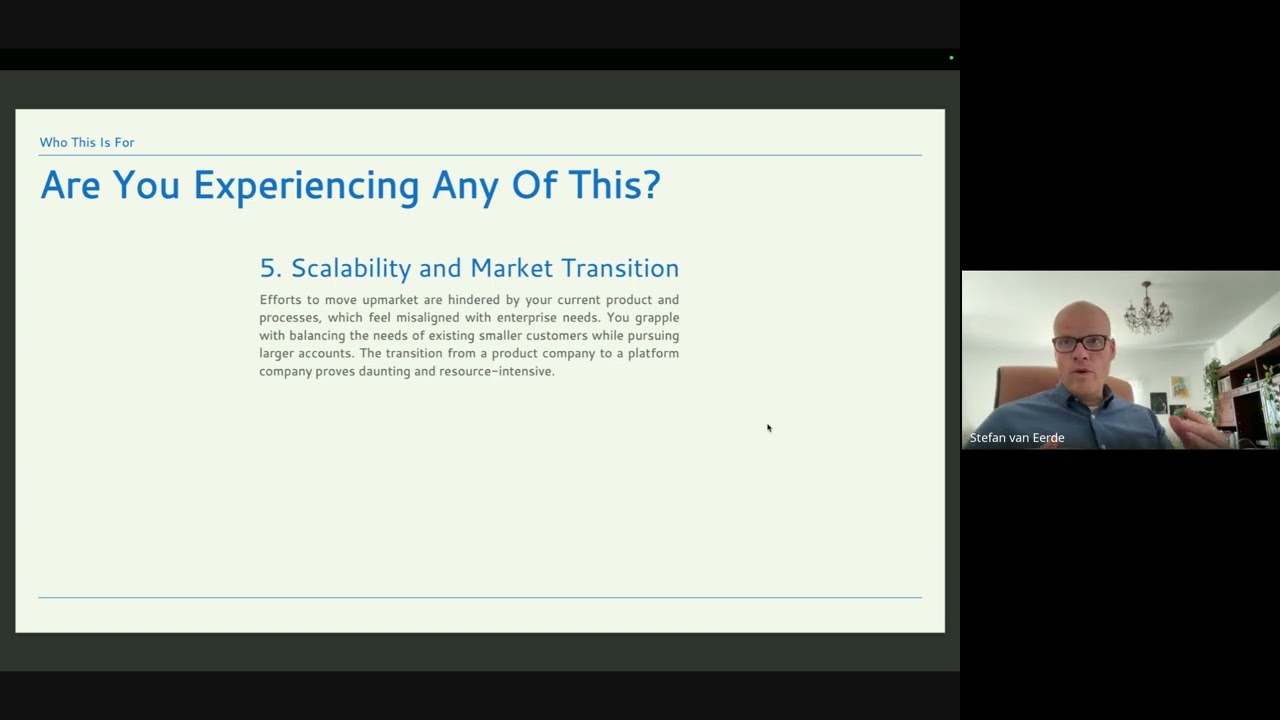
Thank you, Denise. By the way, a practical remark: the slides will be made available to all of you as well. So if you want to read back on anything that we've said within this hour of the webinar, feel free to take a look at the slides afterward. What we will also do is we will showcase a couple of tools and a couple of things also in sort of in a very short demo. If for whatever reason you'd like to learn a bit more about this, feel free to reach out to Denise or to myself, and we also gladly schedule a one-to-one if that makes sense to learn more about your own business case and maybe how you can apply the tools and examples that we provide today. So a bit more about myself, my name is Stefan van Eerde. I I have around 19 years of experience starting up different companies. The latest company that I, that I started was a company called Shadow Leaders, which is more like a network of experts, former entrepreneurs, former founders, but also angel investors and VCs coming from different backgrounds to help founders such as yourself scale their company faster. We primarily focus on scale-ups, so less so on startups, but moving also a bit more toward the domain of startups. I bootstrapped my own company, which I sold to investors some years ago. And what I also really learned, and maybe that resonates also with you, is that it's quite lonely as a founder. You have your different roles, maybe in your— with your co-founders, in your founding team, but someone who really understands what's going on with you and, you know, the job that you need to complement and that you need to fix, can be quite hard. And yes, of course, you can work together with investors and they could bring their own advisors, but then there's always a slight bias because what if you do not get along with the advisor but the investor? You know, you want to make sure that you stay in a good relationship with the investor. That is a bit difficult. So I saw this opportunity to offer like more like a neutral network of experts that you can work with. Depending on your needs and your demands and your growth ambitions as well. Yeah, here are already a couple of my details, so feel free to reach out to stefan@shadowleaders.com or my cell phone number in case you have any questions. I will also repeat this slide at the end of the presentation, so just for you to know that the information is here in the deck and you can reach reach out to us. So why Shadow Leaders? I think I saw the opportunity to set up some sort of a personal advisory board of experts that you can directly connect with. Yes, mainly to avoid making costly mistakes, mistakes that you could have avoided if you would have had the right expertise in-house. And that's mainly one of the biggest reasons why I started Shadow Leaders. What you will also get is one-to-one mentoring sessions and a clear sort of scaling roadmap to understand, okay, what are your challenges, what are the opportunities that you face, and how can you optimize these processes, and how can you automate as much as possible within the current technological capabilities that are out there, and also taking into account your already existing martech stack that you have and that you probably want to want to keep. It's also about market positioning, identifying the right personas, the right ICP, and all of that good stuff that you also learn from other mentors within the Startup Bootcamp, and probably also that you've come up yourself. And I think what's also quite important is that it's not some sort of a program that you go through, an educational thing. This is all custom. So this is really up to yourself and the questions that you have in the interaction with the expert to, or in plural, the experts depending on your needs. If you have financial challenges, you will have a financial expert. If you have legal challenges, legal expert. If you have internationalization challenges, and also localized per region or per country. For instance, if you want to enter the German market or the US markets, it requires different experts with different expertise. So in a nutshell, we really focus on, on helping founders with new market entries. It can be a new vertical, new industry, or a new country. We help with go-to-market automation. So how can we implement smart tools that are out there to save you time and also to avoid manually repetitive tasks? We want to be your sparring partner so that you as a founder and CEO you know, you get more confidence in the decisions that you make and the things that you do. We also help with finding the right business partners in other countries and establish first contacts. If you're looking for suppliers or if you're looking for investors in other regions, collaborations and so on, we can also help you through the network with that. It's also really about your own professionalism and the quality of the decisions that you make and the learning and the sort of personal development that you go through yourself when you, when you engage with us. And it's also about getting really more focused on the things that move the needle. So how can you generate higher margins? What activities do you need to do? What activities do you actually need to stop doing? And so on, to make sure that we help you also solve the big challenges that you face and that you might struggle with based on the day-to-day routines that you have and the busyness that all of you probably have because there's so much to do.
Good.
So it's really about pressing the green button to go up one level and see how we can help you do that, because that's the essence also. Shadow Leaders work intentionally in the shadows. It's up to you, the leader and the founder, to lead your own company and to scale it and to grow it to the next level. We're not sort of some sort of substitute and do it instead of you. It's really up to you and your own plans and ambitions and speeds, because that is, that is key in having your own company. That's why you You started your own business in the first place, right? You didn't want to listen to some sort of boss or manager or anything like it. You want to do your own thing because you see this, this business opportunity. Well, I've done this before for several companies. I will not go through all the details here, but I've done this for an IT deep tech company based out of the Netherlands. I helped them bringing in a €6 million funding round from a well-known venture capital firm called AXA Venture Partners based out of New York and also based out of Paris. And I helped them setting up the systems, but also hired the right people in the go-to-market team, sales, business development, customer success, and marketing. And, and that generated a massive amount of annual recurring revenue. Of course, not all by myself, it's because of the quality of the team and the composition and the knowledgeable parts about the, the tech stack and how they can use it.. And all of that together came to a very nice result, and they recently also got their next funding round in, and they're growing even faster than before. So in a nutshell, what is it? It's a network of experts. Currently, we have around 50 different experts, but it's continuously growing with more and more experts. They all work on a freelance basis, so we're very lean and mean as a network organization. And really to help you make the right decisions instead of doing it all by yourself. These are not sort of theoretical professors, these are people with experience-based insights. They might have done it themselves already, or they might have coached or mentored companies that have gone through a similar phase as yourself to make you avoid costly mistakes. So with this, it's really about growing faster, saving costs along the way. And also, if you already have an investor, several investors also engage with us because they know that they can get a better return on investment because less mistakes are made. And we already have a go-to-market operating system that we can implement for different companies depending on their needs. But that's a lot of me talking, and we also want to do it a bit interactively, Denise and myself. So we've prepared this webinar for you to make it more interactive. By the way, do interrupt please, because you know this is not a lecture, so if you have a particular challenge or if something resonates really well with you, you want to share an example of your own business, please, please do. So please do unmute yourself when there's something, or raise your hands and we'll give you the mic and we give you the opportunity to also engage with us. So any questions already now from the audience? Is there anything that is clear, unclear, resonates, does not resonate. And if not, we'll just jump into the questions that we create. Yes, Nicholas, please. Hi Stefan, I just have a quick question. So does Hippis, uh, take like equity in the company? Like, um, yeah, does Hippis take equity in our company? Hippis is Denise's company, um, so she She is a founder as such, and shadow leaders is the— and so that's the difference in the— oh, sorry, sorry, sorry, shadow leaders, sorry, sorry, shadow leaders, the shadow leaders take equity in our company, sorry, that was the wrong question. No, maybe Denise does, but the shadow leaders does not. No, we only work on the repayment.
No, I don't either.
No, we intentionally do not do this because we think equity is the most expensive form of loan and most expensive way of paying advisors and experts. So, yeah, we don't, but again, that's other networks and other companies might see this differently, but we intentionally do not take equity in the company because we want to make sure it's neutral and it's valuable advice and we want to challenge you also. And that's, if you're an equity holder as well, sometimes things can get into a bit of a conflict of interest, if you ask me.
So.
Gotcha, thank you.
Cool.
Other questions? Good, then one for you, Denise. So this is the question I prepared for you. If you can maybe show a quick demo of Happist. And you shared a showreel with me, so let me switch to this one, and then I will press the play button. If someone doesn't hear it, please do let me know, and then I'll try to start the show you again. It will take about a minute and a half or so. So here we go.
Meet Hippist AI, the next evolution in product photography. We combine styling, editing, and AI-powered models to offer a seamless professional photoshoot experience, all in one platform. Whether you're showing off jewelry, eyewear, handbags, or even home goods, Hippest AI adapts to your product. With just a few clicks, you can style any item to perfection. Need a variety of models for your campaigns? Hippest AI generates men, women, and children across all ages and skin types. So your brand's visuals stay inclusive, fresh, and on-trend. Missing part of the body in a photo? Our Magic Expand feature intelligently fills in the gaps, giving you a complete studio-quality image. No reshoot needed. At Hippest AI, you're in charge. Change hair color, makeup styles, clothing, accessories— whatever your brand or design calls for. Think of it as your own professional styling team, right at your fingertips. At Hippest AI, we're leading the way in AI-driven product photography, giving you maximum creative freedom and unmatched convenience. Hippest AI adapts to any culture or product line. Elevate your brand with Hippest AI, where creativity meets convenience. Ready to capture your products the way you've always envisioned? Visit our website and transform your photos today.
Yeah, that's the best.
Thank you, Denise. Do you want to elaborate a bit more in your own words about what we just saw in the showreel, please?
Yeah, actually I mentioned about HippieStan myself, so I don't want to duplicate, but basically we just take the old or crappy amateur photos and make them much, much professional photos. Tools. When we begin, there wasn't some options in the market 2 years ago, but now there are a lot of generative AI tools. So we are now trying to deal with it. Actually, it's one of our— the AI industry problem, I guess. Every day many tools and technology is just improving, but this, this is our value.
Good, well, thank you. It looked really nice, I think, and maybe that is also a nice inspiration here for the group. So if you need a good showreel, you know who to call. Yes, Jubil, I hope I pronounce your name correctly. Feel free to unmute yourself.
Yeah, okay, thank you. Hope everyone can hear me.
Yes, yeah, we can hear you.
Yeah, yes, so I'm joining the meeting from Kenya.
Oh, great.
And I'm doing the product, I'm the founder of a certain project called DWF, that stands for Digital Wooden Furniture. So my question is related to the Happist, at least maybe like if I am to produce the furniture, because I didn't see anywhere they are showcasing like for the Happist, where they're showcasing anything related to furniture or any other products apart from photographs of the living. So like, if I have a furniture, let me say a table or maybe a stool, and I want to use the Happist as an AI application, so will it— is it going to be able to maintain the same exposure is just related to photographs of maybe human being. And the second question, if maybe I am into photography and I want to take a picture and maybe the photo isn't full because maybe of the wrong framing, like, how am I sure, or how does HEPIST going to maintain the color of the person because like, uh, we have— we are from different ethnicity. So is it— is HEPIST going to maintain the, the same color of, uh, maybe because of the race? I think if I'm clear. Yeah, that's my question.
There was some interruption, so I missed some of the parts of the question, but as far as I understand, you can use it for many purposes. Just, I'm going to leave my mail to the chat so you can directly mail me. And in your— let's learn about your case and how could we help and solve your photography problems. The first is this, and the second, we just, we have many options We can just work on the diversity. Basically, it's about your prompt. You prompt, you can just change everything. Ah, no, no, no, hippies is not related to shadow leaders. Actually, the, the, we are telling about hippies, and maybe this is confusing. We are not related shadow leaders. Stefan van Eerde is SPC's new, one of the new mentors, and he has his own business shadow leaders. But I am an SPC alumni, so I have another business generative AI tool, Hippist. And after this part, we are going to talk about How can a business such Hippist— and yours for example B2B business— scale with shadow leaders' help? Do you have an addition, Stefan van Eerdeerdeerdeedeeredeerdeedeer? Because I think there's some mix-up on two questions asking our relationship.
So is it clear enough or maybe you can just I think I can, I can also, uh, so, so Tal, um, hopefully I can also clarify it a bit more. So Hippies is, is a company by a founder of the Startup Bootcamp Network. I'm a mentor in the Startup Bootcamp Network and an advisor. So that's the difference between the two things. So I'm, uh, in, in a capacity of an advisor. So yes, I'm also a founder of a company, but in the capacity of an advisor, that's how I'm involved with Startup Bootcamp. And also how I help out Denise. So some questions she will ask here during the webinar will be from a founder to an advisor, and some will be from an advisor to a founder. So that's a bit the interaction that we try to, try to show during this webinar. So, okay, you're welcome. Great. Yeah, Daniel, I think you also had a question. Sorry, yeah, I just want to Make it clear, editor. We're losing you, I think, Daniel. The line is breaking up a bit. Does everyone have— do you have that as well, Denise?
Yes, we are struggling. We are struggling to hear him.
Daniel, can you still hear us? I'm sorry, maybe I lost you a bit.
You hear me?
Yeah, we hear you again. I just want to ask the, you know, continue follow-up question. So you're presenting your solution to us and she's a successful use case that already use your solution to scaling. So we can hear from the both side of the consultancy and the actual business that use your prefer, you know, professionality to scale, something like that. That's, yeah, that's the format of this webinar, indeed. Yeah, yeah.
Thank you, thank you.
So another quick question from Denis. How do you use the character consistency?
Daniel, I think you need to make it so we don't see you because your line is so unstable we can't hear you. The, the reason I asked Stefan van Eerde to also bring Denis on board is because he's been mentoring Denis So as a mentor, then you could see if you need some mentoring help in this area, the kind of benefits that Dennis got from it. But Daniel, since we can't hear you at the moment, could we go to Aries for just a moment? And maybe you could put your question in the chat.
Yeah, and feel free to, to add it to the chat. Sorry, sorry, Aries, for interrupting. And I will come back to your question as well, Tal, afterwards. So we'll give a bit more insight on that as well to address your question and that of Jubil. Hi Stefan, hi Denise, thank you for the presentations. I just had one quick question about the shadow leaders group. Of course. Just trying to make sure that I actually understand the concept. So it's It's a free group where basically business leaders come together and discuss their strategies and use each other as sounding boards. Is that sort of the— No, it's mainly sort of a group of experts helping founders out depending on the needs of the founders. So it normally starts with the discovery call where we identify the challenges of a founder. And based on that discovery call, I will connect you to potentially another expert or you stick around with me if it's my kind of expertise. And I'm an expert in marketing automation and go-to-market. But for instance, if you would have a legal challenge or an IP challenge or a challenge related to fundraising or a challenge related to supply or logistical challenges, that would for instance be the expertise of another expert in the network, and then I would connect you with the other experts. Okay, is that to lead on to like a consulting relationship, or is it more just bouncing ideas off of each other? Is it like a formal consulting agreement that I'd be going into with these, these people that I'd be speaking to, or would it be more of a personal side of things? Yeah, it's a bit of both. So it's a very personal but, but at the same time formal agreement. So it is a paid assignment as such, and it's a paid agreement, but it's really up to you and the, the advisor in the network how often you want to cooperate and also the agreement that you make together. So there's no sort of standardized package that you can buy or so, because it's really depending on the needs that you have. If you need someone for an hour a month, that's different advice than if you need someone very hands-on for, say, 8 hours a week.
Okay.
All right. Yeah, I think I understand.
But this is different than the mentoring, which is pro bono, that Stefan van Eerde does. So Shadow Leaders is really a business more for scale-ups really than early-stage companies but Stefan does give back by mentoring and Dennis was one of the companies he mentored so—
Yes okay yeah thanks for clarifying that question about uh um and that was a question for you again, Denise? I will rephrase it in my own words. Correct me if I'm wrong at all, or should we like—
Yeah, it was somebody else's question, but it just didn't get answered earlier.
Yeah, so what about race, Denise? How can you, how does the, how does Hippis deal with different races, and how to have a representative overview in the photography that you have?
Hippis gives results depending on your prompts, so So if you write whatever you want in the prompt, it would bring you.
So if I understand your question, like your answer correctly, it's really about the input that you provide yourself as a user.
Yes, yes, yes. If anyone needs to learn about Kepyst more in the technical details, they can— I'm leaving my mail to the chat so they can directly ask me, and we can also make a demo and think, and I can help all the SPC founders with pleasure, actually. So I can show them how to, how to change rates and everything. I sent So should I switch to the question?
Yeah, I see we got one more question coming in now from Rahele, if I pronounce your name correctly. And the question is, for your company that offers generative tools to alter human appearance and manipulative— or manipulate, sorry, manipulate photos, how do you address the privacy and ethical concerns?
Actually, We are, we are just think about like Common, people come with their own visuals and we don't use anybody's data. We don't use data to train the platform. We are just purchasing permission data to use. So there isn't any ethical problem in our tool, but we are limiting some prompts, for example nudity, or some prompts about kids and something as them. And apart from that, that we don't have any ethical issue actually.
Great.
Other questions from the audience? Because it's actually really, really good that we have the nice interaction that we were looking for instead of you know, just blasting through the slides. So this is great, thank you. Good, well, if there's no other question from the audience, then over to you, Denise. You came up with this question.
Sorry, sorry, actually this question, I don't know if the SPC startups this cohort, but as a startup, the main problem is we don't have budgets, we don't have money, we are trying to find, and we are just investing all our time, all our effort, all our money and connections to a business. And it's very hard without the budgets to make this business scale or even go to market efforts. So, And we are 1 to maximum 3 people, so we don't have time to allocate for everything. So automation is important for us. So what do you think, how, from your experience, what automation techniques and maybe what kind of tools do you recommend us to scale our businesses?
Good question. Zooming in on, on B2B SaaS outreach, I think what's really important is that there are not really— I wouldn't really call it automation tactics to begin with. I would call it growth tactics, and automation can be a way of meeting your, your own growth objectives. The reason why I'm saying this is because you can also over-automate certain things, and I think it's very important that you as a founder know what you want to achieve, that you test something at a small scale and really use automation to indeed scale up those efforts. So for instance, if you see that particular messages and particular emails to a particular audience are resonating really, really well, I think it's very important to then automate that process instead of just blasting like thousands and thousands of emails out simply because you can or because a tool provides that opportunity. So I think that is a very important thing to only use automation once you have seen a certain traction and seen certain results in what you want to achieve. I think what's— when it comes down to the nature of your business, and when selling to brands and agencies, I would really try to get in touch with the agency owners and brand strategists and people responsible for buying a tool or buying a subscription for Hippist. So I think that is really important that you use particular tools to identify the right leads and the right people in the right cities or countries, depending on what you want to focus on, and then really double down on that. So there are tools out there that can also help you with automation of those leads if you know the criteria upfront and if you know how to engage with them.
Okay, thank you very much. And actually, there is a question, but it's combined. After, maybe we can answer the question My second question is, which, what kind, it's important for us to sell our products, so we need to generate, qualify B2B leads without overloading a small team. What do you recommend for us?
Yeah, so I can dive into that, but I think what's also really important is to understand of the complexity of the tech stack. So You've shared the tech stack with me and all the tools that you have. I think before we go a bit more into detail here, I also saw that Ali had a question and that Tal had another question. So Ali, I'd like to give you the floor first. So feel free to unmute yourself or type it into the chat, please. Oh yeah, I have a quick question. So I just want to ask Denis how to find the How do you find your company and how he get the advanced from you? So why did you find like the company like you and how he get advanced from your company? I'm asking to Deniz.
I want to confirm, are you asking that How did we find Stefan and work with him?
Yeah, how did you find Shadow Leaders? And so why in the first place you are looking for a company like that? I'm just curious. Maybe you did answer that before.
Actually, we are an SBC startup, so SBC makes us this useful connection. So we worked with Stefan van Eerde, but at the same time, I have all our team are, we are very experienced in our businesses with more than 20 years of experience in e-commerce, telecommunications, corporate companies, but we don't have too much experience, actually not at all, in B2B sales. So it's very new area for us. So we need to learn from a professional who knows some industry data and industry knowledge, know-how, to give us. That's why we consider to work with Stefan van Eerde. Thank you. You're welcome.
Yeah, and Ali, just tapping a little bit, this overview provided by Denise and Murat and her team, and their team I must say, also gives a bit the answer all by itself. And you see how many tools in the tech stack of of a company like Hippiz that already use, they use so many tools for the different functions, for your content generation, your paid advertising, your outbound, your affiliates and partners, emailing, messaging, remarketing, and so on. It's easy to also get lost in all the tools, especially when you just get started. So I think that is also why it's quite interesting to talk to experienced founders also, such as Denise, like how do you do it very practically? What can we learn from this? But also to talk to mentors and experts who have set up a similar system for other companies before and can also maybe warn you for certain tools that look really like nice shiny objects, but they do not deliver the results, or they don't care about privacy, or there could be other problems out there that you do not read on their own website. So therefore, I think it's important to have at least regularly conversations with people who actually have used different tools and not just recommend you something and then it doesn't work or it backfires and you get banned from LinkedIn or something, for instance.
Thank you very much.
Then over to the chat again. I saw another question or comment from Tal. So Denise, you're an existing founder, you've advised for a certain amount of time, or new in a certain amount of time, how long is Stefan's advice? Yeah, I can give that, I can give an answer to that question, Tal. I think it's really, again, it's it's custom, so it really depends. Recently also, because we wanted to do a proper preparation for this webinar, we've been in touch quite a few, quite a few hours throughout the last 2 weeks or so. But regularly it would be, you know, not that much time. It's on average when it comes to the scale-ups, I have around 1 or 2 hours per week of time with scale-up founders. When it's startups, it really depends also on the stage that they are currently at. If everything is sort of under control, you might actually want to get more in touch because you, you know, you're maybe not growing too fast enough. Or the other way around, if you're just busy extinguishing fires all day every day, you know, I will not ask you to also allocate an extra hour with myself to do certain things on top of what you already do, unless you really know you want to change something and change the way you deal maybe with challenges. So yeah, it's really custom. There's no such thing as, oh, the ideal number of hours to work with an advisor is one day a week or 2 hours per month. It really depends. It depends on the stage of your company, depends on you as a founder and what you need and the experience you already have. And based on that, you work out a particular plan. Yeah.
Good.
Okay. Well, so what Denise already showed here, I will not repeat all the tools that that Denise and her team are using. But we just wanted to give you an overview that it's quite a lot. If you want to master all of these tools yourself or within your team, this is already more than 40 hours of work to do this properly and make sure that these tools keep running properly, right? So this also shows the complexity and the expertise that you need working with, with each and every one of these tools and alternatives to these tools. And that's also what advisors do. We advise you to sometimes replace particular tools so that you can save cost, for instance, on ad spend, because there might be other tools out there that can do a similar thing without having to pay so much money for Google Ads or Meta Ads or other things. So a lot of owners and a lot of founders such as yourself, they struggle because of the implementation of all these tools and all these systems, but also keeping an overview and making sure that everything keeps working. If you have everything connected with N8N or Zapier or Clay or all of that good stuff, it's not sort of a given that everything keeps working, right? There can be an update, there can be a change in the plugin, there can be a change in the policy of one of the platforms you connect with. So that is actually, it can give also a lot of frustration and stress. Like how do you make sure that everything keeps working? How do you make sure that you end up high in the search results? All of a sudden AI came along and a lot of people currently don't use Google Search anymore. So yes, you can spend a lot of money on being number one in Google Search, but if people don't use it anymore, you have to pivot your strategy and also optimize, for instance, for GPTs. So this comes to your second question, Denise.
Maybe you can answer this, I guess. No, Yes, I think you answered this a bit. Maybe we can switch to the third question.
Yeah, I can give practical examples as well here. So there are two tools out there that I advise almost every company that I work with. So there's one tool for this particular example that I mentioned for GPT optimization, making sure that ChatGPT and Groq and Gemini and all of that will actually also point to your website and will actually find you and, and take you into consideration. The good news is GPTs are also primarily based on search engine optimization, so the same logic applies for, you know, being number one in Google as it will be for being number one in, for instance, ChatGPT results. So that's the good news. The bad news is that often as a founder, you you're not present, you're not even on page number 10, right? If you get started, it takes time to be indexed, and also it takes time to compete with the bigger brands in your domain who probably have their search engine optimization already well taken care of. So that's why you sometimes do need particular tools and automation to do that. And I have, I can give quickly, I think, give two examples of tools I will not do a very long demo also for the sake of time, but let me just quickly show you two tools that I also myself use regularly. So one is a content tool and they have like a very clear 3-minute video. So let me just go through this, but I will just pause it halfway through for the sake of time, but just to give you a bit of an idea of how this tool works. And it's called Telly.ai. If you also want to have like even a special discount on the prices that they provide, feel free to reach out and I can also bring you in touch with the founder of the company. This is a company based out of San Francisco. I think they do amazing work when it comes to optimization for geo and making sure that you're shown in the search or in the GPT results.
Set up your autonomous SEO block within 3 minutes by following this easy onboarding guide. It all starts with entering your name. At the next step, you will be asked to enter your website. Tally is going to analyze your website performance and going to show you your current traffic, your domain rating, your keywords for which you're already indexed, and also based on the descriptions that it finds on the website, create the first description about the company as how it is understanding your services, your target audience, what you're offering, what the company is doing, and what makes you stand apart. In this case, Momentum Electrical Contractors provide electrical services in the Greater Bay Area. At next step, Telly is going to ask you to select types of the companies that you can target. Telly is going to use multiple of them, but during onboarding, you need to select one. Let's say it would be commercial real estate who want robust electrical infrastructure for their business. Next, Telly is going to ask you to select buyer persona. Who is going to be the end reader? In our case, that would be commercial property manager who is looking for an electrical contractor for his commercial property. Then, Telly researches your competitors to find new SEO keywords for which they are indexed and you are not and create articles for your blog. Then Telly asks you to select industry expert. Telly AI does the research for every article it produces from the point of view you select at this step. In this case, it would be commercial electrical systems expert in case of the Momentum Electric, who is going to research and generate articles for the blog. Finally, Telly presents you the planned results for the year. How many keywords it is going to cover, how many monthly visitors you're going to hit, and how many leads you're gonna get. This model would be updated as you will continue publishing. Then Telly starts producing the article. Article is going to look like this. It contains title, meta description. Article is optimized for a specific keyword. In our case, it's "local commercial electricians," which has volume of 40 and cost per click of $15. It basically means if you would pay for this specific keyword on Google Ads, you would pay $15 per click. Next you would see an overview of the article, an introduction. It goes with the research in there with the infographics. The purpose of them is to provide you with the media-rich articles that are going to get indexed by Google. You are seeing another section in here with another type of the infographic, references to standards, and in the end, it goes with the call to action that you can additionally set up. You can review all the sources that have been used to generate this article on the right. You need to go to settings and connect your CMS integration.
If you don't have blog, we can So again, for the sake of time, I will pause it here. But this is a tool that can generate up to 60 of these blog articles for you, auto-generated. And yes, you can auto-publish this. And no, I would not recommend that because I would always do quality control because you don't know what the tool is generating for you. So it always requires a bit of time. But instead of generating an entire article all by yourself, which could take you a lot of time to research and to find the right sources and so on, You can ask a tool to generate an article, or at least a concept of an article for you, and then just spend maybe 10-15 minutes for each and every article to fine-tune it to your own tone of voice, add a clear call to actions to it, and that will save you hours and hours of content generation work. So this is one example of a tool that can save you a lot of time working with it. Another one I will just very briefly also show you is sort of a LinkedIn automation tool where you can, can see the messaging in the LinkedIn tool, as you can see here. So you see messages of different people and you can generate labels. So your existing LinkedIn network— and this tool is offered by Connect Hack. So it's an interesting tool to map your own existing LinkedIn network, and you can filter it and you can add them to pipelines and things like that, making your own your own LinkedIn network more actionable. But what's also quite nice is that you can generate your own lead lists from LinkedIn Sales Navigator, for instance. So there is a direct native integration with LinkedIn Sales Navigator, one of the tools that Denise also uses with her team. And with that, you can generate a list like this. So I don't know any of these people. This is a list for a company that, that's focusing construction owners in Switzerland, for instance. So you can generate that list, and what's really cool is that you can also generate an automation campaign. So this is another example of another company, and they want to target legal service company in Belgium. You can just complete this sequence, you can send automated messages, you can connect with people automatically to ask for a LinkedIn connection request and so on. And it gives you also a clear overview of the results. As you can see, for this campaign, 48 out of the 168 persons already accepted it, which is quite high. So more or less 1 out of 3 will accept your connection request, and then you can start building up a relationship with them. So this is another tool. So the content tool is very powerful to optimize for GPT and give a boost to your search engine optimization. This is a great tool, for instance, for finding brand strategists or agency owners like, uh, like the use case that Denise shared before. But these are just two examples of many other tools out there that we, that we actively use and that we also actively ask founders to give feedback on so that other founders can also benefit from using these kind of tools to automate certain processes and also have sort of an AI-native approach within, within the way you work. So if you want to know more about these tools or other tools, please do reach out to Denise or to myself as well, and we gladly talk you a bit through it and how we use this. So I'm going back to the slide. So this is what we've done as well, and then maybe But the remaining 9 minutes or so, I think maybe it's good if we start a little bit, or if we stop a little bit earlier, Denise, that we just do maybe one or two more questions and then see if there are still some more questions from the audience coming up. So this is a question to you, Denise: what are your most pressing marketing and sales challenges that you currently face within Hippis?
Sorry, actually it's is finding the new channels because everybody tells about LinkedIn outreach, some other tools, but if they are not magically brings you customers, actually marketing is, I think, much easier for me because I'm from marketing background, so I can use all the channels very effectively and easily. It's our strong muscle. But on the sales side, it's not easy to approach people. Yeah, you are just sending them messages, but for example, they don't get back, they are not showing up their meetings. You are just waiting a meeting time, for example, nobody comes. And in convincing them to sales when they just— this— but we are just— it's, it's about building a healthy pipeline, I guess, because at the beginning it's on the zero level. So you need to build that pipeline, but once you build it, then it was easier. For example, this month we just closed a big deal with a big Australian company, and he told me that— I asked where did they— where did he find us, and he told me that he comes from a cold email outreach 3 months ago, tried the tool couldn't use the tool. Now he just asks some questions and training from us. So it's maybe the most challenging part is to wait with patience as a startup founder who needs funding and who has to be fast.
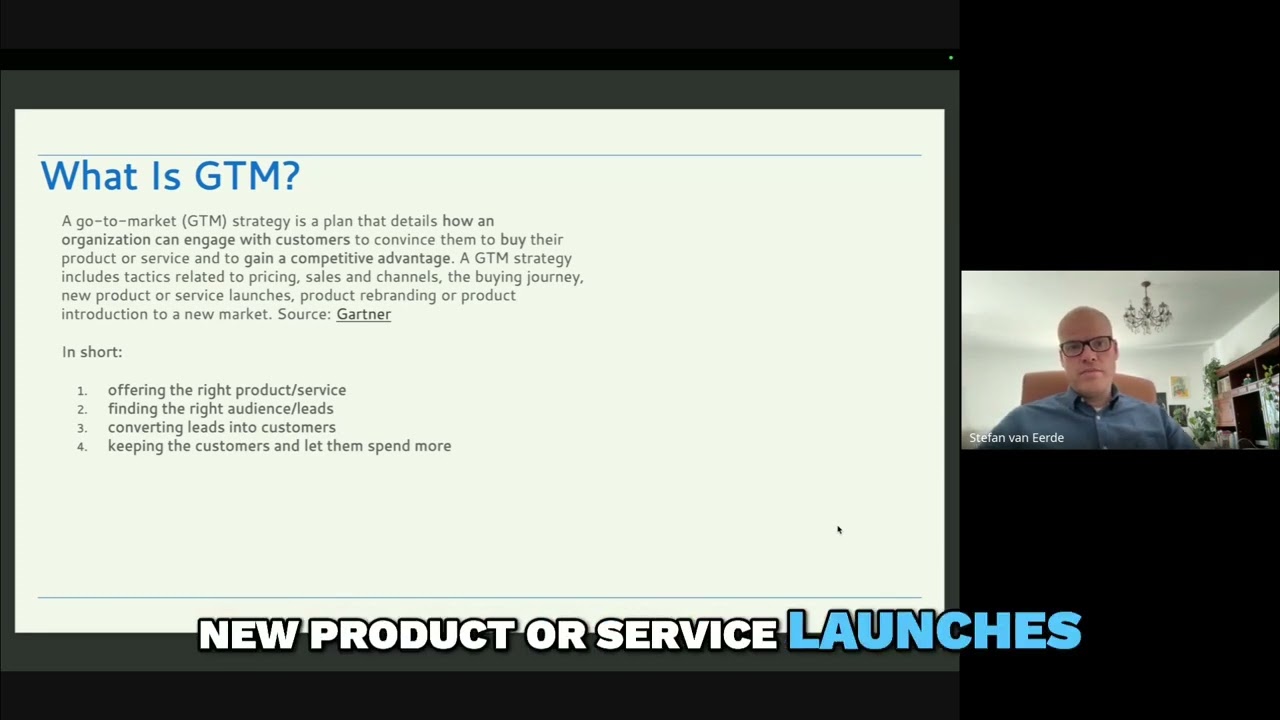
Yeah, nothing replaces patience and focus, right? So there's no tool in the world that can help you help you do this better and faster than, you know, your own brainpower and your own priorities. So I think that's also a reality check. I think there is a huge risk when it comes to automation, and that's automating the wrong things, because then you will actually suffer more from information overload. And that's also something that Denise and myself, we've been talking about, like how can you make sure that you keep a good dashboard and a good overview of the things that really matter and lose less time on things that don't really make an impact or really don't move the needle. And because being overwhelmed is something that a lot of founders also mention when I have sessions with them, and not necessarily knowing what to do next. Maybe you have a very technical background, so you're more like a CTO, and, you know, you start a company yourself, but then you learn that you actually need someone else with different expertise to complement you. These are all very logical things. These things happen with a lot of companies, so you're not alone there. You're not the only one who, yeah, who is in that sort of position. I think again, for the sake of time, we came up with a couple more questions, but I think we can skip a couple of these questions. What's really important also from automation and a scaling point of view is where are you currently in your go-to-market maturity process, right? So a lot of startups are still in the problem-market-fit phase. From that phase, eventually you will go into the product market fit phase, and from there you actually will go into the platform market fit phase. So a company that grows well will go from all these different phases, and you will eventually end up in the platform market fit, where it's more about expanding among your existing customers, maybe diversifying with offering multiple products,. And in the problem-market fit, it's really about identifying, does the challenge that I identify and the product that I offer or the service that I offer with my company, does it really solve the problem that I thought would be out there? And does it solve the problems for enough people that it actually is a business case? And if it's worthwhile, because maybe you're in such a specific niche that there's not really a market for what you want to take care of. And then There could be a problem market fit, but then you will get stuck in the product market fit because the total addressable market is maybe too small for what you want to achieve. It's really also about thinking about your own go-to-market operating system. Like, what are the different tools? I like the beautiful overview that Denise and her team provided with all the different tools and everything in your stack. Is everything aligned? Is everything working the way you want it to be? Do you have the budget to pay for all these subscriptions, or do you need to maybe postpone acquiring certain tools because there is no budget for it yet? Because Denise, this is something we didn't prepare, but do you know what you spend on the monthly base only already on subscriptions for all the tools that you've showed on the slide? And do you mind to share this with the founders so that they have an idea of the cost?
Murat, I'm going to pass this to Murat, our co-founder. I know roughly, but I don't want to miss— give misinformation to founders. Murat, how much do we pay for all these tools?
Yeah, actually in the market there are a lot of tools with different pricing. So You can actually just arrange how much budget you have and then choose the necessary tools. But I can say that we are just spending a couple of hundreds US dollars for these tools, not too much. But if you can arrange and build a system, then you don't have to just pay thousands of dollars for these tools. Yeah, so for all the founders, this is more or less already a starting point. So it's already hundreds of euros or dollars or whatever currency you currently have that you spend on a monthly base, right? So that is something that you need to take into account as well, apart from all the time that you need to invest in it yourself or find someone who's really good, like an operator dealing with all these tools, like the combination of Denise and Murat. Murat is more the one looking after the tools, if I've— Yeah, yeah, I'm the tool finder of the tool wizard. So often you have different roles in the company, right? So that's, uh, yeah, good. For the sake of time, I think, um, yeah, we had a few more slides. So what's really important is Yes, it is a lot of work, right? So what we want to do, and also you're already one step ahead for a lot of other companies because you're part of the Startup Bootcamp network, you know, please do make use of experts. Do touch, get in touch with mentors, do get in touch with other founders and share. Yeah, share your concerns, share your, your, your findings, share the tools that you use because someone else could tremendously benefit from your expertise and duplicate your efforts for a completely non-competitive different industry. And that would of course create a lot of goodwill. And I also sincerely believe that if you do good to someone else, one way or another it will circle back to you. So if you help someone out, a co-founder or a founder from another company, this normally always pays dividends. And yes, it is a lot of work to keep that system up and running, but also to select the right tools and at the right time in your, your martech stack. That is not something that you can do in an hour or so. It requires quite a bit of research. Yeah, good. Any questions in the sort of the final minutes of the webinar? Because we want to be aware of everyone's time. Again, the slides will be shared with everyone. So if you want to dive a bit more into the into the things that we've put on the slides. They will be shared by the team to everyone here. Any remaining questions from the audience? Thank you, Niklas.
Thank you.
If not, then like Denise said, feel free to get in touch with us. Yes, my details are up here, so you can reach out to me, but you can also reach out to Denise. I think Denise, I will also add your email address to this overview if you're okay with that.
That would be great. If anything you need, I'm here as a startup founder living same struggles with you. So whenever you need, you can just contact me.
Great, thank you everyone for being here, and I hope indeed it was informative. Uh, did