From College Hustler to Billion-Dollar CEO: Steven Galanis on Building Cameo
In this World Class Podcast interview, Steven Galanis, founder and CEO of Cameo, recounts his entrepreneurial journey from a family of photographers in Chicago to building a billion‑dollar marketplace that connects fans with creators. He describes early side‑hustles at Duke University, where he and a teammate created Spartan Entertainment, a student‑run party‑promotion and service business that broke down fraternity and sport‑team silos with the legendary "Wednesday Night Shooters" events. After graduating during the 2008 financial crisis, Galanis worked as a floor clerk on the Chicago Board of Trade, witnessing the disruptive shift from open‑outcry to electronic trading, before moving to LinkedIn, where a culture of career‑growth and mentorship reshaped his mindset. He explains his personal philosophy of ikigai – the intersection of passion, skill, market need, and compensation – and how it guided his decision to "burn the boats" and quit LinkedIn to pursue Cameo full‑time. The idea for Cameo emerged when a teammate showed him a personalized video a NFL player made for a fan, highlighting the gap between fame and income for creators. Galanis outlines the creator‑economy problem: exponential growth in fame versus linear or shrinking traditional revenue streams, citing Spotify and YouTube revenue concentration. He details four direct‑to‑fan monetization models (digital goods, subscriptions, brand deals, and personalized videos) and explains Cameo’s early launch – a simple Google Form, the first talent (Cassius Marsh), a failed launch tweet, and the perseverance that led to the first sale. He emphasizes that securing supply (talent) creates its own demand through the talent’s own followers, and shares advice for founders: focus on long‑term purpose, serve the 99% rather than chasing headline names, and commit fully to a vision.
Chapters
The top 1% of musicians make 90% of all the streaming revenue on Spotify. The top 3% of creators make 97% of all the ad revenue. I know people on YouTube that have millions of followers that don't make enough to pay their rent.
Steve Galanis, the founder and CEO of Cameo.
You cannot be the best in the world at something unless you have found your ikigai. Since kindergarten, my nickname has been the Mayor.
What was the lowest low?
We had to tear the business down. That's the worst moment of my life.
What was your mindset
If somebody else builds this company and becomes a billionaire, could you live with yourself? If you don't believe in yourself, nobody's going to believe in you. There's always luck involved with entrepreneurship. You have to put yourself in position to be successful.
What does your next level look like? What is up, guys? Welcome back to the World Class Podcast. Today I sit down with my friend Steve Galanis. Steve is the founder and CEO of Cameo. which I think is one of the coolest technology apps ever built, that he scaled into a billion-dollar business in just 4 years. And in this conversation, we follow Steve's journey from a student at Duke University with a bunch of random side hustles to figuring out his big idea and building his dream company. And in this conversation, we really discuss how to find your purpose, how to overcome adversity, and how to build a world-class network to help you actualize your So without further ado, let's dive in. Steve, welcome to the show.
Thanks for having me.
Dude, I'm pumped about this show because I've been a big fan of Cameo. I think I first downloaded the app like 5 years ago. I used it for every gift, for every birthday, holiday. I hate— I'm terrible at giving gifts. And so I was using this. I was like, this is the coolest app. And this is the— if I was going to build a tech company, I'm like, this is the company I would want to build. It's just the coolest app. We'll dive into Cameo and how you built it, but I want to start by giving people some context about your background. So, can you take us back to the first seeds of your entrepreneurial endeavors? And we'll start at Duke University. Take us back to what you were up to there.
I think even before Duke, it's just important. So often, like, we all start somewhere. And I think, like, where I started in life and the people that I was around, my family, my grandparents specifically, that really set me up for the entrepreneurship to come. On my mom's side, my grandfather started a wedding photography studio in 1945 that's still around in Chicago. It's kind of the oldest studio active in Chicago to this point. Our family, because of that, kind of knew everybody. If you were a Greek in Chicago and you got married, my grandfather or my uncle ended up shooting your wedding. And the thing that was cool about that is because I was around an entrepreneurial family that didn't— at the dinner table, like, it was always like talking shop, talking work, talking deals. CNBC was on the TV. Yeah. The Wall Street Journal was on the table. So I think that was a really contagious thing. And then when I got to college, you know, it was very natural that I ended up, you know, getting into entrepreneurship. I followed a kid to Duke named Zach Moridis, who was 3 years older than me, grew up in my neighborhood. also, you know, Greek kid, we played football together in high school. Zach's kind of like my older brother. And the two of us ended up starting a business in college called Spartan Entertainment, which among many things, you know, ended up having a bunch of different businesses. So we had party promotion, we had a college box moving business, we had a hot dog stand at one point. We had DJ rental equipment. You know, this is the era where kids were just starting to get into DJing and We would buy their equipment and then they would kind of DJ at the parties for us to pay it off, and then we would book them out for other venues. And this was the OG days of Facebook. At this time, you still had to have a .edu address to get onto the social network. And this was a really unique time for us because while Zack and I were at Duke and there were only 6,000 undergrads, we ended up having over 17,000 college students from Duke, UNC, NC State, Elon, Surrounding schools come into our group. We would tell them where to go and they would show up.
So, you built this community of students and you're like, what are all the different services or things that these— we could basically serve the students with? So, you had an entertainment company, you're doing parties. How did the hot dog stand get in there?
Well, the people at the parties were hungry. So, we had the hot dog stand at this bar called Shooters. We bought the grill, we bought the hot dogs, and You know, while people were in there, you know, we were cooking it up. And, you know, one of the things that my own parties— and I, I've thrown events for a long time— I never drink at my own parties. And one of the reasons I do that, especially in college, I'd have to count the money at the end of the night, right? So while I wasn't drinking, you know, I'm walking around talking, seeing everybody. But it was kind of fun, like, being back there grilling hot dogs. Granted, you know, that was not something we did that long, but it was— Yeah. You know, it just, it really kind of showed that, you know, if we got people in a group and we were providing value doing one thing, they would use our services for a bunch of other things too.
So how did you build such a big community? Like, what were it like tactically? I'm curious because that's, that's impressive. You're at school, you're throwing parties, people start to know you.
Yeah.
You're starting all these ancillary businesses. How did you build such a large community?
Well, it started, I think, because, you know, Zach and I were kind of the 2 perfect people to go do this. So, you know, Zach was the captain of the football team. He was a senior. He was the social chair of DTD, one of the fraternities there. I was a freshman, you know, coming in, I played hockey at Duke. One of the things that we did was we made sure as a hockey team that we had a guy in every single frat, right? So as a hockey player, you could kind of show up to every party, but that was not really the way it worked if you were at Duke and you were just an average student. If you were a Sigma Nu, you weren't gonna go to the SAE party.
Yeah, Sigma Chi.
If you were an SAE, you weren't going to Delta Sig, but if you were hockey, you could kind of go anywhere. So I always felt like it was pretty dumb, because it's not that big of a school. There's 6,000 undergrads, there's probably 500 kids in each grade that are going out regularly. So when you have all these parties that are segmented by what, you know, some older guys or girls, you know, 2, 3, 4 years older than you, they decide that you're going to be in this group versus that group that prevented, like, you know, people from hanging out with each other. And so what we decided to do was to take the biggest bar on campus, that was mostly like a Saturday night bar or like first day of school, last day of school, this place called Shooters that was like a country western bar the rest of the time, like Hells Angels owned. And what we ended up doing was we came to them and we said, hey, on Wednesday nights, this is a great night because athletes have a 48-hour drinking rule at Duke. They can't drink 48 hours before game. And a lot of them, you know, sports will play on Saturday night or Friday night. So Wednesday's kind of like the Saturday night for athletes. So what we did was we came to them and said, hey, we'll bring a crew, we'll start bringing a bunch of people, but what we want you to do, let's get a bunch of beer pong tables out, we'll do $3 pitchers, we'll take the $3 at the door from everyone, and then you take all the bar, and let's see what happens. First time we did it, we had 3 people showed up, but everybody had a blast. You know, like we barely— like it was me, Zach, and then 3 people, right? So we had like enough for one game of beer pong basically. And then everyone had fun, they each brought friends. Yeah, I think we had 12 the next week, we had 72 the week after that. And then, you know, kind of the 4th week we did this, we had like 150 people. And to this day, if you go to Duke on Wednesday nights, Shooters is the biggest thing that happens every week. They get 700 to 1,000 kids out every Wednesday.
Wow, that's incredible.
So I like, I like to say my, my legacy to Duke is Wednesday Night Shooters. That's awesome. And if anybody passed through Durham, you know, from 2006 on, they know what I'm talking about.
And you were bringing people from all these different fraternities, sports teams, you're bringing everyone under one spot.
Because our whole idea— and I was at a different frat than Zach— but our whole idea was, yeah, maybe the DTDs wouldn't go to the Delta Sig party, but if it was Zach and I throwing it and we called it Spartan Entertainment because both of our families are from Sparta. No shit. So yeah, we're from the same area of Greece and we grew up in the same neighborhood in Chicago. if it was our party together, like, everybody felt comfortable coming. So then what happened was we started breaking all the attendance records at the bars because there weren't any of these artificial— there weren't any of these artificial barriers to how many people could come, right? If it was a normal frat party, the frat could come and whatever girls they invited could come. But now suddenly everybody could come because it was me and Zach's party. So it was these unaffiliated parties that—
Wow.
Kind of became like the UN of of Greek life and independent life at Duke.
That's really cool because you can start to see the seeds of Cameo. You're kind of democratizing access to some parties and people that are out of reach.
Yeah,
we're just like, you're, you're eliminating barriers. You're like, cool, we're gonna bring everyone together and give everyone access to what's happening.
Well, I think that's, that's, you know, it's a great insight. Uh, I remember when we were creating the brand identity for Cameo before we had a name. Like, we had an idea, we knew what we were gonna do, We didn't know what it was gonna call, we didn't know what the logo would be, we didn't know what the colour scheme or the brand, any of that. But I remember this branding agency in Miami that we used called Vanilla Shake. It put us through this 36-question, me and my co-founders, and one of the questions that they asked that like, I'll tell you the story of how I answered it, and it really became fundamental to how we built the business. They asked, if your company was a person at a party, who would it be? Yeah. And the way we described it was like, all right, imagine— and I'll use a Miami reference here— imagine it's Art Basel and, you know, the hardest party of the year to get into is the Quantum Party. And, you know, there's 300 people on the list and there's 1,500 people in line and there's no chance— like, you're not on the list, there's no chance you're gonna get in this party, but you end up like just showing up with your friend anyways. The block is halfway, it's basically all the way back to South Beach, you know, from Venetian. It's like the craziest line ever. You're watching kind of car of VIP after VIP, you know, budging line, coming in. And, you know, there's no chance that you're getting into this party. Anyways, as all of a sudden, like, you know, you see this SUV come and this person comes out of it and it's someone you haven't seen in 10 years. Like, you met them one time at like an epic night out in Chicago or New York or wherever. And you had, like, you remember them, you follow them on Instagram, but you think there's no way they even remember who I am. They catch your eye, they bring you over, they walk you into the party. And then once you're in the party, it's the best party that you've ever seen in your whole life. Like the best food, the best music, the best crowd, everything's amazing. And then as you get deeper into the inner sanctum, there's a red velvet rope. And inside the red velvet rope is the Mount Rushmore behind me right now. It's like the 5 people that you most wanna meet ever. And they're drinking your favorite liquor and they're smoking cigars. And you're just like, I can't believe this group of 5 people is together. And then that person that brought you in catches your eye. They, they end up waving you over. They open the red velvet rope and they bring you personally to introduce you to every one of those people. And you have the best night of your life. That's Cameo.
That was one of the best things I've ever heard in my life. That's incredible. I want to— so I can't wait to dive deeper into Cameo, but I want to walk a little bit more through your evolution. So you, you were doing hot dog stands, t-shirt companies, you know, entertainment stuff at Duke.
Yeah.
Then I believe next you went to LinkedIn, right?
Yeah. Well, before that, I ended up trading, so I graduated which was right in the middle of the financial crisis. Mm-hmm. And one of the things that was really interesting, and there's a bunch of VCs that have actually wrote about this, this kind of like class of people that went to Duke that didn't end up on Wall Street or didn't end up in consulting, which would've been the normal route because 2008, 2009 were so disruptive, ended up like seeing people like Howie from Airtable and Fred from Coinbase and, You know, and who, like, we had, there was like 3 or 4 other, you know, unicorn founders. Zach from Plaid, we're all on campus, like in the same dorms at the same time, right? Which is like, it was a really kind of crazy, you know, we had Mike Posner, like was literally in my freshman dorm. Like the first time that he like did his first album release party, it was at one of our venues. Like it was just a pretty crazy star-crossed, like we won a national championship in 2010.
Yeah.
So now, John Shire, the coach of Duke, was like our grade. And, you know, he was a player and somebody I grew up with. So there was just so much kind of talent that was there all at once. And then, you know, next thing you know, these people didn't have jobs. I remember at graduation, there were probably only— of my 40 best friends, I think 2 people had jobs. So everybody kind of had to go home and figure it out. You know, some went to New York City, some went to LA, but most of them went home. I went back to Chicago I was originally planning to go back and keep running my business because Zach was out in Durham. He had a software company he was running. So, we were making really good money at the time. So, I felt like, let's go back.
Yeah.
And I ended up getting an internship on the floor of the Chicago Board of Trade to go be a clerk. And the second I got down there, I just like knew that's what I wanted to do at that point. And it was an amazing environment. I linked up with like a group that ended up being a lot of ex-hockey guys. You know, it was just like a really—
You had the camaraderie.
Yeah, it was the camaraderie. It was like the culture that I liked. It was fast-paced, a lot going on. But there were 2 things that really bothered me about it from the very beginning. I remember walking onto the floor of the CBOE for the first time, and it kind of looked like a dinosaur graveyard because technology had come in and displaced so many of the jobs that were there. There used to be 40,000 open outcry market makers in Chicago. So think the movie Trading Spaces. the people with the jackets making the hand signals. By the time I got down to the floor, there were maybe 2,000. Hmm. And there were literally like craters of pits where they used to have single stock options where people would come and trade Amazon options or eBay options or Apple or Microsoft or GM. And then that had all gone to the screen, it had gone online. So I started to see like how disruptive technology was being. And also at the same time, I remember having the weird thought as a 22-year-old, which was, I wanna be the last great options trader in Chicago. And like, that's such a weird thing to have. Like, if you own restaurants, you're not like, I wanna be the last great chef. Or if you're in tech, you're like, I'm not gonna be the last great— like, you don't think you're gonna be the last great recruiter. Or, uh, like Kobe Bryant, you know, didn't think he was gonna be the last great basketball player ever. So it was such a weird thing, but it was— but what I kept hearing from the different guys that were there was like, man, missed the flash crash. You missed '08. You missed '01. You should have— you would have loved the '90s. You should have been here in the '80s. It was always about how great it used to be and how shitty it was now. Mm-hmm. And then, you know, a couple years later, I think I traded for 5 years and then I ended up getting to LinkedIn. And I remember on my very first day of LinkedIn, like, it was completely different. You know, when you get into tech, it's all about, here's the mission. This is what we're building. This is what we're going for. I remember my very first day at LinkedIn, this guy Mike Gamson, who is the global head of sales there, is in Chicago. He's talking to all the new hires globally, and he gave one of the most inspirational speeches that has shaped me to this day. First thing he says is, welcome to LinkedIn. 2 years from today, none of you will have the job we just hired you for. We know that, we support that, and at LinkedIn, we literally have the profile data to prove that that's true. So your job in the next 2 years is to figure out what's your dream job, whether that's internal or external, and what skills you need to get that job. And then our job as a company is to make sure that you get the mentorship and the skills needed to get your next job here or somewhere else. And oh, by the way, when you take that next job, all we ask for in exchange, recruit someone better than yourself to take your place. And if we do that, that's the alliance. Like, we're all good. That's the LinkedIn Next Play culture. And that was such a mind, like a mindfuck for me. It was like I'd come from trading where if I'd ever told my old bosses like, hey, you know, this soybean thing I'm doing is great, but I'm kind of thinking about something else, like you're trading their money, right? So like if you're not all in, you know, they got to go find the next person,
right?
So there were no career conversations, you know, we'd have a review and it was literally like, here's what your bonus is. It wasn't like we're getting feedback on like what you needed to do better. And suddenly, you move from this very fixed mindset world to this total open mindset where everybody's trying to get better and 1% better every day. And here's how we're gonna change the world with our product. It was intoxicating. And from the first day I got to LinkedIn, I'm like, tech's where I wanna be.
Wow, that's an incredible way to actually build a culture. I haven't even heard that before. So now you were trading, Then you were at LinkedIn. How long were you at LinkedIn for?
I was at LinkedIn for exactly 2 years. Okay. So, and this is crazy, and anybody can go on my LinkedIn profile and see that this is 100% true. My last day at LinkedIn was my exact 2-year anniversary of that speech that I told you.
Wow.
Right. So I wrote—
that is crazy.
So as I was writing the letter to my team to let them know I was, I was leaving to go start the company that would become Cameo, I— that letter ended up going viral. That email went viral to LinkedIn. It got to Mike Gamson, it got to Jeff Weiner, both became early investors in the company. But the thing that was so formative about it was, you know, like, we learned to take intelligent risks there. So when I remember being in Nicaragua in a hot tub, LinkedIn always gives kind of Christmas to New Year's off for the whole company, and about 10 of us from LinkedIn ended up going to Nicaragua because one of the guys that we worked with, family was from there. And, you know, for the last 3 months, I'd had the idea for Cameo. Everybody was like obsessed with it. Like all the people around me, you know, one guy wanted to run marketing, one guy wanted to do sales, one guy wanted to, you know, do tech. Everybody like, we wanted to like build this billion-dollar idea while working at our jobs at LinkedIn. Oh, wow. And this guy, Will Hearn, who I worked with for a long time, comes up to me in the hot tub on New Year's Day 2016, and he goes, Steven, or 2017, Steven, this idea is too good. If somebody else builds this company and becomes a billionaire, could you live with yourself? And nobody had ever asked me that question before. And the second he asked me that, something in my brain chemistry just changed, and I knew that I just had to go for it. And I left LinkedIn before we launched the site. We had no product-market fit yet. We had no talent that had joined the platform. We had never sold a video, but I just knew that like it had to work.
You decided to just burn the boats. You're like, if I— if this is going to work,
yeah,
I've got to go all in. I've got to do it and I got to commit to the idea before I figured it out.
And super tactically, like I tell this all the time to entrepreneurs that are coming to me, you know, hey, I have an idea. You know, they're trying to raise money while they're still working. I tell everyone, like, because I know what burning the boats meant to me, I will not invest in you if you're still working at some other company.
Yeah.
Like, if you're not ready to, like, quit your job and go all in on this, like, how could you possibly take my money or anybody else's? Or how could anybody leave their job to come work for you?
That's a great point. Where did you come up with the idea in the first place?
It was a pretty crazy story of what happened. So, I guess there was one part of my entrepreneurial journey that I didn't talk about that, that's pretty relevant to like how Cameo started. Yeah. So in 2013, a movie called Lone Survivor came out. It was a Navy SEAL movie, pretty epic. My uncle produced Lone Survivor and he's produced about 200 other movies. I was still trading. I was still a new guy kind of establishing myself on the floor in Chicago. So I ended up like renting a movie theater out in Chicago to throw a Chicago premiere. It wasn't an official premiere, but it was just, hey, I've got this movie theater, you know, bring your wife, Steve Galanis fashion. Yeah, whatever. And, and, you know, the movie was awesome. And then after the movie, everyone was like, Steven— 7 is what they called me trading, SVN was my badge number— they're like, what the fuck are you doing like here with us? Like, why aren't you in LA producing movies with your uncle? So I did what any like, you know, kind of like young enterprising person did. I like, I'm like, hey, I'll start a film investment fund. I could get us into some of these deals. So I ended up raising a fund, and this was the first time I ever did fundraising. I called my uncle up. I'm like, hey, I've got a bunch of guys that want to get in. Like, how can I be involved? And he goes, I'll tell you what, if you can raise $250K in the next week, I'll make you the executive producer of this television show that we're doing with Greg Bonann, the founder of Baywatch. And, you know, I was working the overnight shift at this time. So that means I would— I'd get to work at 7 PM, and I would work the overnight markets till 7 AM. So it's like pretty lonely. You're there trading, but you're by yourself. So I started hitting the phones like while I was, you know, watching the markets that night. And by the time I woke up, like, we'd raised over $1 million.
Wow. So how old were you at this point?
Uh, I was probably 23, 24 years old. And, you know, everyone was really excited about this idea. So then I had to push my uncle for extra allocation. I think we ended up getting like $2 million in, but that was like kind of the first time that it was like All right, cool. Like, people are willing to back me if— Yeah. If I've got an idea.
So you started to build some confidence there.
Yeah. And it's not that I had to build the confidence. I just never— I've always been someone that's never asked anybody for anything. And I think that's— so then when I'm finally coming with an ask, people are like, yes, like, I would absolutely love to be part of it. And, you know, and I've had some talks with like my best friends from growing up with it. We were all just at a hockey game because our favorite player growing up, Chris Chelios, just had his jersey retired. And I'll never forget, like, my oldest friend in the world ended up saying, like, Steven, like, I would have invested if you were opening a restaurant or a, you know, lemonade stand, like, whatever the fuck you're doing.
Hot dog stand.
You know, like, I'm in.
Yeah, yeah, yeah.
Like, you're just a winner. And like, I know that that is like, I want to be around that.
I want to bet on you.
I want to bet on you. And, and that was really interesting. And through that process, I ended up meeting Martin, who would become my co-founder. because he was another producer on that show.
Okay.
So my uncle at that point was like, hey, Steven, if you and Martin— if you're gonna do this Hollywood thing, you should partner with Martin. He's on the ground, he's with me every day. Like, you know, he knows a lot of wealthy people from the UK. He's been raising money as well. I think you guys would be a team. So we started this business, Blue Baron Productions, and we started co-financing movies and television shows, all while I was trading.
Wow.
So I had my day job. The guys liked it because they saw where I was every day. I'm in the pit grinding just like they were, but they were getting exposure to some deal flow that they just couldn't get otherwise. People in Chicago don't get pitched movie and television shows, especially at that level. So that ended up providing differentiated access, and that was really cool. And fast forward, I go to work at LinkedIn, Martin ends up becoming an NFL agent, He has this idea that if he could sign a big defensive lineman with a big personality, maybe he could backdoor into signing the next Rock or the next Schwarzenegger. So he wanted to find like an action hero. He ended up signing this guy Cassius Marsh, who was a 3rd-round draft pick out of UCLA, defensive end by the Seattle Seahawks. And then Martin quickly learned that, hey, if you're not repping like a superstar player, it's really hard to make money because NFL agents only make 2% of the contract. And then they can make anywhere from 10% to 20% of any endorsement deal. But there's not much market for endorsements of backup players.
Correct.
So suddenly Martin's bleeding money because he's flying to Seattle, he paid for this guy's training. It was, you know, it was like a whole thing. And he ends up pulling out his phone and he shows me like how— he's trying to show me a video of how charismatic this guy Cash was. And he pulls out the phone as I'm driving him home from my grandmother's funeral. So we had gone— he'd flown in for the day with my uncle to the funeral, and then we were just catching up. So I told him, hey, I'll drive you back to the airport. We're stuck in traffic on the way to O'Hare, and he pulls out his phone and he shows me what would become the first Cameo. And in the video, Martin got Cassius to make a video for his buddy Brandon, who at the time was a top guy in Nike's consumer marketing department— or sorry, athlete marketing. So he worked with Michael Jordan, with Kobe, with LeBron, with, you know, kind of the biggest people in the world. And he ends up recording this video because he's a Seahawks fan. And in the video, Cash has no shirt on, he's all tatted, he's driving in California, flat-brimmed Seahawks hat. He goes, hey Brandon, it's Cassius Marsh from the Seahawks. Heard about your son Maverick. Congratulations. If he gets your athletic ability, he'll be playing for the Hawks one day. Go Hawks. Right. And that was like pretty cool. But then what Martin told me was like, this video, that guy put it on Instagram and said it was the best gift he ever got. And that was surprising to me because it's like, wait, you're telling me that one of the guys that's a top marketing guy at Nike that like named this kid Mav after Mav Carter because he's like—
LeBron's guy.
That close to them?
Yeah.
Like cares about a backup player? Like, that's pretty interesting. And he's like, yeah. And he showed me the Instagram post. And then at that point I'm like, well, if that guy feels like that, what would some random person that has no connection feel if they heard. And, you know, that ended up birthing the idea that became Cameo.
That's incredible. And so, in between there, you're at LinkedIn. This is a big moment for a lot of people listening, right? Because there's people at their jobs.
Yeah.
They might be comfortable or they might just hate their jobs, but they have an idea, they want to go for it. But that big leap is such a hard mental thing to get away from. I remember when I started my company, I procrastinated for probably a year. Like, can I do this? You know, you're imagining all the worst-case scenarios. Like, Do I have what it takes? You're questioning yourself. Like, what was your mindset at the time? Did you have self-doubt? Were you like worried if it was going to work or were you just like, you know what, I'm going all in? What was your mindset at the time? And I never—
I never had self-doubt, but I needed the kick in the ass. And that was that question that Will Hearn— That was the catalyst.
That was the thing that set you off.
But I will tell you that like the second I had the idea, like my performance at work, like my mind was somewhere else, right?
Right.
And probably not just me, but my team. And many of those people, like of the 8 immediate people that were on my team at the time I had the idea, I think like 3 or 4 ended up coming to work for us at Canva.
Wow. Okay.
Because not just me, they were obsessed. And, you know, Martin would call me with an idea and I'd be like on a customer call and I'd be like, hey, like I've got— hey guys, sorry, something came up, I gotta go. So, you know, I think my last quarter at LinkedIn, I was probably the worst. I probably had the worst quota attainment anybody's ever had at the company.
There's this concept that I think is so important to understand that I think you nailed. Are you familiar with the Japanese concept called ikigai?
That is like my life philosophy. I teach everybody about ikigai. I just interviewed somebody yesterday that's coming to work for us, and I whiteboarded and talked to her about finding the intersection of what are you great at, what does the world need, What do you love to do, and what can you get paid for? Like I'm that is a huge core philosophy. I teach it to everybody.
See, that's I'm glad that we brought this up because you seem to just nail that right. Like what are you good at? Bringing people together, networking, super connecting.
I tell people all the time that you cannot be the best in the world at something unless you have found your ikigai. It has to be the intersection of those things, and this is something I see a lot of like young entrepreneurs. a mistake they make, right? Some— just think about the time that you've had your company or I've had Cameo, right? I've seen 7 different waves of like what the next hot thing is gonna be.
Yeah.
Right? It started when we first got going, you know, Bird and Lime were the hottest companies in the world. It was all about micro mobility. Then it was AR/VR, uh, you know, then all of a sudden it became, you know, crypto for a little bit, and then that got cold, and then the creator economy became the hottest thing in the world. Then it was, you know, NFTs and Web3, and, you know, now it's AI, right? And I've seen the tides come out, and this is just in consumer. I'm not even talking about enterprise, and there's a whole host of other things that have popped. But in consumer, I've seen those tides like come out, and it's like the hottest thing in the world, and then so violently it comes back in.
Yep.
And, you know, I don't care who you are, you're gonna go through tough times in your business. And if you're not doing the thing that you would do for free if you couldn't get paid, Like, it's really, really hard to get through it. And look, Cameo has been an insane ride. You know, we've had the highs, the highs, we've had the lows, the lows. You know, right now we're probably somewhere in between. But at the end of the day, it's like, I love what I do. I wouldn't trade jobs with anybody in the world for any amount of money because, like, I'm doing the thing I was put on earth to do.
See, I love that. I think people need to think in that sort of framework where it's like, what's the idea that just gets you out of bed and fills you with inspiration every day that you will literally die for?
Because somebody will Somebody you're gonna compete with will have that passion, right? And if you don't, if this isn't the thing you care most about in the world, somebody will come and beat you at it. So I think that that's critically important. And the mistake I see so often— and look, I've invested in, you know, as I'm sure you have, done some seed investments and founders that are chasing the next hot trend. And then, you know, when times get tough, all of a sudden You know, you're getting the email, hey, we're winding down the company or we're going to give the cash back or, you know, we're pivoting from, you know, Web3 to AI, right? Like, I really— we've seen a few of those like that recently.
Yeah.
And, and at the end of the day, it's like, you know, no, I want, I want to back the person that wants to be working on the thing they're doing for 10 years.
Exactly. I remember when I started my company because I've been in the recruiting space for like 11 years now. I was working in the enterprise to start working for like Qualcomm and Intuit, the big enterprises. And I was really good at recruiting, but I had no passion for those customers.
Right.
Right. And so I knew I could never be the best because I hated working with bureaucratic big companies. And so I'm like, cool, if I was going to start a company, who would I be passionate about serving? Like, who would I bleed for to make sure I'm coming through for them? And for me, it was startup founders. I was like, I want to build with these guys in the garage, bet on the underdogs, people like me who want to have an impossible vision and actually play a role in their success. And I think that's a small little shift. It's like doing the same thing, but it's like, can you find a customer or someone that you just are dying to serve, right? That you just, you really want to make an impact for that person. For you, it's like you got to kind of marry both worlds because you loved working with like athletes and entertainers, but you also like making a real impact in people's lives and giving people access to things.
I think, I think totally right. You know, we're a marketplace, so I've got 2 constituencies. And, and look, we started Cameo, there was no such thing as the creator economy when we started Cameo, right?
Yeah.
The problem that was like very highly publicized that mattered a lot to Martin, Devin, and I when we were getting going is the fact that people— the internet had created this phenomenon where people were more famous than rich, right?
So great point.
For example, um, you know, Devin, my co-founder, was one of the like first big stars on Vine, and his roommate and best friend is a guy named Cody Ko. Cody has, you know, 10+ million followers on YouTube today and was like a top 40 person in the world on Vine. Cody had 4 billion loops on Vine. Devin had a billion. They didn't make $1 ever from anything that they did.
So you saw a huge problem here because you're like, these guys have a ton of attention, they built big brands, but they're not monetizing it.
And I didn't even really get it until— I'll never forget, like, we were with our friend Adam Q and we ended up going to the Floyd Mayweather-Pacquiao fight in Vegas.
Okay.
And I remember being in the Aria and taking a picture with Cody, Devin, and Adam, and we were all fraternity brothers. So this picture gets taken and then Cody ends up posting it. And at this point, like, I'm ready for a big night out in Vegas. My phone's fully charged, but I didn't know to like turn notifications off. This is like pre-Cameo. Like, I'm just, you know, like a LinkedIn sales rep at the time. And when Cody posted this to his million followers on Instagram, There were so many likes and comments that my phone ended up overheating and dying in my pocket within like 10 minutes.
No way.
And that was like the craziest thing.
So light bulbs started going off there?
Well, like, that was, you know, a thing that happened, right? Right around that time too, ESPN released a 30 for 30 called Broke. And in that documentary, they talked about how 80% of NFL players go broke 5 years after playing their last game, right? And then that started to be really interesting. And this is pre-NIL. Like, I just Saw today Caleb Williams, who I hope the Bears are going to draft with the number 1 pick, made $10 million last year. When I was in college, like, Duke won the national championship and one of my best friends on that team called me, you know, 4 or 5 months after we graduated and was like, can you Western Union me $300? Right? Because there was no way to monetize back then. It was illegal. You would, you know, you get Reggie Bush, the banner would come down, you'd be written out of the record books.
Yep.
So to me, that was such an interesting thing. And then the more I started thinking about kind of sports, music, entertainment, I realized the same problem was everywhere. So we talked about athletes, but how about musicians? You know, the top, the top 1% of musicians make 90% of all the streaming revenue on Spotify. On, on YouTube, the top 3% of creators make 97% of all the ad revenue. I know people on YouTube that have millions of followers that don't make enough to pay their rent. So all these platforms, and it makes sense, right? As content creators have become more prevalent, there's an exponential amount of growing fame in the world. SoundCloud is allowing people to put their music out without needing to be at a label. YouTube, so many people think about, they used to move to LA and they'd try to, you know, they'd go to cast, endless casting to try to get in a movie. Today, like, they can just start recording and putting their own stuff out.
Yeah, self-publish.
And if it's good enough, they never have to, you know, rely on some, you know, casting director in LA saying, hey, you're the guy I want, like, you're in, you're in the role, right? So people now have their own distribution. And the 3 kind of fundamental truths we realized ahead of starting Cameo when we thought about how the world gonna change. There's more famous people on Earth today than there will be— there's gonna be more famous people in the world tomorrow than there are today. And the amount of fame in the world is exponentially growing. At the same time, the underlying business models to support that fame in music, in sports, in entertainment is growing linearly, or in some cases it's shrinking. You look at the debundling of cable, ESPN is losing you know, subscribers— cable's losing subscribers. That's less money for ESPN. That's less money they can go put into the Pac-12's media rights deal. And that's why the whole conference blows up, right? So at the end of the day, there's big stresses on the system. Or, you know, Spotify or YouTube or, um, you know, Facebook or Instagram or TikTok, like, you know, they can create these, like, these fake programs to give creators some money. But, you know, when TikTok announced their $2 billion creator program think about all the creators on the platform, like, that's nothing.
That's nothing.
And their business model is people make content for free and then we'll give you fame, but we're getting the content for free.
Yep.
So there's not gonna be a business model where suddenly they're sharing the content that they're selling ads against. Their whole point is you're making a trade to get famous, to get distribution, but at the end of the day, like, we're—
You're making us rich.
You're making us rich.
Yep.
And you need to go find somewhere else to do that. the more we thought about this problem, we felt direct-to-fan monetization was going to be the only possible way that could happen. And what does direct-to-fan monetization mean? Right now, there's kind of 4 main ways that talent can make money on the internet, creators can make money on the internet.
Okay.
3 of the 4 are direct-to-fan monetization. The one that's not is brand deals, right? So I can go find a brand, but even that, if you don't have the fans, those fans need to go buy the thing that you're hawking or you're promoting. So even though it's not technically direct-to-fan monetization, it's indirectly.
Right.
But the other one's digital products. So Cameo's a digital good. Physical goods, selling merch, selling your candle line, selling— you're Kendall Jenner and you've got your tequila or you're Kylie and you've got your lip kit. I might've flipped those, but You get my point, like a creator-based product. And then the third one is subscriptions, right? You see what OnlyFans has done or what Patreon's done or what Lucy's, you know, out here is doing with Passes now. Saw they just raised their Series A. Big congratulations to the Passes team. But those are all direct-to-fan monetization, and that's where it's working right now.
That's brilliant too, because a lot of those athletes, artists They have big names and they have big fan bases, but they're not making a lot of money. So, you're giving them a way to make a good living as well.
Or the thing that's cool about Cameo is we're not just great for people that are famous today, right? We're awesome for people that are going to be famous,
but
we're also great for people that were the most famous person in the world and aren't anymore.
Yeah, and it's kind of a nostalgia.
Some of the early stars were Dennis Rodman and Charlie Sheen, and Dennis Rodman was arguably the most famous person in the world back then. Like, he was up there with the Pope, right? And Michael Jordan.
Yeah.
And then, you know, and Charlie Sheen was the highest paid actor in the world, you know, in the— in the—
What was he making per episode of Two and a Half Men?
But he was the most highest paid actor in the world. Lindsay Lohan was as big as it got, you know. And then, you know, all those people kind of found their, their renaissance on Cameo. So, and, and that nostalgia business ended up being great. So We're great for you on the way up. You know, if you're the most famous person in the world and, and you want to like be on Cameo right now, like George Santos when he joined, like broke every record, broke records the first day, biggest first day ever, biggest first month ever, and pacing to have the biggest first year ever on the platform.
Wow.
But he was just so in the zeitgeist, right?
Yeah.
And then also like we're a way for you to continue to monetize on the way down.
So talk to me, how did you start landing these big guests to the platform? Because I imagine when you're starting, marketplaces are tricky, right? Because first you need some big guests, but you don't have any customers yet,
right?
Right. But then, you know, once you get the big guests, then you can start getting some customers. But like, talk to me, how did you get that initial traction? What were— maybe who were some of the big first names you got on the platform that really helped you gain momentum?
Well, one of the things that was interesting is from the very beginning, we didn't build— to use a football analogy, we didn't build Cameo to make Tom Brady more money. We felt like Tom Brady was well served by the talent agencies and the way that brand deals worked and the way the NFL salary structure worked. So we actually always felt the opportunity was for the 99%, and we ignored it. So everybody was like, oh, you need LeBron, or I can get you this, or Tom Brady will do that, or Ryan Reynolds will do this. But we did not build Cameo for them. We built it for everybody else. And that was something that was very counterintuitive because people had tried to build this business. I know Even like Dan Bilzerian and Steve Aoki like were part of an initial version of Cameo. And I remember also, you know, this is kind of funny because this company blew up, but I remember telling my buddy Lance Thomas, who was on the Knicks, about Cameo early. And he's like, yo, G, you gotta check out this thing called Fire App.
Fire App?
Fire App, which was the app behind Fyre Fest.
Oh, shit.
And I remember like we were like, we had like Lance, who was like a backup player on the Knicks, and Dad Lewis, who was the third-string backup quarterback of the 49ers, was one of my college roommates. Like, we started Cameo with a bunch of people, and I love all, you know, I love all the OG Cameo guys. You know who you are, you know, Lance and, and, you know, Cassius Marsh and Thad. I love these guys, but these are my homies from college, or like—
Yeah.
Martin knew them from, from LA, right? These were, you know, just people that were willing to help out and put their name on it. But, you know, no offense to any of them, but these are not the people that you would go buy a business with, but what they all had in common, they were willing to do it.
Mm.
Right? And at the very OG days of Cameos, you have to remember, like, people would ask me, like, you know, what's your business? Oh, wouldn't it be cool if Michael Jordan could wish you a happy birthday? Oh, I'd love that. How much does he cost? Well, we don't have him yet. Right? And then when we're talking to people on the supply side, the talent, you know, hey, we've got this thing and fans will pay you to make videos. Well, who's making the most money on it? we've never sold one yet, right? That's a really, really hard problem.
Yeah.
So thank God we had good friends that were willing to take a shot on us and come on and really try it out. And then the very first Cameo that we ever sold was funny. So we had our launch day and the site's up and the OG site at Cameo was literally one, it was like a Google Form. What's your name? What's the email? And what do you want the message to say? Yeah. With the Stripe integration. And look, today you go to Cameo, there's tens of thousands of people to browse through, there's millions of videos that you can watch, like there's different use cases, like you can just get lost window shopping on the platform. But yeah, we'd never sold one yet, so imagine this is literally like a Google Form. And we, we'd always— our thesis with Cameo that ended up being true was that supply could beget its own demand because our talent are famous, they have Hundreds of thousands of millions of followers, and they could turn their followers into our customers for free. So we always felt like if we could nail the supply side, the demand side would come.
Ah, that's smart. That's really smart.
And what we did was we created everybody a unique link. So now link in bio has become a big thing, but cameo.com/cash, right, was Cassius Marsh's link. He was the first person, and they could
promote that themselves,
and then he could put it on Twitter and say, hey, Here's a video, like that video that I showed you.
You're hacking distribution.
Yeah, we're hacking distribution. So this was like, we, we felt like this was gonna work. And I'll never forget, it was March 17th, 2017. It was launch night. I was in Scottsdale, Arizona at spring training with my buddy Sean Fox. So we were trying to recruit Jason Kipnis, who's a guy we grew up with that was an All-Star second baseman for the Indians, to be the second person on Cameo. We're literally out to dinner with Jason at the steakhouse in Scottsdale, and it's launch night. And I've got, you know, I'm talking to him and I've got my phone kind of under the table, and we've got Google Analytics up.
Okay.
And there's one dot in Scottsdale, there's another dot in Venice Beach where my 2 co-founders and Cassius are. And Cassius is about to tweet this out to 70,000 followers, and he goes, hey, 12s, which is what Seahawks fans call each other, you know, I'm on this new site called Cameo. you know, for $20, I'll make a video saying any— anything you want to whoever you want, or something like that. And he hits tweet. And for months we had been waiting for this moment because this was going to be the big, you know, initial launch. And like, we're worried about, is the site going to stay up?
Yeah.
He sends a tweet out and it's just crickets. Like, nobody comes to the site. And we're waiting for a couple minutes and I'm texting them and I'm like, hey, maybe that— maybe we fucked up Google Analytics. So I signed off And then the dot in Scottsdale disappeared. And then I signed back on and the dot came back. So now it's like, oh man, like, no, nobody, nobody's coming to the site. This is not broken. Like, there's just—
No one came.
Nobody came. And, you know, and at this point, people start talking shit to Cash in his, you know, under his tweet. You make $1 million a year. How could you charge people for this? Like, this is the dumbest thing ever. So he was our first investor and his first talent. And Martin's his agent. And Cassius kind of freaked out and was like, you know, fuck this, I'm out. And he leaves the house. And now Martin's freaking out because he thinks that his client, you know, he just cost him instead of being the agent to make him money. Like Cassius was our first investor and like, shit, I just lit his $25 grand on fire. So he follows him out and Devin and I are sitting there being like, oh shit, like, you know, this sucks. I think we, think we just lost our only talent and our co-founder on launch night. And, you know, it's funny laughing at, but at the time we're like, that was, you know, and
that was
awful. And keep in mind, I'm like in the middle of pitching, you know, Jason Kipnis to like come on the platform, right?
You're like, look at all this traction we've got.
I've gotta like keep, you know, I've gotta keep—
You gotta keep your energy up and your optimism up.
Energy up and optimism up. But like, you know, this was— you're feeling the pit in your stomach on that one. And I'll never, I'll never forget, um, you know, maybe 15 minutes later, what felt like 2 hours, a dot popped up in Renton, Washington, which is actually like right by where the Seattle Seahawks facility is. And we're like, okay, that's pretty interesting. And this dot's just sitting there. And again, it probably was 30 seconds, but it felt like 3 hours. And we're like, are they gonna buy? Are they gonna buy? Are they gonna buy? And then all of a sudden the dot disappears. And, you know, we were just like heartbroken. It was like, oh, you know, it's like we had a fish on the hook. Oh yeah. And it just went away and like Man, maybe nobody's gonna buy this ever. Like, maybe we were wrong on this. Um, but I'm like, we can't be— we couldn't have been wrong. But like, maybe we tweeted at the wrong time, you know? Maybe—
Let's try again.
Like, we'll try again. But, you know, Cassius, like, he's quit. So now we're like, all right, we gotta go find someone else. And then all of a sudden my phone like vibrates and I get a DM on Twitter. And this guy goes, hey, Cassius Marsh is my daughter's favorite player in the world. Um, it's her birthday on Thursday. I'm trying to buy, but your payment processor's not working.
Ah.
So I'm just like, tell me what to say, like, we'll make sure we get it. So he gives me the script, and then I'm like, all right, I'll work on it. Now Cash is pissed at me, he's pissed at Martin, he's not responding. So we missed Thursday. So then I'm like, shit. And then I, I kept bugging him, and then maybe a week or two later, he ends up like finally making this video. And the first video, if I show you the video that gave us the idea, You know, he's got like energy and it's amazing. This second video, he's like, hey Reese, this is Cassius Marsh from the Seahawks. Hope you had a good birthday. Sorry I missed it. You know, thanks for being a fan. The video was so bad I almost didn't send it, but I'm like, you know what, fuck it. Like, I got this video, I'm gonna send it. So I end up DMing it to the dad. Hey, no charge for this. Sorry it was late. Then probably 3 or 4 hours later, I remember I was in Miami, at the Miami Open in 2017, staying with my buddy Isaac. And, you know, we were trying to get tennis players on now, so it was kind of like whatever was going on, like, I was showing up in real life.
Whatever's hot, let's go.
Recruiting people. And I remember we were sitting at Isaac's table and my phone starts vibrating and I see a video in my DMs. And this dad— and I don't know what it is, but I see this girl, half her hair is green, half her hair is blue, she's in a Seahawks jersey. And she's got a phone in her hand. And then I'm like, oh my God. And I watched the video. Hey, Reese, Cashemar from the— And it's this video, I hear it, but I'm watching her face. And the dad had filmed her reaction. And the girl got so happy, she started crying. And at the end of the video, she goes, oh my God, how did you do that? And he goes, Daddy's awesome, that's how. And if it was a Super Bowl commercial, it could not have been better.
I got the chills.
First reaction video that we ever produced. And once I saw that, I had absolute conviction that if we could make one person feel like that, we could make millions and hopefully billions of people feel that way. And that was what it was about. You know, we talked about the supply side, you know, going direct to fan monetization, more famous than rich.
Yeah.
But on the, on the fan side, you know, we're creating magical moments.
Yeah.
And I could see it right there. And I knew at that point. So suddenly now when we were going to the supply side, it wasn't about how much money they were making. It's— I'd show that reaction video, I say, don't you want to make people feel like that? And like, who kind of— who doesn't, right?
So that's incredible.
So it's suddenly not about the money. And I would explain to people, like, the money is just a necessary friction which enables fulfillment. If it was $0, you wouldn't do it. If it was $100,000, nobody would book it. So we have to find the
win-win.
We have to find a price that is enough that only your serious fans are gonna Could have paid it, and it's not too much that you wouldn't be able to do them all.
Wow, that's incredible, man. So, if we fast forward now, you built it to a billion-dollar company in 5 years. There is—
I think it was 4.
4 years. Okay, 4 years, billion dollars. So, that's gotta feel pretty good.
But look, you know, at the end of the day, I think valuation's just a number. You know, that's a period in time. You know, I'm sure if we like went out to go sell the business right now, we wouldn't be able to get anything close to that. So at the end of the day, it's like, it's kind of like, where do you exit eventually?
Right?
And we're dug in for the long term. Like, I think you could tell, like, we're missionaries. So
yeah,
I don't get caught up in that. I didn't at the time. And, you know, those numbers go up and down.
Look, looking from the inception of the company, which has been, what, about 7 years now?
Yeah, 7 and a half.
Yeah, 7 and a half years now. What was, what was the highest high and what was the lowest low?
Man, probably the highest high. I remember the day that we closed our Series A, and we came out of Chicago, and this was like, at that point, tier 1 VCs wouldn't invest in companies in Chicago, and Lightspeed ended up closing our Series A, doing our Series A after a really competitive process. And I thought about all the hard work, leaving my job, funding the business at the beginning, just all the things that it took to get to that point. And I remember Lightspeed sent pizza and beer. They sent Lou Malnati's Pizza and 312 Beer to the office. And our team was probably 15, 16 people to celebrate. And I just remember, and I'm not an emotional person, but I remember right after everyone left, I just went under my desk and I just started crying. And I was just so overwhelmed because I knew that once we had that first funding, like we were gonna have a real shot to go and go for it. And, you know, there were a lot of other like highlights, like, you know, right around that time, you know, we'd gotten as a 10-person startup, we got named one of the 50 genius companies on earth with Apple and Google and Nike and like Disney and all these brands that we admired. Here was little Cameo. So from the beginning, there was something like just special about the company. Maybe it's because of what we did, or maybe it's because of what made people feel. but it just like, it passed the sniff test. And, you know, it just kind of felt like for, you know, the first 5 years of the company that, you know, anytime like something could have gone one way, it went— it just broke the right way. And we— and there's always luck involved with entrepreneurship. Like, obviously you have to put yourself in position to be successful, but, you know, it's such a crazy story from that, from the launch, right? What if that guy didn't— Think about how often like you see something online, you go to buy it, you're like, that's cool. But then you're like, Ah, fuck it. Like it didn't work,
right?
Like this. Like why did that this guy? Like you know why did this guy end up like DMing me? Like because because that's how much product market fit was. And then when his daughter like was going nuts, like how did he think to film it? Right? This was
it all just happened perfectly. Like the world conspired for it.
It just it just like yeah. Like just like did you know and like this business like got. built at my grandmother's funeral. That's where we had the idea. There's just been so many things where it just felt like the hand of God has forced the universe there. Yeah. And then, look, we were on top of the world, and then we had a 2-year period where every fucking thing we did went wrong. And we had to— the company had gone from 100 people all in office in Chicago and LA to During COVID we were the fastest-growing consumer marketplace on earth. We raised $100 million. We opened the platform up to— or we opened our hiring up to go hire the best people in the world no matter where they were. We had people in 38 states and 13 countries, and we were trying to expand all these different business lines and we're buying company and building an executive team and we're prepping for an IPO. And And then all of a sudden, like, it just, you know, it's just like everything we did for like 2 years just didn't work, right? And then it was, you know, the lowest moment was about a year and a half period where, you know, we had to tear the business down. And, you know, we had a series of 3 just absolutely gutting, painful layoffs. And as a founder CEO, you know, it's like so often, you know, you might know about this for a month or 2 months before it happens, right?
Mm-hmm.
And, you know, you're having one-on-ones with people and they're talking about their future and, you know, they're not going to be there,
right?
Oh, yeah. And that's— but you have to just keep moving forward every day. And, you know, your team's making decisions with incomplete information and it's just awful, right? And, you know, eventually we were able to cut the team down to a point where we got the business profitable. And then, you know, we've started building again. You know, we had about 2 years where we were shrinking on a year-over-year basis, like month after month, and the red was on the board. And I hired hundreds of people in this time, and all they saw, they thought they were joining like the next rocket ship. And then they just, every month it was coming down. And part of it was, COVID was the best thing ever for us, but it was also really tough, the comedown from it. It was an artificial market from us because— Yes. A, you had on the supply side, for the first time in history, every single athlete, actor, celebrity in the world was out of work, right? There were no games, there were no concerts, there were no shows. So they needed a way to— and guess what? Athletes get paid per game. You know, they don't have a salary. So when there were no games, they weren't getting paid, right? Uh, musicians get paid per show, comedians get paid per set, right? Like, all of these people— actors get paid per—
That was a huge boost to your product.
Suddenly, like, the supply side was insane, and we grew 500% that year.
Wow,
right? And then on the demand side, think about it. You know, we all had stimulus checks, right? People had— there were a lot of things. You know, we weren't selling, you know, Clorox and toilet paper, right? But at the time, like, so at the very beginning, right, when COVID hit, that first week our sales went down in half. And then I was thinking like, shit, like, we might not make it through this. But then very quickly, the supply side, like, we saw that there's a shock. But then on the demand side, yeah, A, people had this stimulus money, but B, I remember that first Mother's Day, and my mom's a 2-time cancer survivor. I remember I couldn't see her because she was immunocompromised, but I still wanted to send digital love. Mm-hmm. Cameo became the way to do that for the birthdays that they couldn't be at, and the Mother's Days, Father's Days, Christmases, all those things that happen, promotions. This was a way to celebrate it. This was a way to send digital love. That was such a huge tailwind for us. And ultimately, when the second booster— when the second shot came out and suddenly people— the world started opening up again, people just started spending their money differently.
Yeah.
Right? And we started to see people, um, you know, they weren't going out to dinner every night. They're going to concerts. They're traveling like crazy. Like, think about your Instagram feed for the last couple years. You know, they're moving, they're going to Miami. Like, there's just so much shit that happened. And we saw organic traffic to Cameo drop by 60% in one year.
Wow.
Right? And this wasn't— our business was never built on paid. It was built on talent coming on, promoting, and then customers getting videos, sharing them. And then when we had less traffic, like less people were coming to the Cameo store every day, that was less videos that were getting shared. That's less videos that were going viral. And it just ended up being in the same way that when things are going well, our flywheel, the way that our growth loop works, Like, we can be the fastest growing business in the world when shit's going great, and then—
But in a down economy—
But because we don't have— like, this business never been built on paid, like, we didn't have a lever we could push to reverse it. So we had this, you know, meteoric rise up and this huge crash back. And if you look at where the business ended up kind of pre-COVID to even like at the lowest point there, if anybody had drawn a straight line from that, they'd have been pretty damn happy with the results of the business and where it went. But when you're on this curve and then you're on this curve,
right,
you know, that gets really tough. And, and definitely the lowest point was, you know, we're, you know, having to do these layoffs and kind of look at my team and, you know, and having to do it remotely is so hard because there's no great way to do it. And, you know, I, I became like way too good at getting on Zoom and, and, you know, reading a prepared statement and then, you know, Hey, you're either gonna get this invite if you're on the go-forward, or you're gonna get this invite if you're not. And then, you know, being on these Zooms with the people that weren't gonna be and talking to them and explaining to them what happened, like, that's the worst moment of my life. And I've had to do that 3 times in 2 years.
How do you navigate that? I think a lot of— I think a lot of entrepreneurs are gonna have to face something of that extent at some point if they want to build anything big. There's going to be some big challenges, right? But when shit is just hitting the fan And nothing's going your way.
Yeah.
Psychologically, like, what are the habits? What are the mindset? What do you do to keep yourself in the pocket and executing?
Yeah. One of the things, like, when things started really kind of going bad and it wasn't even in the period where it was going bad, it was the period where I knew it was going bad, but we hadn't done any of this stuff yet. A lot of like my habits that had been there, like, you know, going to the gym every day and like working with my trainer, they just kind of like fell off, you know? And in that period, like, I put on like 70 pounds. Like, there was just a bunch of shit that was happening. And I was like, you know, I'm not sleeping. And in the best of times, I sleep 4 hours a night.
Like, you're sleeping 3.
And suddenly, like, hey, look, if I don't get my 4 to 5— like, if I get my 4 to 5, I'm good. But if I don't get my 4, like, I am— like, I'm not good at all. And, you know, so I'm not sleeping, I'm not eating well. Like, you're just— it just spirals.
How'd you get yourself out of that funk?
You know, it was actually funny. Like, maybe 6 months 6, 8 months ago, um, I was at this dinner with a talent on Cameo, uh, who's kind of a famous guy in Chicago, John Vincent. And we're sitting at Gibson's outside, and I run into this woman, Nina Mariano, who's, you know, uh, family's big entrepreneurs in Chicago in the grocery business. And we start chatting, and she's like, hey, Steven, like, you should come to Pilates with me. And I'm like, well, when do you go? She's like, I go at 10:30. I'm like, I can't go 10:30 on like a Wednesday. So she's like, how about this? One month from today, I'm gonna book you to come to 10:30 Pilates class. You know, you're the CEO, you can like move some shit around and figure it out. And I went and like, it just— I'm like, this is it. This is, you know, like yoga is that for some people. Yeah. I've always found yoga boring. I don't like— it's not that fun. But like when I got onto that reformer for the first time, it just like— it was a great workout, A, but like mentally I was just like, this is what I need to do. And then, you know, very religiously, um, you know, I've got this great gym I love in Chicago, and then in Miami I do like Jet Set here, which is great. But I go to this place Beyond in Chicago, and, you know, I go 7 AM, I have my like private Pilates from 7 to 7:50, then I go— they've got a cold plunge in the steam room. It's like, it's like actually the best thing in the world. So I have my routine, you know, 10 minutes in the steam, 10 minutes in the plunge. and then 10 minutes in the steam. And everybody's like, you're a fucking psycho. For like, you know, people go in the plunge for like 30 seconds. Yeah. And every day it's like the same thing, 10 minutes. And, you know, when I was playing hockey and football growing up, like I used to sit in cold, in cold tubs for, you know, 15 minutes, 30 minutes. So I was used to that. I hadn't done it in years.
Yeah.
And then, you know, I had my smoothie, you know, I walked to work and then I'm just like, I'm in that zone. And that, like getting that back was so important to me because even if Even as it started, things weren't going well yet. But like, I needed things to be going well for me before I could make things go well for the company. Because at the end of the day, like, it is always on you as the entrepreneur. And I think there were— there was a period where I felt like things were out of my control. You know, the company had gotten so big, and, you know, we're bringing all these leaders in, and I'm delegating all this stuff. And then I'm watching how the company that I built from scratch suddenly like wasn't a place that I wanted to be. Right. And, and, you know, there were 2 moves. It's either you leave or you go and like you go and tear it down and rebuild it the way that you want.
And that started with rebuilding yourself.
Yeah, it started with rebuilding myself for sure.
There's so much value in that. I remember when I was starting my company, I'm like, I wanted to be in this abundant state, like, I'm going to take over the world. But I was like, I'm running out of money. COVID had just been happening. So now hiring across the world is frozen,
right?
It was all these terrible conditions. I'm like, all right, what can I control? What are in my control? And this is good for anyone building a business or just working on anything hard. Like, you have to become the person that then has the goals. And so for me, I was like, I'm going to do ice baths every day at 5 a.m. They're like, well, why? You know, it's just you build a— you build consistency with yourself. And by doing hard shit, you condition your mind and your body to operate well under stress.
Yes.
And you control your nervous system so you can't control what's going on out here. But you're saying, hey, I'm going to work out, I'm going to do my Pilates, I'm going to hit my cold plunge, I'm going to take care of me and make myself proud and have good habits for myself. So I'm in control and I'm equipped to handle the chaos.
And I love the mornings and I'm not even necessarily like a morning person, but I love— I love that before my workday started, I've already accomplished a lot, right? You're stacking wins.
Yeah.
So it's like, you know, and I look at, I look at that cold plunge as like the reward for the, you know, tough time on the reformer. And then I look at that smoothie as like the reward for, you know, suffering through 10 minutes in the plunge, right? Like that, that's just the mindset that I needed to get back into. And, and look, at different times in my life, like when, when things are at their best, it's like when I get a very regimented schedule. You know, in football, uh, in high school, our coach used to call it day-tight compartments, and he used to break up his day into 15-minute blocks. And, you know, everything was structured all the time. And, you know, I'm not like— I'm not like that type of person. Naturally. But like, when I, when I like really force myself into, you know, here's my schedule, I'm sticking to it, or I need to go do these things right now.
Yeah.
And I have like personal accountability, like that's when I'm at my best.
I think that's brilliant for anyone, honestly, in entrepreneurship is I have so many friends that are founders that are just burnt out, that are just having to refine product-market fit after, you know, the market tanked or there's— they're still in that ambiguity phase and it's just— it's brutally hard. And so I think really dialing in your habits, that's the key.
And again, it goes back to the ikigai concept we talked at the beginning, right? You're going to go through hard shit. Cameo, literally we became a unicorn on the 4-year anniversary of our shitty launch. You think about how all of the peaks and valleys that happen in that, and then since that day, it's like shit just didn't work for 2 years, then finally the last 6 to 8 months, we've really turned it around again. Yeah. So you have to be— the highs and highs, I guess at the end of the day, the way that I put it is In the good times, you're never as good as you think, and in the bad times, it's never as bad as you think. So you just have to be balanced. And I've always been a very even-tempered— this is one of my strengths, not just as a CEO, but as a friend, as a leader. It's just, I'm the same person every single day. And getting myself now to a point, and my team sees the difference, right? Once I got this routine back, They really started to see like, hey, Steven, you're like, like your mood swings aren't like you're just consistent.
Steve is back.
And that's back.
That's incredible, man. I want to go into a little bit of advice specifically for— I mean, this applies to salespeople, founders, executives, but you have— you're one of the best networkers I've ever met, right? You have incredible relationships with some of the most remarkable people and you've been able to recruit these celebrities onto your platform and just make the impossible seemingly happen. What are some of your tips on how do you build a world-class network? Like when you're approaching people, when you're, when you're going out and you're saying, hey, there's someone I admire and I want to make them my friend, maybe I even want to make them a business partner. Like what are your— what are some of your tips on how you approach networking?
Look, I never think about networking, but, you know, I— maybe very— yeah, like relationship building. If you go read my LinkedIn bio, the first thing it says is, Steven's an American entrepreneur who builds relationships predicated on integrity and mutual respect and trust. Trust is such a big thing. Honesty is huge. In my very first job trading, I remember one of our partners, the first day of work, Like, we're all there, 7:00 AM, all the new clerks. And he's like, look, you guys are all gonna suck for a while. You're gonna cost us a lot of money, but we're not gonna fire you for that because for you to get good, you have to screw up. There's only 2 things that you can control. Number one, you have to, you know, show up on time. Like, there's no excuse to be late. The market opens at 8:30. A monkey could get there on time. So like, if you're not there, you will be fired.
Yeah.
The other thing we'll fire you is if you lie about anything. And one thing we've learned is if you lie about small things, you lie about big things. So like having that, you know, honesty and integrity has always been important to me. But like watching that in a professional setting, like how that was such like a bar, I think is really important. And, you know, my friends know that like I'm going to tell them the truth. I, you know, I'm not, you know, if there's something that needs to be confidential, like it's going to be confidential. You know, I'm always out trying to help Like, I'm a natural connector. Like, since kindergarten, my nickname has been the mayor, right? And like, I like—
The Mayor Galanis.
I bring people together. Like, you know, I meet somebody and then all of a sudden I'm thinking, okay, shit, who's Chris need to know? Or, you know, I'll just always— I'm always thinking about like how I can be helpful. And I really tend not to like ask favors from people ever. You know, so if I'm actually like coming to the point like I provided value enough that suddenly when I'm asking you for something, it's like, like you're glad to reciprocate.
It's the universal banking system. Like you're like, I'm gonna give you 10 debits for 1 credit, but
it's
not transactional.
It's like I'm just gonna add value. And I don't ever think about that. It's just like, hey, I want, you know, and one of the things like I'll always like, I can ask anyone. I ask my, like my friends all the time. You know, it's like, have I ever led you wrong? You know? And, and like, the answer to that for the vast majority of people is no.
Yeah, I think, I think this is great. Like getting to the core of what makes you you and so good at what you do. Because I think a lot of times when people want to go approach a celebrity, right, like a star, which metaphorically you're putting them above you, there's this weird discrepancy in energy where you're putting someone on a pedestal and you're looking at them as some sort of god. And there's no like mutual respect or viewing that person as a human. And your intention is kind of off and it's just a weird energy for people. But you're coming in just with like a genuine intent. You're like, hey, I want to get to know you. I want to see if I can help you. But there's no like, what's in it for me kind of vibe. And that allows you to kind of openly, naturally connect with people and things just naturally form.
Look, I've always— that, that story I told at the very beginning with the red velvet rope, right, of being the person that doesn't have to be helpful but is in position and chooses to do it. Like, that person, as I've thought about, that's me. Like, that's what I've always done, you know? Like, I am the person that finds, you know, makes eye contact with someone and brings them over and opens the red door.
I'm gonna make your day.
And like, you know, I really try to be a catalyst. You know, this isn't my, like, the thing that drives me, but I really do try to be a catalyst that, like, anyone that comes in contact with me, whether it's for 10 years or 10 minutes, like, I want their life to be better because of it. Like, that's really important to me.
I love that, man. For people out there that are kind of in the earlier phase and they're like, all right, I want to— I want to go do some big stuff. Steve's incredible. Like, I can't believe he's built such a great company. They're kind of having that imposter syndrome. They want to go do big things, but they don't really have the confidence. What would you say to that person?
So, look, I think at the end of the day, if you don't believe in yourself, like nobody's gonna believe in you. You know, if you can't, if you can't believe in yourself, you're not gonna recruit your co-founders, right? If you don't have the co-founders, you're not gonna be able to, you know, solicit the capital. If you don't have the capital, you can't hire people. So it all starts with kind of belief in yourself. And, you know, sometimes that belief is gonna be irrational, right? Like it doesn't make sense if you look at the people that built Cameo, like, we didn't come from agencies. We didn't— I lived in Chicago, right? I wasn't in LA. I've never worked in entertainment. Like, yeah, sure, I had on the periphery, you know, connections, but truthfully, like, those connections I had coming in, they weren't helpful to the business. They didn't— like, we built it brick by brick, right? So at the end of the day, like, you, you have to— like, we all— you will find yourself in rooms that you're like, holy shit, like, these guys are all billionaires, and, and I've, I've, I've got a seed stage company, like, how the hell did I get here? But I try to be the worst person in every room I'm always in, right? That's like, that's something that I really try. And, you know, if you don't think about it as, you know, I'm not as good as this person next to me, but hey, by spending time with them, like, I can get better and maybe get on their level. Or hey, this guy might be the richest, one of the richest people in the world, but, you know, maybe at my age I was— I'm ahead of where he was, right? Yeah. And you just kind of have to like Reframe it and also understand that when those type of people are hanging with you, they're not doing it because of charity. They're doing it because they see a spark in you too. Or that person's coming to work for you, or that investor is willing to write you a check. It's because they see the spark in you. And look, we all face it at certain times, but you kind of just have to power through it.
What would you say is the biggest either weakness or shortcoming that you had to overcome going from like an early young buck founder to now being the CEO of a billion-dollar company? What would you say is like the thing you've had to work the hardest on to overcome to get where you are?
So I had never managed anybody before. Like, I'd had businesses and I'd had employees, but I was never like the person that was kind of the day-to-day manager. And I like to surround myself like with my co-founders, with other people that are just self-starters that don't need to be managed.
Yeah.
And as we got bigger and I moved from being this entrepreneur to being a CEO and like managing managers, that ended up being pretty crazy. And a really good example, I remember I was promoting somebody And this is the first time anybody that directly worked for me had ever been promoted because my direct reports from the beginning were the COO and the CTO. They had the C-suite title.
Yeah.
And I was promoting somebody from a VP role to a C-suite role. And because I'd never promoted anyone before, I didn't know that I needed to create a promotion packet. You know, like literally document. I'm just like, okay, I— yeah, just give me a motion. Let's go there.
Yeah.
And then like weeks go by and then this person's upset that they didn't have like a doc. So like there's just things like that that you just kind of have to learn. So I've found that coaching has been great and I've been really fortunate to have a series of, you know, phenomenal CEO coaches. You know, from the beginning, Jeff Weiner was someone that, you know, gave me time.
CEO of LinkedIn.
CEO of LinkedIn that I got to spend some time with early.
Yeah.
And then, you know, kind of more in the peak of Cameo, um, a guy named Bing Gordon, you know, who had founded EA Sports and, and just, you know, one of the, you know, great kind of board member mentors to consumer CEOs.
Yeah.
Of probably the last 50 years. And I learned so much from him. Like,
yeah,
you know, he was on the board of Amazon from the seed stage till like 2, 3 years ago. Like, learning these lessons of scale from Jeff Bezos or He was a board member of Zynga forever. Mark Pincus invented modern product management, and watching and learning from the guy that kind of coached a lot of these people, Daniel Ek from Spotify, that was pretty amazing. So, I've been really good at finding those people, getting them excited about me and what I'm doing, and ultimately the beneficiary of that. And that's why I love like mentoring a lot of the CEOs that I work for, too.
Passing it down.
Sharing my mistakes, my learnings, like, hey, here's what I fucked up.
Like, maybe you could do this better than I did. Yeah, dude, you've been so— you've done such a great job at just like having such a clear, good, intentional mission and getting people excited about you and wanting to be a part of your journey. I'm just curious, random question before we wrap up here. You know, you've attracted a lot of amazing mentors. We talked— one of them is Ken Griffin. Legendary guy, owner of Citadel, one of the most successful men on the planet. I'm just curious, from proximity to someone like Ken, what is something you've learned in your friendship with Ken?
Look, Ken's a really exceptional person and insanely generous and someone I look up to a lot. And the 2 things that I would say most characterize Ken A, the intelligence, but I think everybody would, would get that. But the thing that's a little bit more surprising is that Ken is the type of person that will know more about whatever you do. He'll know more about it than you. Like, he is just insanely smart. His ability to process information is, is second to none that I've been around, and I've been around some really talented people. But Ken just like has this uncanny ability to just like, no matter what the subject is, whether it's, you know, vaccines or politics or like venture capital, like things that are just not even in his purview at all, he just will like put the time in to learn about them and be able to like, you know, operate on the highest level. But the thing that separates him, as smart as he is, there's a lot of smart people out there. The thing that I see in Ken that, you know, goes back to the conversation we were having before we, we required— like, we started recording, you know, who do we really look up to? Like, Kobe's always been your guy, Michael Jordan's been mine. And Ken is the single most competitive person that I've ever been around at everything. It doesn't matter if he's playing euchre or he's racing cars or he's in the markets. Like, Ken wants to win all the time and be the best at everything, always. forever. And, you know, being around that is, you know, it's fun and exciting, even though, you know, he whoops my ass at pretty much all the things. Not everything, but pretty much everything that we do together. You know, I remember one time we were playing Euchre, which is this card game that is pretty big in the Midwest. And I'd played a couple of times, but Ken, like, is obsessed with Euchre. And we were partners and I ended up making like a couple of boneheaded moves. And he got so mad. He's just like, Steven, we're never playing Euchre again.
But that inspired you to kind of awaken that deep side to you.
Yeah, I'll tell you what, I went and bought, you know, The Dummies' Guide to Euchre, and, you know, I haven't played with them since then, but I've definitely read up, and I know more about it than I did that night for sure. Um, you know, the other one to me though is Jeff Weiner. Um, you know, Jeff is just absolutely exceptional, and I think, you know, A, Jeff is extremely smart, but the thing that I think is so amazing about him is the brand that he's built and the principles that he has. And he's really not just an exceptional leader and a great mentor, but he's really built this brand around being this compassionate CEO. And I remember talking to him about— he asked me what I prefer, am I more about sympathy or compassion? And, and I, and I couldn't— I didn't really like know what the difference was at, at that time. And, um, and he ends up telling me this story that the Dalai Lama had told him, which was like such a classic tech CEO thing. And he's like, there were these 2 people walking along a mountainside in Tibet, and a boulder fell on one of their legs. And, you know, the, the person who, you know, the, the person who has sympathy can feel the pain of that person, but the compassionate person will take their pocket knife and cut their leg off to save their life because compassion is empathy plus action.
Right. That's good.
And that is, you know, that was a really, you know, exciting thing. And, you know, I linked in so much of what I brought to Cameo I learned from watching Jeff at all hands and talking about this mission and the vision and the values and Look, I can't say everything at Cameo has been perfect, but I can tell you that every person that's ever worked at the company could to this day recite the mission of Cameo, could recite the core values. And that's all things like I learned from watching Jeff. And even when I was employee 6,000 at LinkedIn and he was in Mountain View, I never met him until, you know, after I'd left and after he'd invested in the company. But I learned so much from him and, um, you know, and the core values that that he espouses, you know, are ones that I've— it's a standard I've tried to live up to as well.
Those are remarkable lessons. I love that. Before I ask my last question, where can our audience follow you, engage with you online?
Yeah, uh, Instagram is just my name. Uh, LinkedIn, because I work there, I'm pretty— I can be, you know, fairly active on LinkedIn. And then my Twitter is Mr312, 312 like the Chicago area
code. I love it. So being world-class to me It's about the process of constantly expanding, of constantly striving to become more, to do more, to leave a bigger impact. So, I'm curious for you, what does your next level look like?
Look, I think part of the next level, and I think this is one of the things that characterizes me as an entrepreneur, is that I have kind of endless ambition. I don't get satisfied, but I also am not dissatisfied. Like, there's a lot of entrepreneurs that always want more, but they're not happy with what they have. I'm not that. I'm very content with who I am and what I have, but I always am striving to get better. And that's, you know, by being the worst person in the rooms that I can, or, you know, trying to read a book a week, or, you know, trying to get better at, you know, things that I'm not great at, like whether it's Pilates or— time management or whatever the kind of tour de jour is. But for me, I just feel like trying to get better every single day. And I'm not like the goal setter that's like, hey, I have to accomplish this. But what I'll think about is like, I want the next version of me to be able to do this or be that or have this skill set. And then I'll— I don't like look at other people and say like, I want their life. I look at like what my own potential is and just try to become the best version of myself.
I love that, man. It doesn't always have to be this pie-in-the-sky major external goal. It's just like, I just want to keep growing, keep evolving, keep progressing.
Yeah.
I love that, man. Yeah, I want to thank you, man, because I think, um, you're one of the more like vulnerable, open, just down-to-earth founders. It's like, I'm just gonna lay it on the table. This is the reality. It's fucking fun. It's great. It's brutal. It's the reality of building companies. But I think you've built a really special company that on the outside it might be like, oh, it's a celebrity app. It's, you know, this, this vanity, this fame. But it's really about creating special moments. And I love the term you use, digital love.
Yeah.
Because I felt that when I've received them as gifts. I'm like, that is a thoughtful gift. I just got one from my friend Ricky for my birthday a few weeks ago, actually 2. And I'm like, it's such a special company that goes way beyond what people might think it is. So, but I think that goes back to like your heart, honestly, and like the love you put into the company and your intention in building it. So, I mean, I'm just stoked and rooting for your success. And yeah, thanks for, thanks for sharing today.
I appreciate it. And I will tell you, like, I feel the same about Cameo and as CEO and founder of the company. I feel an immense amount of responsibility to make it the best version of itself. And what that means or what that looks like, I can't say, but I know that there's 50,000 people on the platform and we think there's 50 million in the world that could be on it. So it really is, I know founders say this all the time, like we're right at the beginning of our journey, but this is the type of work I'd like to do the rest of my life. And we're so early in it that You know, I think I just feel an immense amount of responsibility to get it to where it was meant to be.
I love it, man. Thanks for— thanks for coming on the show.
Thanks for having me.
Hey guys, I hope you enjoyed this episode of the World Class Podcast. Don't forget to like, comment, and subscribe across all our platforms. Hit that notification bell so you can get updates on our new episodes, and we'll see you next week.
More from Steven


#27 - From Funeral to Fortune: How Steven Galanis Revolutionized Celebrity Connections with Cameo...

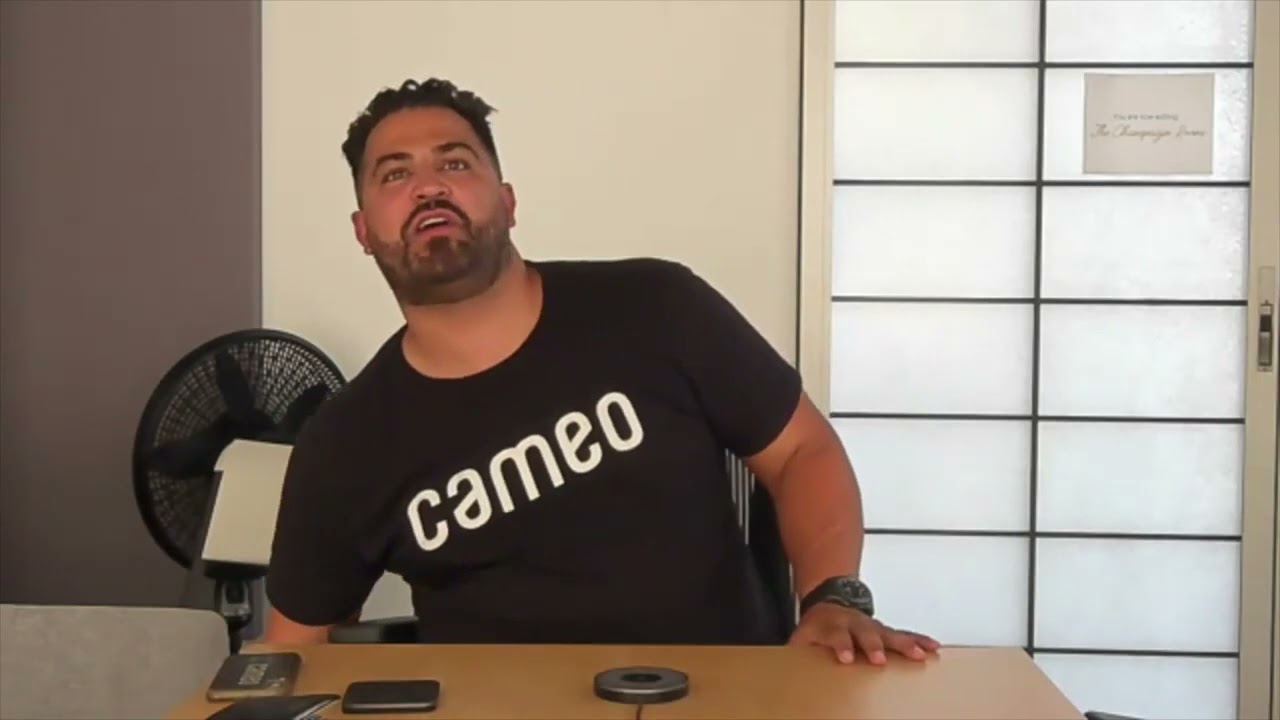
How Did Cameo Come Out of Nowhere? CEO Steven Galanis Tells All | How I Raised It | Foundersuite