4:37
Bitcoin is range-bound and likely to test lower levels due to liquidity sweeps. The speaker recommends looking at Bittensor instead and explains how to trade ranges versus trends during the Easter weekend lull.
Bitcoin is range-bound and likely to test lower levels due to liquidity sweeps. The speaker recommends looking at Bittensor instead and explains how to trade ranges versus trends during the Easter weekend lull.
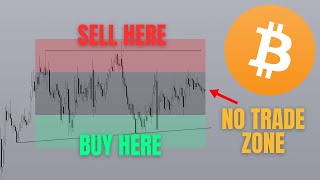
What's good, guys? So in yesterday's video, we talked about how yesterday was probably not going to give you a setup. And indeed it was, right? Yesterday. Yesterday ended up just being an inside bar. And in fact, probably the biggest reason why yesterday had such little volatility and why things were so unclear is because, well, it was Easter. Rather, today is the start of Easter weekend. And so happy holidays to you guys if you guys are celebrating Easter. But for those of you who are trading, slaving away at the charts, much like myself, the opportunity is not going to be on Bitcoin. For example, if you take a look at start stuff like Bittensor, this thing is moving really cleanly. And this is why, like, sometimes if you don't have an opportunity on something, you most definitely have an opportunity on something else. So the opportunity right now is not bitcoin. But just to give you the breakdown, you are currently still trading within this range. Currently, it looks like you are going to target the range lows. So we want to look for stuff that supports that theory. One of the reasons why I think that it's going to target the range lows is the fact that if you take a look at the one hourly chart right now, this previous swing high here has been already swept, which means that this is a strong high. But then relatively equal lows, lows, whenever you see them, or relatively equal highs for that matter, they tend to get targeted. And in this case here, you have relatively equal lows. So I believe you're going to take this out first while filling in a higher time frame for every gap. And I know that looks really, really tiny, but promise you, when we go into the one hourly chart, this thing may make sense. Those liquidity levels are likely going to get swept while fitting in some kind of higher time frame PD array. In this case, it's going to be this bullish order block right here. And so those liquidity levels forming directly above a key level is not a coincidence. This thing happens time and time and time again across many different asset classes and across many different time frames. So this is just a very common trap that the market makers like to use to essentially trick you into getting into a trade earlier. Like, for example, right now you think something's happening because you can say like, oh, you know, market structure is kind of shifting, but the reality is that you are in a range high, range low situation. Anyone that gets into the middle here, like, yeah, there are maybe one or two times out of 10 times where it just starts moving. But more likely than not, you Would be much better served waiting for a sweep of all the liquidity here, Wait for everyone to get stopped out, fill in that higher time frame, you know, key level, and then, boom, off you go. This is the exact same setup that we called yesterday inside Bootcamp, where this right here, favorite gap is a daily. Favorite gap yesterday. Right. That was the candle. And then once we head into the one hourly time frame, we simply look for ideas that support that theory. For example, right here, you have a look, liquidity level that got swept yesterday heading into the family gap, and then boom, price gives you a strong reaction, and off you go. Now, I probably could have targeted right here, which probably is going to get filled today for, like, more than double the risk reward, But I was pretty happy with this trade. And it's the same exact thing on bitcoin at the moment, same type of setup. The only lesson that I would like to impart to you is that the main reason why people tend to get screwed by rangers is because they are anticipating trending conditions. But then the market gives them ranging conditions, which obviously the expectations and the reality are kind of mismatched. And when the moment you do identify that you are in a range, which at the moment, this clearly looks like range, then your opportunity is going to always lie on the range lows and on the range highs. When you are dealing in a range, you are not like the traditional. You know, for example, if you draw a fib from low to high, and you're like, okay, anything above the 50% is a discount. Anything above the 50% is a premium. No, it doesn't quite work that way in a trend. Yes, absolutely. You. You want to draw the fib that way to look for retracements. For example, right here, price retraces into the 50% line, and off you go. That was during a trending condition. When you are in a range, the premium and discount actually exists below, right? This would be considered a discount, and above the range high would be considered a premium. Now, obviously, you also want to take into account your higher time frame direction. For example, right now on the daily chart, it's looking pretty bearish in terms of the order flow. Even the market structure is just kind of giving you lower highs and lower lows. So in this case, you want to even prioritize a sweep of the range high to target the range low, right? So perhaps you might even, you know, disregard a range low sweep opportunity. You wouldn't say that is a discount because, well, it's not truly a discount if it's just going to go lower in it. That's just a lesson just to, you know, teach you guys something new or perhaps remind you guys of a very important lesson. If you guys would like to get access to the new and improved email course that is completely free, that will teach you everything you need to know to go full time into trading, fixing the seven most common problems that you as a new trader will face. Then click the first link in the description box below. But otherwise, I will see you guys in the next video. Ciao, ciao. Have a great weekend.










