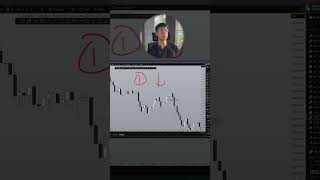
A trader from The Art Of Crypto explains how to distinguish retracements from impulse moves using higher-timeframe bias and the speed/volatility of price moves. The speaker analyzes a specific intraday example (moves between ~109 and ~107) to show that fast, explosive moves indicate impulses while slow, choppy returns suggest retracements.
Chapters
I could have been much more confident in telling you guys, like, hey, this is what's happening right now, and you are going to dump. Now, the setup for the day was that I drew out this exact favorite gap right here. And I told you guys, if you get a candle close beneath this further gap, then you're going to head lower. Now, on Twitter, I also posted, you know, right after this kind of close, that, hey, even though the daily target that I set out, right, the bearish target, has already been hit, you guys can still continue to trade this because the market looks like it's, you know, still going down. And that ended up being correct. But what I should have done better is knowing that this right here is just a retracement move. The difference between. One of the easiest ways to spot the difference between a retracement and an impulse move is, first of all, your higher time frame bias. The higher time frame was clearly shooting towards the downside. You can see how explosive these down moves tend to be compared to this up move, where, like this, you went from 109 to 107 within a period of three hours. But then it took almost an entire day, actually more than an entire day to go from 107 to, you know, go back to 109. Right. That lack in volatility and the choppiness of this move indicates that this is more of a retracement than a impulse move.