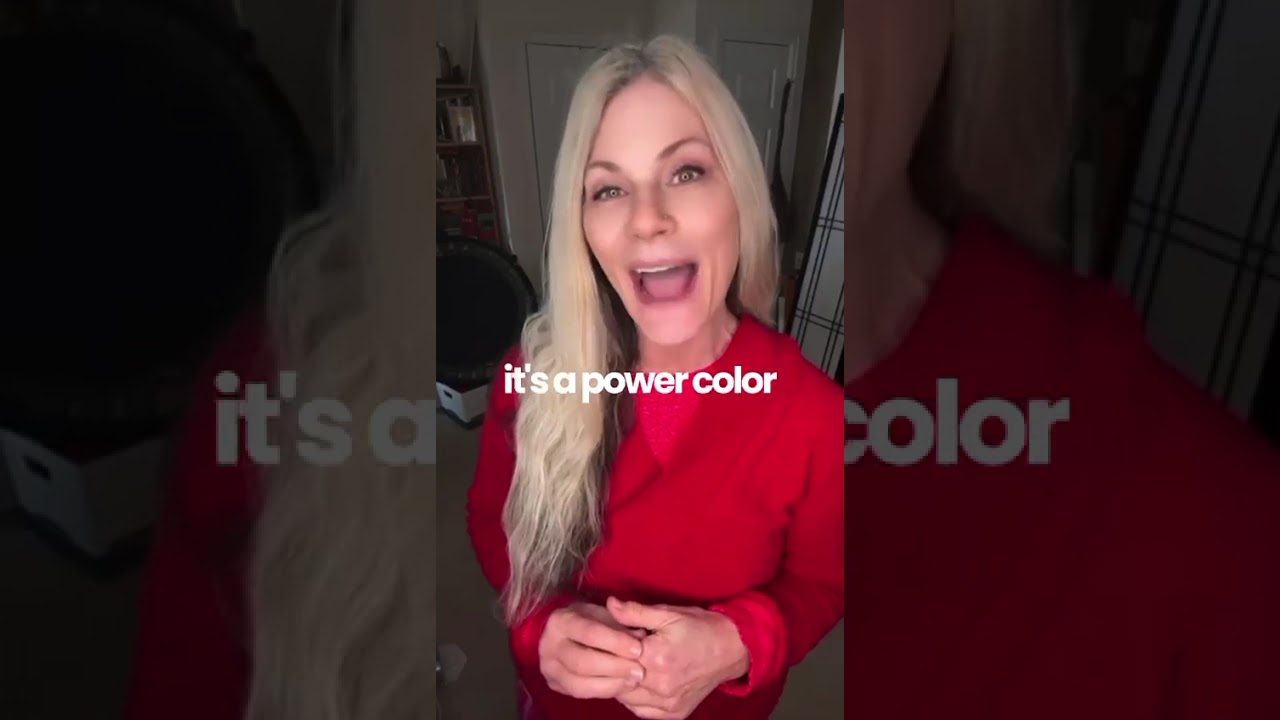
In this 10‑minute guided workout, the instructor opens with a friendly greeting and two public‑service announcements: (1) a hydration reminder that you should aim to drink roughly half your body weight in ounces of water each day, using a reusable bottle as a cue; and (2) a movement philosophy urging viewers to find a lifelong activity they enjoy, noting that injury or boredom are common reasons people stop. The session then transitions into a low‑impact boxing routine focused on proper technique and whole‑body alignment. Key technical points include punching with the two knuckles for power, thumb‑up hand orientation to engage shoulders and back, and using hip rotation on hooks. The instructor highlights foot anatomy (26 bones, muscles, tendons) and stresses early foot care. A progressive warm‑up follows: shoulder circles with elbow‑to‑arm extensions, hip circles, side‑to‑side pushes, knee‑up crescents, and a cross‑body brain‑back drill that promotes bilateral brain activation, especially for neurodivergent individuals. The core work integrates standing punches, knee‑strike combos, and speed‑bag patterns (1‑2‑3‑cross) while maintaining spinal alignment (head‑shoulders‑hips stacked). Modifications are offered for limited shoulder mobility or comfort. The workout ends with a brief gratitude pause, inviting participants to reflect on appreciation for their body and life. Throughout, the tone stays upbeat, instructional, and safety‑focused, with frequent encouragement (“Yay me, I’m moving!”).
Chapters
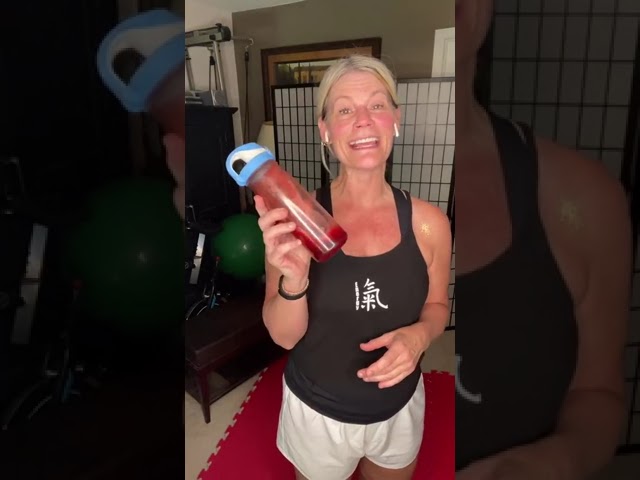
Hey. Hi. Hopefully you are already having a great day. I don't know if it's morning, afternoon, or evening wherever you are. If you want to move and do some range of motion exercise, we're going to do that. But first, my public service announcement, my PSA. By the time usually we get thirsty, we are already dehydrated. So being able to have enough water throughout the day— suggestion is find a container or something that you like and just keep refilling it. You want to get about half of your body weight in ounces or twice your body weight in— you know, I should probably look that up before I quote it, but you want to get a lot of water. So think about how many of these— this is a 20-ounce bottle— how many of these would you like to have during the day? Because by the time you're thirsty, your body is dehydrated. So let's keep you from getting dehydrated. And we'll start boxing. The other thing I want to offer you in my public service idea is Movement. Well, duh, right? Like, we're moving. But here's the deal, find something that you like to do that you could do continuously for, I don't even know, the rest of your life, whatever that looks like. The reason we stop doing something is because we don't like it, or we get injured, or it's hard, or our brain stops us. So finding something you love doing Pickleball is like sweeping the nation now, right? And I am psyched because people— take your punches up higher— people are moving. They're doing something active. They're doing an active sport. As long as they're not starting to get hurt. That's the only issue that I get concerned about. If a particular sport or activity starts putting a lot of stress on particular body parts— knees, ankles, shoulders— Then it's important to take a look at what you're doing. All right, over to the side. And all of our punches, we are punching with these 2 knuckles. That's where the power comes from. Now on these punches, I'll have my hand facing— my thumb is facing me, and it allows me to use my shoulders and my back, and I'm rotating. So whatever movement you find that you are willing to do, that you like, that brings you joy, brings you a little pleasure, Gives you an attaboy or an attagirl when you do it, do that. For me, it's this. So welcome to my world, and I'll talk about that more in another video. All right, hook punch. Hook, hook, hook. And on these hooks, if you can see my feet, I'm also working my hip and I'm getting a little flexibility in my foot. That's right. Did you know your feet have muscles? They Absolutely do. There's 26 bones in these feet, a bunch of muscles, tendons, and until you have foot problems, you may not even realize it. But taking care of your feet now— I'm like full of public service announcements today— taking care of your feet now helps later too. 4, 3, 2, 1. Nice. Go ahead and take your shoulders back. So we're going to start with shoulders, and then we're going to bring our elbows into this, and then we're going to extend our arms. If you have compromised shoulders or difficulty rotating your shoulders, keep it at the elbow as you rotate back. Good. Now we're going to do the same thing going forward. Start with shoulders, bring those elbows up into it, and then bring your arms out. If that's uncomfortable, keep it at— keep your arms bent, or— Straight. You can do singles. That works too. Just rotating. Good. Now cross in front, reach back behind you, other arm on top. So switch. It's almost like giving yourself a hug. Yay me, I'm working out! Yay me, I'm exercising! Yay me, I'm moving! 4, 3, 2, 1. Good. Now you're gonna bring your arms up and throw them down. Up. And throw them down. If you want to, like, if it feels good, you can also go ahead and do a chest stretch. Stretch. Stretch. And I don't know what the weather is like where you are, but it looks like it's really, really hot in most places. So getting movement done first thing can really help set the tone for your day. Awesome. All right, let's do some hip circles. So this, you're going to go to your level of comfort and your speed. I have friends who will do hip circles like this. That's fine if you're warmed up. Switch directions. If you're not warmed up and you're using this to warm you up, go slower. Push to that extension of your hip and then release. Good. Now my favorite, push side to side. These little muscles, they get shortened as we sit a lot. 3, 2, 1. Good. Knee up and out. Good. This is the precursor to a martial arts kick called a crescent kick. I'm not gonna make you do that. Just do that knee. It works the same muscles unless you're feeling saucy and you're like, I want to kick. You do not have to. 3, 2, 1. All right, brains and backs, the hardest 2 things to warm up. So we're going to work on both. This is a cross-body move. When you make contact, you're sending a signal to your brain that crosses your body. You want that. We want to learn how to be whole brain. And that's one of the interesting things about people with neurodivergence is some of them are more whole brain than neurotypical. Because they've had to function on both sides. All right, now a little front kick. Pick up your knee and extend your foot. So knee— good. Whatever speed is comfortable for you. And if you pick up and push your heel out, you're going to work more of your hamstring. If you point your toe, you're going to work more of your quadricep, your front— the front of your leg. And if you just relax your foot, whichever muscles you need worked, you're We'll be working. All right, shake it out. We're gonna do a little combination. So this is called a speed bag. I'll get you started on this. So speed bag, you're using the knuckles of your hand. The only difference is we're gonna go 1, 2, 3, cross. 1, 2, 3, cross. 1, 2, 3, cross. 1, 2, 3, cross. 1, 2, 3, cross. 1, 2, 3, cross. 2, 3, cross. 1, 2, 3, cross. 1, 2, 3, cross. 1, 2, 3, cross. 8, 7, 6, 5, 4, 3, 2, 1. Other side. 1, 2, 3, cross. 1, 2, 3, cross. 1, 2, 3, cross. 1, 2, 3, cross. Imagine you're hitting a boxing bag that's right by your face, making a circle, just your arm. 1, 2, 3, cross. Good. And if you think you've got it, we'll speed it up. And you can go whatever speed you want. 1, 2, 3, cross. 1, 2, 3, cross. This is your workout. This is your movement. This is you getting back into your body. I just happen to really like boxing and martial arts. 3, 2, 1. Nice. Feet back to the front. Weight shift side to side. 4, 3, 2, 1. All right, we're gonna work a little bit of your core using some boxing moves. Anytime you straighten your legs and you rotate, more often you're gonna use your hip flexors. So whenever you do core exercises from a standing position, bend your knees slightly. So I want you to sink, and you're going to keep your face forward, and you're going to punch over to the side. Nice. Now imagine a zipper pulling up your abs, pulling up your core. And this you can take fast if you want to. It'll work your core. Good. Strong core. Knees are slightly bent. Chest is out. Good. And in all of our exercises, we use proper alignment. So you never bend forward to punch. Your spine is always aligned, stacked. Your head is on top of your shoulders, is on top of your hips. I'm always looking for alignment when I teach. Good. Now go a little bit faster. 8, 7, 6, 5, 4, 3, 2, 1. Good. Another move, core knee strike punch. So same arm, touch that knee. 1, 1, 1, 1. So you're getting great core. Or tap punch. 1, 1, 1, 1. 1, 1. Good. Now if you're ready, you can speed it up. We'll do a few faster, but the most important part of this is that rotation, and you don't have to go fast. So this is boxing and core work. Block, punch, block. 3, 2, 1. Nice. Other side. 1, 1. So you're gonna cross that knee. I know it might be a little confusing. It's just like that knee strike we did in the beginning. We crossed our knee, knee, same arm does a punch. So knee, cross, punch. Knee, cross. Knee, cross. Good, keep going. Knee, cross. Knee, cross. Knee, cross. Your abs and your core are gonna feel so good after this. 3, 2, and 1. Nice! The way I end all of my live classes is a second of gratitude. So you're gonna bring your arms up, think about something you're grateful for— your body, breath, your life— bring that image in. Thank you for everything that you're doing in the world, and I hope that this helped you get back to yourself.