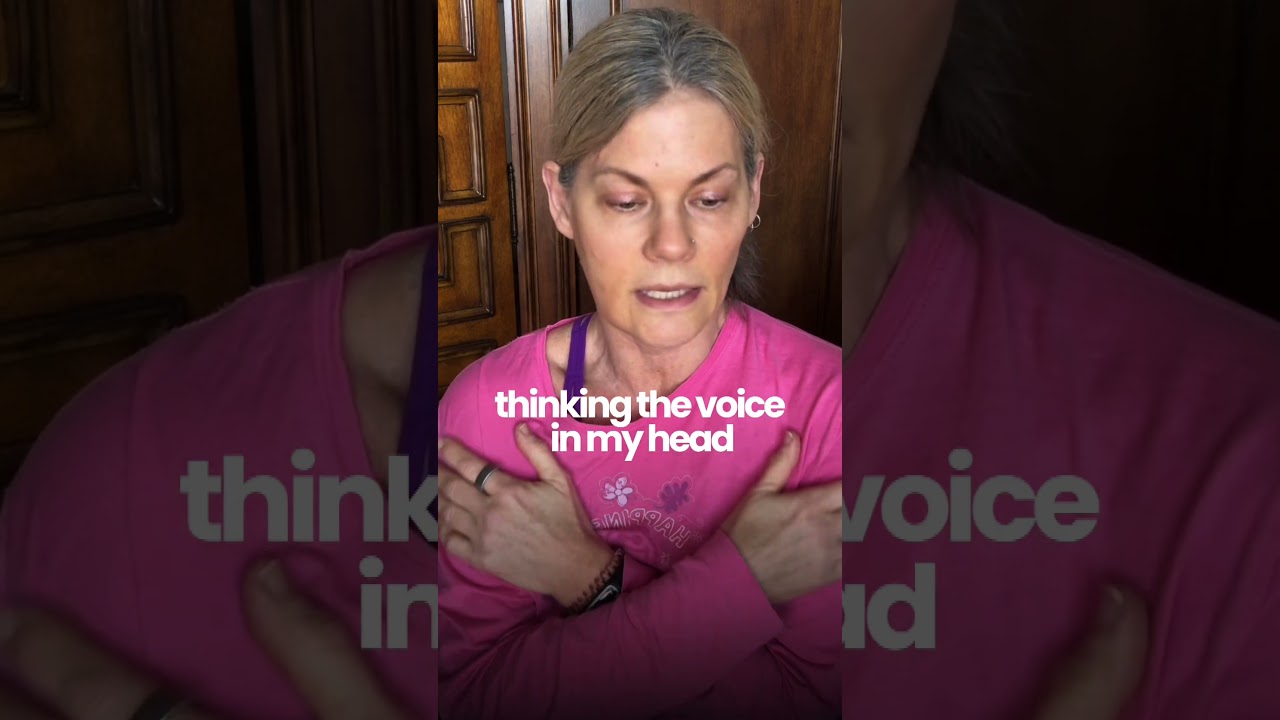
In this 9‑minute YouTube session, Theresa Byrne (who calls herself Master T) guides viewers through a comprehensive full‑body warm‑up that blends boxing‑style movements, dynamic mobility drills, and mindful breathing. She starts with a lower‑body bob‑and‑weave, emphasizing proper knee‑over‑toe alignment and a straight spine. She then layers in cross punches, hook punches, and uppercuts, stressing midline crossing, core rotation, and the use of the legs to generate power. Throughout, she introduces brief high‑intensity intervals, prompting viewers to speed up the rhythm before returning to a teaching pace, while reminding them to breathe. The routine proceeds to hip mobility circles—both outward and inward—designed to increase synovial fluid flow and alleviate low‑back discomfort, with optional modifications for shoulder or hip limitations. Next, a core‑focused squat‑stance rotation is performed, followed by a lever‑arm extension that continues to engage the spine and core. The session ends with arm range‑of‑motion circles, again offering adaptations for compromised shoulders, and concludes with a short gratitude and breath‑awareness reflection. Byrne also shares brief insights about how novel movement patterns stimulate brain activity and mentions her 5th‑degree black‑belt background, positioning the workout as both physical and neurological activation.
Chapters
Hi, my name is Theresa Byrne. My students call me Master T, and if you've got some room and you want to get some movement in your body, maybe move some things through your energy, join in. Push your chair away, move back from your desk, and let's start with lower body move. This is a bob and a weave. We use it often in boxing to move underneath someone's punches, but it's also a great warm-up. So you take your feet more than shoulder-width apart. And you bob in the middle, come up, bob in the middle, come up. You want to make sure that your knees are never going in front of your toes so that your knees are protected. You don't want to make them have any more stress than they already do. We want to be nice to our bodies. Everything is done in perfect alignment. So I want you to think straight spine as you are doing these moves. So even if I look like I'm leaning forward, I'm really just dropping down. Camera angles are kind of weird. 3, 2, 1. Now we're going to add a punch. So cross punch your body while you're bobbing and weaving. And you really want to cross that midline to help engage your whole brain. Our brains love to be warmed up. Brains love it when we get to do a little bit of something different, something unusual, because most of the times Our brains will conserve energy by putting things into categories that make life easier, which is good, right? Takes less brain energy. But then if you get something new, something exciting, it gets a little bit more activated in a good way. 3, start growing new pathways. 2, 1. Good. Now I'm going to teach you a punch called a hook punch. You're gonna make a right hook. You're gonna make a hooking motion with your arm and you're gonna punch with the flat of your fist. Now, I've studied many different martial arts. I'm a 5th degree black belt. It's fun to say that. I can say I'm a 5th degree. And I've seen martial arts where you punch with your thumb up across your body. That's fine. Just think about crossing that midline and bringing that hook punch all the way to the side. And if you can see, I'm also rotating my body. I'm not just standing and punching. None of the moves that we use from martial arts, boxing, kickboxing, any of these, do we just use one body move. We don't just use our arms. We're engaging our core. We're engaging our legs. Still rotating. Now we're going to do something called an uppercut punch. Up, up, in. So that same right angle, up, up, up, and I want you to concentrate on rotating so it's coming to the other side. What do I mean by other side? So instead of punching right up in front of you, I want you to think about rotating it. That forces you to use your core and it makes the punch a lot stronger. Good. Breathing in, breathing out. This video is Just a few minutes helps you to get some blood flowing. Breathing in and breathing out. Again, uppercut punches. Now we're going to put both of them together in a— it's not really a brain teaser. You'll be fine. And it looks like this. Hook, hook, up, up. Hook, hook, up, up. Hook, hook, up, up. Up, hook, hook, up, up, hook, hook, uppercut, uppercut, hook punch, hook punch, uppercut, uppercut. Now you can go whatever speed feels comfortable for you. I like to set a speed, a teaching speed, and then for about 10 seconds, 8 seconds, I like to speed it up just to push things up a little bit. You've hopefully heard of HIIT training, high-intensity intervals, and I wouldn't say this is incredibly high intensity, but you can kind of jack the intensity up. Breathe, calm it down, and then spike it up again. We're going to take this a little bit faster. Hook, hook, uppercut, uppercut, hook, hook, up, up, hook, hook, up, up. Up to your level of comfort and within the zones of what your body is capable of doing. If you have shoulder issues, keep your hook punches lower, more to the body. If your shoulders are okay, you can go up a little higher. Good. Hook, hook, up, up. Hook, hook, up, up. 4. 3. 2. Last one. Nice. Next thing we're going to do is for your hips. I want you to think about bringing your knee up and out. You're going to make a big circle. Our hips get used to movement. We like movement. They like movement. And they're also a joint that can sometimes— we only use it standing up and sitting down. And if you've been sitting a lot, this is a great exercise Doesn't look like an exercise. It's dynamic stretching to help increase the blood flow, synovial fluid, and get some more flexibility in that hip. So if you've got low back pain, sometimes— I'm not a doctor. I don't claim to be one, but sometimes it can be hip motions that are really what's necessary. So you're bringing your knee up and out. Do you feel a little clicking in the front? It might just be a tendon. Just lower that knee, same range of motion. And next one, nobody looks cool doing it. You're gonna do that same motion, but you're going to take your leg from the outside to the in, step back, outside in, same range of motion, just a slight variance in how you're doing it. So you're bringing your outside leg to the front. Good. You're working all these little muscles. A few more. Good. 2 more. And last one. Nice. I do these a lot because they're really good for brain. I want you to just pick up your knee, make contact. Now, if you're feeling pretty flexible, you can rotate more, get your forearm. If you're feeling really flexible, you might be able to get your elbow. Whichever is more comfortable. I just want you to make contact with the opposite side. And I know I make it look easy, but I've taught this to many students who are like, what? What? What am I doing? Once you get it, you get it. Kind of like life, isn't it? Contact, contact, contact, contact. 3, 2, 1. Last one. Now the last thing we're going to do is some stuff for core. So you're going to take kind of a squatting stance. Toes face— toes are slightly out depending on what your hips want to do, and you're just going to rotate. I want you to think about tightening your core, dropping so you've got a slight bend so your hip flexors aren't doing the work, and rotate, rotate, rotate. So you're taking your forehead forward. That sounded weird. Your forehead is facing front and you are rotating almost like you're squeezing a rag. This is great for your spine. It's also great for your core. Now we're going to slightly change it and extend what we call a lever, but it's just an arm. And you're going to palm heel strike off to the side. Make sure that you're still sinking. 8, 7, keep breathing. Almost done. 6, 5, 4, 3. Whatever speed is comfortable to you. 2. Good. Last one. Awesome. We're going to end with just some range of motion on your arms. If you have compromised shoulders or you've got shoulder issues, you keep your arms bent. If they are not and you've got the freedom of motion to make big circles, you can do that. And I keep switching which foot is in front. Same thing going backwards. So start small with bent arms. Or lowered arms. If you've got shoulder comp— shoulders compromised or challenged, I don't love to use the word weakness, but there are strengths and there are unstrengths. Same thing. If you've got the flexibility, you can extend your arms, but you don't have to. Last thing I do in all my workouts, take a moment, get grateful for yourself, get grateful for the breath in your life, get grateful for the life in your life. Thanks for taking the time. I hope that you enjoyed it. And I hope you got something out of it. So let me know.