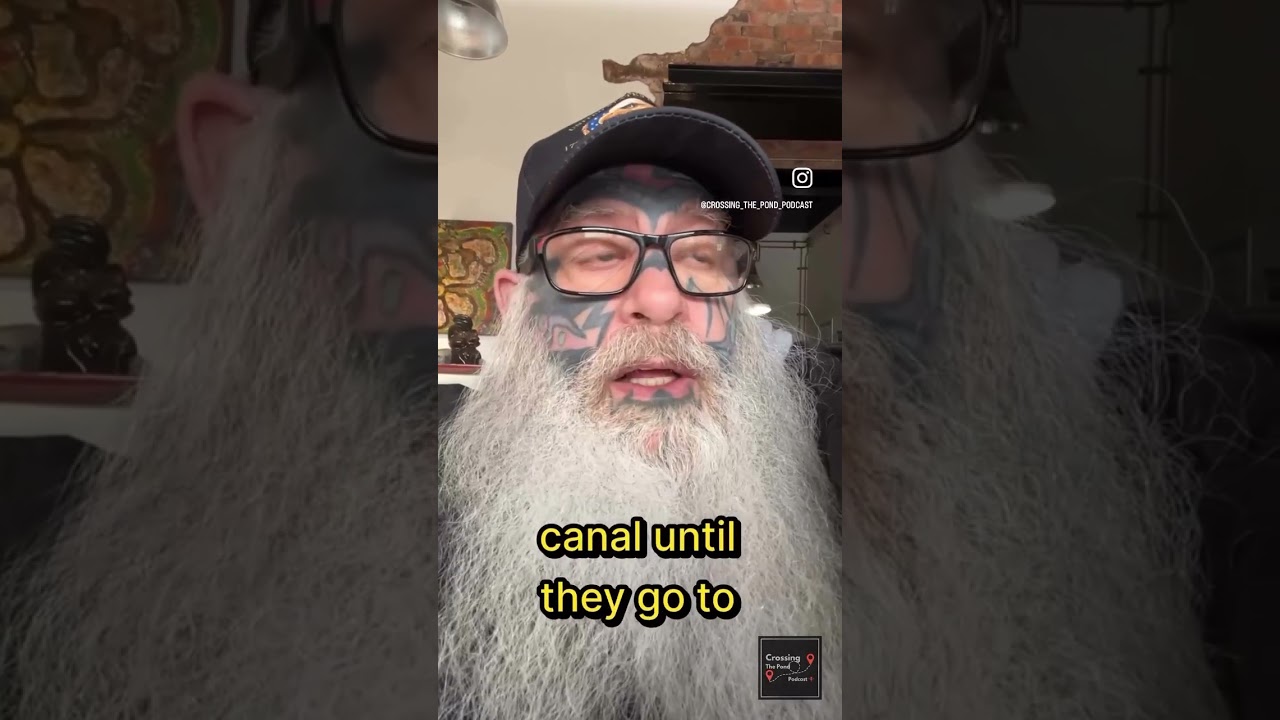
In this interview, The Scary Guy (legal name adopted in 1998 after a provocative newspaper ad) recounts his personal transformation from an ex‑tattooist who once embraced sarcasm and name‑calling to a self‑described “good guy” seeking authenticity. He explains how he was invited by Essex Police to work with six or seven local high schools on an anti‑bullying programme. The project unfolds in several phases: an initial awareness stage that brings all students together to recognise their shared role in negative behaviours such as bullying, name‑calling, and emotional hostage‑taking; followed by a 7‑day, 7‑night challenge where participants must refrain from saying any negative word or name‑calling, and must apologize directly if they slip. The Scary Guy stresses that the aim is not merely to silence negativity but to help young people understand how they process others’ words, reject the instinct to regurgitate negativity, and realize they have the power to choose their responses. He rejects hope‑based language, insisting that real change comes from conscious choice and personal agency. The interview concludes with the host indicating a possible return for further questions.
Tell me a bit about yourself.
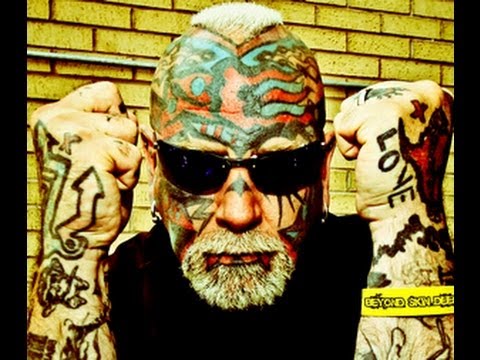
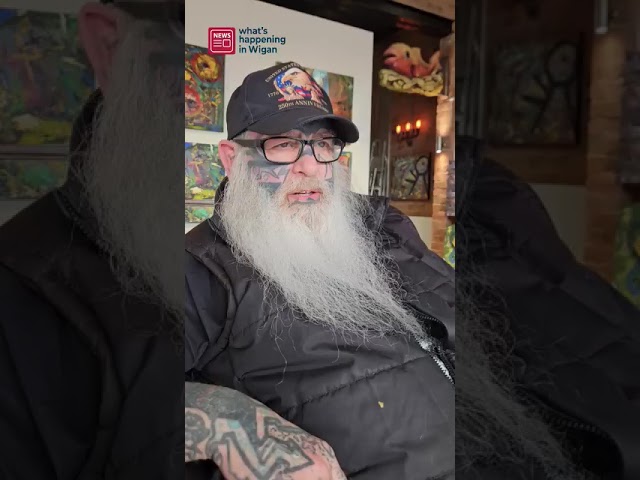
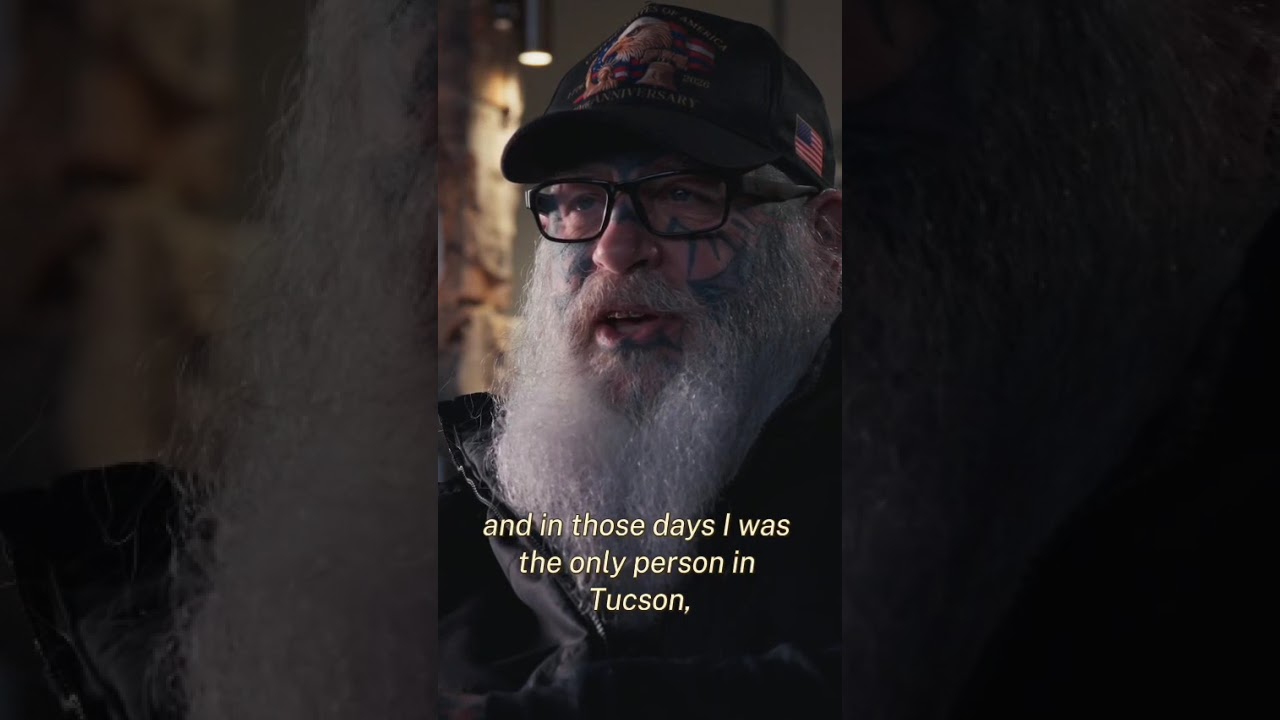
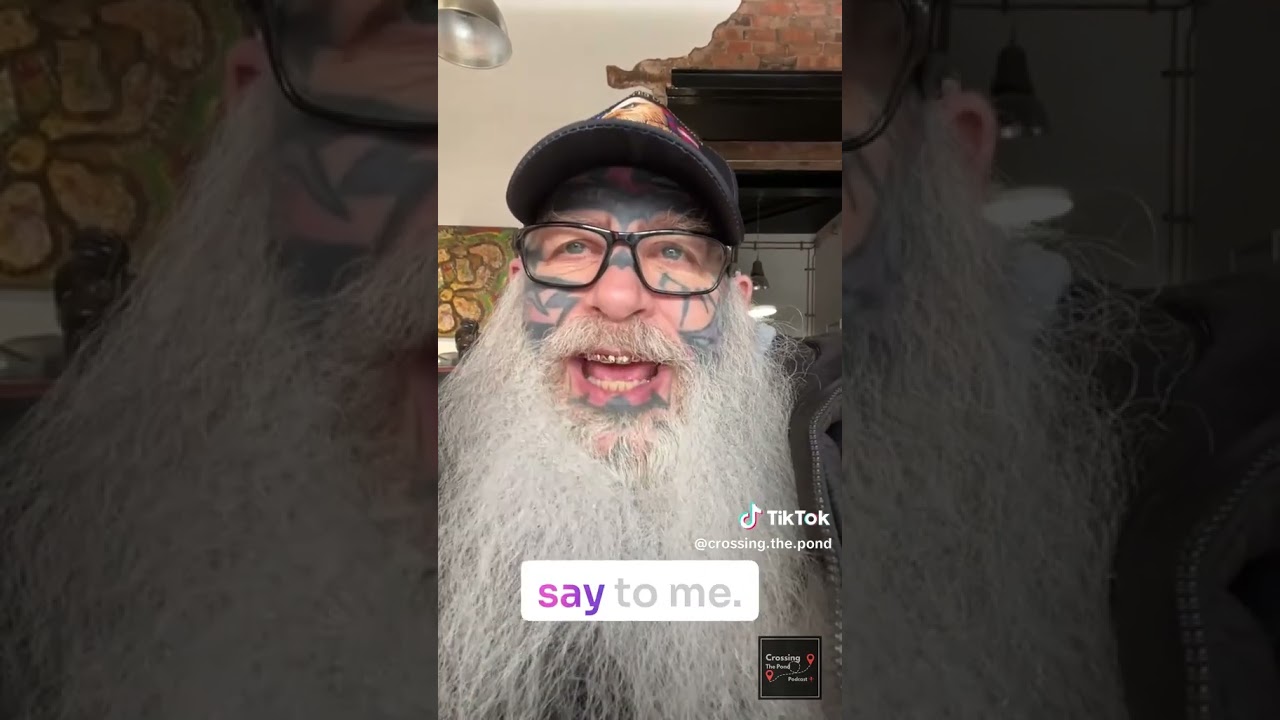
Well, I'm tattooed. There's one of my short answers for you. No, my name is The Scary Guy. It's my legal name. It's not really a name though, it's a title. So I changed my name in 1998 from my old name, which I'm not going to repeat because if you got to know, you can go to the Wikipedia and check it out. To The Scary Guy, and I changed my name because somebody gave me the name in a newspaper ad. I'm an ex-tattooist. They ran an ad about me, and a competitor, I don't even know who it was, he said, "Are you tired of dealing with scary guys with war paint facial tattoos?" When I read the ad, I thought, "Why would he say that about me? I'm a good guy." And I thought, "Well, I'll just get my hot rod Lincoln, find out where the guy lives, go over to his house and run over his dog." That'll fix him. And I thought, no, no, no, no, no, I'm not a violent guy, I'm a good guy. And this is where my change came. I stepped up on my pedestal and I declared myself a good guy to all my friends. But when I was on the pedestal bragging about how great I was as a human, that's when my life flashed before me. And I realized I was a name-caller and a hater and I could stereotype and categorize people at will. And I masked my whole life in sarcasm and humor. With that realization, I wasn't very happy about who I really was. So 43 years I lived a lie calling myself a good guy. So I had to make a decision. Was I going to really be a bad guy? And what is that? Or was I going to shut my mouth and figure out what did— what a good guy looks like? And so for the last 14 years, I've been traveling the world trying to figure out who I am. And here I am in Essex helping people figure out who they are. And how to live a different kind of life.
So tell me a bit more about what you're doing in Essex.
Well, we were invited in by the Essex Police to work in some key schools, probably about 6 or 7 schools, to kick off the project in each one of these high schools. And the project would consist of about 3 or 4 phases. The first phase is the awareness step. So what we're going to do in these schools is bring everybody to the same level of awareness as to how they all participate in the transfer of this negative behavior. And in the real world, they would call that bullying or name-calling or emotional hostage-taking. And so what I do is rather than separating people out— oh, here's the bullies and here's the poor victims over here— no, no, no, no. We're going to keep everybody together and we're going to show them this learned behavior and that we're all involved in that process. And so they can each look inside themselves and figure out how they're operating. And then we put them all in the 7-day, 7-night challenge. And then I could put you on it too if you want to go on it. It's tough, but you have to tell me if you want to do it because I don't want to hurt you.
Go on then, tell me what's the 7-day challenge.
All right, for 7 days and 7 nights, don't say one negative word about another human on the planet. For 7 days, 7 nights, don't call another person a name other than their own, even if you think the name you got in your brain is funny. You know what I mean? Like I used to do, sarcasm. If you slip up and make a mistake in front of this person, you have the courage to look them square in the eyes, hold your hand out, and apologize to them. Say you're sorry. And then you get on with your challenge. A lot of people think that's about being a good human being, shutting your mouth. And on the surface, that's what you might think. But the truth is, is that I want you to discover what are you doing with what you're hearing. Are you simply taking it on and then regurgitating it back out and calling yours okay? Some people call it self-defense. I call it a lie. I call people that take on the negative and put it back out, I call them— they're being used and they're brainwashed by that person right next door to them. And it's happened so quickly now, it's almost like a reactionary system we're living in. So what I do is I break that down and I show them exactly what's happening so that they don't have to live in that space anymore and they can start making choices.
And what do you hope that the young people will take away from your visit?
I don't hope anything. I don't hope, I don't wish, I don't do any of that kind of thing. I am very direct and I'm very clear and I know what these kids can take away. They can take away from this that they have the power to make choices as to who they're going to be no matter who speaks to them. Just because they hear a person speak doesn't mean the meaning of the words belong to you, to those kids. Same for you. Same for any police officer on the force. If they hear someone speak, the natural reaction is to take it on board and take it and move it out some other way. No, I'm saying that's a lie again. You have the power to decide and process what you see and hear and then choose your next step. Not let them dictate who you're going to be. And that ain't about hope. Those are real, real actions that people need to take.
Okay, so we go through the questions again, and if that's all right, then I'll come back.