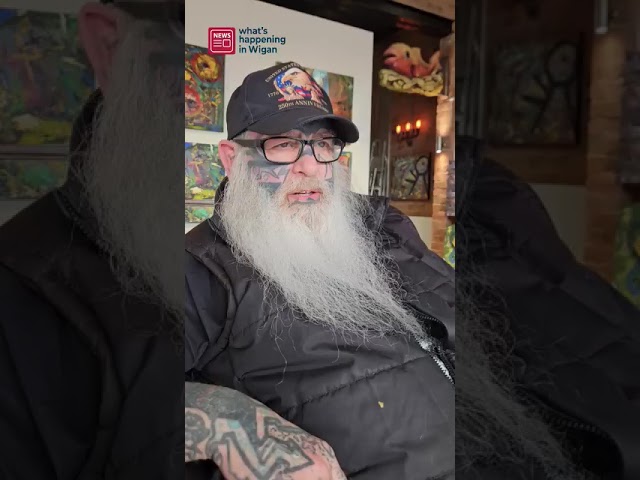
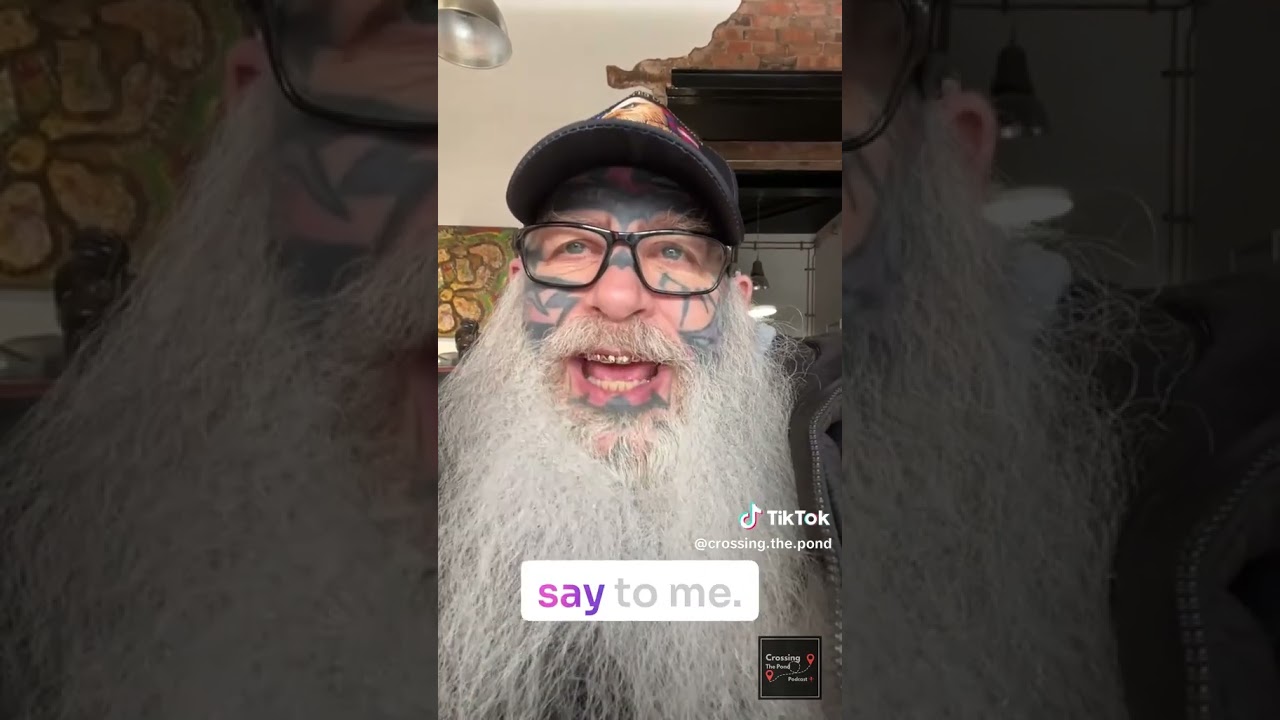
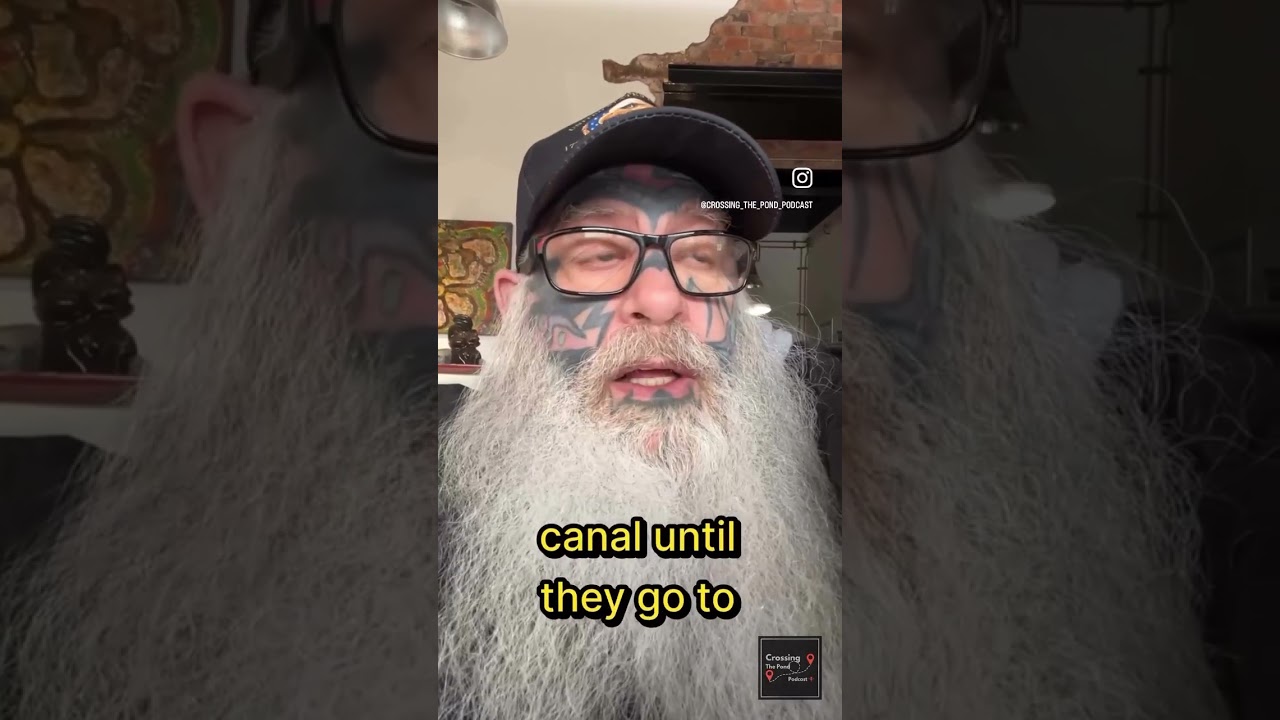
In this Teachers TV interview recorded in London’s West End, host Peter welcomes The Scary Guy, a former tattoo‑shop owner who has become an international anti‑bullying educator. The conversation traces his personal turning point after reading a newspaper ad that labeled him “Scary Guy with war paint,” leading him to recognize his own name‑calling and hatred. He quit his tattoo business, packed up, and set out to change how people see each other. The core of his work is a 7‑day, 7‑night challenge where participants refrain from saying any negative words or calling anyone by anything other than their given name. Over seven years he has refined a four‑stage curriculum—awareness, (the transcript mentions only the first stage but the program includes deeper stages) that guides students through recognizing hate, violence, and prejudice as learned social diseases. He adapts the delivery for primary schools with humor and fun, while secondary schools receive a more direct, intense approach. Teachers sometimes join the sessions, sometimes are unaware of the program, but generally do not feel their authority threatened. He notes that bullying behaviors are strikingly similar in the United States and the United Kingdom. The interview ends with a light‑hearted exchange about who scares him, highlighting his charismatic, confrontational style.
Chapters
Hello and welcome from the heart of London's West End. This is The Bell, the teachers' TV programme they're already calling an entertainment show for teachers, and boy, what a show have we got. He's taken America by storm with his anti-bullying philosophy. The Scary Guy. Shall we? Now, teachers spend much of their time exhorting pupils not to judge by appearances. This philosophy was graphically practiced on Teachers TV by a man who could have cultivated a bland, conventional exterior to contrast with his message, but he didn't.
For 7 days and 7 nights, don't say one negative word about another human on the planet. For 7 days and 7 nights, don't call another person a name other than their own. Even if you think the names you make up for people are funny, they're not. Now we're gonna find out what you're really made of. If you think you're tough, shut your mouth. That's tough.
He's traveled the world spreading his philosophy against bullying, anger, and hatred. Please welcome the new face of love, The Scary Guy! Fantastic to have you here. Thanks. So how do you go from running a successful tattoo business in Arizona to thinking, "I'm gonna take the anger out of the world"?
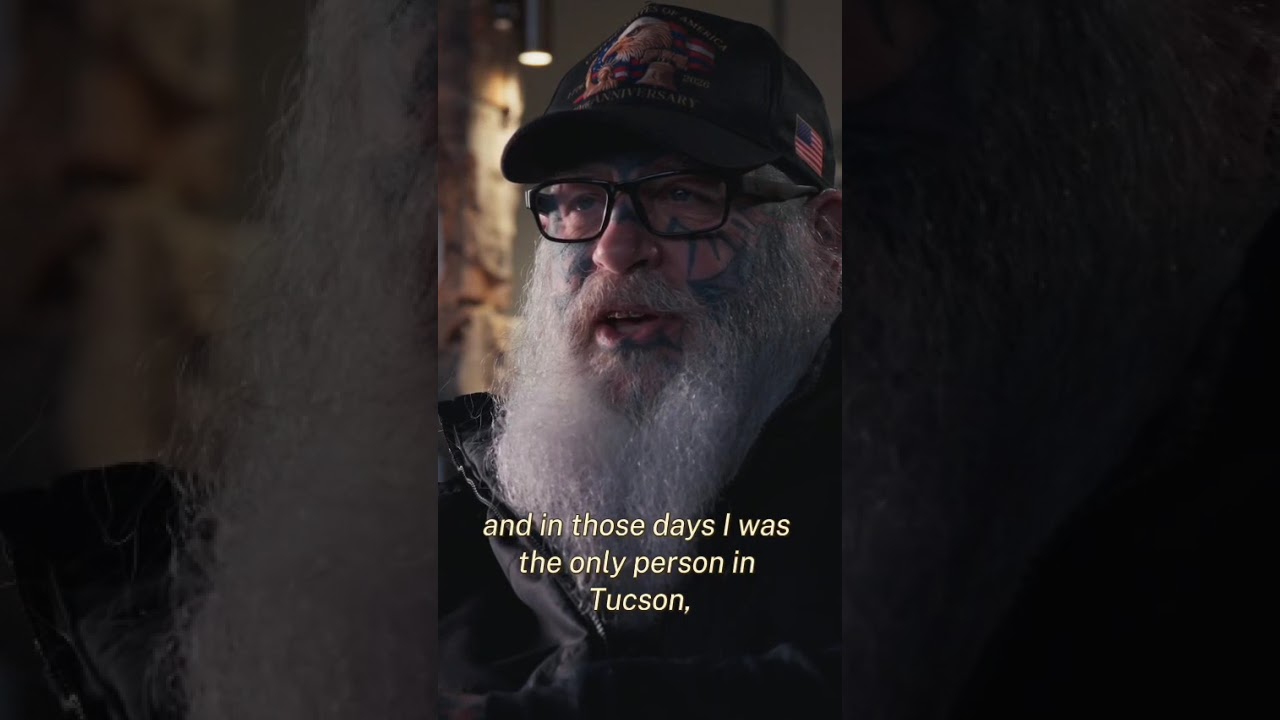
Well, in 1996, someone I've never met my entire life in the tattoo industry ran a full-page ad in the newspaper, and it said, "Are you tired of dealing with Scary Guy with war paint facial tattoos?" And when I read the ad in the paper that day, I slammed it down on the counter, and I thought to myself, "No." Who would say such a thing about someone they don't even know, let alone print it in a newspaper? The first thought that came to my mind, Peter, was, what am I going to do to get this dude back? You know, revenge. I thought, well, I'll jump in my hot rod Lincoln, I'll find out where the guy lives, I'll drive over to his house, and I'll run over his dog. And I thought, nah, nah, nah, that's not my style. I'm a good guy, he's a bad guy. Well, I stepped up onto my pedestal, and I declared myself the good guy, and he was a bad guy. When I was on my pedestal bragging and gloating about how great I was as a human being, my life flashed before me, and I realized very quickly that I was a name-caller, a hater, I could stereotype and categorize people at will, and I masked my entire life in sarcasm and humor. When I found out that's kind of who I was and I came to that realization, I was motivated out of anger, I jumped down off my pedestal, I went back to my warehouse where my wife and I lived in Tucson, Arizona, and I said, "Honey, I'm packing my bags." And she said, "Where are you going?" I said, "I'm gonna travel the world to help people see each other differently from the inside out." She said, "How you gonna do that?" And I said, "I haven't got a clue. I know one thing, I think I just wasted 43 years of my life running my mouth thinking I was hip and cool." But that's a terrible thing to deal with though.
Most people kind of think, "I'll try and be a little bit nicer and stuff." I mean, what made you dedicated? I mean, it's almost like an evangelical thing you've got about it, isn't it?
Yeah, well, what happened was during that period in time, it took me about 2 years, I took on the moniker The Scary Guy, and what I realized—
How did you come up with that?
I don't know, dude. Take a peek. I realized very quickly that as I was turning on the television and reading newspapers from around the world, actually kids were starting to kill each other over their differences. It was no longer just a bank robbery here or there, or an assault in a home, or domestic violence. Kids were actually actually killing one another. And I looked in the mirror one day and I said, ooh, maybe this will work. I need to go tell the kids what's, what's really going on around the world.
Yeah, but how do you work it out then? Because you've got quite a detailed program and there's different stages that are getting involved. It's not just the kind of don't insult anyone for 7 days and 7 nights, it's a much bigger thing. Now, how do you get your head around developing something that'll be universally appealing?
Well, the programs have developed over the last 7 years, and I've been invited in by 75 different countries around the world, and I tour the United Kingdom quite frequently and work in schools. And what I've discovered is there's actually 4 stages that we take the kids through. The first stage is awareness. We bring everybody to the same level of awareness as to how they all participate in what we call the world's number 1 social diseases: hate, violence, and prejudice. Now, in schools, of course, that translates into bullying, name-calling, labeling. Physical assault in some form like that. So what I do is I don't go in the school and I don't say, hey, you're the bad guys and you're the good guys. We level the playing field and we say we're all involved in this whole process as learned behavior. That's, that's the first phase.
And when you go into, say, a primary school with young kids as opposed to, you know, older kids, teenagers, what's the difference in the message?
Well, of course, in the secondary schools, it's a little more in-your-face, intense, and we get right down to the point, and we call it and we tell it like it is, and we give them an opportunity to go through those kinds of things. When we go into primary schools, we drop it back a little bit, and there's a little more humor involved, there's a lot more fun involved, and the kids really get involved at that level, at a different level.
And do you ever come up against an insoluble problem, you know, kids who aren't open to accepting a message from someone from a different country who looks very different from them?
Actually, if I have 40 5-year-olds in a room and I say to the 5-year-olds, "Let's change the planet," they go, "Really, Scary Guy, where do we sign up?" If I got 40 high school kids in the room and I say this, "Let's change the planet," they go, He's gay. If I got 40 adults in the room, you ready for this one? And I go, let's change the planet. They go, wonder what kind of drugs he's been doing. And that's kind of how it goes. So the younger they are, 5-year-old, 6, 7, they're more receptive. They haven't got the learned behavior based in fear and lack of knowledge.
And what about teachers? Do they sort of have an idea that Do they think you're going to bring them good, or in a way, are you taking their power away from them sometimes?
Dude, I wish I could take the power away, but I can't. No, the teachers, some of them know that I'm coming in, and some of them understand the program. They've done their research. And quite frankly, some of them don't know the program, and they participate in the first session and the second sessions just as if they were part of the kids' group.
And culturally, is America a different place to Britain? Have you found working in schools over here?
Well, if I were to stack up the American children against the British children, I would have to say the behaviors are very, very similar. You still have all the name-calling, you have the put-downs, you have the banter, you have physical violence and assault in American schools just like you have here in the UK schools.
And what frightens you?
You.
I wish I could believe that. Ladies and gentlemen, The Scary Guy.