Dive Right In with Dean Sheremet Ft. Brent Totty
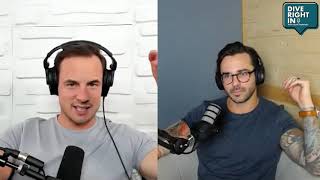
Dean Sheremet talks with Brent Totty about Volve, an AI platform that turns creators' content into timed habit nudges sent via SMS, WhatsApp, or email. Brent shares his own daily practices: sleep hygiene, cold water face plunges, and hydration, plus thoughts on mentorship and wearables.
Questions this video answers
An AI-powered habit and engagement platform that scales creators' voices by converting existing content into contextually-timed micro-lessons and nudges delivered via SMS, WhatsApp, email, or other channels.
1) Improving sleep hygiene; 2) Cold immersion/face plunge; 3) Hydration (drinking ~40 oz first thing).
Two to three habits at most simultaneously (keep them simple).
Wakes at 5:00 AM, usually goes to bed around 10:00 PM, and often works 12–14 hours per day.
Chapters
Brent Totti, good to see you today. Such. It's funny, you and I have very similar paths and our stories kind of like weave in and out. Amazing. Chef. I'm not a tech entrepreneur like you are a tech entrepreneur. We're both into biohacking self improvement more than anything. I think that's the one Absolutely. That you and I really share is kind of our general curiosity for things and just. And for knowledge. And I think, you know, both of us are very autodidactic, where we're constantly trying to consume and teach ourselves. Where does that all come from?
You know, for me, it's always been this drive towards identifying what my best version is. I've always viewed potential as something that is kind of a moving target. And I don't think that it's finite. And so this idea, it's been something that I've been thinking about since I was probably 13 or 14, which sounds weird, but when I was young, I was always thinking about like, look, I'm doing this, I'm achieving X, but what can I do to take it to that next level? And for me, and I think what is very similar between you and I is this, not only this third thirst for knowledge and this curiosity, but also the willingness to experiment. And that's something that I see that's just. Absolutely. It's just we're brothers on that, on that front. And that's been something that has driven me for a really, really long time. And ultimately it's been probably the backbone of my career since I started working when I was 19. Through all the different various things that I've done over the years, it's always been about self improvement. And ultimately that kind of developed into this idea of self improvement in the context of helping others as well. So that belief in potential for myself.
I think that that rings true for a lot of people. And people just really need the skill sets and the nudges in the right moments to be able to actualize what they're actually truly capable of.
So I just had a conversation with Terry Crews and.
I love that guy beyond anything. And I was telling him that he is one of the most generous people in the industry and he's always looking to help other people. And like a lot of especially tech products, they seem like they're helping you, but really you're the product and they're using you. And so you kind of are just this middle, you're the middleman and you're being the one who's, you know, you think that you're Getting something for free. But yet, like they always say, if you think if it's free, you're usually the product. I really. That's the one thing I love about Valve, and I want you to like, do a deep dive on that, is that.
It'S literally, it's AI, which everyone could be, you know, here or there on whether AI is evil or is good. But these are technologies that are set up to help people and create healthy habits. Like, give me the brief overview of what Valve does.
Sure. So Volve is a habit and engagement platform. Ultimately, what we do is we leverage AI to scale the voice of content creators online. So you think about someone that creates on YouTube or someone that writes a blog, or someone that is on podcasts, or someone that's constantly posting on Instagram. They're spending all this time and effort to make, hopefully to make an impact in their community. And our whole point is that, look, you're spending all this time and effort to create this content, yet it's being consumed in a time or a place that's not hyper relevant to a particular end user. When you're thinking about when someone's consuming something, you know, Instagram's algorithm is choosing when that actually is being consumed, whereas you might have intended that to be consumed right when they wake up or right before they're about to go to bed. And so this idea of being able to scale content using AI to almost duplicate, not, and I say almost because it's not a duplication, but to duplicate the experience behind working with someone one on one. So if a content creator is trying to teach you something, it's like evolve is like having them in your pocket, on their phone or on your phone, teaching you step by step in the micro moments that actually matter in the relevant times. Yeah, exactly. And it's all about relevant timing and it's all about intentionality. So say, you know, for someone like you or I like, we have a lot of incredible recipes that we have out there. And I bet you have probably 40 that are just sitting on your Instagram, for sure. So with that being said, someone that is really interested in learning how dean cooks, yes, they could probably buy your cookbook, but there's another modality that they can engage with you. And if you're trickling messages to them that have your recipes in the moments that actually matter to them, right around breakfast time or lunchtime or dinner time or even on Sundays when they're doing all their prep, you've got an opportunity to really drive impact. And there's no extra work that's needed on your side. And that's kind of like the thing that sweetens the deal, is that all of the potential of your content is already there. The only thing that you need to add is just a little bit of context. And if you're able to ascertain context from the way that people just live their lives passively, you're able to drive a real level of impact without a whole lot of extra effort on either side.
See, that's the badass thing about. So let's say someone is super into me or they're super into cookbooks. My cookbook's not going to ping them at breakfast and say, hey, you know what? I've got a great chia seed recipe for chia pudding recipe for breakfast. Or this would be a killer dinner. They know you're going to have a date or you have something on your. How does the AI understand what your schedule is it certain inputs you put, or does it start to learn you just habitually? Or how does that work?
Yeah, so the way that it starts off, when someone creates a user profile on our platform, you set some general guidelines or boundaries of when do you tend to do the following things? You can kind of adjust it day by day, you can set general times. And more or less, as we start to drive messaging, as people start to engage with it, more and more we learn about whether or not it's actually true or not. So we're understanding exactly what someone is going through and doing and then allowing them to be able to pick and choose what their journey's gonna be. So maybe this week or maybe for three weeks, they're all about Dean's recipes. And they're like, you know what? I've got this. I'm gonna put this on the back burner. I'm. I'm going to say that I've formed the habit of learning how to cook like Dean, and that kind of sits in their queue. And we might remind them in three or four weeks, like, hey, remember that one time when you tried to cook like Dean? Do you still feel like you cook like Dean? And if they answer yes, then we can say, okay, they actually did form that habit. But this idea of being able to kind of load different types of learning methodologies based upon what you're trying to achieve at that point is something that we feel very strongly about. And when I was first pitching this company to people and really learning how to write a pitch deck, I struggled really hard with trying to understand what this metaphor might be. And One of my mentors brought this idea to me that it's kind of like the Matrix where he's sitting there, he's trying to learn all the different things that are going to make him this badass superhero. And ultimately they're loading in kung fu and all sorts of different fighting styles. I look at this as being able to load in the different habits and skills that, that you want, using AI and using all the content that already exists in the content sphere. And you're just being able to pick and choose what that's going to be based upon what you're trying to achieve.
And I like that there's an accountability measure to it as well, where you're checking in with them, because if someone says like, one week, maybe they're just super jazzed about cooking and they're like, oh, I want to learn how to cook like Dean. But then they're not actually doing it and they are giving you feedback. You're not going to keep peppering them with my content. You'll switch to the next iteration of what they want, or how does that work? Or do you go, yeah.
So the idea is really like, you know, more or less. It's, you know, people like to think that they can form a habit in 21 days. It's really closer to like 66 or so. So we have different levels of engagement just depending on, you know, what type of content creator we're working with and what the program might be, where we might allow them to only go through an intense 21 day and then it kind of throttles down based upon some of their feedback. If they say, yeah, they've got it, then, you know, they might go to like one or two messages a week. But if they're like, no, I actually still really need all of this help and feedback, then we'll cycle through some of the other messages they might not have already seen or maybe repeat some of the previous ones just based upon overall engagement. But this idea of being able to react to the stage in which someone is in forming a habit is core to what we really find valuable. You know, there's, there's, there's a reason why we don't really identify with being like a course program because we're not handing off, you know, like a big PDF, like document, or we're not handing someone access to a course system. It's no, we're going to walk you through this program and teach you how to learn it based upon the methodologies that we've seen over and over again with some of our engaged users.
Well, plus it's breaking down, you know, that giant elephant into bite sized pieces to where if you just handed me a giant course on nutrition, you know, right when I get out of the gym, I'm not necessarily gonna go digging through that to go like, what's a, you know, what should I be eating now? And if, but if I get pinged and it's like, oh, you know what you just worked out, Here's a good recovery smoothie. And it's already, you know, it's easy, digestible, and right there I'm like, oh, cool, yeah, I'll do that. And then like you start to form that habit.
Exactly. And you start to build those little small moments of momentum. And that's such a huge part of the habit formation process is like, yes, when we were all maybe five, 10 years ago, the rage was like, all right, I'm gonna have this very polished PDF document. And then like, maybe there's gon be some macro calculations on the backside based upon what you're trying to do. And then your trainer, your nutritionist is going to email that to you. And then that's like it. And they're like, cool, we'll check in with you from time to time. And to me, that wasn't enough. That was just like, okay, that's great. But it still required quite a bit of accountability, self accountability, to be able to go and dig through all of that information, to be able to figure out exactly what you're supposed to be doing. So much of habit formation is kind of this like reintegration and reinforcement of knowing that you're doing the right thing in the right moment and feeling that way consistently. So, so many people feel very, very lost when they're trying to form a new habit or learn a new skill where they're like, I'm not really sure if I'm doing this the right way. And that's where people fall off. And so if you give someone the opportunity to engage on a regular basis in bite sized moments, they're more likely to actually form that habit and much more likely to be successful. And you also have to add a layer on top of that too, where it's like you want to make sure that you're lowering barriers of entry. So making sure that when they're getting messaging, there's contextually relevant supporting documentation around it. So when they click through on a text message that they get from us, the workout's there, maybe the recipe is there for that post workout shake and then an Amazon link to Go and buy all the stuff that the creator said that should be in that smoothie. All of the reasons why someone might make an excuse to not do those things are all of a sudden or all embedded in a single link in a text message.
I love that. And I think that relevance really is such a clutch thing. If you look at how advertising, digital advertising has evolved, used to get random messages for things that could maybe work for you, but sometimes you're just like, I don't even know why I'm seeing this, because just a view would be, that would be the currency. If you viewed it, then that person would get paid. And now it's getting super targeted, which if you're getting bombarded by all of this garbage, I think it's nice to finally get not bombarded, but an alert that says, hey, you did this kind of workout. Here's a specific smoothie or here's a specific post workout meal. And it's super hyper relevant to what you're actually doing.
Yeah. And it's secular reinforcement. You want to make sure that it's like, all right, you want to have that positive feedback loop of, hey, good job, you did what you said you were going to do. Here's something to get another 40% out of your effort. And it's something that gives them that like, okay, I am, I'm on the right track, I'm doing the right thing. And I want to say something too about, you know, this, this idea of like bombardment of messages. I think that right now SMS is the place where, you know, everyone's most reachable. But it's starting to get out of hand. Like there's so many just mass marketing schemes that are coming through that weren't happening six months ago. Now all of a sudden you're getting all of these automated messages and click through links on stuff that you never signed up for because someone scraped your phone number off something and sold it off.
That's a big portion of what we really believe at Valve is that text just happens to be one distribution modality. But we're built to be able to distribute to WhatsApp. Email was the previous way that text is. Now it's going to eventually phase itself out. Then you'll have WhatsApp. The ability for people to build their own apps these days is even more within reach. So we're also able to distribute to other apps as well. So I like to think of ourselves as almost distribution channel agnostic, where it's really much more about the content and the message behind it and the way in which it's delivered, then you can hand it off to wherever that particular creator's community is. And I think that that's really important because some people are really heavy on Facebook private groups and they want to use Facebook Messenger. Other people are international and don't want to pay text message rates, so they want to use WhatsApp. And there's going to be something new. So that's, that's something that's a big part of the core of what we believe.
Well, my friend Crystal Rose, who was just on the podcast a couple weeks ago, just invented a messenger that's built on blockchain and it's called Sense Chat. And it's like super end to end encrypted, so you should check it out. And like, of course she absolutely. She walked me down the whole blockchain, which I was a very, you know, blockchain virgin. I still don't exactly know how it all works, but she started coding when she was 11 years old, so she'd be an interesting person for you to chat with as well. But her thing was she said that she wanted to save people from robot enslavement. That was why she said she got into tech. Do you feel like we are slaves to our technology or do you think it's an add on enhancement?
I think that it's two sides of the same coin.
The main differential there is the awareness to know what the technology is actually doing. So any company that's doing a good job of explaining their tech and giving their users kind of the how to, of how this is all working so that it's not this black box like Facebook where they're sending off a bunch of messages and using algorithms to target you. And you really don't understand how it's all happening. I think that if someone is opting into something that they know is ultimately trying to help them, then it definitely has quite a bit of positive light on it. But a lot of it really does come down to self awareness. And I mean, this is a struggle that I have constantly. You know, I spend so much time looking at my phone and I have all the different use case apps on there telling me how many hours and days spending on it per week. It's so depressing. And so if you've got, you know, if you have some sort of mindset around how much time you're willing to spend looking at a screen every day, then you can kind of reverse engineer it backwards. And I think that that's the smartest way to, or at least One of the smartest ways to kind of back into what role you want technology to play in your life. And that way you're in the driver's seat and it's not necessarily the other way around, but it really does come down to visibility.
It is crazy, the doom scrolling that you end up getting into. And like people get on Twitter and just, it's so unhealthy. It's nice that you're actually coming out with a piece of tech that enforces good habits and into that kind of, kind of piggybacking on that. How many habits? Like, is there a threshold for trying, for too many reminders, too many things to try to be balancing, like trying to, you know, obviously this is about learning is what's the threshold for too much.
I usually like to say, and we don't throttle users, if they want to work on a bunch of different programs at once, that's fine. But I like to say two to three at most and keep them simple. Like you don't want to have this overarching, like I just want to feel better. Like that can be an intention. But if you're working on a habit, it's specifically, I really want to work on my hydration in the context of stress. I really want to learn how to cook at home so that I can save some money. Like those specific types of habits, if they're, if you can kind of draw a box around them and you can feel like they're, you know, somewhat digestible, it's much more likely that you're going to be able to focus on that and look back each day and be like, did I actually work on those three things? Or those two things if it's 10. And that's kind of goes back to this idea of like, you know, the PDF documents being this insurmountable, you know, mountain of tasks and things you're needing to learn. If you're working on too many things, you're going to get overwhelmed, period. So I always like to say two to three at most and try to, you know, you try to pick them from, from different things. I think a lot of it really does come down to what your overall intention is and what you're trying to achieve. But that's, you know, habits and intentions are, you know, interplay very well.
All right, so what are your top three habits that you do every single day?
I would say my top three habits right now. The things that I'm really focusing on are improving my sleep.
As someone that, you know, I probably work 12 to 14 hours a day. Usually most of that is in front of a screen, which is not ideal, but, you know, waking up at 5, going to bed usually at 10.
Making sure that my sleep is efficient is one of the best indicators for my performance the next day. So there's a lot of things that I focus on there around sleep hygiene, light exposure, temperature, making sure that you're controlling what you're eating before bed and the proximity to are all major things that have an effect on my quality of sleep. And I have this aura ring.
I know your aura. I'm a whoop guy.
I had a whoop. I'll tell you right now. I actually. I really enjoyed the user interface more so than aura on whoop. But whoop doesn't work through my tattoos.
Oh, interesting.
With. With dual wrists. I like. I. It doesn't read through it because the pigmentation is. It's not consistent. So oftentimes it would miss stuff.
Well, our dear friend Mary was gonna fit me for a. For an OURA ring, and I was gonna do like an ab. Kind of just a test to see. But it's funny to your point of sleep hygiene, you don't realize. I mean, I got into it. I remember, like, even the term sleep hygiene, like, is pretty new. Ish. Like in the last couple of years, obviously, you and I are. The biohacking people know about it, but people don't think about that. They think about, you know, workouts and this. They don't think about, you know, like, I want to recover so hard, you know, like, feel. You don't ever. You're not like, man, what do you sound like? What do you bench? It's like, oh, man, how many hours of sleep you get? You know, like, no one ever says that, or they try to. Or it's like a badge of honor where they're like, I can only sleep for four hours. You know, get four hours of sleep, but it's like, it's actually garbage. You're not optimizing yourself. You're not ready for the next day. And then you also realize how much drinking completely fucks your sleep up. And I feel so guilty. Like, I'll wake up after I drank, and I, like, open my phone and I look at. And I see it go into the red. And then my HRV is like, gar.
Like, oh, man, oh, man, I feel that so hard. And it's like, you know, that's. I think that that's like a positive and a negative of. Of, like, what these wearables can do for us is it's this idea of like really diving in deep on, on some of your biometrics and like how you're reacting to certain things. And you just have to, I think that you have to ultimately end up weighing the cost benefit analysis of your actions. And like, I know that like, even one glass of wine is probably going to reduce my deep sleep by 20%. Just one. So it's like I've changed my behavior around drinking to if I'm going to drink, I might drink one or two days a week. I'm not going to have that sporadic glass of wine or that sporadic cocktail. It just like, for me, it's like, you know, if I'm going to drink, I'll have like two or three beers or something, like, while I'm watching football on a Sunday. Like, that's like, that's. I like to control it. And that has been all learned based upon the feedback that I've gotten from wearables. So it's really, it's really interesting that you bring that up because I think that a lot of people don't really have visibility into it and they can even hear, oh, drinking is like, is really bad for your sleep. But, like, if you don't have any context around that and you don't know what that feels like, you don't know the difference. And like, I think a lot of it comes down to the quantification too, of seeing a number and being like, oh my, I'm trending downwards because I've drank two nights in a row. You need to have that. I think just as the way that the human brain works, it's, it's really important to have that type of kind of support.
Yeah, no, it's like an accountability buddy, because I'll literally sit there and I'm like. And you can watch. I don't know if aura set up the same way, but I can literally watch as the night goes. And you can see, like, if you, you know, we're drinking even moderately, you can see the like, spikes in your heart rate. And like, I know we've all woken up like, especially in our younger years, and you go party and you wake up and you're like hearts pounding and you're dehydrated and you feel like shit. And now you can like seeing it. I'm like, like it scares you into a good way, but you're just like, oh, God. And then you like, look at your, you know, my normal resting heart rate is like 49 beats per minute. And then like, you think I'll Go, oh, God. When I was drinking, it was like 85 or 80, and then it would dip down. That's not good.
So what's your other. So sleep hygiene number one.
Sleep hygiene is number one. I've also really been getting into like cold immersion.
I saw the face plunge you were doing.
I've been doing the face plunge because I'm cheap. And also during COVID it's really difficult to find one of those big freezers. So I'm in the market for one of those. I've now been. I've been running a little self experiment on myself to see whether or not I would do it consistently for two weeks. And I've been doing it every day. I've actually started to do kind of like a more mild version at night. Because your vagus nerve is actually like it's in your throat, but it's also kind of in your face as well. So that exposure to cold, even in a moderate sense, can lower your core body temperature before you go to bed. So another sleep benefit. But first thing in the morning. That's like. Because I've been kind of under the gun with work recently. I have to get up at 5. Like, there's no way around it. I need that extra time, you know, growing the team. I have to be available for other people as well. So, like, if I don't have my two hours, I kind of. I treat the hours between five and seven as my time.
Yeah.
If I don't have that for planning, getting a little bit of workout in, it's just not going to happen for me. And the only way that I've been able to do that is I set my ice bucket up next to my phone. My alarm goes off at 5, turn off my alarm, face goes directly in. Like.
Does your wife think you're crazy?
Well, it's not. My wife is actually in on it now. She likes. She was laughing at me before. Cause she walked into the garage one time and I was like face first in there. Like, it was like on top of the washer and I had my face in an ice bucket.
Yeah, I saw the video.
My little brother's lunch pail. And she was like, what are you doing? And that was like probably like day two or day three. And by like day five or six, I, like, wouldn't shut up about it. And she's like, okay, I have to try this now. And now she's on team face bath and is all about it. But I have definitely seen my neighbors walk by. And the funniest part about all this is like, yeah, you end up like running out of breath after a certain amount of time where you're down there for like 15, 20 seconds. I have a snorkel that I, that I use, so I've got a snorkel coming out of my lunch pail and I'm sitting there like it's like 5:30 in the morning. My neighbors are walking by, walking their dogs and they look over and I'm like shirtless, like in my boxers, my face in my lunch pail with a snorkel out. And they're like, I don't know what he's doing, but I don't want any part of that.
That couple's into some kinky shit.
So what is, what's the knowledge behind it? What's it supposed to be doing? From a physical physiologist?
Yeah, from the physiological standpoint, it's really all about training your nervous system to be able to handle stress in a more efficient manner. So you're almost looking at stress as like, in this sense as like a micro trauma where it's controlled. You're teaching your central nervous system how to be able to handle that type of stress. So that when something, you know, later on in the day that's come stressful, that's stressful, that comes along in context, it's really not so bad because you've already been, you've exposed yourself to that. I'll do a little bit of interval training first thing in the morning too. So I've got our peloton in the garage. So I'll hop on that, do some hiit, I do a face bath at that point. I've stressed myself out in little micro senses and then throughout the day I'm much more equipped to be able to handle the stress that actually is thrown at me. That morning routine has been a big component of what I've been really focusing on. And I would say the third thing is really, just really, really focusing on hydration. And I know that everyone kind of rolls their eyes at that one and they're like, I'll drink to that. Drink water, great. And I walk around with my big ass 40 ounce container and usually like, you know, on calls like this or on podcasts, like I have the big container and I'll be like drinking out of it. I've been told that's very distracting, so I've stopped doing that. But being able to stay on top of your hydration levels, especially first thing in the morning. Next to my ice bucket is my room tem. 40 ounces of water. When my face comes out and I put my snorkel down, first thing is drinking that entire 40 ounces of water. So before I've had any caffeine, before I've done anything, before I've really even stared at my phone. It's really a little bit of micro trauma in the form of that face bath combined with a lot of hydration. Hop on the bike, work out for a little bit, and it's like 5:20 at that point. That's like been a huge component of being able to maximize my day. And that's, I mean, these days I don't really care so much about like, I used to be all about like body composition and how much I can lift. Yeah. Now it's like how many hours a day can I go? Like, that's really, that's the measure of whether or not my system is working for me is how many hours, how many phone calls, how much time can I spend, how many tasks can I really knock out and how thoughtful can I be as I'm moving throughout my day? Because ultimately there's no one telling me what to do anymore. It's literally just, you get all this done and, you know, our company just closed a little bit of investment this past July. So, like the time timer's ticking. Like, you either prove it or you don't. So, like, my time is, is my own and I have to make sure that I'm getting everything that I possibly can out of it while also being, you know, a good husband.
Yeah.
So you got that flip side to it.
Well, that's the thing. It's the adaptability of being able to not only just get through the day, but really be optimized to perform every hour of the day. Because you do. Like you said, every hour is so crucial. And you know, if you go to the gym and you're working out for one specific thing, yeah, you may look great all day, but you're going to, you may crash or like you're eating in a shitty way that's going to not optimize your energy for the whole day. So I think it's like, it's figuring out like, okay, I need to be super hyper focused for 10 hours and a lot of it's going to be sitting. So A, B and C is right for me. And so this is kind of going back to Valve, like how it can kind of work those things into your world. If you go, okay, I'm a, you know, cross country skier. Okay. This, these three things are going to be different for, you know, that's going to be vastly different of like what I'm going to be taking in as far as macros or what I'm going to take in from habits or like how, you know, those are obviously two completely different things, but volve could help you kind of feed both of those.
Yeah, absolutely. And this idea of, you know, how you're going to be able to find those specific habits, I always like to think of it as like the same way that, like, the reason why I read is because it's not like there's any sort of new experience that's out there. Someone has already experienced it and someone probably already has some thoughts on it. You don't need to go and go through all the hardship of experiencing something. If you just read the lessons that someone else already learned, then the likelihood that you're going to be successful is substantially higher. So I find this similar fashion where we're looking for particular content creators that have a message that a lot of people really identify with. And it's like when you're looking for someone, I'm in my early 30s, early 30s. Work for yourself, spend a lot of time working, also have a family. You're really trying to balance. The goal is optimization of time. And it's like just as much as it's about health and wellness, it is also just about time management. So that's where our platform really begins to grow. And it's something that we've been seeing over the last bit is that it's not just health and wellness anymore, it's also skill sets, it's also mindset. There's so much around human development that can be done that is outside of what you're putting into your body or how you're moving your body. It's kind of all encompassing. And I think that with some of the new clients we have coming on, it's been really eye opening to see where we think that this platform is really going to end up, which has been. It happened way faster than I thought it was really going to, which is awesome. But it definitely has required quite a bit of pivoting and fast learning on the job.
Yeah, well, if you look at, I mean, I guess the only thing comparable, but not even really, because it's not giving you the kind of feedback you can see the need for all those different cooking shows you can buy or master class or something like that. But it's a very broad. It's not giving you specialized learning for who you are and what you want to do. But there's definitely a need for that self improvement.
Totally. And I mean if you look at it too like each one of those master classes and all the like, all that content, you know, how much of that particular video is truly useful versus how much are they filling it to set a certain time frame.
Right.
And so that's, that's.
How many takeaways are you actually getting? Yeah, yeah, yeah. So it's beautiful, it's cinematic, it's shot, gorgeous. It's like when I watch Chef's table.
Which is all important. Yeah, that's all very important. But I think that there's also a different way to consume it. So I'm not saying that it's like our way or the highway. I'm just saying that if you're trying to learn something and you're trying to learn it in a methodical way, that if you're taking the useful chunks in the context that they were meant to be learned, instead of like skimming through a beautifully shot video, maybe you get one or two messages a day with clips that are leading up to the meal that you're going to be making where it's like, hey, I want to make that meal. This is a three day crash course to do it and I'm going to send you four messages a day and you're going to learn all the lessons up to it. By the time that you cook your meal on Friday, you're going to know all the different techniques.
Right.
So that's why I don't view our technology as competing with any of these other course based learning systems or any of these masterclasses because ultimately I want our tech bolted onto their stuff. Like I, I have no desire for Valve to be a household name. I plan on Valve being like in the shadows, the platform that everyone else stands on top of to make their impact more useful and more well known. It's so not an ego driven thing. It honestly most of our stuff that we're selling is going to turn into being white labeled stuff where it's like, it's no longer like our branding won't be on it, it'll be powered by evolve and you might see that like in place the first footer somewhere. But like it's really so much more about getting this technology into the hands of those that have something to say.
Right. You're just being the conduit. Like you said it was platform agnostic. So you're just kind of being the conduit between creator and client or you know, creator and user.
Yeah. And I mean if you think about it too, scaling a business, what's the most expensive thing beyond just like the initial build of in a tech company, the initial build is marketing. And if you're trying to compete against a bunch of other apps that are way more well funded than you, that's where most companies end up losing, is they burn all their cash on marketing and then they're gone. Whereas if you're focusing more on the value that you're adding to specific individuals that already have communities, they already have their own built in marketing system because they already have people that listen to them. And then if you're taking it a step further and saying, hey, by the way, when you add your content over into our system, we're also going to be looking for other opportunities to place your content with universities or enterprises. That's a new portion of the business that we've been working on is this idea of it's almost like content licensing where if you look at all the content that sits in our system, it's sold by the creators to their communities. But we also are constantly looking at what is being uploaded and saying, does this make sense to sell into one of our other partners? And we've seen that we did that with, with USD about three months ago with actually Mary was part of that and one of our other friends, Logan, we did a stress proof panel where it was a 90 minute segment, we talked about stress. I combed all of their online presence for stress related content and then we built a 90 day program that dripped messages to college students to teach them how to deal with stress.
So I need that in my life.
I'll get you a signup code, you can use it.
I need that one in my life.
And we did that same program for Google about two weeks ago. So there was another group that we were involved with where they wanted something very similar. We ran a very similar panel and then turned that type of content on for that group. And so that's kind of the whole point that I really want to make. And for any of you, the creators out there that are listening to this, the content that you've already put out there is enough. You don't have to go and reinvent the wheel and repeat yourself and constantly do that. This idea of staying relevant should really be based upon the quality of your content and how you package it. So if you package it and you're giving it to someone in a way that's hyper useful, you're no longer fighting the same battle that everyone else is. You're giving someone true value, and the way that they're going to be able to show respect or to show gratitude for that is one, they're going to be paying you directly, and then two, they've got the opportunity to share it with other people. So that, to me, is like, where I think a lot of my views on content are a little bit different from where everyone else is. And I really would love to see that become kind of like a household mindset around content is really driving home quality and delivering it in a manner that's contextually relevant to the people that really want it.
That's awesome. And you just recently hired your sister, right?
I did, yeah.
Did you ever think you were gonna make it a family affair? And, like.
No, no, no, I definitely didn't. And it's definitely one of those things too, where, you know, everyone warns you about working with family. But she's been incredible. And, you know, ultimately I just took a look at where we were as our business and what she's trying to do. And this is what I told her from the. From the forefront is I don't care if you continue on with us or not. What I expect you to do is to use this experience to teach yourself something, to be better off than you were before. And if that means that you do this for two weeks and I pay for some sort of, you know, training event that teaches you something about social media engagement and content creation, great, that's fine, because I'm happy to do it, because I think that you're going to do plenty of work for us and you're also going to learn a lot. But I think that that's something that is just kind of core at. The way that I look at hiring is this idea of being able to enable people to leave better than they showed up.
I was going to say that's if you've. That's pretty amazing advice from a brother or, I mean, the best boss advice, definitely amazing from a family. But, like, the fact that you instill that or you want to instill that in someone that's not even just your sister, that's an employee of yours, that's an incredible thing because so much of it is kind of, you know, you're working in these fields where you're slaving away for somebody and you're just constantly giving and giving, giving, and you don't get that reciprocation and you don't get that kind of. Not even just, you know, money or whatever, just having someone look at you and be like, I've got your back. I'm here with you and I want you to be better. Like just even acknowledging that goes such a long way and it doesn't happen often in the business world, especially the tech world.
I agree. And my first job out of college happened to be one of those. It's the only 9 to 5 job I've ever had. But I had that experience. I had a mentor. He taught me the ropes. I didn't know anything about SQL and database coding and AI at all. I was an econ major. I met him in a parking lot at a job fair. He laughed at my sticker because I had a UCSD sticker on the back of my truck. And he's like, so what are you here for? And I was like, I don't know, I'm here for a job. He's like, cool. He's like, what do you know? I'm like, well, I want to use my degree. He's like, what's that? He's like, econ. He's like, well, we use numbers. I was like. And at that point I was like two weeks away from having to move home. I'm like, that sounds fine, numbers are good. Yeah. And he brought me in and ultimately ended up, you know, he gave me 90 days. He's like, if you can figure out how to do this in three months, you can keep your job. If not like, no harm, no foul, but like figure it out.
What was that job?
That was actually, I was a data analyst and rules architect for a finance based healthcare company.
Wow.
We were doing medical billing and dealing with all of the clusterfuck that is coding and then building rules to be able to automatically code certain things so that hospitals would save millions of dollars every year.
That's amazing. I am just a fuck when it comes to numbers. I'm just like, I like start to tune out. There's so many things I can hyper focus on and I'm definitely add in a lot of ways, but when it comes to numbers, unless it's money, I'm pretty. That's that I'm good with, but just like, I don't know, I'm lost on the numbering but you know, so having a mentor, do you think that set you up to wanting to be a mentor or do you think it was something that was already in you?
Well, I think that there was probably always some sort of desire to want to teach people, but I don't think that I realized that I had what it took until I had a mentor of my own. I Think that it required me going through the process of looking up to someone and knowing that they expected me to do something, but that their heart was in a place of wanting me to be better. Like I was not the right hire for that job, like at all. But he saw something in me and ironically, like he ended up letting me go from that company specifically. So he was like, you've reached your ceiling here. You're not going to learn anything else. Go do something else. And by the way, when you go and figure out what you're going to do next, bring it back to me. And I did. And he was our first investor.
Amazing.
Yeah. So that's like. That just goes to show that like the relationship with like mentor and mentee can hold many different forms and ours has shifted and changed over the years. And ultimately I think that having that guidance, especially being a young kid out of college, I didn't know what I wanted to do. I just knew that I wanted a paycheck and I didn't want to move back in my parents house. Those are my two things. I was like, do I make money and do I not live there? That was it. Having someone that gives a little bit more framework and guidance to what you're ultimately trying to achieve, and maybe you don't even know it, but they see it for you, guides a lot of your choices. And ultimately I think that is what unlocked my desire to want to help other people especially, I mean, when I was younger I was a little bit caught up in my own shit. Like, I just like was very self absorbed and I just wanted to do everything that I wanted to do. And it took a few years for me to be able to kind of grow out of that and understand that.
Your impact is really only, it really only matters when you're actually driving it with someone that really needs it from you. And I think that that's one of the biggest things that I've learned is this idea of being able to enable others to understand what they're capable of doing by sharing your own experience and giving them some frameworks. But ultimately you don't tell them what to do. You just, you give them some of your lessons, you give them some of your tools and tips, but they're in the driver's seat, they're figuring it out. And that's. I think that that's the most important part of mentorship is you don't give them the guidebook, you just give them the Cliff Notes and have them figure it out.
Yeah, I think that's a sign of a good leader also is you're not trying to micromanage somebody. You're giving them the base to be able to perform on. And if they obviously have to have questions to you, but you're not over their shoulder, you know, you. And you have to be able to entrust someone and let them, you know, make the mistakes they need to make or learn on the job because that's the only, that's the way you get better. It's funny, I was gonna ask you, like, what are your thoughts on, do you, do you even like the term failure? Do you believe in failure? Like, what is your thoughts around that?
You know, failure is, is definitely on a spectrum. And I think that as long as you're, you're moving forward and you know, I feel like the phrase failing forward is a little played out. But like it's this idea of the only thing that is going to be a true failure is if you make the mistake more than three times. Like if you didn't learn from the first time, you get a pass, but you really shouldn't have made that mistake the second time. If you do it a third time, then it's a pattern based behavior. And that's something that really needs to be identified and worked on. And ultimately that is my only definition of a failure is if you repeat the same thing over and over again and you don't learn from it. I think that's the most important thing. The other thing that when you're looking at learning new skills in the context of working with a team, it's all about communication and circular feedback. So this is something that I try to instill in any of the people that work with our team is don't go and work in a dark hole for three days and pop back up and give me a final product. This is iterative, especially when you're learning something. When you're, when you're a good judge of character and a good judge of skill, ultimately, like over time they can go and do that and come back and whatever finished product they're going to bring you is going to be what it needs to be. But when you're in that process of learning and learning a new thought process and learning a new skill, you really do need to have that iteration of is this what you're looking for? If not why, And I think that that circles back into why I'm so specific about my schedule on a daily basis is that I have to be available at the drop of a hat to answer a question or else I'm the bottleneck. And that's a huge part of my job. And it ultimately makes all the other work that I have to get done take way longer because I'm constantly interrupted. But the interruptions that I'm doing now are basically just. It's almost putting off or it's taking on some of the burden now in order to take off the burden in the future. Because once you enable someone with a consistent and readily available feedback loop to be able to learn a new skill, then they're off to the races and your time is freed up to either go and onboard someone new or work on what you need to work on. But that's why that, like, waking up at 5 and going to bed at 10. I mean, I'm on my phone constantly throughout that period. I try not to look at my phone the first hour of the day, but that very rarely happens. We have clients on the east coast, and I'm checking code to make sure messages are going out. And like, that just. It's not in the cards for me.
So what's the next step? I know you. Congratulations on the recent funding. What's the next step for Volve?
Team, Team, Team. It's all about spreading the knowledge that I've been working on the last three years or so.
I know. I remember seeing it from the, like, the WeWork days of you just, like, you on a computer by yourself, and I'd come by and have lunch with you.
Yep, yep. And those were the days where it was like, you know, we were working with Spartan and wework and we were trying to get WeWork members engage in Spartan races, and ultimately those in coworking spaces don't really love obstacle races, so that that idea kind of fell flat on its face. But the technology has always been something that I've been super passionate about, and for me, it now becomes how do I get out of the process so that others can make it better. I feel like my skill set, the technology, is now starting to hit a ceiling based upon what I know. And I think that for me to be able to continue to grow this company, I have to be a good judge of character to bring new talent in to make different portions of the technology and the process around the business better. And I just have to use. I have to grow as a leader to be able to understand exactly what is necessary to do that. And that's been a really interesting process.
It's definitely brand new for me because I've been working by myself for a really long time with my headphones on. Just like writing SQL and loading content and talking to creators and ultimately that doesn't scale. So we got to get this technology into the hands of as many creators as possible. And once we do that, then it's off to the races. We can start to really leverage our recommendation engines and the way that we distribute messaging to be hyper specific to what people are trying to achieve.
How important was it for you from a mental headspace to get out of la? Because I know you recently, now you have a house, which I'm jealous of because I'm still like tied up in the air.
It was huge. Yeah, it was. It was huge. Not for any other particular reason besides space.
You know, during COVID all I was working out of a co working space. Those all shut down before I was in that co working space. I was, you know, working on ball. And also I was a private chef. So I was working out of the kitchen from 10am to 2pm and then I would be working out of the kitchen from 2:30pm till like midnight. So I never left the kitchen. Like literally like all day. I would be stuck in there. And ultimately if we had not have left la, I would have had to go back to the kitchen. And I just, I don't think that I could have faced that, especially with being in an apartment up there. My heart goes out for those. I hope that like, those that are. That are in a smaller space have found constructive ways to go and burn off some energy and just like get outside. It's kind of the only silver lining I think, of all of this. I mean, there's a little bit of a positive side of connection, but people being more willing to get outside and reconnect with nature because there really isn't a whole lot else you can do is definitely something that's been huge. So I'm very, very thankful and very blessed to have found the spot that we did down in Orange County.
Nice.
And yeah, it's been a game changer. Just because we can't leave. So if we can't leave, like, you gotta have multiple places to hang out.
Totally. And speaking of the kitchen, what is a diet trend or fad that you just think needs to go away?
Biblical keto, where people are just.
I've never even heard of biblical keto.
Because people just follow it so to the like. And it's just. So that's your.
I thought you meant. I thought this is an actual. Like, you're just saying biblical is the.
Modality in which people are following keto.
There's another keto.
Maybe we just created it here.
Like, why don't I know about this?
But my, my, my thought process behind that is, you know, I think that, that ketosis works very well for a lot of people, but ultimately like that's not, it's not a sustainable practice. And I think that it's important for people to think more about nutrient than it is about counting macros.
Rigidity.
People get so rigidity. Anything that's rigid and anything that's hyper restrictive, that is like, that isn't individualized. It's like, I don't eat beans because I don't eat beans and because that's what says or that's what Paleo says. Those are the types of diets that I just have a lot of trouble with being someone that I was doing a lot of cooking for people and I was doing nutritional consulting, everyone wanted the label. And what I had to do is I had to break it down into, these are the ingredients that I would recommend experimenting with. And let's be smart about how we introduce these. And people are like, that's great. But like, what do I call it? I'm like, well you call it your diet. Like, don't call it anything else. You don't have to like, yeah. And so like don't overcomplicate it. Just like focus on things that are not processed. Focus on the higher quality non vegetable oils and, and making sure that you understand and are in tune with yourself for how you're actually reacting to food. And the last thing that I'll say about that too is that it's a moving target. Like what might work for you right now in three weeks might not work. And so if you think that you're gonna find this finite set of foods you're gonna eat forever, it's just not the case.
Well, that's the thing. People don't take in those, you know, all of those outside factors that are weighing on you. Like maybe one week you're super stressed out and your cortisol's through the roof and like then you should be eating in one specific way and then another time when I always tell people that like, what's the magic? You know, what's the magic diet? I'm like, there is no, like it's, you know, everyone likes to vilify foods and like say, oh no carbs. No, this is like, oh no. Well, carbs are essential for when you're doing X activity. You know, if I was going to sit in front of the computer all day, I'm probably not going to eat a giant bowl of pasta, not because it's bad, it's just not going to serve me. It's not going to keep my energy level up. It's not going to do what I needed to do. If I know I'm going to go, you know, go on a really crazy bike ride or something like that, you know, people are just like you said, they want the label, they want to know, oh, it's paleo or, you know, if they're vegan, they want to do that's plant based. When there's so many plant based people who would probably benefit from meat and so many people who eat tons of meat who would benefit from plants, but they just want to stay in those silos and because it's comfortable for them.
Well, and I would offer a framework instead of a label. And this is something that I've been helping a lot of people with. A bunch of my buddies will call me and they're like, I don't know what I'm supposed to be doing. And it's like, so if you think about diet as multiple levers, where it's like what, when and how much you want to pull on one of those levers at any one time. If you're trying to be super strict, pull on two levers. If you're trying to be like really, really gnarly about your diet, you might want to try to pull on all three. And I think that that translates into this idea that I try to teach people where it's like, you want to stylize what different types of days you might tend to have. So I have high intensity computer work days. I have days where I like to work out. And I also have days that. And those days usually are the days where I like to eat a lot as well. And I plan those days around when I plan to eat. And then the third is just maintenance and based upon what my expectation of movement is, I set those days. So low level is more or less like high amounts of fasting, mostly ketogenic, a lot of essential amino acids, a lot of like fish oil and basically just like, you know, you keep your calories relatively low, but I'm not counting them. It's much more about giving your brain what it needs to be able to function. That's a small amount of carbohydrates, a decent amount of healthy fat, and then some essential amino acids and some protein here or there. And like that's gonna be enough. And then on your days where you're working out a lot heavier you're gonna want to eat more. Again, I'm not saying that you have to eat a specific amount of fat or a specific amount of carbohydrates. I'm just saying in general you're probably gonna eat some more carbohydrates, you're gonna probably eat some more protein. And if that's the case, you just ramp down your fats a little bit. Because fats and carbohydrates are inversely related.
I think that's the thing with people are so like, they want that. You know, it's going back to what you were saying, those micro stressors. It's. People are so used to living in a house that's conditions or you're 72 degree. There's like you're just in this middle area all the time and we don't ever get ourselves. We want to always just be in this kind of safe zone and we're never testing ourselves. So it's, it is smart that you're saying to like on the days that you know you're going to be sitting in front of the computer, increase the fats, lower all the carbs. You know, like there is an adjustment. People just want a one size fits all thing and it's like really hard. And I think that's what Volv would be great about is like undoing and helping you relearn, you know, what needs to happen at what time.
Yeah. And I mean if you think about just that very basic program that I described, Valve sends you a text message right when you wake up in the morning. We know when you wake up and it says what's your day gonna be like? Is it heavy? Movement is gonna be a lot of computer work. It's gonna be somewhere in the middle. You choose one and then we send you a series of nudge messages that tell you what to eat and maybe some, some general hydration tips and you know, maybe some focus tips. But that's all based upon choosing what your day is gonna be. And yes, the nudge messaging is hyper important, but the visualization of what your day is going to be is probably just as important, if not more because you're actually thinking about it. Most people just dive right into their day without any plan. It's like no. Like spend a little bit of time understanding what you're gonna be doing. Set an intention, pragmatic about how you're planning it and then act accordingly.
What's been your biggest, your biggest biohacking fail?
Ooh, something you thought was gonna definitely work out and it totally shit the bed.
So, yeah, this is. This is a funny one. So when I was. I was probably 26 or so. I was. I had just moved up to la. I had, like, been trying to start a few other companies. I had just had one fail. Super poor. Like, like. Like I was like getting like, unemployment and like, was kind of training people, but not really. Just still trying to figure out what I was trying to do, but still kind of in that, like, bro mindset with a little bit of biohacking. And I'm like, I have to get my protein in. It's really difficult to, like, order a large amount of protein powder right now just because I don't have the means. So when I have some cash, I'm just gonna go and just get egg whites. And I would be in between working out at Venice beach, like at Muscle beach, and then I would walk over to the grocery store and I would just buy a big carton of egg whites. And in my mind I'm like, well, this is like the most bioavailable protein that there is.
You eat it and just chug it.
You know, people eat raw eggs all the time, but without the yolk. You have a huge amount of biotin deficiency that, like, it blocks some sort of receptor. And for about a month, I did that for about two weeks or so. Couldn't figure out, like, why I felt so sick. But my face would just pour oil. I was just in this constant oil slick and I didn't break out, but I was just constantly, like, shiny. And that was like a month's worth of shininess. And finally I was like, you know what? I should probably do some more research on this. Probably doesn't seem that chill with like a 30 second Google search. It was like, do not do this. And like, I just, like, didn't do the research. So that was one of the funnier ones because all my friends thought I was nuts. And I was also extra shiny.
Gains. All for the gains.
All right. I like to end all of my interviews with kind of like a version of the. The Proust questionnaire, which is something like they used to do in the Inside. Inside the Actors Studio. And it's just kind of like a quick, like, rapid fire.
Just question, just answer. Like kind of the first thing that comes to your head. What is your greatest fear?
Not being a good father.
Who are your heroes of fiction?
Ooh, fiction.
James Bond, minus the misogyny.
Fiction's tough. I have a lot of, like, I have a lot of dead heroes that I really love. Like, Bourdain was one that was just so close to my heart.
It's just one that when we lost him, that was just like such a knife to the heart. That one was really tough. I also Mac Miller, which I know, like, seems like kind of like an offshoot one. But that dude was so talented and so misunderstood in so many different ways that he still found ways to be able to express himself. But ultimately, you know, he ended up expressing himself in a very tragic way at the end.
Two tortured souls.
Someone that, yeah, that was able to connect with so many people on so many levels and, you know, create all these different Personas based upon, like, how he was feeling. I felt like he was the master of self expression and reinventing himself without having to go through the whole process of like telling everyone he was reinventing himself.
What is your motto?
I would say best effort first. You know, I think that each one of us knows, and I actually just went through this exercise with my little brother where, you know, whether or not the effort that you're putting out is aligned with what you're capable of doing, you're the litmus test. You're the one that knows. And if you check in with yourself at the end of everything that you do and you're. You take a real look and take a step outside of your own shoes and say, yes, I did my best or no, I didn't. If you're answering, no, I didn't, more than 10% of the time you need to take a real look at what you're actually working on and why it actually matters to you.
Yeah, it's really hard to bullshit yourself, even if you think you fooled yourself at the end of the day. You know, when you lay your head on the pillow that if you didn't put out everything that you could have that day, like, it sits with you and I think it eats you up.
Well, and the hardest part about all that too, is most people don't spend the time to actually reflect. Like when their head hits the pillow. Either they, their TV's still on or they're intoxicated or whatever, but no one spends time by themselves. No one's spending time reflecting on that, that, you know, that thought process of, did I serve my best effort today? Did I actually do everything that I could? And I think that that's something that a lot of people really could benefit from. Both in a book, ending your day, but also middle of the day. I like to check in after doing big tasks, after doing certain things. I probably do that four or five times a day where I look at what I've been working on and is it matching my promise? Is it matching the promise that I'm making to the world? And if the answer is no, then I have to refocus on what it is that I can do for the rest of the day to make sure that that 80% mark is hit.
I love that. And lastly, what is your most treasured possession?
Ooh.
It's hard because I'm not like, I'm not really like a materialistic kind of guy. I would say if there's anything that's like material based that's made the biggest difference in my life, it's probably the kettlebell that I've had for like 15 years. That thing is, you know, I put that thing. But like, I had to sell my car when I was super broke. I put my kettlebell when I would go and train people in the center console of my scooter. And I would like I had this cherry red scooter that I would ride around Santa Monica and go train people at like 4:30 in the morning. And I was this like big tattooed dude with a kettlebell and his like little Vespa scooter. That thing's been my ride or die. Anytime that there's any sort of issue that I have, most of it can be sorted out through at least some sort of practice of swinging it around or doing something with it. So not, not being super focused on material goods, that's probably my most prized possession.
Well, someone who is a kettlebell freak. That is my favorite modality. It's one of those things that's been around for hundreds of years for a reason. And hopefully Valve's going to be around for hundreds of years and whatever the other iterations of companies you start. Brent, thank you so much for taking the time to get in here with us and just chat about all the good things that are happening and much, much love and success to you in the.
More from Brent
A/B Landing Page Testing with Brent Totty, Senior Product Manager | Kajabi Fireside Chats
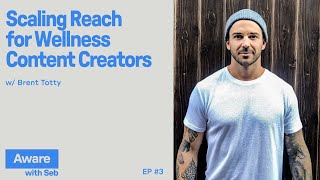
Scaling Reach for Wellness Content Creators w/ Volv Founder Brent Totty | Conscious Profits Podcast