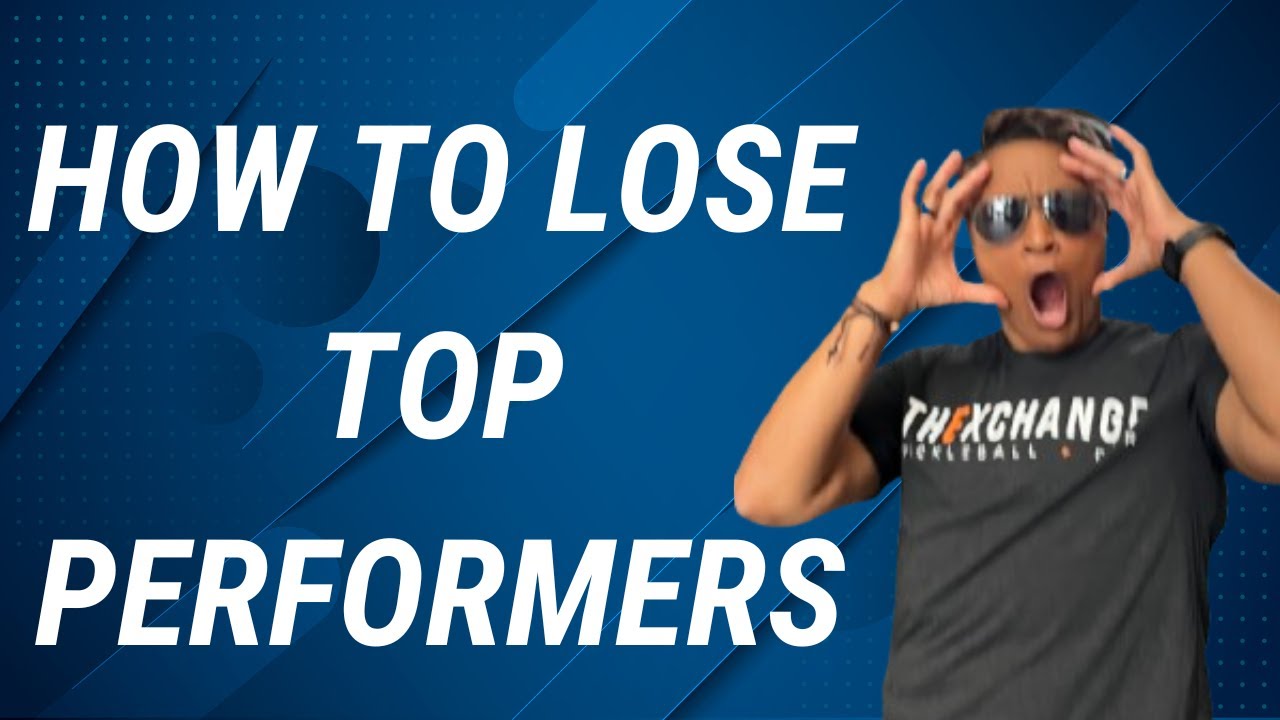
In this solo coaching podcast, Travia Steward shares a vivid anecdote about a leadership team led by a client named Deborah. The team appears high‑performing, but one employee—dubbed “Apathetic Agnes”—consistently misses deadlines, delivers half‑hearted work, and creates friction. Because the leader tolerates Agnes’s behavior, the rest of the team must repeatedly redo her tasks, leading to longer hours, burnout, and a sense of unfairness. Eventually the team’s top performer, the “glue” of the group, resigns, citing the extra workload and lack of accountability. Steward uses this story to illustrate a common cause of talent loss: allowing underperformers to linger. He argues that leaders must address poor performance directly—through honest, supportive conversations and clear accountability—so they protect their high‑performers. The episode closes with a call to action, urging listeners to step into confident leadership, consider coaching, and recognize that a shift in identity can prevent the loss of top talent.
Chapters
Yo, what's up, my peeps? Today I want to jump right into a quick story that I want to tell you, and this happens way too often in the job market. So you see, I have a client who leads a leadership team, and we will call her Deborah. From the outside looking in, this team performed at a high level. They looked like it was a solid leadership team with great leadership. But you see, here's the thing. There was this one girl, this lady who, who just wasn't pulling her weight. And you know the type, they miss deadlines. They don't follow through on tasks. They create friction with other team members. Their attitude sucks. And it's obvious that they just don't want to be there. You see, this person has been with the company longer than the team leader. Now the rest of the team, they're rock stars. These people really like show up and care about their work and are putting in the extra effort. But you see, instead of addressing apathetic Agnes's lack of effort, her attitude, well, you see the leader, my client kept letting it slide. And of course the rest of the team had to pick up the slack because what eventually began happening was when you would give Apathetic Agnes an assignment, it was like, you know, it took twice as long to explain to her how to get it done. And then she would do it and you can tell it was doing it like, like half-ass. And then she would give it back to the person that, you know, she reported to. And then that person, the team member, had to go back and redo it. So it ended up being all this, this back and forth with, Agnes just wasn't keeping up with her work. And then the rest of the team kept having to double their work pretty much. And so everybody else on the team came down to, they had to start working longer hours, covering her missed task or wrongly done task. And they actually were doing double the work. Over time, it wore everyone else down. And you know what happened? One day, the top performer of the team, this person was like the glue, the catalyst that kept things running like a machine. Well, that person who always showed up, who always showed up, crushed it, went above and beyond, handed in her resignation. And she told the leader, look, I can't keep doing my job and hers. I'm done. And just like that, the best employee was gone. And you see, this is a classic example of how to lose our best people on our team by tolerating the ones who aren't pulling their weight. You see, it's simple because if we keep letting a bad employee coast and turn in half-ass work, The good ones are going to get fed up and leave. You know, I don't believe it's not just about workload. It's about fairness. It's about people showing up and doing their best. And, you know, and when that happens, when other people are getting away with not doing their best, then other, other employees who are working their asses off are like, well, what's the point if no one's going to be holding her accountable? And you see, when people feel like their hard work doesn't matter, that it's gone overlooked, they'll find somewhere else to go. So here's the takeaway that I want you to think about. If you are a leader and you've got someone on your team, who isn't performing, who isn't even doing the foundational things that they were hired to do, who isn't stepping up, who just is letting thing after thing slide, you've got to address it head on. Have that conversation. And it doesn't have to be confrontational. You just have to be honest. You see, help them improve, give them the support they need, but don't let it drag on. Because if you don't deal with it, you won't lose— you won't just lose that, that one underperformer, and that person might just stay, but you're going to lose more top performers and you'll end up losing the people on your team who actually made that team great. At the end of the day, I believe that leadership is about protecting your top talent, and sometimes that also means making the tough calls. So, my peeps, lead with confidence, make the tough decision, and don't let a bad employee drive away your best ones. All right, my peeps, so what I want to leave you with is we are always one identity shift away from being the person that we want to be. And if you are not stepping into that leadership position with confidence, then we should talk. All right, my peeps, happy Podcast Thursday, and we'll talk next week.