The Real Reason You're Not Getting the Results You Want
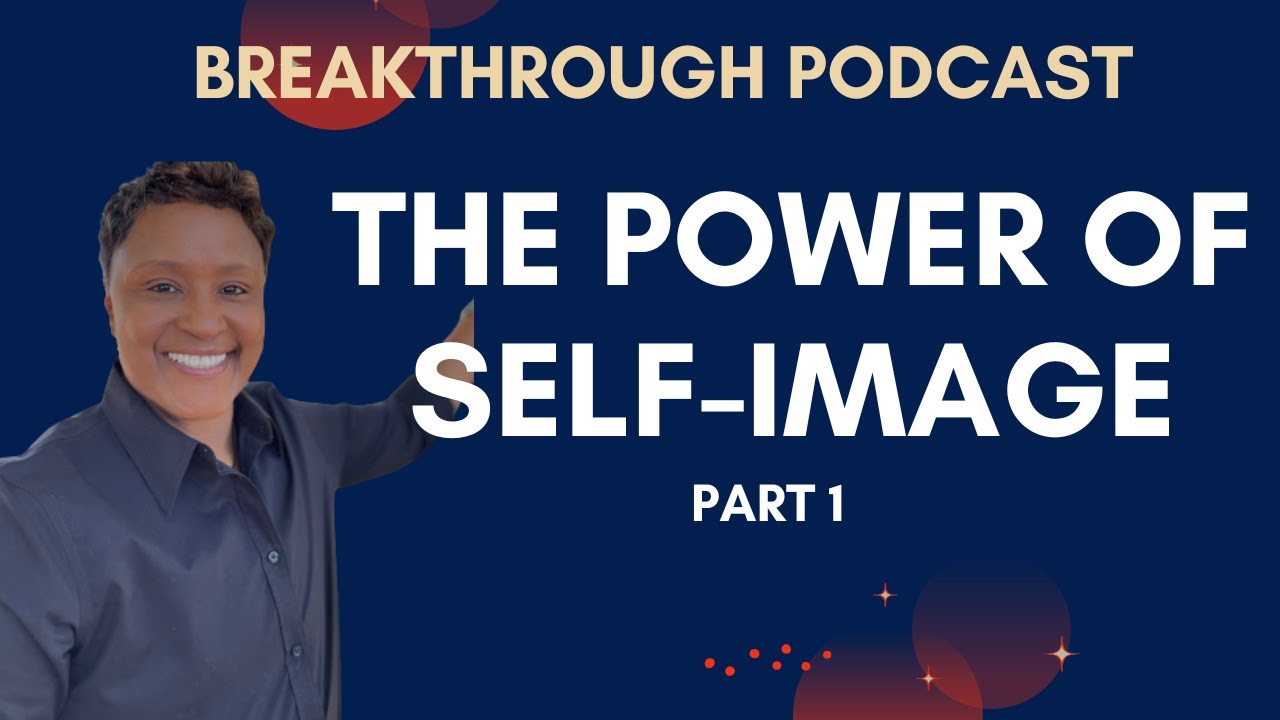
Travia Steward, a former high-school theater teacher turned coach, argues that your self-image, not willpower or habits, determines your results. She offers a 30-day experiment: write down a secret desire, study someone who has it, and question why you think it's impossible. Your subconscious set point needs updating, like an old computer hard drive.
Chapters
If you are someone who has ever wrestled with doubting yourself, doubting your abilities, questioning your abilities, you know, not having the confidence to do and step out with what you really want to do, or maybe you've wondered just what is the impact that self-image or self-concept has on the results in your life, then this episode is for you. I'm Travia Steward, and I want to help you move past barriers and obstacles that are preventing you from getting what you want in life. This is Breakthrough. Oh my peeps, again, here we go. This series of episodes is to help you uplevel your life using the Life Audit Scorecard. I dropped the link to that in the last episode. I'm gonna drop it in this episode as well. And this is— it has been the absolute best tool that I found that helps me and my clients to get clarity on what's working and what's not working in our lives. It gives you a clear picture, a bird's eye view of where and what you really want to focus on. The Your Life Audit scorecard, it really helps you uplevel and increase the levels in the— of satisfaction in all of these major areas of your life. So make sure you download it by clicking the link down in the notes. All right, let's jump into it. And as I get into this episode, the power of self-image, I want to take you back a little bit, back to my personal life story, because I've used these same methods that I'm, that I'm teaching you on this podcast in my personal life and with each of my clients. So after teaching theater, high school theater, for 24 years, you know, looking up one day and realizing that the passion I once felt was gone. I was trying really, really hard to get it back at the beginning of the school year. How can I make this school year bigger and better? It was just gone. It was time to close that chapter. So I recognized that I was just going through the motions, waiting for the weekends to live, waiting for the weekends to let go and have fun because— and do something that I really wanted to do, like hobbies, something that brought me a huge amount of joy. And I could have just stayed on that course. I could have just stayed at that job, which would have meant doing the same things year after year, even though I now recognize that I was unhappy. And when I thought about the end of my life and not changing that job, not quitting that job, I knew I would have a, you know, a shit ton of regret. And regret that I didn't go for it. Regret that I had dreams that were never realized. Regret that I had so much untapped potential and that I was living below my capacity. I was, you know, wasn't fulfilling my potential. And so when I made the decision that, you know, to change my life, to step out of that job, you know, honestly, I just figured that I needed to change my job location. I just needed to, you know, not necessarily go to another school, but I just needed a different job, right? I needed, I needed to change the actions that, you know, my new job may have demanded of me. I needed to change what I was doing, which, which of course didn't work, right? To just change your actions, because I couldn't just change what I was doing. I had to change who I was being at the core level, because you see, at my core, I didn't initially believe that I could be an entrepreneur. When I stepped into life coaching, I didn't know how to be a business owner. Or how to even grow a successful coaching business. I tried using willpower. I tried, you know, let's just change your morning routine, let's just get more discipline. You know, I meditated 3 to 4 times a day. I took courses and training after training after training until I realized that no matter what I did, I was not going to see the level of success that I desperately wanted to see. And none of that, you know, changed until I applied and I started going inside, looking internally at what was creating my results. And this is what I want to share with you today. And so I want you to listen with an open mind, and then, you know, try what I'm sharing with you for the next 30 days in a specific area of your life. And if it doesn't work, you can always go back to doing what you were doing before, you know, or try something else, you know, read a different book, listen to a different podcast, that kind of thing. But by trying what I'm sharing with you today, you know that there's a possibility that this could actually work for you. You know, this self-image thing is huge. It's the foundation of all of the work that I do, and it has the power to change your whole life. So who are you? I am— you know, when you answer that question, who are you, the answer usually is, you know, no one says this, but this is a profound way that that it's, it's viewed, that I am who I think my friends and honestly the world think I am. And I want you to think about something that you want in your life that you don't currently have, something that you may secretly desire, or something that you've put on the shelf for— I'm gonna chase that thing, I'm gonna get that thing, I'm gonna go after it someday. And right now, if you're driving, if you're, you know, multitasking, doing other things. If you can't write it down, I want you to think about it, you know, maybe go to a different part of your phone in the notes section and, you know, write down that word or that sentence, you know, the something that you have always secretly desired that you've put on the shelf for someday. And then I want you to think of someone right now that you know who already has that, who's already accomplished it. And now ask yourself, do you believe it was easy for them to get it? Yes or no? So now we come back to you. Why don't you already have it? Is this something that's only available to the person that you just came up with, the person that you know who's achieved it? Or is it something that's available to you too? And why don't you already have what you want? Why don't you already have that thing? Why is it even on a shelf right now? Because this is where, you know, we get really, really honest and raw. Because deep down, you don't believe that you can actually have it, even though so many times we tell ourselves, yeah, of course I believe I can have that thing. But deep down, we don't believe that we can have or do that thing, or we will all— we would have already done it. And so deep down, you believe that you are not someone who can have this. It's who we believe we are not. Because however you see yourself, honestly, really seeing yourself, you know, when you really see yourself, one thing is certain: you cannot outperform or outrun your self-image. And so whatever reason you don't have that thing yet, no matter how much you want it, how much you say you want it, it's your self-image that's driving those external results. It's our unconscious characteristics. It's those sentences, well, it's just who I am. That's just how I work, right? And the traits that drive what we do and what we have, you know, because by the time we start using it in our language, it's already like, that's the iceberg below the water. It's already planted into our subconscious. And that's the way that we, we go about being and making those thoughts and the words that we're speaking evidence of our lives and our results. Because we all have an image of how we see ourselves. And even if you're looking at yourself in the mirror, we still don't fully see ourselves. It's in our minds that we actually see ourselves, you know. And so I know when I look in the mirror, if I were to really go, okay, I'm gonna reflect on what I'm seeing. Well, I'm seeing someone who's 5, 5, 5 and a half, right? I'm seeing someone who has short hair. I'm seeing someone who has a a strong build, right? But if I see myself, I see things like someone who's not fit enough, someone who doesn't have the body she wants, someone who wants to look— you know, all the things. It's what we see in our minds that is, you know, planted in the subconscious that goes below the surface of just that, you know, that, that one-dimensional reflection that we see in the mirror. And then Most of us, you know, we have a thermostat in our homes that regulate our temperature, right? You know, if you like your home set at like 74 degrees, if it's cold outside and the temperature in your home is 66 degrees, well then the heat comes on. The heat comes on because, you know, your house is colder than you want it to be. And so the heat comes on to get you back to that comfortable 74 degrees. That's 74 degrees in your house is your set point. And through the summer and the winter, you never adjust your thermostat. It's always trying to bring you back to 74 degrees. And so what happens is, you know, maybe, you know, if you're listening to this on your Android, on your iPhone, I want you to think about the changes that it takes to keep that phone updated. I have an iPhone and I receive updates probably once a month, right? Apple sends an update so that the iPhone can continue to perform at a high level. And what happens when you don't update the phone? The phone becomes sluggish, some programs stop working, and the iPhone, you know, can no longer keep up with the changes in the world. And just like Apple has to update the iPhone, there are things that we need to update within ourselves. We need to update our self-image, we need to update our thinking, we need to update who we're being in the world. And so ultimately, when you want to change something in your life, we look to change the external circumstances. When we want to lose weight, we get a gym membership, we work out harder, we go to the gym, you know, 1 or 2 times maybe. We, you know, we, we up our NEAT, you know, like the, the amount of steps you're taking in the day. When we want more money, we work more and longer hours, we do more work, we take on more responsibilities. We try to change the externals And when we change, when we take this approach, remember that set point that I talked about with the thermostat? When we take this approach, our subconscious will always go back to get us back to that familiar place, right? So even if you're working harder, even if you're going back to the gym, if you're— if you haven't changed your self-image at a subconscious level, those things do not stay. And so this is where it gets uncomfortable and it seems hard because we've been running at that same program for years and years and years, you know, and most of us are like, you know, well, I'm 50 years old and I'm not going to change anymore. You know, I remember my mom, you know, when she was 85 and she was a diabetic and I was like, Mom, you shouldn't be eating, you know, the whole pecan pie. And she was like, I'm 85, it's too late. I'm not going to change. I'm not going to live another 85 years and it's too late for me to change. So just like the iPhone, just like the thermostat, we humans have a set point of who we believe we are and what we believe we're capable of. And until we adjust and update that set point, that identity, we will continue to get the same kinds of results in life that we've always gotten. So I want you to imagine if you're 40 but you're still operating from the wiring of a 25-year-old. Maybe you're still operating from the wiring when you were 13. See, we can't keep up with the growing and evolving demands of life with old software. Think of yourself as like the hard drive of a computer. That's the old identity. And so, you know, a personal example for me is for most, most of my life, I believe I was only supposed to work for someone else. As long as I had a good job, that was all I needed, and I was set for the rest of my life. Because growing up, I came from a family that we didn't have much money. We had enough to just get by. I came from a single-parent household because my parents were divorced when I was 2, and I watched my mom work tirelessly to put food on the table. We lived paycheck to paycheck. I watched her rob Peter to pay Paul. So when I became an adult, I had those same habits. I got paid and, and, and I burned right through that money and then had to wait to get paid again. And that was a cycle that I repeated and repeated and repeated Honestly, until I was in my 30s. It wasn't until I began to shift my thermostat, my identity, my set point, that I started to see things differently, which helped me change from the inside out to create the life that I now live. You see, I had a vision of what I wanted my life to look like, and in order to make it happen, I just couldn't continue thinking and viewing my life and identifying as the person from the old software, the person from the old identity, the person who was a schoolteacher, a person who was living paycheck to paycheck, because that was a person who also had limited capacity. Because we have an internal thermostat that we have a set amount of money that we think we can make. I know I did. We have a thermostat, we have a set point for the relationships that we want and deserve, you know, the health that we want to experience. There's some people who are like, you know, I'm big boned and I'm always going to be big, you know. That's a way of thinking. That's a self-image situation right there. And during those times when you actually do go for it and you do try to make these changes and you do not succeed, the impact of the failure and disappointment sets in. And then we lower the thermostat, we adjust it according to what we now think we can have. And that's when you hear yourselves and others saying things like, you see, This is why I need to be more realistic. This is why I shouldn't have been doing that thing to begin with. And then we find comfort in hanging around other people who are at that level or below us so we can feel better about ourselves. I have been guilty of that. We are the average of the 5 people we spend the most time with. And I want you to think about who are those 5 people in your life? Are these people helping you want to achieve higher than what you have in your life? Or these people keeping you comfortable for creating the same results that you've always had? Is it that, you know, it's those moments when you try to do something different and like, well, who do you think you are? And as a matter of fact, sometimes we don't even wait for other people to say that. That level, that imposter syndrome just shows up because we are now uncomfortable. I know there's so many times when I have to remind myself of who I think I am, because I also experience some imposter syndrome, right? And then we stop. If we don't get it, we revert back to those old ways where our thermostats are set, where we think we deserve to be. And you see, we can value wealth and money, but— and we can want it, but when we have a belief that there isn't enough money for everyone else and we have to live paycheck to paycheck and money doesn't, you know, fall from trees, and I can't— I don't have a money bag that I can shake and we believe that we don't deserve what we really want, this creates conflict between what you want and what you believe that you can actually have. Because again, I learned so much of this from my training with Tony Robbins. You know, we all act consistent with who we believe we are because the strongest force in the human personality is the need to, to stay consistent with how we see ourselves. And so going back to that desire that you put on the shelf, what is the reason why you believe you don't have it? If you wanted to write a book, is it because your cousin already wrote a book? Is it, you know, if you wanted to quit your job and start a business, but you know, you put in too many years and, and you would be silly to retire now and, and lose your pension? You know, if you want to lose weight, but my whole family is big and I love to eat, you know, I was meant to be big too. If you want to do something different, but you know, you're over 40, you're over 50, you're over 60, 70, and you tell yourself, you hear yourself saying, I'm too old, or, or maybe you're just like, I need to wait a few more years, I'm too young. And so this week I want you to pay attention to where you're making decisions based on the old identity, based on the comfortable identity, based on past experiences. Where are you making decisions based on if you failed at something, you automatically conclude that you're going to fail at a future attempt of that thing? And where are you making decisions based on the expectations of other people? Because in order to have something you've never had before, you have to actually become someone you've never been. So what needs shifting? It's our self-image. And so today I just wanted to lay the groundwork. I just wanted to lay the foundation in this episode of the power of self-image, because it affects every area of your life. And next week, you know, I try to keep these really short and bite-sized, thanks to my friend Charles, who was like, can you make them shorter? Absolutely, Charles. This is for you, Charles. So next week we're going to dive into self-image part 2. And again, go and download the life audit scorecard. I'm going to leave it in the notes Um, and I hope you guys have a fantastic week. I hope you are, you know, seeing some value from these podcast episodes, and I would love it if you could help me grow it by sharing it with other people that you think would find value in it. So thank you so much, my peeps. We'll talk next week.
More from Travia









Remember the YOU Who Didn't Overthink Everything #personalgroth #mindset #selfdoubt

