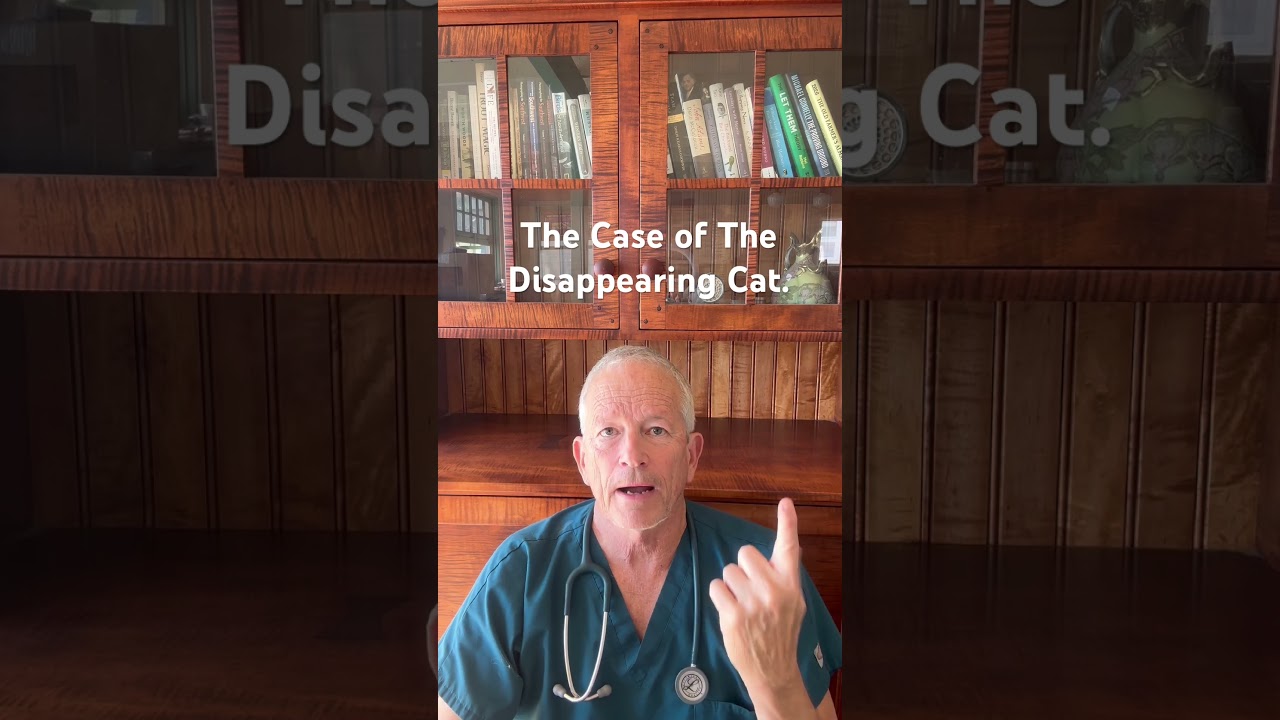
Dr. Kevin Toman presents rapamycin as a treatment for feline heart disease that can slow, halt, or reverse changes in 60-80% of cats with hypertrophic cardiomyopathy. The drug works at 0.3 mg/kg once weekly with food and is safe alongside common cardiac medications like atenolol and furosemide.
Chapters
Well, hey you guys, and welcome to HelpingPetsLiveLonger.com. I'm Dr. Kevin Toman Toman, and I'm glad you're here. Today we're going to talk about Rapamycin for kitties just like yours. And why is that important? Well, I've been a veterinarian for almost 40 years, helping kitties like yours live their longest and best lives throughout the western United States. And during that time, I've sure seen an awful lot of miracle drugs come and go. But Rapamycin looks like the real deal. And here's why. In those 40 years of my veterinary practice, every time I have made a diagnosis of hypertrophic cardiomyopathy in a cat like yours, that has been a death sentence for that cat. Why? We simply had no way to effectively treat HCM itself. Now, we could do a decent job of, of controlling secondary problems like high blood pressure, high heart rate, etc., but we could not actually treat HCM. Until now. Rapamycin is the very first drug, the only drug, that has been proven to slow, stop, or occasionally even reverse the changes of HCM in kitties like yours, giving you more time to be yowled at first thing in the morning for breakfast and more time for them to snuggle with you at night. Now, rapamycin, like every other drug in the known world, does not work in every individual cat. In our hands, it works in about 60 to 80% of kitties with HCM, but the good news is twofold. Number one, it— the effectiveness of rapamycin extends to kitties that are in B2 or even stage C HCM, where we have seen several kitties that stabilized on rapamycin therapy. The other thing that is nice about, about rapamycin is that it plays very well indeed with all the other drugs that you and I would typically use for an HCM kitty. The atenolols, the clopidogrels, the xarelto, the benazeprils, the furosemides, etc., all seem to get along very well with rapamycin. So we think that rapamycin has a wide margin of safety for the average cat. The dosage that we recommend is 0.3 milligrams per kilogram given once weekly, uh, with food in your cat. And in a perfect world, we we would give that Rapamycin with a little bit of olive oil or, or tuna oil at the same time. Why? Because Rapamycin is best absorbed in an oily environment. The other thing that you should understand about Rapamycin is that we think it's inactivated by the acid that is present in your kitty's stomach. So we need to protect Rapamycin as it passes through the stomach until it can be absorbed, uh, within the small intestine. We carry two different versions of Rapamycin, and they are both considered to be acid resistant by the FDA. The first is a coated tablet, and the second is an oral oil suspension that can be flavored to your cat's individual tastes. One thing you should understand is that Rapamycin is a prescription drug, and so we can only sell it to you if you have a prescription from your local veterinarian or cardiologist, or if you'd like to do a concierge consult with me. We just simply cannot sell it without a prescription or that consult being in place. The final thing you should understand about Rapamycin is that it's a pretty cool drug and is actually under study right now at two different veterinary schools for its benefits in, in chronic kidney disease, which is a major player for virtually every older cat. Rapamycin has been proven to benefit chronic kidney disease patients in other species, including both mice and men, and we sure hope that its benefits extend to our cats as well. Rapamycin has also been proven to reduce arthritic inflammation and to help periodontal disease in your kitty's mouth. Finally, if you have ever known a kitty that has had very painful ulcerative stomatitis in their, in their mouth, rapamycin has also been proven to benefit those kitties. So the summary of rapamycin for your cat would be, first off, we know that it's effective in, in 60 to 80% of kitties with HCM, including those with more advanced disease. We know that it's a very safe drug that plays well with all the other drugs that we would typically use with hypertrophic cardiomyopathy. We know that it's a prescription drug, you guys, so it can only be purchased with a consult or with a prescription from your local vet.. And we know that, we think that we have other benefits to rapamycin as well, including chronic kidney disease, periodontal disease, arthritic pain, and stomatitis. So that's all I can think of to say right now. But if you have any other questions, please email me at drkevin@thelongevityvet.com. So it's D-R-K-E-V-I-N, no period, D-R-K-E-V-I-N @thelongevityvet.com. Thanks, and we'll talk to you soon. Bye now.