Managing Waka Flocka Flame, The Business Behind Cultural Influence
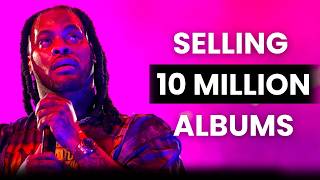
In this YouTube interview, host Matan Hazanov talks with Max, a former tech professional turned music‑marketing manager, about how he broke into the industry, built a long‑term partnership with rapper Waka Flocka Flame, and leveraged that relationship into a broader branding and partnership business. Max recounts anecdotes of infiltrating green rooms, recovering a hacked Facebook page, and selling an app to Waka, illustrating his "value‑based" approach versus hourly work. He explains his affinity‑marketing strategy—matching brands to an artist’s genuine interests (e.g., collectibles, cannabis drinks, Pokémon cards) to drive authentic conversions. The conversation expands to broader business lessons about humility, scaling, brand authenticity, and the pitfalls of rigid corporate structures, using examples from Hudson’s Bay, Walmart, Amazon, and Balenciaga. Max also shares personal reflections on faith, his turn to Judaism, and critiques of how religion and culture are branded. Political commentary on Trump, Canadian carbon tax, and the importance of staying true to one’s values rounds out the dialogue. The interview concludes with a call to action, inviting viewers to like, subscribe, comment, and providing information on how to contact Max via the video description, underscoring the practical side of audience engagement and influencer outreach.
Chapters
Max is a marketing genius. He currently manages some of the biggest recording artists in the world.
I sort of broke into his green room. That wouldn't be the first time I've done something like that. At 19, I got Drake to wear my clothing. No one's gonna know who you are unless you make yourself known. You know, a lot of people got really upset when Waka was endorsing Trump. People were pissed. And this is his biggest touring year ever this year. But as long as you stay true, you'll always have your followers. And everybody wants to be unique, but at the same time have no problem being part of the masses.
They were selling a garbage bag for like $3,000.
The brand. It's the person who says, I have enough money to do this. And you know, a lot of people turn to Judaism when something's going wrong. I was the complete opposite. I turned to God when everything was going right. I, I donated $3 million this year. Pass me the shrimp. You know, I've met billionaires, millionaires. The one thing that I would say is a common fact—
Max, thank you so much for joining me.
Thank you for having me.
Yeah, tell us a little bit about your background. How'd you get into marketing and how we can make a lot of money?
Making a lot of money is good. Yeah, um, I actually started in tech. I was a comp sci major.
Oh no, I'm not gonna hold it against you, right?
A little nerd. Um, started my career in tech, uh, came out of school, became a field trainer for Microsoft. That's basically sales. Uh, got headhunted over to Apple, became a customer experience manager for Apple. Um, post that, I got headhunted over to Shopify. I worked at Shopify as a consultant, consulted some pretty big brands like Adidas, Nike, um, you know, you name it, I've worked on it probably at Shopify. Um, in that I was building an app, uh, for the music industry, met a couple of artists, uh, found myself working with Waka, um, joined his team.
You're skipping over a huge thing over there when you just found yourself working with one of the biggest legacy rappers on the planet, right? I told us first about the Waka Flocka, you know. Sure. So I'm not so into rap, so like I don't know so much about these individuals, but like I see him on social media all the time, right? And of course he's one of the biggest, uh, rappers that ever existed. So tell us a little about him and how you got involved.
So Waka is a legacy artist. Um, he does release new music, but you know, he really does have a legacy. Um, I met him in Berlin. I moved to Berlin, met with some engineers that I was working on an app with. Um, that kind of spearheaded me into meeting different artists. But then, you know, I grew fond of Waka, became very good friends with him. He's one of my best friends. I see him as a brother. Um, that developed— that conversation developed. It started by going on tour with him, doing tour management with him. Um, traveling the world, going every city, country you can think of. Um, our relationship just kept getting bigger and bigger and better and better and stronger and stronger, which led me into helping on the touring side. And then that sort of further jumped into business management, and I've been his business manager for about 6 years now, a total of 11 years with him.
Wow.
Um, great guy, absolute genius. He's recognized for his business acumen. He's done some incredible things. Um, one of the first people to, you know, publicly speak about insurance policies. One of the first people to ever, uh, invest in some of the biggest tech companies, you know, today, like Uber. Um, one of the first, if not the first rapper to endorse Donald Trump when it wasn't cool. Um, before Kanye, before Kanye. Okay, he's, uh, he's pre, he's pre the pre. Um, you know, he's been very, very instrumental in working with the Republican Party of the United States. We were at the inauguration, we performed for the Texas State Society. Um, we were part of the Starlight Ball.
You didn't get exiled from the Black community for that?
They tried. They tried.
Um, but you know, they vote like 80% for Democrats, right?
Uh, Wokka's a person, he doesn't see in color, he sees in people, right? If you have good— it's not a— you shouldn't see in color. If you see in color, then you're not living the right lifestyle because you're looking at a pre-distinct notion of something that doesn't matter. It doesn't matter what creed, culture, ethnicity, whatever that is, whatever you want to brand it as, doesn't matter because ultimately people are people, right?
I mean, the only color I see is green, but, uh, right outside of that, I agree, right?
He's always done good for his community. He's always given back to his community. Um, I think part of the reason that, you know, I love working with him so much is because he's such a good human. Um, he's been very, very instrumental in, you know, advocating for different causes, uh, suicide prevention. Um, he's worked with PETA. He's a PETA representative. Um, he's the number one— yeah, he actually was on the COVID of PETA, uh, in 2013, uh, because of his activism for the treatment of animals.
Um, so he's like a vegetarian?
He was a vegan. He calls himself a flexitarian. The way he sees it is like he eats things that are properly— almost like the way we see kashrut. He has that sort of same similar approach where, you know, he eats things, he eats animals that, you know, were properly slaughtered and not with misharm and mistreatment. He's just— the guy's just a genuinely good dude. He's a very smart person.
But you kind of skipped over kind of an important part here for young entrepreneurs, that you meet— you meet this and you meet him at some event, which in Germany, right?
Yeah, randomly.
How do you turn, uh, I guess a chance encounter into that kind of business and relationship and friendship? Like, what happened?
I just showed him what I was good at.
How did you even get in the doors? Like, how'd you even get the opportunity to speak with him?
I, uh, I sort of broke into his green room. That wouldn't be the first time I've done something like that. At 19, I got Drake to wear my clothing by also infiltrating his camp.
Oh my gosh.
Um, I've worked with artists. Yeah, I've worked with artists across the board.
If you admit to any crimes, we're going to cut it out of the thing.
But okay, you can, you can admit to whatever crimes you want as long as they don't go public, right? Um, no one's going to know who you are unless you make yourself known.
So let me, let me get this straight. You found out he was at a particular place, right? You found out where the green room was, right? And you just walked in?
I walked up to the security guard, I told him who I was, I was like, hey, I gotta meet him, blah blah blah. So you got a guy kind of dismissed me. I sort of ducked and dodged and found myself in the right place at the right time.
What do you mean? How did you get past the security guard?
That's, uh, that's a secret. That's the secret sauce. Okay, something if you want to know, follow me on Instagram @maxislife and we can have a private consultation on how to infiltrate celebrity camps.
That's amazing. Okay, so you walk in, you meet Waka Flocka. What was your first statement to him? Like, how did you— what was the hook?
I told him about the app that I was developing. I told him how it was going to be revolutionary and how it was going to change the music industry. You know, I showed him what I was capable of. I showed him my background, my backtrack, and, you know, he looked into me. He actually did a pretty deep dive search on who I was. He asked around. He asked people that he knew at Apple. He asked people that he knew at Shopify. Everyone said very good things about me. So he was like, whoa, so you actually, you know, talk the talk, walk the walk. I think the first thing that really like wowed him is that he had his Facebook page hacked, and I was able to get that page back through different means.
Um, is that like different means, wink wink, wink wink, digital means?
Um, we got those means back, and we got that Facebook back. Uh, he was already so Millions of followers, like, was a valuable— 10 million followers. He's the number one followed rap page on Facebook.
Wow.
Yeah, and they were exploiting the page to run ads and all these things and whatever. And we figured it out, we got it back, uh, took full control of it. Um, that was kind of my, like, you know, I guess you'd say test. Uh, once that happened, he was just like, hey, do you want to, like, work with me on other stuff? I was like, sure. Do you want to be part of my app? He's like, sure. We ended up selling the app. We had successfully exited the app. Uh, we got like Basically, and you probably read about this in the news now, Ticketmaster has a pretty hard monopoly on, on ticketing. We kind of got blackballed by the ticketing industry, by Ticketmaster specifically. So what we did was we, we switched from a marketing purpose to more of a functional purpose. We ended up selling the app and getting out of it, exiting the strategy. And then I just found myself working with him in that term. I actually, in 2021, I also took a position at Sony Music as a marketing manager. I worked with some pretty big names there as well, but that was in tandem while working with Waka. I would never leave Waka. He's my like my brother. I would never be able to turn my back on him. Um, you know, Sony was an interesting experience, but, um, there's nothing like working directly with an artist. Um, and ever since then I've been, you know, we've worked with— you name it, we've worked with them. Um, strategic partnerships with alcohol brands, cannabis brands, clothing brands, um, activations with Cash App. I mean, you name it, we've probably had our hand in it. Insurance policies, everything pretty much.
Would you say, um, Waka was your first big like win outside of like a job type thing?
Yes, it freed me from the Matrix for sure.
From the Matrix. Okay, we'll get into the Matrix, right? A lot of people using that term, uh, now more than ever, right? Um, certain child predators also, but you're not that. Other people on the internet, um, named, uh, last name Tate. But, uh, so how, what, how old were you when you, you kind of got this deal?
24.
Oh wow, so very, very young.
Yeah, pretty young.
Yeah, so you just started your career for your few, a few years into your career?
23. Yeah, 23, 24.
Yeah, I mean, that's like, that's crazy, first of all, right? It's unbelievable. Like, it's, it's such chutzpah, right?
I just never get— I never gave myself the opportunity to put myself aside.
That's amazing, man.
And belief in God.
Wow. Well, good. I'd love to learn more about that, um, certainly. So 23, you have the chutzpah to go into duck and dodge security, find out where this rapper is, go and pitch him on your app, right? And then not only that, I think this is the more important point. I mean, it's pretty incredible up until there just to get that meeting, um, but the more important point is that you were able to sell him and then progress past his due diligence, right? Seems like it was pretty, pretty intense, right? So it's not just getting in the door, or you're able— you have to pitch, and obviously you have to have some substance to what you're doing, right? Just be a guy that's pitching an idea, even if it's a good idea, right? Yeah, so that's pretty incredible. So you're with him for, you said, 11 years. That's kind of 11 years since then.
Yeah.
And you've been part one of his managers, or a manager for him, for what, uh, 5 years, 6 years?
6 years on the business management side, but like on the tour management side the entire term.
Right. Okay. So what else? Like, so obviously let's learn more about this relationship, how you helped, uh, progress his own career and, uh, how he's able to make money, of course, for himself and his family and the charity that he does. But how did you leverage that relationship, if you did, into more deals and a business for yourself, or did you?
Yeah, branding, branding, marketing, finding the right opportunities, working with Waka to see what he likes and what he genuinely is interested in, and then doing outreach in those environments. So finding the right brands that have the right brand partnership affinities, right? Affinity is a huge thing when it comes to marketing and branding. You can't just put your name on something if you don't believe in it, right? So what we did was we did a deep dive in what Waka is interested in. He's interested in finance. He's in— he actually has a PhD in philanthropy, right? Um, There's such a thing, right? He's huge into like collectibles, like Pokémon and all these different collectibles. He's a Pokémon card collector from way back. We actually secured a residency with Collecticon by— through that brand affinity. And he performs at every Collecticon date across the US. And that was through brand affinity and dynamics of understanding that he likes Dragon Ball Z, he likes Pokémon, he likes anime, he likes Nintendo, he likes Mario, he likes all these different things. We take that data, we do outreach to companies that have things that, you know, could be potentially monetizable for him and make money for him. And then we find that relationship.
Up.
Um, for example, we're working with a brand, uh, named, uh, I always mess up the name, it's Iggytha, Igeddy, I Get High, whatever you want to call it. Um, it's a cannabis drink. Um, it's actually not psychoactive. And the reason we found ourselves working with this brand is because Waka likes to hang out, he likes to chill out, and sometimes he wants to go to the club and not drink, but he just wants to be mellow. So we found ourselves working with that brand. That secured us a residency with Delilah. Now we're working with Delilah. Uh, we noticed that he has a huge audience in Las Vegas. We secured a residency in Las Vegas with Dreaz. I mean, there's so many things we've done. And you know, one thing I want to say credit to is that not everything is me. It's about being open to hearing out from other people as well, like open to external connections. There's people like Steven, Steven Black, who's found us different positions. There's people like Brick Bronson. Brick Bronson's a great, great, great guy. He, he finds opportunities in more of the, I guess you'd say, hip-hop and culture space. Brick is one of my partners. He's on Waka's management team. He's like a culture expert and he understands the cultural impact of things. There's people like Daniel Kuniansky who understands the US college and touring market. There's people like Matt Adler who understands the, the US and college market from a larger scale and those bigger stadium tours. You know, um, there's people all along the road that you meet and there's people like Earl Thomas, there's people like, uh, JJ, there's people like, there, there's so many people that bring opportunities to the table as well. So the credit is not all due to me. There's, it's about working with really strong people, finding deep connections with them and, and, and embracing those people to want to continue to bring opportunities to the table because You know, one thing I did learn at Apple is, uh, you know, one of their statements— it's kind of like a cult over there— but they say at Apple, our resources are people. It's very true.
Your people are such like corporate generic, you know, right? Nonsense sometimes.
You'd think so, but then when you apply it, it's like Google, don't do—
don't be evil.
It's like, yeah, right, exactly.
They removed that a few years ago, obviously for reasons that are obvious.
But of course, but yeah, like, uh, you know, understanding people and the dynamics of people and understanding what they bring to the table is extremely important. Because people are your ticket to success. And also working with somebody that's so incredibly talented like Waka and so incredibly wholesome like Waka is important as well, because, you know, you could, you could have the best team in the world, but if the artist that you're working with isn't great and like Waka, you're not gonna have the same output. The guy's a hard worker. The guy does over 200 shows per year, right? Like, being the number one US College and University Act is not a small claim to fame. It's, it's a touring market, and just to be in that circle is extremely difficult to maintain. But, you know, he's punctual, he shows up early, he stays, he does the meet and greets, he makes the connections, he takes the pictures, he signs the autographs. He's not a prima donna. That's, that's what's so important about what he does, is that he is a human, and being a human is most important. So I think I would say like the most, the biggest key to success from, you know, I've met billionaires, millionaires, people that have infinite wealth through some of the connections that I've developed, the one thing that I would say is a common fact is to remain humble and remember that whatever got you there will continue to get you bigger, because that's the key to the success. It's what brings you to the table is what keeps you at the table.
Interesting. Wow. So it's— you mentioned a couple of very interesting points there. One is that he seems like he— one of the strategies is you're focusing on a fin— uh, of like affiliate marketing of things that the person's already interested in, right? Like you're not forcing like, oh, here, here's a guy with a, with a big brand, let me sell supplements or something, right? It's like it's what he, what he already likes. So it kind of makes sense. It would, it would impact the audience more. It probably has higher conversion rates. Obviously you would expect that it would.
100%.
It's just much more impactful marketing. It sounds like obvious, but like you look at media today, a lot of creators and podcasters and whatever media sites, they just promote whatever is there, which, you know, it's fine, it's a business model. But the most effective is like when someone says, I've used this, it's great, I'm a fan of this thing, why don't you try it?
Right, right. I mean, it's a thing, right? When you see like a corny— there's a funny one that just— I just saw The Rock promoting a— The Rock promoting a hair brand, and The Rock doesn't have hair, right? So where is the brand affinity, right? Where is the identifiable trait of brand affinity there? There is none. So when people see that, it comes off disingenuous, it comes off, you know, fake or unrealistic. And then you find yourself in a position where you're just marketing something that doesn't actually have any value. And people will see that, like, you know, humility, honesty, truth, these are all things that really matter. I mean, these are core principles of Torah, right? To be honest, you know, to be grateful, to be humble, to be, to be something that matters in terms of, you know, God's presence. It applies to real life as well. And that's why I think a lot of the morals and values that, you know, you carry from learning Judaism, funny enough, apply to being successful in business because these are core values, right? Affinity is really saying honesty, right? What's the difference between affinity, honesty? It's the same thing. It means two things that come together, right? And that's— you need to have that to be honest. So I think what's You know, the biggest, you know, takeaway from learning what affinity means to me is understanding that if you don't properly brand yourself in a way where it's honest, people will pick up on that. People will smell BS, right? They will not, and they will not buy back in. Once you lose your customer, you've lost your customer. You know, a lot of people got really upset when Waka was endorsing Trump at the beginning of his, his tenure, like 2015, 2015, 2016. People were pissed. They were angry at him. They were talking bad about him. You know, you're never gonna book a show again. No one's gonna want you. Now it's cool to endorse him, right? Right. So he just shows you that him sticking by his values panned out, you know. And this is the biggest touring year ever this year. So it just shows you that people hop on board with whatever's cool, but as long as you stay true, you'll always have your followers.
Right. So what was his— I'm just curious, what was his rationale to back Trump when he did?
I mean, Trump is a human. True, right? It's, it's a human. You know, we get so used to these politicians who, I guess you'd say, they're branded politicians. They're saying what you need to hear at that moment for you, for them to get you that ticket, for them to just, you know, that ballot that you need to fill out. So, oh, we're gonna lower taxes. We're gonna make Americans richer. We're gonna do this, we're gonna do that. They're trying to cater to so many people that they have no brand identity themselves, right? So people started picking up on that, and I think of authenticity, lack of authenticity. They pick up on that, right? And like, you know, he's a human. Trump is a human. He says things that regular people want to hear. Sometimes he goes off the wall a little bit, right? Like any human does. But the times that he does go off the wall a bit, you can tell that it's coming from a place of like— you can tell that it's coming from a place of like experience, listening. He probably hears people that are not happy with how things are going. And you know, that's the best type of politician you can have. You don't want a career politician. Like, look at Trudeau. The guy's got egg on his face now, right? At one point he's this, at one point he's that. Then he gets out of office, then he's back in office, then he gets replaced by another guy, and that guy's this, and that guy's that. And it's like such a mishap, whereas like Trump is Trump.
You know, I always say what's really cool, I remember, is that if you look at videos of him from like the '80s and '90s, like Oprah, he's saying a lot of the same things, right? It's like you can just transpose what he said back then to what he's saying today. It's like he's always had a very— not simple, but a very straightforward perspective on business, on policy, on foreign policy, all that. It's like that is genuine, right? It's like, you know, that what he's saying is what he believes. What is— and that's not true with a lot of politicians. It's kind of— it's so annoying, right?
I mean, like, there's a term backstabber, right? Someone's a backstabber. Trump, not that he's gonna stab you, but if he was to stab you, stab you in your face, and you'd have a chance to defend yourself because he's gonna say it directly to you. What's worse, someone who's attacking you from behind or attack you from, from in front? I would say I'd rather somebody come at me so I can see them. So they're not attacking me at all, but yeah, yeah, well, yeah, everyone's gonna attack one way or another, but like, you know, I'd rather know what's happening than to guess what's happening because I think that that limbo of not knowing what's next is what hurts America. It's what's been hurting America, not knowing what, what's going on, what's going on behind the scenes. Look how COVID was handled in the Biden administration, right? Like it was, Trump was like, this is what's happening. This is what we're gonna do. With Biden, it was like, don't worry, everything's gonna be okay.
Mm-hmm.
What does that mean? Right? And you know, you can just see from our politics from Canada, right? Like we didn't even know what was going on. We didn't know how CERB worked and then people had to pay it back and then people didn't have to pay it back. And nobody even knows what the outcomes of that are in the next 5, 10 years. They don't know. Right? At least Trump was like, look, if we take an economic hit, we're gonna have to make that back. Look, I don't agree with the tariffs. I don't love it, right? It's not like the best thing that can happen, but he's doing what's best for that country. And that's the only thing you can wish that a leader would do, right? And you can't ask for more than that. So yes, you could be hated for doing something, but if it's for the right reasons, then you can't hate anybody for anything.
And one thing that really just pisses me off, it's like this exact thing about lack of authenticity and just doing whatever cynical decision in order to get the most votes. And I understand that's what politics is, but it's annoying. Give you one example: the Liberal Party of Canada instituted a carbon tax, a consumer carbon tax, right? So what that does is increases your prices on anything natural, anything related to fossil fuels— so gas and natural gas and all that. So heating your home and putting gasoline in your car and all that just shot up in price, right? And people noticed, right? What was their logic? Well, listen, there's climate change and we have to do our part and all that stuff. Sure, okay. If you think that a marginal decrease in consumption of fossil fuels will make a big difference in global climate change. Okay, I get the logic. Sure, it's wrong in the facts, but at least understand the logic, right? Right. In order to save the planet, you have to hurt a little bit today. What did the Liberal Party— Liberal Party do? They removed the carbon tax, the consumer carbon tax, right? So now they're promoting this, oh look, we've decreased gas prices for everyone. It's like, bro, you just— you're the one who instituted it, right? Like, why take— why are you celebrating something that you did? It's such an abusive relationship with their voters, and to celebrate it, it's like, first of all, if you instituted the policy because of some greater good, I get it. But not to remove it without explaining how the greater good no longer matters, that I don't understand. It's like the voter who looks at that and thinks, oh, this is okay with me, I'm okay with the fact that you're either lying to me, it's just gross.
Right, and you know, something that, you know, if I was to run for public office, if I was to, and hopefully one day in the future.
Don't, you're too nice of a guy, man.
But you know, we focus on the wrong problems. Right? Like, I was watching an episode of Rogan, um, and they had like this, uh, climate expert come in. And, you know, Joe asked him, hey, you know, is climate change a real thing? And he says, it's most definitely a thing, but it's not our impact. We can't impact it. We're way too much— we're way too little of an imprint to impact such a big change. And if you look over thousands and thousands of years, even potentially millions of years, you'll see that the Earth gets hotter and the Earth gets colder. It just happens. That's what naturally happens. Yes, you can rip holes in the ozone layer. Yes, you can do this, you can do that. But like, what we would be doing to stop it would be such— so incrementally small that it would actually not affect the grander thing. If, if they wanted to look at the problems of Canada right now, I'll tell you a problem of Canada right now. And this is, this is a policy that I would in place. I would incentivize work from home policies. And the reason I say that is because it solves multiple levels of issue. One, you'd be freeing up commercial real estate that could be turned into residential properties.
Boom.
Now you're dropping real estate prices incrementally, not incrementally, actually substantially. Two, you'd be offsetting carbon because you'd have less people traveling to and from their work. You'd have less people having to commute with vehicles. Three, it would actually take away from the public transit, uh, problem that we have in Canada, especially in Toronto specifically. Public transit is something that's like overly abused here. TTC is like overrun with too many people on the streetcars and subways. So you want to solve three issues: incentivize businesses to have work-from-home policies, give them tax rebates so that they're not renting these massive offices that they don't need, so that we're not stressing on the way to, you know, the stress levels of people who have to commute to work an hour and a half both ways. That's—
I find traffic to be very antisemitic. I can't deal with it, right?
Right. It makes life harder. It adds 3, potentially more. I'm just saying from my own experience working downtown and living, you know, up north, an hour and a half there, an hour and a half back, that's 3 hours of your life that you do not get back 5 days a week, right? So the stress levels will drop. You're— it's less on your, on your, on your wallet. You're spending less money, so you're actually making more money. So if I was to say anything to the party that does win, incentivize work-from-home policies. People will be happier. They've done studies that show that people are more productive when they work from home because they were working in a space where they feel comfortable. And if you are going to have an office, minimize that office. Make it something that they could be dropping employees. Don't rent these massive offices with hundreds of seats where you're not even taking advantage of them. They say, oh, you know, in-person collaboration, blah, blah, blah, blah. That's what Zoom is for. That's what these workspaces are for. That's what they were created for. We did it in COVID. We saw jumps in the economy because people were more creative at home because they felt less stressed. So ultimately incentivize work from home policies, give these companies rebates, give these businesses the ability to have remote workers. You know who's an absolute, you know, pinnacle of showing this works is Shopify. They've been remote since 2015. They didn't wait for the pandemic to have work from home policies. Shopify allowed you work from home. And that's why they grew so quickly. You look at Shopify's growth and you look at the tandem of growth, their growth, it was massive because they had the best talent, because the talent didn't feel stressed to go into an office every day. So that's just my opinion, but we'll see who wins this election and we'll see if we can inject that policy in.
Okay, very good. I hear if you make donations to politicians, they, they at least pretend to listen to you.
So yeah, yeah, just cut them a check.
Yeah. So it's very interesting. So I want to go back to your business, uh, managing recording artists. Sure. Pretty amazing. Eventually you also signed another pretty famous, a platinum recording artist, right? Gorilla, right? How did you— how did that happen?
That's due to, uh, like I said, my partner Brick Bronson. Uh, he had the relationship developed from something that he was doing on, uh, from us. And this is the, you know, the affinity of things just happening, you know, um, what is it, the divine intervention. Uh, they were working on something with a gentleman from New York, and he had said that, you know, he was connected to her. Uh, she's, you know, looking for someone who can do brand partnerships and someone who can help on the touring side and getting more shows. I mean, not that she has any trouble getting shows, just, you know, you can never have enough shows. Um, you know, and me and Brick have a really good relationship, and he said, you know what, you want to tag team this with me? And I said, absolutely, I would love to. But I really do owe it to Brick because he did a great, uh, thing by, you know, selling our company very well. Obviously, this is all under Walker's umbrella as well. Um, everything we do is Walker's umbrella.
Um, so he's a partner in your Uh, business also.
We're all partners together, right? The company's 36 Brick House. Uh, Walkus, I would say, the CEO. Brick is the president, and I'm the, uh, wear whatever hat needs to be worn at that exact moment person.
Amazing, amazing. That's great. Uh, so you mentioned something before about escaping the matrix. Now I understand what you mean. What I, what I understand is that you don't have to, you know, work an hourly job to basically feed yourself. You can have some freedom in what you do, and you get to do what you do, what you love, it sounds like, right? Um, At what point did you achieve that kind of escape velocity?
When I realized that value-based work will trump hourly-based work no matter what. And I think companies don't understand that value-based work means you bring your value to the table, not your hour to the table. You can only do so much in a certain amount of hours, and you get, you know, fatigue. When you're a value-based earner and you earn based on what you do, not when you do it and for how long you do it, then you start unlocking the real truth of what is success. If you look at any successful CEO, any successful president, vice president of any of these companies, you'll see that they're all in sales. Sales, you can't cut a call short. If you ever seen the movie Glengarry Glen Ross?
Oh yeah, it's great.
Right. Who is the winner at the end of that movie?
I forget.
Pacino.
Okay.
He was drinking in the bar with some random guy. He was just sitting in the bar drinking, and you have the other guys stressing, cold calling, running around. I gotta get this by this hour. Pacino sat back and he just sat there and drank at that bar. And guess what? At the end of the At the end of the movie, he won. He sold the most. Why did he sell the most? He didn't focus on the time. He focused on the conversation. He focused on the, the value of that conversation. And that's what good successful CEOs do. Steve Jobs, right? You know, what did he focus on? He focused on the value of bringing something to the table. He didn't stop himself and say, oh, this is my limit. This is how much I have to spend. This is the amount of hours I have to spend. He went, got ousted as CEO of his own company. Came back, made them buy his company that he didn't even have an operating system for. Like, his— the thing wasn't even functional when they— when they bought it back from him and then reappointed him as CEO. Why? Because he spent the time in understanding what people value, and that's convenience and that's aesthetic. The hourly grind is good for some people. It's good for the people who want to be organized by the hour. They want to be here, they want to be there.
Predictability.
Predictability. Yeah, routine. Look, you should always have routine. You should— if you should set aside time to go to the gym, you should set aside time to eat healthy. Me, I'm not doing it right now. I should hopefully do it some— this is a reflection of my value-based time. But it's important to understand that when you're bound by hours, there's only 24 hours in a day. How many of those hours are useful if you're in a, in a, you know, in a structured environment? 8, 10? And how many of those hours of that 8 and 10 are you actually dedicated to what you're doing? I'd say the average person does about 45 minutes in an hour day from work.
Wow. Dedicated.
Because of the, the drifting off, the thinking about what's going on, the counting the seconds until they can leave the office, their hour lunch break. You know, they're really doing about 45 minutes of actual work. When you're not thinking about time, time doesn't exist. And that's where value kicks in, when time doesn't exist. Because if somebody said to Picasso, he said, you have 8 hours to create the world's next masterpiece. Hey, hey, Da Vinci, you have 10 hours to create Michelangelo's David. You have 10 hours. Do you think it would have turned out the way it turned out? No. Right. That's why building projects take as long as they— estimated opening April 2025. Never. June, maybe July, maybe August could be pushed. The reason that that is, is that if you limit your time, you cut corners, quality of quality. So why would you want to cut those corners of quality? A lot of these companies, they don't understand that. You should be hiring people based on their talents, not based on how much they can do in a specific amount of hours. And that's what makes great companies great companies, right?
I, you know, I, I find that a lot of people, especially, uh, you know, people that are in school, university, and parents of those people, they encourage them to get a stable job, right? And right, one of the things that they don't understand is that even stable jobs are not stable because no, on a whim, on a— they can get fired and then their whole world is thrown upside down, right? And they think, oh well, I went to the right school, I did the right things, I worked the right way, I did the— like, I sucked up to the right person, right? And they still lose their jobs. And even something that has nothing to do with their work, right, right? Just they have to downsize, right? And they're in the wrong division, right? Where the product is being cut, right? And I've seen that happen to so many people. And you know, there's all this like finance people and personal growth people, and they say like, you know, save 10% of your income and by the time you're 65 you'll have like enough to retire.
Yeah, compound.
It's like, come on, man, like, you lose your job once and there goes your 6 months of savings, and there goes your— like, then the whole thing gets thrown upside down, right? Or God forbid, you know, you spent, you know, the last 4 years studying computer engineering, and then they don't need as many computer engineers anymore because now you have AI that helps, you know, coders code, right? And so you don't need another— you don't need 100 engineers, you only need 10.
Lawyers too.
Lawyers, right, exactly. And you can't predict what's— especially today, you can't predict what's happening, right, the next 3, 4, 5 years. No. So you're going to go to school now for a job you think exists that may not exist when you graduate, right? And so one thing I'm noticing quite a lot, especially with— I have younger brothers and sisters, right? My younger brother's 20, right? And I'm like, he didn't go to university. I'm encouraging, I'm encouraging him to start a business, right? I'm like, if you sell your time, you'll be stuck in this— you'll be at the whims of everybody else.
It's a time loop.
Yeah. But if you are able to build scale, meaning you can scale yourself meaning you do something about— like you said, do something of value, right? You can scale yourself and you can make money in a way that is not at the whims of all these other people, right? Right.
So yeah, well, yeah, that's the thing about like, you know, what is value? You know, what is value and what does it bring to the table? Value is when you know your own self-worth and what you're able to do, right? School is great at teaching on how to learn and how to have structure, which is important. It's important to have structure. It's important to know what structure is, right? Because like I said, there's only 24 hours in a day. If someone didn't tell you how many hours are in a day, you'd probably never sleep and you'd probably never function. Right, so it's good to have structure, but to remain within the boundaries of only one specific structure will only lead you to failure because you'll always be on somebody else's time. A broken clock is right twice a day, right? And that's a broken clock. So at the end of the day, you— if you're on somebody else's time and their clock is broken, like you said, that creates instability in your life. Look how many major Fortune 500 companies— look at the Bay. The Bay is closing. It's Canada's oldest company. Did they not have structure? They had structure. Did they not have inventory? They had inventory. Did they not have unlimited retail opportunities? They did. But what did they lose? They lost the brand and touch and feel of what people want because they remained so structured in selling. Okay, we're gonna sell Polo Ralph Lauren, and we're gonna sell this brand, and we're gonna sell this brand, and we're gonna sell only this brand. And they made it so hard for small brands to come in. Those small brands actually start surpassing them. Right? No, who's done an incredible job is Amazon. There's no limit to what brand can be on there. So where are people gonna go? To the place where it has all the brands.
It's interesting you bring up Hudson Bay because Walmart faced a similar challenge like 20, 30 years ago, right, where you had all these discount retailers eating their lunch. And then you had one thing they did, it was so controversial, people don't realize this, is that they introduced groceries, right? Right. Like, and people thought they were making such a stupid business decision. but it was right. Like, people mostly go to Walmart today for groceries, right? And then they buy all the other stuff, right, when they go in for groceries.
The B trap, they call it.
And so, like, why didn't Hudson Bay start to introduce groceries, right? Walmart came in, they're offering better products, more selection, and groceries, right? Would you go to the Bay versus Walmart when they offer— let's even say the same things at the same prices— when you can get your groceries at Walmart also, right?
I was actually just talking about this yesterday. If the Bay would have stepped up their game and went the Sephora gone the Sephora route and focused on cosmetics and hiring makeup artists, that would be another route, right? They would have gone— it would have gone crazy. Because look at Sephora. You ever walked into a Sephora? It's packed.
I haven't because I don't buy makeup, but apparently it's packed.
You know, being somebody who has sisters and, you know, uh, I've had girls, um, I stopped wearing makeup like 10 years ago. Yeah, I'm still— I'm still finding the right— the right tone for myself. Um, but Sephora's packed and they're having a year-over-year growth because the people who go there, they go for the expertise and the advice of those expertise. Right, they go for those people that are— they hire makeup artists, they hire experts in their field. So when you go in there, you know that when you walk in there and you ask them— look, why Best Buy's failing? Because there's no passion. Look at Best Buy's— they had to convert to a real estate model where they're selling their stores as stores within a store and having the reps from those brands sell in their stores. Because their original model of having just employees are like, hey, do you know what iPhone— where the iPhone chargers are? Uh, yeah, they're over there. Which one am I looking for? I don't know. You know, if you don't hire expertise, you're gonna lose. Where's Amazon expertise? Their expertise is in the reviews.
It's in logistics.
It's in logistics. But if you go and you see why people make purchases on Amazon, they buy based on the fact that it's fast and they can read reviews. So honesty, which goes back to the idea of honesty, you're looking and you're reading, oh, this person said this is great for this, or this person said this is great for this. And their search algorithm is amazing because you type in what you want, it's gonna bring you products that do those things. You don't even need to type the name of the product. If I want to find a camera tripod, right? I can find a camera tripod, or I can write camera stick and it's gonna bring up camera tripods. I don't even know that I'm looking for that because I don't know the name of it, right? You know, and like, that's a huge thing. And reviews drive honesty, they drive trust. And what's the in-person version of a review? Expertise. You go into the Bay, no one is an expert on anything, right? No one knows anything.
It's very interesting because we're saying, I think, the same thing, is that the Bay had to do something. They couldn't just stay with the model that's worked for them for last 100 years, right? They had to go more specialized, like the Sephora route, or they had to go more broad, like the Walmart route, right? But they just stayed the same.
Exactly.
It's a lack of leadership, lack of pro— you know, and, uh, like you said, you know, at some point it's like going bankrupt. It happens gradually and then suddenly.
Yeah, stagnation.
Yeah, exactly. And I think, you know, Canada's facing the same thing as a country. It's like things happen very slowly, then they happen suddenly, and people don't realize it. Like, there's something stagnant. It's just— it's stagnating.
Right. Einstein said, uh, if you're not moving forward, you're moving backwards. Canada's moving backwards. The Bay moved backwards. Sears was moving backwards. All of these companies that don't, you know, take that step into figuring out what their value is because they lose the affinity, which we're always going back to these points. If you notice, is you're stagnant. One thing we did with Walker, for example, and this is obviously Walker-led, was figuring out what are you interested in and other people are interested in that thing too. So it's like, forget about trying to find everybody because you're never gonna get everybody. Focus on the people that you best identify with. Focus on the brands that you best identify with, and you cannot lose because you'll always have those followers, those customers, because they will always be— think about, like, you listen, obviously listen to music. What do you listen to?
I listen mostly classical music.
Okay, great. So would you say that you listen to classical music because you grew up with it?
No.
Why did you get into classical music?
I just grew up with it. I started listening to it as a teenager, right? I really loved— I really loved it. I think I heard Moonlight Sonata by Beethoven once. I'm like, oh, there's like— this is amazing, right? And that opened up the door.
And do you identify certain moments in your life that attribute to those songs that you're interested in?
Yes.
Right. You don't care about the music, you care about the moments.
Sure, that's fair enough.
The moments are what matter. The music is just—
you have a deep appreciation for the— for the music, of course, the science of it, you know.
You knew it after Yeah, that's after. That's not why you heard it the first time. There's some feeling that resonates inside of your soul when you hear something that you like, right? It's normally because you're going through an emotional response. That emotional response attributes to why you have those interests, and that emotional response is natural for every human being. You live vicariously through that music. People listen to rap because they want to live vicariously through that artist, or they listen to EDM because they want to live vicariously through that moment, right? That's what matters, the emotional response. And that's on every level of business. Us. When you buy an iPhone, you don't buy an iPhone because you need a phone. You buy an iPhone because that iMessage that you sent at that moment delivered when it needed to deliver. That email that you needed to receive at that moment that you were waiting for, it came. So really, ultimately, you— your emotional response is trust that it's gonna work every time, right? And that's the most important thing when it comes to a product, a service, anything that you do, is the emotional response that comes from that thing. Could be music, it could be a phone, it could be a TV. Oh, I want a big-screen TV. Why do you want a big-screen TV? Because when I watch the game, it's the best to see the the players. Or why do you buy a PlayStation? Because the graphics are the best, because that's the emotional response I want to feel, is that, is that feeling of, of like uniqueness, right? And everybody wants to be unique, but at the same time have no problem being part of the masses, right? When you're too unique, that's what you call the Reddit customer, in my opinion. That's when you're like, I criticize everything, but they're still a customer because they're on Reddit. So that is their customer. Right? So at the end of the day, there's always going— there's never going to be a moment where you can't sell somebody on something. It's just about identifying exactly what that thing is. And music is a really good way of, you know, driving emotional response. There's a reason you go into an Apple Store and there's music is playing. That music is playing at a high tempo, at a high speed, because they want you to buy something quickly. Absolutely. You go to a grocery store, they're detuning you. They're making you forget about your worries. It's always calm, fun, relaxing music. You go to a Walmart, it's always calm, fun, and relaxing music. There's a reason for that. If they were bumping EDM, bam bam bam, you'd feel anxious. You'd be like, oh my God, oh, what's going on, right? You go to a clothing store, they're playing the hip, new, cool music. Why? Because this clothing is hip and cool. It's all social, it's all social psychology, right? At Apple, you know, you go to a Genius Bar, you're going to notice this. They have this thing called the 3 A's.
I'm not an Apple user, right, but I understand, right?
See That's why I find interesting about Android users. Android users are informed customers.
Are they?
Yes, and I'll explain why. Because they want to do the work. They want to do the research of what they're buying. Apple users generally don't want to do the research. They want somebody to do the research for them. That's one thing I've noticed about, you know, you're probably a Microsoft—
You're gonna rustle a lot of feathers with that because a lot of people in tech are Apple users and they're wrong about just about everything. That's my personal opinion.
Great. It's correct, right? I like Apple because I know it. It's an appliance. It's not a device of tech, it's an appliance. It's like, I want my oven to work every day. I don't have to figure out how to reverse engineer my oven, right? I just want it to work. I want to put it— that's why people who have iPhones, probably people who have air fryers, because you just want to put the thing in there, push a button, and let it do its thing, right? Which is amazing. You probably have a Ninja.
No, no, I have— I got a new gas oven and has an air fryer setting, the actual oven itself, right?
So you see, that's the thing, it's like You see how you said what you said? I got a new oven. It's a gas oven and it has an air fryer inside of it. You're a functions-based person, whereas like, I'm like, hey, did you get a Ninja? Right? It's just the brand. I don't care about if it has certain features. I just want to throw it in, hit the button, get to it. Right? And that's the difference between an informed customer and a customer that just wants something done. Right? What kind of car do you drive?
Honda Civic.
It's functional.
Oh yeah, pretty functional.
Right? I drive a BMW. Okay, why do I drive? I don't care about the features. I don't care about them at all. I just like it. It's a cool brand. Is it functional? It's somewhat functional. It's actually terrible. The trunk is tiny.
The reason I got the Civic was because for the price, it was like the best. Like, it's like, it's so simple.
Did you do research?
Of course, right? It has, in terms of its residual value, if it's like you lease it, it has very good, like, very good residual value, right? So at the end of the, at the end of the lease, you usually have equity in the car, only if you keep it in good condition, right? So you can— when you get the new lease, you're getting like an amazing price on the lease too, right? It's incredible.
I'm not even looking at that. I'm like, this is cool. I like the color, like the inside of it. It's got a lot of power. I love it, right? I love cars, but I specifically like my car because I just love my car. I just love that car. It's the brand. I would never buy a Mercedes. I would never buy anything but a BMW, to be honest, because I've become so attached to the brand because I love that experience. Like, I love my experience with my iPhone. And like, I love my experience. It's funny because I actually am a Windows user. I have a Mac. I don't like it as a— as an everyday computer. I find that it's limited, right? So I use a Windows computer, but I also have an iPhone. And, and that's where like sometimes you have this deviation of uniqueness, right? But did I buy my computer pre-built? No, I built my computer. I built it with the parts that I wanted. So there are going to be situations where a customer kind of deviates from the kind of the central norm, but generally you're gonna always go to the same thing. I always buy the same brand of milk, I always buy the same brand of clothes, I always buy— actually have the same pair of shoes, like 10 of them. It's— some people want to repeat tasks, right? You have Ons, those are super functional, they're comfortable, they self-lace, they're great shoes, right? You did that research.
I did actually. Yeah, because I needed new shoes. I— my prior shoes like this, like functional everyday shoes, were like disintegrating into nothing, or else I wouldn't buy new shoes. And so I did research, I saw a bunch of other people wearing it. I didn't, obviously And I went to this— I went to the mall. I'm like, I need to go to the exact store that has it. I walk in and out of the mall in under 3 minutes, right? The right entrance to the right store. I walk in, get the shoes, try them on quickly. I'm like, okay, it works. And I'm out, right?
I bought them based on fashion. I like these shoes, they're cool. And then, oh, they're also comfortable. I also have shoes that are so uncomfortable, but I still wear them because I like the brand, right? So there's people who are branded and there's people who are functional. And you'll see that the things that make the most money are the brands. They make the most money.
I remember seeing like, what was that, the stupid company that sells like garbage bags for like $3,000?
Balenciaga.
Balenciaga. Yeah, I think it's a social experiment. I don't think— I think it's a troll. I think it's like a complete troll. They were selling a garbage bag for like $3,000, right?
People bought it.
I know, it's— what the hell, right?
I think Balenciaga is an interesting brand. What I think they're very good at is setting trends. I think that they're—
what trend is it to Okay, I've—
you ever watch Zoolander? Yes, they were garbage bags. Remember, it was, uh, what was it, uh, Derek Lict?
But it's— that's a parody. The whole movie is a parody on like fashion, right?
Right, right. But it sets the trend for years after. Like, no one's gonna wear a garbage bag, right?
In 5 years, people see you wearing garbage bags.
I don't think anybody's gonna wear a garbage bag, but because they did that, you know about it, right?
Okay.
And now you'll go into their store and be like, look at this stupid place that sells garbage bag clothing. Oh, that's a nice sweater. Oh, they have enough— they have enough balls to sell a garbage bag?
They sell like $5,000 cool shoes. It's like, who is the customer? I really don't get it because I'm like, it's free media.
Instead of having to pay millions of dollars for billboards everywhere, they release a garbage bag and everyone goes, Balenciaga releases garbage bag. They just got a bunch of free media for making a garbage bag.
But okay, I get that, but who's the customer that goes into a Balenciaga store buys a sweater for like $3,000. The customer—
the customer that has no knowledge of anything but buys based on brand. It's the brand, but it's the person who says, I have enough money to do this. And that's basically what it's saying. It's not saying I like this, it's saying I have the money to do this. You want to know an incredible brand? Is Louis Vuitton.
Yeah, that— but like, I look at Louis Vuitton, like, purse, for example, right?
Right.
And I'm thinking of buying one for myself, not as a fashion accessory, but as an investment. I'm like, right, If I buy the right type of purse, it actually is an investment. Appreciates in value, which is crazy. But you know, it is what— I buy Pokémon cards for the same reason, right? I love Pokémon cards in and of themselves, right? By the way, I'd love to speak with Waka Flocka about Pokémon cards.
He's got an incredible collection.
That's crazy.
The shadowless Charizards, everything. Yeah, yeah, yeah.
It's crazy because I got into that, uh, I've been for since I was a kid, but really seriously like 5 years ago. Yeah. And I started to buy up collections and this and that for like thousands of dollars, or buy someone's whole collection and there'd be gems in them they didn't even know they had. And over time I sold and bought and sold and bought. And like, I'm like cash flow positive from this. It's like a business. It's like a hobby, but I've made money from it. And like, my, my thing is worth thousands, tens of thousands of dollars, right? Crazy. So you mentioned a couple times your affinity with— you learned Torah and all that stuff, right? Um, I'm a religious Jew. I don't know, people that watch me probably know that by now. I don't know. But obviously I believe, uh, I came to the belief that God is real and Torah comes from Sinai and all that stuff, right? Now, of course, with like with anything, you have to have a healthy dose of skepticism with anything religious. And I'm probably the, the biggest Jewish antisemite you'll probably find out there, you know, meaning like I can see the flaws in, uh, at least from my own perspective and where I sit, I can see the flaws in the Jewish people. And I can, I can be the best biblical critic out there, you know, but I obviously think that it's the best way to live life, or I shouldn't be doing it myself. Uh, what's— how did you get involved with learning more about Judaism?
I saw God. Like, I saw— I saw God in, like, in its, uh, in— I see, I can't say he or she because it's— God is eternal. It's everything. Um, the more God blessed me, the more of my belief in him or her or she or whatever— him, I guess, because the Torah relates to him. Um, but the signs are just that if you open yourself up to the signs, the signs will come, and they will come in— they'll come in waves that you can't control, by way of like saving you, by way of— and I've— oh, you know, a lot of people turn to Judaism when something's going wrong, right? That was the complete opposite. I turned to God when everything was going right.
Well, what was the first experience where you said like, oh my gosh, there's a God?
I was in Germany, and you got past the security for— this is before, okay? This is actually before. Um, I was with some, you know, Germans Jews, but, you know, German Jews. Secular, very secular. And I had treif. I had like a something. I used to be secular. I used to be non-kosher and whatever. I eat kosher now. I follow as much as I can. But I had some whatever sausage at some cart. And I ate it and I got really sick. And I'm like, you know what? I'm just gonna take a break from eating meat. And then my mom called me about a week into it and she goes, hey, I hope you didn't eat meat. This is a holiday where we're not supposed to eat meat for 9 days, right? The 9 days. And I was like, whoa, I didn't even plan that and that happened.
And then that made me like, hmm, it's between, uh, you know, leading up to Shabbat.
Exactly.
You don't eat meat for 9 days before that. It's a very solemn kind of period. Be very careful, right? It's—
yeah, right. So my mom said it's gonna be Tisha B'Av coming up and you're not supposed to eat meat for 9 days. And I'm like, well, that's a coincidence, I haven't eaten meat for about a week now. And then I was like, maybe I should go do tefillin. I had this weird feeling I wanted to do tefillin.
I'd been doing it in Canada from time to time, some of my religious friends, you know, filling all those black boxes you wrap around your head and your arm. We do it every day, right? So I went to a shul in Germany and And you're still in Germany when this is happening?
Yes, I'm still in Germany when this is happening. I go to a shul and I'm like, hey, you know, I want to do tefillin, and they turned me down. Shul's like, go do it at home, go do it at home. I'm like, why?
I don't have— definitely not a Chabad shul then.
No, they're like, go, go do it at home. And I said, I want to. Like, if you want to do tefillin, come back tomorrow and bring your passport. I'm like, okay. So I come back the next day And mind you, in Germany, the shuls have Israeli security guards in front of them.
This is an Orthodox shul?
Orthodox.
Okay, it's very surprising.
Yeah, I know. I was like confused. And I go in again, you know, not today, come back tomorrow again. Like, okay. So then the weekend happened. I come back though after the weekend, like, hey, I want to do tefillin, like, I want to do it, why can't I do it? And he's like, okay, let me talk to the rabbi. So the Israeli security guard goes, talks to the rabbi, goes, okay, you can come do it. So I go in and I— there was just this feeling that I got when I went into the shul. It was empty, empty. It wasn't like it is here when you go to a shul, there's tons of people running around, little kids running around, daycares. It was empty. And I'm like, wow, they did— these Nazis did a good job. They really, really knew how to strip Judaism away from people because the only people that were going there were obviously Hasidim.
Religious people.
Religious people. And I'm like, damn, that's not good. I better start taking this more seriously because this is what's going to happen to me if I don't start taking this more seriously, right?
You know, even if you married, you— your kids are not gonna—
probably like a washing machine. If you get a black t-shirt, right, you wash it the first time, it fades a little bit. By the like 10,000th wash, it's done. It's not a black t-shirt anymore, it's like a gray rag. Right? That's Judaism. Judaism, they say it's an ethno-culture. I say it's an ethno-religion.
What do you mean by washing it? Like, what do you mean by that?
Well, sure, any, any piece of clothing that you buy, it's dyed. Every piece of clothing starts white. I don't know if you knew that, because cotton is white. Any piece of cotton is white, starts as white, and they dye it. Okay, when you're born as a baby, you're a white t-shirt, a carte blanche, right? You're, you're, you're just a white tablet, right?
And then you're dyed with Judaism because That was the process, assuming that you were taught it growing up.
Assuming that you're taught it growing up, which most Jews aren't today. Which most Jews aren't today. And then all this dyeing, if you are dyeing it, adds the dye, it adds to the vibrance, it adds to the color of that shirt or that human. And then the more you wash it again, the more that goes away, right? So I didn't want to become washed and assimilated. Like, I didn't want to assimilate from outside culture, right? I actually got divorced recently.
Oh really?
Right, because the difference of values. I couldn't find myself going down that path, you know. I thought maybe if I instill these values in the home, maybe if I bring this attention to it—
she was Jewish, but she didn't want it.
She didn't want it. She moved— funny enough, she went to the holiest place on Earth to not be— to be less Jewish. Because Israel, in my opinion—
are you talking about Israel? I thought you're going to talk about like ballpark or something.
No, but like, you know, there's places in There's places in Israel that are so secular, secular, that you're like, the holiest place on Earth has the most unholy things going on. What's going on, right? And I think that's a problem with Jewish values these days, is that because people think it's an ethno-culture. It is not.
It's a problem with Jews, right?
It's not a culture. Judaism is not a culture, it's a religion. We were the Hebrews. That's what we were. We spoke a language from a common place. Moses goes and gets the Commandments, and then we become Jews. That's the story of Passover. It's, you know, we were saved because we were doing wrong previously. We were enslaved. God saves us, saves us. We go and we mess up again several times. Moses goes and gets us Commandments, and that's when we become Jews. Up until that point, we're just Hebrews.
It's interesting, I have a bit of a different perspective on what, what Jews— I don't think Judaism is a religion in the sense that it's like Christianity Islam or Hinduism. It's much more of a nation with a constitution, right? Meaning, why can a non-Jew also have access to heaven and God without being Jewish? Which is unlike other religions, right? Other religions say, you know, we have a— we, we know the truth, believe in our stuff, and you'll get access to the reward system that, right, that it offers. Whereas Judaism doesn't say that at all. We say, no, no, there's different nations, all with their own functions. The Jewish people are a nation with a land, the land of Israel, with a language, Hebrew, with the constitution, the Torah. And that's for our nation. Of course you can benefit from that, you should learn it. But other nations have other functions, right? As long as they're following certain moral laws, right, they, they also have access to heaven and God and all that.
Of course. But we have a specific set of values that were given to us because of our mistakes.
Our constitution. Yeah, yeah, the constitution was given to us at Sinai.
Yes, but our constitution is not just from thin air, it's from mistakes. Yeah, it's from making certain mistakes. And what's best to learn from your mistakes is to right them, not to continue to wrong them, not to continue to do wrong. And that's the problem with like modern— like, like, I'm not talking bad about Jews. I love all Jews. All Jews.
I could do that.
Yeah, go for it. But the problem with the way that Judaism is branded in this generation, it's as branded as, oh, they're the chosen people. The difference is that we chose to be the chosen people. God chose us, but we also chose to follow laws. And if you don't choose to follow the laws, then you're just— there's like a bad Jew scenario. It's like, oh, oh, let's do business. Oh, we're Jews, let's do business, let's do business. Oh, when was the last time you did Shabbat? What's Shabbat? What do you mean Shabbat? When's the last time you put tefillin on? What's a tefillin? What is that? Oh, were you bar mitzvahed? Yeah, yeah, me and my boys went out, we had some drinks. Or yeah, I threw a huge party, right? People have kosher— this is the funniest thing, I think it's the funniest thing. You're getting married, it's the holiest day of your life pretty much, and you don't want it to be kosher. Like, I had that argument with my ex. Yeah, it doesn't need to be kosher. Yes, it does.
It's interesting you mentioned that because I remember, you know, I don't want to say too many bad things about my— I love my family. There's some— there's an interesting situation that happened many years ago where one of my cousins was dating a non-Jewish guy. They're married today. He's a great guy. I love him. Sure, nothing saying bad about him. But my— her uncle— my— sorry, her father, my uncle, almost basically disowned her, right? You know, they're very— they're a secular family. We're also secular, but very Israeli, very Jewish pride. You know, who in the world would, from our family, dating a non-Jewish person? That's crazy, right? Almost like it's unthinkable, right? So he was about to disown her for this, right? Right. I understand where he's coming from, but I told him something. I think I told him this. I think it's like an apocryphal story because I think I told him this.
Right.
So I'll say as if I told him this. So if, you know, contradict me, I'll just— it's a he said, she said. But I said something very simple. And my older brother also had this situation, so I definitely told him this. When he was 25, he was also engaged to a non-Jewish girl, right? And same situation. Obviously my parents wouldn't disown him, but it was pretty bad. He eventually broke up with her and he became more religious. He has— he's very religious, much more religious than I am, right? With the black and white and the hats and all that. He has many kids. They go to Jewish religious schools. It's very beautiful, right? But I said something very simple, which was, okay, you're raising your daughter, you go to a non-kosher restaurant, right? You like— it's like, yeah, of course, why not? It's like, you want your daughter to give up the love of her life, but you're not willing to give up nice steak?
Yeah, I don't get it.
It's like, of course she's not going to give up the love of her life. You don't take Judaism seriously, right? You have no position to tell her to give up the love of her life when you're not willing to give up a simple convenience that you have of going to a nice steak restaurant.
Right, right. I have that argument with people all the time. They ask me, you know, another thing that I have a problem with this generation, when I tell people that I eat kosher, like Jewish people, they look at me as if I'm strange. Why am I strange? Oh, why do you do that? Did you— did something happen in your life? Is something wrong? Uh, no, um, it's a choice. It's like, why do you go to the gym every day? Is something— are you— do you feel insecure? Like, it doesn't make any sense. This is the choice that I made, right? So I think that the problem with Judaism is it's become branded as a cult— again, I keep going back to this point— as a culture. And that's how you lose— like, one of the worst terms ever is the, is the term Black. When you call somebody a Black person, you strip their identity of who they are. You strip it. They could be from Jamaica, they could be from Africa, they could be from Ghana, they could be from anywhere in the world. They could be from all these different places, but how do we brand them? Black. No other culture does that. No other culture goes— imagine you called Chinese people yellow people, what that would do. You'd be like, hmm, that's weird, that's strange. Or you call Indian people or Sri Lankan people brown people. People do that these days. It's strange. Why strip their identity? I am a Spanish Moroccan Jew. My religion is Jewish. My ethnicity and culture is Spanish Moroccan, but my religion is Jewish. We don't go around calling people Christians. We do, but we don't say that person is Christian. No one says, oh, that Christian guy, but they go, oh, that Jewish guy.
I see, it's the intonation. It's like when you guys— like you call someone, hey, that's a Jew, it's like it could be offensive. Like, it's like you're insulting the person, right?
It's like you're insulting. So why brand yourself when you're not even following the religion. Now, if you're identifiably Jewish, you're wearing a kippah, you're keeping Shabbat, then you can say, oh, look at those Jewish people, because you're showing it. But until then, it's just people. And the religion that I— true, true to my heart is Judaism because I follow the religion. Now, if you just go to What A Bagel in the morning, get lox and bagels, oh, good Jewish breakfast, You know, I was in Miami this weekend. I went to this place called Motek. Have you heard of it?
Yeah.
I walked in, I asked the guy, are you guys kosher? Because everyone kept telling me, have you tried this kosher place, Motek? Have you tried this kosher place? I'm like, no, I don't even know what that is. They're like, oh yeah, it's one of the fastest growing restaurants in Miami, and they're kosher, and they're kosher. But then I'm like, okay, how is this place so fast growing if they're closed on Shabbat every weekend? Maybe it's like Chick-fil-A. Chick-fil-A closes on Sunday, they're super successful. So I go to this Motek place and I ask the guy, hey, are you guys kosher? And he goes, yeah. I'm like, but you have like meat and cheese on the same menu. And he goes, oh, it's kosher style, I love it. Well, are you Jewish?
Yeah, kosher style, by the way, it's not even kosher style. Are you Jewish?
Yeah. Well, but you're eating bacon with shrimp. Oh, Jewish style, right? I'm Jewish. Right, right. So it's like, what does that mean? So I think, you know, to go back to your original question, the reason that I became more close to Judaism is because of the lack of it and the presence of it in the secular community. That's why we built this studio that we're sitting in right now, is to bring that back to a world of secular Jews like myself. I am not a religious Jew. I'm not identified religious. I work in rap music. I work with rappers. But that doesn't mean that I can't, uh, do Shabbat. No. Does that mean that I can't eat kosher? No, that doesn't mean anything. Follow the religion for what it says, not for what it's been branded as. And that's the problem— branding is more important. Going back to the topic of branding, branding sells more than the actual function. And that's why a research person makes an informed decision to buy something of quality, and why a branding person just buys because they don't want to worry about anything. If they have to do the research, they're lazy. People are lazy, they don't want to do the research, right? I respect Christians, I respect Muslims, I respect whatever culture, religion, whatever you are. As long as you have a belief that you want to— that you're a good person and that you want to do good for the world, that is good enough. There's no difference between people as long as you're good people. And that's why I think Judaism is so important to Jews, because it maintains us to be good people. Look at all the Jews that turned their back away from religion— the Epsteins, the— what's his name—
that Harvey Weinstein.
Harvey Weinstein. These are people who went full swing the other way. They're donating—
Democratic Party, right?
Exactly. They're donating to their local Beth whatever. I donated $3 million this year, pass me the shrimp, right? It's like, that doesn't matter.
You do good accent.
Thank you so much, right? You have locks, what happened to the bagels? Like, that has become more important, the branding. Oh, I'm a Jew, I'm a Jew, let's go to the— let's go get shrimp on Saturday. And I saw one time, I don't even want to say who it is, but like, I literally watched somebody that was very close to me at the time, um, eating shrimp on Yom Kippur. Like, today, okay, fine, you want to eat, okay, but you're eating shrimp on Yom Kippur? What do you think is going to happen when you ask God for something? He's gonna say to you, you don't have any respect for yourself.
Listen, Max, this is pretty fascinating. I really appreciate your time. And, uh, this is, uh, listen, for the people out there, we're going to leave some more information about Max down below. I guess if people want to reach out to you, we'll have some way for them to reach out.
Yeah, we'll definitely put in the bio.
If you like this type of content, please like this video, subscribe, leave a comment down below, let us know what you think. Thanks everyone.
Thanks for having me. Appreciate you.










