The Fundraising Advice Founders Don’t Want to Hear
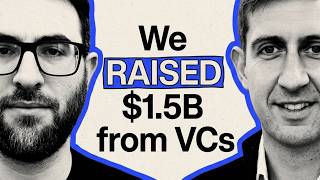
In this episode of the Profit or Pivot podcast, host Matan Hazanov interviews fundraising veteran Jeffrey Fidelman, who has helped companies raise $1.5 billion. The conversation covers the full fundraising lifecycle: how founders can get in front of VCs, evaluating whether a business is VC‑scalable, crafting a concise pitch deck, market‑size presentation, valuation sanity‑checks, and red‑flags to avoid. They dive deep into cold‑outreach tactics—domain reputation, email warm‑up, personalization, multi‑channel sequencing, and the debate over attaching a deck in the initial email. The episode also explores the realistic time and effort required (6‑9 months, 10‑20 hours per week), handling slow‑responding investors, and the mental resilience needed to keep pushing. Finally, Jeffrey explains his “Fundraise‑as‑a‑Service” model, the technology stack behind it, pricing tiers, and when a founder should consider outsourcing versus DIY fundraising. Throughout, both hosts stress optimism, data‑driven decision‑making, and the importance of honest communication with investors.
Chapters
My guest today has helped his clients raise $1.5 billion.
I mean, last year alone, I think we raised close to $40, $50 million in just cold outreach.
What advice would you give founders to like get in front of VCs?
Look in the mirror in the morning and say, I don't have another choice. It's this or nothing. And you keep going. First of all, just because somebody is raising money doesn't mean they have to raise it from VC. There's plenty of other pools of capital available out there. You are constantly going at 150 miles an hour until there's money in the bank.
Get into a little bit of trouble here with our question. When should a founder give up on fundraising?
People aren't going to like what I have to say, but—
Hello everyone, welcome back to the Profit or Pivot podcast. My guest today, Jeffrey Fidelman, has helped his clients raise about $1.5 billion in fundraising from venture capitalists, from seed stage companies all the way to Series C companies. He's here today to discuss what founders should do to set themselves up for success when they're trying to raise money. We're going to talk about what's the best way to reach out cold, what should go into a pitch deck, red flags, how much time you need to set aside from fundraising, and when you should give up, amongst many other topics. So if you're a founder that is looking to raise venture capital or currently raising venture capital, or you're just curious to learn about this whole wide world of fundraising and what it takes to convince an investor to give you millions of dollars to finance your business, you should definitely listen to this episode. Jeff, thank you so much for joining us. You have quite a lot of experience helping startups raise money, so I'm quite, quite excited to get your insights on some burning questions a lot of the startups that reach out to me ask.
Sure, yeah, thank you so much for having me, Matan.
So let's just get into a little bit of trouble here with our first question. A lot of founders reach out to me, you know, they're struggling to raise money. They come to us for financing, obviously, but people just ask me for advice. And sometimes I look at their business and their background, I think you're failing to raise money because your business sucks or it's not VC scalable and not because of your strategy. And other times it's because of their strategy and there's things they could practically improve to increase their, you know, likelihood of success in fundraising. What do you think is the differentiator between those that are just failing in their tactics or strategy fundraising versus companies that just fundamentally shouldn't be raising money or probably couldn't no matter how much work they did on the strategy side.
But first, a message from our episode partner.
Many of us have tried to be more productive by hiring assistants offshore, and it rarely works out. We get excited about all the time we save. We think we found someone great, but they don't end up producing great work. They miss their deadlines, and eventually they just ghost you. That's because finding great talent is hard, even when you don't have an ocean between you. Our episode partner, HireDana, is solving this challenge by finding and recruiting the most elite executive assistant in the world for business owners, executives, and anyone else whose life is getting very busy. They only accept 1 out of every 200 applicants to participate in an in-person paid intensive academy where less than 50% actually graduate. But once they do, HireDana gives them a stable income, comprehensive benefits, coaching and training that is ongoing, even if they are not placed with an employer. That means HireDana is not just sifting through resumes on your behalf. They are attracting the most elite and dynamic people because they are offering something truly different in the market. Great wages, stable employment, and a brighter future. These aren't average people. These are executive-level talent that can grow with you and your business. So if you're looking to grow on social media, you want more assistance in managing your team, or you just want someone to help you manage your life, now you can outsource a lot of that work to the incredible talent that HireDana can bring you. And HireDana has already placed elite executive assistants for executives at major firms like Cursor, Pine Growth Capital, and JP Morgan with an unheard of retention rate of over 90%. So if you're finding that tasks are falling through the cracks or you're delaying critical growth opportunities for some future date because you don't have the capacity to deal with it yourself, consider hiring talented, versatile, and hardworking executive assistants from HireDana. Listeners of the Profit or Pivot podcast will get 30% off for the first 3 months. Links will be down below. Uh, make sure to check it out.
It's a, it's a good question and a hard one to answer because I think a lot of it has to do with ego. Um, in terms of, of the latter part of your question, meaning companies that shouldn't be raising capital in the first place. And, and maybe I'll address that first where, you know, I wish VCs or investors in general gave more feedback to the people pitching them or soliciting them. I understand how their plates might be really full because they're getting hundreds, if not thousands of inbounds every day, every month, every, every year. The reality is, is that having feedback above and beyond the no is so incredibly helpful to entrepreneurs that are trying to raise capital. A lot of these entrepreneurs as well, I would advise that prior to going out to raise capital, speaking with someone like you or like me, and I don't know, I don't know how you operate, but I certainly will have, you know, my client once said, I'll have a cup of coffee with anyone. Like I'll have a, I'll have a 30-minute meeting with anyone. I'll have, I'll listen to their business. I'm genuinely curious about just business and technology and how things work. And I will be very candid in my feedback to them around, hey, this is what I think works. Here's what I, what I think does not work. And here's how I would advise positioning your business. I would say I, I would never advise anyone to fundamentally change their entire business model off of one or two people's opinions. But if you keep hearing the same common denominator after conversation, after conversation, after conversation, then, you know, it's not them, it's you. You should fundamentally change your business so that you can have a better and easier and smoother pitch to some of these investors because they have in fact seen a business like yours or similar enough or competitive enough where they can provide you with that valuable insight.
So there's a couple of things there. The first being, you know, VC should offer advice. And I'm of two minds here because I took that approach earlier on in my career. And funny enough, my most controversial LinkedIn post, I'll probably I'll put a screenshot here of it, where I said, you know, I'm kind of done offering advice to startups unless I have like a built-up rapport relationship with them. Because too many founders are not ready for honest feedback. And it just becomes toxic a lot of times, even if you're nice and approaching the right way. The other challenges I think with feedback is, you know, is if I see a company is not VC scalable in its current form, should I be telling that founder to give up fundraising? What is the advice in that case? I'll give you an extreme example, right? Let's say somebody is raising money for their laundromat business and they're coming to tech investors and they're saying, oh, I want to raise $1 million at a $10 million valuation, which only works when you're building a scalable, hyper-scalable business, not when you're building, you know, like a laundromat. That doesn't happen too often, but it does happen, right? But I'm saying in that case, what do I tell that person? Like, should I just tell them, don't, you know, give up?
Yeah, well, first of all, just because somebody's raising money doesn't mean they have to raise it from VC. There's plenty of other pools of capital available out there where, um, VC or venture capital is just a pool of capital. And I think it's important for entrepreneurs or anyone raising capital to understand, um, if they do need capital, first of all, what are the pools of capital available? And it's not just debt and equity and that's it. There's subcategories, a lot of subcategories in each of those, but to understand where they're raising capital from and what that capital is expecting from them. General rule of thumb I always tell people is that VC is expecting a 40x return on your one business because so much of the portfolio is going to break even or lose, versus private equity is looking for 20-25% IRR on your business. And then again, and then there's kind of every— everything in between. And I think that with your example around laundromats, you know, I, I immediately think of Brooklyn In. Or I think of Woody's, or I think of, um, Warby Parker, right? These are traditional businesses that— Casper, right? These are traditional businesses that just position themselves with a tech-forward, tech-facing component. And all of a sudden, we're now to raise VC money. Now, everyone can read about the stories of each of the businesses that I spoke about, and they don't all have a very rosy, pretty ending, but they were still able to position themselves in such a way where they can go out and raise VC money. Because they were able to convince the VCs that we have built a better mousetrap and we can scale this indefinitely or 100x so that you can take your 40x off the table.
So you don't think there's hopeless cases out there? You think with the vast majority of businesses there, there is a path towards raising some type of capital? I mean, obviously, you know, some, some companies are just not going to succeed because of all the reasons people don't succeed, but you're saying, you know, don't give up hope type thing.
Yeah, and look, I mean, based on having a fundamentally solid business plan and business model, you look at some of the biggest companies in the world, look at Amazon, you look at, uh, uh, Microsoft, right? People are laughing at Gates and, and Bezos, or flip those respectively, because they were, they were talking about something that had had no adoption yet. They were true outliers. They were true innovators in what they were doing. The vast majority of people starting businesses to raise capital whether it's from VC or private equity, are not innovators. They simply have identified a financial arbitrage in the market to grow big enough to have a profitable exit and sell to another business. That's what the vast majority of companies we see today are. Now, the media will fantasize and romanticize and create all these publications about the next thing in XYZ. But the reality is, is that if you go to Crunchbase or PitchBook or any VentureBeat or any of these platforms at public companies that are raising capital, you will notice that a lot of them are just very, very smart entrepreneurs that have figured out a way to create a financial arbitrage between, between a dislocation in the market. Fast forward 3 to 5 years, they were successful in executing their business plan. They sold their business to a roll-up, a large conglomerate, or whatever the case may be. So no, I don't, I don't think, unless it's a true outlier, I don't think that many of these businesses that you're talking about are hopeless. I think there's, I think there is So what are some of the elements?
Let's say the founder wants to self-assess if they should approach VCs, if they are that 40x potential business. What are some of those elements that they should look for so they can kind of self-assess for themselves if they fit into that bucket?
VC specifically is distribution and adoption of whatever your widget, your service, your technology. If you take a look at just statistical companies, the vast majority of them are— the vast majority of unicorns plus plus are consumer-facing. Meta, consumer-facing. Instagram, Uber, Netflix, right? Like all of these come— Amazon, all these companies are ultimately consumer-facing. Maybe they have enterprise stuff, but they're facing a consumer. And that allows them to have this multiplier effect of adoption. And I think if you're truly looking to raise VC capital, you need to be a little bit realistic and a little bit of a dreamer, but both at the same time. To recognize that realistically speaking, this can fundamentally be sold at $100 a month or $50 a month. And as a dreamer, everyone in the world is going to adopt my product, or everyone in America is going to adopt my product over some period of time, as long as I execute correctly and properly. So if you're evaluating your own business for VC capital, and, and we've done this with all of our clients, we've done this for some things that we've spun out as well, is really fundamentally understanding, is this product capped at 1,000 users, at 10,000 users, Or is there truly no language barrier, no math barrier, no skills barrier for someone to adopt this widget, service, or technology, um, and, and pay for it?
So that, that's, uh, I guess another way to look at it is market size. Like they, you want to know that there's kind of demand to absorb whatever product they're selling.
Yes. And market size has two, has two elements. We tell our clients this very often when they're putting together a pitch deck. One of the slides is market size or opportunity size or something like that. And there's actually two important elements to show on that slide. The first is what we all probably know, which is how big is it? TAM, SAM, SOM, market size, global market, US market, however you want to position it, but there's a number that is there. But what's also really important to show the growth of that market. As a VC would look at it and say, oh great, you have a huge market, but is that market growing or is it declining over time? And for the certain few that can actually say what I'm about to with definitive application, how is your entry into the market going to increase the growth rate? Meaning it's a billion, $100 billion market today. It's growing at whatever, 1% CAGR. Because I'm entering the market, it's going to grow at 10% CAGR. I'm going to grow the market simply by entering the market with my product or service. If you can say that and prove that, then I think that just from a market size opportunity perspective, That's what VCs ideally are looking for.
Yeah, I find most entrepreneurs, they're intentionally obtuse. They would put like, oh, we have a trillion dollar market, but all they're saying is that's all the spending that happens in that entire industry. You know, it's like, that's not really what a market size means, right?
So look, it's everything must be cohesive in your, in your pitch and your narrative and your, in your presentation as well. Right. And, and I think a good way to reverse into that is, is when you're building your, your presentation or your pitch deck. The first 3 pages are the most important and really help you, uh, position the business. Problem, market size, solution. And each of those pages are interrelated. So when you've actually, um, succinctly list out your problems, the problems that you're solving in the market, the market size should directly reflect the problems that you were just talking about. So don't tell me that you are fixing food logistics, and then tell me how many bananas spoil every year. Like, those are not very correlated. What if you're fixing food logistics? What is the actual problem? Maybe it's spoilage of bananas, and then you can tell me how many bananas are, are spoiled every year. And just as an example, or laundromat, right? Like, how much water waste is there in laundromats? Well, we're coming in and we're saving this, and the way to buy a laundromat is by looking at its water bill on a monthly basis. That's how you price it. We're going to save on water consumption while maintaining cleanliness, And that will increase our, our business value across the board. And I'm just going to roll them up to use your laundry example. So it's important to connect what problem you're solving to the actual market size and opportunity that you're presenting to the investors.
Yeah, it's interesting. I, you know, without saying names, I just had a call with the founder recently that like, I see this variation of this all the time. They told me they had a trillion dollar market in a market that the whole industry is not even a trillion dollars. And it was like very, it was somewhat niche. Oh, this is all the inefficiencies and Industry X, and they're losing a trillion dollars. I'm like, yo, the entire US economy is saying 3% of the US economy is inefficiencies in this one industry. It's like, come on, man, get the hell out.
Yeah, no, you're absolutely right. Unless it's a personal introduction to the investor you're talking to, you are all but guaranteed to lose that investor.
Right, exactly.
Just, I, as the investor, shouldn't be doing the research. They should be doing diligence on you. So usually, I mean, again, they're seeing hundreds, if not thousands, I think I spoke to Alumni Ventures the other day. They're one of the largest, if not the most active venture investor in the country. They see 3,500 applications yearly. 3,500 applications yearly. You better believe that if they don't already have an AI filtering through it, they have a bunch of analysts just saying like, let's rate these decks. Let's rate these businesses on a scale of 1 to 10 or 1 to 3,500. And we're just going to focus on the top 10% of them.
Right. When I was at Corporate VC, I was running a Corporate VC shop for a couple years, and we had very good deal flow, very good automation of our pipeline. I didn't do so much of that today. I'm much more, much more pinpointed in my approach today, but we had about 5,000 inbound every year. 5,000. It was— and we're just very good, like, we're just very efficient in getting our name out there and getting a lot of inbound. But 5,000, and we had a very small team going through that. So we would, like, say no very quickly. Like, if your deck looked garbage or wasn't clear, like that was a reason to say no, unless we had a good relationship with the founder or the person that brought us the deal.
Right. Yeah. And that's, and that's my point. Unless you, you were introduced or warm introduction, or, you know, the VC that is doing kind of the initial diligence or clearing on you, you have to have like, first impression is the best impression that you're going to make and super important. And, you know, if you're not able to present your business verbally or over a video to, to the investor, You better have your deck in order. You better have it very clean, very crisp, very simple. Like your deck should not try to explain your whole business cover to cover. It should explain enough about the, like, here's the problem. Do you, do you, Mr. and Mrs. Reader or investor agree with that problem? Binary answer. Yes. Next page. Here's how big the problem that you just agreed that there's a problem. Here's how big it is. Wow. It's really big, right? Great. Check. Next page. Problem, uh, solution. This is the solution I'm proposing. Do you agree that this proposed solution could possibly solve the problem on the first page, which is really big and showed you on the second page? If you have 3 checks on those 3 pages, then the rest of it is superfluous information. The rest of it is, hey, let's have a call and you can pitch me the rest of the business.
The credibility of the founder is like, oh, when we're the right team to build it, that would be like, yeah, but I, that's actually very solid advice. I actually wanna do a deep dive into pitch decks a little bit later on. Um, but I mean, it's kind of shocking how few decks actually look that way. I mean, I see thousands a year. I just, very few are actually like that, you know? So, um, yeah, well, let's do a deep dive on that. I just want to, cause you brought up something. Um, we touched on a point that's very, uh, it's on the mind of a lot of founders raising money, which is how do you actually get access to VCs? I'm a VC. I can kind of answer that, you know, like how do you get access to me? I have to be one of the more open ones. Like I post a lot online. I respond to every single person who reaches out. If it's on LinkedIn, anyway, like I'm, I'm, I'm an open, I'm open. Right. But for some reason, I, maybe some other VCs aren't like that, but certainly founders that don't have like an in, in the industry, they didn't go to Stanford or they don't know, they're not a second-time founder. They don't have the network. They feel that getting into the inboxes of VCs is very challenging. So what advice would you give founders to like, just get in front of VCs?
You know, people aren't going to like what I have to say, but there's no silver bullet. It just, it doesn't exist. And I say this often, and sometimes people call BS on me, and the reality is there's no silver bullet, right? Of course, if you can get a warm introduction and mine your network, then do that. That's number one priority for you. But above and beyond that, it's consistency and structure. Having a very structured approach to your outreach, making sure that you have a good quality list of leads that has good quality contact information before you drop it into some sort of mail merge. You qualify personally and individually each one. You personalize each outreach. So it's not just like, hey, Matan, I'm— you're a fintech investor. I'm a fintech company. Let's get together because we're a good fit. Like really try to make it personalized where, hey, I read your article on this, or I know you, you have XYZ in your portfolio. We're raising capital here. Like, Really try to make that introduction personalized to catch the eye of the reader. And then, and then, and then there's also the consistency part. Just because you didn't answer my first email does not mean that I should never touch you again. Right. And I'm just regurgitating our own process that we use to help our clients raise capital or get in front of investors. It's consistent, structured approach. I'm going to email you. I'll call you the next day. I'll email you again the third or fourth day. I'll call you again right after that. I mean, it doesn't go indefinite, but it goes long enough where you really have to like forcibly ignore me to, to not, to not respond. And then even at that point, guess what? If you are one of 5 partners, if you are one of 10 employees at a venture fund, and I'm really, really convinced that you are the best investor for me or for my position for our client, then I'll just go to the next person on the list in that firm. And then the next person and the next person until I actually get someone there. Do we have so many mediums to reach out to that, hey, I couldn't get this guy or this girl on the phone, woman on the phone to talk with them is not an excuse. You have email, you have phone, you have LinkedIn, you have X, you have Instagram, you have, I mean, there's so many different platforms that you'd really have to exhaust like 6 different mediums of communication for, for me to turn around and say, okay, you did your best. This person's just not responding.
Is this actually an effective tactic, like to just to reach out cold? Like, has that, have you seen that ever work for your clients or people people you know?
That's all we do. Yeah. So when we, when clients engage us to help them raise capital, we call it fundraise as a service. And without getting into too much detail, we essentially built infrastructure that's based on best practices, and then we rent that to our clients month to month. So we have access to things like PitchBook and PreQuint and Fintrix and Decode and a few other platforms. We've aggregated them into an internal database. And then when a client hires us, I, we layer an analyst on top of that who does all of the outreach on their behalf. So Alex calls from Matan Hazanov or Alex emails from matanco.com. So in effect, it's always cold. And I can tell you that, I mean, hundreds of clients, thousands of investor meetings later, we have had a, I mean, last year alone, I think we raised close to $40, $50 million in just cold outreach.
That's pretty significant. What's the best way to, like, what's the best method would you say? Like, um, how do you construct the best emails or LinkedIn messages? Like, do you have real, like, actual examples of what that looks like if a founder wanted to kind of emulate that?
Yeah. So, um, first of all, domain, it all starts at outreach, right? Domain reputation is incredibly important. Making sure you have like the DKIM, SPF, uh, DMARC, um, DNS all set up on your domain.
What's all that? I don't know. It's a lot of acronyms.
It goes in like if you're, uh, whoever is hosting your domain. So there's 3 records that you should be adding for domain reputational score. One is called DMARC, D-M-A-R-C. One is called, uh, SPF, I think. And the last one is DKIM, D-K-I-M. And, and you can look up, uh, Google or, or whatever, search how you enter these. And everyone's domain should have this just in general. Even if you're not soliciting to raise capital, you should just have this. Then you have, if you're emailing people, make sure your email is something called warm. So if you start a new email, which I recommend everyone to do, not use your personal, even the person that use at your company, use like a marketing email so that you can keep the inboxes separate. But that email, the day that you started, it's, uh, fresh. It's a baby. It has no risk score. It has no credit score. Not a bad one, not a good one, just no credit score. So in order to start building that up into a good credit, so to speak, there's applications out there called, um, like warming things. Warmbox is one of them. And this is just some, some application that sends emails out from this email address. And gets pings back just so Google, Microsoft, whatever is, is seeing activity on, on the email. This is all obviously prior to sending the first email out. So let's say you have that done a week, maybe 2 weeks at most you, you spend doing that, and then it's time to send the email. The email itself in terms of construction needs to be relatively short, very much to the point, personalized. These are things I kind of went through already, and people can Google what examples look like. The most important pieces that people don't talk about is number one, no attachments, no links in your, uh, solicitation emails. An attachment or a link, especially when you're doing cold outreach, increases risk and oftentimes will get moved into either promotional or spam by Google or, or, or Outlook.
Hmm.
So just plain text-based email goes out. The second piece is kind of more of strategy. Um, until and unless asked for your pitch deck, don't send it. I know—
not even the link in the, uh, not even the link in the email.
Nothing. No, no links. And I know it might seem a little bit counterintuitive, but if I can get you interested with a few bullet points, then the best thing that's going to happen next is my having a call with you. Me being able to sit down, tell my narrative to you over Zoom, over a phone call, over whatever. And I can control my narrative. And then as a follow-up, send you my deck. And I have some more just kind of psychology to, to share on that, but then basically share with you the deck. There is no good that comes from me sharing a deck with you unsolicited. Best case, you look at it for 30 seconds and you tell me no. So that's why—
well, this, let me disagree with you there because I, I disagree with that. You know, the idea of not putting a deck in the first, uh, outreach, um, because then you're, you're actually putting all the weight on the few sentences that should be in an email, which I agree with you, the email should be quite short. And, um, like me when I'm reviewing deals, you know, if the email intrigues me and it, you know, they say all the right things, I'm thinking, okay, well, I'm not going to spend half an hour when I could spend 2 or 3 minutes on the deck and kind of do my qualification that way. So you kind of increase the bar quite high to take the initial meeting, whereas including the deck actually reduces the bar because I can actually qualify it much better and much— that's—
hold on. But, but what you, I don't, I don't disagree with what you said and, and maybe I misspoke. So on, on a campaign, I don't proactively send a deck, but if you were intrigued by my email and there's no deck attached, are you trashing it or are you responding to say, hey, send me your deck?
I'd probably respond saying, send me your deck. If it's good, if it's good enough. Yeah.
Right. And then I send it to you. And basically what that creates is like, I'm not spamming a bunch of people with a deck. I'm not ruining my, my risk or my reputation of the email reputation. You are asking me for a deck. So now I know when I send you the deck, you are much more likely to review it versus sending everyone the deck. Half the people won't even look at it or open the attachment. And again, it's not like we're printing stuff out and sending it, but from a domain reputation perspective, from a communication perspective, and also from a fundamental review perspective, now you've asked me for it. I'm relatively certain you're actually going to spend the time to review it.
Okay. That's interesting. I mean, I hear that. That's fine. It just adds another step, which, you know, it is what it is. I actually don't think that's a big deal, but can you actually share an example of a cold email, maybe a good example and a bad example just to like really hit the point home?
Um, I don't, I mean, I don't have anything kind of open in front of me here, but I can tell you that, you know, first sentence personalization. Hi, my name is Jeffrey. I'm reaching out from XYZ company because I've noticed that your portfolio has these sets of firms. Because you have an interest, because your investment philosophy or your investment thesis is around this, because you just posted something on X or LinkedIn that, that made me want to reach out to you because we're raising capital. The middle set, that's kind of first, I don't know, it's probably 2 or 3 sentences, but the first section, let's call it. Then the next piece, probably bullet points, some quick, uh, updates or some quick stats about our company. We are, have this much revenue. We have this much built. We're in this stage of company. Rather where our company is in this stage, just things that would get someone excited, revenue metrics, bill deployment, origination, partner deals, whatever the case may be. And remember that this is one of 3 or 4 sequence emails. So you don't want to, you know, put everything in the first email and then, and then have nothing to follow up in the second one. So make sure that you're kind of like splitting or, or, or sharing the updates across the first 2 emails at least. And then the close of that first email is soliciting you for a call. I would love to get 30 minutes on your calendar. You know, please let me know if you are available next Tuesday at 2:00 PM. And that last piece, someone, I think it was a, in Sales 101 that I learned, you never want to ask whether it's on the phone or over email, when are you available? That leaves it way too open-ended. You're gonna have somebody look at their calendar and just like, I'm not available ever, probably, right? Especially if you're reviewing, what'd you say, 5,000 applications. So proposing a specific date and time, especially when you're on the phone, let alone over email, will force the recipient to open up their calendar, start actually looking at that specific date and time. And then if it is available, great. If not, they're already open in their calendar and they can show, they can tell you and confirm a time and date that they are available in. So that's how I would— kind of that first email and the structure the same.
I agree with 98% of that. That's great. I mean, the good structure. The last part about, you know, the specific time that I find to be a bit, bit of a chutzpah, you know, cause I've, I have people do that. It's like, oh, some random person's reaching out by email. Are you available at X time? Whatever. It's like, what do you like? Yo, send me your calendars. Okay. So, you know, I just find it a bit of a chutzpah.
The reason we do that is because I used to hear so much pushback around like, Here's my calendar link. Now I do do that.
That's also a bit of a chutzpah, but it's not the— not like—
we do that in the second email to say like, hey, you know, if not available at this time, here's my calendar link to book at your convenience. So we'll, we'll do both. And again, remember, this is, this is not like a one-shot only type of deal, right? There's follow-ups there. There's calling that's involved. There's, there's, you shouldn't put all your eggs in one basket, whether it's with one investor or with one communication to that investor. Right. And there's all of these other things that you should be doing where like sales in sales. And I think raising capital is a cousin of sales, if not like a sibling, you need at least about 5 to 7 touchpoints with someone before they will make a commitment to you, whether it's a sale or purchase of a product or an investment. So that first email is kind of like, as long as there's engagement is touchpoint 1, that first call is touchpoint 2. Make sure you have a monthly newsletter going out to update all prospective investors on what your progress is. Make sure you're active on socials, right? It could be all of them, it could be some of them, but make sure you have a presence because what ends up happening is, is that if the investor is truly interested, they will follow you on socials, they will open your emails, they will read them, and now all of a sudden you're spending more time in front of their eyes than any other startup that's pitching them. And that's really what, what wins at the end of the day.
Yeah, I hear that. And that's actually how you know if they're interested, is if they're actually doing all the things that someone who's interested would do. I want to ask you a question along these lines in terms of a tactic when it comes to cold outreach. So this happened to me somewhat recently. Again, I'll leave out most of the details, but a founder cold reached out by email. Very excellent. It was like the first line is like, we have $5 million in ARR. We just launched 9 months ago. I'm like, oh, okay. That's pretty— that's a pretty solid pitch. Yeah, um, of course I took the call, and of course, like, I looked at the founder, like, the things around the founder were credible enough. It wasn't just the headline that got him the call. The business made sense, all that. Uh, but I got on the call, and because he put that headline, that was my focus. It's usually in early-stage companies, it's not, you know, revenues are whatever they are. It's not that— it's not as important. So, um, so that was the focus. I ended up learning that these are all not some of them, all of them were pilot revenue, meaning they were deals so long as they got through the pilot period and actually committed to the deal and everything worked. Some were 3 months out, some were 9 months out. Like, there was no actual committed ARR. A lot of the contracts were also from a prior product they don't even intend to release. So like, $3 million of it wasn't even relevant even if everything went well. It just, it was a complete like marketing tactic that actually got on the— they got me on the call, obviously. And this kind of— I brought this up to a partner and some other VCs, and it was an interesting discussion because they got the call, whereas if they said they had zero revenue, maybe they wouldn't have gotten the call. And by getting on the call, they could have made the case, contextualized things, tried to show that they're so exceptional, those things that, you know, that they try to do. But obviously we didn't invest, so I'm curious, what do you think about that? Should, should the founder have— they weren't lying technically because maybe they're a fine line. They were like on the line of lying, but I don't know. What do you think about that?
Look, I, I mostly think that's horrible. Um, not that you didn't invest, but the way they reached out to you and look, I'm, I'm, I'm for sure, like, I, I would say I'm an inch before the line that they're, that they drew, right? Like, Of course, like, use what you have, turn it into marketing, and present it to people. But what ends up happening, just like people talk about with AI and data, it's like garbage in, garbage out, right? If I'm telling you something that's not true just to get a call with you, like, both of us are wasting time. Without context, and it doesn't seem like they had much to contextualize around it, right? Like, great, maybe they're working with somebody and they're reporting on numbers of like, here's our conversion rate, it's so amazing, we're getting so many calls. But if you're getting 1,000 calls and no one's investing in you, then you're speaking to the wrong people. So the fact that you got this email and the fact that that was the only reason you took this call, you could have done without the call, right? Like you didn't invest, they didn't get an investment from you. It doesn't sound like you have the highest, uh, opinion of how they reached out to you in the first place and, and kind of wasted your time. And now, although they got the call, which is a plus, there's like 4 minuses because of how that call ended up going down. So that's why I say it's horrible where Yes, look, you can position certain things and, and, and not manipulate, but like, but bend the truth slightly so that you can work into it and, and make the case. But to say you have revenue and you don't, or even to like, to say you have projected revenue, projected at $5 million or contracted or piloted for $5 million, I'm sure it would have changed the entire dynamic with you. But to flat out—
that's what I ended up—
tricks. I, I, I would never, I would never suggest or advise anybody to do something like that. I think it's. Just a waste of time.
That's what I ended up telling them in one of the— because I did have a couple of calls with them and we had to do the diligence just to make sure, because even if it was like $1 million in ARR, it still would have been significant, right? Like that probably still wouldn't have invested given how it started, but it still would have been significant. So we did spend enough time that I gave him feedback and that's what I told him essentially. I'm like, because you're the one who put that front and center. So that's what I focused on. Like if you started with something else or said you had pilot, you know, revenues that could convert to this, that then I won't hold it against you for not converting that or not actually having the committed, like the actual revenue. Right.
Right.
And I think he took that well enough, but, um, yeah, we'll see. So we touched on pitch decks. Pitch decks are— everybody has an opinion on pitch decks. My grandmother has an opinion on pitch decks. She doesn't, doesn't do any investing. Everybody has an opinion. Uh, everybody's like, there's no consensus on what is a pitch deck, how it should look, the structure. The content, maybe you can walk us through your perspective on it. You gave us a little bit of an idea earlier in the call. Maybe you could just do a bit of a deep dive on that, like how many slides is ideal? What kind of content aside from the, uh, problem, the market, some of the things you already mentioned, like what should go in it?
So, so I'll go through kind of what's important and more so on what's important, less so on kind of the lesser, nothing's not important, but the lesser things. Um, if anybody, by the way, wants to reach out to me, I have not a template, but I have kind of like a, a structure that we put together several years ago around what content needs to be in a pitch deck and the order of that content. PDF, I'm happy to share with you, with, with whoever.
So we'll leave, uh, your contact info down below, of course, for people that want that.
Yeah, I'm happy to share that with people. And, and the reality is, is that, and I'll say some things that I've already said, but the most important pages of a pitch deck are the first 3 pages, in my opinion. Barring, you know, not, not including the COVID and you have problem, market, and solution. And when you think about a pitch deck, first of all, again, given what I've said around how we share the pitch decks in, in terms of timing, a pitch deck in my mind is to solidify the narrative that the founder has already communicated to the person reading the pitch deck. So I would love the founder to talk through the business first and then send the pitch deck. It doesn't always happen that way. As I mentioned before, if it's requested prior to the meeting, of course send it. But ideally you have the ability to provide the narrative and then follow up with the pitch deck. So it has more details in black and white, more eloquently probably written out than you've said it. And the idea around each page in the pitch deck should have a binary outcome, meaning that a deck should be, let's call it 20 slides plus or minus, probably on the minus side, let's say between 15 and 20. And it should really, each slide should have a binary outcome or an intended binary outcome. And what do I mean by that? Again, going back to what I said before, the problem slide, the binary outcome is that the reader needs to agree with you that yes, there is in fact a problem. That should be your binary outcome. You don't need anything else. The reader, if it was just that one slide, needs to walk away and say, you know what? Yes, you're right. This is a problem. Because if it's anything other than that, the rest of the deck is tainted. So is your story. If they don't really think it's a problem, then I don't wanna convince you that this is a problem, right? Like we have clients in crypto. We're not calling on people to first convince them that blockchain is a real technology and then to sell them this business that is based on blockchain. Like you're, you're barking up the wrong tree at that point. So you explain the problem, your binary outcome, your intended binary outcome of the problem page should be for the reader to agree with you. Yes, this is in fact a problem. Same thing with the market size page. Is it a big problem and is it a growing problem? I guess those are not so much binary, but two elements. They're, they're kind of similar in the fact that I can walk away. I've already agreed that there's a problem. And now I'm reading this page and saying, yes, you know, as long as I do my diligence, I'll take you at face value. This is a really big problem and it's continuing to grow. That should be the binary outcome, a big and growing problem. Of the second page. And as you go through those first two pages, especially when you're talking to investors, investors, just from a mental state, are problem solvers regardless of how they're solving the problems, whether it's with money or operations or practicality or whatever. They're naturally problem solvers. Many people are, but entrepreneurs are as well, but certainly investors. So that by the time you get to the third page, as you're flipping to it, you already have the investor agree that there's a problem. You have them agree that it's a big and growing problem. By the time they get to that third page, the problem page, they should have already come up with either your exact solution that you're about to present them, or something similar enough that when you do present it to them, again, binary outcome. Yes, this will solve the big and growing problem that I agree with you that they're having. Everything beyond that is supplemental information on just proving it out. Technology, special sauce, Go-to-market strategy, the team and who's going to execute on this. Your ask, how much you're asking for, use of funds, what that, what milestones that gets you to, the financials and what, and projections and what that looked like. Like all of those pages, and there's probably a few others that I'm, I'm missing off the top of my head here, but all of those pages are simply supplemental to problem, large and growing. Here's a solution I propose.
Mm-hmm. Okay. Very interesting. Uh, I do want to kind of give you my perspective a little bit just to get your feedback on it. I don't disagree necessarily with anything you said because it's a very good structure. You're— as long as you're including the important points, and it's really incumbent upon the investor to read it and just see if it's worth, you know, spending more time with the founder. Um, my approach is a little bit different, meaning I'm not so— I don't disagree with the type of stuff that goes in the deck, but more of the general approach, right? And what you put, what you emphasize, what you focus on. Meaning I think it should be a bit more fluid if you have, let's say, a second-time founder, right? Someone— let's say, make— let's make extreme cases. Let's say you had someone that built a unicorn business right? They're just a superstar entrepreneur. I would lead with that, right? And I'll tell you why, why, why I think this way. I think fundamentally decks are marketing material. They're not— I think you should have two decks. One, the marketing material, which is the kind of the initial thing you would send. Then you have maybe something more comprehensive that's dense with information that's used in diligence after the investor either signed an NDA or is like, can like, wants to spend hours and hours with their team kind of learning about the business, right? So those are two separate things. I'm talking about the marketing material. One where your, your goal there is to intrigue them because the stats are out there. Like investor doesn't spend more than 2 minutes on a, on a deck, right? So it's kind of like a shock and awe tactic. Boom. Why do I care about what you're doing? Right? Um, so if you're, if you're building the business on the credibility of you as a founder, you start with the fact that you're a very credible founder. If, for example, it's on the technology and what, like, let's say you spent your entire life, you know, at MIT developing an expertise in this one field. Right? Maybe you focus on the technology and the fact that you're just developing something so unique. If it's the market, there's some new something happening in the market that just, there's such a massive opportunity that maybe focus on the market or the problems. The problem's just so significant that everybody feels, then you start with the problem. You want to hook them from the very first slide, right? And sometimes it's not the problem that's interesting, it's the person that's interesting, right? And it'll change on the industry and the stage of business and all that. But I don't know, curious to get your thoughts on that.
Yeah. So I, you know what, again, I, I think I think our perspective on decks comes from, comes as a result of how we think about reaching out to investors and the order of those conversations, right? So again, from my perspective, I'm having a call with you first. You get to meet me. I tell you about my background. I tell you about my interest. I tell you all these things in the course of that narrative. And then I send you this very structured deck that pretty much, you know, again, pretty much unless it's an outlier, has a similar format. But to your point, you know, agreed. If there is some sort of outlier where, hey, you just spun out of, you know, X or Meta and you're raising $20 million pre-seed for your business, then that should be a first page. That should be executive summary page. And that's something I didn't touch on in this conversation yet. There are some companies that do warrant having a first page as an executive summary page, where to your point, that shock and awe, that capture, that's when you put something in there to really capture the investor's attention. Especially if you're sending that deck prior to speaking with them or even putting it up on the screen when you are speaking with them. So, so I agree with you in the fact that there's, if there's something really uniquely special, an attribute, a founder's background, serial entrepreneur, the team, the technology, it's proprietary in nature, material that's proprietary in nature. If there's anything that really like is the linchpin of the whole business and its value of, of, uh, its value. Then that should be front and center of the deck. Yes, I do agree with that.
I guess fundamentally, that's how I think about investing, which is if you don't have that linchpin, then what are you doing? You probably shouldn't be raising. You know, it's such a, such a power law dynamics, like 1 in 50 that raises money is going to like hit those crazy outcomes. So as a VC, that's what I'm looking for. I'm looking for that, that unique thing that, that it's going to capture my interest, you know, because as an investor, it's not just is this a good opportunity, is this a good opportunity relative to all the other opportunities that I'm seeing at that time, right? So it's like, uh, there's always, and my goal is to always get access to the best founders out there. So it should be that I'm choosing amongst all the best founders out there, right? So that's kind of why I think that way. It's like, boom, why should I care? You know, that should be kind of, and we should go from there.
But yeah, and that's why, you know, the email, the narrative, all the things that we're, the phone call, all the things that we're talking about, that's what you have to hit them with right away. Right. And again, you know, in the unfortunate circumstance where you're not able to do any of that and the investor asks for a deck specifically, then to your point, like send the marketing deck, don't send your full, don't send your full deck with appendices, right? Like, and we do, we have the same thesis, by the way, there's two decks. I refer to them differently. I call it a short deck and then a long deck. Long deck is basically the short deck plus a bunch of appendices slides. And if we're asked to send a deck prior to the, um, the founder, uh, speaking with an investor, we're gonna send the short deck. It's enough, it's a position enough to get them interested, to have them understand what the business is, how it operates. And if they really want to dig into it more, then we have the long form deck, which has all the appendices, the market research, the go-to-market strategies, the hiring plan, like all of that will go into the appendices.
What are some common red flags to avoid?
How so?
Well, I guess there's obvious ones, so let's not focus on the, what are red flags that people don't think are red flags?
Well, okay, let me, I'll, I'll break it down maybe into, into 4 red flag sections. I don't know. The first is outreach. You covered a big one, right? Like don't lie, number 1. Um, and that goes across the board. Um, make sure you are qualifying and personalizing your outreach. It will take more time. It will get you less volume of responses, but I can all but guarantee that the quality of responses and conversations will be so much higher. So that's on the, on the outreach. On the deck, keep it simple, right? KISS methodology. Don't try to create, don't try to, to use the deck as a replacement for you pitching the business. And I've seen this too, where like you have a 40-page deck, every page is super verbose, all you're just like verbal diarrhea onto the, onto the page, just so whoever you send it to can read the whole deck and understand your business. Cover to cover. No one is going to sit there reading your deck cover to cover, especially not in the first kind of initial introduction or meeting.
Oh, we have to emphasize that because I see that so often. It's like, yo, don't— more than like 50 words in a slot, like in a, in a slide. It's just, no, man, don't do that. Yeah.
It's just, it, it, it, especially VCs, like I'm the same way. I'm just, no way I'm going to sit there and read that. You know what I mean? It's just like, I won't read it, let alone write it. And I don't know, nobody else will. I want to, I want the founder to talk to me about this. So that's really on the deck also, like consistent, structured, make sure there's a narrative that flows through the deck. Make sure that it's not, uh, too dense in terms or too verbose. You really have like the main points highlighted. In terms of the financial model, we haven't really touched on that yet. There's two main elements that are important for a founder when building or getting built a financial model. Number one, they know how it works. I've seen way too often people buy templates and then bring it to us and say, hey Jeff, can you fix this template so it matches our business? No way. Like, it'll take us less time to build one from scratch than to just adjust a template. And knowing how it works, because if you do have it built by someone else, which is totally fine and acceptable, just make sure that you are part of the process of building and not just hiring somebody on Upwork or wherever and saying like, hey, here's my metrics, come back to me in 2 weeks with a fully built model. And by the way, I have a meeting with an investor the next day, so I need to show it to them. Don't do that. Like, make sure you know how the model works. And the second piece of that is make sure you do some research and background on the actual variables you use, right? Like, don't try to scale 30 engineers the day after you receive funding. That's just— it's not possible. Like, I mean, possible— it's not probable. I think anything is possible, I suppose, but you'd need like 4 recruiting agencies all on retainer to hire you 30 engineers within months' time, let alone one month's time. So when approaching a model, I kind of, once it's done and built and you understand how it works, there's kind of two elements or two sides that you take to the model, kind of burning candle from both ends. On one hand, I have unlimited money. Here are my dream numbers. Here's my kind of dream spend and ask. And then the other end is, well, what's actually possible? And I, and I said this on a podcast several years ago where it's like, You know, you want to raise $1 billion for a first-year company, you'd literally have to like stuff 10 Lamborghinis with cash and set them all on fire in order to use that cash. Like, it's just, it's not possible for you to use that much money to hire enough people fast enough or build your product fast enough. So when you're building a model and the result of the model should really be not only projections, but like, what is my ask? What is my use of funds? Make sure it makes sense, like just from a common sense perspective. So that's, that's— I could go into a lot more, but that's in terms of model, like from a high level of how to think about that also. And then finally, valuation. So I said 4 things, right? So it's the outreach, the tech, the model, and the valuation. So the valuation, same thing, right? Like common sense approach should, should be number 1 priority when you're taking a look at any of these materials, especially valuation. If you're going out with a valuation— and by the way, I've seen valuations on the higher side a VC will look at them and, and, and I've never seen a VC turn down a valuation that was plus minus 20%. Meaning if I'm asking for $10 million, the VC really likes my business. They're not going to say, no, you're too, you're too high valued for us. We're going to walk away. Worst case, they come back and say, you know what? It's worth 8. It's worth 6. It's worth 12. They're never going to go above your valuation, whatever. Right. But if, but if I bring you a business and I say it's a billion dollar valuation, and it's like a seed company. I mean, I know some people have done this and whatever, but I'm sure from your perspective, you're going to look at it and be like, this is your valuation. Like, that's a hard no. I can't even negotiate with you on how high your valuation is. So make sure that it, it, you know, you understand how it's put together also if you're hiring a third party. But a valuation that is like astronomically unreasonable will get deals turned down. A valuation that's just slightly on the higher end, if a VC or if an investor is genuinely interested in your, in your company, then they'll just come back to you and say, look, this is, this is a bit too high. Here's where we're comfortable making an investment.
All right. Uh, the mistake I think a lot of founders make with that specific thing, 'cause it's a very sensitive topic, right? Is that they think, let me anchor a very strong position and okay, then that leaves me room to negotiate where that's not really what's happening. What you're showing the VCs is that you're fundamentally unrealistic or not serious. And that's why it's a problem. Not because they don't think they can negotiate a better, better valuation is that they don't, They're not gonna take you seriously. You lost credibility with them.
Exactly. Yeah. Yes.
It's funny when you talked about financial projections, I had to, I get all these stories cuz once you're dealing with so many founders, you get a treasure trove of messed up stories. Right. And this one, one guy reached out cold. He projected conservatively, he's gonna get, his product wasn't even launched. This was in the Web3 space, you know, when people were being ridiculous a couple years ago. And he said he was gonna get to 1.4 $4 billion in revenue in a year. And now he's conservatively, maybe conservatively can get to $300 million, but at the very least $300 million. And I wrote him like, has this ever happened in human history? He's like, well, no, that we're going to be the first ones. And look, like, look at our financial models, very conservative. I'm like, yo, man.
Well, that, exactly. It just, that, that turns people off. And I look, founders have to be a little bit crazy. I get it. Right.
Not clinically insane, a little bit messed up, but not clinically insane.
You, you, you said it, right? But you need, you need some element of like, of normalcy, of reality that hits. And, and again, this is why at the very beginning of the conversation, we're talking about ego. Like, you need to check your ego sometimes, not all the time, right? Because ego is part of it, or superego is kind of what gets you to be a founder. You need to check it sometimes and say like, I think Lovable is the fastest growing company ever, right? And they hit what, $100 million in a year? Or something like that, right? Like, these numbers are more and more possible. And as we go over time, like, I'm sure somebody's going to hit a billion dollars in a year.
And just as for a while with inflation, that's not crazy to think.
Yeah, yeah.
10 years, it's like a billion is going to be the new 100 million.
Yeah, yeah, exactly. Which is scary enough and separate conversation probably, but, but it's, it's about the reality, right? Like, you're going to make a billion dollars in your first year. This is, it's so much, it's not even fundable. Like, why go do it then? You know what I mean? Oh, I need, I need $3 billion in order to make a billion dollars in my first year. Like, then I, then I guess I believe it. Right. But, but above and beyond that, it's just, it's not realistic and it makes you less desirable to VCs that actually want to fund you.
Right. So how long should a founder budget for the process of fundraising?
6 to 9 months. At least, at least 6 to 9 months. I mean, again, this is barring your rich uncle investing in you or, uh, friends and family or spinning out of a Meta or X or Microsoft or IBM or whatever, Oracle, like barring knowing that who the capital is coming into your round and you're just kind of starting out to raise capital, 6 to 9 months. And, and I'll tell you this, that for a long time, companies, people, podcasters, partners, were asking us like, Jeff, what's your criteria for a company? Like, how do you ever turn companies down? Because you're a service, you're not, you're not reaching out on your behalf, but you're, it's a service. And, and for a while I would joke and I would say, look, as long as the check clears, we'll work with them. Um, but I've since changed my answer, uh, over the past couple of years where it really has more to do with client expectations than anything else. If a client comes to us and says, Jeff, you're our guy, don't worry about it, like we'll pay your retainer, no worries, but we're gonna raise money in 60 days, right? Like 2 months from now we'll have cash in the bank. I don't care how much somebody wants to pay me. I'd rather not take that because it's just, it's like, is it possible? Yes. But it is improbable that that happens to the vast majority on a bell curve of individuals looking to raise capital.
How much time should the founder or founders budget from the, like, per week while they're in that process, do you think?
Man, I mean, look, fundraising is a full-time job. Uh, you, you get out what you put in, right? You put in. For every 3 hours you put in, you get 3 calls out of it, then you work 3 hours, you get 3 calls. You work 6, you get 6 calls. I mean, it's not a direct correlation like that, but it should be the majority of your time really. Unless, unless you have someone that's actually like, that's part of what we do for our clients where we'll take care of everything from kind of top of funnel cold outreach all the way into, into getting them qualified and interested and then pass that off to the founder to actually do the pitch of their business. So if you're doing that, then it's just about like taking calls and working with us to do follow-ups. But if you're doing it and managing it yourself internally, 10, 20 hours a week, if you're doing it right. And again, what does right mean? Right means you have access to a list that is enriched, so you don't have to worry about time on that. You spend 90 to 120 seconds, probably a little bit more, maybe like 180. So call it 3 minutes per lead that you're reaching out to. I don't know, 100 leads is 300 minutes. 150 leads. So 200 leads is 600 minutes, right? And then from there, you actually have to do the outreach. So even if you are using HubSpot or Yet Another Mail Merge or one of these other platforms, you've now spent 3 minutes per person qualifying, and now you need to spend another minute, let's say, and I'm, I'm exaggerating a little bit, on personalization of that email going out. And again, going back to domain reputation, going back to Uh, response rates. If it's personalized, first of all, it means that every email you're sending is a little bit different, which Google, Outlook, mail servers actually can read and understand. So if you just copy paste the same email to 1,000 investors, that's spam. Your 1,000th, your 900th, your 800th investor is not going to ever get that email. So personalization allows you to also not hack the system, but really like make sure that each one is unique going out. Um, but it, it, it takes time. And then you have to make time to call, to leave a message, to pick up the phone when they call back. You have to leave time to check your inbox, right? For all the, all the email back and forth and scheduling the call, sharing the information with them. So it like, it really is a full-time job when you think about running a very consistent structured fundraising process.
I get this question a lot and I see this as a, as an issue in the fundraising space is that VCs and I've. Been guilty of this at times. They initially show interest, but they don't respond much after that. And they're not— the process is moving slow. What do you recommend founders do in that case? Because obviously they're on a timeline. They, you know, they need to raise money yesterday. But the VC that showed interest is slow playing it. Or that— yeah. What do you counsel founders in that situation?
I know that there might be several frames of thoughts around this. I took a class on entrepreneurship in Harvard, I don't know, many years ago at this point. And something the individual teaching the class said was that when you feel that you're ready, when your engine is revving, when you have a rinse and repeat process, then at that point, raise as much money as you can because you're just pouring fuel on a fire that's already existing. So with that being said, and that as an anchor comment, what I would say is slow roll it until you get to that point and then speed up. Never raise more money than you need to, never chase the valuation. I'm not, I'm not suggesting to do any of those things. What I'm saying is that you start a bit, and now with VibeCoding and all these tools, like starting a tech business or setting it up at least, or having an MVP is very, very quick and easy. Quick, yes, straightforward. I don't want to call anything easy, it's just straightforward. So slow rolling to get you to a point of like, you have some customers, you have some revenue or some traction, you don't have enough money to execute or go to market, but you're, you're pretty comfortable with like product market fit in terms of what that looks like. Once your engine is on, is on like rinse and repeat, so to speak, then go out and raise as much money as you can.
Okay. But what about, so that's obviously great advice. I'm just curious, like, what is the advice for founders when a VC seems to be slow, slow playing it? Like they're not finding success with others, obviously, but.
I mean, you mean like I've reached out to you, the VC, and you keep getting back to me with maybes and, and, and it just, it doesn't like, yeah, it doesn't go anywhere, but they've showed interest.
Like they said, oh, this is very interesting. We love it, whatever, you know. It happens. It happens quite a lot, actually.
I mean, listen, I, you, you don't stop until money's in the bank, right? Like you don't stop. If somebody gave you a commitment and I have clients like this too, oh, Jeff, we got a commitment. Like, don't worry. We don't need to reach out to more investors. No. Once there is literally money in the bank that you can withdraw, not wire promised, not even a, not even subscription agreements signed because I've seen subscription agreements signed and the money never gets wired in. So when money is in the bank is when you stop up until that point. There, there is no— on a founder side or the person raising capital side, there is no element of speed. You are constantly going at 150 miles an hour until there's money in the bank. At that point, you can feel comfortable and slow down, not stop, slow down, maintain relationships with investors, especially if you're planning a future round. But if, if a VC is slow rolling it, then I mean, look, a lot of VCs do that. Don't rely on them. Say, okay, thank you very much. I'm going to keep you abreast of the situation. Yes, you kind of, you can get moderately aggressive on your follow-ups in terms of, are you interested? I, you know, I want to invite you to a call. Let's have coffee. Let's have dinner. Let's have lunch, whatever. But know that you should be doing that across every single other VC that you're talking to. There's no reason that a VC is slow rolling you and then you're sitting there like, please praying to someone, whoever you pray to, to say like, they're going to have a change of heart and they're going to move next week or tomorrow. You are the founder of your business. You control your destiny. And that cannot be, um, reliant on any one investor giving you money.
Yeah, fair enough. Um, so I do want to go into your services a little bit because one of the things, you know, when we initially spoke, you know, I mentioned that, uh, usually it's a red flag when a service provider is reaching out on behalf of the startup. Like, founders should always be doing the fundraising, certainly taking the calls and all that. And you actually had a very interesting model that I found to be quite interesting. So I'd love you to spend a couple of minutes on the service you provide, because I think it could be valuable in certain cases. And also, when should a startup consider using a service provider like yours versus just trying to fundraise on their own?
Sure. So, so, um, I guess I'll, I'll answer that in order. And there was, there's something we kind of launched and launching now that I don't think you and I discussed last time we spoke either, which is the way that we started this business initially was more of a consulting firm than an investment bank. And I say that because my background, I was a partner at a venture fund. I was a banker before that, kind of saw this white space of exactly what you're, what we've been talking about. Founders having great businesses, great business ideas, great execution, but horrible like presentations and models and, and approach to actually doing the fundraise. So we would help companies with their DEX models, all that stuff. And then as a last deliverable to them, we would put together basically a book of fundraising strategy, would hand it to them. And in the book was Here's a list of leads you should call. Here's the email copy you should write. Here's how to call them. Here's the timing. Here's how you set up a campaign and sequence, the platforms to use, et cetera, et cetera. And what we recognized was that 12, 16, 20 weeks later, many, I don't wanna say all, most of these clients would come back to us and say, Jeff, this is great. Can you do it for us? And the reason that we hesitated for so long, having sat in the same seat you do, that the moment a broker would call me in VC, it was the first and last time I heard about this deal. I would just, I would kill the deal. I would say, no, no, not interested. And not to mention there's a huge reputational risk as an advisor, as a banker reaching out for early stage companies, knowing that statistically speaking, most will fail. I'm not saying this to be a bad guy. It's just math, right? Eventually kind of came up with this Fundraise as a Service offering where, where we would essentially implement best practices into our clients. So no different than a client having an accounting function outsourced, they can have now their IR function, their investment relations functions outsourced. So it's not a banker, it's not a placement agent that has this like black box opaque situation of like, hey, I have 43 family offices in my phone. I'm going to, I'm going to hit them up for you. And then here's, pay me my retainer. 3 months later, sorry, nobody's interested, but I got a retainer. Not to mention that the incentives around that structure in a traditional structure, while they might work in Morgan Stanley where I used to work, or Goldman Sachs or JPM, when you look at early stage companies, Company A comes to me, I go to John Smith, the investor. Company B, John Smith. Company C, John Smith. So even though companies are paying me, my economic, uh, relationship really is with John Smith, the investor.
Mm-hmm.
So because of that dynamic being very broken and, and remains today, we wanted to create something that offered transparency. We want to create something that offered essentially what are best practices that a founder would, would go and hire to do if they had the money to do it. Buy PitchBook, $30 grand a year. Hire an analyst to sit there and do the qualification, personalization, initial outreach, all of that stuff. Depending where you are, you're in the Northeast, you're paying $80, $85 more a year. If you're in the Midwest, you're paying maybe $60 a year, but not less than that. So all things remaining equal, then you have payroll taxes, you have to train this person, you have onboarding costs, you have all of this stuff, and it's annual commitment. So from an economic and outreach perspective, that's really where this idea came to us as a management team to say, look, Let's just— we'll take the risk of buying the platforms, of hiring the analysts, of training the analysts, of building the infrastructure, and then we'll be able to fractionally rent that to our clients month to month. No onboarding fee, month-to-month pricing, no long-term contracts, nothing like that. So that our analyst Alex calling from Matan or calling or emailing from matan.com all of a sudden is an extension of your firm using your email domain and address, giving you full transparency into what it You're approving all the emails obviously before they go out, but giving you full transparency around that. We share all of the investor leads with you, with our client rather. So you have their contact info, their names, their personalizations. All of this is live and shared with our clients. And what further dawned on us was that we were using another CRM platform. I won't name which, but we kind of grew out of it. And as we were trying to look for a replacement, we recognized that nothing exists that specifically applies to fundraising, as interesting as that sounds. Like again, when I was at HSBC or when I was at Morgan Stanley, they had proprietary systems that were more integrated and, and not really fundraising, but it was more transactional based. So we ended up building something internally and about a few months ago realized that we can commercialize this and actually create a fundraising operating system to share with everyone. So it's not just like us at Fiddleman Co running Fundraise as a service on top of this platform. But if, if a founder wanted to run their own process and just needed a platform to run that process within, or needed a platform plus leads to run it within, and didn't want to pay for our analyst, that's absolutely fine with us. Here is the structure, here is the process. The reason that Fundraise as a service exists in our company and why it's been so successful is very simply because we have a structured process and then we have an individual sitting there, our employee, actually executing on it. But the process and the structure and the operating system is really kind of the core element on, on that success. So to make a long story short, spinning out this software company called Fundex, you know, a license is $250 a month. They can, they can upgrade to receive leads and banker feedback and, and, and quality checks for up to $2,500 a month. They're still running the process. Or if they really want one of our analysts as kind of like a full-time IR person as an extension of their firm. They can, they can subscribe to Fundraise as a service and it's $8,500 a month with an analyst doing all the work, setting up our clients for meetings. So that's kind of how we operate today.
Okay. That's great. So we're going to leave more information down below in case anybody wants to check it out. Of course, I think it could be a valuable service because you're not really just paying for connections and leads. Like you're doing the whole kind of all the, all the, all the work that goes into it. And fundamentally it's still the company reaching out to investors, not an investment bank reaching out to investors, which I think a lot of investment banks do. They just, they're the matchmaker, right? And it's very obvious and it's usually a red flag when they do that.
Right. And to your point earlier, what's so important is that the founder can build a relationship with the investor. And I do everything I can to avoid getting in between that or causing any friction. We qualify them. You're interested. Great. Talk to Matan Hazanov, our founder, and you take the relationship from there. That way you actually get to build this relationship with the investor.
Yeah, that's great. My last question here is, when should a founder give up on fundraising?
Listen, the craziest ones will never give up, or the most insane ones, I'll use your word, they will never give up. Maybe they'll pivot their business, maybe they'll find different traction. But, you know, I often think about this cartoon or this meme about, you know, the two tunnels that are being dug. And this guy stops and turns around right before he hits the diamond. I feel like the sunk cost effect always, always, always hits entrepreneurs. And it's one of those things where if you're doing this just as a side hustle and you don't really care about, it's easier to give up on it. If your back's up against the wall, you have no other choice, and this is your life, and you believe in what you're doing, and you believe that this can be a big company, and you believe it can have a huge impact, don't give up. Like don't give up. I mean, you know, this guy, uh, Chesky from Airbnb was told that there's not a, there's not a big enough market for what he's doing. He didn't give up.
Bezos, he was definitely right back then.
You know, people, right? Bezos went to how many people just to raise what, half a million dollars or something at $50K a piece or a million or, or a million dollars at $100K a piece or something, something like that. Kept going until he got it funded and then lost money for years to make fun of on national television. Because he was losing so much money. Now one of the wealthiest people in the world, right? And it just, it just comes back to my methodology around fundraising is something that I've seen the most successful entrepreneurs also have as a methodology, which is consistency. If you have enough determination and enough, enough conviction around your idea, as long as you stay consistent, you will win. You will win. Day 1, maybe there's 1,000 competitors. Day 30, there's 500. Day 385, there's 50 competitors. If you wait enough and you stay convicted, you will be one of one or one of 10, but one of few is the point, not one of many.
That is a very positive and optimistic message. And if I give you my opinion, I will ruin it with my cynical and pessimistic view.
I have to be optimistic. I have no other choice. I don't have another choice is the point. I have to be optimistic. You know, like during everything, during COVID with my family, I was like the optimistic one saying that the, that the pendulum will swing the other way. Like, I don't have another choice. I really don't. And it's, it's yes, because I own business. Yes, because I'm married and I have kids and, and for my kids, like, I also very much believe, and this is kind of a new mentality of mine. It's like, you get what you put out and it's the same thing of effort. The same thing of like positivity or negativity. If you're constantly negative, then you'll attract negativity and negative people. If you're positive and you can show that, you can steal the positivity from you to another person, they'll feel it. Hopefully you're feeling it from me right now a little bit. And like, and, and you just don't have a choice. That's it. You don't have a choice. That's, you look in the mirror in the morning. I mean, I don't do this, I don't need to, but like look in the mirror in the morning and say, I don't have another choice. It's this or nothing. And you keep going and people will respect that. And even if you have to pivot your business to something that does work a little bit better, That's not giving up. Giving up is literally like, I'm done with this. I'm going to go move into my parents' house and try to find a job. That's giving up.
Well, that's a very nice message to leave off on. So, uh, we'll, we'll leave it at that. Thank you. Thank you, Jeff. I really appreciate it. Your insights are pretty, uh, they come from, uh, from a foundation of a lot of experience. So I really appreciate that.
Absolutely. Matan, thank you so much for having me. And, um, you know, stay, stay positive. I'll put it that way since it resonated so much.
Fundamentally, VCs have to also be very optimistic, but, uh, yeah, that's, that's, uh, Very good, very good point. Thank you.
Awesome, Matan Hazanov. Thank you so much again for having me.










