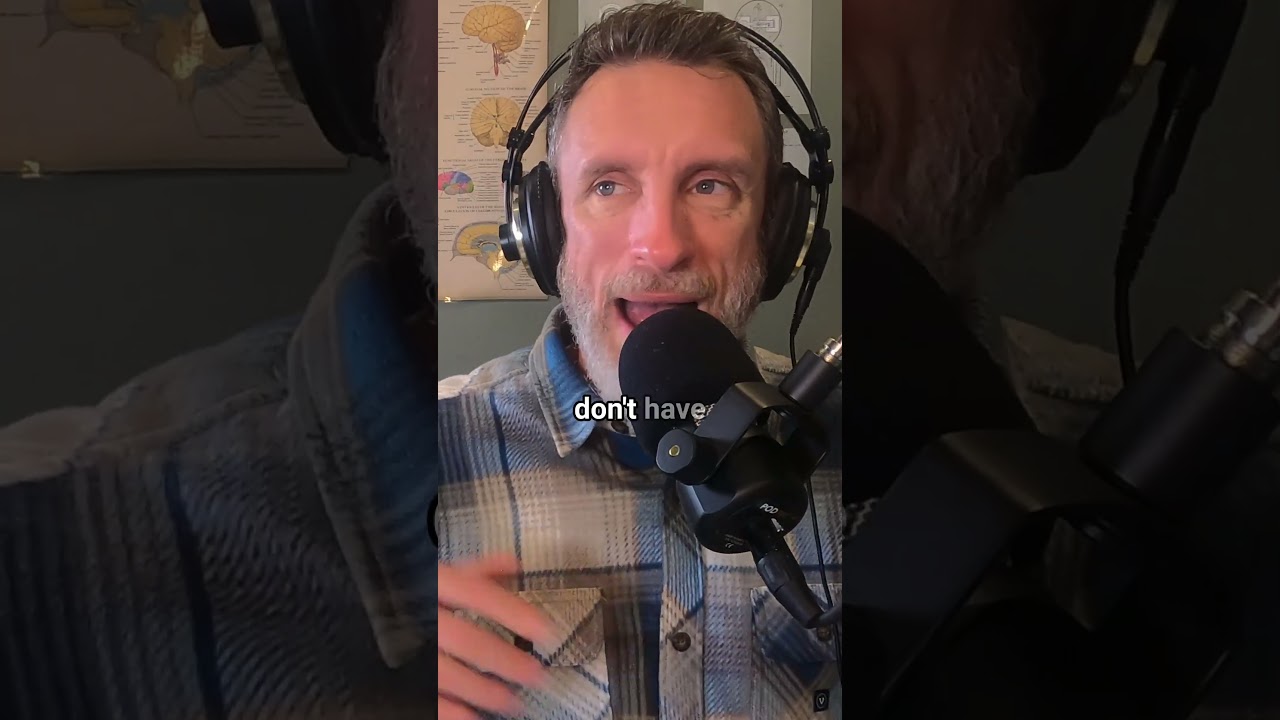
In this segment of Venus Ann Michael’s YouTube video, the speaker recounts a pivotal moment in a long‑standing mastermind group with a peer named Christina Harbridge. Christina bluntly labels the speaker as playing the "martyr" role, pointing out a recurring pattern of self‑sabotage where the speaker sets up situations to fail and then justifies the outcome as inevitable. The candid feedback initially hurts, triggers defensive emotions, and leads to a period of reflection. After a few days, the speaker recognizes the truth in the observation, feels gratitude toward Christina, and notes how the mastermind environment—distinct from friendships because it lacks social consequences and competitive networking—provides a safe space for honest accountability. The conversation highlights how such direct, peer‑driven feedback can break subconscious self‑sabotaging habits, foster personal growth, and reinforce the reciprocal support dynamic essential to effective mastermind groups.
Chapters
So my one group I'm in, her name is Christina Harbridge. We're meeting and I've been in masterminds that don't last forever, the ones that last for a couple of years, one that may go for a lifetime. I've been in it for about 10 years and we've committed to go longer. So they morph and change. But one mastermind I was in, Christina said— she asked me the why about something and she goes, oh, I got it. And I said, what? She goes, you're a martyr. I'm like—
You're a martyr?
Yeah. I'm like, what?
What?
She goes, "You're a martyr." She goes, "Look, I want to show you something where you set yourself up and you fail, and you say, 'Yeah, I was destined to fail. That had to fail.'" She goes, "You're playing the martyr game," and I'm like,
"Huh,
that hurts." Yeah, I
was gonna say, "Ow! I don't like this.
I don't like this.
I feel like, yeah, I want to pull that off of me.
Oh, I don't want to be a martyr." And then I'm like, "Oh my God, she just opened my eyes to a pattern.
I
play the martyr
game." Right, right.
That moment has radically improved that I'd play it subconsciously kicks in. It's like, "Oh, but." Way, way less.
Wow.
I'm so grateful for Christina, and it could have been a very hard conversation. Could you imagine my wife's like, Mike, you're a martyr? You know what you are? Like you know, or one of us saying that, like no. The awkwardness. A mastermind is not a collection of friends; it's a collection of colleagues who are better than friends because we don't have social consequence. We don't know each other's network, and we're not competing in that capacity.
Right.
I am here to gain support, and the best way for me to gain support is to give you support and calling you on your. BS, right, is part of it.
It's part of it.
Yeah. And sure enough, she called me out and I'm like, Christina— not in that moment. I was pissed. I was upset. I was hurt.
Yeah.
And then it's like, oh, that hit a chord.
Yeah.
It took me a few days. I called her, said, my God, that was the best thing I've ever heard.
Usually if it hurts, you have to realize that it's true. And that's the crappy part, right? Yeah. If it hurts, because if it's not true, it doesn't land and, you know, you move on.
It really doesn't.
Right.
You can't dent something that is bulletproof.
Right.
But you can pierce bullets into something that, you know, shatters. That's glass.