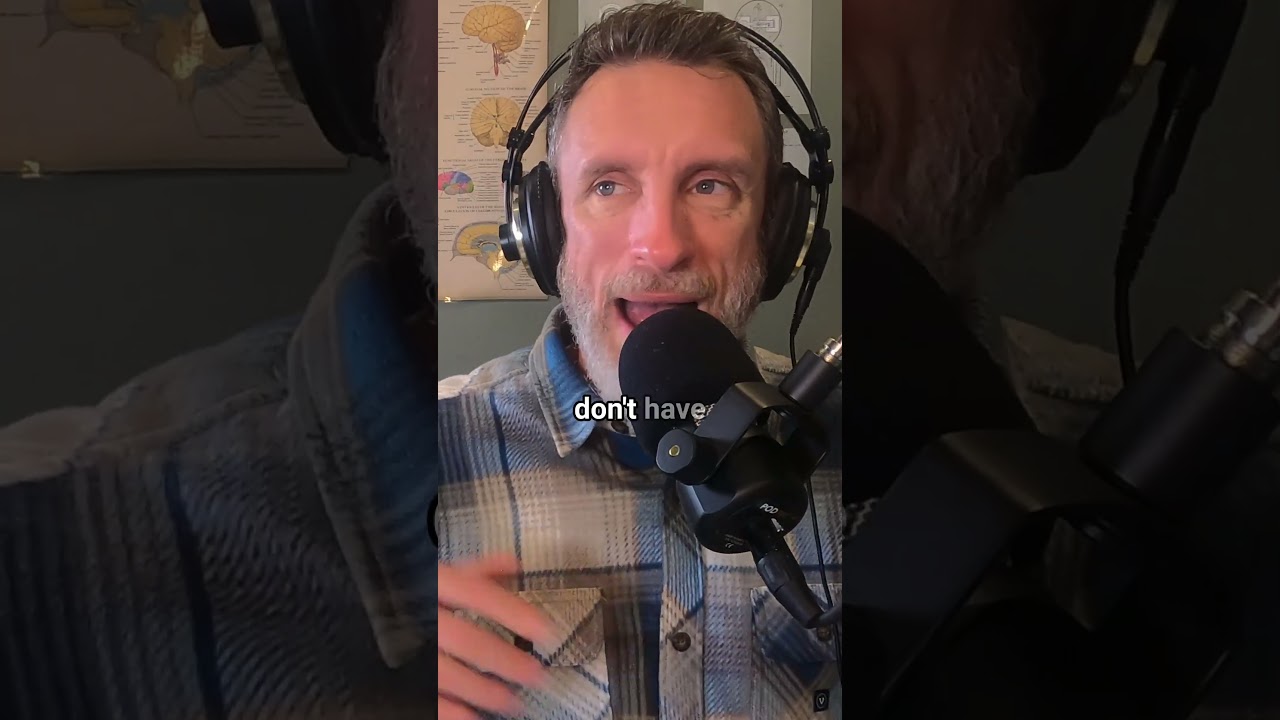
In this solo talk, Mike Michalowicz shares his personal journey from early entrepreneurial successes, through a devastating financial collapse, to a redefined understanding of "net worth" rooted in authenticity and caring for others. He introduces the "Phoenix Effect," a framework describing three typical reactions to others' status—envy, pity, and support—and illustrates how sharing vulnerable stories can transform community perception and loyalty. Key moments include his first startup at 23, a lucrative exit, the 2008‑2011 loss of all his wealth, and a pivotal Valentine's Day when his daughter’s simple act of giving a piggy bank reshaped his view of worth as genuine self‑expression. Michalowicz argues that authenticity, not cash, is the true vehicle for lasting success and urges entrepreneurs to be brutally honest, using storytelling to build engaged, supportive audiences.
Chapters
Hey, blue, here's the Phoenix effect. When someone, anyone in our life comes in and we see them in a superior position, we envy them. The natural response is envy. And what envy means is we don't want them to succeed. Kind of want them to fail. We want to be more like us, bring them down. If someone is introduced to us and they're below us, maybe a homeless person that's struggling, we often have a pity response, say, oh, my God, your life's miserable. And what that means is, thank God it's not my life. That's the pity effect. But when we see someone collapse down, we know they have potential, and we become proponents for their success and climb back out. Do you know this plays out in business the exact same way? And here's how I did it, and here's potentially how you can do it. It's about being very truthful about your darkest moments. And I notice a lot of people type in Mike McCallowitz, net worth. It's actually one of the most common searches that include my name is how much is this guy worth? Which, by the way, usually means envy, right? So people are looking to say, what's he worth? And then they see that I'm at a certain number and that's not my number. And that for he's a jackass. He probably deals drugs or something. You know, push him down. Or maybe I'm at a number that they didn't expect, and they say, this guy sucks. Like, why am I listening to this guy? They pity me. So I used the story about my true net worth experience, and I'll share the story with you. And it dramatically changed the perception of my community. And I think it's formed a very loyal community. And I encourage you to have the courage to share perhaps your story, which may be the same as mine. I started my first company when I was 23, out of college. I had a job at a local computer store, and I went out for drinks one night at Ruby Tuesdays, you know, classic place, with another guy and just lamenting how bad it sucked to work at this computer store. Like, oh, my God, the owner of this little store is making, like, millions for sure. And it's all of my sweat. The two of us work the floor all the time. We're selling everything. He sits back there just ringing the numbers. This is before I knew what entrepreneurship really was, but that's what I perceived. And I had some beers with me, and I'm like, screw it. I'm going to start my own company. True story. I leave A slurry message to my boss, Anthony F. You, you know what you're doing. I'm starting my own computer company tomorrow morning. Tomorrow morning I come in hungover, thinking, message I left, that wasn't me. Evil twin brother didn't work. He says, kid, good luck, get the F out of here. He threw a little explicit back to me. And that's how actually I started my first business. Fear is an amazing motivator, as perhaps many of you know, that gets you up very early in the morning and gets you working very late at night. And I leveraged fear for a long time just to find, figure out what the heck I was doing. Fear, at a certain point turned to confidence, and I got momentum and that company was able to sell to private equity. My second business was the big one. My second one was a computer crime investigation. I started the business, and six months later, Enron hit, and we got the Enron trial. All the data, forensic analysis my company was doing, we were on a run in two and a half years, bootstrapped to $7.5 million in revenue, when Robert Half International, a large Fortune 500, came in and acquired me. And I knew if I ever became this millionaire guy, I always wanted to be a millionaire. Like, who doesn't, right? I would never be the prototypical millionaire jerk, but I became that guy because that first day, when the first huge check came in, which I never saw a check so big in my life, I went out with my wife and said, you know, we kind of need a new car. Why don't we buy three? I bought a Viper, a Land Rover, and a BMW or all within four hours of each other. And just to tell you what a jackass I was, when the Land Rover dealer right in Persephone came up, the salesperson's like, hey, sir, how can we help you? I sat there with my figurative cigarette and said, I want the LR3 because it has three rows, but I want the most expensive one you have. Not the most feature. It's the most expensive one. As I said those exact words, he walks away, and my wife goes, what? And I felt God. Just. That was the moment. God, I never thought God could speak to you. God spoke to me and he punched me and then kicked me in the nuts. He's like, you don't get it. And now your big lesson is coming. My big Lesson started in 2008. It was that recent down to 2011. I lost every single dollar, Every single dollar. I started an angel investing company because, hey, I know anything about business. I'M going to give you 50,000. Whatever you need. I'll just tell you how to run your business. I now call myself the angel of Death because I killed business after business after business with arrogance. With arrogance. And I pray that outwardly I wasn't this egotistical person, but inwardly, I really believed my own shit, and I really was that person. So I fear outwardly that's who I was becoming or who I'd become. On Valentine's Day 2010, my phone rings, and it's my accountant, Keith. And he calls and says, hey, Mike, great news. We finished your taxes way in advance because you didn't have much going on. Not much to report, but everything's done. Your tax liability is only 30,000 bucks. And I was like, oh, my God. Because on that day, I had looked at my bank account, and I had about $10,000 left to my name. All right, From a lot millions. $10,000 left to my name. And I sat there, and I started to shake. I'm like, keith, I can't pay my taxes. And I started to cry because Valentine's Day at the Michalowitz house, my wife and I, yeah, we exchanged cards. But what we like to do is we get our family together, just five of us, and sit down around the table, and we. And we all share stories about this prior year and what we saw that was very loving about the other person, what my son did or my wife did. And we all exchange stories. And it's like one of my favorite holidays because of that. I come home and I am shaken, and I walk in the foyer. And that particular day, it's like Thanksgiving at our house. My wife and actually my son, they helped prepare dinner. It's all sitting out there. It's this beautiful setup. We all approached dinner, and as my children and my wife sat down, I slumped down. And they knew. They freaking knew something was wrong. And they said, what's going on, Mike? And I started to sob, and I said, I lost it all. I mean, everything. It's gone. That car, that's all going away because we can't afford it. And you could hear a pin drop. I was crying so much, you couldn't hear a pin drop, but you could hear a pin drop, I'm sure, because everyone's mouth just dropped. You know, the guy who committed to bringing home security to the family actually tore it out of everyone's hearts, took it all away. My daughter Adala, who at the time was eight or nine years old, maybe nine years old, runs out of the room. And like, I look at her and I totally get it. Like that's what I wanted to run away too. She did the right thing. She runs out of the room, the there's not a word you just hear kind of whimpering. And two minutes later, not even felt like two minutes later, she comes back down with a piggy bank. My daughter sat at the table and she looked at me and she slid across and said, daddy, we're going to make it. And for me, that was a huge turning moment. I thought net worth is assets minus liabilities. Your cash, that's what you're worth. And that day I was worthless. I'm worth nothing. And my daughter told me, it's just how much we care for others and we have an infinite worth. It's our expression being genuine and authentic. She was real. And it's ironic, most of my greatest lessons have come from my children that my daughter taught me net worth. And from that day forward, that's when I committed to doing what I do today. Just helping entrepreneurs become rich in self awareness, become rich in expressing yourselves genuinely to who you really are and you were meant to be, to really playing up your uniqueness unabashedly. That's my mission. And money will come and you'll probably make lots of it because it's the vehicle you need to further express yourself. But the method of getting there is authenticity. I was scared, embarrassed to share that story. I'm very proud of it now because it's truly changed my character and who I am today. And I encourage you to do the same. It's the Phoenix Effect, after all. It's my version of Tom Cruise, but it's real and it's true. In the day I had the courage to start sharing that story, the communication and the loyalty I built with my community just skyrocketed because we were connected again. And they have become champions for what I'm doing with my books and stuff and are pushing it forward more aggressively than I ever can. That's the way to engage your community. Be who you really are and be brutally honest about it. People will love it. They need it. We all need it. Thank you, thank you, thank you.