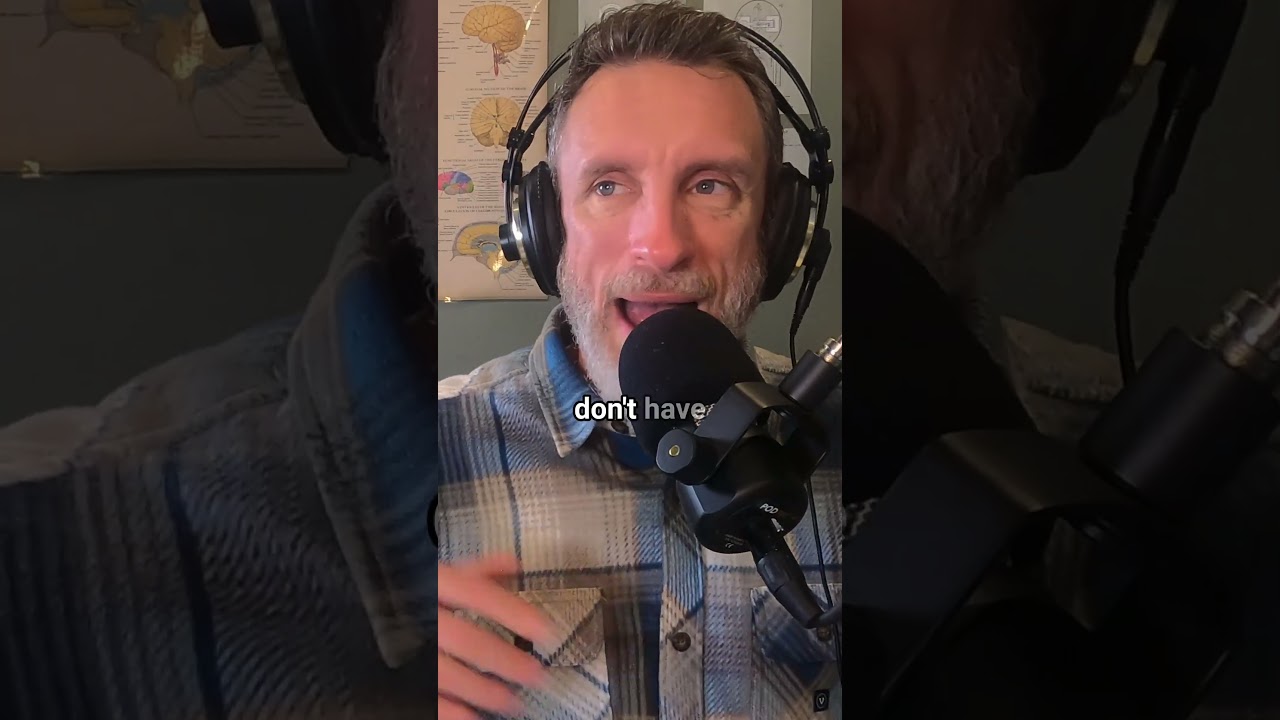
In this monologue, the speaker argues that the post‑COVID workplace has shifted from employees merely wanting flexibility to expecting remote work as a norm, prompting many companies to force a return to the office. The core claim is that in‑person human connection—built through informal, spontaneous interactions like water‑cooler chats—creates rapport, trust, and the exchange of ideas that cannot be replicated in isolated remote settings. An anecdote about arriving late to the office illustrates how casual, social moments quickly re‑establish group cohesion. Because many organizations lack a physical office that facilitates such interaction, the speaker positions company retreats as the essential modern substitute: structured gatherings that blend business‑focused discussions with deliberate human‑centred activities (shared meals, coffee, morning hang‑outs) to align teams, surface diverse perspectives, and keep the “grease for the gears” of collaboration flowing. Retreats are portrayed not as vacations but as necessary, non‑negotiable events that sustain trust, knowledge flow, and overall business momentum.
Chapters
We believe, we're proponents of that. Major proponents of retreat, particularly in the current or the new environment of business and how they operate. Post-COVID predominantly, but it was interesting. Pre-COVID, if I was an employee of a company, I desired or wanted flexibility in my work schedule. I desired or wanted the ability to work remotely. Post-COVID, I expect it. And there's a lot of these news stories, and maybe we'll break into them, of how companies are trying to force people to come back to work and you got to be here. The question I always ask myself is why does Amazon or who whomever, I'm just picking a random name, mandate employees come back to work. There is something powerful around human connection. Yeah. There is rapport and trust that's built. There's an exchange of knowledge and ideas that if we are working in an isolated environment would never happen. What it used to be is we go into maybe our office and that was our isolated time, but then somebody could peek in and you have rapport or is the water cooler. What happens in those moments is trust is built. You don't have to always be talking about business. One of the —moments I said, "Oh, our company's got it." This was a few years ago. I was walking in and I arrived late to work. You were here and so was Aaron and Jenna and Corday and Kelsey. I think Jeremy was here. It was a large group and everyone's talking about, as a group, some social activity. Now the owner guy walks in and what happened? Everyone says, "Hey, Mike." And the conversation continued unabated. I was like, "Oh, we got it." It used to be I'd walk in and now the cat's here, all the mice scurry. It's like, "Oh, well, we were working." We were working. It was just quick. Yeah, back at it. And that's a problem. We need that social connection. Well, with it, we have the grease for the gears. Right. And things just move. Without it, we don't really get each other. Yeah, we get disjointed. Well, in absence of having an office space where people are connecting, retreats are the new connection points. Right. So we do 'em. I believe in them extremely. And the opportunity is just to connect with each other as humans. Conversely, it's not a party. It's not like, hey, let's just gather and vacation together. We have activities around the business so we can kind of centralize our thoughts and move the business forward as a unit. There's certain issues that everyone can give perspectives on and we bring those up, but we're also deliberately connecting and spending time together and breaking bread together, waking up in the morning and hanging out in the morning, cracking coffee. You see a different person too in those environments. So retreats are so important. So huge.